

Valladolid
Valladolid is where you sleep to be at Chichén Itzá before the buses, and Ek Balam is the last big pyramid you can still climb. A belt of cenotes by bike, and free dancing on the square each evening.
Valladolid in a nutshell
Valladolid: what to expect
133,000+ stops in Mexico have been planned on Stippl. Here is what they say about Valladolid.
Valladolid is the Yucatán's oldest colonial town with a Maya city under it, and its job on a modern map is to be the base. Chichén Itzá is forty-five minutes west and wants a gate-opening arrival. Ek Balam is half an hour north and its thirty-two-metre Acropolis is the last big pyramid in the region you may still climb, so do it first. The cenote belt runs in every direction, and Zací sits inside the town itself down an Indiana Jones staircase.
The gravitational centre of the Yucatán loop is a town of 56,000 people. Valladolid turns up on a third of all Mexican trips, more than Playa del Carmen or Mérida, and the trips carrying it hold more Mexican stops than the national picture. Almost nobody arrives here and almost nobody leaves from here: it is pure middle, the clearest case in the country of a place that exists between other places.
Everyone gives Valladolid the same 2 nights, and the plans barely vary. Nine stays in ten stop at three, which is the Chichén-and-cenotes block rather than a town people stretch out in. The evening is the square: Jarana dances at half past five, marquesitas carts, then the convent's light show down the Calzada de los Frailes. Skip Valladolid if you want a night out, because it ends when the square empties.
Plan Valladolid in Stippl
Day-by-day planning, stays and budget in one app, with every place from this guide already on the map.
Download the appWho Valladolid is for
First-time Yucatán loopers
Valladolid is the natural inland stop between the coast and Mérida, with the two big ruins in day-trip range, and most people give it 2 nights.
History buffs
Chichén Itzá at opening, climbable Ek Balam, the Caste War convent, and Uayma's red church.
Cenote collectors
Zací in town, Suytun's platform, Oxman's rope swing, the light beams at Samulá, and the quiet tier beyond.
Budget travellers
Dorms from €14, colectivos for under two euros, and free culture on the square every night.
Families
Walkable, calm, pool-courtyard hotels, and cenotes with life jackets for the children.
Maybe not for you: nightlife seekers, since the show ends when the square empties and public drinking is banned; beach-first travellers, because this is the inland chapter; and anyone allergic to early alarms, as everything here rewards a 7:45 start.
The best time to visit Valladolid
Dry season
November to April
The visit window, with golden mornings for the streets, the ruins and the cenotes alike. Chichén Itzá on the spring equinox in March draws the year's biggest single crowd.
Hot and wet season
May to October
Hot afternoons, short heavy rain late in the day and small crowds. The only months the noon light beam at Suytun performs, from May to August, and never guaranteed.
- February is the month most travellers plan Valladolid for on Stippl, about 74 days ahead. 13.8% of Valladolid plans are made inside a fortnight, and the town's hotels take that in any month.
- The town has a fixed evening programme. The free Jarana dance on the main square at half past five and the San Bernardino sound-and-light show at nine, in Spanish and then English; a one-night stay sees both from the same bench.
- Chichén Itzá is a dawn visit in every season. The gates open at eight and the tour buses from Cancún arrive from half past ten; a Valladolid night is the reason to be at the gate at opening, and the equinox crowds in March and September are the one time to skip it.
- Suytun's light beam is a summer thing, and it is never guaranteed. The shaft of noon light onto the platform only lines up from May to August and needs a clear sky; the rest of the year the cenote is the same and the photograph is not.
Add your Valladolid dates and we'll flag the weather
Stippl shows the season, crowds and prices for every stop on your route.
Describe your trip, get a Valladolid itinerary in seconds
Everything in this guide is already in Stippl. Tell the planner how long you have and what you like: it builds the route, the days and the travel times, and you edit whatever you want.
Things to do in Valladolid
 Photo by Jeff Burak via Unsplash
Chichén Itzá before the buses
Be at the gate at quarter to eight, do El Castillo first and be gone by the ten o'clock wave, about €35. No climbing, no shade and litres of water; the engineered echo at the pyramid is the guides' party trick.
Ek Balam, climbed
Climb the thirty-two-metre Acropolis, the region's last big climbable pyramid, about €25, and do it before Chichén so neither feels like a rerun. Cool off in Cenote X'Canché at the gate.
The cenote belt
Ride the cenotes by scooter or bike: Zací in town for about €3, Suytun's timed platform photograph under the noon beam from May to August, Oxman's rope swing, Samulá and X'kekén's twin caves. Two or three in a morning.
The evening square
Watch the free Jarana dance on the main square at half past five, eat a marquesita from the carts, then walk the Calzada to the convent's nine o'clock light show. Every night.
Río Lagartos and the pink lakes
Take a fishermen's dawn boat, negotiated at the pier and never online, about €50 a boat, through Mexico's largest wetland for flamingos by the thousand and crocodiles, then Las Coloradas' pink lakes. Ninety minutes north; leave by six.
The morning streets
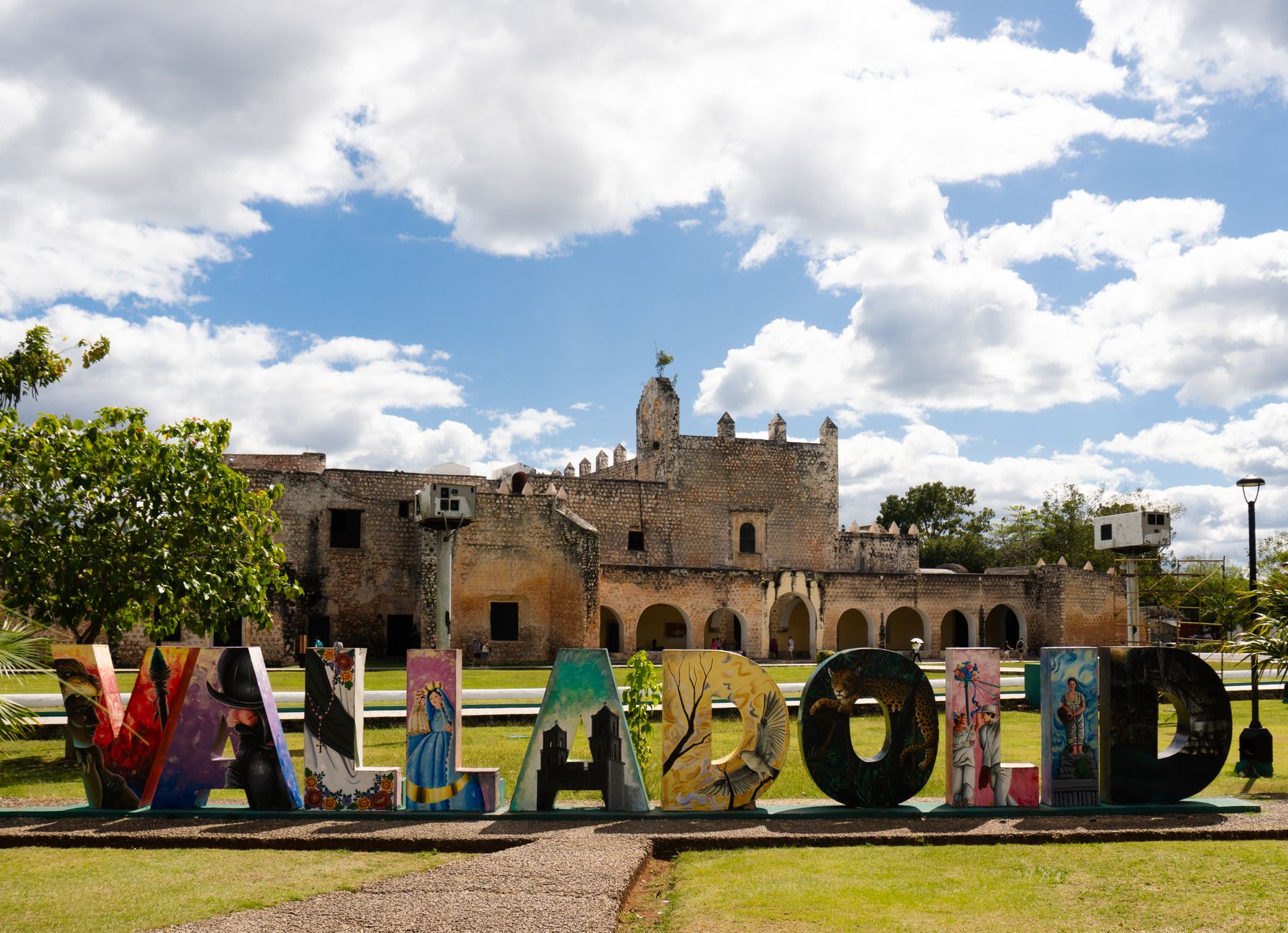
Walk the Calzada de los Frailes and Calle 43 at first light, before the heat and the tour groups, free. The convent of San Bernardino at the end opens at nine.
The neighbourhoods of Valladolid
Centro
The square, jarana, rooftops
The square and the San Servacio church: the lit-up evening square, nightly jarana dances, rooftop bars and the tequila shops, with hotels of every grade around it. For first visits.
The square from the door, and the music until ten.
Calzada de los Frailes
Cobbled lane, the convent
The cobbled boutique lane running to the San Bernardino convent and its evening light show, quiet by day and alive at night, with boutique hotels in the old houses. For evening strolls and couples.
The prettiest street in town, and prices to match.
Candelaria
Painted quarter, near the buses
The peaceful painted quarter in the north with its people-watching park and the budget stays near the bus station. For budget travellers and for the early ADO.
Cheap and quiet, and a ten-minute walk to the square.
The cenote road
Haciendas outside town
The haciendas and cenote lodges on the roads out of town toward Chichén Itzá and the cenote belt, with pools and a car at the door. For families with a car and for the cenotes at opening.
The cenotes before the tours, and a drive for the town.
See every Valladolid neighbourhood on one map
Save the areas you like and Stippl plots your days so you're not crossing the city twice.
Where to stay in Valladolid
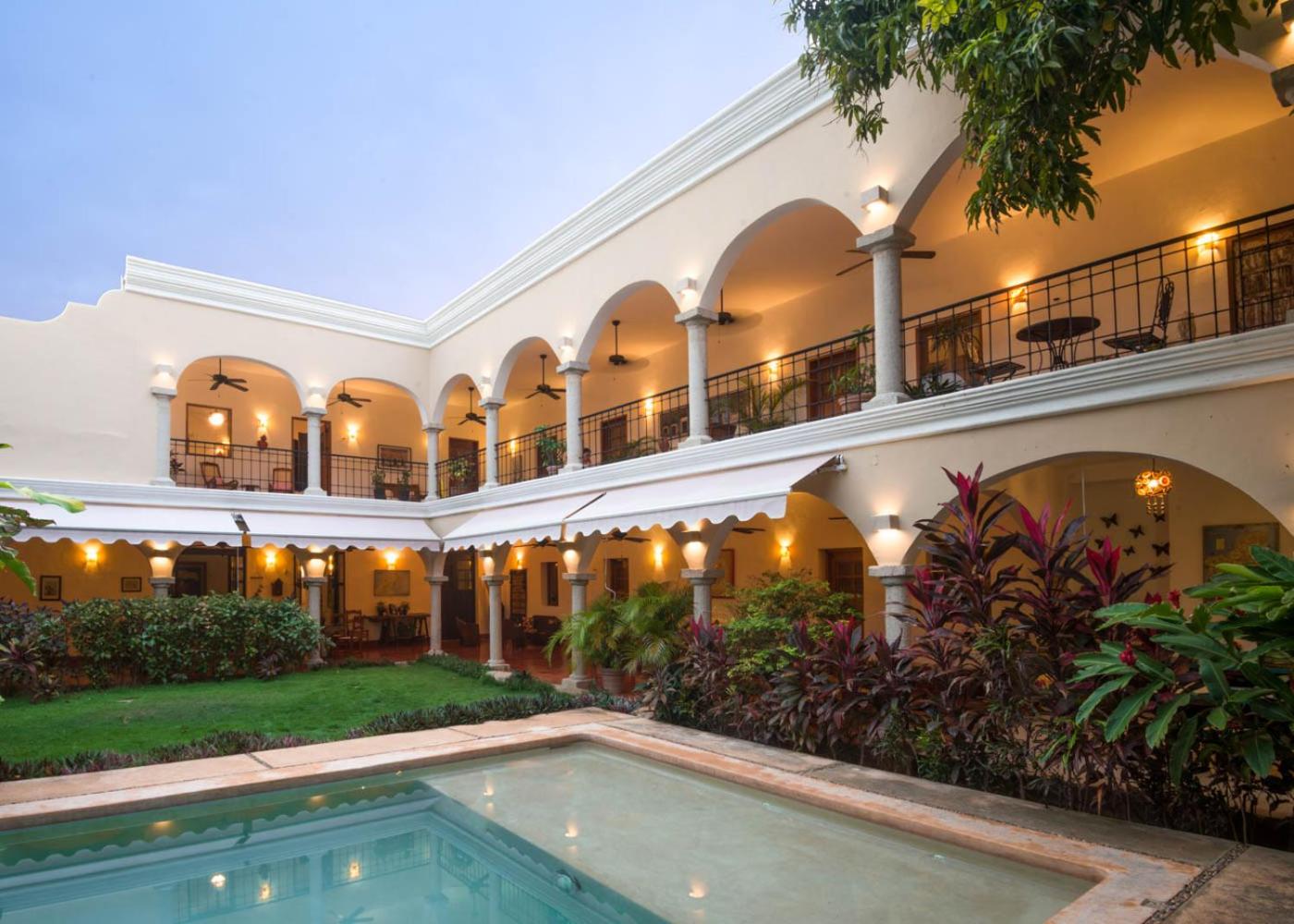
Stay in Centro for a first visit, in a colonial courtyard house with a small pool: the pool matters against the heat, and the lit-up square with its nightly jarana dances is at the door. Most people give Valladolid 2 nights on Stippl. For the eight o'clock opening at Chichen Itza, sleep two kilometres from the gate the night before.
Centro
Colonial houses with courtyard pools, €50 to €120, and a well-loved budget house with breakfast from €12 a bed.
Calzada de los Frailes
Boutique hotels in the restored houses along the cobbled lane, €80 to €180.
Candelaria
Budget guesthouses and hostels near the bus station, €10 a bed to €50 a room, in the painted quarter.
The cenote road
Haciendas and cenote lodges with pools, €90 to €250, and the plain hotels beside Chichen Itza from €40.



What to eat in Valladolid
achiote-buried slow pork/chicken
the town's own pork-in-tomato stew
the smoked local sausage
crisp rolled crêpe + Edam
banana-leaf Yucatecan style
Discover food spots in Stippl
Find restaurants and markets on the map, save them to your itinerary, works offline too.
Valladolid customs and what not to do
Public drinking is illegal
A genuine local rule, not a formality, and the police enforce it on the plaza; drink on the patios and rooftops, where the bars are anyway.
Shower before the cenote
Shower first, life jackets where required, and the platform queue at Suytun runs on a guard's stopwatch; wait your turn and requeue if you want another shot.
The Caste War is still here
The town's living history: the convent's evening show tells it, and the churches built from temple stones embody it, so the guide's account is worth the ticket.
Haggle with the boatmen
At Río Lagartos it is expected and the pier is half the agency price; in the shops on Calzada de los Frailes the price on the tag is the price.
Do
- Start everything at opening: streets, ruins, cenotes and boats
- Take the signposted Oxman exit, not Google's
- Carry small cash for colectivos, cenotes and the market
- Book the convent-show side of town if evenings matter to you
Don't
- Drink in the street; it is enforced
- Arrive at Chichén Itzá mid-morning; ten to two is the crush
- Book Río Lagartos through agencies; the pier is half the price
- Confuse the town with Spain's Valladolid when booking anything
What a Valladolid trip costs
Budget
€30–47
Dorm (€14), market meals, colectivo day trips, one cenote.
Mid-range
€70–110
Courtyard-pool double (€48–61), restaurant dinners, car day.
High-end
€130+
The town's one boutique tier (€136 incl. breakfast).
Track what you actually spend
Set a daily budget per country and log expenses in any currency while you travel.
Fun facts about Valladolid
El Castillo at Chichén Itzá has 365 steps. One for each day of the year across its four stairways, and the pyramid is engineered so a handclap echoes back as a quetzal's chirp.
Uayma's church was built from stones carted off Maya temples. The Spanish took them from Chichén Itzá among other sites, and the red-and-white church 15 minutes from Valladolid is the result.
A swimmable cenote sits inside the town grid. Cenote Zací is ten minutes' walk from the plaza, an open sinkhole with a restaurant on the rim.
Valladolid was founded in 1545 on a Maya city. Zaci-Val was underneath, the town became the third city of the peninsula by the 1840s, and the Caste War battered it for half a century.
A town of 56,000 appears on a third of all Mexican trips on Stippl. More than Playa del Carmen or Mérida, while almost nobody starts or ends a trip here; it is the gravitational centre of the Yucatán loop.
The Calzada de los Frailes is every visitor's prettiest street. The sixteenth-century cobbled lane runs from the centre to the San Bernardino convent, and it is where the evening walk happens.
Local tips for Valladolid
The town walks, sights don't
A car or scooter at about €18 a day is the consensus for the cenote belt; colectivos cover Chichén Itzá and Ek Balam. Ignore Google's wrong turn to Oxman and take only the signposted exit.
The Tren Maya stops here
Valladolid station is on the Cancún to Mérida section and almost no guide mentions it. Cancún airport is about two hours; check the timetable before you book the ADO.
How long to stay
Most people give Valladolid 2 nights on Stippl, as the first or last inland stop on the loop from Cancún. Chichén Itzá at opening one day, Ek Balam and a cenote the next.
Ruins in the morning only
Thirty-five degrees at shadeless ruins by noon; litres of water and the eight o'clock gate. The cenote ladders and jumps are the other physical risk, and the life jackets exist for a reason.
Pre-arrange the return taxi
Agree the fare or check the meter before setting off, and book the return from an out-of-town cenote; none wait there. A taxi to Cenote Suytun is about €8 each way.
Yucatán, not Quintana Roo
The Level 2 advisory ends at the state line; Yucatán's tier is Mexico's lowest and the town has no crime story. Lit streets and no night driving on rural roads is the whole baseline.
Valladolid questions, answered
Because it is forty minutes from the gate while the Cancun coaches are two hours further out, so you can be inside at opening. February is the busiest month in the Valladolid stops planned on Stippl, and in the full months that head start is the whole difference. Put the early morning into Stippl.
Two nights. People who plan Valladolid on Stippl give it 2 nights, and it is enough for Chichen Itza one morning, Ek Balam the next and a cenote after each. The town itself is an evening: the convent, the square and a long dinner.
Stay. Only 2.5% of Valladolid stops planned on Stippl are same-day, so the people who come here sleep here, and they are right to. Two sets of ruins, a dozen cenotes and the best colonial evenings inland all sit inside half an hour.
Yes, at Ek Balam, half an hour north, where the Acropolis is still open to climb and the view out over the jungle canopy is the reason to go. Do it before Chichen Itza rather than after, because once you have climbed one, the roped-off version is a disappointment.
Zaci for no effort at all, since it is in the town. Suytun for the famous platform photograph, which needs a midday sunbeam in late spring or summer. Oxman for the rope swing and a pool afterwards. Samula and X'keken for the caves. Palomitas when you want nobody else there.
Sleep in Valladolid or right beside the gate, be at the entrance before it opens, and walk straight to El Castillo before anything else. The coaches from Cancun and the Riviera own the site from mid-morning until early afternoon. It thins out by two, and by then it is very hot.
Every guide is written by the Stippl editors and checked against the trips our travellers actually plan. Spotted something out of date? Let us know.
Plan Valladolid in Stippl
Day-by-day planning, stays and budget in one app, with every place from this guide already on the map.
Download the app