
Mexico City
Mexico City runs from street stall to the world's fifty best restaurants, over Aztec ruins under colonial streets and more than 150 museums. A better introduction to the country than the resort coast, and lucha libre on Friday nights.
Mexico City in a nutshell
Mexico City: what to expect
We looked at how travellers actually plan Mexico City on Stippl, across 133,000+ planned stops in the country.
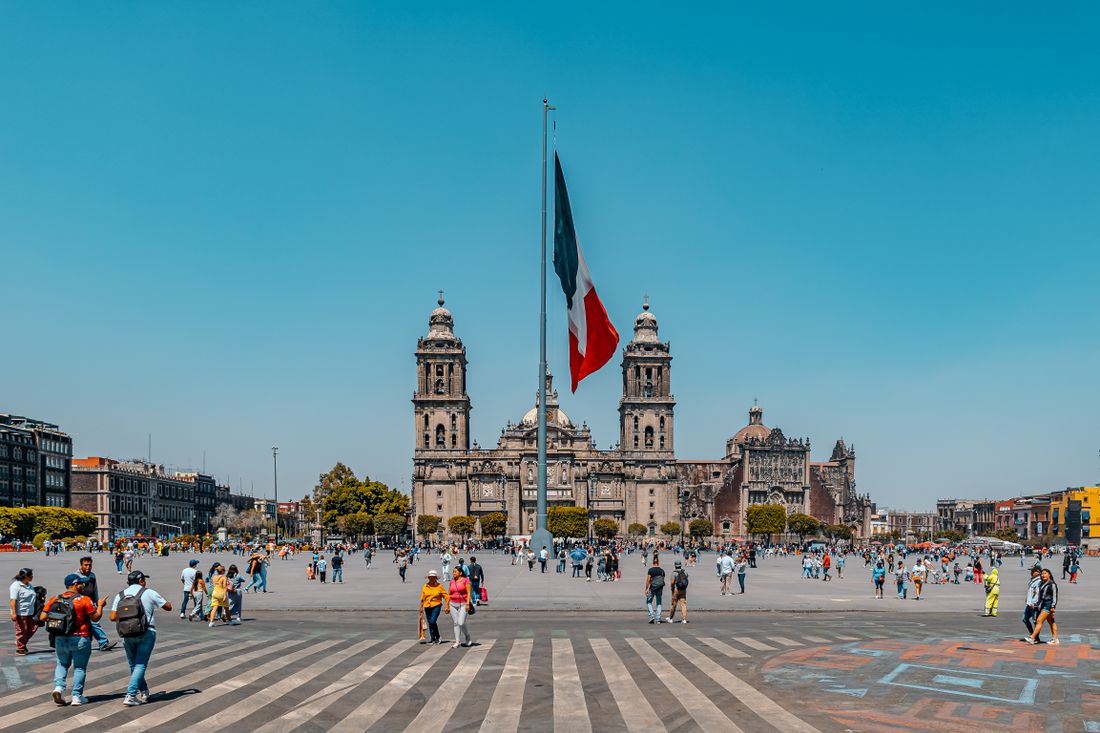
Mexico City is built on top of Tenochtitlan, and you can see both layers from the same square. The Templo Mayor sits beside the cathedral on the Zócalo, and the Anthropology Museum holds the Sun Stone and the Maya rooms that explain everything else you will see in the country. Teotihuacán is ninety minutes out and best at opening. Lucha libre fills Arena México on Tuesdays and Fridays, Xochimilco's trajineras run all day, and Casa Azul needs booking weeks ahead.
Mexico City is the fork in the road rather than a stop on it. It is the only major Mexican destination that turns up on fewer trips than its size predicts, because the Yucatán loop routes around it. Trips that do carry the capital lift the whole southern corridor, roughly doubling the odds of Oaxaca, Puebla and San Cristóbal, and cut the odds of Cancún and Playa del Carmen.
Whoever does come stays longer here than in any other Mexican city, so plan on 3 nights. Four stays in ten run to four nights or more. October is the capital's busiest month, which is Día de Muertos showing up in the plans. At 2,240 metres the sun burns through mild air and the evenings are genuinely cold, so give yourself a slow first day. Skip Mexico City if you came for a beach.
Plan Mexico City in Stippl
Day-by-day planning, stays and budget in one app, with every place from this guide already on the map.
Download the appWho Mexico City is for
Foodies
Street stall to world's-fifty-best in one city, and the single most repeated reason to come.
Art and history lovers
Aztec ruins under colonial streets, the Rivera and Kahlo trail, and more than 150 museums.
First-time Mexico travellers
Mexico City is a better introduction to the country than the resort coast, and it is the 2 most-planned stop in Mexico on Stippl.
Digital nomads
Roma and Condesa coworking and a liveable month at around €1,700, though the gentrification friction is real.
Families
Chapultepec at twice Central Park's size, the Papalote children's museum, KidZania and the free zoo.
Night owls
Lucha libre, mezcalerías, Zona Rosa, and cocktail bars on the world lists.
Maybe not for you: beach-first travellers, since this is a 2,240 m inland metropolis; anyone anxious about big-city noise and crowds, a named downside even by fans; and anyone averse to acclimatising, because the altitude taxes the first days.
The best time to visit Mexico City
Dry season
November to April
Sunny days, cold nights in January and the smog building as the dry months go on, worst from February to May before the rains scrub the air. Día de Muertos at the start and Semana Santa at the end are the two weeks the hotels fill.
Rainy season
May to October
A mostly reliable afternoon shower, lush parks, low-season prices and mornings that stay usable. Independence on 15 and 16 September fills the Zócalo; the rest of the season is the quiet version of the city.
- October is the month most travellers plan Mexico City for on Stippl, about 81 days ahead. 13.7% of Mexico City plans are made inside a fortnight, and the city has the rooms for that in every week but the Día de Muertos one.
- Día de Muertos runs from late October to 2 November, with the parade on the Saturday before. Altars go up city-wide, the hotels book out and prices climb; the parade era began after the Spectre film and the crowds have grown every year since.
- Semana Santa closes the city's offices and fills its hotels. Easter week is a national holiday and half the capital leaves for the coast while the other half visits; the museums run reduced hours and the Zócalo hosts a passion play in Iztapalapa.
- Reforma closes to cars every Sunday morning for the Ciclovía. From eight to two the avenue belongs to bikes and skates, from Chapultepec to the centre; it is the best free thing in the city and the easiest way to see it.
- The smog is a dry-season problem, not a rainy-season one. Ozone worsens as the dry months go on and peaks between February and May; on a bad day the city restricts cars and the volcanoes disappear, and the rains from June clear it.
Add your Mexico City dates and we'll flag the weather
Stippl shows the season, crowds and prices for every stop on your route.
Describe your trip, get a Mexico City itinerary in seconds
Everything in this guide is already in Stippl. Tell the planner how long you have and what you like: it builds the route, the days and the travel times, and you edit whatever you want.
Things to do in Mexico City
 Photo by Juan TM via Pexels
 Photo by Sarah Ramírez via Pexels
The Centro in one sweep
Walk the Zócalo for the evening flag lowering at six, the cathedral, the Templo Mayor and Diego Rivera's murals in the Palacio Nacional, about €5 for the Templo and free for the rest. A morning from eight, before the heat.
The Anthropology Museum
Give half a day to the museum in Chapultepec, or two hours to rooms six and nine, the Mexica hall with the Sun Stone and the Maya, about €5. Closed Mondays; a guide for about €25 is the difference.
Lucha libre at Arena México
Take a Tuesday or Friday CMLL night, about €6 for a window ticket and €2 for a beer inside, cameras banned. Fridays sell out weeks ahead; the Roma bars afterwards are the second half.
Xochimilco with a group
Hire a trajinera by the hour on the canals, about €30 an hour for the boat, with the vendor boats and the mariachi alongside; go with a group and combine it with Coyoacán. Saturdays are the party; weekday mornings the quiet.
The Kahlo and Rivera trail
Book the first slot at the Casa Azul weeks ahead, about €15 with the audio guide, then Trotsky's house eight minutes away and the twin studios at San Ángel. A day in Coyoacán, with the market for lunch.
Teotihuacán at opening
Be at the gate at eight for the largest city of the pre-Columbian Americas, ninety minutes out by bus from the north terminal, about €5. Climbing is banned; the sunrise balloons, about €150, are the way up.
The neighbourhoods of Mexico City
Roma
Mansions, bars, coworking
The hub of Roma Norte and Sur: French-era mansions, Plaza Río de Janeiro, Mercado Roma, the city's best bar list and coworking everywhere, with boutique hotels and hostels. For first visits and for the evenings.
The best bars and streets, and the tourist prices that followed them.
Condesa
Art Deco, parks, cafés
The Art Deco ring around Avenida Ámsterdam and Parque México: tree-lined, café-dense, strong nightlife and very safe, with boutique hotels. For couples and for the parks.
The prettiest streets in the city, and the crowds and prices that come with them.
Centro Histórico
Zócalo, cathedral, cheapest beds
The UNESCO core: the Zócalo, the cathedral, Templo Mayor and Bellas Artes, with the cheapest central beds and the old grand hotels. For budget travellers and for the sights by day; a ghost town after dark.
The sights on foot and the cheapest rooms, and Uber after dark.
Polanco
Exclusive, museums, top hotels
The most exclusive district: Presidente Masaryk avenue, the city's top restaurants, the Soumaya and Jumex museums and the top hotels, with no hostels. For luxury and for the museums.
The museums and the best hotels, and prices of another city.
Juárez and Zona Rosa
Reforma belt, LGBTQ+ nights
The Reforma business belt: safest-rated, family-recommended, with the Zona Rosa's LGBTQ+ nightlife and the big hotels. For families and for the nightlife; rowdier at night with pickpockets.
The safest streets and the nightlife, and a district built for business.
Coyoacán
Cobbled ex-village, Casa Azul
The cobbled former village in the south: Casa Azul, Trotsky's house, the 1921 market and its tostadas, and San Ángel's Saturday bazaar next door, with guesthouses. For culture days and for village calm.
The village and the museums, and forty-five minutes to the centre.
See every Mexico City neighbourhood on one map
Save the areas you like and Stippl plots your days so you're not crossing the city twice.
Where to stay in Mexico City
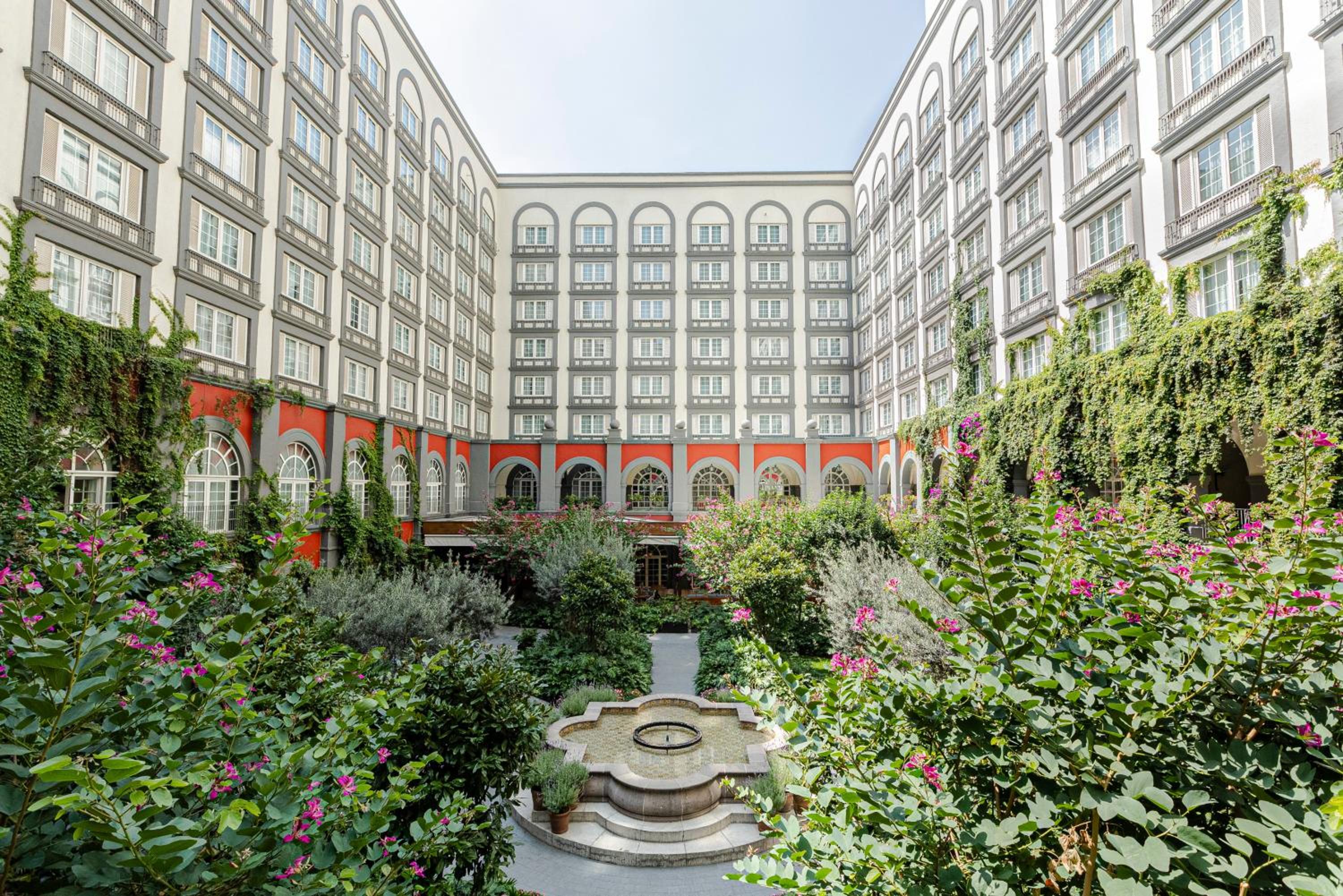
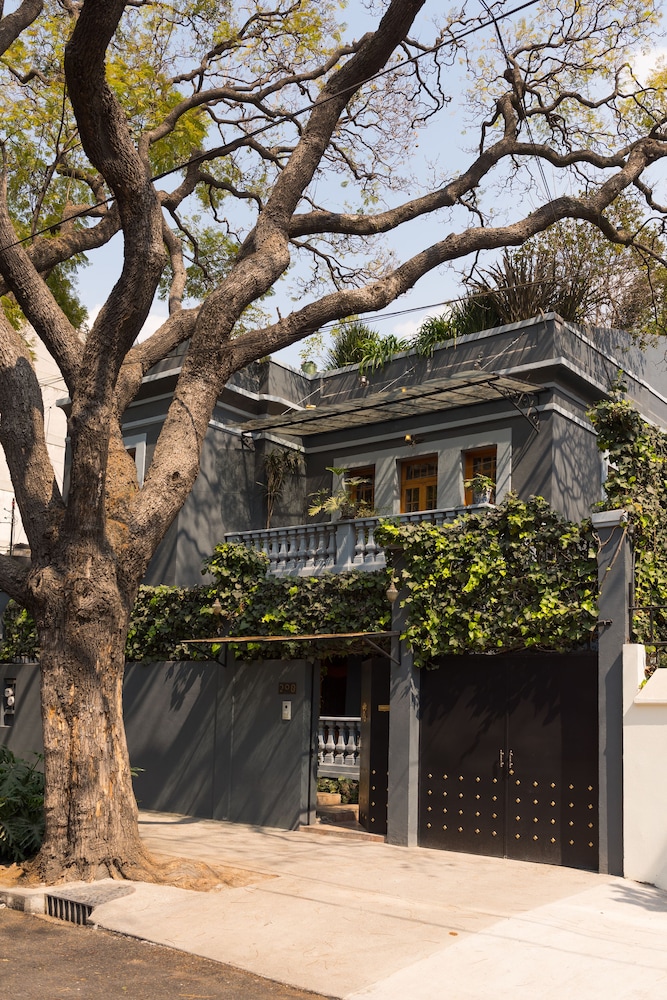
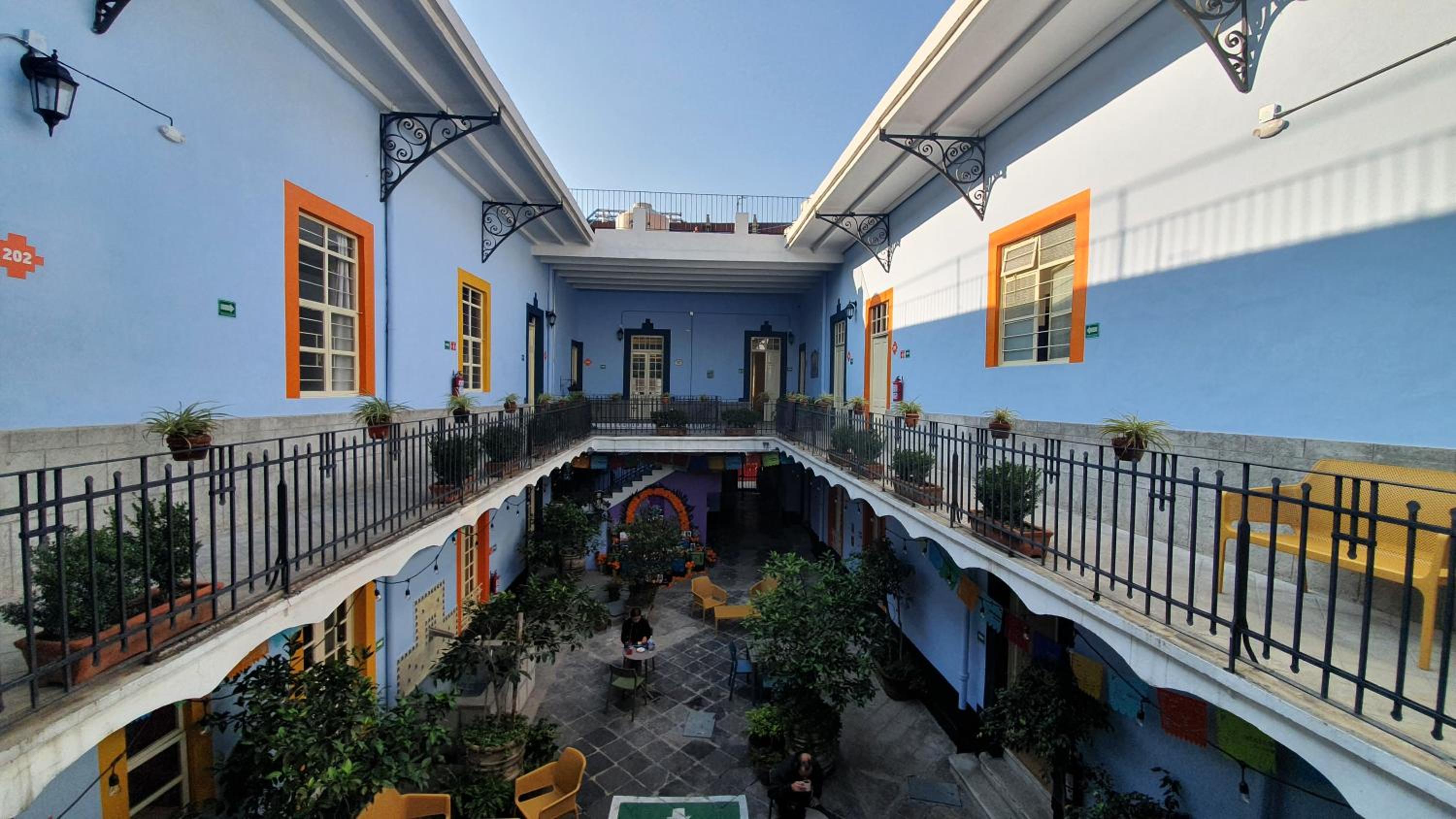
Stay in Roma Norte or Condesa for a first visit: walkable, café-dense, safe-feeling and not cheap; Centro is the budget play with an after-dark trade-off. Most people give Mexico City 3 nights on Stippl, and a large share stay four or more. Book far ahead for Dia de Muertos week and Semana Santa.
Roma
Boutique hostels with breakfast and yoga from €15 a bed, and design hotels in the mansions from €80.
Condesa
Boutique hotels and apartments on the tree-lined streets, €70 to €160.
Centro Histórico
The cheapest central beds, dorms €5 to €12 and doubles €17 to €40, and the old grand hotels from €100.
Polanco
The luxury names and business hotels, €200 to €500, with no hostels at all.
Juárez and Zona Rosa
The big hotels and aparthotels near the park, €60 to €150, the family-recommended base.
Coyoacán
Guesthouses and rented houses in the old village, €40 to €100, forty minutes from the centre.


What to eat in Mexico City
trompo-roasted pork, pineapple
steamed "basket" tacos, stewed fillings
pre-Hispanic stuffed blue-corn masa
corn-fungus delicacy, and NB: CDMX quesadillas come cheeseless unless you say "con queso"
crisp tortillas piled with ceviche/tinga
corn with mayo, cheese, chile, lime
with dipping chocolate
the city's spirit of choice, sipped neat with orange + worm salt
Discover food spots in Stippl
Find restaurants and markets on the map, save them to your itinerary, works offline too.
Mexico City customs and what not to do
Spanish-first courtesy pays
Greetings before requests, tipping expected, and the city is strikingly friendly to visitors who try; a buenos días to the metro attendant is the whole difference.
Mezcal is sipped, not shot
The cantina culture runs that way: neat pours, orange slices and sal de gusano, and no salt-and-lime theatrics. Asking for a shot glass marks the table.
The witch market is a faith
Santa Muerte shrines and the Sonora market belong to living folk religion; observe respectfully, ask before photographing, and buy something if you have been shown around.
Two earthquakes are remembered
1985 and 2017 are living memory and rebuilt whole neighbourhoods; the seismic alert drills are taken seriously, and the city stops for the anniversary at 13:14 on 19 September.
Do
- Use the pink metro carriages if you are a woman travelling alone
- Carry photo ID; the police can ask and the Palacio Nacional requires it
- Book Frida Kahlo, the top restaurants and Friday lucha libre well ahead
- Tip in cash; ushers, guides and baggers live on it
Don't
- Hail street taxis; Uber, DiDi or a sitio only
- Flash phones or jewellery after dark, or walk between neighbourhoods at night
- Drink the tap water
- Enter Tepito, Doctores, La Merced, Iztapalapa or Ciudad Neza
What a Mexico City trip costs
Budget
€26–34
Dorm, metro, street food, free museums/parks.
Mid-range
€43–80
Private double or boutique hostel, Ubers, museums, one good dinner.
High-end
€130+
Roma/Polanco boutique or Four Seasons, world-list restaurants.
Track what you actually spend
Set a daily budget per country and log expenses in any currency while you travel.
Fun facts about Mexico City
A Bond film invented the Day of the Dead parade, and the city built it. The opening scene of Spectre in 2015 showed a parade that did not exist; the real one started the next year and now draws millions.
Every metro station has its own pictogram. The icons were designed in 1969 for riders who could not read, and the system still uses them alongside the names.
Bellas Artes has sunk more than four metres into the old lakebed. The city was built on the drained Lake Texcoco, and the cathedral and the palace of fine arts are both measurably tilting.
A quesadilla in Mexico City contains no cheese unless you ask. It is a genuine chilango peculiarity, and ordering con queso is the tell that you are not from here.
The Templo Mayor was only rediscovered in 1978. Electricity workers hit a carved stone beside the cathedral, and the main temple of Tenochtitlan came up from under the colonial centre.
Mexico City has more than 150 museums. From Anthropology, the country's crown jewel, to Soumaya and Jumex and two separate house museums for Frida Kahlo and Diego Rivera.
The city sits at 2,240 metres. It is never hot like the coast, nights get genuinely cold in winter, and the sun burns even when it feels mild until you acclimatise.
Local tips for Mexico City
Uber, DiDi, never a street cab
Rigged meters and worse are a documented street-taxi problem. Uber and DiDi are cheap and tracked, and an official sitio taxi from a rank is the sanctioned alternative. Do not rent a car.
The metro at €0.25
Five million riders a day, pictograms for every station and a flat fare of five pesos. Avoid seven to ten and four to seven in the crushes, and women travelling alone use the pink carriages.
How long to stay
Most people give Mexico City 3 nights on Stippl: the Centro and Chapultepec, a Coyoacán and Frida Kahlo day with tickets booked weeks ahead, and Teotihuacán by bus from the north terminal.
Geography is the safety tool
Roma, Condesa, Juárez, Polanco and Coyoacán are safe including evenings within them; the Centro is fine by day and dead after dark. Never walk between areas at night; Uber the gaps.
Watch the drink, keep the phone
Pickpocketing in crowds, phone snatching and drink spiking in nightlife are the real risks. Fake police asking for money or passports exist: insist on the written fine; the tourist police in green speak English.
Sixty seconds of siren
The seismic alert sounds up to a minute before shaking; move to open ground away from buildings and power lines. The altitude at 2,240 metres sharpens sun and hangovers, so drink water the first days.
Mexico City questions, answered
By neighbourhood, and by opening day, because half the museums close on Mondays. Mexico City opens 53.0% of the trips it appears in on Stippl, so it usually sets the arrival date. Put Frida Kahlo and Teotihuacan into Stippl first, since both need booking, and fill in around them.
Three for the core, five with Teotihuacan and a lucha libre night. Most people give Mexico City 3 nights in the plans they build on Stippl, the deepest city stay in the country. The centre, Coyoacan, Roma and Condesa are an afternoon each, unhurried.
24.6% of Mexico City stops planned on Stippl are a single night, and that is usually a flight connection rather than a visit. One night gets you the Zocalo and a good dinner. This is the deepest stay in Mexico for a reason, and two more nights change it entirely.
Yes, and days to weeks ahead. Tickets are sold online only and they do sell out, which makes this one of the few things in Mexico worth booking before you leave home. Take the first slot of the day and the audio guide, and note it closes on Mondays like most of the city's museums.
No. Climbing has been banned for several years now to protect the structures, with only a low platform on one pyramid partially reopened under restrictions. It is still worth the hour out of the city: go at opening before the heat, or take the dawn balloon flight over the valley.
Know where the open ground is. The alarm gives up to a minute of warning, and the drill is to get to open space away from buildings or to a marked safe zone, not to run down the stairs. Follow the locals, who all know their meeting point, and keep the city's alert app installed.
Every guide is written by the Stippl editors and checked against the trips our travellers actually plan. Spotted something out of date? Let us know.
Plan Mexico City in Stippl
Day-by-day planning, stays and budget in one app, with every place from this guide already on the map.
Download the app