

Valencia
Valencia is the relaxed alternative to Barcelona: Spain's largest old town, a nine-kilometre park in a drained riverbed, Calatrava's white shells at one end and the beach at the other. Two or three nights, a bike on the first morning, and paella at lunch, never dinner.
Valencia in a nutshell
Valencia: what to expect
Our travellers have planned 246,000+ stops in Spain on Stippl. That is where the numbers here come from.
Valencia gets two nights from most people and three from the guides, and the city is built on one flat line. The medieval core of Ciutat Vella, with the cathedral, the Lonja de la Seda and the Mercado Central, sits at one end of the Turia park, Calatrava's City of Arts and Sciences four kilometres down it, and the beach at El Cabanyal six kilometres from the cathedral. Paella comes from the Albufera villages just south, and Ruzafa is where the city eats now. Most travellers give Valencia 2 nights on Stippl.
Valencia is Spain's fourth-most-planned place, and it is a stay rather than a stopover. 38.4% of Valencia stops planned on Stippl run to three nights or more, against 31.6% that are a single night, and 11.1% of Valencia trips have no other stop at all, which is a city people come for rather than pass through.
Sleep in Ciutat Vella for a first visit or Ruzafa for a second, rent a bike before any transport ticket, and eat the rice where it grows. The metro reaches the airport and the beach and little else you want. Skip Valencia in late October if an outdoor week is the point, because the autumn storms are a normal feature of this coast, and skip the beach as a base unless the sea is the trip, since it costs a ride every morning.
Plan Valencia in Stippl
Day-by-day planning, stays and budget in one app, with every place from this guide already on the map.
Download the appWho Valencia is for
City-and-beach refusers
The single most repeated argument for Valencia: a real city with a real beach, six kilometres apart on a flat park that a bike covers in twenty minutes.
Cyclists
Over 200 km of bike lanes, a flat city and a nine-kilometre car-free park with the old town, the City of Arts and the sand on one line.
Eaters on a budget
The menú del día runs three courses from about €8 to €12 on weekdays, the best-value lunch in Spain's big cities, and the Mercado Central feeds the rest.
Families
A free 70-metre Gulliver to climb in the park, Europe's largest aquarium, a science museum built for touching, and beaches flat enough for a pushchair.
Barcelona avoiders
Fewer sights of world rank and considerably less crowd, at lower prices and with the better beach, which is the trade every comparison makes.
Stayers, not stoppers
38.4% of Valencia stops planned on Stippl run to three nights or more, and 11.1% of Valencia trips have no other stop.
Maybe not for you: anyone who wants the beach at the door, since it is six kilometres from the cathedral; and anyone planning an outdoor week in late October, when the cold-drop storms are a normal feature of this coast.
The best time to visit Valencia
The quiet mild months
December to February
Sixteen or 17 degrees by day, the cheapest beds, no queues at the Oceanogràfic and a sea nobody swims in; the orange harvest is on in the huerta.
The spring window
March to May
The best of the year, with Las Fallas sitting inside it in March and the city booked out for that fortnight; April and May are the sweet spot.
The beach months
June to August
Hot, humid and rainless, the only stretch when the sea is the point, and air conditioning is a specification rather than a luxury.
The second window
September to November
The warmest sea and the best light of the year, set against the two wettest months and the cold-drop storm risk that peaks in October.
- July is the month most travellers plan Valencia for on Stippl, and June to September takes 61.4% of the plans. That is the beach quarter, so the spring window is the one with room in the old town.
- Most travellers plan Valencia about 66 days ahead on Stippl, and 17.1% inside a fortnight. Nothing here sells out months ahead except Las Fallas, when the rooms go six to twelve months out.
- Las Fallas runs from 1 to 19 March, with the main days from the 15th and everything burning on the night of the 19th. The mascletà, a percussion firework felt rather than watched, goes off in Plaza del Ayuntamiento at two every afternoon of the fortnight.
- The Tribunal de las Aguas sits every Thursday at noon at the cathedral's Apostles' Door. Eight elected farmers settle irrigation disputes outdoors, as they have since the tenth century, and it takes ten minutes to watch.
- The autumn storm season runs September to November and peaks in October. AEMET issues colour-coded warnings and the alert reaches every phone in the region, so check the warning page before planning an outdoor day.
- Paella is a lunch dish and the Albufera is a lunch trip. El Palmar and the lake ten kilometres south are where the rice grows, reached by bike or bus, and the wood-fired pans are ordered for a table, not a person.
Add your Valencia dates and we'll flag the weather
Stippl shows the season, crowds and prices for every stop on your route.
Describe your trip, get a Valencia itinerary in seconds
Everything in this guide is already in Stippl. Tell the planner how long you have and what you like: it builds the route, the days and the travel times, and you edit whatever you want.
Things to do in Valencia
Cycling the Turia to the sea
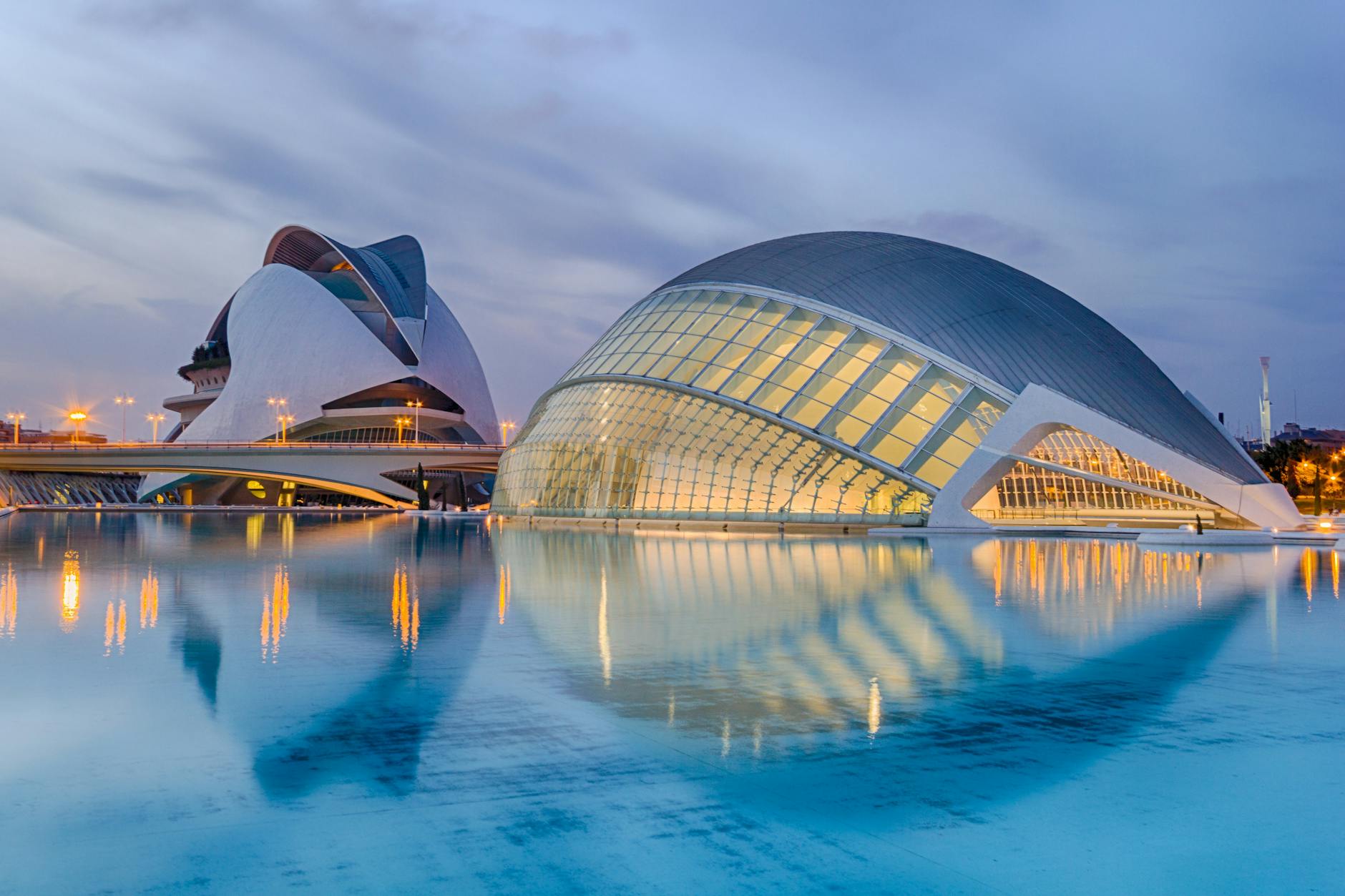
Nine kilometres of drained riverbed under nineteen historic bridges, from the old town past Calatrava's complex to the sand, on a hired bike; the one thing everyone agrees on.
The Mercado Central at nine
About 260 stalls under an art-nouveau iron dome, while the restaurants are still buying rather than the visitors, and the horchata bars around it open.
Paella in an Albufera village
Cooked over wood in El Palmar, ten kilometres south where the rice still grows, at lunch and never dinner; valenciana means chicken and rabbit, not seafood.
Climbing the Miguelete
207 steps up the cathedral's octagonal bell tower for the blue-tiled domes and the whole of the old town, with the Holy Chalice chapel below.
The City of Arts after dark
The white shells lit and doubled in their own pools, free to walk through, with the Oceanogràfic and the science museum inside for the daytime.
El Cabanyal's tiled houses
The old fishing quarter on the beach, with modernist tile fronts the city once planned to bulldoze, now slowly renovated, and the sand at the end of the street.
The neighbourhoods of Valencia
Ciutat Vella
The cathedral and market core
The Gothic cathedral, the UNESCO-listed Lonja de la Seda and the Mercado Central across the road, and the natural base for a first visit because nothing else in the centre needs transport. For first visits.
Every sight on foot, at the fullest prices in the city and a bike ride from the sea.
El Carmen
The oldest lanes
A knot of narrow streets inside the old walls, two surviving city gates and one of Spain's denser street-art concentrations, quiet by day and the loudest part of the city after ten along Calle Caballeros. For nightlife.
The best evenings, and the noise that goes with them under the window.
Ruzafa
The design district
A working-class barrio turned into the city's design quarter over two decades: vintage shops, independent kitchens, its own covered market and a brunch culture, fifteen minutes' walk from the old town. For second visits and dinners.
A better dinner and a lower price, fifteen minutes on foot from the sights.
El Cabanyal
The fishermen's beach
The old fishing quarter on the sand, with tile-fronted houses, artists and small kitchens, cheaper than the centre and six kilometres from it. For a beach stay.
On the sand and in a real neighbourhood, and a bike or tram every morning to the city.
Quatre Carreres
Around the City of Arts
The district holding Calatrava's complex three kilometres south of the old town along the park, modern and spread out, with the cheapest central-ish beds and the Oceanogràfic on the doorstep. For budgets and families.
Cheap beds and the aquarium next door, in a district with no evening of its own.
L'Eixample
The nineteenth-century grid
Built south of the old town when the walls came down, with the Mercado Colón's modernist hall now cafés rather than stalls, the shopping streets and the Mestalla stadium. For calm and comfort.
Calmer and better hotels, and a walk to the old town for the atmosphere.
See every Valencia neighbourhood on one map
Save the areas you like and Stippl plots your days so you're not crossing the city twice.
Where to stay in Valencia
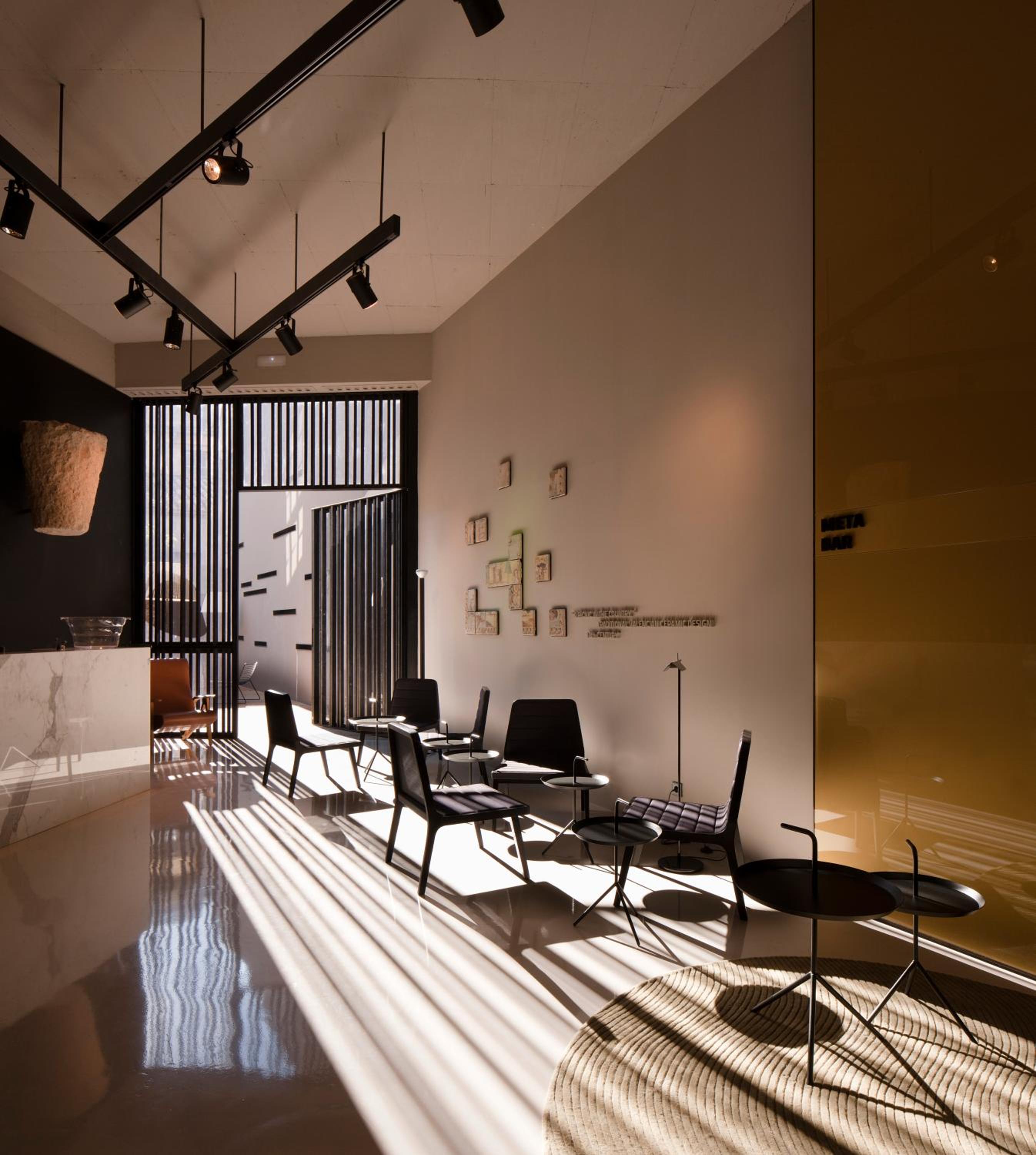
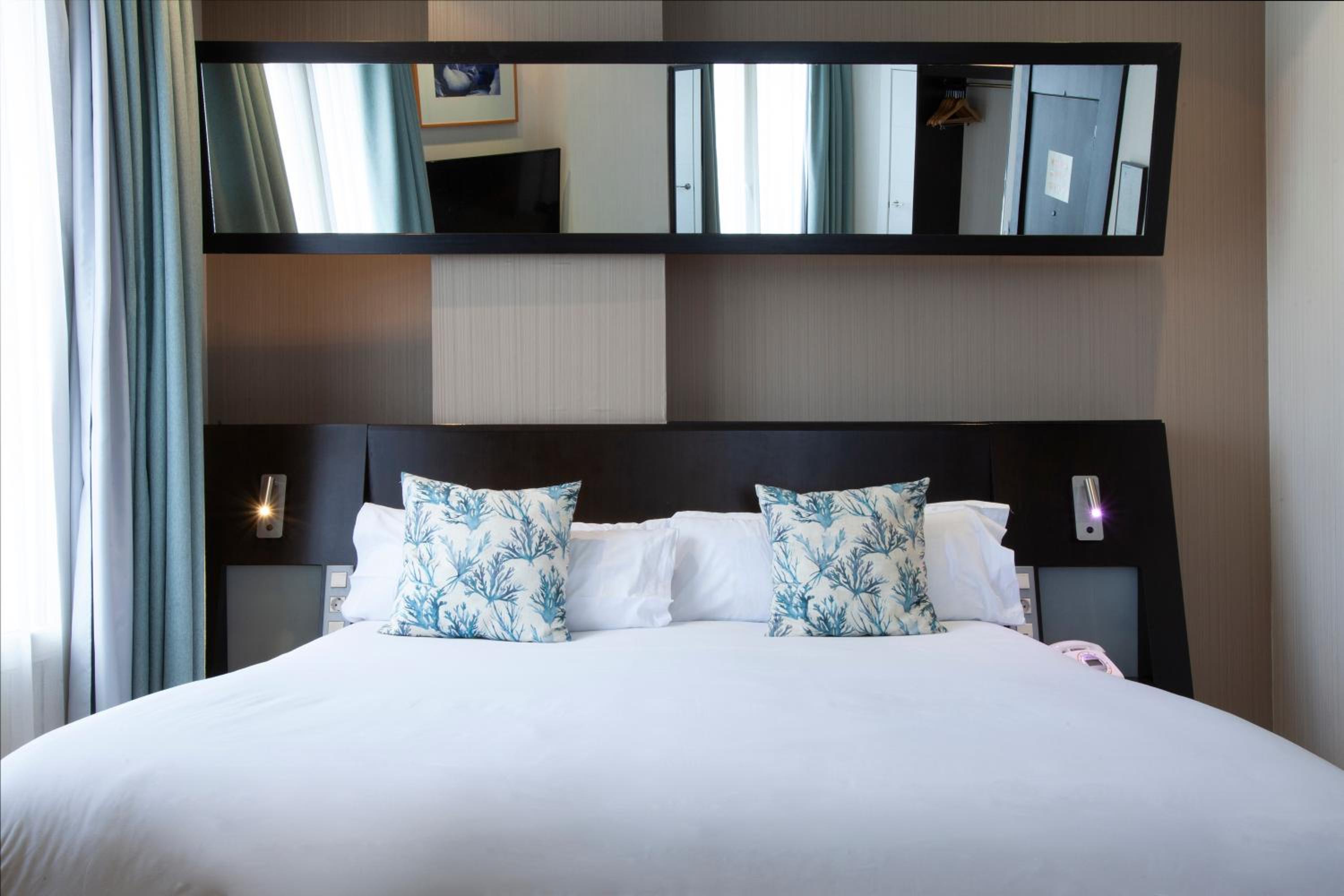
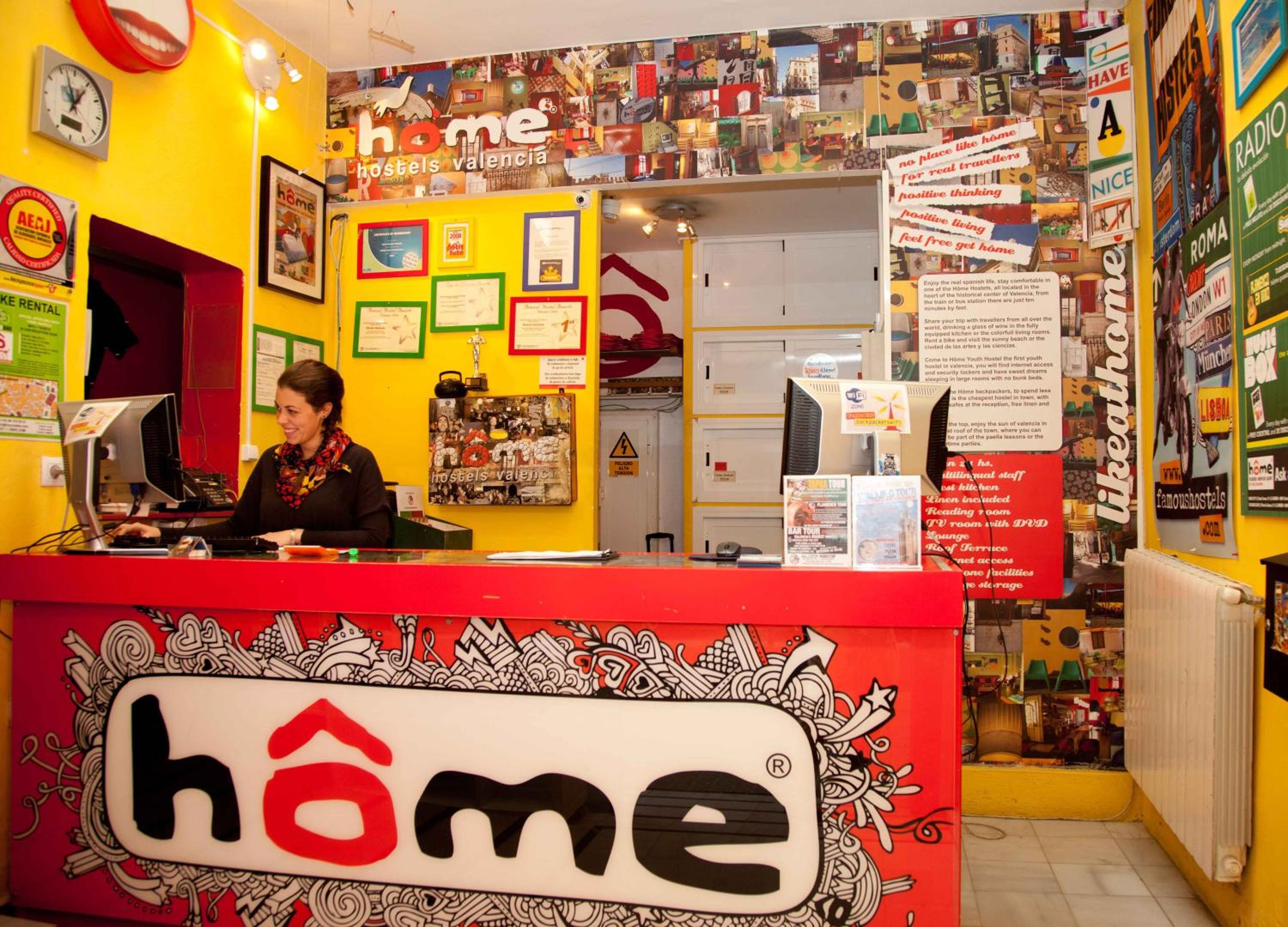
Choose between the old town, Ruzafa and the beach, and it is a real choice because the beach is six kilometres from the cathedral: Ciutat Vella for a first visit, Ruzafa for a second, El Cabanyal only if the sea is the trip. Most travellers give Valencia 2 nights on Stippl, apartments outnumber hotels in the useful mid-range, and air conditioning is a specification from June to September.
Ciutat Vella
Boutique hotels and apartments in the old lanes, €100 to €220 a double.
El Carmen
€60–110
Hostels and small hotels in the oldest quarter, €70 to €170 a double, with late noise.
Ruzafa
Apartments and design guesthouses among the restaurants, €80 to €180 a double.
El Cabanyal
Beach apartments and a few small hotels on the sand, €80 to €200 a double.
Quatre Carreres
The cheapest hostels and chain hotels near the City of Arts, €60 to €140 a double.
L'Eixample
Mid-range and four-star hotels on the grid, €110 to €240 a double.


What to eat in Valencia
Bomba rice cooked flat in a wide pan over wood, with chicken, rabbit, flat green beans and garrofó butter beans. No seafood, no chorizo
The rice dishes that are not paella: one cooked in fish stock and served apart from the fish, one blackened with squid ink
A cold, sweet, non-alcoholic drink pressed from tiger nuts, with sugared finger buns for dunking. Drunk mid-morning or late afternoon
Orange juice, cava, gin and vodka, served by the jug. Invented in a Valencia bar in the 1950s and now the city's drink
Salt cod torn by hand with roasted red pepper, garlic and olive oil. The local tapa before the rice arrives
Small toppings on bread, taken off the bar yourself and paid for by counting the sticks
The oranges the region built its 19th-century economy on. The trees on the streets are ornamental and inedible; the eating fruit comes from the huerta
Discover food spots in Stippl
Find restaurants and markets on the map, save them to your itinerary, works offline too.
Valencia customs and what not to do
Valencian is a language
Signs, street names and menus appear in Valencian, a variety of Catalan, alongside Castilian; nobody expects you to use it and everybody notices if you call it a dialect.
The day is shifted
Lunch runs from two to four and dinner starts after nine, and the shops in the centre still close through the afternoon.
Paella is a lunch dish
Ordering it in the evening is the clearest signal you can send that you are a visitor, and the good places will not cook it after four.
Street oranges are not food
The trees in the squares are ornamental bitter oranges, inedible raw, exactly as in Seville; the eating fruit comes from the huerta.
Fallas is local first
Each monument belongs to a local commission that spends the year and its own money building it, then burns it, and the visitors are guests at that.
Bullfighting runs here
The Plaza de Toros holds fights around the Fallas, the July fair and 9 October, and the city carries both the description and the objection.
Do
- Rent a bike on the first morning
- Eat the menú del día at lunch and treat dinner as the optional meal
- Go to the Mercado Central before one, and not on a Sunday
- Take the rice seriously and eat it where the rice grows
- Check the AEMET warning page in September and October before planning an outdoor day
Don't
- Order paella for dinner
- Call Valencian a dialect of Spanish
- Turn up for dinner at seven and conclude the city is empty
- Drive into the old town; it is restricted and the parking is underground
- Assume the beach is walkable from the cathedral; it is six kilometres
What a Valencia trip costs
Budget
€50–80
A hostel bed in Ciutat Vella, the menú del día, the free half of the City of Arts, a hired bike.
Mid-range
€110–180
A boutique hotel or an apartment in the old town or Ruzafa, sit-down meals, the Oceanogràfic, a paella lunch at the Albufera.
High-end
€250–450+
A beachfront or design hotel, booked restaurants, a paella workshop and a guide.
Track what you actually spend
Set a daily budget per country and log expenses in any currency while you travel.
Fun facts about Valencia
The main park of Valencia is a river. The Turia was diverted after the 1957 flood, a motorway was planned in the empty bed, residents fought it off, and the nine-kilometre park opened in 1986.
Valencia Cathedral claims the Holy Grail. An agate cup in its own chapel is held by the Church to be the chalice of the Last Supper, and it has its own queue.
The Tribunal de las Aguas has met every Thursday at noon since the tenth century. Outdoors at the cathedral door, it still issues binding rulings on irrigation and sits on UNESCO's intangible heritage list.
A 70-metre Gulliver lies in the Turia park as a climbing frame. His ropes and hair are built as slides and ladders, and it is free.
Europe's largest aquarium is the Oceanogràfic at Valencia. Forty-two million litres of water, under a roof Félix Candela designed after a water lily.
Agua de Valencia was invented in a Valencia bar in the 1950s. Orange juice, cava, gin and vodka, served by the jug rather than the glass.
Local tips for Valencia
A bike before any ticket
The old town, the City of Arts and the beach sit on one flat car-free line through the park, so a hired bike beats every transport pass for the whole stay.
The metro is for the airport
It reaches the airport and the beach and little else you want; the historic core is walked, and the bus and tram fill in the rest.
Free Now, not Uber
Uber is largely absent, and the taxi drivers work through the Free Now app, so install it before landing rather than searching at the rank.
The flood risk is in autumn
Cold-drop storms are a normal feature of this coast from September to November, peaking in October; the city centre is protected by the diverted river, the southern belt is not.
Pickpockets, nothing worse
Watch your bag around the Mercado Central, the cathedral squares and the beach tram; the tap water is safe and free.
Two or three nights
Most travellers give Valencia 2 nights on Stippl and 38.4% of stops run to three or more, so the Albufera lunch fits on the third day.
Valencia questions, answered
No, it is what the guides ask for. Most travellers give Valencia 2 nights on Stippl, but 38.4% of stops run to three or more, and the third day is the Albufera paella lunch or the beach. Two covers the old town, the Turia ride and the City of Arts after dark.
Cheaper, calmer and with the better beach, against Barcelona's greater monuments; that is the trade every comparison makes, and nobody pretends Valencia has a Sagrada Família. 11.1% of Valencia trips planned on Stippl have no other stop, so plenty of people make it the whole holiday.
As a stay between Barcelona and the south, or as the trip itself: Valencia opens 20.0% of the trips it appears on, of everyone who plans it on Stippl. Lay it out in Stippl with three nights and the fast train from Madrid or Barcelona, then ask people who have been, in subreddits like r/Valencia or r/spain, whether to add the Albufera.
About six kilometres, roughly twenty minutes by bike along the Turia park or by tram and metro, and not walking distance. El Cabanyal is the beach quarter, with the tiled fishermen's houses behind the sand, and a stay there costs a ride into the city every morning.
From 1 to 19 March, with the main days from the 15th and everything burning on the night of the 19th. The mascletà goes off at two every afternoon of the fortnight, the rooms go six to twelve months ahead, and the rest of March is the quiet end of the spring window.
At lunch, and ideally in an Albufera village such as El Palmar rather than on the tourist boulevard, cooked over wood and ordered for the table. Valenciana means chicken, rabbit and beans, not seafood. July is the month most travellers plan Valencia for in the Spain trips people build on Stippl, and the lake restaurants are fullest then.
Every guide is written by the Stippl editors and checked against the trips our travellers actually plan. Spotted something out of date? Let us know.
Plan Valencia in Stippl
Day-by-day planning, stays and budget in one app, with every place from this guide already on the map.
Download the app