
Madrid
Madrid is a working capital rather than a sightseeing city: three great galleries a walk apart, the best-value lunch in Spain, and a high-speed line to everywhere. Two nights, the main meal at one, and Toledo half an hour away.
Madrid in a nutshell
Madrid: what to expect
We read 246,000+ planned stops in Spain on Stippl to see how Madrid really gets planned.
Two nights in Madrid go to the neighbourhoods and the eating rather than a checklist. The Prado, the Reina Sofía and the Thyssen sit fifteen minutes apart on the Paseo del Arte with Velázquez, Goya and Guernica between them, the Royal Palace and Plaza Mayor hold the western edge, and the evenings run through Cava Baja in La Latina, Calle Ponzano in Chamberí and Malasaña until dawn. Most travellers give Madrid 2 nights on Stippl, and the menú del día at lunch is the value trick.
Madrid is Spain's second-most-planned place, and it is planned as the front door. The capital takes 14.5% of every Spanish stop planned on Stippl, opens 33.6% of the trips it appears on, and only 8.4% of Madrid trips have no other stop, because the high-speed lines put Seville, Barcelona, Valencia and Córdoba within two and a half hours.
Sleep in La Latina or the quiet of Chamberí, book the first slot at the Prado and the Royal Palace, and give a morning to Toledo. The Cercanías from T4 skips the airport supplement, and the free last two hours at the Prado run every day. Skip Madrid in July and August unless the galleries are the point, because 35 degrees on a dry plateau closes the afternoon, and skip Gran Vía as a bed if you sleep lightly.
Plan Madrid in Stippl
Day-by-day planning, stays and budget in one app, with every place from this guide already on the map.
Download the appWho Madrid is for
Art people
The Prado, the Reina Sofía and the Thyssen are a fifteen-minute walk apart and hold Velázquez, Goya, Guernica and Dalí between them, more than anywhere else in Spain.
Eaters on a budget
The menú del día, three courses and a drink for €12 to €16, is a Madrid institution and the single best value in Spanish city travel.
Trip starters and enders
Madrid opens 33.6% of the trips it appears on, of everyone who plans it on Stippl, and the AVE reaches Seville in two and a half hours.
Day-trippers
Toledo, Segovia, Ávila and El Escorial are all inside an hour by train, and Toledo is Madrid's strongest travel partner by a wide margin.
Night people
Madrid's dining and drinking runs later than Barcelona's, which is later than most of Europe's, and Malasaña's Plaza del Dos de Mayo runs until dawn.
Football travellers
The Bernabéu and the Metropolitano are both major stadium visits in the same city, with the bars full on match days.
Maybe not for you: anyone who wants a sights checklist, since Madrid's pleasure is the neighbourhoods and the eating rather than monuments; and anyone here in July or August for the streets, because the afternoons are for indoors on this plateau.
The best time to visit Madrid
Cold and clear
December to February
Dry, cheap and the galleries at their emptiest, with winter nights cold enough to need a coat, which surprises people who packed for Spain.
The spring window
March to May
The best of the year, with the terraces out from March, Semana Santa processions in the old town and the wettest month of the year inside it.
Peak heat
June to August
Thirty to 35 degrees, rainless, and the city partly closed in August when the locals leave; the early afternoon is for the galleries and the hotel.
The second window
September to November
The heat breaks, the terraces reopen, October brings the rain and November the cheapest rooms before Christmas.
- July is the month most travellers plan Madrid for on Stippl, and June to September takes 53.5% of the plans. That is the plateau's hottest quarter, so the spring and autumn windows are the ones with room and bearable afternoons.
- Most travellers plan Madrid about 77 days ahead on Stippl, and 14.7% inside a fortnight. The Prado and the Royal Palace sell timed slots days rather than months ahead, so the late plan works here in a way it does not in Granada.
- San Isidro in mid-May is the city's own festival. A week of concerts, chotis dancing in the Pradera and the start of the bullfighting season at Las Ventas, with the hotels full and the terraces at their best.
- Madrid Pride in the first week of July is one of the largest in the world. Chueca and the centre fill for the weekend, and the rooms around Gran Vía go weeks ahead.
- August empties the neighbourhoods. The locals leave and a share of the small restaurants and shops close with them, so the Cava Baja crawl and the Ponzano vermouth are for the other eleven months.
- The Thyssen's permanent collection is free all day Monday and the Prado free for the last two hours every day. The Reina Sofía has free evening hours most days, so the three galleries can cost nothing with the timing right.
Add your Madrid dates and we'll flag the weather
Stippl shows the season, crowds and prices for every stop on your route.
Describe your trip, get a Madrid itinerary in seconds
Everything in this guide is already in Stippl. Tell the planner how long you have and what you like: it builds the route, the days and the travel times, and you edit whatever you want.
Things to do in Madrid
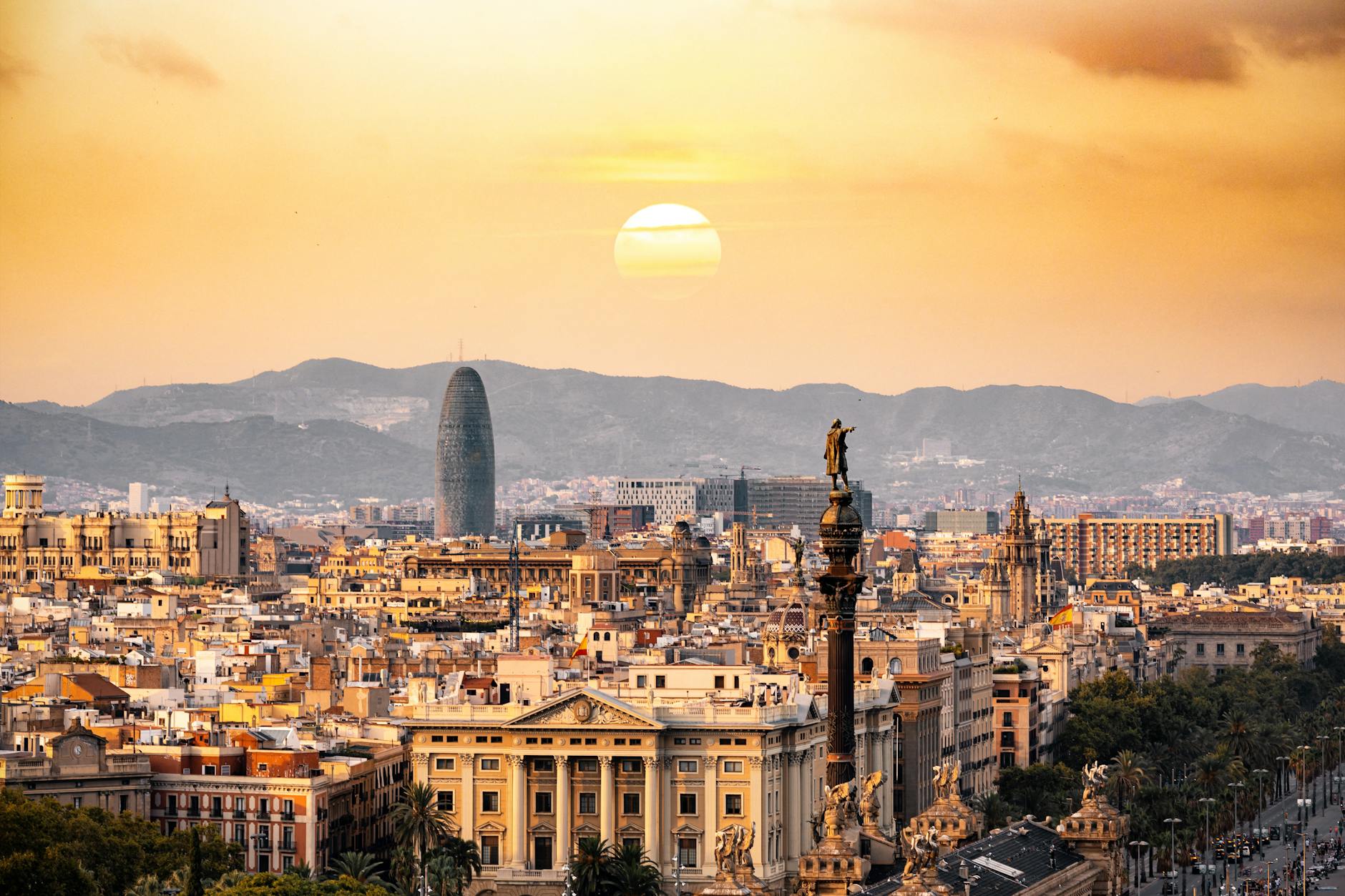 Photo by Aleksandar Pasaric via Pexels
 Photo by Diego Allen via Unsplash
The Prado in its free last two hours
Every day, not just Sundays: go straight to Velázquez's Las Meninas and Goya's black paintings rather than trying to see the 7,600 works, and book the first slot instead if the queue matters more than the price.
Guernica at the Reina Sofía
A room rather than a painting, with the studies around it as the point, and free most evenings; the rest of the museum is the twentieth century Spain does not put on postcards.
A vermouth on Calle Ponzano
Poured from the tap on ice with an olive before Sunday lunch in Chamberí, which is the most Madrid thing available for four euros.
El Rastro on a Sunday morning
The flea market that floods La Latina every week, then straight into the tapas crawl on Cava Baja that follows it; the phone stays in a front pocket.
The Royal Palace and its Armoury
Around 3,400 rooms of which you see perhaps thirty, on the first slot of the day, and the armoury is the better half.
Retiro Park's Crystal Palace
A glass pavilion in a former royal garden, free, and empty on a weekday morning, with the rowing lake and the rose garden around it.
The neighbourhoods of Madrid
Sol and Gran Vía
The dead centre
Puerta del Sol, the bear-and-strawberry-tree statue and Gran Vía's parade of cinema facades, with everything walkable from here and nothing quiet. For first visits and short stays.
Every sight on foot and every metro line, and noise around the clock.
La Latina and Los Austrias
The old quarter
Medieval lanes opening onto the arcaded Plaza Mayor, the Royal Palace at the western edge, and Cava Baja, the city's definitive tapas street, with El Rastro flooding it on Sunday mornings. For food and atmosphere.
Plaza Mayor and Cava Baja at the door, at prices below Sol's and with Sunday's crowd.
Malasaña
Where the night starts at eleven
Ground zero of La Movida and now the vintage-and-coffee quarter without having lost its edge, with Plaza del Dos de Mayo running until dawn, ten minutes from Gran Vía. For nightlife and coffee.
The best nights out and the best coffee, and a late bedtime whether you want one or not.
Chueca
Terraces and Pride
The LGBTQ+ neighbourhood of rooftop bars, terrace restaurants and boutiques, central and lively, with one of the largest Pride festivals in the world in July. For terraces and going out.
Rooftops and terraces a walk from everything, and a loud first week of July.
Lavapiés
The mixed barrio
South Asian shops, African salons and century-old taverns on the same lanes, with the Reina Sofía on its northern edge and the cheapest central beds. For budgets and food.
The cheapest central rooms and the Reina Sofía, in the city's most mixed streets.
Chamberí
The residential second visit
Quietly elegant, bypassed by tour groups, with Calle Ponzano's tapas crawl and the best vermouth in the city, twenty minutes' walk north of the centre. For food and a second visit.
Ponzano and the quiet, at a twenty-minute walk from the sights.
See every Madrid neighbourhood on one map
Save the areas you like and Stippl plots your days so you're not crossing the city twice.
Where to stay in Madrid
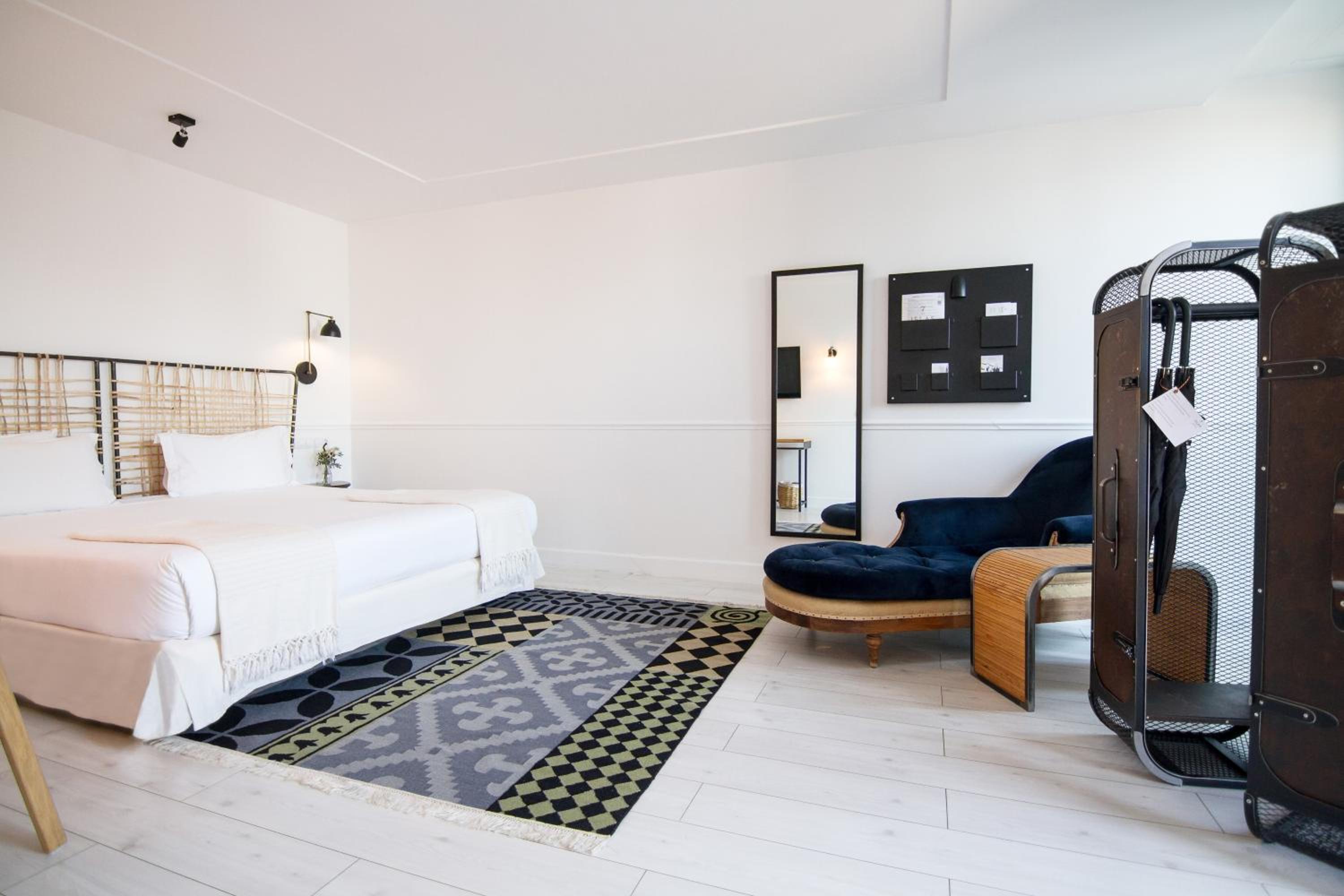
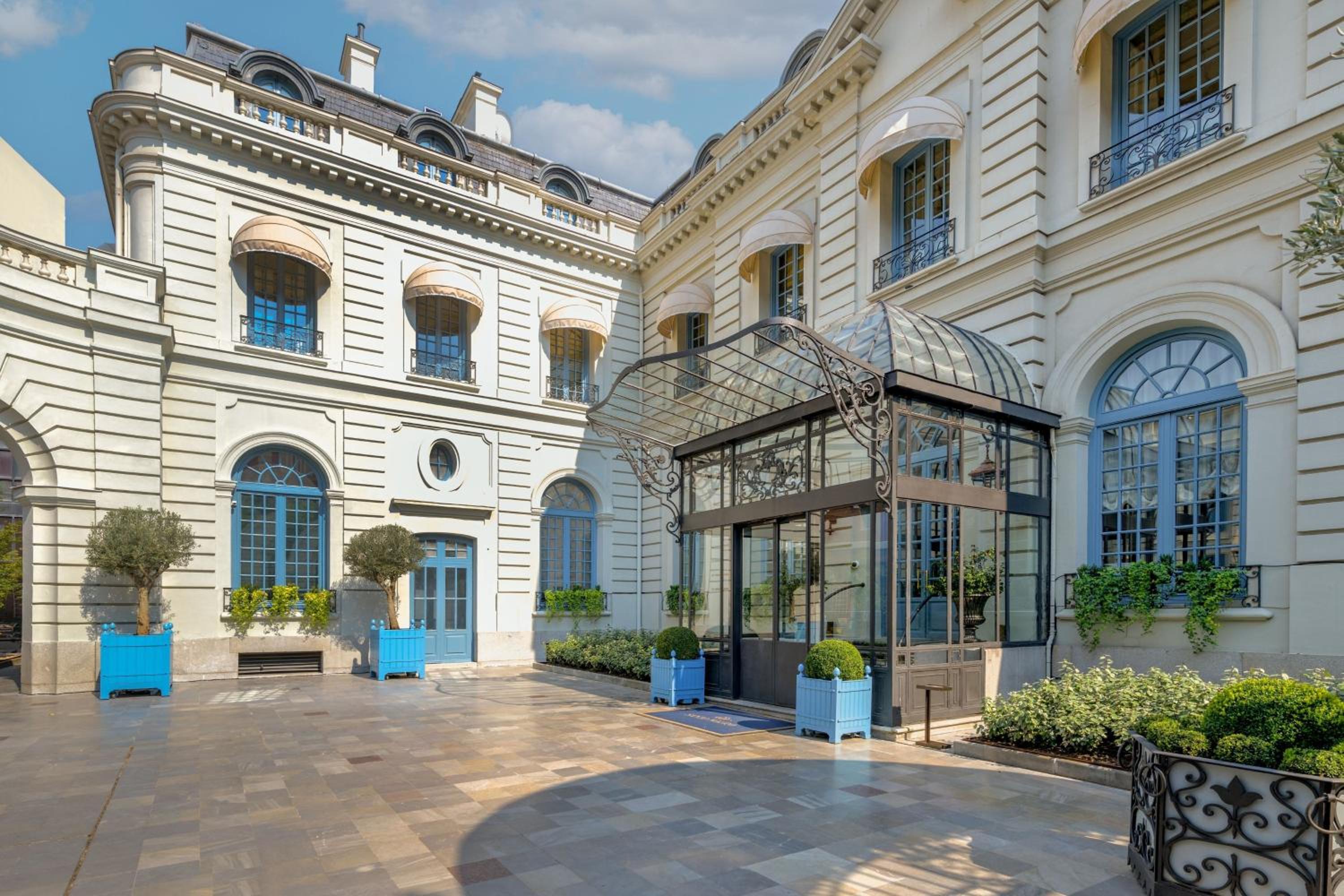
Sleep in La Latina, which buys atmosphere, walking distance and the tapas street without Sol's pricing, or in Chamberí on a second visit. Most travellers give Madrid 2 nights on Stippl and 32.9% of stops are a single night, so the room is near the station you leave from. Air conditioning is not optional between June and September, and Gran Vía does not go quiet.
Sol and Gran Vía
Chain hotels and hostels on the noisiest streets in the city, €90 to €220 a double.
La Latina and Los Austrias
Small hotels and apartments in the lanes off Plaza Mayor, €100 to €220 a double.
Malasaña
Hostels and design hotels on the plazas, €70 to €180 a double, and late nights outside.
Chueca
Boutique hotels with rooftop bars and terraces, €110 to €250 a double, central and lively.
Lavapiés
The cheapest central hostels and guesthouses, €50 to €130 a double.
Chamberí
Quiet mid-range hotels and apartments, €90 to €200 a double, off the tourist map.


What to eat in Madrid
A chickpea, meat and vegetable stew served in three courses from one pot: broth, then chickpeas and vegetables, then the meats. Winter, and a whole afternoon
Fried squid rings in a plain white roll, with nothing else on it. Madrid's street sandwich, eaten around Plaza Mayor in a city 300 km from the sea
Fried dough strips dipped in chocolate thick enough to stand a spoon in, a breakfast or a 4 a.m. meal, not a dessert
Tripe stewed with chorizo, morcilla and paprika. The city's other signature stew
Fried eggs broken over chips and usually jamón, the simplest thing on any Madrid menu and the hardest to stop eating
House vermouth on ice before Sunday lunch, poured from the tap. Calle Ponzano in Chamberí is where Madrileños do it
Potato omelette, served in wedges at room temperature. Whether it should be runny in the middle is a genuine argument
Discover food spots in Stippl
Find restaurants and markets on the map, save them to your itinerary, works offline too.
Madrid customs and what not to do
Later than Barcelona
Lunch runs from two to three and dinner from nine, later than Barcelona and far later than the rest of Europe, so the day is planned around a late main meal.
Tapas is a crawl
Order at the bar, stand, eat one thing, pay and move on to the next place, rather than sitting down for a spread.
A notch smarter
Dress here is a step up from Barcelona's beach casual, and the restaurants and the opera notice it.
Sunday is El Rastro
The flea market and the La Latina tapas crawl that follows it are the one fixed weekly ritual in the city, and the pickpockets know it too.
Bullfighting is live
Las Ventas runs a season from March to October, and the city holds both the practical guides to it and the objections; it is not a tourist show.
Tipping is not expected
Rounding up is the norm, nobody tips at a bar, and five to ten percent marks exceptional service in a restaurant.
Do
- Take the free last two hours at the Prado, every day of the week
- Eat the menú del día at lunch and something small at night
- Book the first entry slot of the day at the Prado and the Royal Palace
- Crawl Cava Baja on a weekday between one and three
- Get out to Toledo or Segovia; both are around half an hour by train
Don't
- Book a room on Gran Vía if you sleep lightly
- Turn up for dinner at eight and conclude Madrid has no restaurants
- Forget the airport supplement; the ordinary metro ticket will not let you out
- Assume a timed ticket means no queue; allow twenty to forty minutes at midday
- Come in August expecting the neighbourhood places to be open
What a Madrid trip costs
Budget
€55–90
A hostel bed in Lavapiés or Malasaña, the menú del día, one gallery on a free slot, the metro.
Mid-range
€130–210
A three-star or an apartment in La Latina, sit-down meals, the Prado and the Royal Palace, a day trip to Toledo.
High-end
€320–700+
A hotel on the Paseo del Prado or in Salamanca, booked restaurants, private guides.
Track what you actually spend
Set a daily budget per country and log expenses in any currency while you travel.
Fun facts about Madrid
The Palacio Real in Madrid has around 3,400 rooms. It is the largest royal palace in western Europe and bigger than Versailles, and the royal family does not live in it.
The Prado can display about one painting in seven. It holds around 7,600 and owns the world's largest collections of Velázquez and Goya, which is why the free two hours go to those two rooms.
At 650 metres, Madrid is the second-highest capital in Europe. The altitude is the reason its summers are dry, its winter nights cold and its light so clear.
Casa de Campo is five times the size of Central Park. The former royal hunting ground west of the palace was opened to the public in 1931 and still has a lake, a zoo and a cable car.
The Paseo del Prado and Retiro Park share one UNESCO listing. They were inscribed together in 2021 as a single cultural landscape rather than as separate monuments.
The Temple of Debod is a real Egyptian temple from the second century BC. Egypt gave it to Spain in 1968 and it was rebuilt stone by stone on a hill above the city.
Local tips for Madrid
Metro city, walkable core
The Golden Triangle, Sol, La Latina and Plaza Mayor are all on foot; everything else is a short metro hop, and the network is one of the easiest in Europe.
Pay the airport supplement
Three euros on top of the ordinary single, payable entering or leaving the airport stations; the Cercanías from T4 is cheaper and skips it, but only serves that terminal.
The high-speed hub
Seville, Barcelona, Valencia and Córdoba are all two and a half hours or less by AVE from Atocha, which is why Madrid opens so many trips.
Toledo is 33 minutes away
The fast train makes it Madrid's strongest travel partner by a wide margin, so it is a morning rather than a day, with Segovia at 28 minutes the other answer.
Pickpockets, not muggers
Madrid is a safe capital and the real risk is theft, concentrated on Sol, Gran Vía, El Rastro and the metro, so nothing goes in a back pocket.
Two nights is the shape
Most travellers give Madrid 2 nights on Stippl and 32.9% of stops are a single night, so the galleries get one day and Toledo half of the other.
Madrid questions, answered
Two, three with a day trip: most travellers give Madrid 2 nights on Stippl and 32.9% of stops are a single night, which is the arrival-hall pattern. Two covers the three galleries and a Cava Baja evening, and the third day goes to Toledo or Segovia by train.
It is free for the last two hours every day, so if you can go in the early evening it costs nothing. Pay for the first slot of the day instead if the queue matters more than the price, and go straight to Velázquez and Goya rather than trying to see everything.
As the front door: Madrid opens 33.6% of the trips it appears on and closes 20.3%, in the Spain trips people build on Stippl, with the AVE to Seville or Barcelona as the next leg. Put Madrid first in Stippl with two nights, then check the train order with people who have done it, in subreddits like r/Madrid or r/spain.
Most travellers do both, and Barcelona sits on about half of Madrid itineraries. If it has to be one: Barcelona is the destination, three nights with the beach and Gaudí; Madrid is two nights, the art triangle and the better day trips, and usually the way in rather than the point.
Toledo, 33 minutes away and Madrid's strongest travel partner by a wide margin, for the cathedral, the Alcázar and El Greco in a walled hill town. Segovia at 28 minutes is the other obvious answer, for the Roman aqueduct and the castle, and both fit in a morning with lunch on the way back.
Not before nine. Kitchens fill between nine and eleven, a restaurant busy at half past seven is a restaurant for visitors, and the city's answer is to eat the main meal at lunch on the menú del día and take tapas at night. July is the month most travellers plan Madrid for on Stippl, when the terraces run latest.
Every guide is written by the Stippl editors and checked against the trips our travellers actually plan. Spotted something out of date? Let us know.

Plan Madrid in Stippl
Day-by-day planning, stays and budget in one app, with every place from this guide already on the map.
Download the app