

Granada
Granada is the last Moorish capital in Spain, a hill city under the Sierra Nevada built around one monument and one habit: the Alhambra, and a free plate with every drink. Two nights, the ticket bought before anything else, and passport in the bag.
Granada in a nutshell
Granada: what to expect
246,000+ stops in Spain are planned on Stippl, and this is the shape they make for Granada.
Two nights is Granada's number, and the most settled two nights in Spain. The Alhambra is the reason everyone comes, the Nasrid Palaces on a strict timed slot and the Generalife gardens above them, with the Albaicín's whitewashed maze facing it across the valley, the Mirador de San Nicolás for the sunset, Sacromonte's cave flamenco above that, and Realejo's tapas bars below, where a plate arrives free with every drink. Most travellers give Granada 2 nights on Stippl.
Granada is a stop inside a route rather than a door or an end, and the data is unusually firm about it. 42.0% of Granada stops planned on Stippl are exactly two nights, only 4.1% of Granada trips start here and 1.4% are Granada alone, because the airport is Málaga and the city sits between Seville, Córdoba and the coast.
Buy the Alhambra ticket from the Patronato before you book anything else, sleep in Centro for a first visit and the Albaicín for a second, and take the minibus up the hill. The city is walkable and hilly, and those two facts fight each other. Skip Granada in July and August if the climbs matter, because it runs five degrees hotter than the coast, and skip any Alhambra ticket that is not the official one, since resold tickets fail at the gate.
Plan Granada in Stippl
Day-by-day planning, stays and budget in one app, with every place from this guide already on the map.
Download the appWho Granada is for
One-building travellers
The Alhambra is the reason every guide gives for coming and none pretends otherwise; the Nasrid Palaces alone justify the detour.
Budget eaters
Free tapas with every drink turns an evening of three drinks into dinner, city-wide and unbilled, which is why students keep the tradition alive.
Walkers with legs
The Albaicín, Sacromonte and the Alhambra hill are three climbs, and the city rewards all three with a viewpoint over the other two.
City-and-mountain combiners
The Sierra Nevada ski resort is under an hour up and the Alpujarra villages under two, with the Costa Tropical an hour down.
Islamic-Spain travellers
Granada held out longest, so it holds the Moorish half of Spain more completely than Córdoba or Seville, down to the street plan.
Two-night stoppers
42.0% of Granada stops planned on Stippl are exactly two nights, the most settled stay in Spain, on routes averaging about twelve stops.
Maybe not for you: anyone with a suitcase and a room in the Albaicín, since the lanes are stairs; anyone who did not book the Alhambra weeks ahead in season; and anyone who thought inland meant cooler, because July here is five degrees hotter than the coast.
The best time to visit Granada
The cold months
December to February
Thirteen to 15 degrees by day, frost most nights, the ski resort open under an hour away and the Alhambra at its quietest; layers, not air conditioning.
The spring window
March to June
The best of the year, with snow still on the peaks behind the palace into April, Corpus Christi week in June and the Alhambra slots going weeks ahead.
The unusable months
July and August
Thirty-four or 35 degrees, rainless, in a city made of hills; the palace at nine and the caves after dark are the day.
The second window
September and October
The heat breaks, the hiking in the Alpujarras is at its best, and the prices fall before the rain does.
- August is the month most travellers plan Granada for on Stippl, and June to September takes 50.9% of the plans. That is the hottest quarter in a city where every sight is uphill, so the spring window is the one with bearable climbs.
- Most travellers plan Granada about 62 days ahead on Stippl, and 16.9% inside a fortnight. The Alhambra sells up to three months ahead and the Nasrid Palaces slots go first, so in April, May, August, September and October the late plan is a plan without the palaces.
- Semana Santa sends the processions through the Albaicín. Brotherhoods carry thrones through streets barely wide enough for them, the route through the old Moorish quarter is what makes Granada's different, and the rooms go at Seville prices.
- Granada's Corpus Christi fair fills the second week of June. A week of casetas on the fairground and bullfights at the ring, and the one week the free-tapas bars are as full of locals as of visitors.
- The ski season runs roughly late November to late April. The Sierra Nevada resort is under an hour up, and the coast about an hour down, so a March day can hold both.
- Nights fall 13 to 19 degrees below the day all year. A 20-degree evening drop is normal even in July, so the packing note here is a layer rather than a fan.
Add your Granada dates and we'll flag the weather
Stippl shows the season, crowds and prices for every stop on your route.
Describe your trip, get a Granada itinerary in seconds
Everything in this guide is already in Stippl. Tell the planner how long you have and what you like: it builds the route, the days and the travel times, and you edit whatever you want.
Things to do in Granada
 Photo by Gines Sanchez via Unsplash
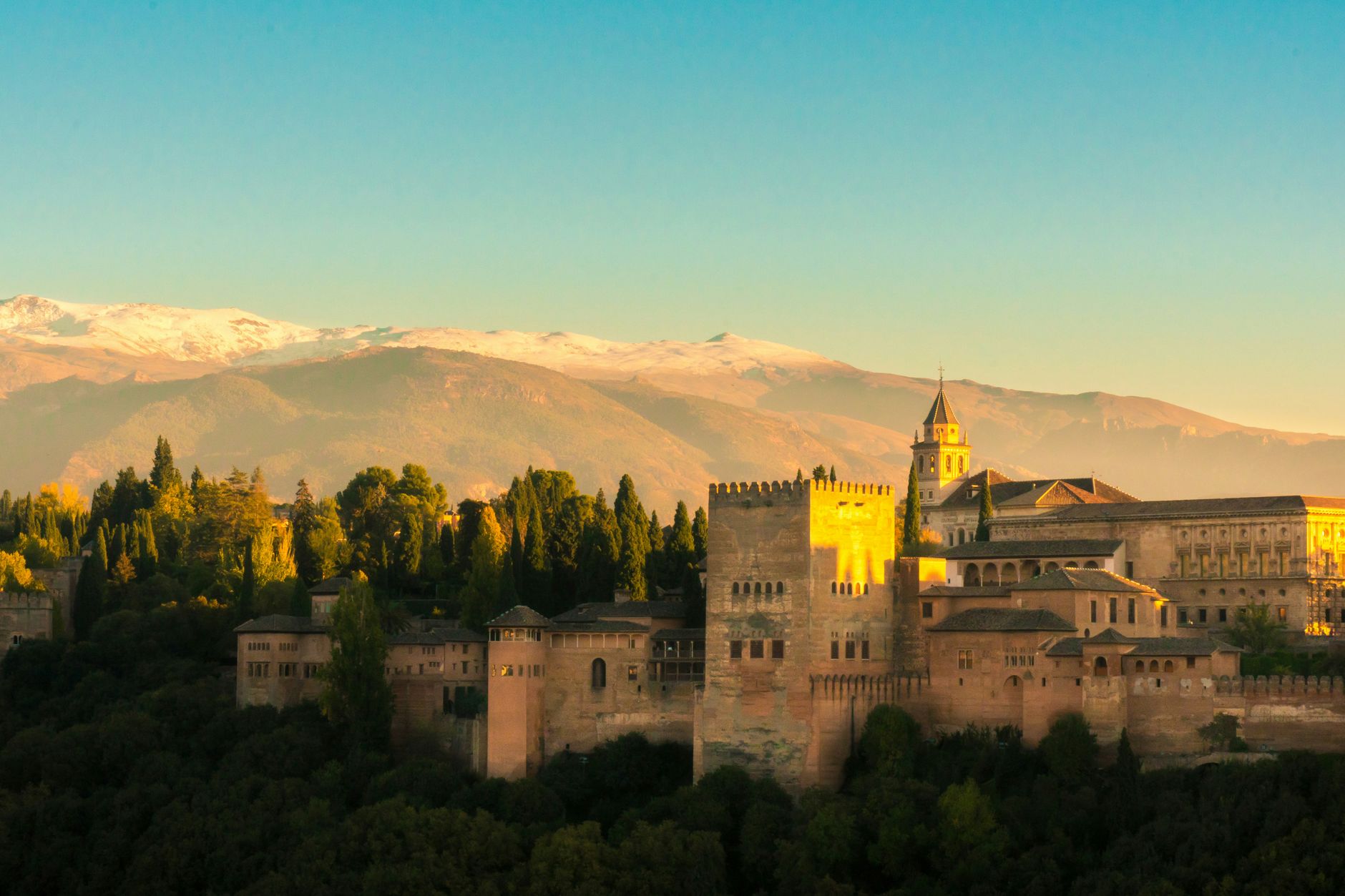 Photo by Willian Justen de Vasconcellos via Pexels
 Photo by Dina Spencer via Unsplash
The Nasrid Palaces on a morning slot
The Court of the Lions, the Hall of the Ambassadors and the carved plasterwork that is the reason the city exists as a destination, on a strict timed entry that is the part that sells out.
The Generalife gardens
The sultans' summer retreat above the palace, water channels the length of a courtyard, and the view back across the valley to the Albaicín, on the same ticket.
Sunset from the Mirador de San Nicolás
The Alhambra against the snow of the Sierra Nevada, which is the photograph of Andalusia, crowded and worth it; arrive an hour early for a place on the wall.
Zambra flamenco in a Sacromonte cave
The Roma form performed in the caves it came from, seated along a whitewashed rock wall rather than facing a stage, about an hour, booked the day before.
A tapas crawl in Realejo
Three or four bars, a free plate with each drink that improves with the round, and dinner accounted for by the third; you do not choose the plate.
The teahouse stairs of the Albaicín
Calle Calderería Nueva, mint tea and pastries in the teterías, and the Moorish city that survived the Reconquista as a street plan.
The neighbourhoods of Granada
Centro
The flat commercial heart
Around the Renaissance cathedral, the Royal Chapel and the reconstructed Alcaicería silk market, with Plaza Nueva as the transport hub and the easiest place to arrive with luggage. For first visits.
Flat, central and easy for bags, and a bus or a climb to every view.
Albaicín
The Moorish hillside
The UNESCO-listed old town facing the Alhambra, a deliberate maze of whitewashed lanes, walled carmen gardens and teahouses, with the Mirador de San Nicolás at the top. For second visits and the view.
The view from the window, and stairs with every bag and every night out.
Realejo
The old Jewish quarter
Under the Alhambra's walls, now the city's most-lived-in central barrio, with street art, the tree-lined Campo del Príncipe and some of the best tapas streets in Granada. For food and locals.
The best tapas streets and local prices, on the way up to the palace.
Sacromonte
The cave quarter
Above the Albaicín on bare rock, with cave houses still lived in, cave flamenco venues and a museum explaining the quarter, further out and quieter. For flamenco and the sunset nobody reaches.
Cave flamenco at the door and the quietest sunset, at a long climb from everything.
Alhambra hill
Inside the walls
The forested ridge within the fortress, holding the monument, the Generalife and a handful of hotels including the parador, a monument zone rather than a neighbourhood. For a night among the grounds.
The grounds after closing, at the highest prices in the city and no street life.
La Chana
The student quarter
A residential district out by the university, cheaper than anywhere central, with student-sized free tapas at student prices and no sights, a bus ride from the ones that matter. For budgets.
The cheapest beds and the biggest free tapas, and a bus each way.
See every Granada neighbourhood on one map
Save the areas you like and Stippl plots your days so you're not crossing the city twice.
Where to stay in Granada
Sleep in Centro around Plaza Nueva for a first visit and in the Albaicín for a second, because the Albaicín's charm and its stairs are the same fact and a suitcase does not climb them. Most travellers give Granada 2 nights on Stippl and 42.0% of stops are exactly two, so the Alhambra slot sets which morning. Pack layers rather than counting on air conditioning.
Centro
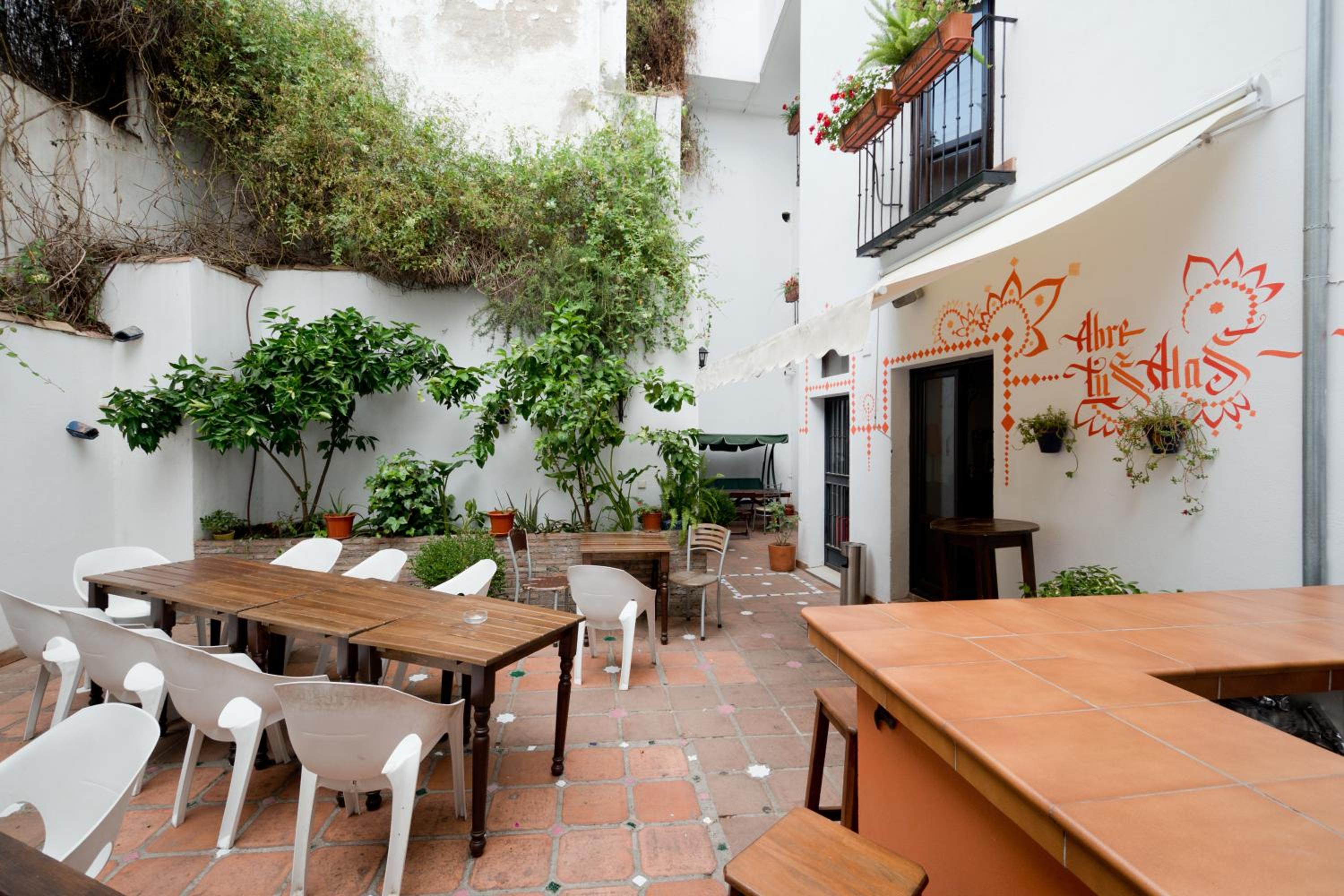
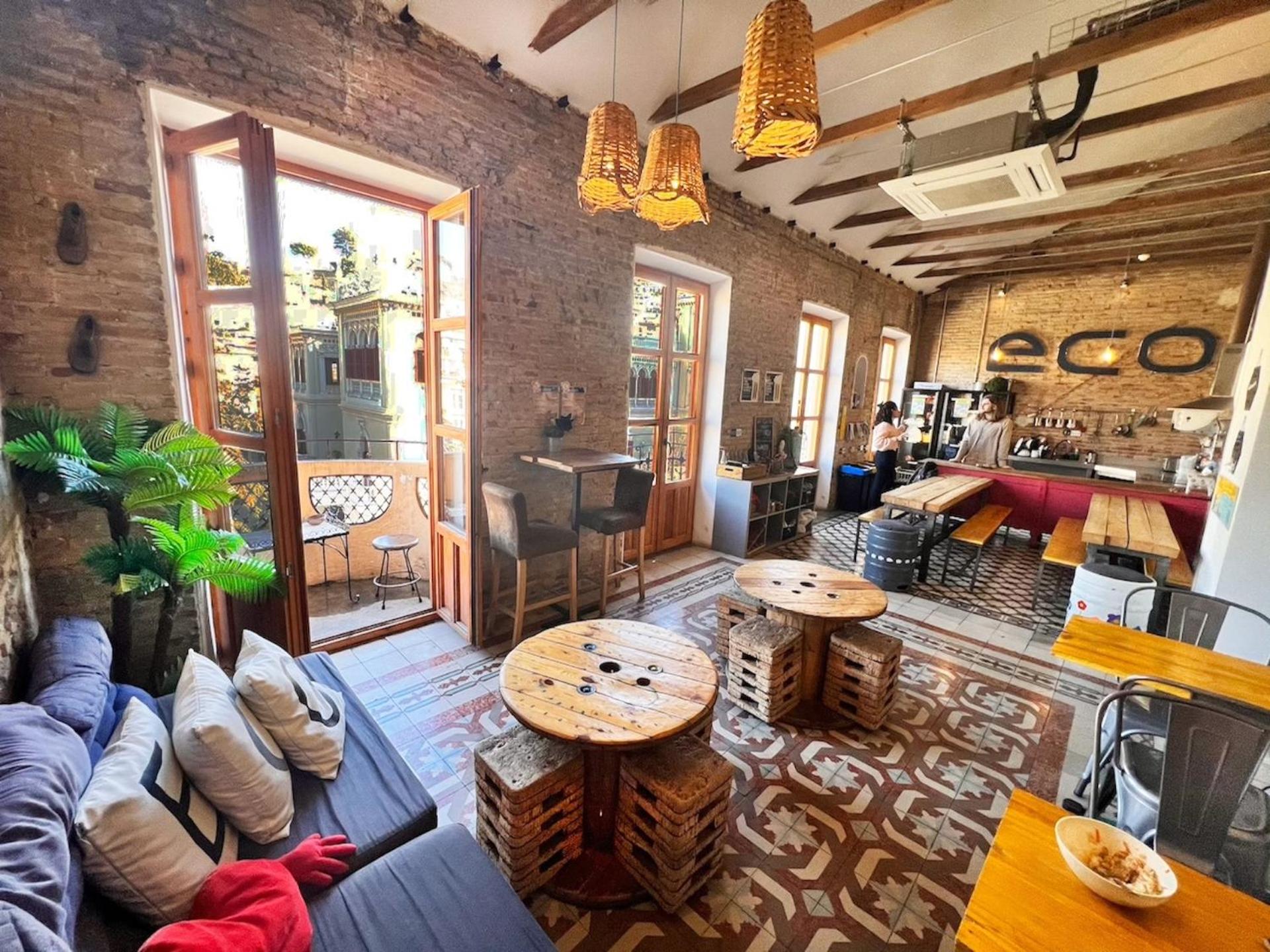
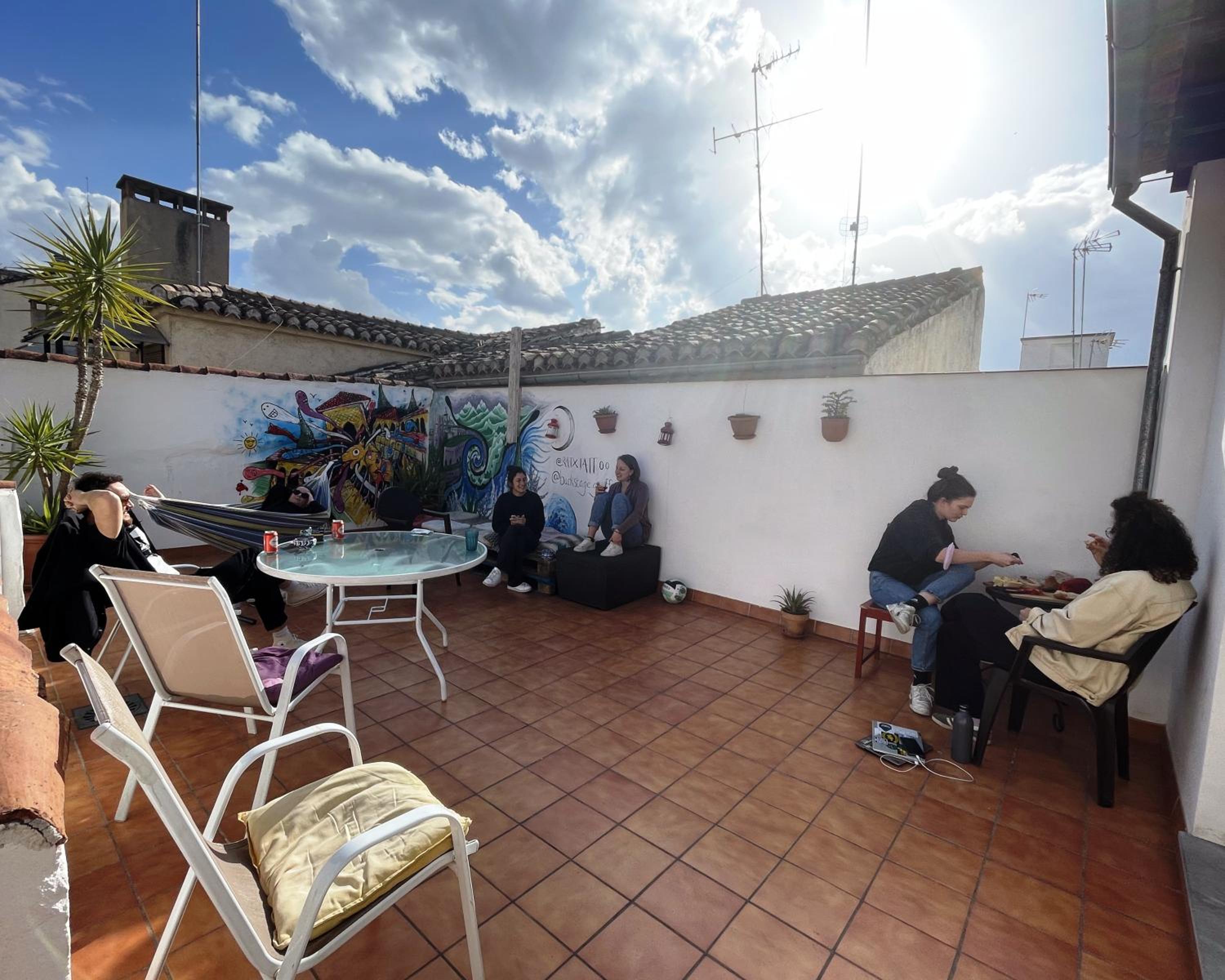
Hotels and hostels around Plaza Nueva and the cathedral, €70 to €160 a double.
Albaicín
€70–130
Carmen guesthouses with walled gardens and Alhambra views, €90 to €220 a double.
Realejo
€60–115
Small hotels and apartments among the tapas streets, €70 to €150 a double.
Sacromonte
€65–120
A few cave houses and guesthouses on the rock, €80 to €180 a double.
Alhambra hill
€150–400
The parador and a handful of hotels inside the walls, €200 to €400 a double.
La Chana
€45–80
Student-district apartments and plain pensions by the university, €40 to €90 a double.


What to eat in Granada
Not a dish but the system: a plate of food arrives free with each drink, and the quality rises with the round. The bar chooses, not you
Broad beans fried with mountain ham. The Granada tapa, and the one that turns up most often unasked
Ham cured at 1,500 m in the Alpujarras, in the thin dry mountain air rather than a cellar. Protected by its own designation
Orange, salt cod, olives, onion and olive oil. A cold winter salad and unmistakably Moorish
A small soaked sponge roll topped with toasted cream, from Santa Fe just outside the city. Two bites
An omelette made with offal, historically brains and sweetbreads. Local, old, and not for everyone
Moroccan-style teahouses along the Albaicín stairs, serving mint tea and pastries. A quarter's worth of them
Discover food spots in Stippl
Find restaurants and markets on the map, save them to your itinerary, works offline too.
Granada customs and what not to do
The free tapa is a gift
You do not choose it, you do not ask for it and sending it back is rude; ordering another drink is how you ask for more.
Two cities, one street plan
The Albaicín's maze was built to confuse attackers and the cathedral stands on the main mosque, and both halves are still argued about locally.
The caves are homes
Some Sacromonte caves are venues and some are people's houses, and the difference is not always signposted, so photograph the quarter, not the doorways.
1492 is not settled here
The anniversary of the surrender is commemorated every 2 January and protested every 2 January, in the same square.
Dress for the swing
Grip on the cobbles, layers for a 20-degree evening drop, and comfortable shoes for three hills; the palace checks ID, not clothing.
Bullfighting runs in June
Corpus Christi week in June brings the season to the ring, and the tradition is argued over in the city as much as outside it.
Do
- Buy the Alhambra ticket first, from the official site, before you book anything else
- Bring a passport or ID card to the Alhambra; it is checked at more than one point
- Drink in Realejo or the Albaicín rather than on the main tapas street
- Take the C30 or C32 minibus up the hill in summer and walk down
- Pack a layer for the evening, even in July
Don't
- Buy an Alhambra ticket from any site that is not the Patronato's
- Arrive late for a Nasrid Palaces slot; the entry window is strict and enforced
- Ask to choose your free tapa
- Drag a suitcase up into the Albaicín
- Assume Granada is cooler than the coast because it is inland; in July it is five degrees hotter
What a Granada trip costs
Budget
€40–70
A hostel bed in Centro or Realejo, dinner made of free tapas, the Alhambra ticket, the minibus.
Mid-range
€100–170
A hotel or a carmen in the Albaicín, sit-down meals, the Alhambra and the cathedral, a cave flamenco show.
High-end
€250–450+
A hotel inside the Alhambra's walls, a private guide, the Alpujarras with a driver.
Track what you actually spend
Set a daily budget per country and log expenses in any currency while you travel.
Fun facts about Granada
Granada was the last Moorish kingdom in western Europe. It surrendered in 1492, which is why its Islamic architecture survived more completely than Córdoba's or Seville's.
The Alhambra is the most-visited monument in Andalusia. Daily capacity is capped and the Nasrid Palaces are timed, which is why the ticket is the first thing to buy.
Alhambra means the red one in Arabic. The name comes from the colour of the stone, which changes through the day and turns pink at sunset from San Nicolás.
About a third of Granada's residents are university students. That is the accepted reason the free-tapas tradition survived here after dying out almost everywhere else.
The Albaicín's street plan is a defensive weapon. The maze was laid out so that attackers would get lost in it, and it still works on visitors.
Trevélez cures its ham at about 1,500 metres. In the thin dry air of the Alpujarras rather than in a cellar, under its own protected designation, an hour and a half from the city.
Local tips for Granada
Walkable and hilly, both
Everything is within about thirty minutes on foot and much of it is uphill, which is exactly why the C30 and C32 minibuses exist; check the stop, since roadworks divert them.
Málaga is the airport
Granada's own airport is small and mostly domestic; the direct Avant train from Málaga takes about an hour and 25 minutes and the ALSA bus about an hour and 45.
Alhambra: a 45-minute climb
From Plaza Nueva, depending where you start, so the minibus goes up and the legs come down.
The ticket is the real risk
The Alhambra sells out and the gap is filled by operators selling guided visits they have no tickets for, then cancelling; the tourist board publishes a warning about them.
Buy from the Patronato, with ID
Up to three months ahead, nominal, and identity is checked at several points inside, so a resold ticket in another name fails at the gate.
Two nights, exactly
Most travellers give Granada 2 nights on Stippl and 42.0% of stops are exactly two, so the Alhambra takes one morning and the Albaicín the other.
Granada questions, answered
Yes, and unusually firmly: 42.0% of Granada stops planned on Stippl are exactly two nights, and most travellers give it 2. One morning goes to the Alhambra on its slot, the other to the Albaicín and Sacromonte, and a third night adds the Alpujarras or the Sierra Nevada.
Up to three months, from the Patronato's own site only, with the Nasrid Palaces slots going first. In April, May, August, September and October assume weeks rather than days, bring the passport the ticket was bought with, and arrive early for the palace window, which is strict.
In the middle: only 4.1% of Granada trips start here, of everyone who plans it on Stippl, because the airport is Málaga and Seville and Córdoba sit either side. Put Málaga, Granada and Seville into Stippl in that order with two nights here, then ask people who have done it, in subreddits like r/spain, whether the coast or the Alpujarras gets the spare day.
Yes, city-wide and unbilled: a plate arrives with each drink and improves with each round, chosen by the bar rather than by you, which makes it awkward for vegetarians. Three drinks in Realejo is a dinner, and the student population is why the tradition survived here.
Through Málaga, whose airport is the region's; the direct Avant train takes about an hour and 25 minutes and the bus about an hour and 45. From Seville it is about three hours by train or bus, from Córdoba under two, and the Albaicín lanes are closed to non-residents' cars anyway.
Hotter than the coast by about five degrees in July, in a city where almost every sight is uphill, and the nights still drop sharply after sunset. August is the month most travellers plan Granada for in the Spain trips people build on Stippl, so the palace at nine and the caves after dark are the summer day.
Every guide is written by the Stippl editors and checked against the trips our travellers actually plan. Spotted something out of date? Let us know.

Plan Granada in Stippl
Day-by-day planning, stays and budget in one app, with every place from this guide already on the map.
Download the app