
Malaga
Malaga is not the package-holiday town its reputation says: a Phoenician city with a Roman theatre, a Moorish fortress above it, thirty museums and a beach at the end of the same promenade. Two nights for the city, a €2 train from the airport, and Andalusia inside two hours.
Malaga in a nutshell
Malaga: what to expect
Every figure here is drawn from 246,000+ stops planned in Spain on Stippl.
Malaga takes two nights for the city, and the guides spend their first paragraph admitting they expected less. Three eras stack within a ten-minute walk, a first-century Roman theatre, the eleventh-century Alcazaba built partly out of it and the Gibralfaro castle above both, with the Picasso Museum, the one-armed cathedral, Soho's murals and the Pompidou cube around them and the espetos grilling on the sand at Pedregalejo. Most travellers give Malaga 2 nights on Stippl.
Malaga is the most gateway-shaped place in Spain, and the trips show it. The city opens 39.8% of the trips it appears on, of everyone who plans it on Stippl, 40.6% of its stops are a single night and about one in nine carries no bed at all, because the flights land here and Granada, Ronda, Córdoba and Nerja are all inside two hours.
Sleep in the Centro Histórico, take the airport train, do the Alcazaba at nine and go east for fish on the beach. The city needs no transport and the region needs a train, a bus or a car for every day trip. Skip Malaga's Feria week in mid-August unless the fair is the point, since the rooms sit at the top of the price curve, and skip the afternoon climb to Gibralfaro in summer, because there is no path from the Alcazaba and the road is in full sun.
Plan Malaga in Stippl
Day-by-day planning, stays and budget in one app, with every place from this guide already on the map.
Download the appWho Malaga is for
Car-free Andalusia planners
Malaga is where the flights land, and Granada, Ronda, Córdoba, Nerja and Antequera are all inside two hours by train or bus.
Museum-goers who want a beach
More than thirty museums and a Blue Flag beach at the end of the same promenade is a combination no other Andalusian city offers.
Winter travellers
About 17 degrees by day in January and some of the most sunshine hours in Europe, which is why October onwards is a real season here.
Coastal-register eaters
Espetos, fried fish, sweet Malaga wine straight from the barrel and ajoblanco, at prices under Seville's, on the sand at Pedregalejo.
Street-art and modern-art fans
Soho's forty-plus murals and the Pompidou on the waterfront are the two things the newer guides lead with, and both are a walk from the port.
Gateway travellers
Malaga opens 39.8% of the trips it appears on, of everyone who plans it on Stippl, and 40.6% of its stops are a single night.
Maybe not for you: anyone who came for the resort strip, which is Torremolinos and Marbella rather than the city; and anyone in the Feria week in mid-August who has not booked, since the rooms sit at the top of the price curve.
The best time to visit Malaga
The mild months
November to February
Seventeen to 20 degrees by day, the two wettest months of the year in November and December, and the cheapest beds, with the city fully open.
The spring window
March to June
The best of the year, drying out month by month, with Semana Santa inside it and the espeto season starting in May.
The full months
July and August
Rainless, 30 or 31 degrees, the Feria in mid-August and the Spanish holiday all at once; milder than inland, and the afternoons still belong to the beach.
The second window
September and October
The warmest sea of the year against thinning crowds, and the month the locals themselves recommend.
- July is the month most travellers plan Malaga for on Stippl, and June to September takes 55.9% of the plans. The city is milder than inland Andalusia in that quarter, which is part of why the summer plans land here rather than in Seville.
- Most travellers plan Malaga about 59 days ahead on Stippl, and 18.6% inside a fortnight. Nothing in the city sells out months ahead; the Caminito del Rey and the Alhambra day trip do.
- Semana Santa here is one of the two in Andalusia visitors come for. The brotherhoods carry enormous thrones through the centre every night of Holy Week, the streets close around the routes, and the rooms go at Seville prices.
- The Feria de Malaga runs nine days in mid-August, ending on a Sunday. The busiest and dearest week of the year, and the best one if a fair is what you came for; book months ahead or avoid it.
- The espeto season runs roughly May to September. Sardines on a cane over driftwood in a boat full of sand are a summer dish, and the chiringuitos at Pedregalejo and El Palo grill them at lunch.
- The autumn storm risk applies here in a lesser form. November and December each average about 100 mm, and the same cold-drop systems that hit Valencia reach parts of Andalusia, so check the AEMET page before a late-autumn outdoor day.
Add your Malaga dates and we'll flag the weather
Stippl shows the season, crowds and prices for every stop on your route.
Describe your trip, get a Malaga itinerary in seconds
Everything in this guide is already in Stippl. Tell the planner how long you have and what you like: it builds the route, the days and the travel times, and you edit whatever you want.
Things to do in Malaga
 Photo by Javier Gonzalez via Pexels
The Alcazaba at nine in the morning
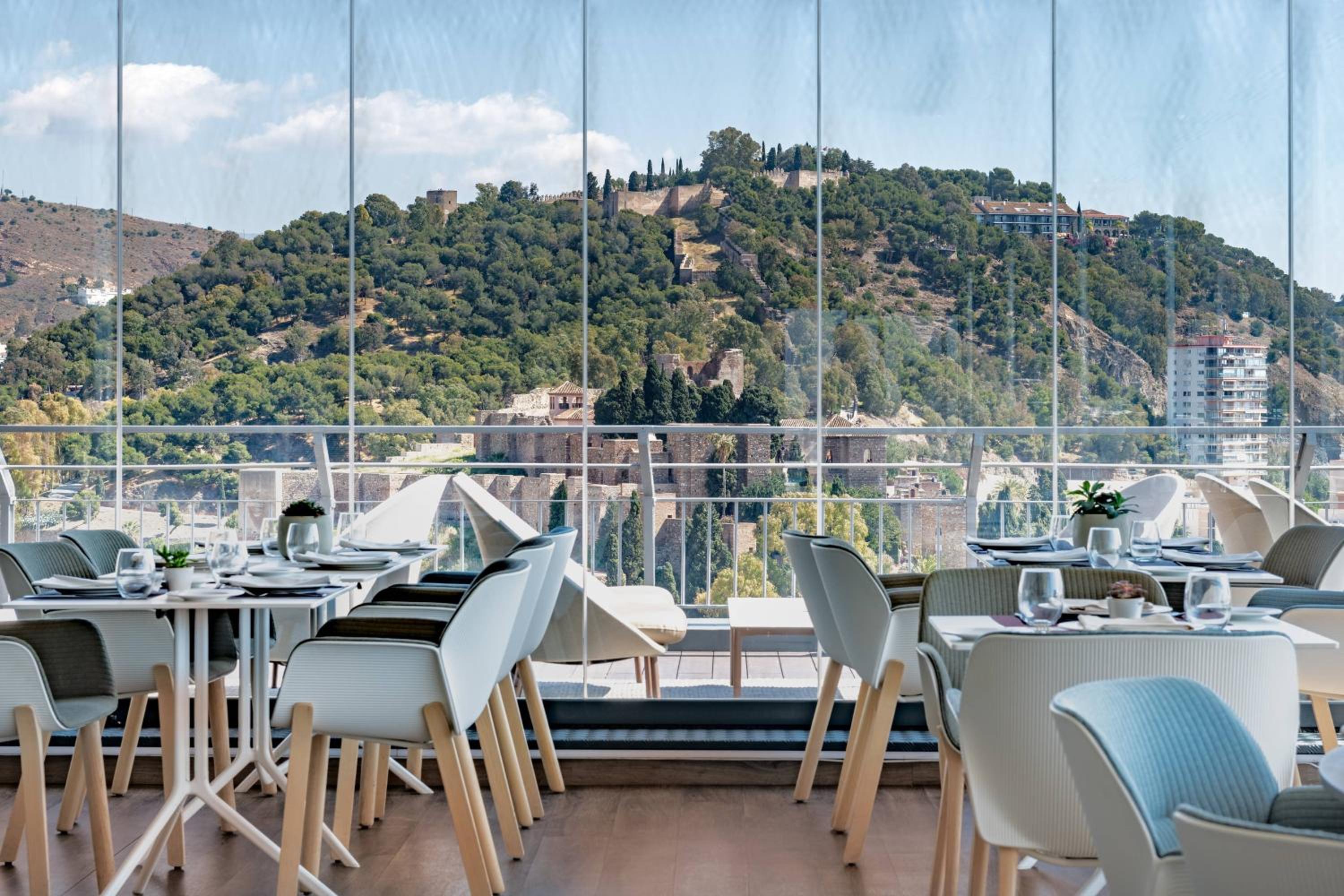
An eleventh-century Moorish palace-fortress built partly from the Roman theatre below it, with courtyards, water channels and the whole bay from the top, before the heat and the cruise groups.
Gibralfaro at sunset
The castle 130 metres above the city, walked up in twenty-five hard minutes by road or reached on bus 35, for the port, the bullring and the sea going gold; there is no path from the Alcazaba.
Espetos on the sand at Pedregalejo
Six sardines on a cane over driftwood in a boat full of sand, in a quarter that was a fishing village and still half is, three kilometres east along the seafront.
The Picasso Museum
The family's own donated collection in the sixteenth-century Buenavista Palace, whose foundations show Phoenician walls, free for the last two hours on Sundays.
The Caminito del Rey
A walkway pinned about a hundred metres up the wall of the El Chorro gorge, rebuilt with railings and helmets, on a timed slot that sells out weeks ahead, an hour from the city.
The mural crawl through Soho
Forty-plus large works in a few blocks between the port and the Alameda, free, best in the morning light, with the Pompidou's coloured cube at the end of it.
The neighbourhoods of Malaga
Centro Histórico
The car-free core
Calle Marqués de Larios and the lanes around it, holding the cathedral, the Picasso Museum, the Roman theatre and the Alcazaba, plus the densest tapas grid in the city. For first visits.
Everything on foot and no transport needed, at the fullest prices and the busiest evenings.
La Malagueta
The beachfront
East of the port, with the city's main beach, the nineteenth-century bullring, the grand hotels and the Muelle Uno waterfront, and the old town ten minutes behind it. For beach life and comfort.
The beach and the big hotels, and a walk to the cultural core every morning.
Soho
The street-art quarter
A once run-down block between the port and the Alameda that a mural project turned into southern Spain's largest open-air gallery, with the contemporary art centre inside it. For value and murals.
Cheaper and five minutes from the centre, in streets that are still finding their evening.
La Merced
Picasso's square
The square where Picasso was born, north-east of the centre, ringed with terrace bars and busy with students and street performers, bohemian and loud in the evening. For nightlife.
The terraces and the students, and the noise until late.
Pedregalejo
The fishing village
Three kilometres east, with low houses and a string of small coves, each with a chiringuito grilling sardines on a boat full of sand, residential and quiet. For food and a slow stay.
Where the city eats fish, and a bus or a long seafront walk to the sights.
El Palo
The working coast
The furthest east and most working-class of the coastal quarters, still a fishing neighbourhood, with green and yellow houses and the cheapest good seafood in the city. For budgets and a beach.
The cheapest good seafood and a real beach, at the far end of the bus route.
See every Malaga neighbourhood on one map
Save the areas you like and Stippl plots your days so you're not crossing the city twice.
Where to stay in Malaga
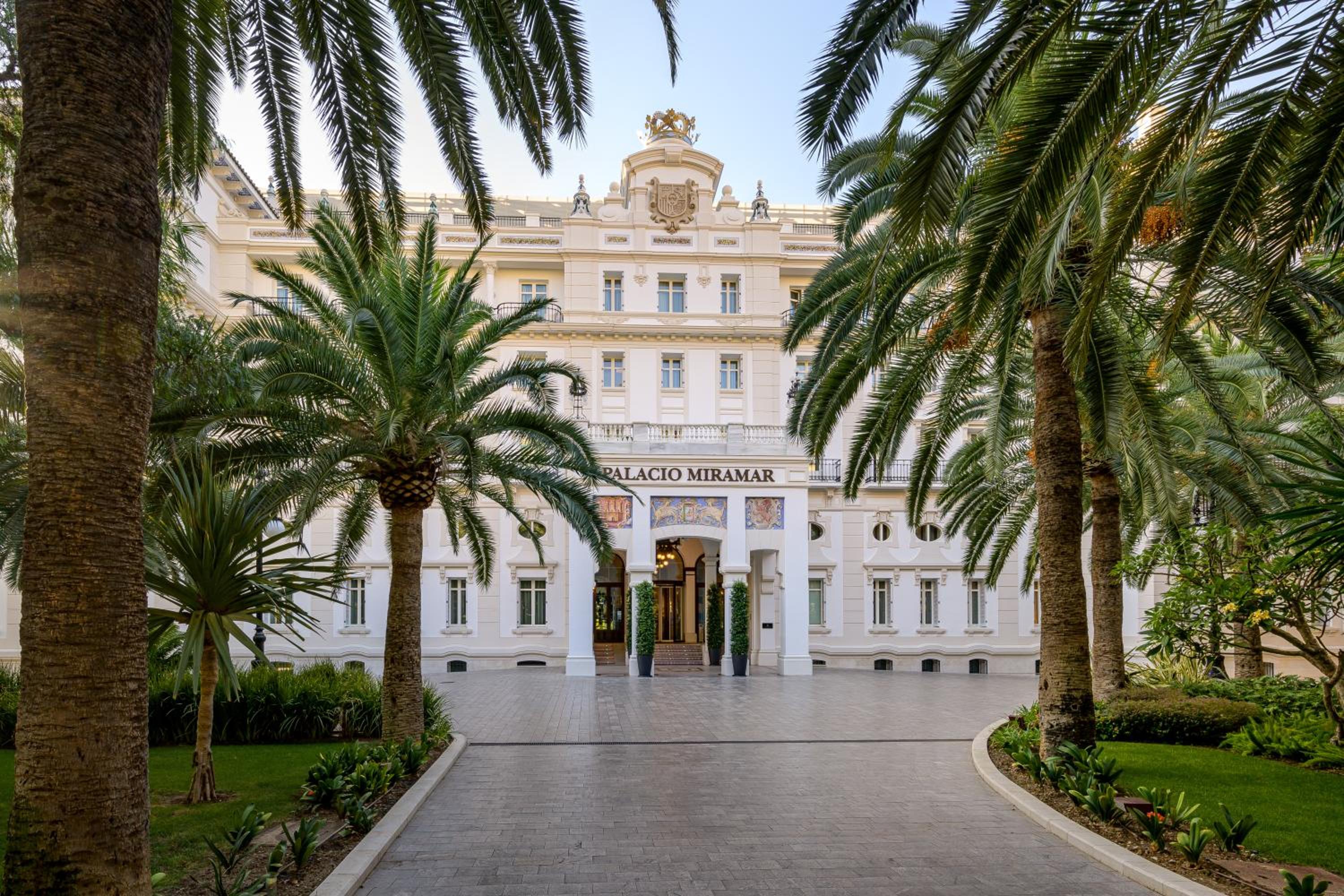
Stay in the Centro Histórico on a first visit, because it removes transport from the trip entirely, with Soho as the value alternative five minutes away and La Malagueta if the beach matters more than the core. Most travellers give Malaga 2 nights on Stippl and 40.6% of stops are a single night, so the room is often near the train. Air conditioning is a specification from June to September.
Centro Histórico
€80–150
Boutique hotels and hostels in the pedestrian lanes, €90 to €200 a double.
La Malagueta
€100–180
Grand and beachfront hotels along the promenade, €130 to €300 a double.
Soho
Hostels and mid-range hotels between the port and the Alameda, €70 to €160 a double.
La Merced
€70–130
Guesthouses and apartments around the square, €70 to €150 a double, with late noise.
Pedregalejo
€70–120
Apartments and small hotels by the coves, €80 to €180 a double.
El Palo
€60–105
The cheapest apartments on the coast, €60 to €130 a double, a bus ride from the centre.


What to eat in Malaga
Six sardines skewered on a cane and grilled over driftwood in a sand-filled boat on the beach. Eaten with the fingers, in season roughly May to September
Mixed small fish floured and flash-fried; anchovies, red mullet, squid. The Málaga plate
Málaga anchovies, fried or cured in vinegar. The city's people are nicknamed after them
Sweet fortified wine from local Pedro Ximénez and moscatel grapes, poured from the barrel in the old bodegas
A thicker, garlickier cousin of salmorejo from Antequera, with tuna and egg on top
Cold almond and garlic soup with grapes; the Moorish ancestor of gazpacho and made without tomato
Coffee ordered by the exact proportion of milk, on a nine-step local scale nobody outside the city uses
Discover food spots in Stippl
Find restaurants and markets on the map, save them to your itinerary, works offline too.
Malaga customs and what not to do
Malagueños are boquerones
The city's people are nicknamed after their own anchovies, and it is affectionate rather than rude, so use it.
Coffee has nine strengths
The city runs a local scale from nube to solo by the proportion of milk, and asking for a café con leche marks you out at once.
Dinner starts after nine
A restaurant full at seven is a restaurant for visitors, and the tapas bars in the centre fill from half past nine.
Sangría is the tourist drink
Order tinto de verano instead, which is what the bar next to you is drinking, or the sweet Malaga wine from the barrel.
Semana Santa is not a show
The thrones are enormous, the streets close and crossing a procession is genuinely difficult, so the week is planned around the routes.
Tourism is a live argument
The city froze new tourist-flat registrations after a year of housing protests; nothing is asked of a visitor, but do not be surprised by the graffiti.
Do
- Take the airport train; it is twelve minutes and under €2
- Do the Alcazaba first thing, before the heat and before the cruise groups
- Go east to Pedregalejo or El Palo for fish, on the beach rather than in a restaurant
- Take the Sunday-afternoon free window at the Alcazaba if your dates allow
- Book the Caminito del Rey weeks ahead; it sells out
Don't
- Expect to walk from inside the Alcazaba up to Gibralfaro; there is no path
- Trust a guidebook price for the Alcazaba, the cathedral or the Picasso Museum; all three moved
- Plan the cathedral rooftop; the visit is suspended for roof works
- Order sangría
- Dismiss Malaga as an airport, which is what its own guidebooks spend their first paragraph arguing against
What a Malaga trip costs
Budget
€45–75
A hostel bed in the centre or Soho, market tapas, the free Sunday monuments, the airport train.
Mid-range
€110–190
A boutique hotel in the old town, sit-down meals, the Alcazaba, Picasso and the cathedral, a day trip by train.
High-end
€250–450+
A beachfront or grand hotel, booked restaurants, a private Caminito day.
Track what you actually spend
Set a daily budget per country and log expenses in any currency while you travel.
Fun facts about Malaga
Malaga is roughly 500 years older than Rome. Founded by Phoenicians from Tyre around 770 BC as Malaka, a name meaning to salt after its fish-salting trade, and it has never changed it.
The Roman theatre of Malaga was lost for eighteen centuries and found in 1951. It lay buried under the city, and parts of it are built into the Moorish fortress above.
The cathedral of Malaga is nicknamed the one-armed lady. Building stopped in 1782 for lack of money and the second tower was never finished.
The only Centre Pompidou outside France is in Malaga. A cube of coloured glass on the waterfront, opened in 2015, that reads as a toy from outside.
The Caminito del Rey is named after a king who walked it once. Alfonso XIII crossed it at its inauguration in 1921, and it was rebuilt in 2015 after years closed and several deaths on the ruined original.
The Picasso Museum's palace has Phoenician walls in its foundations. They are visible from inside the sixteenth-century Buenavista Palace, three civilisations under one collection.
Local tips for Malaga
The airport train is the answer
Twelve minutes and €1.80 into the centre on the Cercanías, against about €20 for a taxi, running roughly every twenty minutes.
City walks, region rides
Everything inside the old town is on foot, and every day trip is a bus, a train or a hired car; bikes work along the seafront and not in the old town.
Granada is a direct train now
Direct Avant trains take about an hour and 25 minutes, roughly three times a day each way, which most published advice still says does not exist.
No path up to Gibralfaro
They look adjacent and there is no connecting path; you leave, then take the road up, bus 35 or a taxi, and not in the afternoon in summer.
Pickpockets at the stations
The train and bus stations and the busiest old-town sights, working by distraction; the city is otherwise safe and deliberately lit for walking at night.
Two nights is the shape
Most travellers give Malaga 2 nights on Stippl and 40.6% of stops are a single night, so the city gets two and the base for Ronda and Nerja gets more.
Malaga questions, answered
Two nights for the city, three to five if it is the base for Ronda, Nerja and the Caminito del Rey. Most travellers give Malaga 2 nights on Stippl and 40.6% of stops are a single night, which is the airport pattern rather than the city's fault.
Usually: it opens 39.8% of the trips it appears on, of everyone who plans it on Stippl, because the flights land here and Granada, Ronda, Córdoba and Nerja are inside two hours. Put Malaga first in Stippl with two nights, then the train to Granada and Seville, and ask people who have done it, in subreddits like r/spain.
Seville has the greater monuments and a punishing summer; Malaga has the beach, the airport, the milder heat and no tourist tax. About one Malaga stop in nine carries no overnight at all, so many people do both, with Malaga as the door and Seville as the stay.
Yes, and easier than the guidebooks say: direct Avant trains take about an hour and 25 minutes, roughly three times a day each way. Book the Alhambra separately and months ahead, since the train is the easy half, and stay the night in Granada if the Nasrid Palaces slot is late.
Not directly. There is no connecting path inside the monuments: you leave the Alcazaba, then walk the road up in about twenty-five minutes, or take bus 35. In summer that walk belongs to the early evening, when the view is the point anyway.
Nine days in mid-August, ending on a Sunday, the busiest and dearest week of the year and the best one if a fair is what you came for. July is the month most travellers plan Malaga for in the Spain trips people build on Stippl, so the July plans sit just ahead of it.
Every guide is written by the Stippl editors and checked against the trips our travellers actually plan. Spotted something out of date? Let us know.

Plan Malaga in Stippl
Day-by-day planning, stays and budget in one app, with every place from this guide already on the map.
Download the app