
Ronda
Ronda is a town cut in half by a 120-metre gorge, with an eighteenth-century bridge as the join and the oldest bullring in Spain on the far side. One night for most, and the town after five o'clock is the reason to make it one.
Ronda in a nutshell
Ronda: what to expect
This page is built on 246,000+ stops planned across Spain on Stippl.
Most people give Ronda a day, and the night is what they miss. El Tajo gorge is about 120 metres deep and splits the town into the old Moorish quarter and the newer one, with the Puente Nuevo as the join; the walk down into the gorge for the view of the bridge from below, the 1785 bullring and its museum, the Arab baths and the sunset over the cliffs are the whole list. Most travellers give Ronda 1 night on Stippl.
No town in Spain is day-tripped more than Ronda, and people still sleep in it. 23.7% of Ronda stops planned on Stippl carry no bed at all and 66.5% of the rest are a single night, because the coast is an hour away by road and the coaches bring the town its lunchtime; after five it belongs to whoever stayed.
Sleep in La Ciudad for atmosphere or El Mercadillo for convenience, come by the train from Malaga if you can, and walk the gorge in daylight with proper shoes. The town is small enough that location barely matters beyond which side of the bridge you are on. Skip the gorge path in the dark or in sandals, since it is steep, uneven and unfenced in places, and skip arriving unbooked in April, May, September or October, because a small town on a coach route runs out of beds.
Plan Ronda in Stippl
Day-by-day planning, stays and budget in one app, with every place from this guide already on the map.
Download the appWho Ronda is for
One-view travellers
The gorge and the bridge do the work and do not disappoint, and the view from below is thirty minutes' walk down and rather more back up.
Night-stayers
Every account that stayed says the same thing: the town after five o'clock is a different and better place, once the coaches have gone.
White-village drivers
Ronda is the base for the pueblos blancos of the Serranía, with Grazalema, Zahara and Setenil all within an hour by car.
Rail travellers
The train from Malaga climbs through the Serranía in about two hours and is a reason to come in itself.
Hill walkers
The Sierra de Grazalema and the Sierra de las Nieves natural parks start at the edge of town, at 750 metres.
Day-trippers, honestly
23.7% of Ronda stops on Stippl carry no overnight at all, and the bridge, the bullring and lunch fit between two coaches.
Maybe not for you: anyone who wants the sights without the drops, since the parapets are low and the gorge path is unfenced; and anyone expecting the town to be near the coast in time, because the mountain roads make it further than the map says.
The best time to visit Ronda
The cold months
December to February
Twelve to 14 degrees by day at 750 metres, frost some nights, the cheapest rooms and the bridge to yourself, with the mountain parks in their wettest weeks.
The spring window
March to June
The best of the year, with the Serranía green, the gorge walk at its best and the small town's beds going fast in April and May.
Summer
July and August
About 33 degrees, cooler than the coast but with little shade on the bridge, and the Feria Goyesca in early September closing the season.
The second window
September to November
The heat breaks, the light on the gorge is at its best, and the beds go fast again in September and October.
- Most travellers give Ronda 1 night on Stippl, and 66.5% of overnight stops are a single night. The sights fit a day; the night is what turns the coach stop into the town.
- The Feria Goyesca in early September is the bullring's one weekend. Fights in eighteenth-century dress at the 1785 ring, the town full, and the rooms booked out months ahead for the only days the ring is used as a ring.
- Book ahead in April, May, September and October. A small town on a coach route runs out of beds fast in the shoulder seasons, and the cliff-edge rooms go first.
- The gorge walk is a real walk. About thirty minutes down from behind the Jardines de Cuenca and rather more back up, steep, uneven and unfenced in places, so daylight and proper shoes.
- The sun is stronger than it feels. At 750 metres, with little shade on the bridge or in the old town, the midday hours in summer are for the baths and the museum.
- The Casa del Rey Moro has been closing for works while still selling tickets. Check before buying, and take the free gorge path instead if the water mine is shut.
Add your Ronda dates and we'll flag the weather
Stippl shows the season, crowds and prices for every stop on your route.
Describe your trip, get a Ronda itinerary in seconds
Everything in this guide is already in Stippl. Tell the planner how long you have and what you like: it builds the route, the days and the travel times, and you edit whatever you want.
Things to do in Ronda
 Photo by Tânia Mousinho via Unsplash
 Photo by Ray Raimundo via Pexels
Walking down into the gorge
For the view of the Puente Nuevo from below, free, about thirty minutes down from behind the Jardines de Cuenca and rather more back up, in daylight with proper shoes.
The Puente Nuevo
Crossed on foot and free, 42 years in the building from 1751, with the interior chamber below the deck open for a few euros and a helmet.
The Plaza de Toros and its museum
The 1785 ring is the oldest major one in Spain and the town's second monument, and its museum is worth the ticket even without any interest in the sport.
The Arab baths
The best-preserved in Spain, cheap, below the old town by the old bridge, with the star-shaped skylights still in the vaults.
Sunset over the gorge
From the Alameda gardens or the Mirador de Aldehuela, which is the reason to stay the night and the hour the coaches have left.
The white villages by car
Grazalema, Zahara de la Sierra and Setenil de las Bodegas, with its houses built under the rock, all within an hour of Ronda.
The neighbourhoods of Ronda
La Ciudad
The Moorish half
South of the gorge: cobbled lanes, palaces, the Mondragón palace and the walls, quiet once the coaches go, and the atmospheric place to sleep. For atmosphere and the night.
Waking up on the old side with the lanes empty, and a climb from the station and the restaurants.
El Mercadillo
The newer half
North of the gorge and only new since the fifteenth century: the bullring, the Alameda gardens, the shops, the station and most of the restaurants, flatter and more practical. For convenience.
The station, the ring and the kitchens on foot, and less of the old town's quiet.
San Francisco
Below the walls
Outside the old gate under La Ciudad, residential and cheap, with a stiff walk back up to the monuments. For value.
Local prices a short climb from the sights, and the climb every time.
Padre Jesús
By the old bridges
The barrio below El Mercadillo on the north bank, with the Arab baths, the Puente Viejo and the Puente Árabe, and the start of the path into the gorge. For the baths and the walk.
The baths and the gorge path at the door, and the steepest streets back to the centre.
See every Ronda neighbourhood on one map
Save the areas you like and Stippl plots your days so you're not crossing the city twice.
Where to stay in Ronda
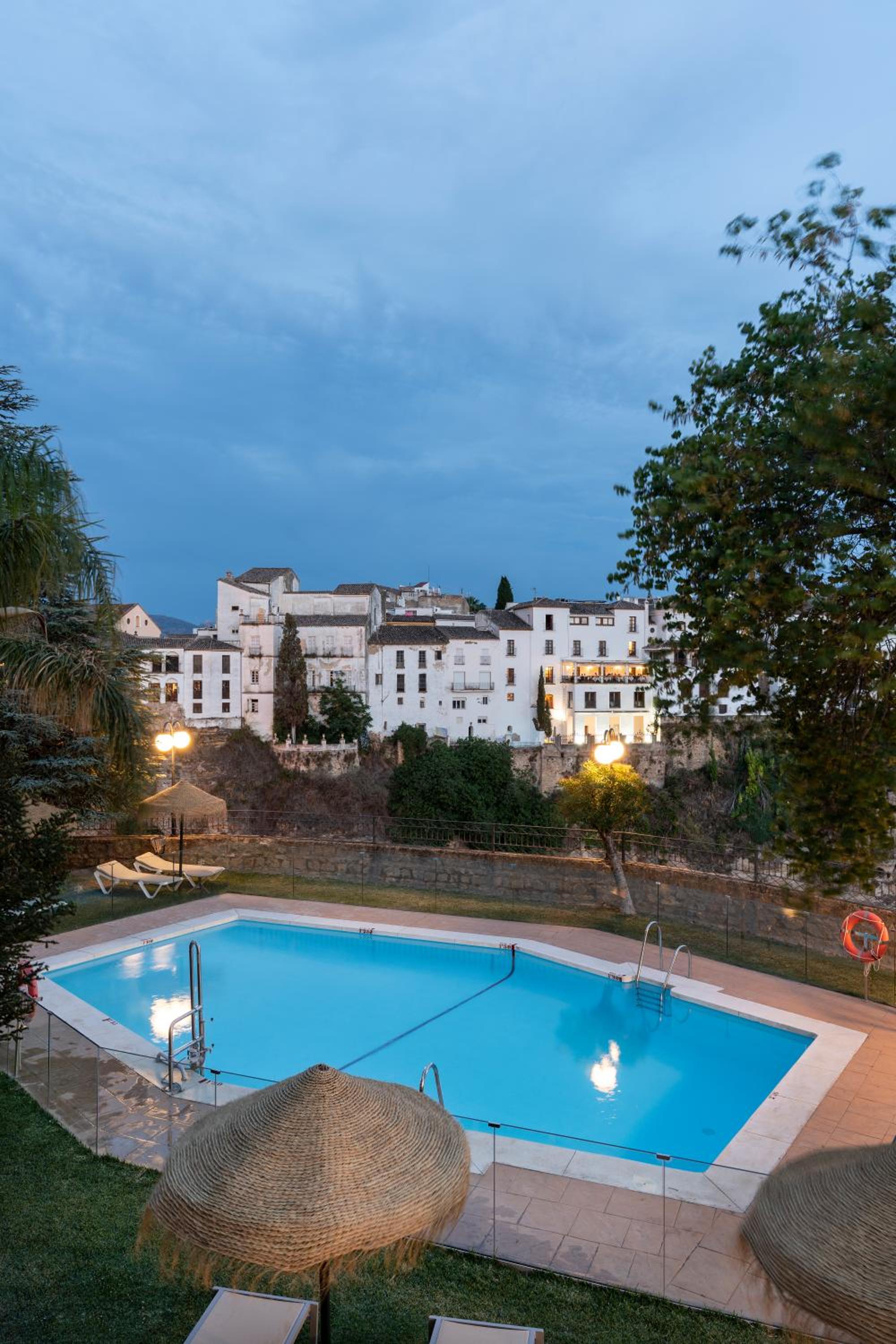
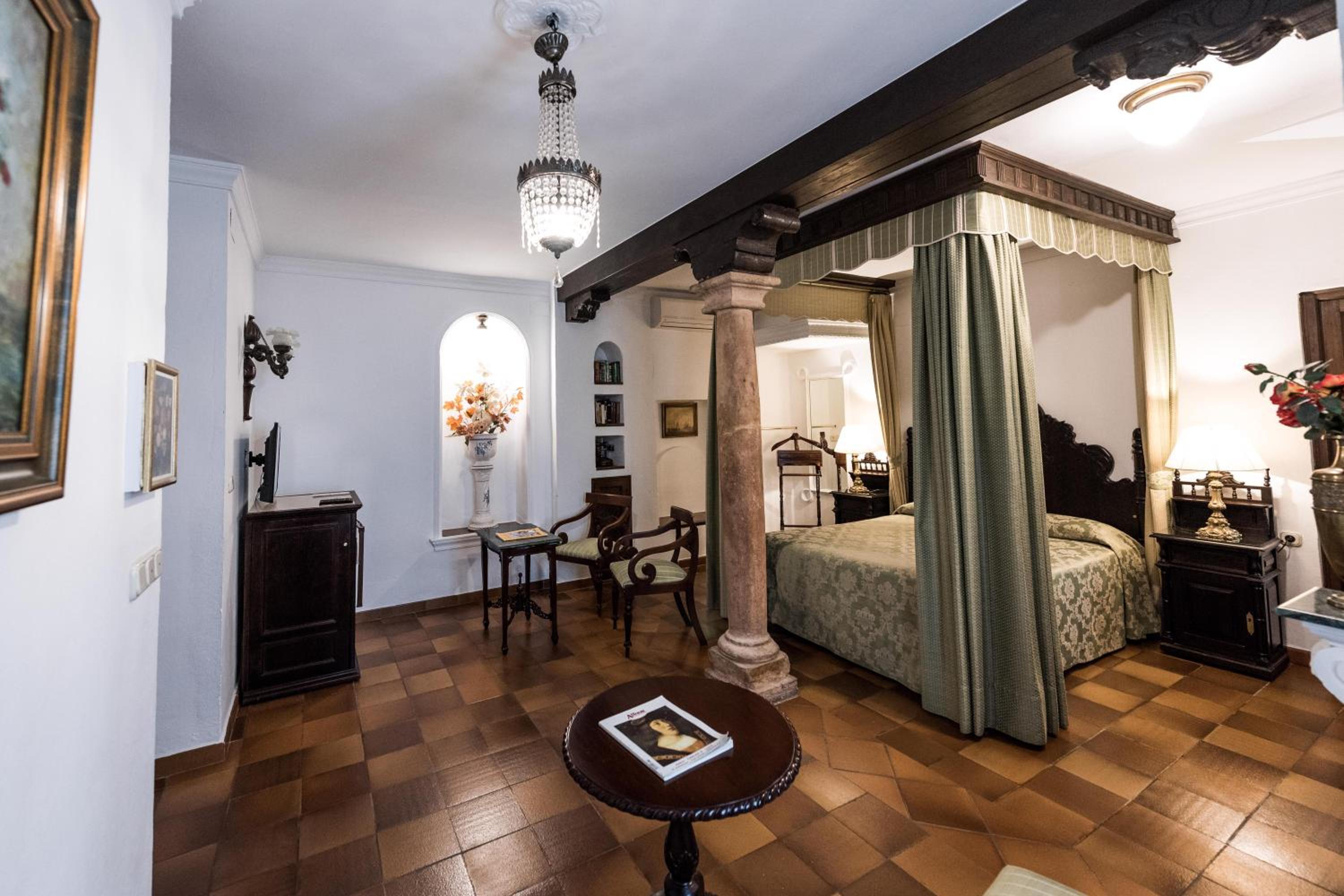
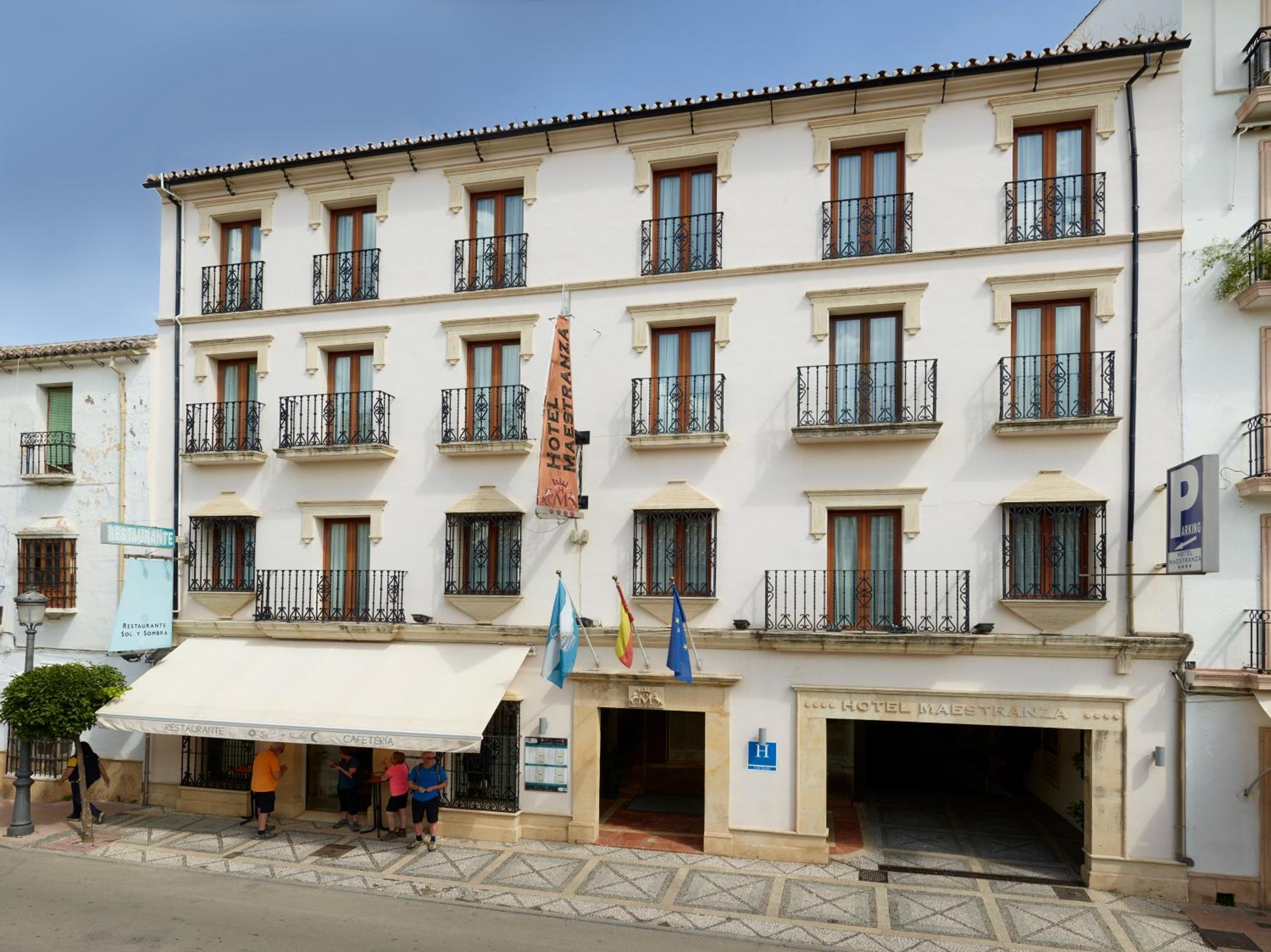
Sleep in La Ciudad for atmosphere or El Mercadillo for convenience, and the town is small enough that location barely matters beyond which side of the bridge you are on; a handful of hotels sit directly on the gorge and cost accordingly. Most travellers give Ronda 1 night on Stippl, and the beds go fast in April, May, September and October, so the shoulder-season night is booked ahead.
La Ciudad
Palace hotels and guesthouses in the Moorish lanes, €90 to €200 a double.
El Mercadillo
The parador and the cliff-edge hotels by the bridge, plus plain hotels by the station, €80 to €250 a double.
San Francisco
Cheap pensions and apartments below the walls, €50 to €100 a double.
Padre Jesús
A few guesthouses by the old bridges, €60 to €120 a double, at the bottom of the hill.


What to eat in Ronda
Oxtail stewed slowly, and unavoidable in a bullfighting town
A mountain soup of bread, garlic and local ham
Goat and sheep cheese from the Sierra de Grazalema nearby
The Serranía has its own small denomination, mostly reds
Discover food spots in Stippl
Find restaurants and markets on the map, save them to your itinerary, works offline too.
Ronda customs and what not to do
The ring is a museum most days
Fights are rare, and the 1785 building is visited as architecture and history for all but the Feria Goyesca weekend in September.
The coaches' town until five
Locals largely avoid the bridge at midday, and the difference after the coaches leave is the thing residents will tell you about.
Mountain Andalusia, not coast
The register is quieter and more conservative than Malaga an hour away, and the evening is a paseo rather than a night out.
Eat in the new town
The old town holds the sights and the new town holds the kitchens residents use, the opposite of the usual advice about Andalusian towns.
Dinner is late
Kitchens fill from nine, and a terrace by the bridge at seven is a terrace for day-trippers on the last coach.
Cover up in the churches
Santa María la Mayor in the old town is a working church, and the collegiate church's tower is climbed on a ticket.
Do
- Stay the night; the town after five is the point
- Walk the gorge in daylight with proper shoes
- Take the train from Malaga if the time allows; the climb through the Serranía is the journey
- Eat in El Mercadillo, where the residents do
- Book ahead in April, May, September and October
Don't
- Walk the gorge path in sandals or after dark
- Lean on the bridge parapets with a small child; they are low by modern standards
- Buy a Casa del Rey Moro ticket without checking it is open
- Plan the drive from the coast by the kilometres; the mountain roads take longer
- Expect shade on the bridge at midday in summer
What a Ronda trip costs
Budget
€45–75
A guesthouse in El Mercadillo, the free bridge views, the gorge walk, the train.
Mid-range
€95–170
A hotel in La Ciudad, the bullring, the baths, a sit-down dinner.
High-end
€220–400+
A parador or a cliff-edge hotel with the gorge outside the window.
Track what you actually spend
Set a daily budget per country and log expenses in any currency while you travel.
Fun facts about Ronda
The Puente Nuevo at Ronda took 42 years to build. From 1751 to 1793, and its architect is said to have fallen to his death inspecting it, the story every guide tells and none sources.
Ronda's bullring dates from 1785 and is the oldest major one in Spain. The modern rules of bullfighting on foot were codified here by the Romero family.
El Tajo gorge is about 120 metres deep. The Guadalevín river cut it through the limestone, and the town grew on both rims rather than in the valley.
Orson Welles's ashes are buried at Ronda. They lie in a well on the estate of the bullfighter Antonio Ordóñez, whose family the director followed for years.
Hemingway put Ronda's cliff into For Whom the Bell Tolls. He spent summers here, and the town has named a walk along the cliff after him.
Ronda sits at about 750 metres. High enough for frost in winter and for the sun to be stronger than it feels in summer, an hour above the coast by road.
Local tips for Ronda
Further in time than in km
The mountain roads and the single-track rail make the trip longer than the map implies, so the hour from the coast is a real hour and a half from Malaga by car.
The train is the journey
From Malaga in about two hours, climbing through the Serranía, and a reason to come by rail in itself; from Seville the bus takes about three.
The gorge path is a real walk
Steep, uneven and unfenced in places, the best thing to do here and not a stroll; proper shoes and daylight.
The drops are genuine
The bridge viewpoints get crowded and the parapets are low by modern standards, so small children are held.
Altitude and sun together
At 750 metres the sun is stronger than it feels and the town has little shade on the bridge, so the midday hours are for the baths.
One night is the answer
Most travellers give Ronda 1 night on Stippl and 23.7% of stops carry no bed at all, so the sunset over the gorge is the thing most people never see.
Ronda questions, answered
Almost everyone does it as a day trip from the coast, and almost every account that stayed says that is the wrong choice: 23.7% of Ronda stops planned on Stippl carry no bed at all, and most travellers who stay give it 1 night. The town after five, once the coaches go, is the point.
About thirty minutes down and rather more back up, from behind the Jardines de Cuenca to the viewpoint below the Puente Nuevo. It is free, steep, uneven and unfenced in places, and it gives the view the bridge itself cannot, so it wants daylight and proper shoes.
As the night between them, or the base for the white villages: put Malaga, Ronda and Seville into Stippl with the train up from the coast and the bus on to Seville, then ask people who have done the Serranía, in subreddits like r/spain, whether Grazalema or Setenil gets the spare day. 66.5% of overnight stops in Ronda are a single night on Stippl.
No, but you cannot avoid it. The 1785 ring is the town's second monument, the museum is recommended even by people with no interest in the sport, and the ring is used for fights only on the Feria Goyesca weekend in early September.
Yes: train from Malaga in about two hours, climbing through the Serranía, or bus from Seville in about three, and both take longer than the map suggests. From the Costa del Sol the bus from Marbella takes about an hour and a quarter, and 25.4% of overnight stops in Ronda planned on Stippl run to two nights, which is the white-village base.
It has been reported closed for works with people paying and then being turned away, so check before you buy. The water mine's steps down to the river are the attraction; the free gorge path from the north bank gives the view from below without the ticket.
Every guide is written by the Stippl editors and checked against the trips our travellers actually plan. Spotted something out of date? Let us know.

Plan Ronda in Stippl
Day-by-day planning, stays and budget in one app, with every place from this guide already on the map.
Download the app