

Alicante
Alicante is the Costa Blanca's only real city: a castle on the rock above the old town, a marble promenade along the harbour, a small beach at its foot and a long one at the end of the tram. Two nights, the lift up and the walk down, and rice ordered for two.
Alicante in a nutshell
Alicante: what to expect
The numbers here are drawn from 246,000+ planned stops across Spain on Stippl.
A Spanish city with a beach attached is what Alicante gives you in two nights, rather than a resort with a town attached. The Castillo de Santa Bárbara sits about 166 metres up Mount Benacantil above the old town, reached by a lift cut through the rock, the Explanada de España runs its wave-patterned marble along the harbour, Postiguet beach lies at the foot of the castle and Playa de San Juan's three kilometres of sand sit 25 minutes north on the tram. Most travellers give Alicante 2 nights on Stippl.
Short stays are the Alicante pattern, and the sea is what they are for. 40.9% of Alicante stops planned on Stippl are a single night and 25.7% are two, with Tabarca island, Guadalest, Altea, Calpe and Elche all day trips from the tram and bus station.
Base yourself in the Casco Antiguo for atmosphere, on the Explanada for a sea view, or at San Juan for a beach stay, and take the lift up the castle at the end of the day. Skip Alicante's Hogueras week around 24 June unless the bonfires are the point, since it is the one week that sells out, and skip Postiguet if the beach is the trip, because it is convenient rather than beautiful and San Juan is the beach the city actually has.
Plan Alicante in Stippl
Day-by-day planning, stays and budget in one app, with every place from this guide already on the map.
Download the appWho Alicante is for
City-with-beach travellers
A working city with a castle, an old town and a beach, rather than a resort with a town attached, unlike Benidorm up the coast.
Costa Blanca base-builders
Tabarca, Guadalest, Altea, Calpe and Elche are all day trips from here by tram, bus or boat, so the city holds a week without a car.
Short-stay travellers
40.9% of Alicante stops on Stippl are a single night and 25.7% are two, which is the flight-in, castle, beach and out pattern.
Rice eaters
Arroz a banda, caldero and the turrón of Jijona half an hour inland, with the rices cooked to order for two people upwards.
Winter-sun travellers
About 17 degrees by day in January and around 320 sunny days a year, with the Explanada terraces open through the winter.
Late-night people
The Explanada and the port fill after ten and run to dawn in summer, later even by Spanish standards.
Maybe not for you: anyone who wants the beach at the door of the old town, since Postiguet is small and San Juan is a tram ride; and anyone arriving in Hogueras week without a booking, because it is the one week the city sells out.
The best time to visit Alicante
The mild months
November to February
Seventeen to 20 degrees by day, the Explanada terraces open, the cheapest rooms and a sea nobody swims in; the castle in winter light is the best of it.
The spring window
March to June
The best of the year, warming month by month, with the sea swimmable from late May and Hogueras closing the window in the last week of June.
The beach months
July and August
Hot and busy on Postiguet and the port, with San Juan's three kilometres taking the crowd, and the nights on the Explanada running to dawn.
The second window
September and October
The warmest sea of the year against thinning crowds, and the autumn storm risk of this coast in October.
- Most travellers give Alicante 2 nights on Stippl, and 40.9% of stops are a single night. The castle and the Explanada fit in an evening, so the second night is for San Juan or Tabarca.
- Hogueras de San Juan runs from 20 to 24 June, ending with the bonfires on the night of the 24th. Enormous sculptures are built and burned, it is the busiest week of the year and the one that sells out, so book months ahead or come the week after.
- Tabarca is easier from Santa Pola than from Alicante. The crossing is shorter and the sailings more frequent, and the island is a flat marine reserve with one village.
- The castle is free and the lift is not. The lift cut through the rock from beach level costs about €1.45 per journey, card only, and the walk down through Santa Cruz in the last light is the better half.
- The autumn storm season reaches this coast in October. The same cold-drop systems that hit Valencia apply here, so check the AEMET warning page before a late-autumn outdoor day.
- A municipal tourist tax has been enabled and not applied. The Valencian Community allows an optional levy of up to about €2 a night, and no municipality on the coast charges it yet.
Add your Alicante dates and we'll flag the weather
Stippl shows the season, crowds and prices for every stop on your route.
Describe your trip, get a Alicante itinerary in seconds
Everything in this guide is already in Stippl. Tell the planner how long you have and what you like: it builds the route, the days and the travel times, and you edit whatever you want.
Things to do in Alicante
The castle at the end of the day
Take the lift cut through the rock from beach level up to Santa Bárbara, free to enter, then walk down through Santa Cruz in the last light; the view covers the whole bay.
The Explanada end to end
The wave-patterned marble promenade along the harbour, lined with palms and terraces, the city's own emblem and its late-night zone.
Tabarca island by boat
A small flat island and marine reserve off the coast, with one walled village, snorkelling off the rocks and a fish caldero for lunch; the shorter crossing is from Santa Pola.
Playa de San Juan by tram
Three kilometres of sand 25 minutes north on tram line 3, with space, which is the beach the city actually has rather than the one at its foot.
The MARQ archaeology museum
The region's Iberian, Roman and Islamic finds in a converted hospital, about €6 and half price on Sundays, for the afternoon the sun is too much.
Rice at a table for two
Arroz a banda or caldero cooked to order for two people upwards, about half an hour's wait, in the Casco Antiguo or at a chiringuito on San Juan.
The neighbourhoods of Alicante
Explanada and El Puerto
The waterfront
The marble promenade and the marina behind it, lined with palms and terrace cafés, and the city's main late-night zone at weekends. For a sea view and going out.
The sea view and the terraces, and bars that run until dawn under the window.
Casco Antiguo
The old town
Whitewashed houses under the castle, the Santa María basilica, the museums and the densest tapas grid in the city, the cultural core and the bar quarter in one. For first visits.
Tapas and the castle at the door, in the noisiest place in the city to sleep.
Santa Cruz
The photograph
A steep pedestrian sub-quarter just under the castle, hung with flowerpots and tiled staircases, the most photographed corner of the city. For the view and the walk down.
Tiled steps and flower-hung alleys, steep and uneven and a poor idea with luggage.
Postiguet
The city beach
The sand at the foot of the old town, backed by seafront hotels and restaurants, convenient rather than beautiful and small for the crowd it takes. For a beach five minutes from the centre.
Sand five minutes from the old town, and a fraction of San Juan's space.
Playa de San Juan
The proper beach
A long sandy strip about seven kilometres north, reached by tram line 3 in 25 minutes, with resort hotels, chiringuitos and space. For a beach stay.
Three kilometres of sand and room on it, and a tram ride to the city every evening.
See every Alicante neighbourhood on one map
Save the areas you like and Stippl plots your days so you're not crossing the city twice.
Where to stay in Alicante
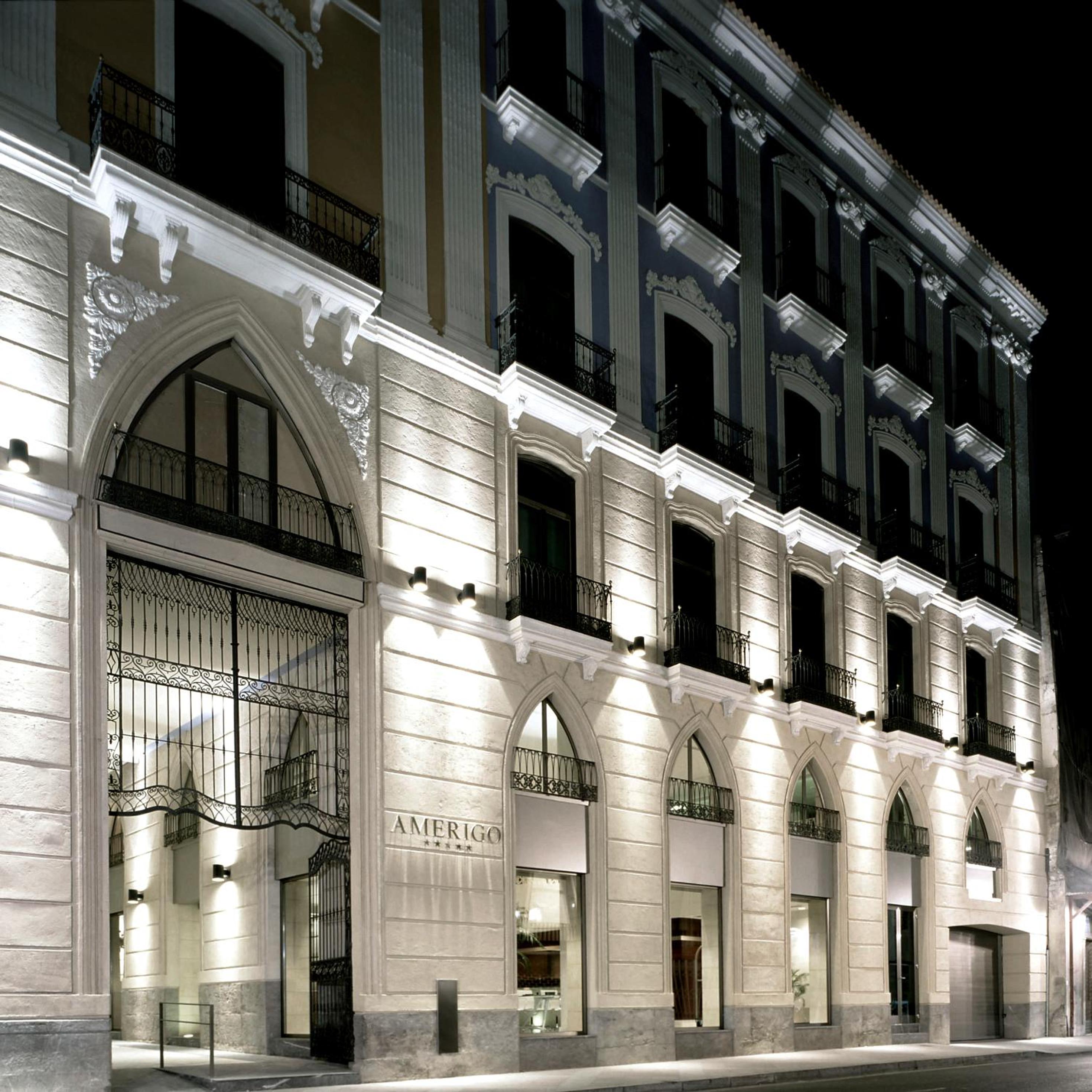
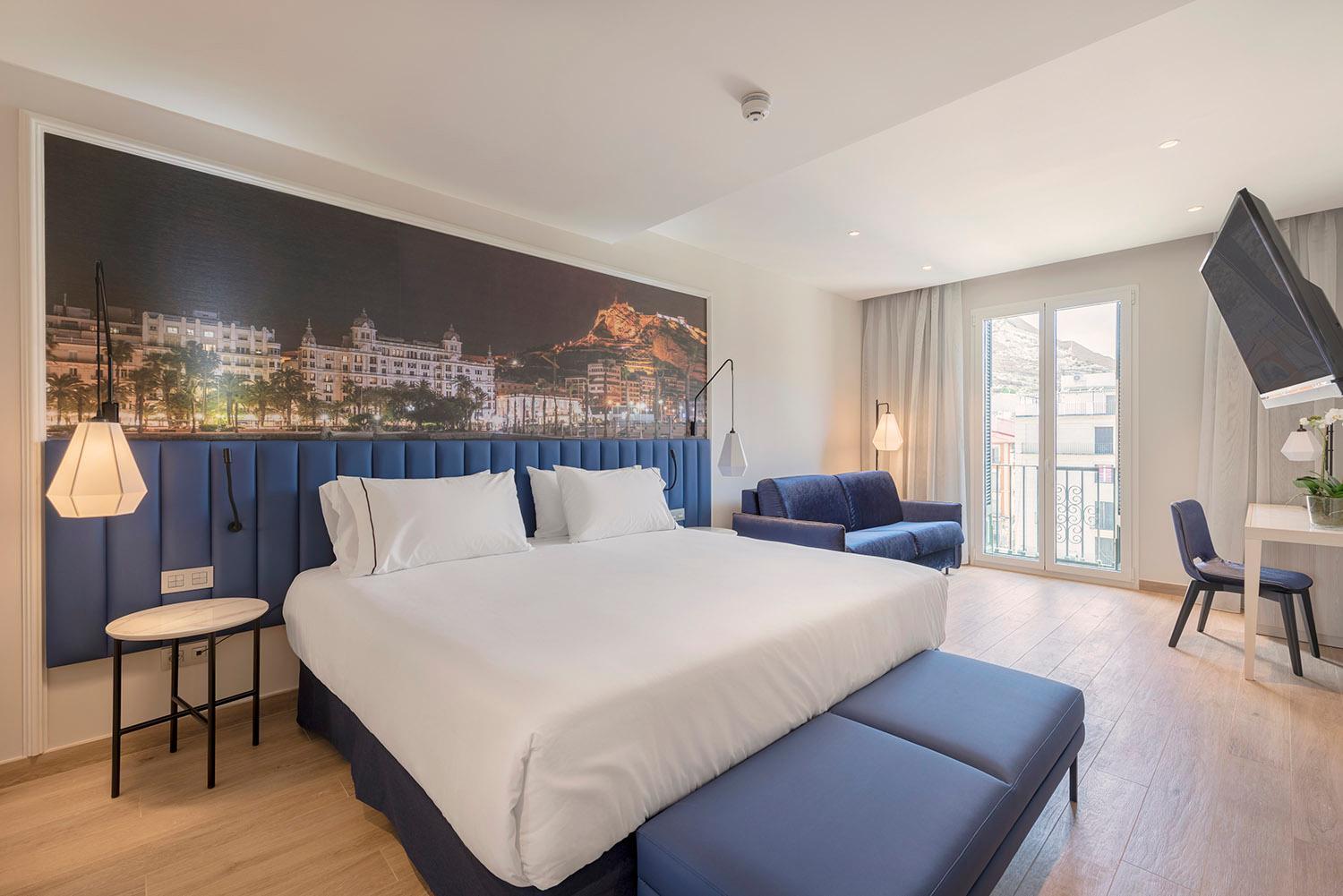
Sleep in the Casco Antiguo for atmosphere, on the Explanada for a sea view, or at San Juan for a beach stay, which is a different holiday 25 minutes up the tram. Most travellers give Alicante 2 nights on Stippl, so the room is near the tram or the port. The old town is loud at night, being also the bar quarter.
Explanada and El Puerto
Seafront hotels and apartments along the promenade, €90 to €200 a double.
Casco Antiguo
Hostels and small hotels in the old town, €60 to €140 a double, with bar noise until late.
Santa Cruz
A few guesthouses and apartments up the tiled steps, €70 to €150 a double, and no lift for the bags.
Postiguet
Beachfront hotels at the foot of the castle, €100 to €220 a double.
Playa de San Juan
€90–180
Resort hotels and apartments along the strip, €90 to €250 a double.


What to eat in Alicante
Rice cooked in fish stock and served apart from the fish it was made with
A fisherman's rice-and-fish stew, the local cousin of paella
A flat tuna pastry, the Alicante snack
The almond nougat of Jijona, half an hour inland
Tiger-nut milk, shared with Valencia up the coast
Discover food spots in Stippl
Find restaurants and markets on the map, save them to your itinerary, works offline too.
Alicante customs and what not to do
Spanish and Valencian both
The city is Alacant in Valencian and the signs run in both languages; the distinction matters here as it does in Valencia, and neither is a dialect.
Hogueras is a bonfire
Enormous sculptures are built and then burned on the night of 24 June, which surprises visitors who expect a procession; the mascletà fireworks go off at two each afternoon.
The evening starts late
The Explanada and the port fill after ten and run to dawn in summer, later even by Spanish standards, and a restaurant at eight is empty.
Rice is for the table
Alicante's rices are cooked to order for two people upwards and take about half an hour, so a solo diner asking for arroz a banda is usually turned down.
Cover up in the basilica
Santa María and the co-cathedral are working churches, and beachwear stops at the Explanada rather than carrying up into the old town.
Tipping is rounding up
Nothing is expected beyond a euro or two for good service, and the terrace price on the Explanada already carries the view.
Do
- Take the lift up to the castle and walk down through Santa Cruz at golden hour
- Take tram line 3 to San Juan for the day rather than settling for Postiguet
- Cross to Tabarca from Santa Pola; the sailings are shorter and more frequent
- Order rice for two at lunch and give it the half hour
- Check the AEMET warning page before an outdoor day in October
Don't
- Book the Casco Antiguo if you sleep lightly; it is the bar quarter
- Drag luggage up the Santa Cruz steps; they are steep and uneven
- Arrive in Hogueras week without a booking
- Book along the Avenida de Dénia industrial corridor
- Expect shade on the castle or the marble Explanada in August; the sun is the practical hazard
What a Alicante trip costs
Budget
€50–85
A hostel in the Casco Antiguo, the free castle, Postiguet beach, the tram.
Mid-range
€110–190
A hotel near the Explanada, the MARQ, a sit-down rice lunch, a Tabarca crossing.
High-end
€230–420+
A seafront hotel at San Juan, booked restaurants, a private boat to Tabarca.
Track what you actually spend
Set a daily budget per country and log expenses in any currency while you travel.
Fun facts about Alicante
Alicante's Santa Bárbara castle is reached by a lift cut through the rock. It runs from beach level up about 166 metres inside Mount Benacantil, and the castle itself is free.
The Explanada de España is paved with about six and a half million marble tiles. Laid in a wave pattern of red, cream and black along the harbour, it is the city's own emblem.
Hogueras de San Juan burns the city's art every 24 June. Enormous satirical sculptures are built for months and set alight on one night, the Alicante version of Valencia's Fallas.
The turrón of Jijona is made half an hour inland from Alicante. The almond nougat that fills Spanish Christmas tables comes from one small town in the hills behind the coast.
Tabarca off Alicante is the smallest permanently inhabited island in Spain. A flat walled village and a marine reserve, with a few dozen residents in winter and day-trippers in summer.
Mount Benacantil has a face in it. Seen from Postiguet, the rock below the castle forms the Moor's Face, a profile the city has named and photographed for centuries.
Local tips for Alicante
The tram is the useful fact
Line 3 puts three kilometres of beach at San Juan 25 minutes from the centre for about €1.50, and it reaches the airport connection and the coast towns too.
Tabarca from Santa Pola
The crossing is shorter and the sailings more frequent than from Alicante's port, which most guides do not say, so take the bus down the coast first.
No crime pattern
A normal mid-size Spanish city, with the port behaving like a late-night zone at weekends and nothing worse reported.
Sun is the hazard
Around 320 days of it, a castle with no shade and a marble promenade that reflects, so the castle is for the end of the day.
The Santa Cruz steps are steep
They are uneven as well, and a poor idea with luggage, so a room up there is for a stay without bags to carry.
Two nights is the stay
Most travellers give Alicante 2 nights on Stippl and 40.9% of stops are a single night, so the castle takes the first evening and San Juan or Tabarca the second day.
Alicante questions, answered
Alicante is a working city with a castle, an old town and a beach; Benidorm is a resort, and every comparison draws that contrast. Alicante is the better launchpad for the coast, and 25.7% of Alicante stops planned on Stippl are two nights, which is the base pattern rather than the resort one.
Yes, and entry is free. Only the lift costs anything, under two euros a ride, and the walk down through Santa Cruz at golden hour is the better half of the visit; the view covers the whole bay and the Moor's Face in the rock below.
Postiguet if you have an hour, San Juan if you have a day. San Juan is a long strip of sand with space on it, 25 minutes north on the tram, and the beach the city actually has; Postiguet at the foot of the castle is convenient rather than beautiful, and 9.3% of Alicante stops planned on Stippl are same-day visits that reach neither.
As the Costa Blanca base, with Valencia two hours up the coast and Murcia an hour down: most travellers give Alicante 2 nights on Stippl, and 40.9% of stops are a single night. Put it into Stippl with two nights and the tram and boat days around it, then ask people who have based here, in subreddits like r/spain, which day trips earned their day.
From 20 to 24 June, ending with the bonfires on the night of the 24th, when the sculptures built over months are burned in the streets. It is the busiest week of the year and the one that sells out, so book months ahead or come the week after, when the beach season is the same and the rooms are not.
Yes, by boat, and easier from Santa Pola down the coast, where the crossing is shorter and the sailings more frequent. The island is flat, walled and a marine reserve, with snorkelling off the rocks and a caldero lunch in the village, and it takes half a day with the crossings.
Every guide is written by the Stippl editors and checked against the trips our travellers actually plan. Spotted something out of date? Let us know.

Plan Alicante in Stippl
Day-by-day planning, stays and budget in one app, with every place from this guide already on the map.
Download the app