

Barcelona
Barcelona is the one Spanish city that is a holiday on its own: Gaudí, a Roman-walled old town, four kilometres of beach at the end of a metro line, and sights scattered enough to need it. Three nights, every ticket booked ahead, and the bag in front of you.
Barcelona in a nutshell
Barcelona: what to expect
This is what 53,000+ planned stops in the city on Stippl say about Barcelona.
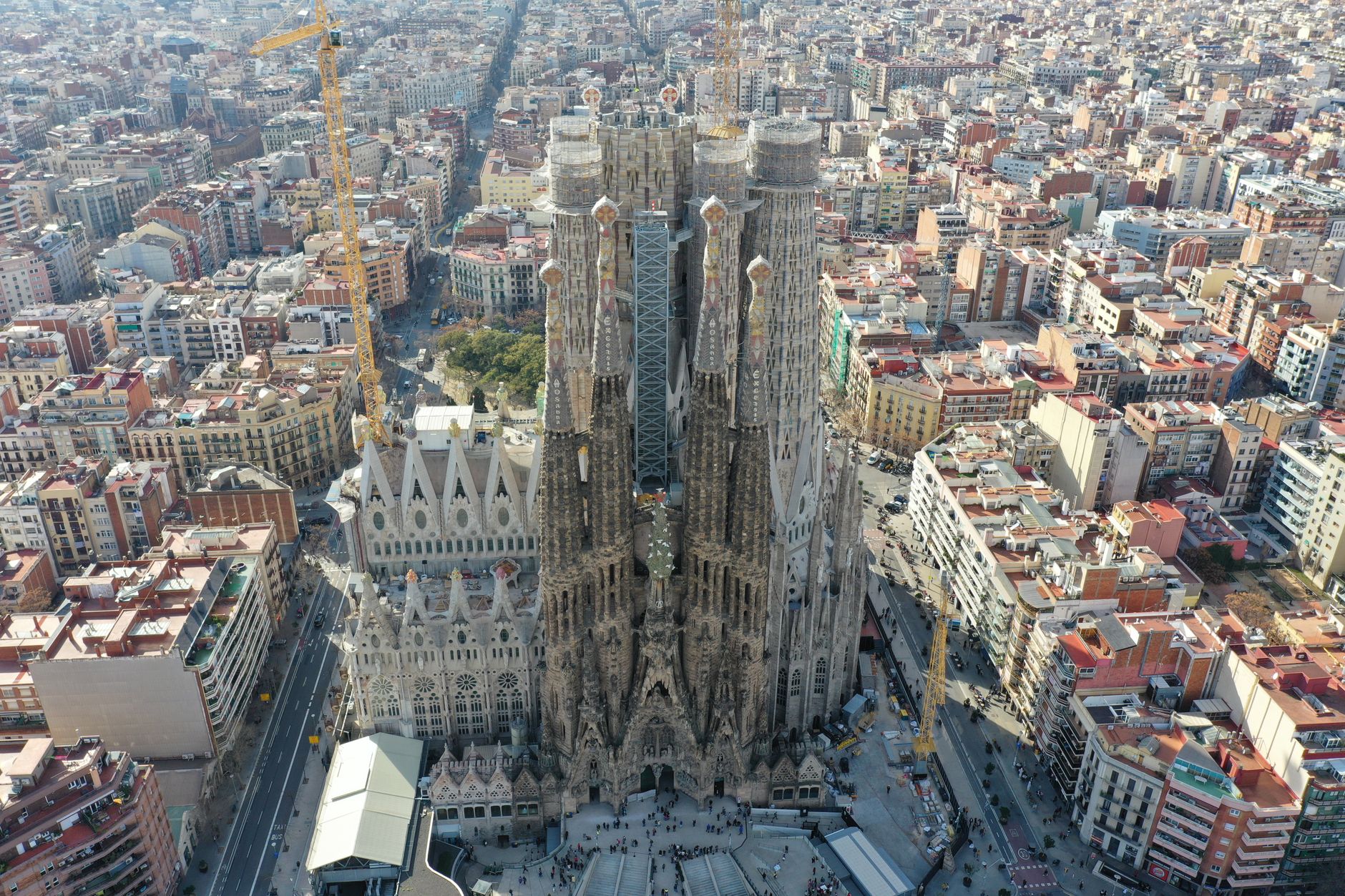
Barcelona is worth three nights, and it is the one Spanish city that is routinely the whole trip. The Sagrada Família, Park Güell, Casa Batlló and La Pedrera are Gaudí's four, the Barri Gòtic holds the Roman wall and the cathedral cloister, El Born has the Picasso Museum and Santa Maria del Mar, and the beach runs four kilometres from Barceloneta to Poblenou at the end of a metro line. Most travellers give Barcelona 3 nights on Stippl, the longest stay of any Spanish place.
Barcelona is Spain's most-planned destination by a distance, and its most self-contained. The city takes 21.7% of every Spanish stop planned on Stippl, it opens 37.7% of the trips it appears on, and 14.5% of Barcelona trips have no other stop anywhere at all, which no other Spanish city comes close to.
Sleep in the Eixample or El Born near a metro stop, book the Gaudí tickets before the room, and use the metro for everything beyond the old town. The sights are scattered in a way Seville's are not, and the Sagrada Família has no ticket desk. Skip Las Ramblas as a bed, because the pickpocketing there is organised, and skip July and August if humidity bothers you, since 29 degrees by this sea feels worse than the number.
Plan Barcelona in Stippl
Day-by-day planning, stays and budget in one app, with every place from this guide already on the map.
Download the appWho Barcelona is for
One-city holidaymakers
Barcelona is the only Spanish destination that is routinely a whole holiday: 14.5% of Barcelona trips on Stippl have no other stop at all.
Architecture and design people
Five Gaudí sites, the Palau de la Música, Sant Pau and the whole Eixample grid of chamfered corners, all within one metro network.
Beach-and-city travellers
Four kilometres of sand at the end of a metro line, which no other major European city of this size offers, and quieter the further north you walk.
Eaters and drinkers
Catalan cooking is distinct from Castilian, the Sunday vermouth hour is a real institution, and the market culture at Sant Antoni and La Boqueria is unusually good.
Families
Barcelona with children turns on exactly two things, booking everything ahead and adapting to late dinners; the beach and the funicular to Tibidabo do the rest.
Long-stayers
Most travellers give Barcelona 3 nights on Stippl, the longest stay of any Spanish place, because the sights need the metro and the days.
Maybe not for you: anyone who wants a walkable old town and nothing else, since Seville does that better and Barcelona's sights are scattered; and anyone allergic to crowds, because the Gaudí sites and the Barri Gòtic are rarely quiet from March to October.
The best time to visit Barcelona
Low and mild
November to February
The cheapest and quietest months and still warm enough to walk all day, with the calçot season from January and the Gaudí queues at their shortest.
The spring window
March to June
Warming and dry, with May and June the best of the year: the sea just swimmable, the terraces full, and the sights open late.
Peak
July and August
Hot and humid, cruise-heavy and partly closed for local holidays in August, with the beach the only thing that works in the afternoon.
The second window
September and October
Warm sea and thinning crowds, with La Mercè in the third week of September and the year's heaviest rain in October.
- July is the month most travellers plan Barcelona for on Stippl, and June to September takes 59.7% of the plans. That is the humid, cruise-heavy quarter, so the May and September windows are the quiet ones.
- Most travellers plan Barcelona about 74 days ahead on Stippl, and 16.2% inside a fortnight. The Sagrada Família and Casa Batlló sell out two to three weeks ahead in season, so the late plan is a plan without Gaudí interiors.
- La Mercè in the third week of September is the city's own festival. Castellers, correfoc fire runs and free concerts across the old town, with the hotels full and the sights open as normal.
- Calçots run from January to March only. The charred spring onions dipped in romesco are a winter reason to come, eaten with a bib at a calçotada in the hills or a Gràcia restaurant.
- August is when the locals leave and the Gràcia festival fills their streets. The festa major in the third week of August decorates the neighbourhood's streets in competition, and half the small restaurants elsewhere close for the month.
- Cruise days change the old town. The Barri Gòtic and La Rambla take several ships' worth of visitors on peak days, so the Roman wall and the cathedral cloister are for before nine.
Add your Barcelona dates and we'll flag the weather
Stippl shows the season, crowds and prices for every stop on your route.
Describe your trip, get a Barcelona itinerary in seconds
Everything in this guide is already in Stippl. Tell the planner how long you have and what you like: it builds the route, the days and the travel times, and you edit whatever you want.
Things to do in Barcelona
 Photo by William Rudolph via Unsplash
 Photo by Vincenzo Biancamano via Unsplash
 Photo by Krisztián Korhetz via Unsplash
The Sagrada Família's interior
The part almost nobody expects to be the good one: a forest of branching columns under coloured glass, and now the tallest church in the world. Online or the app only; there is no ticket desk.
Park Güell's monumental terrace
The serpentine mosaic bench and the view down over the whole city to the sea, on a timed ticket for the monumental zone; the free part of the park around it is worth the walk too.
Casa Batlló at half past eight
The pre-opening ticket is the only way to photograph the house without a crowd in the frame, and La Pedrera two blocks up on Passeig de Gràcia follows it.
The Barri Gòtic before nine
The Roman wall, Plaça del Rei and the cathedral cloister with its geese, all empty, and the cathedral itself free in the morning and the early evening.
Sunset from the Bunkers del Carmel
Free, on an old anti-aircraft battery above Gràcia, with the best 360-degree view in Barcelona and a crowd that brings its own drinks.
Tibidabo and the Sagrat Cor
A funicular, a small hillside amusement park and a church on the highest point of the city, for the view back over everything the metro has been carrying you between.
The neighbourhoods of Barcelona
Barri Gòtic
The original city
Two thousand years compressed into a maze of Roman-era lanes, cathedral squares and candlelit bars, the obvious base for a first visit and the pickpocket epicentre. For first visits and short stays.
The Roman wall and the cathedral at the door, in the fullest and noisiest lanes in the city.
El Born
Gentrified, and no less central
The elegant quarter east of the Gothic: Santa Maria del Mar, the Picasso Museum, boutique-lined lanes and a tapas scene that runs late. For food and a central base without the Gothic crowds.
Central and quieter than the Gothic, at boutique prices.
L'Eixample
The grid of chamfered corners
The nineteenth-century grid where Casa Batlló and La Pedrera sit on Passeig de Gràcia among the high-end shops, with the best transport and the most reliable hotel stock. For convenience and families.
The best metro links and the Gaudí houses on foot, with the least atmosphere per euro.
Gràcia
A town inside the city
Independent until 1897 and still behaving like one: tree-lined plazas, terrace bars, independent shops and Park Güell at its upper edge, twenty minutes by metro from the old town. For longer stays and evenings among locals.
Terrace plazas and Park Güell, and a metro ride to everything else.
Poblenou
The reinvented waterfront
A former industrial district turned creative and tech quarter, with warehouse galleries, craft breweries, its own rambla and beaches with room on them. For digital nomads and beach mornings.
Beaches with space and a real neighbourhood, at a metro ride from the sights.
Sant Antoni
The eating ground
The revamped iron market has made this corner of the Eixample the city's most fashionable place to eat, ringed by cocktail bars and a Sunday book market. For food travellers and value near the centre.
The market and the bars, and a short walk to the Raval's edges.
See every Barcelona neighbourhood on one map
Save the areas you like and Stippl plots your days so you're not crossing the city twice.
Where to stay in Barcelona
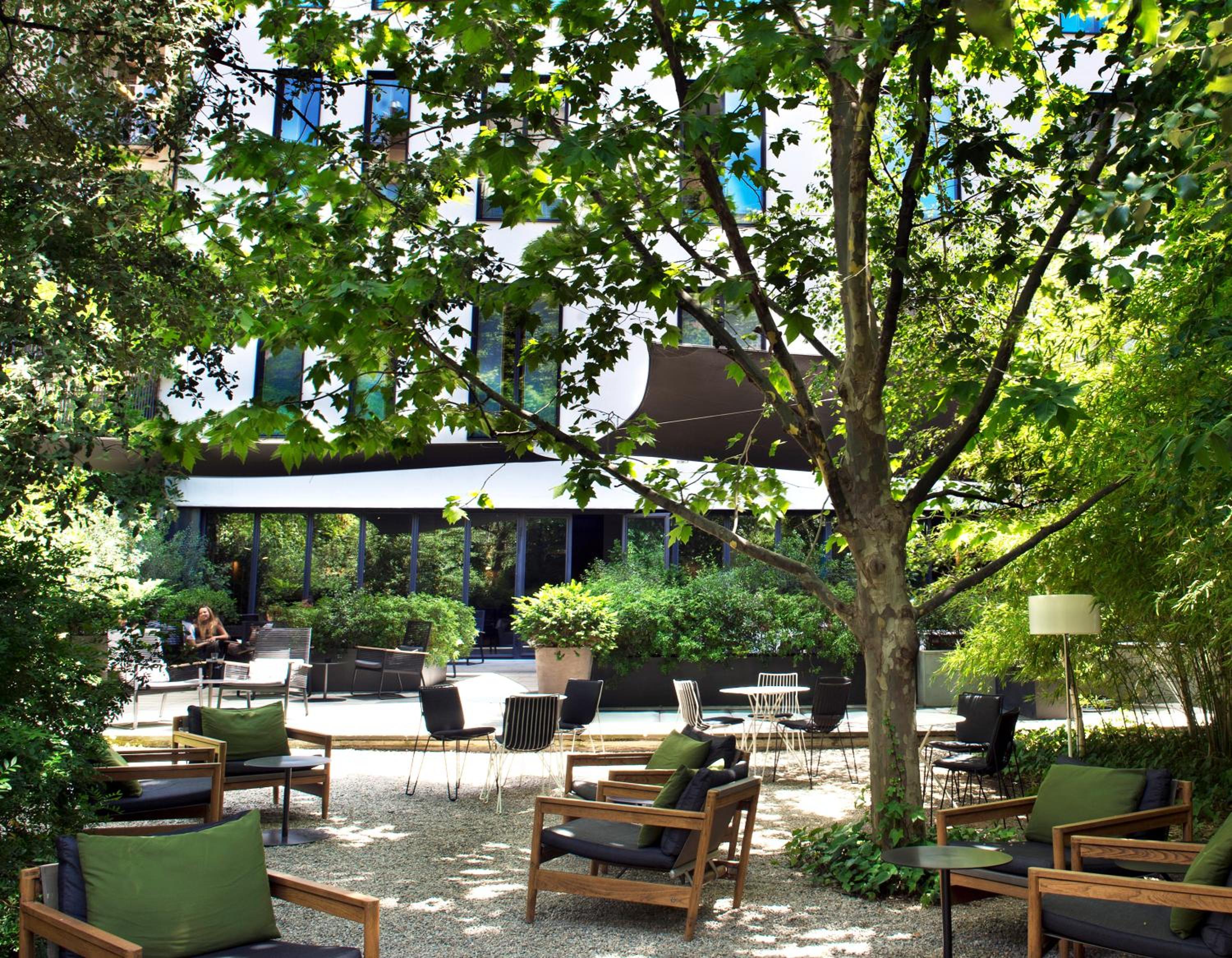
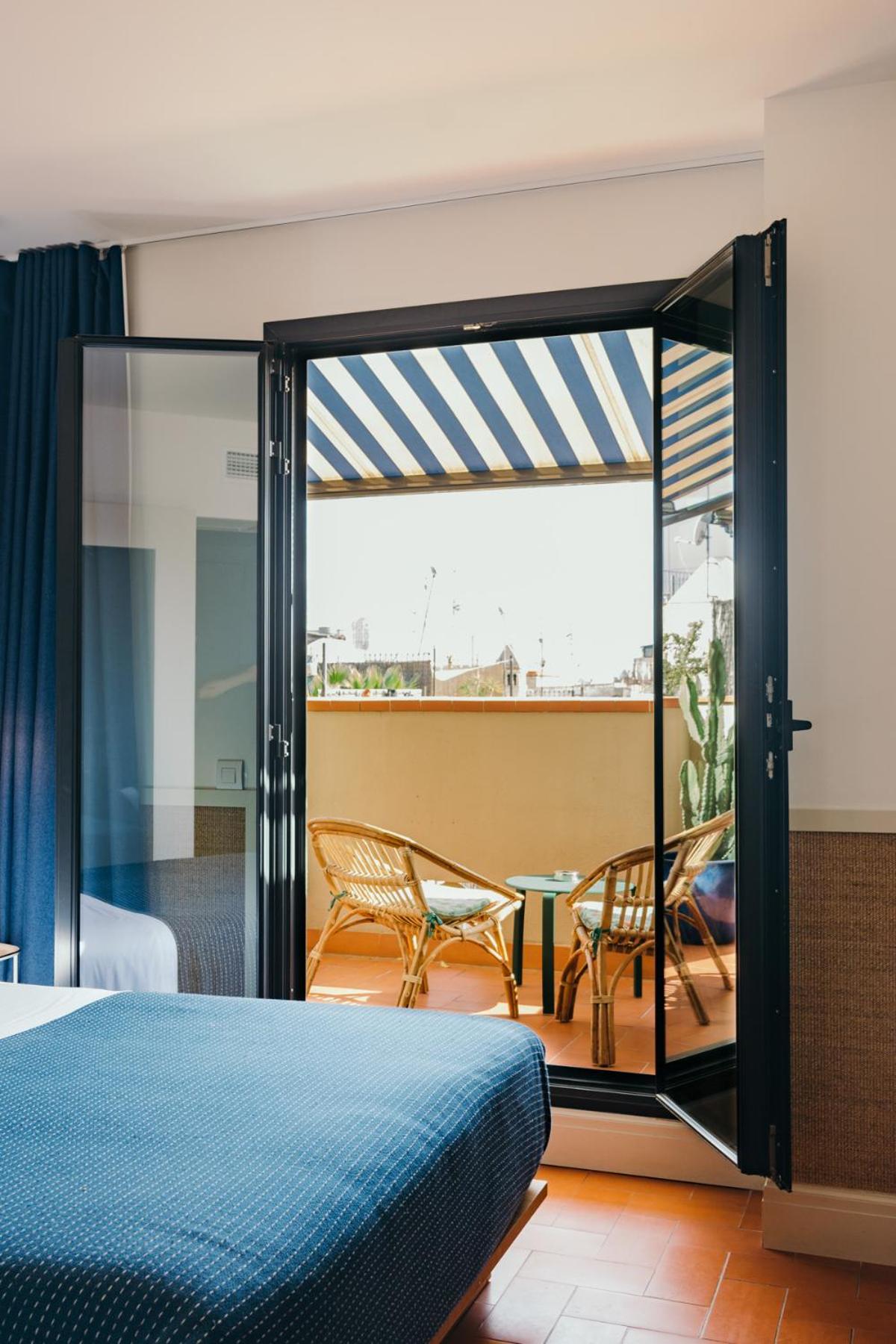
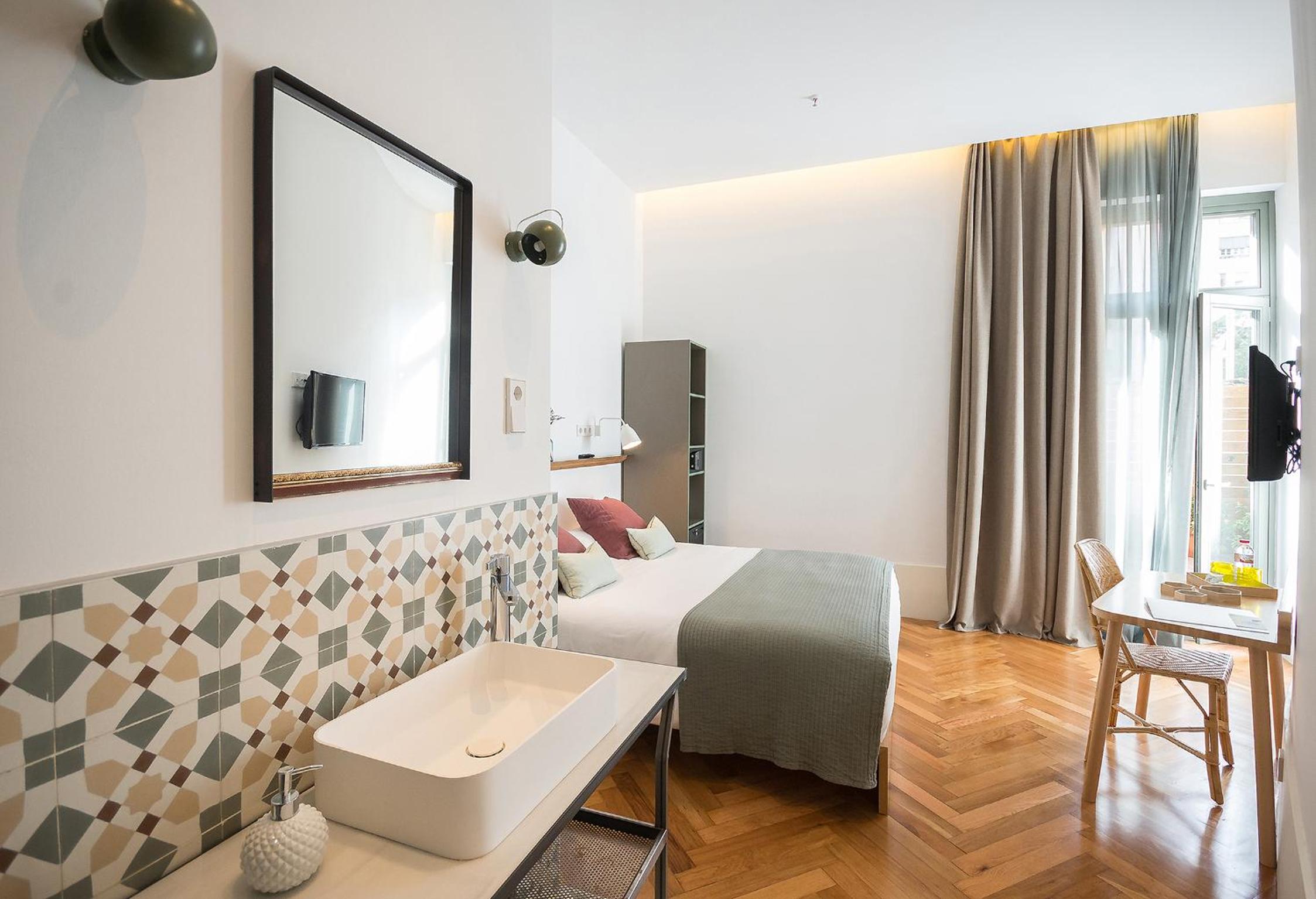
Stay in the centre and near a metro stop, because the money saved further out costs more in time than it saves: the Eixample near Plaça de Catalunya is the practical default, El Born the atmospheric one and Gràcia the neighbourhood. Most travellers give Barcelona 3 nights on Stippl, and the tourist-apartment licences are being withdrawn, so the hotel stock is the one to plan on.
Barri Gòtic
Small hotels and hostels in the lanes, €90 to €220 a double, and noise until late.
El Born
Boutique hotels and apartments off the Passeig del Born, €130 to €280 a double.
L'Eixample
The city's hotel volume, from three-stars to rooftop pools, €120 to €350 a double.
Gràcia
Guesthouses and small hotels on the plazas, €90 to €200 a double.
Poblenou
Design hotels and hostels near the beach, €80 to €200 a double.
Sant Antoni
Hostels and mid-range hotels around the market, €70 to €180 a double.


What to eat in Barcelona
Bread rubbed with ripe tomato, oil and salt. Not a dish so much as the base of every Catalan meal, and served with everything
Fried potato with a spiced sauce: the default tapa, and the one every bar is judged on
House vermouth on ice with an olive and a slice of orange, drunk before Sunday lunch. A Barcelona institution rather than a drink
Paella made with short noodles instead of rice, usually with seafood. The Catalan coast's answer to Valencia's dish
Peppers, aubergine and onion roasted over embers and dressed with oil
Long spring onions charred over vines and dipped in romesco, eaten with a bib. January to March only
Custard under a burnt sugar crust, flavoured with citrus and cinnamon rather than vanilla
Discover food spots in Stippl
Find restaurants and markets on the map, save them to your itinerary, works offline too.
Barcelona customs and what not to do
Catalonia is a nation
Catalan comes first on signs and menus and the distinction matters to people here, so bon dia and gràcies land better than their Spanish equivalents.
Dinner is from half past eight
Lunch runs from about two and dinner from half past eight onward, and a good restaurant at seven is empty for a reason.
Tipping is not expected
Locals round up or leave nothing, five to ten percent marks exceptional service, and nobody tips at a bar.
Dress is casual
More so than in Madrid, and the beach look does not travel into the old town's restaurants or the churches, where shoulders are covered.
Landmark prices double
Haggling is normal with street vendors, and the same drink costs about twice as much beside the Sagrada Família as it does three streets away.
Anti-tourism is now policy
The visitor levy, the apartment-licence withdrawal and the cruise-berth cuts are the city acting on it, so treat Barcelona as a place people live.
Do
- Book the Sagrada Família, Park Güell and Casa Batlló before you book anything else
- Take the T-casual for the city and a separate ticket for the airport
- Cross into Gràcia or El Born for dinner instead of eating beside La Boqueria
- Walk twenty minutes north of Barceloneta for a beach with room on it
- Carry the bag in front of you in the old town and on the metro
Don't
- Book a bed on Las Ramblas
- Try to use a T-casual on the airport metro; it will not open the gate
- Turn up at a good restaurant at seven and judge the city on who else is there
- Expect to find a market open on Sunday
- Leave a phone or a wallet in a back pocket anywhere in the Barri Gòtic
What a Barcelona trip costs
Budget
€70–110
A hostel bed in El Raval or Gràcia, market lunches, one Gaudí ticket, the metro.
Mid-range
€170–280
A three- or four-star in the Eixample or El Born, sit-down meals, two or three ticketed sights.
High-end
€400–900+
A rooftop-pool hotel near Plaça de Catalunya, booked restaurants, private Gaudí guides.
Track what you actually spend
Set a daily budget per country and log expenses in any currency while you travel.
Fun facts about Barcelona
The Sagrada Família became the tallest church in the world in 2026. The central Tower of Jesus Christ topped out at 172.5 metres after 144 years of building, and the decorative work continues for years yet.
The four kilometres of beach at Barcelona are entirely artificial. They were built for the 1992 Olympic Games on what had been industrial waterfront, and Poblenou's end is still the quiet one.
The Barri Gòtic is older than its name. The Gothic buildings are thirteenth to fifteenth century and the archaeology beneath them is Roman, with the wall still standing by the cathedral.
Gaudí's Park Güell was built as a housing estate that failed. Only two of the planned sixty houses were ever sold, which is why Gaudí's terraces became a park.
Gràcia was an independent town until 1897. It still runs its own August street festival, in which neighbours decorate their streets in competition with each other.
Picasso spent his formative years in Barcelona. The Museu Picasso in El Born holds the world's largest collection of his early work, free on the first Sunday of the month.
Local tips for Barcelona
Not a walking city
The sights are scattered and the metro is the answer, which is the main surprise for people arriving from Seville; a day on foot from the Gothic to Park Güell is a mistake.
Aerobús beats the airport metro
The metro is cheap and slow, over ninety minutes door to door on a bad day, and the Aerobús to Plaça de Catalunya is quick and simple.
No T-casual at the airport
A separate airport ticket is required on the L9 metro and the airport trains, and the ten-journey card will not open the gate.
Pickpocketing is organised
Concentrated on La Rambla, around the Sagrada Família and on the metro, in groups and by distraction, so the bag goes in front and the phone stays in a front pocket.
Safe at night otherwise
The city is fine to walk after dark, including for solo travellers, with the edges of El Raval the usual caveat.
Give it three nights
Most travellers give Barcelona 3 nights on Stippl and 26.7% of stops are a single night, so the stopover is legitimate but the city needs the days.
Barcelona questions, answered
Three, and that is the longest stay in Spain: most travellers give Barcelona 3 nights on Stippl, the longest of any Spanish place, but 26.7% of stops are a single night, so a stopover is a legitimate answer too. Three covers the Gaudí houses, the old town early and a beach afternoon without the metro doing double shifts.
The Sagrada Família, Park Güell and Casa Batlló, two to three weeks ahead in season. The Sagrada Família has no ticket desk at all, so it is online or the app or nothing, and the tower add-on goes first. La Pedrera and the Picasso Museum can usually be booked a few days out.
Usually the start: it opens 37.7% of the trips it appears on and closes 24.2%, of everyone who plans Barcelona on Stippl. Put Barcelona first in Stippl with three nights, add Madrid or Andalusia by high-speed train, then ask people who have done the order, in subreddits like r/Barcelona or r/spain.
Most travellers do both, and Madrid sits on about a third of Barcelona itineraries. If it has to be one: Barcelona is three nights and can be the whole trip, with the beach and Gaudí; Madrid is two nights, the art triangle and the better day trips, and is usually the way in rather than the point.
The Aerobús to Plaça de Catalunya, quick and simple, or the L9 metro on its own airport ticket, cheap and slow. The ordinary T-casual does not work on either, and the airport train reaches Sants and Passeig de Gràcia for the Eixample hotels.
The Bunkers del Carmel at sunset, free, on the old battery above Gràcia. Tibidabo for the wider one, with the funicular and the church, and Park Güell's terrace for the postcard down to the sea. July is the month most travellers plan the city for in the Spain trips people build on Stippl, and the Bunkers are fullest then.
Every guide is written by the Stippl editors and checked against the trips our travellers actually plan. Spotted something out of date? Let us know.
Plan Barcelona in Stippl
Day-by-day planning, stays and budget in one app, with every place from this guide already on the map.
Download the app