

Puerto Princesa
Puerto Princesa is the capital of Palawan and its only mainland airport, a working city of three hundred thousand with no beach and three excursions out of town: the Underground River, Honda Bay and the firefly river. One night, two for the river, the cheapest flight in the country, and a five-hour van north.
Puerto Princesa in a nutshell
Puerto Princesa: what to expect
We counted 336,000+ planned stops across the Philippines on Stippl before writing this.
One night in Puerto Princesa, two if the Underground River is on the list. The river is a boat into an eight-kilometre cave system under a limestone mountain, UNESCO-listed, capped at nine hundred people a day and seventy-six kilometres north at Sabang, Honda Bay is a half-hour ride and then a circuit of islands with a beach lunch, the Iwahig River after dark is a paddle boat into mangroves full of fireflies, and the Baywalk from six is two kilometres of grills. Most travellers give Puerto Princesa 1 night on Stippl.
Puerto Princesa is a door that opens the rest of Palawan, and the cheapest one in the country. 53.5% of stops here run a single night, of everyone who plans it on Stippl, and 12.61% are no night at all, the highest pass-through share of any Philippine destination, the typical flight in costs €40.50, a third of El Nido's, and the road north from here is how Port Barton and El Nido are reached.
Sleep on Rizal Avenue for the vans and the tour desks, book the Underground River two days ahead in the dry season, go to the Baywalk after six, and take the van north early when the road is coolest. Skip a beach day in the city, since the good water is a boat ride away, and skip assuming the malaria question is settled, because Palawan is the country's last endemic province and the risk sits in the rural interior.
Plan Puerto Princesa in Stippl
Day-by-day planning, stays and budget in one app, with every place from this guide already on the map.
Download the appWho Puerto Princesa is for
Budget flyers
The flight in costs €40.50 typically on Stippl, a third of El Nido's, and the road north is the cheap way into Palawan.
Underground River travellers
One of the few UNESCO sites in the country, and it needs a full day from the city with a permit booked ahead.
City people
Malls, a market, a cathedral and a working port, none of it dressed for tourists, and the Baywalk at sunset for the whole city.
Evening fillers
The Baywalk grills and the firefly river are both after-dark activities, which almost nothing else in Palawan is.
Wildlife-minded travellers
The crocodile and wildlife rescue centre is a rehabilitation facility for confiscated animals rather than a zoo.
Long-trip backpackers
Plans carrying Puerto Princesa run half again as many Philippine stops as the national average on Stippl, the longest itineraries in the country.
Maybe not for you: anyone with under two weeks in the country, since the city only pays off as a door to the road north; beach travellers, because the good water is a boat ride away; and anyone unwilling to sit on a van for five hours.
The best time to visit Puerto Princesa
The dry season
December to April
The only window where the Underground River, Honda Bay and the road north are all reliably good at once, with 65.1% of starts on Stippl in it.
The wet season
May to November
A real wet season and a mild one by Philippine standards, with the city working through it and the boats the only thing that cancels.
The typhoon tail
October to December
Palawan sits west of the main track and gets the edges, so the visible effect is a cancelled boat rather than a cancelled trip.
The heat peak
April to May
The hottest weeks of the year, and the ones where the two-hour van to Sabang is at its worst.
- Most travellers give Puerto Princesa 1 night on Stippl, and 53.5% of stops are exactly that. The airport, the Baywalk and the van north, with a second night only for the river.
- January is the busiest month on Stippl, and July the quietest. The curve follows the boats rather than the rain gauge, which records a drier July here than almost anywhere else in Palawan.
- The Balayong Festival runs in the first week of March. The city's own foundation-day celebration, with the Palawan cherry trees in flower along the avenues.
- The Underground River is capped at nine hundred a day. Roughly a hundred of those are walk-up slots at Sabang, so the permit is booked two days ahead in the December to March window.
- Most travellers plan Puerto Princesa about 70 days ahead on Stippl, and 13.1% inside a fortnight. The flight in is the cheapest in the country and the permit is the one thing that sells out.
- The road north is the spine of the trip. Five to six hours by van to El Nido and about three to Port Barton, on a sealed but slow road, and the van leaves early when the drivers are freshest.
Add your Puerto Princesa dates and we'll flag the weather
Stippl shows the season, crowds and prices for every stop on your route.
Describe your trip, get a Puerto Princesa itinerary in seconds
Everything in this guide is already in Stippl. Tell the planner how long you have and what you like: it builds the route, the days and the travel times, and you edit whatever you want.
Things to do in Puerto Princesa
 Photo by Secret Travel Guide via Unsplash
 Photo by Max Mishin via Pexels
The Underground River
A boat into an eight-kilometre cave system under a limestone mountain, UNESCO-listed, capped at nine hundred people a day and seventy-six kilometres from the city.
Honda Bay island hopping
A half-hour ride to the wharf and then a circuit of Luli, Cowrie, Starfish, Pandan and the Snake Island sandbar, with a beach lunch on the way.
Fireflies on the Iwahig River
A paddle boat into the mangroves after dark, with thousands of synchronised fireflies in the trees and plankton lighting the water below.
The Baywalk at sunset
Two kilometres of promenade with grills, benches and the whole city out walking from about six, and the best cheap seafood in town.
The wildlife rescue centre
The crocodile farm south of town, which is a rehabilitation centre for confiscated and surrendered animals rather than a zoo.
Iwahig Prison and Penal Farm
An open penal colony with no walls, where visitors talk to inmates and buy their woodwork, with passports held at the gate.
The areas of Puerto Princesa
Rizal Avenue
The backpacker strip
The main commercial street and the closest thing to a hub, with the tour desks, the hostels, the cheap eateries, tricycles by the hundred and the airport minutes away. For a one-night stop.
Every tour desk, van and hostel in one place, but a road rather than a view.
San Jose
The van terminal side
The residential barangay on the northern highway beside the van terminal and the new market, with the cheapest beds in the city and almost no other travellers. For an early van.
You wake up next to the van north, though there is nothing else to wake up for.
Sabang
The river coast
The coast seventy-six kilometres north where the Underground River tour launches, with a beach, a pier, a few resorts and the option of staying the night. For the river.
The only way to reach the river without a dawn start, but two hours from everything else.
Baywalk
The evening promenade
The two-kilometre waterfront, quiet and exposed by day, and from about six a strip of grills, benches and families watching the sun go down over the bay. For the evening.
The city at its most likeable and the cheapest seafood in town, though nothing to do there by day.
Honda Bay
The island wharf
The wharf twelve kilometres north-east and the islands off it, Luli, Cowrie, Starfish, Pandan and the Snake Island sandbar, a day-trip area rather than a base. For the boat day.
The only white sand within reach of the city, and a boat rather than a bed.
Iwahig and the south-west
The forest corridor
The forested stretch thirty-five kilometres south around the Iwahig River, with the firefly paddles after dark, the open penal farm, Salakot Falls and the acacia tunnel road. For evenings out.
Fireflies in the mangroves and the penal farm, but a tricycle each way.
See every Puerto Princesa neighbourhood on one map
Save the areas you like and Stippl plots your days so you're not crossing the city twice.
Where to stay in Puerto Princesa
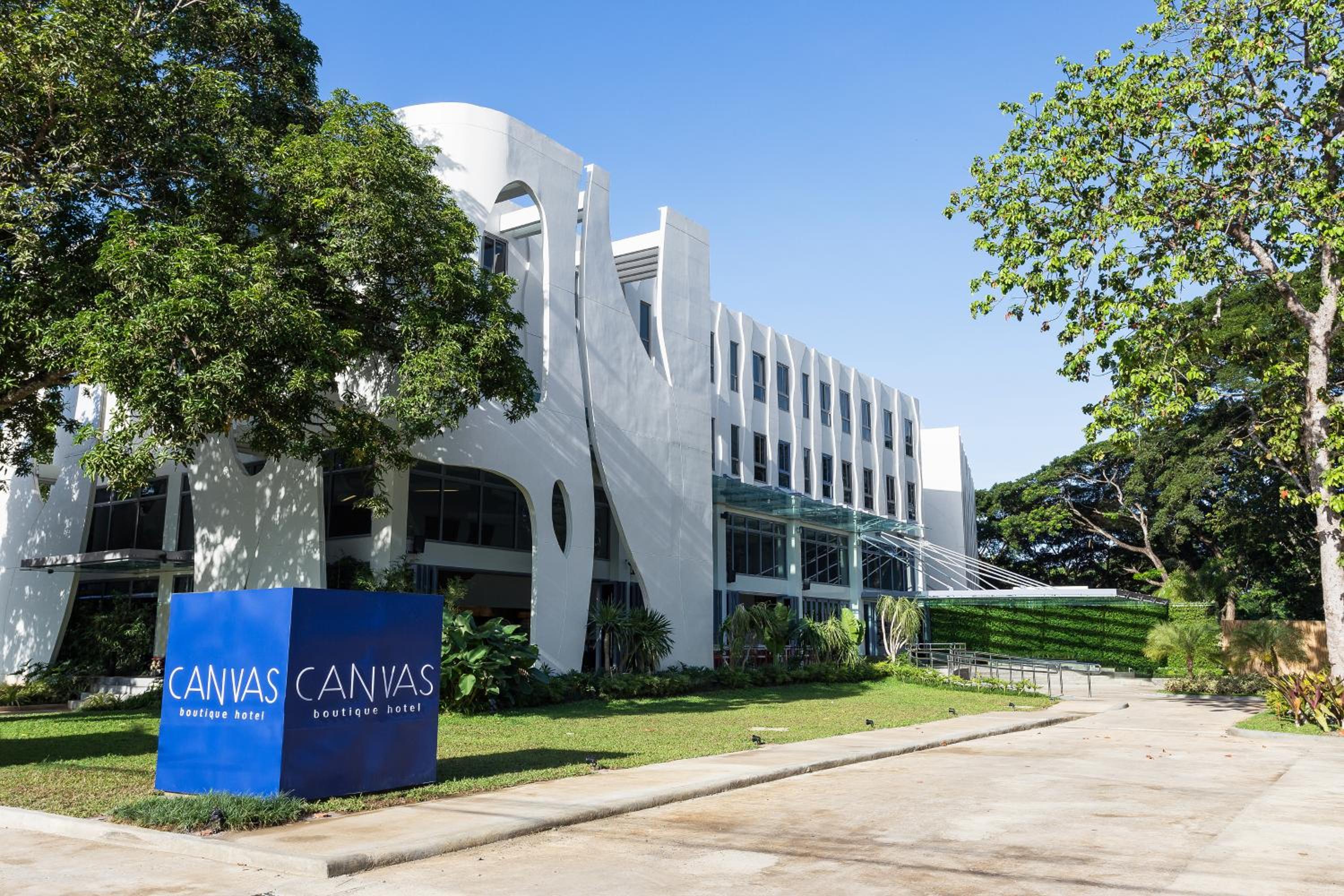
Stay on Rizal Avenue unless there is a reason not to, because it has the hostels, the tour desks, the vans and the airport, and for a one-night stop that is the entire decision; Sabang is the alternative for anyone doing the river without a dawn start. Most travellers give Puerto Princesa 1 night on Stippl, and the beds are never the constraint.
Rizal Avenue
€10–45
Hostels, pensions and mid-range hotels along the strip, €8 to €60 a night.
San Jose
€10–35
Pensions and the cheapest rooms by the van terminal, €8 to €25 a night.
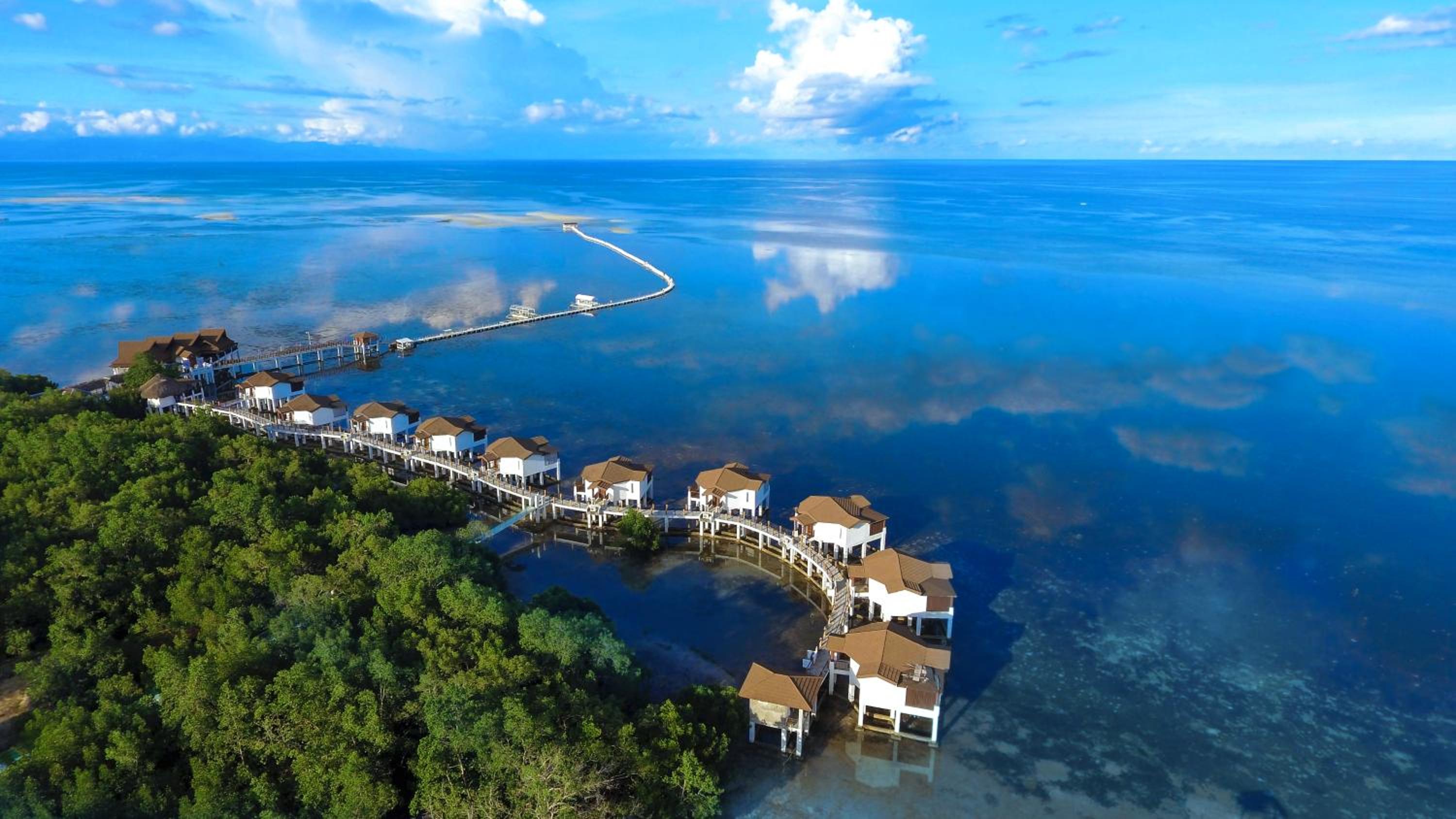
Sabang
Beachfront resorts and a few guesthouses by the river pier, €30 to €150 a night.
Baywalk
€15–50
A handful of hotels a short walk from the promenade, €25 to €70 a night.
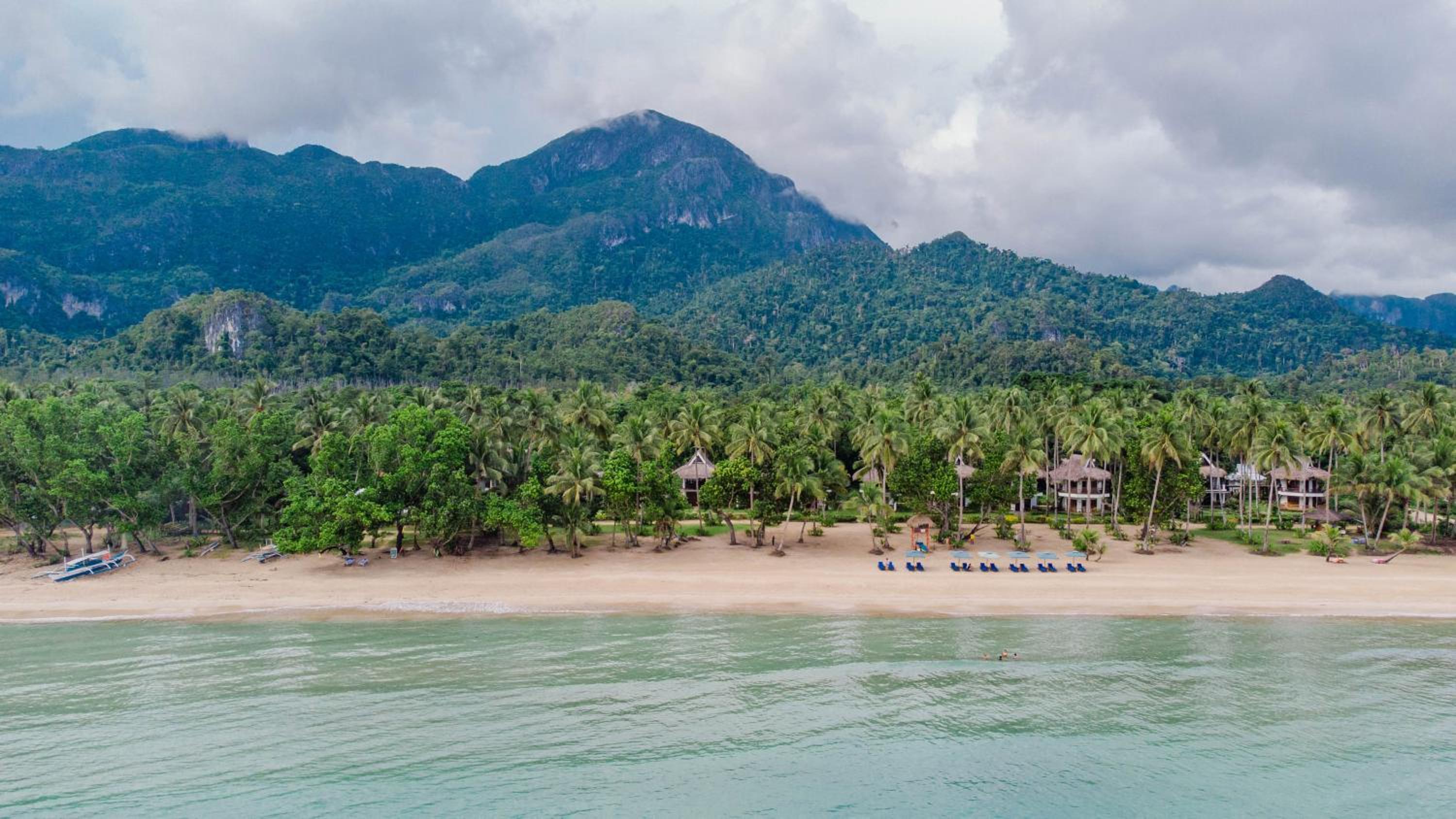
Honda Bay
One or two resorts near the wharf, €30 to €80 a night.
Iwahig and the south-west
A farm stay or a riverside lodge, €20 to €50 a night.


What to eat in Puerto Princesa
whole fish, squid and prawns over charcoal, sold by the piece
mangrove woodworm, eaten raw in vinegar and chilli, Palawan's dare
chopped crocodile meat with onion and chilli on a hot plate
Vietnamese-derived beef noodle soup, a Palawan institution since the 1970s
sea grapes eaten fresh with vinegar and tomato
chicken or pork braised in soy, vinegar, garlic and bay
shaved ice with beans, jellies, fruit and ube ice cream
flaky bean-filled pastry, the city's standard thing to take home
Discover food spots in Stippl
Find restaurants and markets on the map, save them to your itinerary, works offline too.
Puerto Princesa customs and what not to do
The clean-city rules are real
Littering is fined and plastic use is restricted, and the city has built forty years of civic identity on being the cleanest in the country.
The penal farm is a privilege
It is a working prison rather than an attraction, so knees and shoulders are covered, the passport goes to the gate and sweets are the local courtesy.
The river runs to a script
Permits, boats, audio guides and a strict route, and the daily cap exists because the cave cannot take more people than that.
Ask about malaria
Palawan is the country's last endemic province and the risk sits in the rural interior, so a travel clinic is asked before the trip rather than after.
Tagalog and Cuyonon
English works everywhere, as it does country-wide, and the market and the tricycle drivers run in Tagalog and Cuyonon.
Chao long is Vietnamese
The beef noodle soup that is a city institution came with the refugees who settled here in the late seventies, and the noodle houses are still theirs.
Do
- Book the Underground River at least two days ahead in the December to March window
- Go to the Baywalk after six, not before four
- Take the van north early, when the road is coolest and the drivers are freshest
- Ask about antimalarials before the trip if you are going into rural Palawan
- Split boats and vans with other travellers; they are priced per vehicle
Don't
- Plan a beach day in the city; the water is a boat ride away
- Turn up at Sabang expecting a walk-up permit in high season
- Litter: it is fined here, in a way it is not elsewhere in the country
- Assume the malaria question is settled because the rest of the Philippines is clear
- Leave the airport transfer to the last hour of a Palawan trip; the road north is long and the vans run late
What a Puerto Princesa trip costs
Budget
€22–39
A Rizal Avenue dorm, carinderia food, tricycles and one big day tour.
Mid-range
€47–85
A city double with breakfast, a private Honda Bay boat share and a firefly tour.
High-end
€110+
A Sabang beachfront resort, private transfers and a guided full-day circuit.
Track what you actually spend
Set a daily budget per country and log expenses in any currency while you travel.
Fun facts about Puerto Princesa
Puerto Princesa is the second-largest city in the Philippines by land area. After Davao, which is why the Underground River sits inside the city limits seventy-six kilometres from the centre.
The Underground River is capped at 900 visitors a day. Roughly a hundred of those are walk-up slots at Sabang, and the rest are permits booked days ahead in the dry season.
Ugong Rock near Sabang rings like a gong when struck. Ugong means echo or hum in the local dialect, and the climb through it ends at a zipline.
The Sabang zipline is the longest water-crossing zipline in the Philippines. It runs from the Ugong Rock side across the cove, and is sold as an add-on to the river permit.
Iwahig outside Puerto Princesa is an open penal colony with no walls. Inmates farm, keep livestock and sell woodcarvings to visitors, and passports are held at the gate.
12.61% of stops in Puerto Princesa on Stippl are no night at all. The highest pass-through share of any Philippine destination, on the city that owns Palawan's only mainland airport.
Local tips for Puerto Princesa
The road north is long
Five to six hours by van to El Nido and about three to Port Barton, on nearly three hundred kilometres of sealed but slow road that leaves early for a reason.
The vans pick up from hotels
They leave through the day, and every hostel and tour desk on Rizal Avenue books them, so the seat is arranged the evening before rather than at the terminal.
The bus is slower and softer
More comfortable than the van and two to three hours longer, which is the same trade the road offers at the El Nido end.
There is no road to Coron
It is a separate island reached by flight, and the ferry between the two runs from El Nido rather than from here.
Malaria is a Palawan question
The province is the country's last endemic one and the risk sits in the rural interior, so the travel clinic is asked before the trip rather than a blogger after it.
One night, and a door
53.5% of Stippl stops here are a single night and 12.61% are none, because the city is where the road north starts.
Puerto Princesa questions, answered
Only for the Underground River, and one is the norm: most travellers give Puerto Princesa 1 night on Stippl and 53.5% of stops are exactly that, because the city is the airport, the Baywalk and the van north rather than a destination in itself.
For the Underground River, Honda Bay and the firefly river, yes, and for the city itself one evening on the Baywalk is the honest answer. Put it into Stippl as the first night of a Palawan route, then ask people who did the road in subreddits like r/Philippines whether they gave it a second.
Two days ahead in the dry season, through a tour desk on Rizal Avenue or the permit office, because the site is capped at nine hundred visitors a day and only about a hundred slots are walk-up at Sabang. The organised day tour includes the two-hour van each way and the boat.
Palawan is the last malaria-endemic province in the Philippines and the risk sits in the rural interior rather than the city, so a travel clinic is the right place to ask before the trip. The rest of the country has been cleared, which is why the question gets skipped and should not be.
The typical flight in on Stippl costs €40.50, the cheapest in the country and about a third of El Nido's, which is the whole reason the city opens so many Palawan trips. The van north is the other leg of that saving, at five to six hours to El Nido.
December to April, the only window where the river, the bay and the road are all reliably good at once. January is the busiest month on Stippl and July the quietest, though the wet season here is the mildest in Palawan and the city works through it.
Every guide is written by the Stippl editors and checked against the trips our travellers actually plan. Spotted something out of date? Let us know.

Plan Puerto Princesa in Stippl
Day-by-day planning, stays and budget in one app, with every place from this guide already on the map.
Download the app