 AsiaPhilippines
Philippines
The Philippines is seven thousand islands in three groups with Palawan as a fourth, where the logistics between them are the trip and the reward is a coast that still feels less trodden than its neighbours. Three weeks covers two regions, the boats cancel in the wet season, and English works everywhere.
PhilippinesPhilippines in a nutshell
Where to go in the Philippines
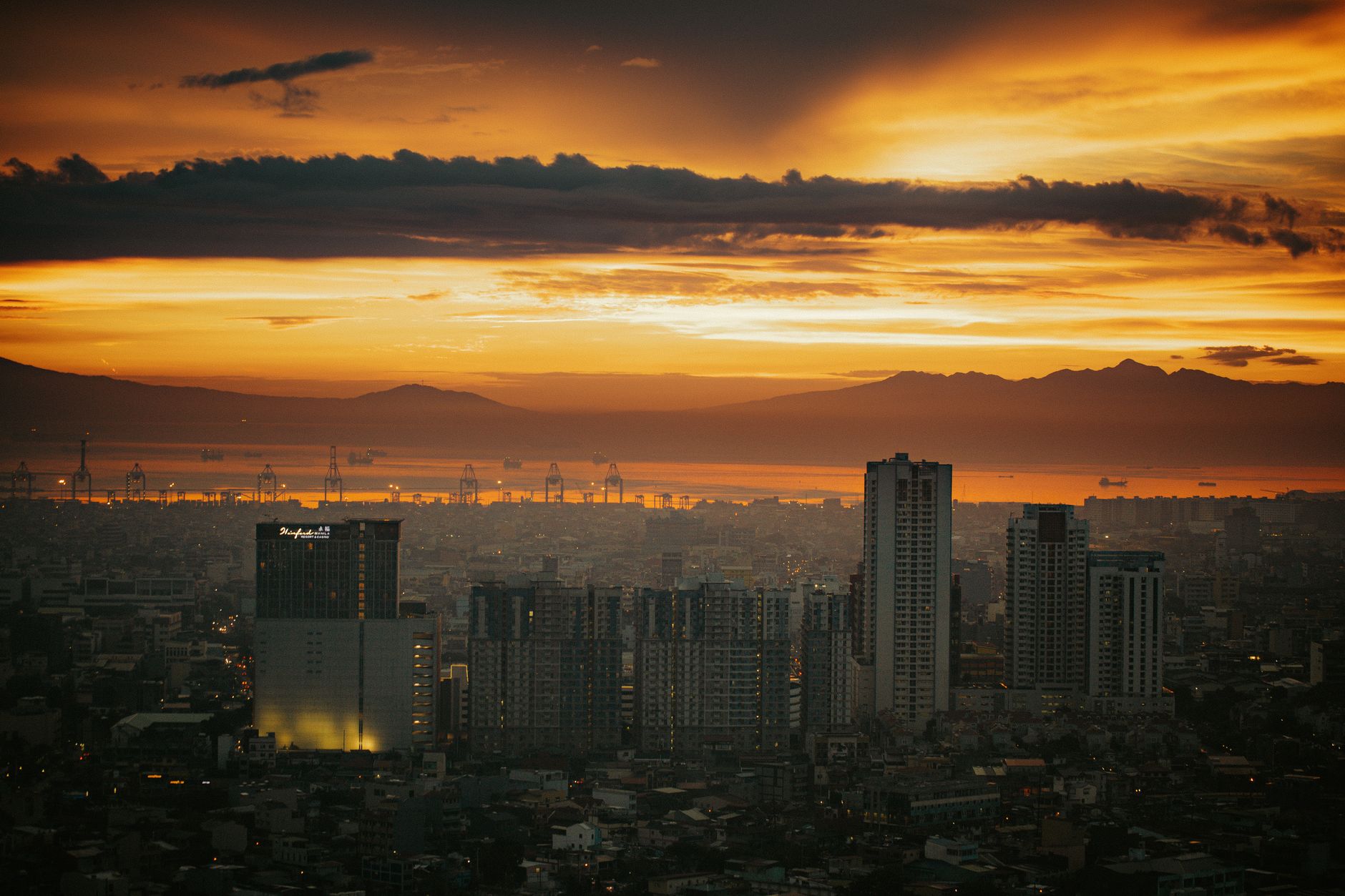


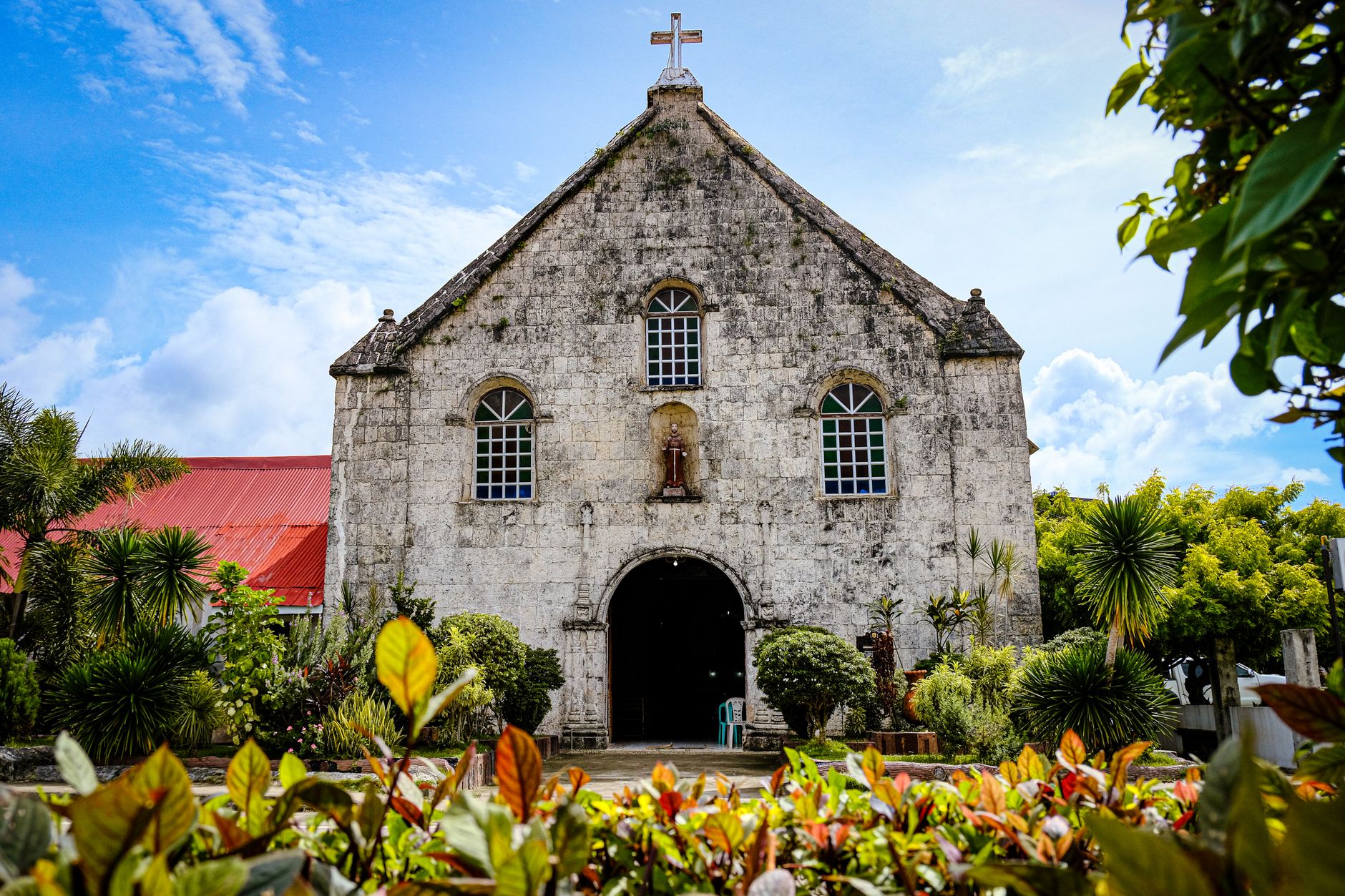

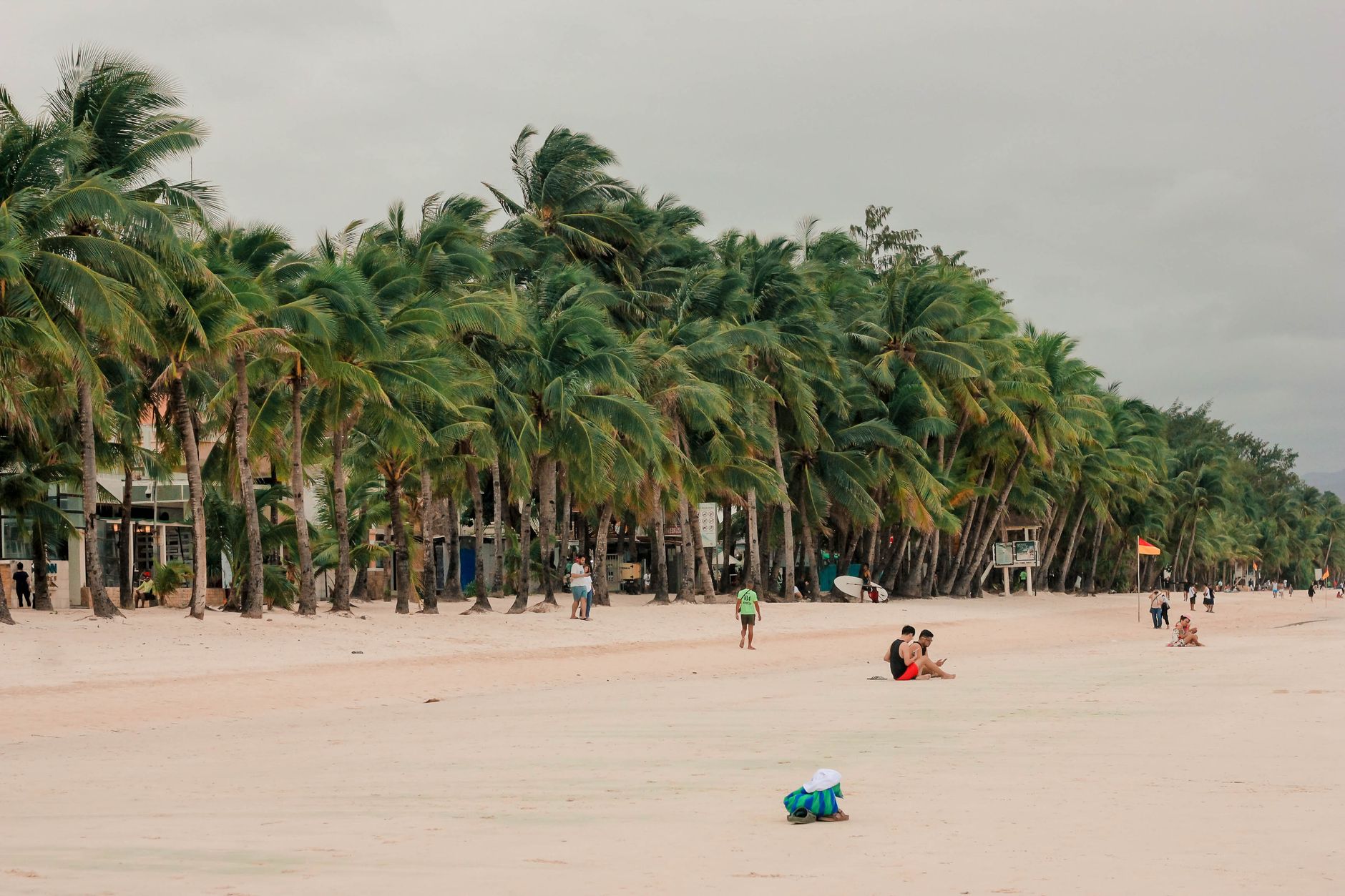
Turn these stops into a Philippines route
Pick your favourites and Stippl orders them, adds travel times and builds the day-by-day.
Plan your adventure in Philippines
Our travel routes through Philippines
Philippines is loved by culture seekers and backpackers alike. We recommend several routes through this country, here they are in full!
2 nights3 days, the Batad rice-terrace add-on from Manila
Banaue · Batad
Rice terraces at Batad are lushest after rains begin; routes to Banaue stay dry and accessible.
7 nights1 week: Palawan, one cluster only
Coron · El Nido
Coron and El Nido offer calm seas and clear skies for island-hopping and diving at their peak.
7 nights10 days: northern Luzon mountains, no beaches
Manila · Baguio · Sagada
Mt Pulag and Sagada offer cool, dry mountain air; best conditions nationwide in peak dry season.
12 nights2 weeks, Cebu and Palawan
Manila · Cebu City · Moalboal
Combines Moalboal's coral reefs and El Nido's limestone cliffs; needs dry-season sea conditions.
13 nights2 weeks, Palawan deep dive
Coron · El Nido · Port Barton
Extended exploration of Coron, El Nido, and Port Barton requires calm seas and stable weather.
15 nights3 weeks: Bicol and Bohol, off the trail
Manila · Donsol · Mayon Volcano
Donsol's whale sharks peak Nov–Jun; Mayon Volcano and Bohol's weather best in dry season.
17 nights3 weeks: Visayas island hopping, short hops
Manila · Dumaguete · Siquijor Island
Dumaguete, Siquijor, and Bohol rely on calm seas; Siargao transitions to dry season by March.
21 nights3 weeks: the classic loop, Palawan to Siargao
Manila · Coron · El Nido
Covers Palawan's peak (Dec–Mar) before shifting to Siargao's dry season (Mar onwards).
22 nights3 weeks: Visayas and Palawan, the corpus's most-repeated route
Siquijor Island · Bohol · Moalboal
Siquijor, Bohol, Moalboal, and Palawan islands demand consistently calm seas and clear visibility.
23 nights1 month, surf and dive
La Union · Moalboal · Malapascua Island
Siargao's swell peaks Sep–Oct; combines with Moalboal and Malapascua's dive season.
25 nights1 month, the backpacker loop with Boracay
Manila · Boracay · Moalboal
Boracay, Moalboal, and Palawan islands at their driest and calmest; avoids typhoon risk.
25 nights4 weeks: the grand tour, day by day
Manila · El Nido · Coron
Spans Palawan to Cebu to Siargao; needs sustained dry season and calm seas nationwide.
Updated August 2026 · 14 min read · Written by the Stippl editorsWe looked at how travellers actually plan the Philippines on Stippl, across 336,000+ planned stops in the Philippines.
The Philippines is planned as one or two island regions, and most stops get 3 nights. Manila takes 79.4% of every Philippine stop planned on Stippl together with the nine islands behind it, El Nido, Cebu City and Coron first among them, and the named things are the multi-day boat expedition from Coron to El Nido, the bangka tours through Bacuit Bay, the sunken Japanese fleet at Coron, the sardine run off Moalboal's beach, canyoneering to Kawasan Falls and the Chocolate Hills on Bohol. A typical trip carries about six Philippine stops.
The Philippines is a long-stay, short-lead country, and one that fits inside a bigger Asian loop. 31.1% of Philippine stops planned on Stippl are a single night, low for the region, because the islands are reached by flight, boat and van and nobody moves on after one, and most travellers plan it about 73 days ahead, with January the month most people plan for.
So pick two regions and give them three weeks, book the domestic flights months ahead for the price, build a buffer day either side of every boat, and start on a small island where the scooter loop and the hostels are easy. Skip the fed whale sharks at Oslob, since the welfare problem is not a matter of taste, and skip December for Siargao, because its rainy season peaks exactly when the rest of the country is dry.
Plan Philippines in Stippl
Day-by-day planning, stays and budget in one app, with every place from this guide already on the map.
Download the appWho the Philippines is for
Divers and snorkellers
The Coral Triangle's cheapest certifications, Coron's wreck fleet, Malapascua's thresher sharks, Tubbataha's liveaboard season and a sardine run off a beach.
Island hoppers
The bangka day trip is the national activity, and northern Palawan's Bacuit archipelago is repeatedly voted the most beautiful in the world.
Surfers
Siargao's Cloud 9 for the barrel and Jacking Horse for the first wave, with La Union and Baler as Luzon's weekend alternatives.
Adventure travellers
Canyoneering to Kawasan Falls, caving in Sagada and Siquijor, volcano treks from Taal to Mount Apo, and sea-cliff climbing above El Nido.
Solo travellers
A large solo scene, easy hostel socialising and English everywhere, which removes most of the friction that makes solo travel tiring.
Slow travellers with slack
The reward for accepting cancelled boats and long transfer days is a country that still feels less trodden than its neighbours, at 3 nights a stop on Stippl.
Families
Bohol is the family pick, with accessible wildlife, short distances and calm beaches on Panglao, and only 31.1% of Stippl stops nationwide are a single night.
Maybe not for you: anyone on a fixed schedule or who cannot absorb a cancelled ferry; ultra-budget backpackers, since it costs meaningfully more than mainland Southeast Asia; and food-first travellers, because the cooking is honest rather than the reason to come.
The best time to visit the Philippines
The dry season
November to April
The default travel window with sun, blue sky and calm seas, extending into May, and December to March the peak for Palawan island hopping, with 60.9% of starts on Stippl.
The wet season
June to October
Not weeks of continuous rain but daily downpours, rough seas and cancelled boats, with Mindanao the driest corner and the Visayas in a rain shadow.
The heat peak
March to May
The hottest and most humid stretch, up to thirty-six degrees, when the Chocolate Hills go brown and the northern rice terraces are at their greenest.
Siargao's inverted calendar
March to November
The surf island's dry season starts only in March, the best surf runs August to November, and December to February is the peak of its rainy season.
- January is the month most travellers plan the Philippines for on Stippl, and 60.9% of starts fall in the dry season. The peak for Palawan, and the week after New Year is the fullest on the boats.
- Most travellers plan the Philippines about 73 days ahead on Stippl, and 18.0% inside a fortnight. The domestic flights punish that: roughly a third of the price booked months out against the last-minute fare.
- May and November are the compromise. Cheaper, far less crowded and the weather and the sea still good for diving, surfing and snorkelling, which is why the guides converge on those two months.
- Christmas dilutes the welcome. The crowds and the prices spike around Christmas, New Year, Chinese New Year and Easter, and the December fortnight is the most expensive and most crowded of the year.
- El Nido is not Siargao. The weather is regional enough that a single national answer misleads, so the season is checked per island before the flights are booked.
- The typhoon window runs June to December. Peaking August to October and worst on the eastern seaboard, with storms closing airports and piers at once, so the wet-season plan carries slack.
Add your Philippines dates and we'll flag the weather per stop
Stippl shows the season, crowds and prices for every place on your route.
Festivals, and when to avoid them
Ati-Atihan
Kalibo on Panay, one of the country's oldest religious festivals, marking a land pact with the indigenous Ati people, with face paint, costumes and days of drumming. Come for it with a booking, or route around Panay that week.
Sinulog
Cebu's festival honouring the Santo Niño, the Visayas' biggest, with a nine-day build-up and a grand parade on the third Sunday; the city's rooms vanish that week. Book months ahead, or plan the Visayas around it.
Dinagyang
Iloilo's modern take on Ati-Atihan with a river parade and the tribes competing in the streets, the last of the January trio. Worth a detour with a booking.
Holy Week
The single worst week for accommodation availability nationwide, with the whole country travelling and Marinduque staging its week-long masked pageant. Book everything, or avoid the week entirely.
Flores de Mayo
Religious processions welcoming the rains in every town, sometimes candlelit, and the shoulder month's own quiet spectacle. Nothing to avoid; something to watch.
MassKara
Bacolod's masked dancers, Latin-inflected drumming and a city-wide party on Negros, in the wet season's tail. Come for it with a booking; the rest of the island is quiet.
Giant Lantern Festival
San Fernando's competition of vast lit lanterns, the Christmas capital of the country, and the start of the fortnight when prices and crowds spike nationwide. See it, then leave before Christmas week.
Describe your trip, get a Philippines itinerary in seconds
Everything in this guide is already in Stippl. Tell the planner how long you have and what you like: it builds the route, the days and the travel times, and you edit whatever you want.
Things to do in the Philippines
 Photo by Pascal Ingelrest via Pexels
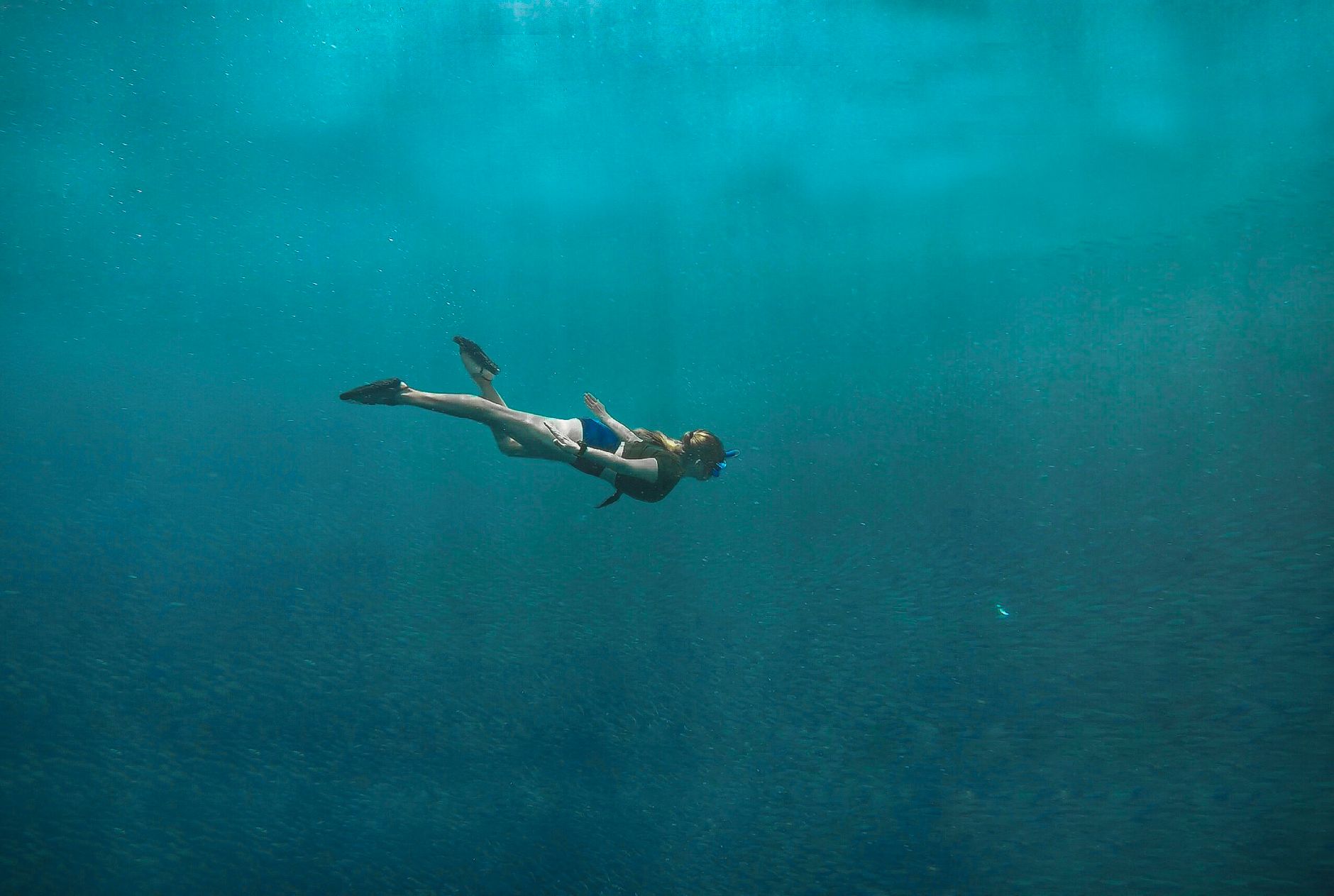 Photo by Elaine Bernadine Castro via Pexels
The Coron to El Nido expedition
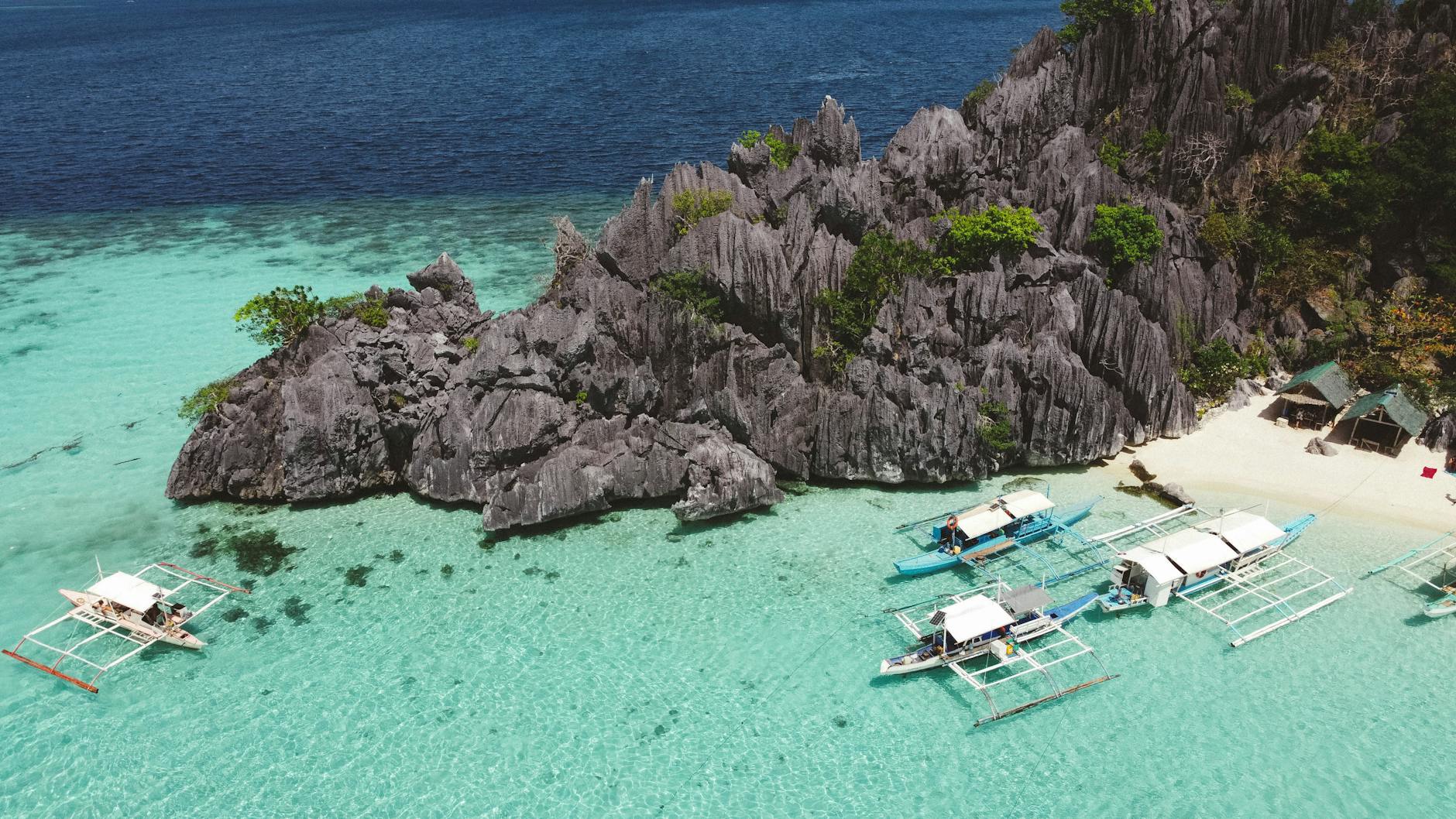
Two to four nights sailing the remote northern Palawan archipelago, sleeping in bamboo huts on a different island each night, with the meals cooked on board and booked months ahead.
Island hopping in Bacuit Bay
The standardised bangka tours through forty-five protected islands out of El Nido: kayaking the Big Lagoon, swimming through a rock gap into Secret Beach and lunch on the sand.
Wreck diving in Coron
A Japanese supply fleet sunk in a single American airstrike in 1944, now more than ten well-preserved wrecks at ten to forty metres serving as artificial reefs.
The Moalboal sardine run
Hundreds of thousands of sardines shoaling metres off Panagsama Beach every day of the year, reachable with your own snorkel and no boat.
Canyoneering to Kawasan Falls
Jumping, sliding and floating down a river gorge from the top of the falls, with the jumps escalating from three metres to seventeen and an opt-out at every one.
The Chocolate Hills
Over a thousand conical hills on Bohol, the eroded remains of an ancient coral reef, brown in the dry months and green the rest of the year.

What to eat in the Philippines
chicken or pork braised in soy sauce, vinegar, garlic and bay, the default national dish
whole suckling pig roasted over charcoal for hours
finely chopped pork served sizzling on a cast-iron plate
raw fish "cooked" in kalamansi and vinegar, sometimes with coconut milk, the Filipino ceviche
sour tamarind soup with pork, shrimp or fish
oxtail and tripe stew in peanut sauce, eaten with shrimp paste
the Filipino take on stir-fried noodles
cured beef, garlic fried rice and a fried egg, the hangover breakfast
grilled chicken or pork intestine skewers
a boiled fertilised duck egg, eaten with salt or vinegar
shaved ice with milk, beans, jellies, fruit and ube ice cream
deep-fried pork skin, shared from the bag with dips
Discover food spots in Stippl
Find restaurants and markets on the map, save them to your itinerary, works offline too.
Filipino customs and what not to do
Strangers help unprompted
Filipino warmth is the thing everyone reports: expect to be asked where you are from, helped with directions and haggling unprompted, and invited to eat.
Karaoke is an institution
Machines in living rooms, restaurants, on beaches and in parks, for birthdays, family gatherings and Sundays, and a genuine night-time noise factor.
Elders come first, visibly
Catholicism runs deep with religious imagery in homes and businesses, so dress modestly in small towns and around churches and show visible respect to elders.
Guides are compulsory at sites
Waterfalls, viewpoints and caves, both for safety on slippery paths and to support the village economies, for a few euros or a donation.
Oslob's sharks are hand-fed
The animals are hand-fed daily fifty metres off the beach, which breaks their migration and makes them human-dependent, so the answer is Donsol or Sogod Bay in season.
Ten percent goes a long way
Tipping is not obligatory but genuinely appreciated at local wage levels, about ten percent in restaurants and cafes, and the guides often work on a donation.
Do
- Accept food or drink when it is offered; refusing reads as cold
- Hire the local guide where one is required, and tip if you were happy
- Build a buffer day either side of any boat-dependent leg
- Bring reef-safe sunscreen or buy it at a dive shop
- Book the Coron to El Nido expedition, the good hostels and the El Nido tours well ahead
Don't
- Swim with the fed whale sharks at Oslob
- Touch coral, chase turtles or use ordinary sunscreen on a boat day
- Be loud or confrontational in public, or criticise the country casually
- Go anywhere near drugs; enforcement is among the harshest in the region
- Leave your passport as a scooter deposit, or drink the tap water anywhere
What a Philippines trip costs
Budget
€19–47
A dorm bed, carinderia plates, buses and jeepneys, free beaches and waterfalls.
Mid-range
€55–100
Private rooms, restaurant meals, island-hopping tours and some domestic flights.
High-end
€115+
Boutique hotels and resorts, private boats, diving and private transfers.
Track what you actually spend
Set a daily budget per country and log expenses in any currency while you travel.
Visas, SIM cards and getting around
Entry & visa
Thirty days, free
More than 150 nationalities including the US, UK, all EU states, Canada, Australia and New Zealand enter visa-free for 30 days, extendable to 59 at an immigration office.
Money
Pesos, and cash outside the cities
Cards work in Manila, Cebu and the resorts and nowhere much else, so pesos are drawn from bank ATMs in the cities and carried in small notes for the islands.
Connectivity
Book while you have signal
Wifi is unstable and slow country-wide and effectively absent in Port Barton, Batad and on the expedition islands, so onward tickets and beds are booked before leaving a city.
Getting around
Flight, boat, van, tricycle
Most journeys between island groups are all four rather than one hop, the domestic flights are cheap booked months ahead and brutal last minute, and the boats cancel in weather.
Health
Nothing compulsory
No vaccinations are required; the standard recommendations are the routine jabs and hepatitis A, with the rest depending on how remote the route runs.
Water
Bottled, filtered or boiled
Tap water is not safe to drink anywhere, including Manila, and a filter bottle pays for itself given how much plastic reaches even the remote beaches.
Tipping
Appreciated, not built in
Not obligatory and not in the prices, but genuinely welcome because the wages are low: about ten percent in restaurants and small notes for the boat crew.
Power & plugs
Types A and B, 220 volts
The flat US-style pins, with type C sometimes fitting, so Europeans pack an adapter and a universal one with USB ports is the standard answer.
Language
English, everywhere
Filipino is the national language and English is the language of the signs, the menus and the conversations, which makes this the easiest country in the region without a phrasebook.
Filipino worth knowing
Nobody expects you to speak the language, which is exactly why a handful of words goes so far.
koo-mus-TA
Hello, and how are you · kumusta
sa-LA-mat
Thank you · salamat
sa-LA-mat po
Thank you, respectfully, to an elder · salamat po
O-o
Yes · oo
hin-DEE
No · hindi
mag-KA-no
How much is it? · magkano
sa-AN
Where? · saan
ma-gan-DANG oo-MA-ga
Good morning · magandang umaga
WA-lang a-noo-MAN
You're welcome · walang anuman
ma-sa-RAP
Delicious · masarap
Philippines questions, answered
Three to cover two regions properly, two for one region and one for a single island cluster. A typical trip carries about six Philippine stops and most stops get 3 nights on Stippl, so lay the islands out in Stippl with the flights and the boats between them, then show the route to people who have done it in subreddits like r/Philippines.
Effectively yes. The islands are too far apart to ferry everything, and the flights are cheap if booked months ahead and brutal if booked last minute; most travellers plan the Philippines about 73 days ahead on Stippl, which is inside the cheap window for a January trip only if the flights go first.
December to April is the national dry season with February to April the strongest window, and 60.9% of starts on Stippl fall in it; May and November are the value shoulders. Check the specific islands, because Siargao's rainy season peaks in December while Palawan is at its best.
The guides give four different answers, so plan on risk from June to December, peaking August to October and worst on the eastern seaboard, and accept that a storm can close an airport and a pier at once. June is the quietest month on Stippl for exactly that reason.
No. The animals there are hand-fed and crowded by boats, which breaks their migration and makes them dependent on people. Donsol from November to May and Sogod Bay are the versions where the sharks migrate through on their own, and the encounter is a chance rather than a guarantee.
Two times in three, since only 32.4% of Philippine trips on Stippl stay inside the country, and the rest fly in from Thailand, Vietnam or Indonesia on a longer loop. It costs meaningfully more than mainland Southeast Asia because of the flights and the boats, which is why it takes the weeks it does.
Every guide is written by the Stippl editors and checked against the trips our travellers actually plan. Spotted something out of date? Let us know.

Plan Philippines in Stippl
Everything in this guide, ready to drop into your Philippines route, with planning and bookings in one app.