

Manila
Manila is sixteen cities fused into one metro of fourteen million, the country's unavoidable door, with a Spanish walled town, the oldest Chinatown in the world and traffic that beats every schedule. One deliberate night in Makati, Intramuros in the morning, Binondo for lunch, and the flight out ten hours after leaving the hotel.
Manila in a nutshell
Manila: what to expect
This is what 58,000+ planned stops in Manila on Stippl say about the city.
Manila is one night, and two if Intramuros and Binondo are done properly. The Spanish walled town is walked in two to three hours with Fort Santiago and the ramparts, San Agustín is the oldest church in the country and one of the few buildings that survived the war, Binondo is the oldest Chinatown in the world done as a food crawl along Ongpin and Carvajal, Rizal Park holds the free national museums around the monument, and the Baywalk on Roxas Boulevard is the city's one reliable piece of beauty at sunset. Most travellers give Manila 1 night on Stippl.
Manila is the country's door, and the numbers say almost nothing else about it. The city opens 44.0% of the trips it appears on, of everyone who plans it on Stippl, and closes 36.4%, and 15.2% of stops are no night at all, the highest pass-through share in the Philippines, because the airport is here and the islands are not.
Sleep in Makati, or Poblacion inside it for the hostels and the bars, move by Grab for every trip including the short ones after dark, walk Intramuros before the heat, and build two hours into any cross-metro journey and ten before an international flight. Skip driving yourself, since the traffic is the defining fact of the city, and skip the beach expectation, because there is none.
Plan Manila in Stippl
Day-by-day planning, stays and budget in one app, with every place from this guide already on the map.
Download the appWho Manila is for
First-time arrivals
You will land here whether you planned to or not, and one deliberate night beats a rushed transfer; Manila opens 44.0% of the Stippl trips it appears on.
History travellers
Intramuros, Fort Santiago and the National Museum complex are the densest colonial-era layer in the country, and most of it is free.
Food travellers
Binondo, the Quiapo carinderias and Maginhawa Street are three distinct eating districts inside one metro.
Night owls
Poblacion and Malate carry the country's biggest bar scene by a distance, with the speakeasies and the street-food yards.
Museum-goers on a budget
The National Museum of Fine Arts, the Museum of Anthropology and Rizal Park are all free, and all in one park.
Early-flight travellers
Being on the right side of the traffic the night before is worth a hotel, and 36.4% of Stippl trips through Manila end here for that reason.
Maybe not for you: beach travellers, because there is no beach; anyone on a schedule, since the traffic will beat you; travellers with asthma or another respiratory condition, given the air; and anyone hoping to like a city on first sight, which Manila does not offer.
The best time to visit Manila
The dry season
December to April
Eight to twenty-four millimetres a month, blue skies and the only stretch when walking Intramuros in the afternoon is pleasant, with 61.8% of starts on Stippl.
The heat peak
April and May
Daily maxima in the mid-thirties with high humidity, and the point at which most travellers cut the Manila stay to the airport night.
The monsoon
June to October
The habagat brings up to half a metre of rain a month, not constant but with flooding that shuts roads for hours at a time.
The typhoon window
June to December
Peaking August to October, when a signal-raising storm can close the airport and the schools at once.
- Most travellers give Manila 1 night on Stippl, and 64.7% of stops are a single night. The landing night in Makati, the walled town in the morning, and the domestic flight out.
- January is the busiest month on Stippl, but the booking curve barely notices the monsoon. A place people pass through does not have a season, and Manila's monthly swing is the flattest in the country.
- Most travellers plan Manila about 72 days ahead on Stippl, and 17.4% inside a fortnight. The city needs nothing booked, and the domestic flight out is what sets the price.
- Peak prices run March to May and again at Christmas. The pick is November, when the rain has stopped and the crowds have not arrived.
- Ten hours before an international flight. The single most repeated piece of advice about the city, because a cross-metro journey takes two hours on a bad day and the bad days are most days.
- The Black Nazarene fills Quiapo on 9 January. The procession draws millions and closes the district, so the walled town is done another day that week.
Add your Manila dates and we'll flag the weather
Stippl shows the season, crowds and prices for every stop on your route.
Describe your trip, get a Manila itinerary in seconds
Everything in this guide is already in Stippl. Tell the planner how long you have and what you like: it builds the route, the days and the travel times, and you edit whatever you want.
Things to do in Manila
 Photo by Edsel Pingol via Unsplash
 Photo by Clarence Gaspar via Pexels
Walk Intramuros
The Spanish walled town of 1571 with Fort Santiago, the Baluarte de San Diego and walkable ramparts, two to three hours on foot or a bamboo-bike tour before the heat.
San Agustín Church
Completed in 1607, the oldest church in the country, a World Heritage Site and one of the few Intramuros buildings to survive 1945, with the museum beside it.
A Binondo food crawl
The 1594 Chinatown, the oldest in the world, walked along Ongpin and Carvajal for the dumplings, the hopia and the noodle houses.
Rizal Park and the National Museums
Fifty-eight hectares around the monument to José Rizal, with the Museum of Fine Arts and the Museum of Anthropology both free.
Fort Santiago and the Rizal Shrine
The fort where Rizal spent his last night, now a shrine holding a first edition of his novel and a relic in which the bullet is still visible.
The Baywalk at sunset
A mile of promenade along Roxas Boulevard with live musicians and food vendors, and the city's one reliable piece of beauty.
The areas of Manila
Makati
Safe and central
The financial district and the default first-timer base: clean, walkable in patches, heavy on malls, green space and restaurants, with the Ayala Museum and Greenbelt at its centre. For a first visit.
The widest range of beds and the safest streets, but a business district after the shops shut.
Poblacion
Cheap beds and bars
The old red-light quarter inside Makati, now the hostel and bar district with dive bars, speakeasies, street-food yards and most of the city's backpacker beds. For budgets and nights.
The hostels and the bar scene in one grid, though the nights run loud.
Intramuros
Walkable history
The Spanish walled town with Fort Santiago, San Agustín, Casa Manila and cobbles you can walk in an afternoon, quiet after dark and thin on places to sleep. For the history.
The history on foot, but a morning rather than a base.
Malate
Bay-facing nightlife
Bohemian and bay-facing with the Baywalk, the cultural complex, Adriatico Street's bars and one of the city's most open LGBTQ+ scenes. For the bay and the evening.
The Baywalk and the bars nearest the walled town, though the streets are rougher than Makati's.
Bonifacio Global City
Orderly and new
A planned district in Taguig with wide pavements, public art, international restaurants and the most orderly street grid in the metro, sterile to some and a relief to others. For families and comfort.
The most walkable grid in the metro, but the least Filipino corner of it.
Binondo
Street food
The 1594 Chinatown with the herbal shops, the gold traders, the dumpling houses and the hopia bakeries around Ongpin and Carvajal, chaotic, loud and the best eating in the city. For lunch.
The best eating in the city, and no reason to sleep there.
See every Manila neighbourhood on one map
Save the areas you like and Stippl plots your days so you're not crossing the city twice.
Where to stay in Manila
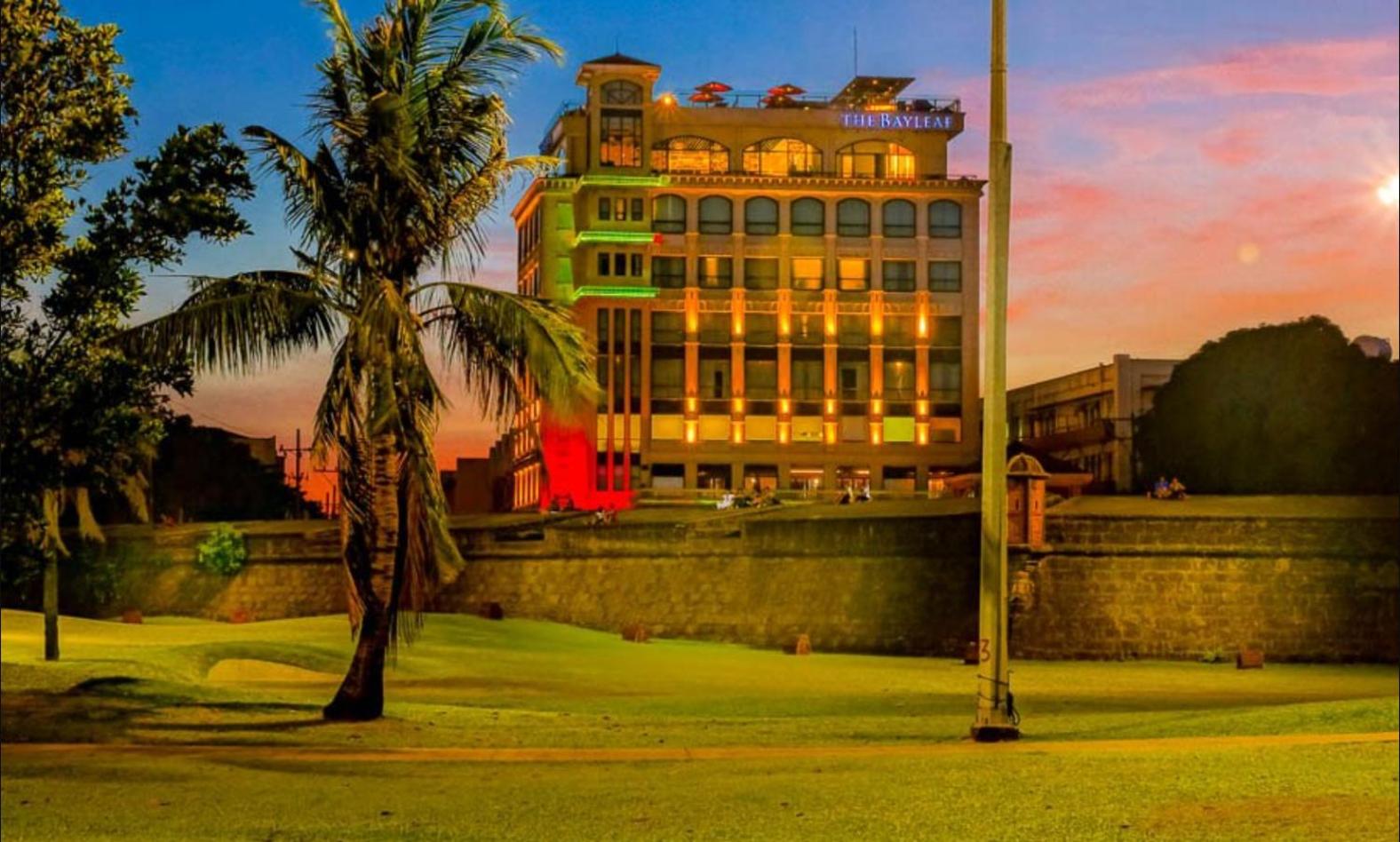
Makati is the default and nobody really disagrees: clean, central, safe by the metro's standards and with the widest range of beds at every price, with Poblacion inside it for the hostels and Malate for anyone who would rather be near the walled town. Most travellers give Manila 1 night on Stippl, and the room is chosen by the airport run.
Makati
€40–90
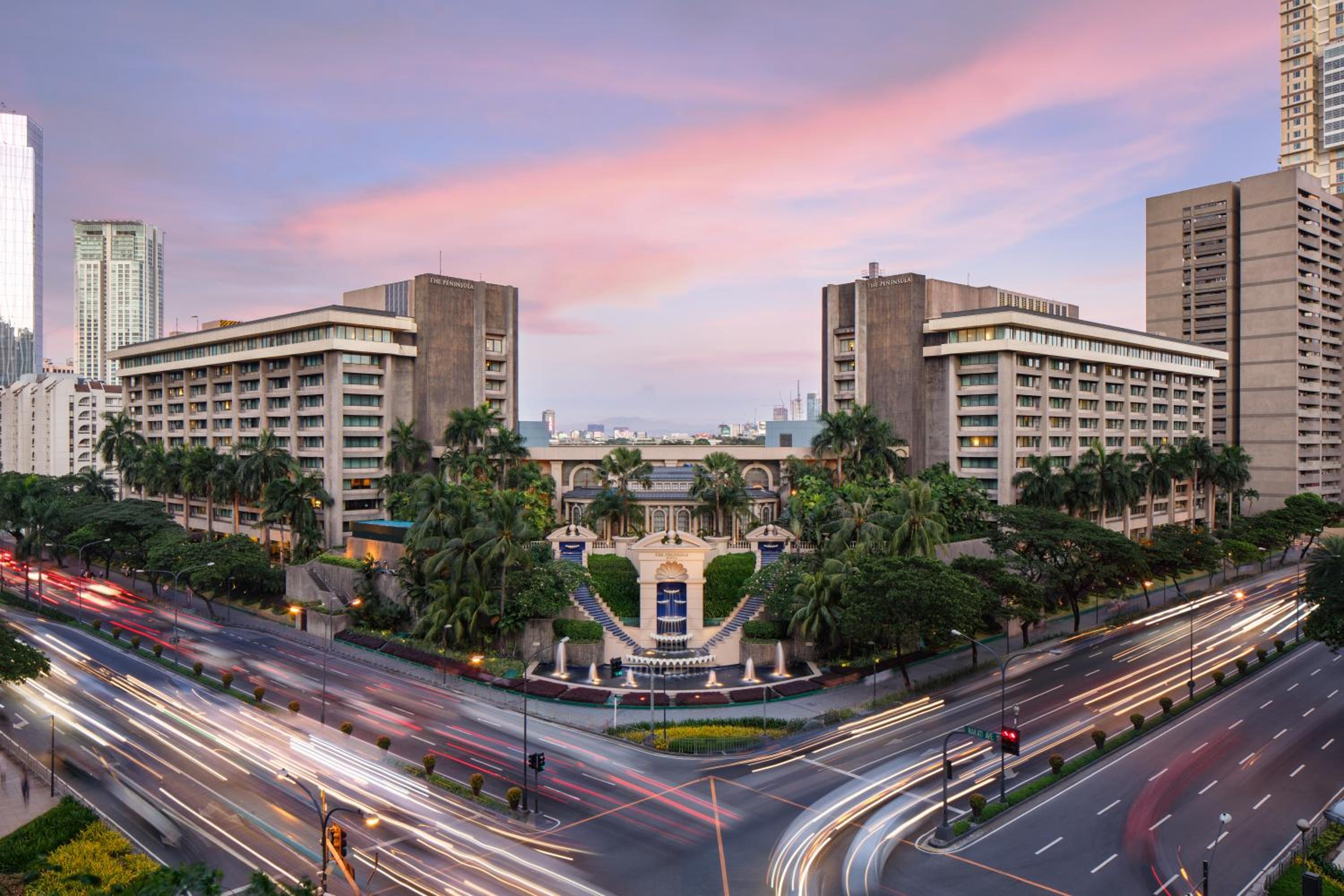
Mid-range and four-star hotels around Ayala, €40 to €120 a night.
Poblacion
€12–35
Hostels and boutique guesthouses in the bar grid, €12 to €60 a night.
Intramuros
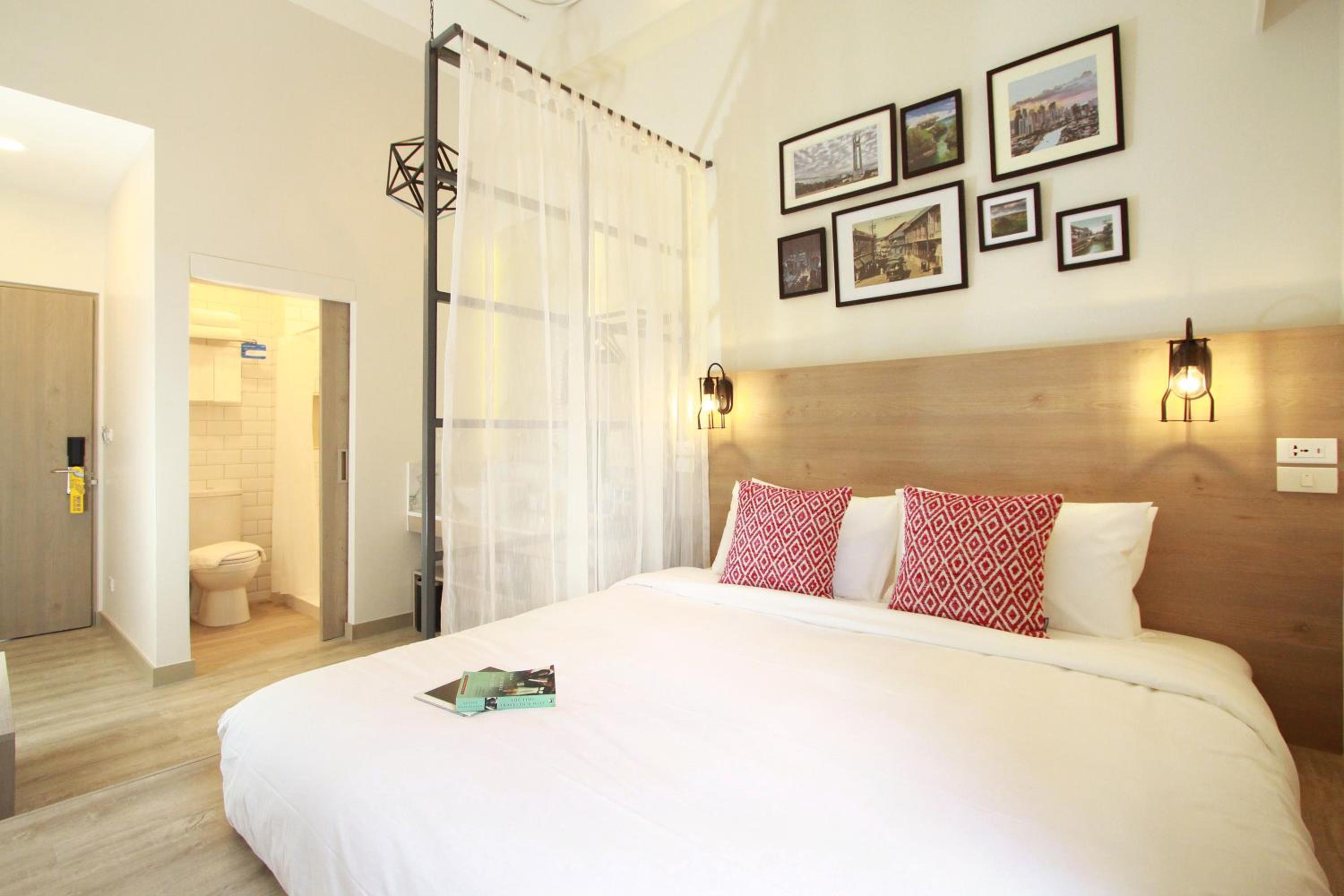
A handful of heritage guesthouses inside the walls, €30 to €80 a night.
Malate
€25–60
Older hotels and hostels near the bay, €15 to €70 a night.
Bonifacio Global City
Upper mid-range and international hotels on the grid, €50 to €140 a night.
Binondo
Budget business hotels above the shophouses, €20 to €50 a night.


What to eat in Manila
finely chopped pork served sizzling on a cast-iron plate, Manila's signature plate
grilled chicken or pork intestine skewers, eaten with vinegar
quail eggs in bright orange batter, deep-fried, with spiced vinegar
flaky pastry filled with mung bean, ube or pork
Filipino-Chinese stir-fried noodles with pork, shrimp and vegetables
steamed bun filled with pork or chicken asado, or salted egg
oxtail and tripe in peanut sauce, eaten with fermented shrimp paste
a boiled fertilised duck egg, eaten with salt or vinegar
shaved ice with beans, jellies, fruit and ube ice cream
dense caramel custard of egg yolk and milk
Discover food spots in Stippl
Find restaurants and markets on the map, save them to your itinerary, works offline too.
Manila customs and what not to do
A Catholic city, daily
The Black Nazarene procession in Quiapo draws millions, the churches are working buildings rather than monuments, and modest dress inside them is expected.
English works everywhere
Which makes Manila the easiest large city in Southeast Asia to arrive in cold, from the Grab booth to the carinderia counter.
The history is contested
The Marcos era, the Battle of Manila and the drug war are all live subjects on the country's political stage, so the visitor listens rather than leads.
Malls are infrastructure
In a city this hot and this hard to walk, the mall is where people meet, eat and spend a Saturday, a public square rather than a shop.
Give to a cause, not a hand
Child begging around the tourist districts is organised, and both the guides and the local advice agree that giving directly sustains it.
Small notes matter
Jeepneys, market stalls and tricycles do not break large ones, so the change from the first purchase is kept for the rest of the day.
Do
- Use Grab, for short distances after dark as well as long ones
- Walk Intramuros in the morning, before the heat and the coach parties
- Eat in Binondo, standing up
- Build two hours into any cross-metro journey and ten before a flight
- Visit Quiapo in daylight, ideally with someone who knows it
Don't
- Drive yourself
- Get into an unmetered taxi, or one approached before the official rank
- Wear obvious jewellery or carry a phone loosely on the MRT
- Walk unlit streets at night, in any district
- Underestimate a typhoon signal; the city shuts, airport included
What a Manila trip costs
Budget
€19–34
A Poblacion dorm, carinderia plates, jeepneys and the free museums.
Mid-range
€47–85
A Makati or Malate private room, Grab everywhere, restaurant meals and the paid attractions.
High-end
€105+
A BGC or Makati four-star, private transfers, rooftop bars and the grand old hotel on the bay.
Track what you actually spend
Set a daily budget per country and log expenses in any currency while you travel.
Fun facts about Manila
Manila packs 41,000 people into each square kilometre. The highest population density of any major city on earth, across thirty-nine square kilometres, with a metro of fourteen million around it.
Binondo in Manila, established in 1594, is the oldest Chinatown in the world. Set up by the Spanish as a controlled settlement for Chinese traders outside the walls, and still the best eating in the city.
The Battle of Manila Bay in 1898 sank the entire Spanish fleet in a morning. It ended three centuries of Spanish rule, and the galleon trade that had made the city.
Fort Santiago in Manila holds a relic of José Rizal with the bullet still visible. The fort where he spent his last night, now the shrine with a first edition of his novel.
Divisoria Market in Manila exists because non-Christians were forbidden to trade inside Intramuros. They set up outside the walls, and the market has never moved.
Manila opens 44.0% of the Stippl trips it appears on. The country's door, and 23.9% of those trips both start and finish here.
Local tips for Manila
Traffic is the defining fact
Allow two hours for any cross-metro journey and schedule the long trips outside the rush, which is the advice every guide and every traveller repeats.
Grab is the answer
A licensed-taxi network with in-app pricing, no meter argument and a tracked route, and there is no Uber; use the official booths landside at the airport.
Street taxis have a reputation
A running meter that climbs too fast at the airport is the named scam, so the meter is agreed or Grab is used instead.
The MRT beats only the traffic
It does not cover the whole metro, it is crowded enough that pickpocketing is a named risk, and the guides do not recommend it with luggage.
Theft and taxi scams, no worse
Not violence directed at visitors, but the city demands big-city care, and Tondo and the former Smokey Mountain landfill are the named no-go areas.
One night, at the door
64.7% of Stippl stops here are a single night and 15.2% are none at all, so the city is the landing rather than the stay.
Manila questions, answered
Usually, and two buys Intramuros and Binondo properly: most travellers give Manila 1 night on Stippl and 64.7% of the people who sleep here sleep here exactly once. The night is usually the landing one, before the domestic flight to the islands.
For Intramuros, Binondo and the free national museums, yes, and every guide is honest that the city as a whole is not the draw. Put the walled town into Stippl as the morning after landing and Binondo as the lunch, then ask people who stayed longer in subreddits like r/Philippines whether the second day paid off.
Makati for a first visit, Poblacion inside it if you want the hostels and the bars, and Malate if you would rather be near the walled town and the bay. BGC is the orderly option for families, and the choice is made by the airport run rather than the sights, because the traffic decides everything.
By Grab from the official booths landside, twenty-five to sixty minutes to Makati depending entirely on the hour, for a few euros. The metered taxis carry a named scam at the airport, and the ride back for the flight home is booked ten hours ahead of departure rather than two.
Bad enough to be the defining fact of the city: allow two hours to cross the metro and be back ten hours before an international flight, which is the single most repeated piece of advice about the place. 15.2% of stops here on Stippl are no night at all, the transfer done and the island flight caught.
December to April, with February the driest month and August the wettest by a wide margin; January is the busiest month on Stippl, but the city's booking curve barely notices the monsoon, because a place people pass through does not have a season. The pick is November, after the rain and before the crowds.
Every guide is written by the Stippl editors and checked against the trips our travellers actually plan. Spotted something out of date? Let us know.
Plan Manila in Stippl
Day-by-day planning, stays and budget in one app, with every place from this guide already on the map.
Download the app