

Coron
Coron is a town on Busuanga Island in northern Palawan, a base rather than a destination, with a sunken Japanese fleet in the bay and the limestone lakes of Coron Island half an hour south. Three nights, a boat day and then another, the wrecks if you dive, and no beach in the town.
Coron in a nutshell
Coron: what to expect
The numbers below come from 336,000+ planned stops in the Philippines on Stippl, and the rest from the guides we cross-check.
Every Coron day starts at the pier, and three of them is the stay. The island-hopping day runs Tour A for the lakes, B for the lagoons and the shallow wreck, C for the far southern beaches and D for the reefs and the gunboats, the dived wrecks of the 1944 fleet lie between three and forty metres, Kayangan Lake is a short steep staircase to the viewpoint everyone photographs and then a swim, Mount Tapyas is seven hundred and twenty-one steps to the whole bay at sunset, and Maquinit is a saltwater hot spring in a mangrove. Most travellers give Coron 3 nights on Stippl.
Coron is the third most planned place in the Philippines, and almost never without El Nido. Coron holds 9.5% of the 337,493 Philippine stops of every Philippine stop planned on Stippl, 0.77% of stops are no night at all, the lowest pass-through share of any Philippine destination, and 41.2% of Coron trips stay inside the country, higher than the national share, because Palawan done properly takes the weeks.
Sleep in Coron Town on a first visit, leave the pier at seven, pay the site fees without haggling because they are the Tagbanua community's tariff on their own domain, and climb Tapyas late in the day. Skip the expectation of a beach at the hotel, since there is none in the town, and skip pushing a boatman who is hesitating about the weather, because the Coast Guard's gale warning is his too.
Plan Coron in Stippl
Day-by-day planning, stays and budget in one app, with every place from this guide already on the map.
Download the appWho Coron is for
Wreck divers
The reason Coron has a name at all, and the one thing here that is world-class rather than merely beautiful, on 9.5% of the 337,493 Philippine stops of the country's Stippl stops.
Wreck snorkellers
The Skeleton wreck sits about three metres down and the Lusong gunboat breaks the surface at low tide, both on the day tours.
Palawan completists
The traveller who has Coron almost always has El Nido too, on 53.5% of paired Stippl trips in this order, and often Port Barton with it.
Freedivers
Barracuda Lake's thermocline and vertical limestone walls are a specific draw rather than a general one.
Boat-day people
The daily rhythm is a bangka out at seven and a rooftop beer at six, with a cold one at the hot springs between.
Travellers in a group of four
Every boat, tricycle and van is priced per vehicle, so the cost of a private charter falls fast with a fourth person.
Maybe not for you: anyone expecting a beach holiday from their hotel, because there is no beach in the town; travellers who cannot absorb a cancelled boat day; and anyone who wants the lakes to themselves in the dry season, when the popular stops fill from nine.
The best time to visit Coron
The dry season
December to April
Calm water, every tour running and the only window in which the whole menu is reliably open, with 64.8% of starts on Stippl.
The wet season
June to September
Not continuous rain but cancelled boats, closed sites and a genuinely quiet town, with July the quietest month on Stippl.
The shoulders
May, October and November
Hot, green, cheaper and the seas mostly workable, with November the value pick before the January crowds.
The heat peak
April and May
Thirty-degree daily averages, and the month the seven hundred steps up Tapyas become a genuine effort.
- Most travellers give Coron 3 nights on Stippl, and 52.5% of stops run three or four. Tour A for the lakes, a second boat day or a dive day, and the hot springs at dusk.
- January is the busiest month on Stippl, and March and February index above it here. The booking curve sharpens the guides' window rather than contradicting it.
- Most travellers plan Coron about 78 days ahead on Stippl, and 11.7% inside a fortnight. The Busuanga flight is cheap months out and painful last minute, and the expedition to El Nido is booked months ahead.
- The town fiesta fills the third week of April. A local rather than a traveller event for the patron saint, and it takes the town's rooms with it.
- The dry-to-wet contrast is extreme. February against July is a thirty-four-fold spread in rain, so the wet-season visit is a different town with the boats tied up.
- The typhoon window runs June to December. Worst August to October, and northern Palawan is normally outside the main track, which is exactly why the exception is worth knowing.
Add your Coron dates and we'll flag the weather
Stippl shows the season, crowds and prices for every stop on your route.
Describe your trip, get a Coron itinerary in seconds
Everything in this guide is already in Stippl. Tell the planner how long you have and what you like: it builds the route, the days and the travel times, and you edit whatever you want.
Things to do in Coron
 Photo by John Mukiibi Elijah via Unsplash
 Photo by Pascal Ingelrest via Pexels
 Photo by Bernd 📷 Dittrich via Unsplash
The island-hopping day
Tour A for the lakes, B for the lagoons and the shallow wreck, C for the far southern beaches, D for the reefs and the gunboats, or a combined day if the weather allows.
Diving the 1944 fleet
A dozen dived wrecks between roughly three and forty metres, with the shallow ones open to any certified diver and the famous ones needing the advanced card.
Kayangan Lake
A short, steep staircase to the viewpoint everyone photographs, and then a swim in a lake of mixed fresh and salt water inside a limestone bowl.
Barracuda Lake
The freedivers' one, with vertical walls dropping out of sight, almost no fish and a thermocline that changes the temperature by up to ten degrees on the way down.
Mount Tapyas at sunset
Seven hundred and twenty-one concrete steps and two hundred and ten metres to a cross and the whole bay, with the walk behind the summit the part most people miss.
Maquinit Hot Springs
Saltwater springs at about forty degrees in a mangrove at the water's edge, twenty minutes from town and best in the last hour of daylight.
The areas of Coron
Coron Town
The working grid
The grid behind the pier with the tour desks, the dive shops, the morning market, the restaurant strip and almost every bed in the region, walkable end to end. For a first visit.
Everything on foot and every boat from the pier, but no beach and a loud karaoke evening.
Coron Island
The limestone wall
Half an hour south by boat, with Kayangan, Barracuda, the Twin Lagoon and the beaches under the cliffs, Tagbanua ancestral domain visited by day and closed at night. For the day tours.
The lakes and the lagoons, though only two of the twelve lakes are open and nobody sleeps there.
The west coast at Concepcion
Quiet and self-drive
The far side of Busuanga with a pier, a few guesthouses, dirt roads, the shallow Lusong wrecks and Ocam Ocam beach, with no nightlife and sandflies on the empty sand. For divers and drivers.
The shallow wrecks off the beach, but dirt roads and sandflies.
North Busuanga
Resort bays
The coast either side of the airport with the resort bays, the quiet water and the shortest transfer of any area. For comfort and families.
The quietest coast and the shortest airport run, and forty minutes from the pier.
The south coast islands
Boat-access
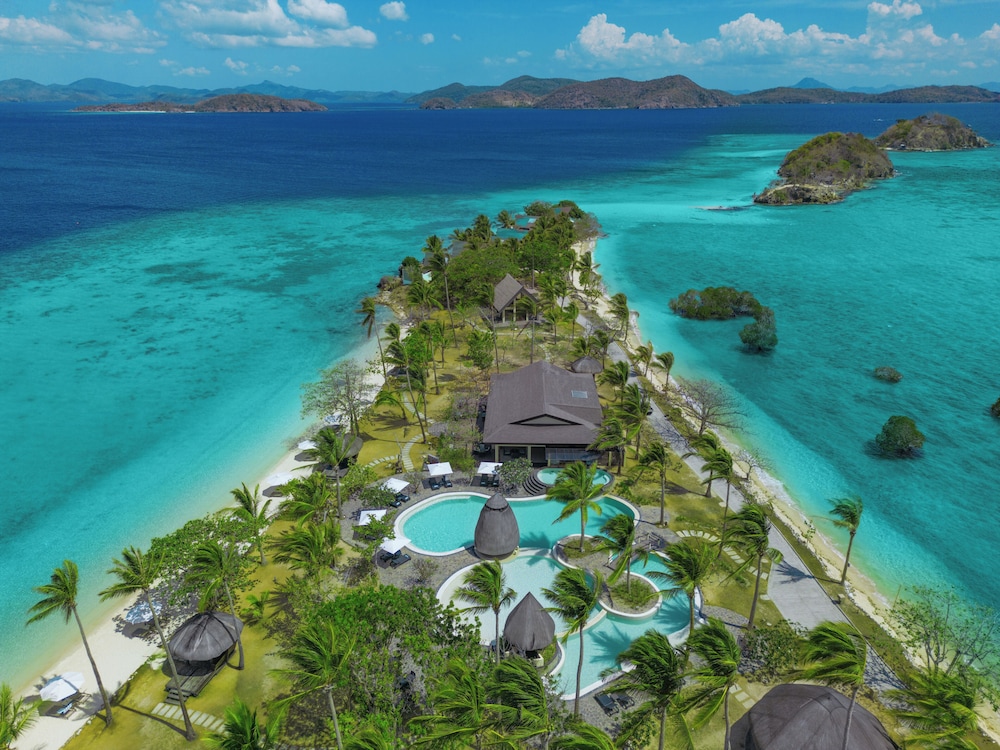
Culion, Bulalacao, Uson and the islets around them, with boat-access resorts, private house reefs, marine sanctuaries and the Ditaytayan sandbar. For isolation and diving.
The house reefs and the sandbar, but no hostels, no town and a boat for everything.
See every Coron neighbourhood on one map
Save the areas you like and Stippl plots your days so you're not crossing the city twice.
Where to stay in Coron
Stay in Coron Town on a first visit, which every guide reaches independently and none hedges, because it is where the boats, the dive shops, the food and the beds are, and the resorts on the north coast and the islands are for a second visit or a budget without limits. Most travellers give Coron 3 nights on Stippl, and a logged hotel night here runs about €125.
Coron Town
€15–60
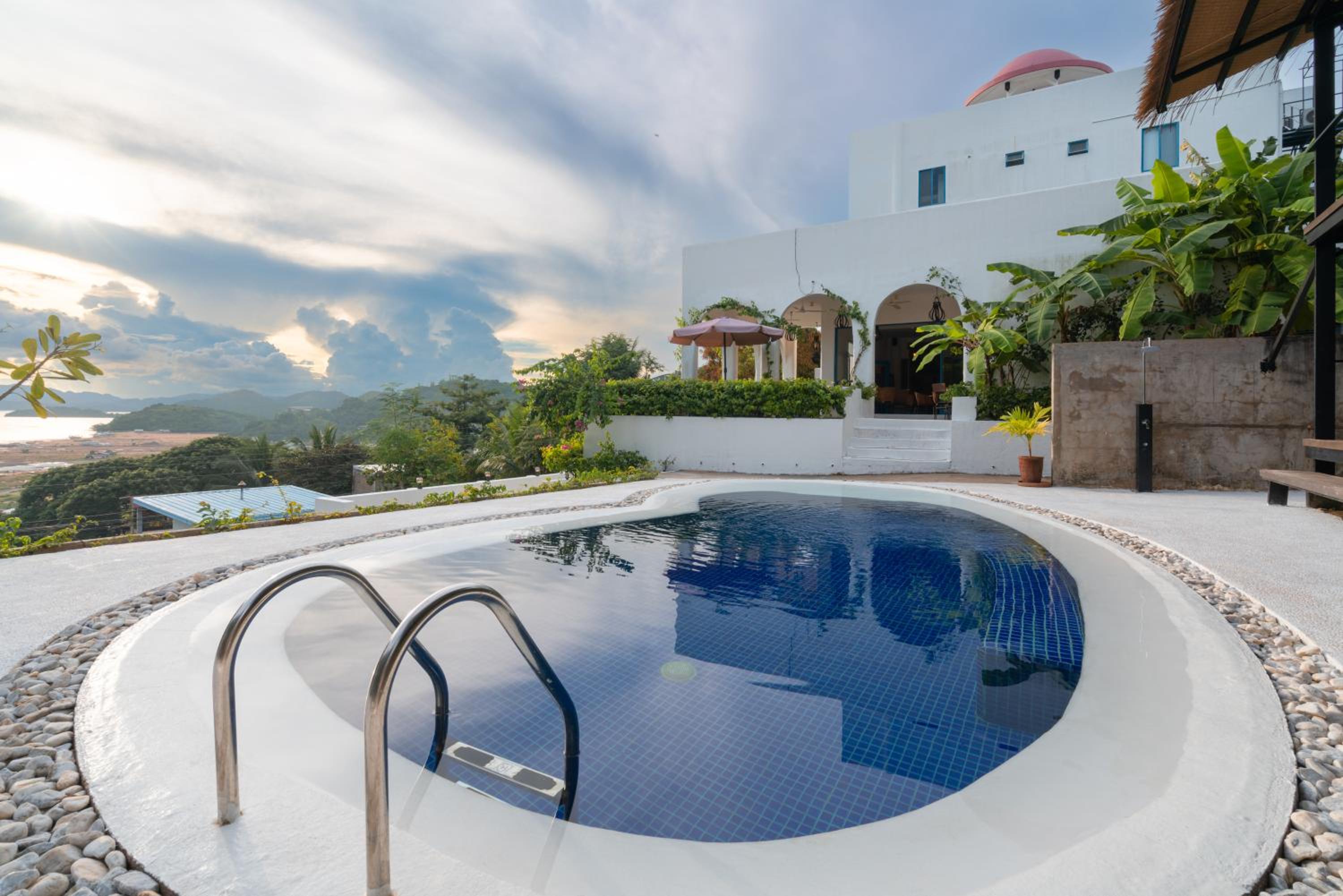
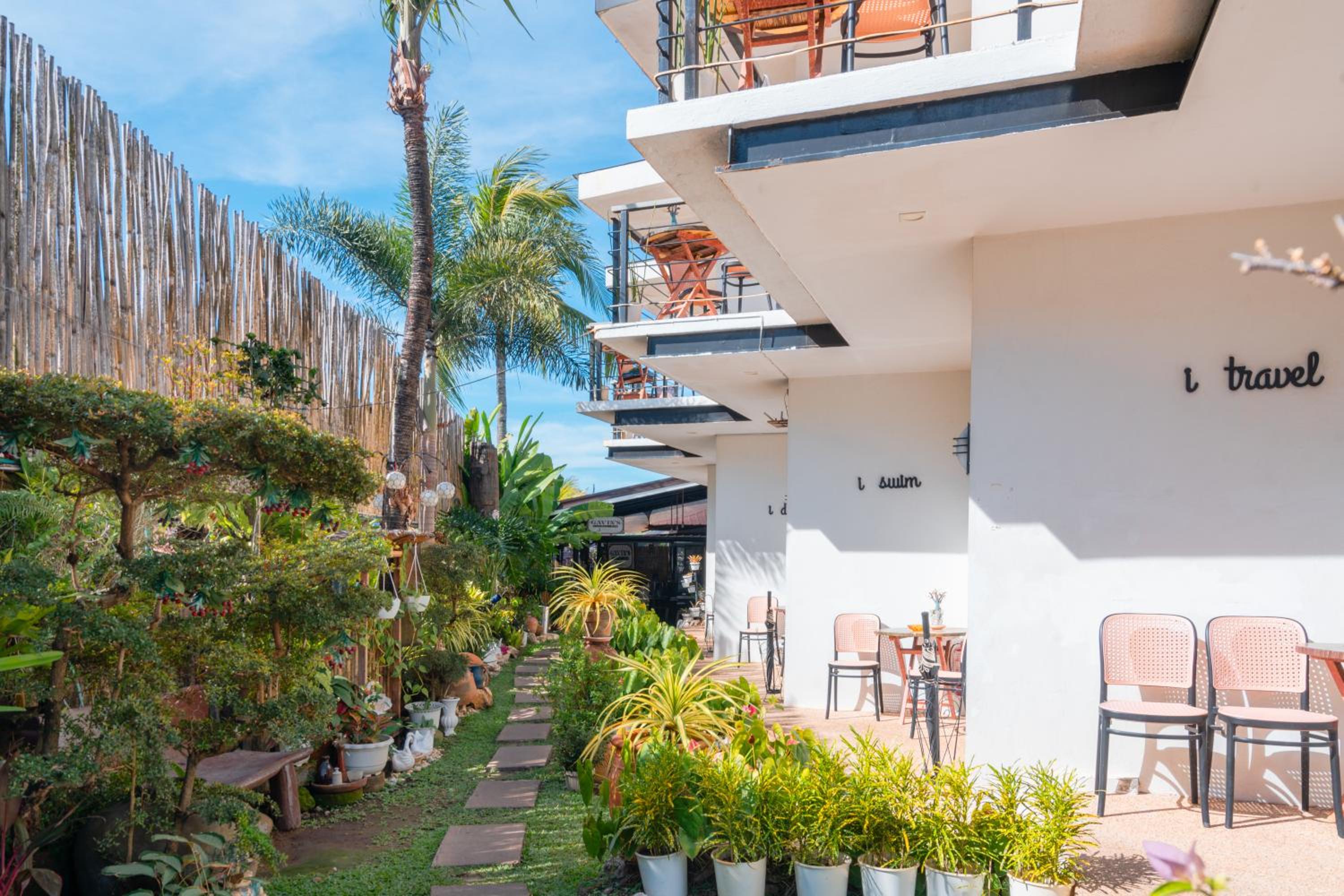
Dorms, guesthouses and mid-range hotels behind the pier, €15 to €90 a night.
Coron Island
No beds; the island closes at night and the town is half an hour back, €15 to €90 a night.
The west coast at Concepcion
A few guesthouses and a dive lodge, €25 to €80 a night.
North Busuanga
Resorts on the bays by the airport, €80 to €300 a night.
The south coast islands
Boat-access island resorts with house reefs, €120 to €400 a night.


What to eat in Coron
raw fish cured in vinegar and kalamansi
whole fish over charcoal with rice and eggplant salad
chicken or pork braised in soy, vinegar, garlic and bay
sour tamarind soup with pork, shrimp or fish
mangrove woodworm eaten raw in vinegar, a Palawan speciality
sea grapes, a seaweed eaten fresh with vinegar and tomato
Palawan's own crop, sold raw and roasted by the sack
shaved ice with beans, jellies, fruit and ube ice cream
Discover food spots in Stippl
Find restaurants and markets on the map, save them to your itinerary, works offline too.
Coron customs and what not to do
Coron Island is someone's land
The Calamian Tagbanua hold it as ancestral domain, the lakes are sacred and ten of the twelve are closed, and the open areas are open on their terms.
The fees are the permission
The site fees are the mechanism of that permission rather than a tourist tax, and they fund the community that keeps the lakes as clean as they are.
Basketball is the currency
The courts on the road to the hot springs are an open invitation, as everywhere in the country.
English works at every desk
As it does country-wide, at the tour desks and the dive shops alike.
Karaoke runs late and public
Which is worth knowing when choosing a room in the town grid.
The boatman decides the weather
The stops the day allows are his call rather than the list on the desk, and the Coast Guard's warning is the final word.
Do
- Pay the site fees without haggling
- Leave the pier at seven if you can choose
- Take a dry bag, reef-safe sunscreen and more water than you think
- Climb Tapyas late in the day, not in the middle of it
- Ask the boatman which stops the weather allows before paying for a fixed list
Don't
- Expect a beach in the town, or book a hotel there for one
- Swim off the marked areas on Coron Island
- Book the cheapest boat without asking how many people are on it
- Push a boatman who is hesitating about the weather
- Assume one fee covers the day; it does not
What a Coron trip costs
Budget
€26–47
A town dorm, carinderia plates, one shared island-hopping tour and a shared scooter.
Mid-range
€60–110
A town double, a boat day and a dive day, and drinks on a rooftop.
High-end
€155+
An island resort, a private charter and a multi-day wreck package.
Track what you actually spend
Set a daily budget per country and log expenses in any currency while you travel.
Fun facts about Coron
Coron Island holds twelve freshwater lakes and only two may be visited. The other ten are sacred to the Calamian Tagbanua, and the fees at the two are the community's tariff.
Barracuda Lake at Coron has almost no fish in it, despite the name. It is dived for its thermocline rather than its wildlife, with the water changing by up to ten degrees on the way down.
Mount Tapyas above Coron is only 210 metres high. And still the second-highest point around the town, with seven hundred and twenty-one steps to the cross.
Calauit Island off Coron holds giraffes and zebras. About a hundred animals were shipped from Kenya in the 1970s, and their descendants are still there.
Strong swimmers reach the Skeleton wreck at Coron from the beach at Atwayan. It lies close enough to the surface for that, and it is on Tour B for everyone else.
Only 0.77% of stops in Coron on Stippl are no night at all. The lowest pass-through share of any Philippine destination, because the boats leave at seven.
Local tips for Coron
Three ways in, a real choice
Fly into Busuanga from Manila or Cebu, come by fast ferry from El Nido, or do the crossing from El Nido as a three-to-five-day expedition.
Walkable inside, not outside
Everything in the town is on foot and everything outside it is not, so a scooter at about seven euros a day is the unanimous answer for the hot springs and Cabo Beach.
The diving is the danger
Most of the famous wrecks lie below eighteen metres and need the advanced card, which the articles that sell them do not say.
Open Water still does a lot
The Lusong gunboat breaks the surface, the Skeleton wreck sits at about three metres, and the shallow ones are the honest version of the pitch.
Fees stack up
A municipal fee on arrival plus a fee at every site, so the day's cash is counted before the boat rather than at the first lake.
Three nights, before El Nido
Most travellers give Coron 3 nights on Stippl and 53.5% of the trips carrying both do Coron first, because the ferry and the expedition run both ways.
Coron questions, answered
It is, and most travellers give Coron 3 nights on Stippl with a third booking exactly three, and two is the real alternative rather than four. Tour A for the lakes, a second boat day or a dive day, and the hot springs at dusk, with the boats tied up if the Coast Guard raises a warning.
Both, and almost everyone does: 53.5% of the trips carrying both on Stippl do Coron first, so either order works, and the ferry and the expedition both run both ways. Coron is the wrecks and the lakes, El Nido is the bay and the beaches, and the pair is the whole of northern Palawan.
A for Kayangan and the classic beaches, B for the Twin Lagoon, Barracuda and the Skeleton wreck, C for the far southern islands and D for the reefs and the gunboats. Put A into Stippl on the first day and B on the second, then ask people who did all four in subreddits like r/Philippines whether C earned the long boat ride.
Some of them. The shallow gunboat and the Skeleton wreck, yes; the famous ships sit below eighteen metres and need the advanced certification, which the dive shops in the town will sell you over three days. 41.2% of Coron trips on Stippl stay inside the country, and the diving is part of why.
A municipal fee on arrival plus a separate fee at each site, so a five-stop day is roughly twelve to sixteen euros a person on top of the boat. They are the Tagbanua community's tariff on their own domain rather than a tourist tax, and they are paid without haggling.
The dry season from December to April, with February or March the sweet spot, February the driest month by far and July the wettest; 64.8% of starts on Stippl fall in the dry window and July is the quietest month. The shoulders in May and November are hot, green and cheaper.
Every guide is written by the Stippl editors and checked against the trips our travellers actually plan. Spotted something out of date? Let us know.

Plan Coron in Stippl
Day-by-day planning, stays and budget in one app, with every place from this guide already on the map.
Download the app