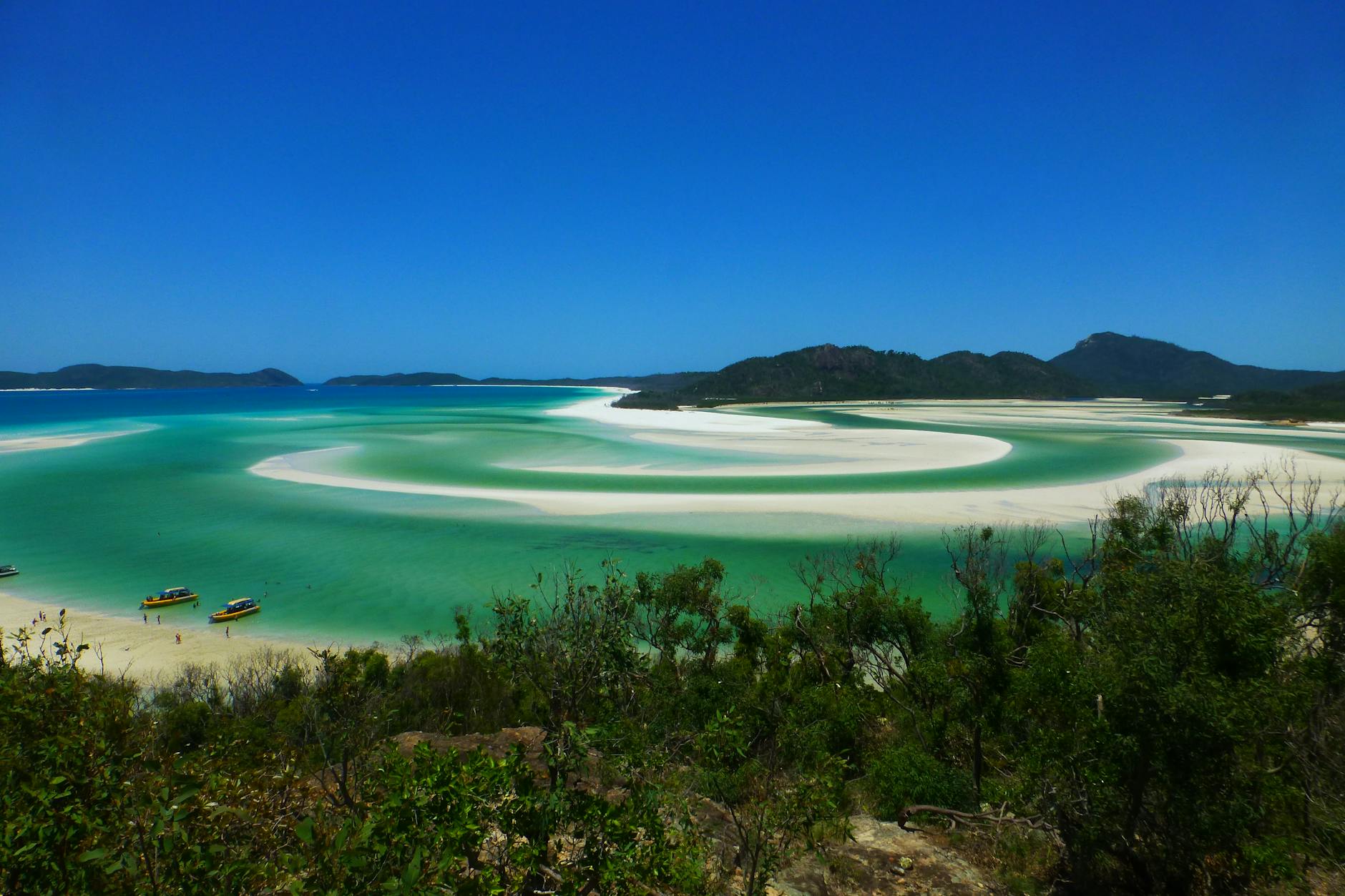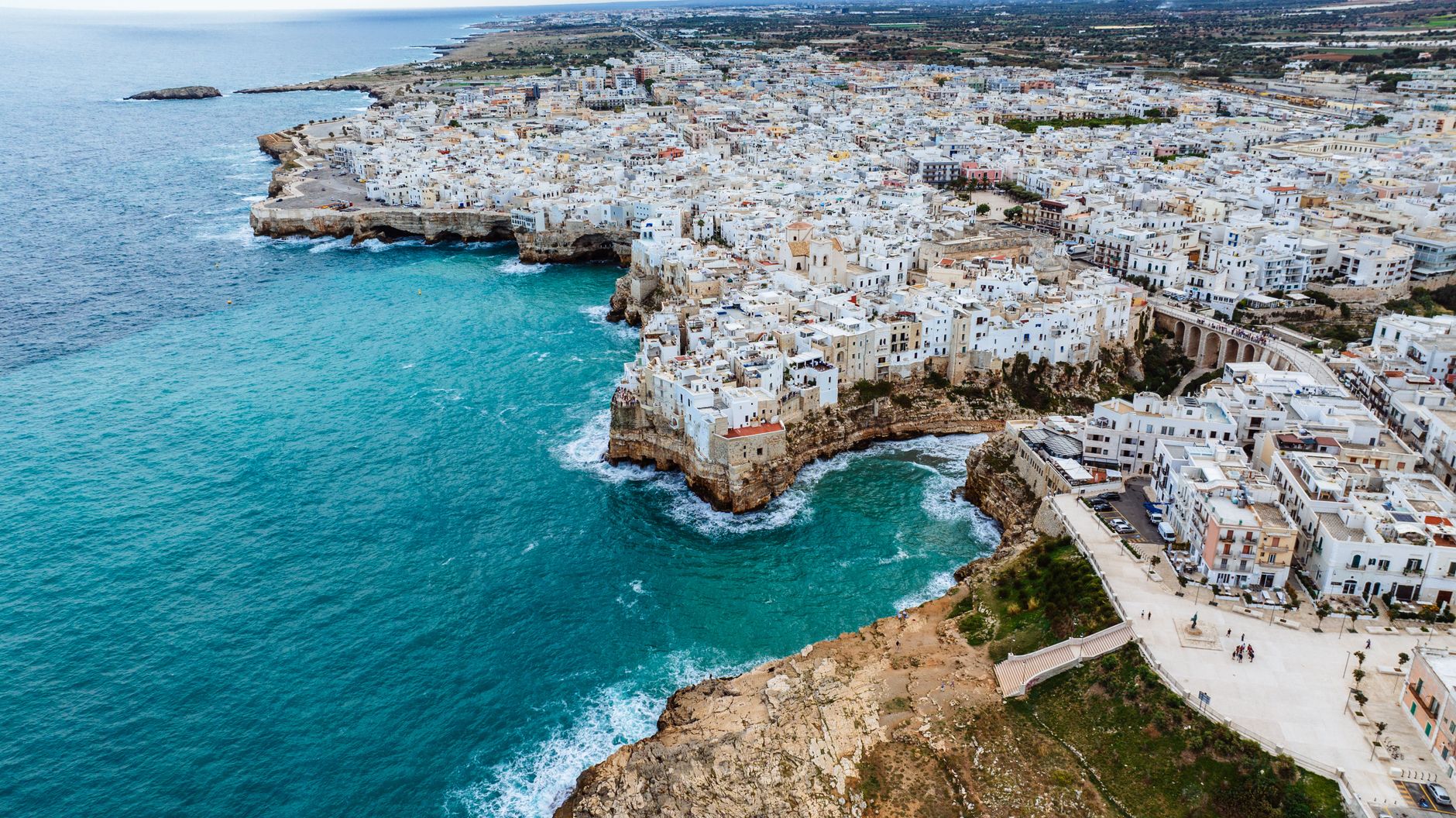

Plan Philippines in Stippl
Day-by-day planning, stays and budget in one app, with every place from this guide already on the map.
Download the appThe short answer
The five best beaches in the Philippines are White Beach on Boracay for the full resort strip, Alona Beach on Panglao for diving, Nacpan Beach near El Nido for four kilometres of near-empty sand, Saud Beach in Pagudpud for the far north, and Paradise Beach on Bantayan for the quietest day of your trip.
They sit on four different islands in three different island groups, so the honest answer to "can I do all five" is no, not in a fortnight. Pick two clusters and travel them properly.
The one date that decides everything: February to April is the only stretch when almost the whole country is dry at once, and it is also when the boats actually sail. Outside that, the beach you booked and the beach you reach can be two different things.
The 5 best beaches in the Philippines
1. White Beach, Boracay

Four kilometres of white sand facing west, which is why every Boracay sunset photograph looks the way it does. This is the country's most developed and most commercialised beach, and that is the trade rather than the criticism: it means real restaurants, real bars, water sports, and a bed at any price point, on a coastline where good accommodation is genuinely scarce.
Getting there takes two moves. Fly into Caticlan, which is the closer airport, or into Kalibo, which is usually the cheaper fare, then cross from Caticlan Jetty Port to the island by ferry. Budget for the fees at the pier: a terminal fee of €1.40 (₱100) and an environmental fee of €1.05 (₱75), both collected on arrival.
One thing to sort before you fly. Boracay runs a registration system, so you need an iPass and a confirmed booking with an accredited hotel before you arrive on the island. Turning up to find a room is not an option here the way it is on Siquijor or Bantayan.
Most travellers who plan Boracay with Stippl give it three or four nights, which is about right: two full beach days, one boat day, and a day that goes nowhere.
2. Alona Beach, Panglao Island

Alona is the beach you come to for what is underneath it. Panglao sits off Bohol, the whole country sits inside the Coral Triangle, and this stretch is where the dive shops, the boats and the reef all line up in walking distance of each other. Two dives on Panglao run around €51 (₱3,650), which is among the cheapest reef diving anywhere on earth.
The beach itself is the busy, sociable kind: restaurants and bars along the sand, dive centres between them, and a mix of resorts and guesthouses behind. Bohol is also the pick if you are travelling with children, because the distances are short and the water is calm.
Getting there is easiest from Cebu City: OceanJet runs the fast ferry from Pier 1 to Bohol in about two hours, roughly ten sailings a day. Book online rather than at the counter, which is heaving, and check in 45 minutes before departure. From the Bohol pier it is a short road transfer across to Panglao.
Give Bohol about three nights. That buys Alona, a dive day and the Chocolate Hills inland, which is the other reason people come.
3. Nacpan Beach, El Nido
If you want one beach on this list to be the empty one, make it Nacpan. Four kilometres of golden sand 45 minutes north of El Nido town, splitting into Calitang at the far tip, with a handful of shacks selling coconuts and grilled fish and not much else. It is big enough that it never really feels crowded, even in February.
Rent a motorbike rather than taking a tricycle: it runs about €5 to €7 a day (₱350 to ₱500) and it is the difference between seeing one beach and seeing four, because Las Cabañas, Corong-Corong and Duli are all on the same coast. One firm piece of local advice: do not ride back from Nacpan or Duli after dark. The road is unlit and the locals will tell you the same thing.

The Bacuit archipelago is the other half of what brings people here, and the reason Nacpan works as a base rather than a day out: the island-hopping boats leave from the same town.
El Nido itself charges an Eco-Tourism Development Fee of €5.60 (₱400) per visitor, paid once and valid for ten days across every tour. It is collected by the tour office and passed to the municipality, so it is not an operator's margin, and any page still quoting €2.80 (₱200) is out of date. Getting in means either AirSwift from Manila into Lio airport, about an hour and twenty minutes, or the road from Puerto Princesa: five to six hours in a shared minivan at €7 to €10 (₱500 to ₱700), or seven to eight hours on the bus at €5 to €7 (₱367 to ₱483). The bus is slower and more comfortable.
El Nido is the second largest Philippine destination in our own trip data, and it is the only large one people genuinely stay in. Three nights is the typical booking, and 54% of El Nido stops are exactly three or four nights, the tightest pattern anywhere in the country. Nacpan is what you do with the day you are not on a boat.
4. Saud Beach, Pagudpud
Saud is the outlier on this list and the reason it is here: it is the only one on the mainland, up on the north coast of Luzon in Ilocos Norte, a long way from every other beach in this article. Travellers have called it the Boracay of the North for years, which tells you what it looks like, a long pale crescent with calm water, and also what it does not have, which is the crowd.
The nearest airport is Laoag, with flights from Manila. Beyond that, be honest with yourself about the distance: this is a northern Luzon trip, not a Palawan or Visayas add-on, and it pairs with Vigan and the Ilocos dunes rather than with anything else on this list.
Accommodation here is small resorts and homestays rather than a hotel strip. Plan on cash and on eating where you sleep.
5. Paradise Beach, Bantayan Island
Bantayan sits off the northern tip of Cebu, and Paradise Beach is the quiet end of a quiet island: white sand, clear shallow water, and a fishing-village pace that has not changed much. The island runs on resorts rather than hostels, so the social backpacker scene you get in El Nido or on Siquijor is simply not here, and for a lot of people that is exactly the point. Kitesurfing is the one organised thing to do.
Reaching it means going overland the length of Cebu island to the northern port and crossing by ferry, which is a full travel day rather than a morning. Check the crossing schedule locally on the day, because published times are indicative here and a storm signal cancels boats before it cancels flights.
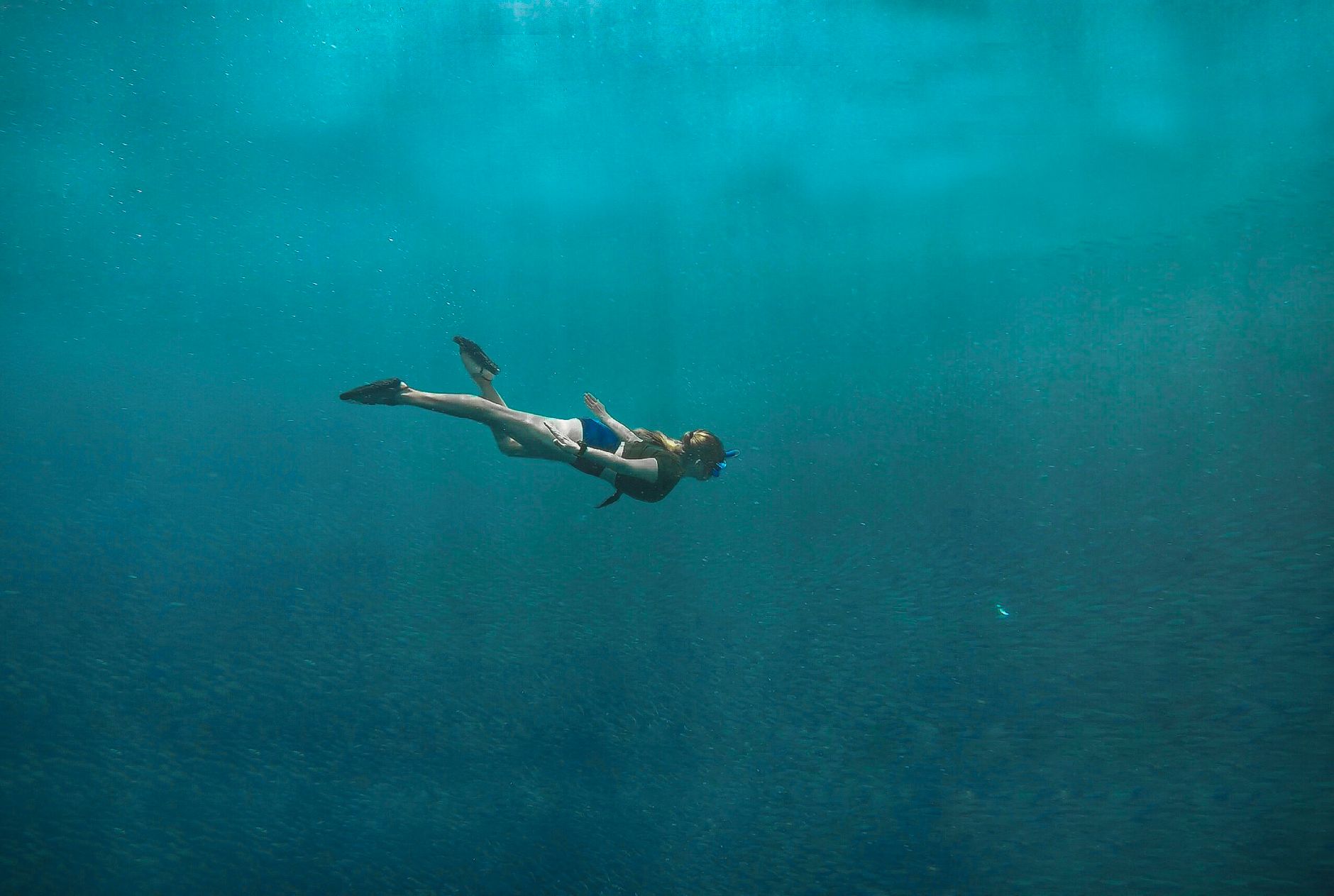
Moalboal is on the other end of the same island, where the sardine run sits metres off the beach, and it is the usual second stop if you are crossing Cebu anyway to reach Bantayan.
Two nights is enough, and there is no ATM worth relying on, so bring cash from Cebu City.
Save these to your trip in Stippl and they are on your map before you land.
Building a beach shortlist is the easy part. Working out which two of these actually sit on the same route is the part that eats an evening, and it is the part a Stippl trip does for you: drop the beaches in, and it works out the order, the flights and the ferry days.
When to go, beach by beach
The dry season runs December to April, and February to April is the sweet spot: February is the driest month of the year nationally, and El Nido's own rainfall tells the story better than any average. February gets 14 mm of rain there, July gets 480, which is a 34-fold swing between the same beach in two different months.
May and November are the value picks. They are hotter or greener respectively, prices drop, and the seas are usually still workable for boats and snorkelling. What you are trading is certainty.
Typhoon risk exists from June to December and peaks August to October. The eastern seaboard is the most exposed, Palawan and the Visayas less so, but a storm signal suspends sailings everywhere regardless of how it looks out of the window.
And one trap worth knowing before you book flights: Siargao runs the opposite calendar to the rest of the country. Its dry season starts around March and December to February is the peak of its rainy season. A national dry-season plan that ends on Siargao puts you there at exactly the wrong time.
What a Philippines beach trip actually costs
The Philippines is cheap by global standards and not by Southeast Asian ones. It costs meaningfully more than Thailand, Vietnam or Indonesia, for two reasons that both show up on a beach trip: the domestic flights are unavoidable, and good accommodation is genuinely scarce, so it prices like a scarce thing.
Budget
€19–47
dorm bed, carinderia plates, buses and jeepneys, free beaches and waterfalls
Mid-range
€55–100
private rooms, restaurant meals, island-hopping tours, some domestic flights
High-end
€75–115+
boutique hotels and resorts, private boats, diving, private transfers
Booking early is the single biggest lever on the whole budget. A domestic ticket booked months ahead runs about €40 to €60; the same seat booked last minute runs €110 to €120 or more, and the El Nido, Coron and Siargao routes sell out first.
A few costs that are easy to forget and add up fast on a beach trip:
- Environmental and terminal fees, charged at almost every island and site. The El Nido eco fee is €5.60 (₱400), Boracay's pier fees are €1.40 (₱100) plus €1.05 (₱75), and most beaches and viewpoints charge something small on arrival.
- Boats, tricycles and vans are priced per vehicle, not per person, so teaming up with two other travellers at the pier halves your transport line immediately.
- Accommodation on the beach is often the cheaper side of town, not the dearer one. In El Nido a beach cottage in Corong-Corong runs around €37 a night against roughly €70 for a town hotel with a pool.
How to link these beaches into one trip
Nobody does all five. The island groups are too far apart, and the flights between them mostly route back through Manila or Cebu City. What works is picking one cluster and adding a second if you have three weeks.
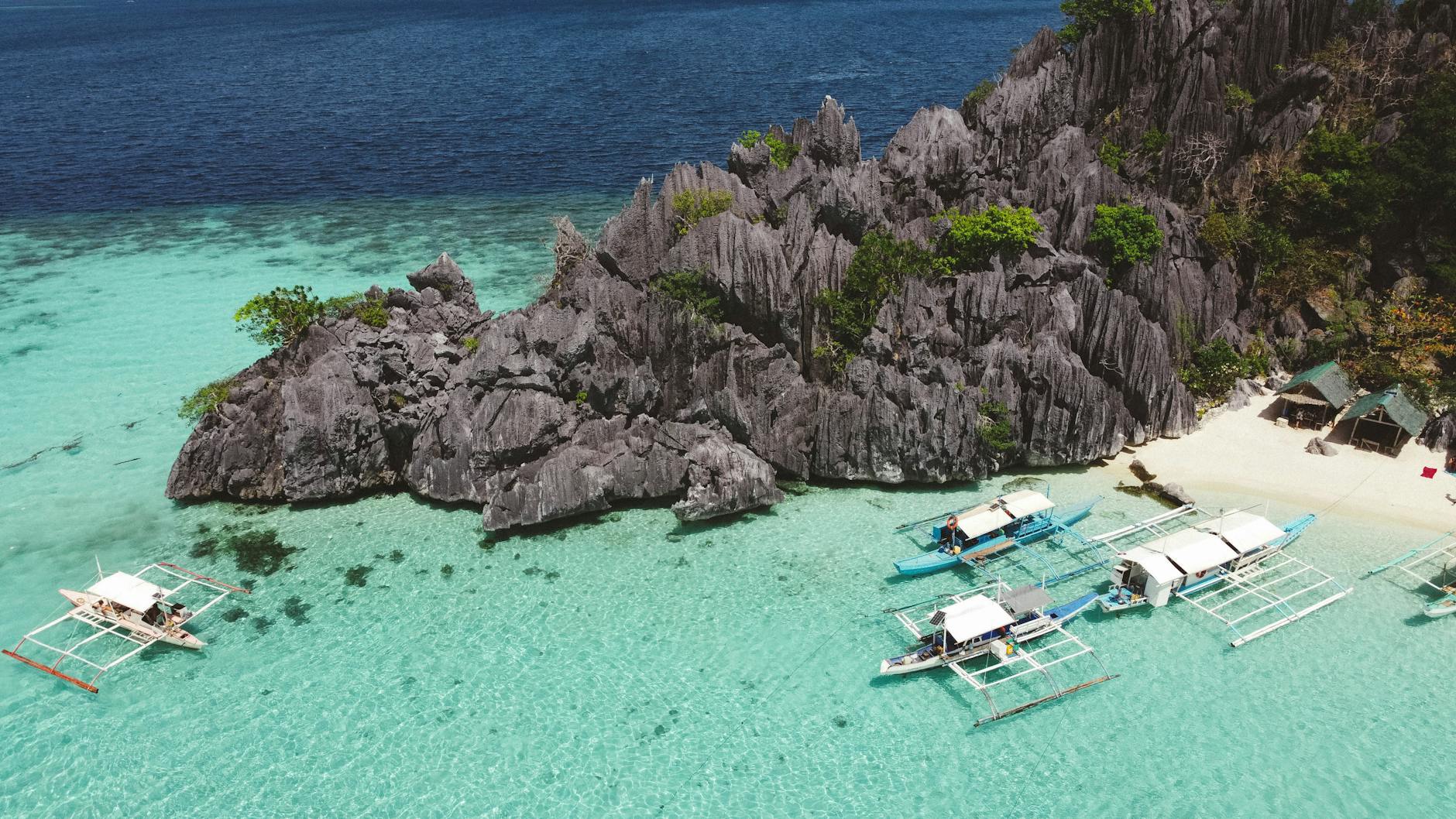
Coron sits at the north end of the same Palawan chain as El Nido and is the usual second stop for anyone who has a fortnight rather than a week, reached by ferry rather than another flight through Manila.
| Cluster | Beaches on this list | Fits in |
|---|---|---|
| Palawan | Nacpan (El Nido) | 1 week, with Coron |
| Visayas | Alona (Panglao), Paradise (Bantayan) | 10 days, from Cebu City |
| Panay | White Beach (Boracay) | Its own long weekend, or a leg on a month |
| Northern Luzon | Saud (Pagudpud) | Its own trip, with Vigan and the dunes |
Cebu City is the hinge for the Visayas half. It is the country's second door, it has the ferries and the buses, and travellers who route through it plan the longest Philippine trips we see, an average of 7.84 stops against a national 5.82. It is also worth exactly one night: six Cebu City stops in ten are a single night, and one in five carries no night at all.
If you have a month and want all of it, the full one-month Philippines route covers Palawan and the Visayas in one line, with the ferry days built in.
Turn these stops into a route
Pick your favourites and Stippl orders them, adds travel times and builds the day-by-day.
For the whole country in one place, see our Philippines guide (/discover/philippines).
Practical tips for beach days in the Philippines
There are no lifeguards. Most beaches here have no lifeguard and no warning signs, and riptides are common. Ask locally before swimming somewhere new, and take the answer seriously: strong currents at Pacifico Beach on Siargao and the pull under Tappiya Waterfall at Batad are both named hazards that look like nothing from the sand.
Buy sunscreen at a pharmacy chain or a dive shop, or bring your own. Counterfeit versions of well-known brands turn up at beach stalls and may not protect at all, and whitening formulas are the norm rather than the exception. Reef-safe is the one to look for, and it is not optional on a boat day.
Bring your own snorkel set. It is cheaper than repeated rentals, it fits better, and it means you can swim Moalboal's sardine run straight off the beach for the price of a small entry fee. A drop of baby shampoo rubbed inside the mask stops it fogging without stinging.
Carry cash, in small notes. Cards work at large hotels and restaurants and almost nowhere else. ATMs on small islands run dry or out of service, and El Nido has effectively one machine in town that works. Withdraw before you go anywhere remote, not after.
Leave the shells where they are. Hermit crabs need them and the minerals feed the shoreline, and it is one of the few rules here that everyone actually agrees on.
Connectivity deserves its own line, because it changes how you plan. Wifi is slow and unstable across the country and effectively absent in places like Port Barton and on expedition islands, so book your onward boats and beds while you still have a signal rather than assuming you will find one at the next beach.
Frequently asked questions about Philippines
White Beach on Boracay is the most famous, four kilometres of sand with the country's most developed resort strip behind it. If "best" means quietest rather than best served, Nacpan Beach near El Nido wins: the same length of sand with a handful of shacks on it.
February to April. February is the driest month nationally, the seas are calm and the boats sail. May and November are the value shoulders. Avoid August to October, the peak of the typhoon window, and remember Siargao runs the opposite calendar with its dry season starting around March.
Different trips. Boracay is one long developed beach with restaurants, bars and water sports on it, best for a few easy days. El Nido is a base for boat tours through 45 limestone islands, best for three or four nights of getting on the water. If you only want to lie on sand, Boracay. If you want lagoons, El Nido.
Not the city, which has none. Cebu island is a different answer: Bantayan in the north for quiet sand, Moalboal on the west coast for a sardine run you can snorkel to from the beach, and Malapascua off the northern tip for thresher-shark diving. Cebu City is the transport hinge you pass through to reach all three.
The beaches, no. The things around them, yes. Good accommodation is scarcer than in Thailand or Bali and sells out well ahead in the dry season, domestic flights double in price if you leave them late, and Boracay requires a confirmed booking with an accredited hotel before you are allowed on the island at all.
Five beaches, four islands, three island groups, and one honest conclusion: the Philippines rewards picking a cluster over collecting a list. Nacpan and Alona are the two we would build a first trip around, with Boracay if you want the strip and Bantayan if you want the opposite.
Drop the ones you want into a Stippl trip and it works out the ferry days, the flight legs and the order, so the only thing left to decide is which beach gets the extra night. Free forever.