This guide breaks it all down: the daily budget per travel style, the cost drivers, what each island costs, and a sample two-week budget you can copy.
Plan Philippines in Stippl
Day-by-day planning, stays and budget in one app, with every place from this guide already on the map.
Download the appHow much does a trip to the Philippines cost?
For most travellers a working figure of €34 to €43 (₱2,400 to ₱3,100) a day covers a modest trip: a dorm or a simple private room, local food, shared transport and a boat tour every few days. Add domestic flights on top, because you will need them.
It's worth knowing that the Philippines is cheap by global standards but not by Southeast Asian ones. It costs noticeably more than Thailand or Vietnam, for two reasons: you can't avoid flying between island groups, and good accommodation is scarcer, so it sells out and gets pricier in peak season. The upside is that the cheap layer really is cheap, with a plate of rice and stew for €1.30 to €1.70 (₱90 to ₱120) and dozens of beaches and waterfalls that cost nothing.
Daily budget by travel style
Here's what each travel style buys, per person per day.
| Style | Bed per night | Food and drink | Getting around and activities |
|---|---|---|---|
| Budget | Dorm €8.50-19 (₱600-1,400) | Carinderia plates €1.30-5 (₱90-360), mini-mart beer €0.50-0.70 (₱35-50) | Jeepneys €0.10-0.30 (₱8-20), shared tours, free beaches |
| Mid-range | Hostel private €19-43 (₱1,400-3,100), boutique double €34-55 (₱2,400-4,000) | Restaurant mains €6-12 (₱430-860), a cocktail about €4.50 (₱320) | Scooter €3.50-8.30 (₱250-600) a day, island-hopping tours, some flights |
| Comfort | Resorts from €85 (₱6,100) | Resort and beachfront restaurants | Private boats, diving, private transfers |
Budget means a dorm bed, point-and-eat meals at a carinderia (the family-run eateries with rows of pots), buses and jeepneys, and the free sights. Mid-range gets you private rooms, restaurant meals and a tour most days. Comfort is boutique hotels and resorts, private boats and diving.
One honest note on the tiers: the travel guides count differently. One set of figures excludes domestic flights, another includes them, which is why the comfort range overlaps with mid-range. Treat flights as a separate line, as this guide does.
Budget
€19–47
dorm bed, carinderia plates, buses and jeepneys, free beaches and waterfalls
Mid-range
€55–100
private rooms, restaurant meals, island-hopping tours, some domestic flights
High-end
€75–115+
boutique hotels and resorts, private boats, diving, private transfers
The big cost drivers
In the Philippines it's the island hops, not the hotels, that decide the budget. Four lines do most of the work.
Domestic flights and ferries
Domestic flights are effectively unavoidable. The islands are too far apart to ferry everything, and almost every journey between island groups routes through Manila or Cebu. The carriers are Cebu Pacific, Philippine Airlines and AirAsia, plus AirSwift into El Nido.
Timing is the biggest lever you have. Fares on the busy Manila to Cebu route run €11 to €35 (₱800 to ₱2,500), and popular island routes cost roughly €40 to €60 (₱2,900 to ₱4,300) booked months ahead against €105 to €115 (₱7,500 to ₱8,300) or more last minute. Siargao, El Nido and Coron sell out first in peak season. Puerto Princesa is the cheapest way into Palawan, from about €34 (₱2,400) from Manila, while Manila to Coron runs €30 to €90 (₱2,200 to ₱6,500).
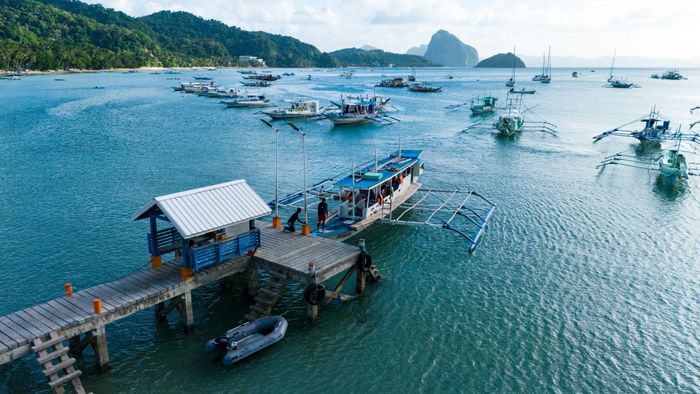
Ferries come in two tiers: wooden outrigger bangkas, the cheapest and wettest option, and larger ferries at €10 to €35 (₱750 to ₱2,500), plus about €14 (₱1,000) for a private cabin. The fast ferry from Coron to El Nido costs €17 to €30 (₱1,200 to ₱2,200), and Bohol to Siquijor is under €13 (₱930). Ferries are cheap; the real cost is reliability. Weather cancels crossings, and a missed boat means a last-minute flight or an extra night.
Island hopping tours and diving
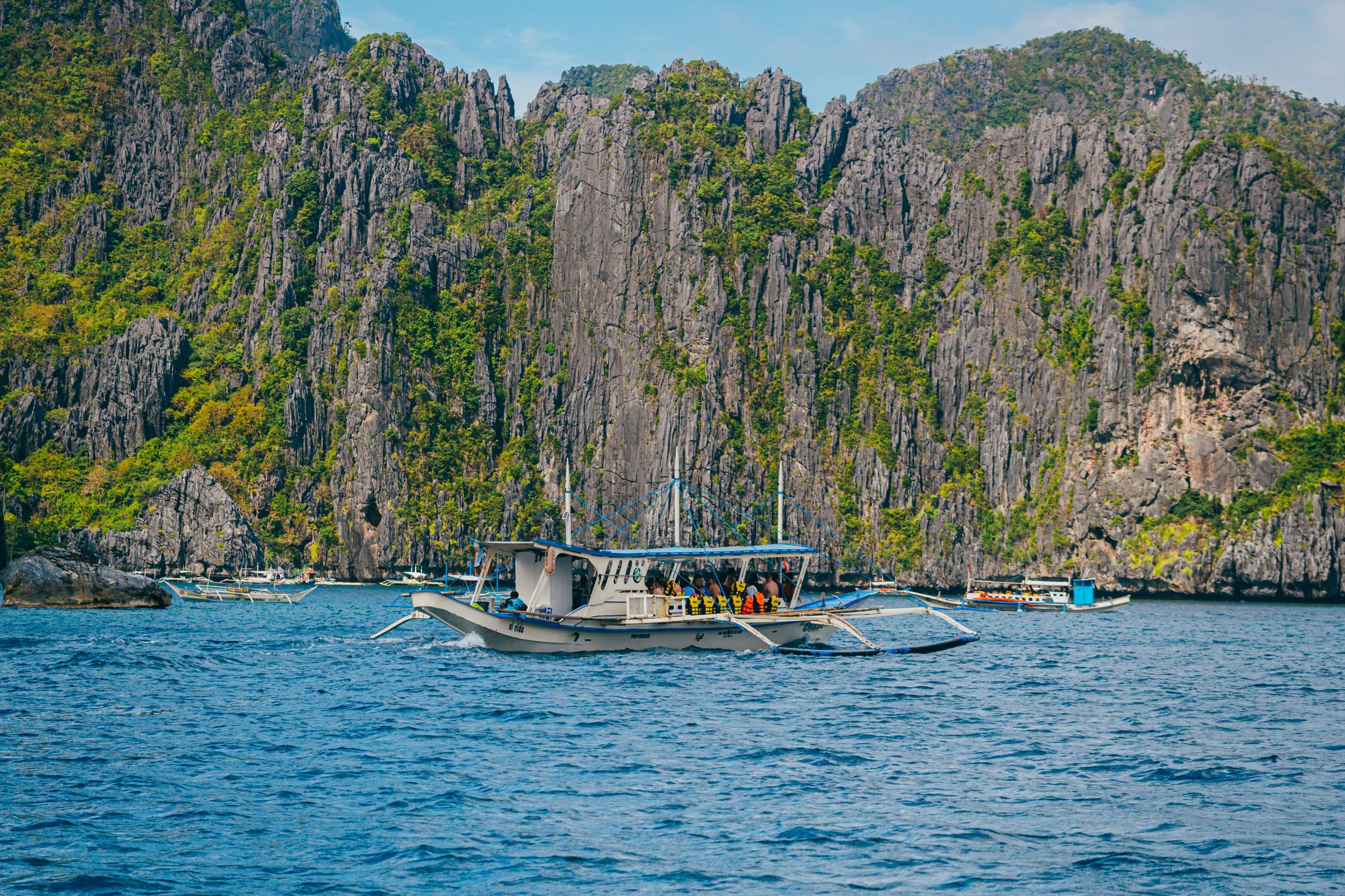
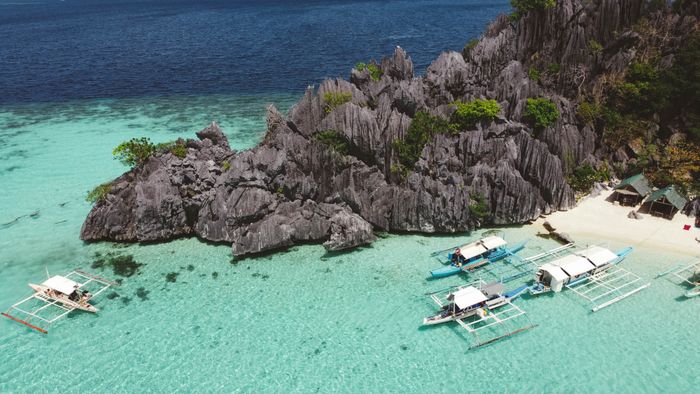
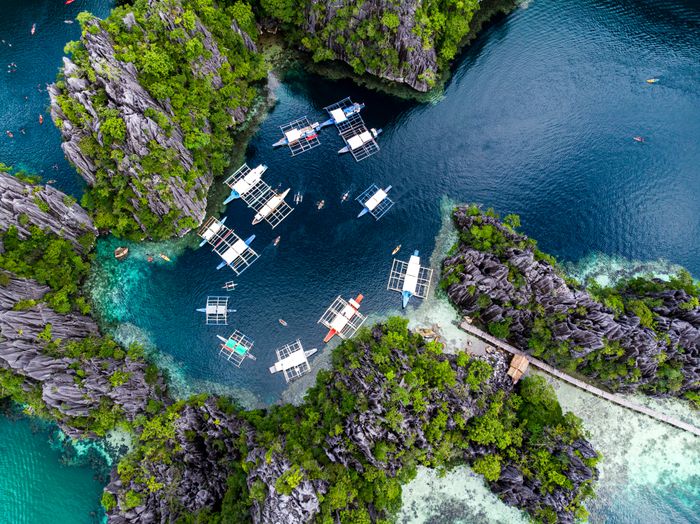
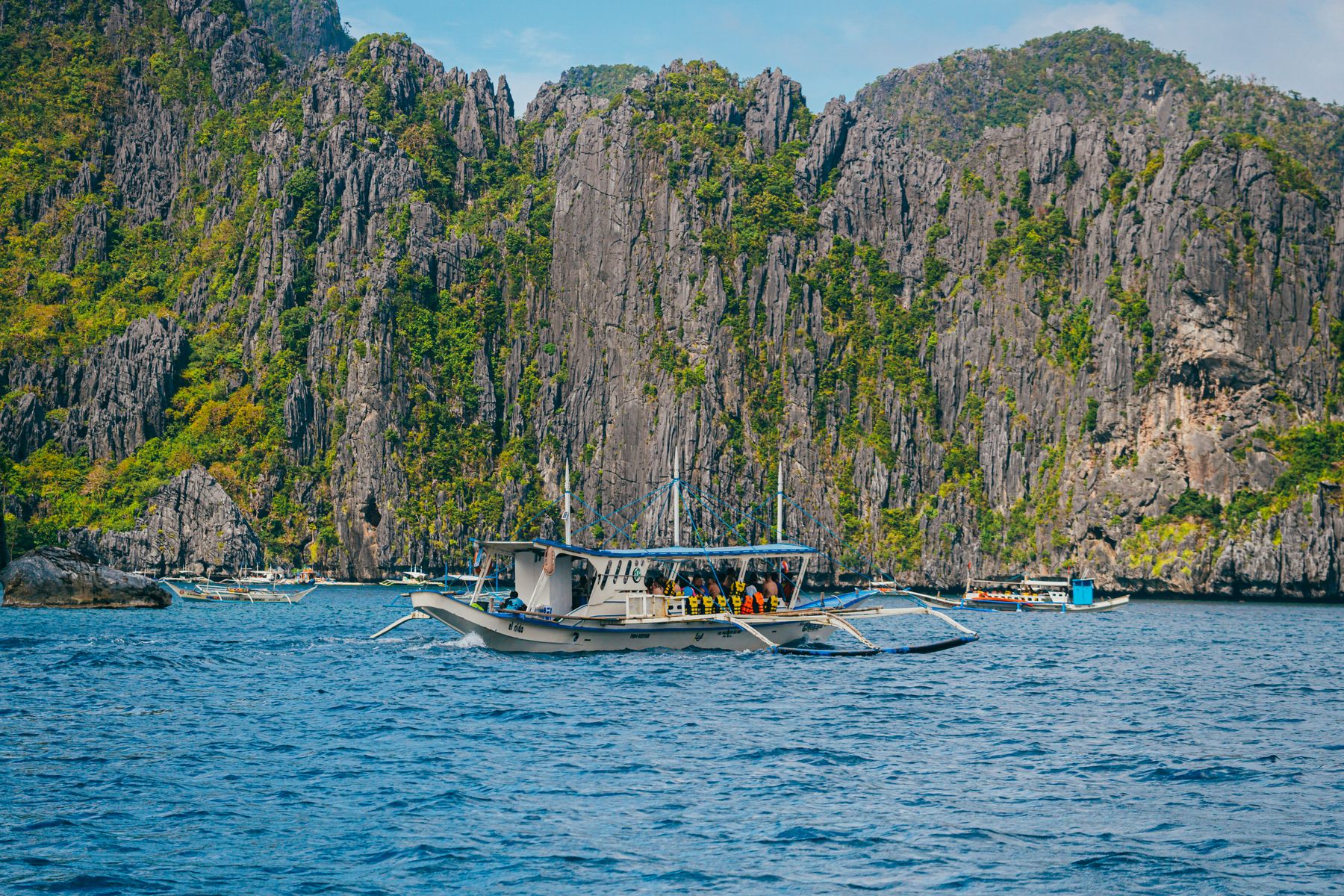
Boat tours are the biggest discretionary spend of the trip. In El Nido the standard tours A to D cost €17 to €31 (₱1,200 to ₱2,200) per person with lunch and snorkel gear, plus a one-off Eco-Tourism Development Fee of €5.60 (₱400), valid ten days. Coron's shared tours cost €20 to €30 (₱1,400 to ₱2,200), or about €120 (₱8,600) for a private boat for two, and every lake, beach and wreck charges its own fee, so a five-stop day adds €12 to €16 (₱850 to ₱1,150). Boats only sail when the sea allows, so check the best months for Palawan before you count your boat days.
Elsewhere, Port Barton's shared island hop is €17 to €25 (₱1,200 to ₱1,800), the Underground River day tour from Puerto Princesa about €35 (₱2,500), and Boracay's island hopping €21 to €35 (₱1,500 to ₱2,500). Small environmental fees of €0.30 to €2.80 (₱20 to ₱200) per site add up, so keep small notes on you.
The country is one of the cheapest places in the world to dive. Two dives on Panglao cost about €51 (₱3,650), and canyoneering to Kawasan Falls from Moalboal is about €22 (₱1,600) including transport and lunch. The Moalboal sardine run is close to free: a €1.40 (₱100) environmental fee and your own snorkel.
Accommodation
Dorms cost €8.50 to €19 (₱600 to ₱1,400), hostel privates €19 to €43 (₱1,400 to ₱3,100), boutique doubles €34 to €55 (₱2,400 to ₱4,000) and resorts from about €85 (₱6,100) a night. In peak season prices roughly double on the popular islands, and the good small hotels sell out far ahead, so book earlier than you would in Thailand or Bali.
Prices also move by island. Boracay is the most expensive island in the country: a hostel bed from about €13 (₱900), but €83 to €209 (₱6,000 to ₱15,000) for a Station 1 beachfront room. El Nido's Lio resorts run €80 to €250 (₱5,800 to ₱18,000). Siquijor and Moalboal sit at the cheap end, and Cebu City is cheaper to sleep in than Manila.
Food and drink
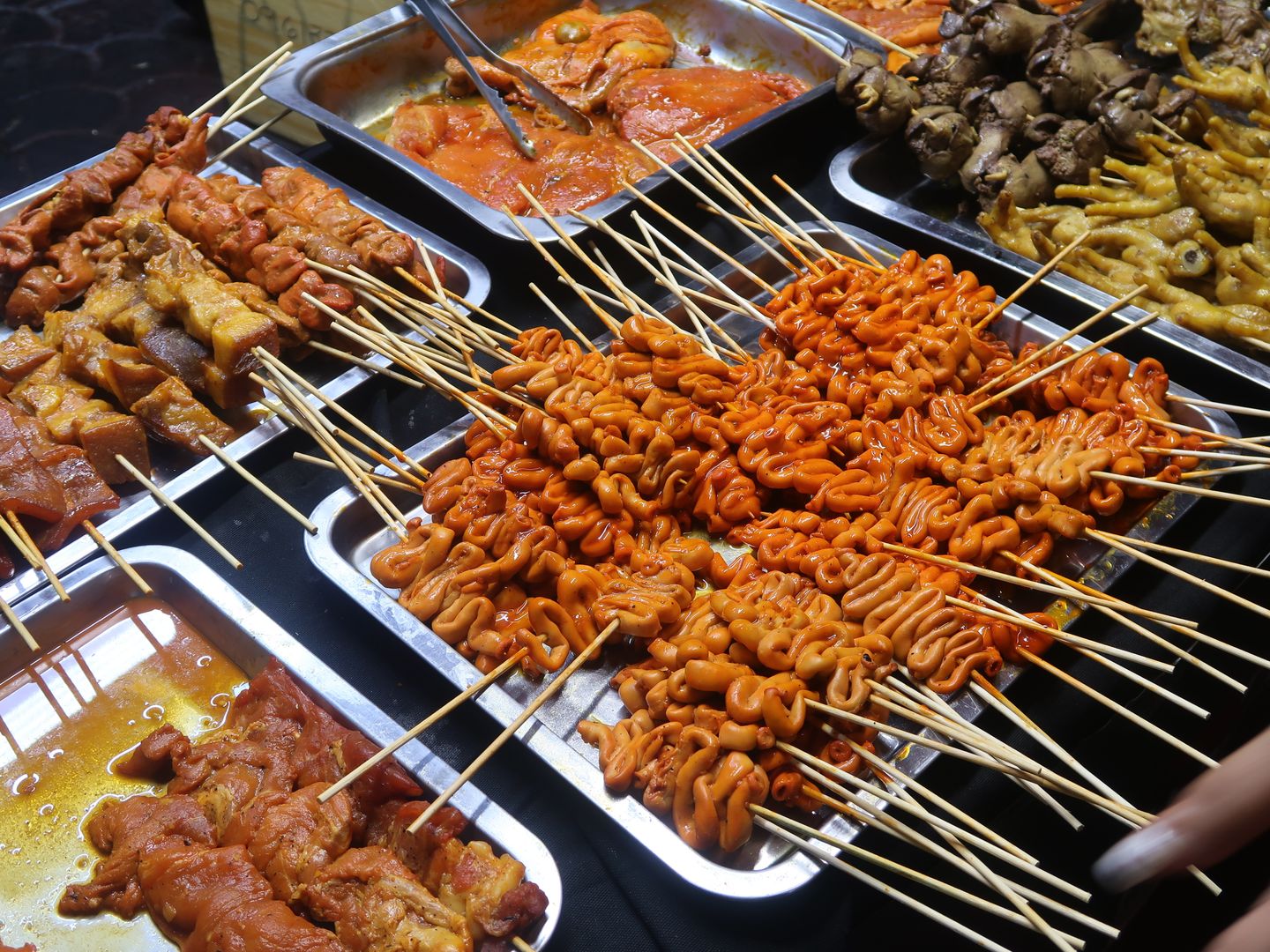
Eating local is where the Philippines gets properly affordable. A carinderia plate costs €1.30 to €5 (₱90 to ₱360), a breakfast in a traveller café €3.50 to €7 (₱250 to ₱500) and a restaurant main €6 to €12 (₱430 to ₱860). San Miguel from a mini-mart is €0.50 to €0.70 (₱35 to ₱50), a beer on a terrace about €1.70 (₱120) and a cocktail about €4.50 (₱320).
Resort islands are a different scale. A beachfront dinner on Boracay is €11 to €21 (₱800 to ₱1,500). Two small extras to plan for: tap water isn't safe anywhere, so you'll buy bottled or filtered water, and a tip of about 10% in restaurants is appreciated though never required.
Track what you actually spend
Set a daily budget per country and log expenses in any currency while you travel.
Cost by destination
Daily budgets per person for a budget traveller, from cheapest to priciest, and the one cost to know in each place.
| Destination | Budget per day | The cost to know |
|---|---|---|
| Port Barton | €17-28 (₱1,200-2,000) | Cheaper than El Nido on everything; cash only |
| Cebu City | €17-33 (₱1,200-2,400) | Cheaper beds than Manila; jeepneys €0.20-0.30 (₱13-20) |
| Siquijor | €19-34 (₱1,400-2,400) | One of the cheapest islands; €0.70 (₱50) departure fee |
| Manila | €19-34 (₱1,400-2,400) | The priciest beds outside the resort islands |
| Bohol | €22-39 (₱1,600-2,800) | Chocolate Hills entry €2.10 (₱150); interior tours from €25 (₱1,800) per vehicle |
| Puerto Princesa | €22-39 (₱1,600-2,800) | Underground River tour about €35 (₱2,500) |
| El Nido | €24-43 (₱1,700-3,100) | Eco fee €5.60 (₱400), tours €17-31 (₱1,200-2,200) |
| Coron | €26-47 (₱1,900-3,400) | A fee at every site, €12-16 (₱850-1,150) a boat day |
| Siargao | €28-40 (₱2,000-2,900) | Pricier than most islands; small fees at every beach |
| Boracay | €30-47 (₱2,200-3,400) | The most expensive island; €4.20 (₱300) environmental fee |

Boracay has one more cost that catches people out: you need a confirmed booking at an accredited hotel before you're allowed onto the island, so a cheap walk-in bed isn't an option there.
Sample budget: two weeks in the Philippines
Here's a classic 14-day route through Palawan: Coron for four nights, El Nido for four, Port Barton for three and Puerto Princesa for two. You fly from Manila to Coron, take the fast ferry to El Nido, vans south, and fly back to Manila from Puerto Princesa. Each stop is costed at its own daily budget, which includes your bed, food and a boat tour, per person.
| Line | Budget | Mid-range | Comfort |
|---|---|---|---|
| Coron, 4 nights | €104-188 (₱7,500-13,500) | €240-440 (₱17,300-31,600) | from €620 (₱44,600) |
| El Nido, 4 nights | €96-172 (₱6,900-12,400) | €240-440 (₱17,300-31,600) | from €560 (₱40,300) |
| Port Barton, 3 nights | €51-84 (₱3,700-6,000) | €102-165 (₱7,300-11,900) | from €210 (₱15,100) |
| Puerto Princesa, 2 nights | €44-78 (₱3,200-5,600) | €94-170 (₱6,800-12,200) | from €220 (₱15,800) |
| Flights, ferry and vans | €99-259 (₱7,100-18,600) | €99-259 (₱7,100-18,600) | €99-259 (₱7,100-18,600) |
| Arrival and eco fees | €9 (₱650) | €9 (₱650) | €9 (₱650) |
| Total, 14 days | €403-790 (₱29,000-56,800) | €784-1,483 (₱56,400-106,600) | from €1,718 (₱123,500) |
The transport line is the Manila to Coron flight at €30 to €90 (₱2,200 to ₱6,500), the Coron to El Nido ferry, the vans at €10 to €13 (₱700 to ₱900) and €8 to €11 (₱600 to ₱800), and the flight back from Puerto Princesa. The low end assumes flights booked months ahead, the high end last-minute fares. Add €12 to €16 (₱850 to ₱1,150) in site fees for every Coron boat day, and your international flight on top.
Want the Visayas in the same fortnight? Our two week Philippines itinerary trades Port Barton and Puerto Princesa for Moalboal, Bohol and Siquijor, with one flight to El Nido or Coron at the end.
Want more time? A month gives you both regions without the rush, the way our one month trip through the Philippines did.
How Stippl travellers shape a Philippines trip
More than 64,000 trips planned with Stippl include the Philippines, and they show where the hidden costs sit. Ten places carry four out of every five stops, so most travellers are choosing from a shortlist rather than 7,000 islands. A typical stop lasts three nights, but almost one stop in three is a single night, usually a gateway night in Manila or Cebu City between two islands. Those nights are an extra bed and an extra transfer, so count them in the budget.
What travellers log while they travel tells the same story. A tour or attraction typically comes to about €47 (₱3,400), more than four dinners at about €11 (₱800) each, and a domestic flight to about €88 (₱6,350), which is why the flights are the line worth booking first.
Entry costs and paperwork
Entry is cheap for most travellers. More than 150 nationalities, including EU citizens and travellers from the UK, the US, Canada, Australia and New Zealand, get 30 days visa-free, extendable to 59 days at any Bureau of Immigration office. Everyone else needs a visa from a Philippine embassy or consulate before they fly, so check your own passport rather than assume.
Everyone must complete the eTravel registration at etravel.gov.ph within the 72 hours before arrival. It takes about five minutes and it's free: if a site asks you to pay for eTravel Philippines registration, it isn't the government one. Your passport needs at least six months' validity, and you'll be asked for an onward or return ticket at the departure gate as well as at immigration.
Budget for travel insurance that explicitly covers diving, ferries and motorbikes; most policies exclude motorbike riding unless it's named. For data, a local SIM from Globe or Smart gives you about 9 GB for €14 (₱1,000), roughly €0.90 to €2.60 (₱65 to ₱190) a day.
When is the Philippines cheapest?
The cheapest time to go is the wet season, June to October, and the shoulder months of May and November, which travel writers pick as the best compromise: lower prices, far fewer people and sea conditions that are still good for diving and snorkelling. December to April is the peak across most islands, and prices become punishing without bookings.
Three periods cost the most: Christmas and New Year, Chinese New Year and Holy Week, the week before Easter, which is the single hardest week to find a bed anywhere in the country. In Cebu, Sinulog week in January pushes prices up by a multiple, not a premium. And remember Siargao runs on an inverted calendar, with its rainiest stretch from December to February. For the weather side of the same choice, month by month and island by island, see when to visit the Philippines.
Ways to save money
- Book domestic flights months ahead. It's the single biggest saving, often half the last-minute fare.
- Stick to one or two island regions. Every extra region adds a flight and usually a gateway night.
- Share per-vehicle prices. Boats, tricycles and vans are priced per vehicle, not per person, so teaming up with other travellers cuts the cost straight away.
- Book tours locally. Online prices are padded; booking direct with operators in Coron or El Nido is almost always cheaper.
- Eat at carinderias. Western food is one of the three budget killers named again and again.
- Travel in May or November. Shoulder prices, still workable seas.
- Avoid single-night hops. Fewer stops with more nights cut both the transfers and the extra beds.
Bring your own snorkel set too. It's cheaper than renting it on every tour, and it lets you swim the Moalboal sardine run for just the environmental fee.
Plan and budget your trip in Stippl
The quickest way to see your real Philippines trip cost is to build the route first. In the Stippl itinerary planner you add your islands in order, set the nights per stop and add the flights and ferries between them, so the gateway nights show up before you book them.
Once you're travelling, log each cost in the budget planner in pesos or any other currency, link it to the stop it belongs to, and split it with your travel partners. Invite them to the trip and everyone sees the same plan and the same balance.
Frequently asked questions about Philippines
Accommodation, food and local transport are affordable, at about €19 to €47 (₱1,400 to ₱3,400) a day on a budget. Domestic flights, boat tours and diving make up most of the bill, and prices rise sharply around Christmas, New Year and Holy Week.
A modest daily budget goes a long way if you eat at carinderias and stay in guesthouses. Resort islands such as Boracay and El Nido cost noticeably more than Siquijor or Bohol.
The main tourist islands are considered safe with normal precautions, and the biggest real risks are weather, boats and traffic. Check your government's current travel advice, especially for parts of Mindanao.
Book domestic flights early, keep to one or two island regions and travel outside the peak holidays. Sharing boats and tricycles with other travellers and eating local cut the daily costs further.
Ready to put numbers on your own route? Start a Stippl trip, add your islands and nights, and keep every peso of the budget in one place you can share.
Read more: things to do in the Philippines