
Groningen
Groningen is a student city first and a historic one second, two hours from Amsterdam and closer to Germany, rebuilt around the bicycle in 1977 and routinely cited as the most cycling-dominated city in the world. One or two nights on the way north, a free roof at forty-five metres, and a licensed guide for the mudflats.
Groningen in a nutshell
Groningen: what to expect
124,000+ stops in the Netherlands are planned on Stippl, and this is the shape they make for Groningen.
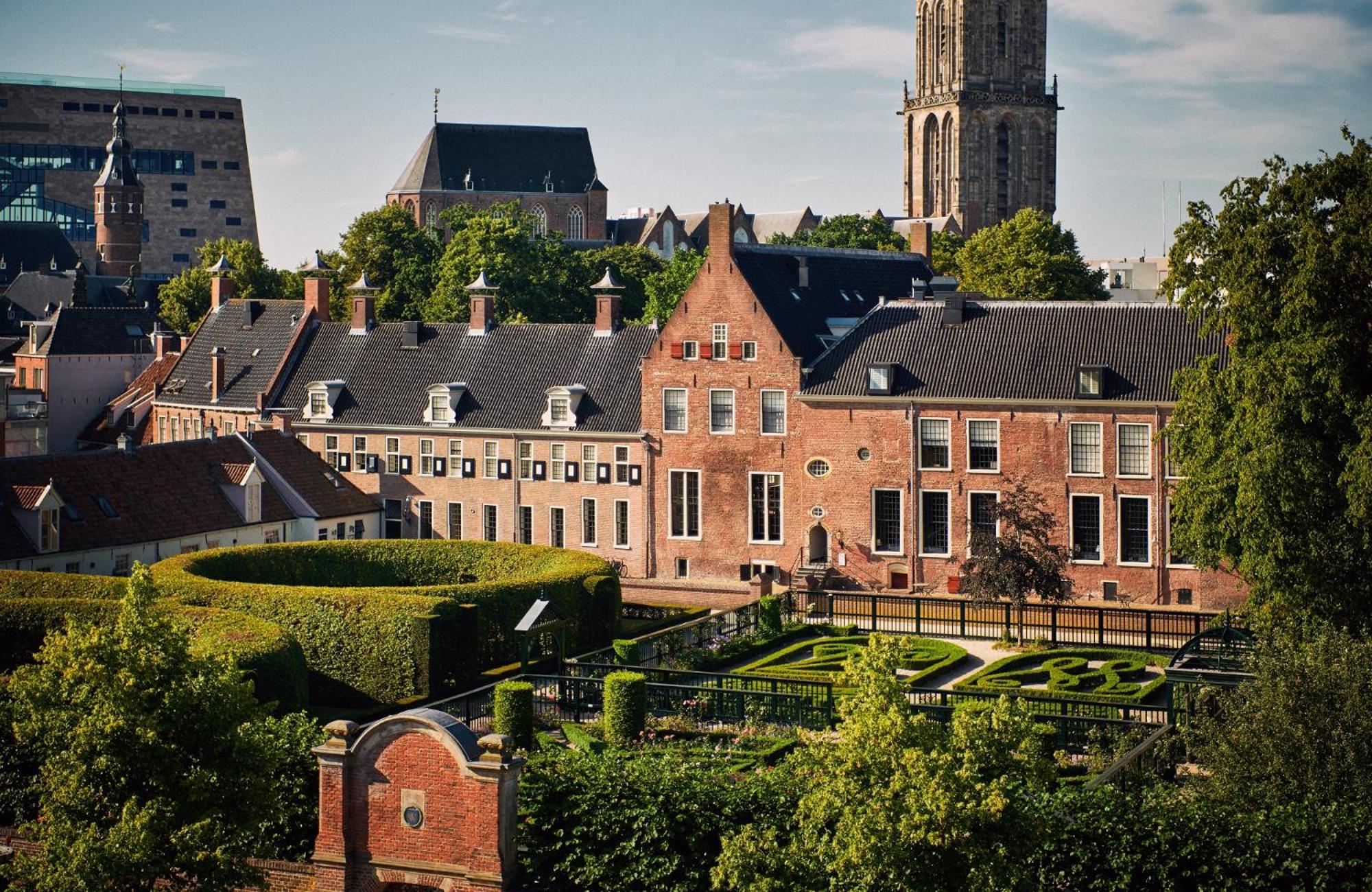
Groningen is a night or two on the way somewhere else, and the city is done by bicycle. The Martinitoren is the tallest building in the city and climbed for the view over flat country in every direction, the Groninger Museum is a postmodern building split across islands in the canal, the Forum on the market square has a free roof terrace at forty-five metres, and the Wadden Sea an hour north is a UNESCO site walked across at low tide with a licensed guide. Most travellers give Groningen 1 night on Stippl.
Groningen is the last Dutch city before Germany and Scandinavia, and its trips say exactly that. The city opens 43.6% of the trips it appears on, of everyone who plans it on Stippl, Germany is on more than half of them, the highest of any Dutch destination, a quarter go on to Denmark, and only 18.8% stay inside the Netherlands, because two hours from Amsterdam keeps it off the Randstad circuit and on the northern one.
Cycle, go up the Forum for free before paying for any other view, book a licensed guide for the mudflats, and come in term time if you want the city at its liveliest. Skip walking onto the Wadden flats without a guide, since the tide comes in across a flat seabed faster than people expect, and skip December, because the city empties and the light goes at four.
Plan Groningen in Stippl
Day-by-day planning, stays and budget in one app, with every place from this guide already on the map.
Download the appWho Groningen is for
Budget travellers
A student city with student prices and a flagship museum for about ten euros, and rooms a fraction of Amsterdam's.
Cyclists
The city rebuilt itself around the bicycle in 1977 and it shows in every street, with the flat Ommeland threaded with paths beyond it.
Off-the-path travellers
Two hours from Amsterdam keeps it off almost every itinerary, and 0.77% of Dutch stops on Stippl is the result.
Travellers heading north
The last Dutch city before Germany and Scandinavia, and 43.6% of the Stippl trips it appears on start here.
Nature travellers
The Wadden Sea is a UNESCO site an hour north, with mudflat walking at low tide and a car-free island by ferry.
Night owls in term time
One of the highest student shares in the country, and the nightlife follows the academic calendar rather than the tourist one.
Maybe not for you: anyone on a short Randstad circuit, since it is two hours from Amsterdam on a line that ends here; and anyone visiting in December, which is the emptiest month in the city's year and the darkest in the country.
The best time to visit Groningen
Spring
April to May
Mild, long and cheap, with the terraces open on the Grote Markt and the students still in town.
Summer
June to August
The season, with long northern evenings, Noorderzon in August and the Wadden coast at its most walkable, and 59.8% of Stippl starts between June and September.
Autumn
September to October
The students return in September, which is when the city is most itself, and the light is still long enough for the Ommeland.
Winter
November to March
Dark, wet and very quiet, with the music showcase in January the one week the off-season is not cheap, and December avoided almost entirely.
- Most travellers give Groningen 1 night on Stippl, and 65.5% of stops are exactly that. One covers the tower, the museum and the roof; two add the Wadden day out.
- July and August share the busiest month on Stippl, and September is the better one. The students are away in summer and back in September, when the terraces and the bars fill again.
- Noorderzon takes over the park in August. A large performing-arts festival in the Noorderplantsoen, with free stages and ticketed shows, and the rooms in the north of the city go with it.
- Eurosonic fills January. The European showcase festival for new music, and the one reason the deepest off-season week is not cheap, so the room that week is booked or the week is avoided.
- 17.3% of Groningen stops on Stippl are planned inside a fortnight. The city is added to a northern route on the way rather than planned around, and the mudflat guide is the one thing that needs booking.
- The Wadden ferries leave from Lauwersoog. About seventy-five minutes north by bus for Schiermonnikoog, the car-free island, so the day out starts early from the station.
Add your Groningen dates and we'll flag the weather
Stippl shows the season, crowds and prices for every stop on your route.
Describe your trip, get a Groningen itinerary in seconds
Everything in this guide is already in Stippl. Tell the planner how long you have and what you like: it builds the route, the days and the travel times, and you edit whatever you want.
Things to do in Groningen


The Martinitoren
The city's tower at nearly ninety-seven metres, the tallest building in Groningen, climbed for the view over flat country in every direction for a few euros.
The Groninger Museum
A postmodern building split across islands in the canal by the station, by Mendini, Starck and Coop Himmelblau, and the best-value major museum in the country.
The Forum
The city's cultural building on the Grote Markt with a library, a cinema, exhibitions and a free roof terrace at forty-five metres, open seven days a week.
The Grote Markt and Vismarkt
The two market squares with a general market several days a week, the tower on one and the Forum on the other.
Cycling into the Ommeland
The province is flat, empty and threaded with paths, and the city is built to leave by bicycle with a route back before the wind turns.
Wadlopen on the Wadden Sea
Walking the seabed at low tide from the coast north of the city, with a licensed guide legally required and the tide as the clock.
The neighbourhoods of Groningen
Binnenstad and Grote Markt
The centre
The Martinitoren, the Forum, the market square and everything around it, compact, flat and effectively car-free, with the bars on the side streets. For first-timers.
Everything on foot and the roof at the door, but student noise on term-time nights.
Museumkwartier
By the canal, south
The Groninger Museum on its islands in the canal by the station, with the hotels and the walk over the bridge into the centre. For art-lovers.
The museum and the station in one place, and five minutes to the square, though little else.
Hortusbuurt and the north
Quiet and residential
Canals, the old botanical garden site and student housing, north of the centre and a few minutes' cycle from the square. For longer stays.
Quiet canals and cheaper rooms, and a bike ride to everything.
Noorderplantsoen
Around the park
The city's park on the line of the old fortifications, with the festival in August, the ponds and the villas around it. For families.
The park and the festival at the door, but a walk to the centre and nothing to eat after dark.
See every Groningen neighbourhood on one map
Save the areas you like and Stippl plots your days so you're not crossing the city twice.
Where to stay in Groningen
The stock is small-scale, boutique hotels and bed and breakfasts rather than chains, and the centre and the museum quarter by the station are the two places to be; the rooms are student-priced outside the January showcase and the August festival. Most travellers give Groningen 1 night on Stippl, and 38.49% of stops are no night at all.
Binnenstad and Grote Markt
Boutique hotels and a hostel around the squares, €60 to €160 a night.
Museumkwartier
€90–160
Station hotels and a design hotel by the museum, €70 to €150 a night.
Hortusbuurt and the north
Bed and breakfasts and apartments on the canals, €50 to €120 a night.
Noorderplantsoen
€80–150
Guesthouses in the villas around the park, €60 to €130 a night.


What to eat in Groningen
A boiled egg wrapped in ragout, crumbed and deep fried, a Groningen invention
A dense sweet steamed cake, eaten warm with butter and syrup
Crumbed deep-fried beef ragout balls with mustard
Salt-marsh lamb and Wadden Sea shellfish
Discover food spots in Stippl
Find restaurants and markets on the map, save them to your itinerary, works offline too.
Groningen customs and what not to do
The bicycle owns the street
The traffic plan of 1977 is the international model, pedestrians are the minority, and the kerb is checked before every step.
A student city, on its calendar
The university dates from 1614 and the student share is among the highest in the country, so July and August are the quiet months here.
The gas is a sore subject
Decades of extraction beneath the province and the earthquakes that followed come up in conversation more than a visitor expects.
A strong regional identity
The city has a complicated relationship with the rest of the country, and the Gronings dialect and the flag are worn with intent.
The mudflats are regulated
Walking the Wadden flats without a licensed guide is an offence under provincial law, and a sensible one.
Do
- Cycle; the city was rebuilt around the bicycle and it is the fastest way to move
- Go up the Forum for free before paying for any other view
- Book a licensed guide for mudflat walking; it is a legal requirement
- Come in term time if you want the city at its liveliest
Don't
- Walk onto the Wadden mudflats without a guide; the tide comes in faster than people expect
- Treat it as a stop on a Randstad circuit; it is two hours from Amsterdam
- Raise the gas question lightly; it is a sore one
What a Groningen trip costs
Budget
€45–70
A hostel or a student-priced room, cycling, market food and the museum.
Mid-range
€70–110
A modest double room shared, a sit-down meal and two sights.
High-end
€150+
A boutique hotel, restaurant dinners and a Wadden day out.
Track what you actually spend
Set a daily budget per country and log expenses in any currency while you travel.
Fun facts about Groningen
The University of Groningen was founded in 1614. And the city has one of the highest student shares in the country, which sets its prices, its opening hours and its calendar.
Groningen rebuilt its traffic circulation around the bicycle in 1977. The plan split the centre into four sectors cars could not cross between, and it is cited internationally as the model.
The Forum's roof terrace in Groningen is free and sits at 45 metres. Open seven days a week, which makes it the only tower in the country nobody pays to climb.
The Groninger Museum is split across islands in the canal. Designed by Alessandro Mendini with Philippe Starck and Coop Himmelblau, each pavilion by a different hand.
The Martinitoren in Groningen is 96.8 metres and its largest bell weighs about 7,800 kilograms. The tallest building in the city, and the view from it is flat country to every horizon.
43.6% of the Stippl trips carrying Groningen start here. Germany is on more than half of them and Denmark on a quarter, because this is the last Dutch city before the north.
Local tips for Groningen
A terminus, not a through line
Everything from the Randstad arrives via Zwolle, the line ends here, and two hours from Amsterdam is the practical fact.
Built for bikes, against cars
The traffic plan of 1977 is cited internationally as the model, and the result is that walking and cycling are simply how the city works.
The ferries go from Lauwersoog
About seventy-five minutes north by bus for Schiermonnikoog, the car-free Wadden island, so the day trip starts early.
Mudflat walking is the hazard
The provincial regulation forbids walking the flats or leading a party without a permit or a recognised guide, because the tide crosses a flat seabed fast.
Pedestrians are the minority
The city is heavily cycled, so the bike lane is looked into before stepping, as everywhere in the country and more so here.
A northern first stop
43.6% of the Stippl trips Groningen appears on start here and 65.5% of overnight stops are a single night, because the route goes on to Germany.
Groningen questions, answered
For a cheap, compact, genuinely lived-in student city with a first-rate museum and the Wadden Sea an hour north, yes. Most travellers give Groningen 1 night on Stippl and 65.5% of stops are exactly that, because it is done on the way somewhere else.
About two hours ten minutes direct, twice an hour, via Zwolle, and the line ends here. Put it into Stippl as the last Dutch night before Germany or Denmark, then ask people who did the same in subreddits like r/Netherlands which ferry or train they took north.
Yes, at low tide from the coast north of the city, and only with a licensed guide, because the provincial regulation makes walking the flats without a permit or a recognised guide an offence. The walks run from a couple of hours to a full crossing to an island.
Yes. The Forum's roof terrace on the Grote Markt is free, open seven days a week and sits forty-five metres up, with the Martinitoren across the square for the paid version a little higher, and the flat country runs to every horizon from both.
May to September, with the caveat that this is a student city, so July and August are the quiet months and September is when it comes alive. 59.8% of Groningen starts on Stippl fall between June and September, and December is avoided almost entirely.
Because the city is the last Dutch stop before the border: 43.6% of the trips carrying Groningen start here, of everyone who plans it on Stippl, Germany is on more than half of them and Denmark on a quarter, and only 18.8% stay inside the Netherlands.
Every guide is written by the Stippl editors and checked against the trips our travellers actually plan. Spotted something out of date? Let us know.

Plan Groningen in Stippl
Day-by-day planning, stays and budget in one app, with every place from this guide already on the map.
Download the app