

Amsterdam
Amsterdam is three rings of canals with the Rijksmuseum, the Van Gogh Museum and the Anne Frank House inside them, a free ferry to Noord and a bike lane that is working traffic rather than a leisure track. Two or three nights, every ticket booked with a time slot, and a canal cruise on the first afternoon to learn the map.
Amsterdam in a nutshell
Amsterdam: what to expect
This is what 57,000+ planned stops in Amsterdam on Stippl say about the city.
Amsterdam is two nights for most and three for the museums, inside a horseshoe of canals you can walk across in forty minutes. The Rijksmuseum's Gallery of Honour holds the Night Watch and the Milkmaid, the Van Gogh Museum hangs the largest collection of his work in the order he painted it, the Anne Frank House is the Secret Annex behind the bookcase and the hardest ticket in the city, and the free IJ ferry crosses to Noord in two minutes. Most travellers give Amsterdam 2 nights on Stippl.
Amsterdam is the whole of the Netherlands for most people who plan it, and the door into Europe for many. 85.64% of the trips it appears on carry no other Dutch stop, of everyone who plans it on Stippl, the city opens 39.1% of those trips, because Schiphol is fifteen minutes from Centraal, and 17.1% of stops run four nights or more, the share that gets past the anchors.
Sleep in the Jordaan or on the canal ring, book the Anne Frank House on the Tuesday morning its tickets are released, take the canal cruise on the first afternoon, and use the trams and the ferry rather than a rented bike unless you already ride in traffic. Skip photographing the windows in De Wallen, since it is disrespectful and a reliable way to have a problem, and skip an apartment, because the short-let rules are tight and the hotel supply is capped.
Plan Amsterdam in Stippl
Day-by-day planning, stays and budget in one app, with every place from this guide already on the map.
Download the appWho Amsterdam is for
First-time Europe travellers
Three world-class museums, a canal ring and a fifteen-minute airport rail link inside three days, and 46.03% of every Dutch stop on Stippl.
Art-lovers
The Rijksmuseum and the Van Gogh Museum are five minutes apart on Museumplein, and the museum card makes a third and fourth nearly free.
Repeat visitors
The second trip is where Noord, Oost and the Jordaan's back streets happen, and 17.1% of Stippl stops here run four nights or more.
Confident cyclists
Riding here is transport rather than a leisure activity, at local speed in rule-bound lanes, and it suits people who already ride in city traffic.
Couples
The canal ring after dark is the reason the city has the reputation it has, and the Nine Streets are the walk.
Families with older children
The city works well with children, but the Anne Frank House sets a minimum age of ten and the Heineken Experience is strictly adults.
Maybe not for you: anyone on a strict budget under about seventy euros a day; anyone wanting to sleep somewhere quiet in the centre, which does not exist on the ring; and travellers who want an apartment, since the short-let rules are tight and enforced.
The best time to visit Amsterdam
Spring
April to May
The flower window and the most crowded, most expensive stretch of the year, with the second half of April the tulip peak and King's Day in the middle of it.
Summer
June to August
Long days, mild rather than hot, with the museums and the Jordaan's café tables both full and 51.2% of Stippl starts in the June to September window.
Autumn
September to October
The value season and the one to pick: the same city with fewer people and lower rates, and the light on the canals at its best.
Winter
November to March
Wet, dark and cheap, with a short expensive spike over Christmas and New Year and November the wettest month.
- Most travellers give Amsterdam 2 nights on Stippl, and 35.5% of stops are a single night. Two covers the anchors and a cruise, three adds the Jordaan and Noord without rushing.
- July is the busiest month on Stippl, and September is the one the guides recommend. The gap between when people come and when the city is at its best is the whole planning trick.
- King's Day falls on 27 April. The whole city becomes a street party and an open-air flea market, the canals fill with boats, and rooms are booked out months ahead.
- Keukenhof runs 18 March to 9 May in 2027. Tickets go on sale in mid-November, the garden is closed outside its window, and it is a bus from Schiphol rather than anything inside Amsterdam.
- Most travellers plan Amsterdam about 89 days ahead on Stippl, and 25.7% more than six months out. The Anne Frank House sells every date six weeks ahead on a Tuesday morning, and the Van Gogh Museum one to two weeks ahead.
- Pride stops the centre for a day. Late July into early August, when the canal parade fills the ring and every hotel in the city is booked, so the weekend is chosen deliberately or avoided.
Add your Amsterdam dates and we'll flag the weather
Stippl shows the season, crowds and prices for every stop on your route.
Describe your trip, get a Amsterdam itinerary in seconds
Everything in this guide is already in Stippl. Tell the planner how long you have and what you like: it builds the route, the days and the travel times, and you edit whatever you want.
Things to do in Amsterdam
 Photo by Dilip Poddar via Unsplash
 Photo by Erin Doering via Unsplash
 Photo by Gautam Krishnan via Unsplash
A canal cruise, early in the trip
An hour to ninety minutes from a glass-topped boat or a small open one, and doing it on the first afternoon orients everything that follows.
The Rijksmuseum's Gallery of Honour
The Night Watch, the Milkmaid, Avercamp's skaters and the three dolls' houses, with ninety minutes a workable focused visit of an eighty-room building.
The Van Gogh Museum
The largest collection of his work anywhere, hung chronologically and walked in the order he painted it, in one to two hours with the bags in lockers.
The Anne Frank House
The Secret Annex behind the hinged bookcase, about an hour with the audio tour, no photography of any kind, a minimum age of ten and the hardest ticket in the city.
Our Lord in the Attic
A canal house from the sixteen-thirties with a complete Catholic church built into its attic, one of the best-preserved clandestine churches in the country.
The free ferry to Noord and the Lookout
A two-minute crossing from behind Centraal to a twentieth-floor deck with a swing over the edge and a restaurant that turns once an hour.
The neighbourhoods of Amsterdam
Jordaan
The most-wanted address
A workers' district turned the city's favourite, with brown cafés, small galleries, the Saturday markets and the least touristy good food, on the western edge of the ring. For repeat visitors.
The best food and the quietest canals, though the rooms are few and priced accordingly.
Centrum and De Wallen
The medieval core
The highest density in the city, with Dam Square, the Royal Palace and everything within a walk of Centraal, and the Red Light District inside it. For first-timers.
Everything on foot from the station, but the noise never stops and the rules in De Wallen are hard.
Grachtengordel
The canal ring
The seventeenth-century horseshoe of postcard streets, the Nine Streets for shopping and quiet water at night, between the core and the Jordaan. For couples.
The canal-house hotel and the night walk, at the highest room rates in the city.
De Pijp
The food quarter
Nineteenth-century, international and food-led, with the Albert Cuyp market, the terraces on Marie Heinekenplein and a walk to Museumplein. For food and nightlife.
The market and the terraces, and a walk to the museums, though a tram to the ring.
Oud Zuid and the Museum Quarter
Grand and quiet
The Rijksmuseum, the Van Gogh Museum and the Concertgebouw on one square, with wide streets, the Vondelpark and the city's most expensive houses. For art-lovers.
The museums at the door and the park, but a dull evening unless the concert hall is the plan.
Oud West
The value side of the park
Vondelpark's other side, with the Foodhallen, De Hallen market and trams into the centre in under ten minutes, and rooms below ring prices. For value.
Cheaper rooms and the food hall, and ten minutes on the tram to everything.
See every Amsterdam neighbourhood on one map
Save the areas you like and Stippl plots your days so you're not crossing the city twice.
Where to stay in Amsterdam
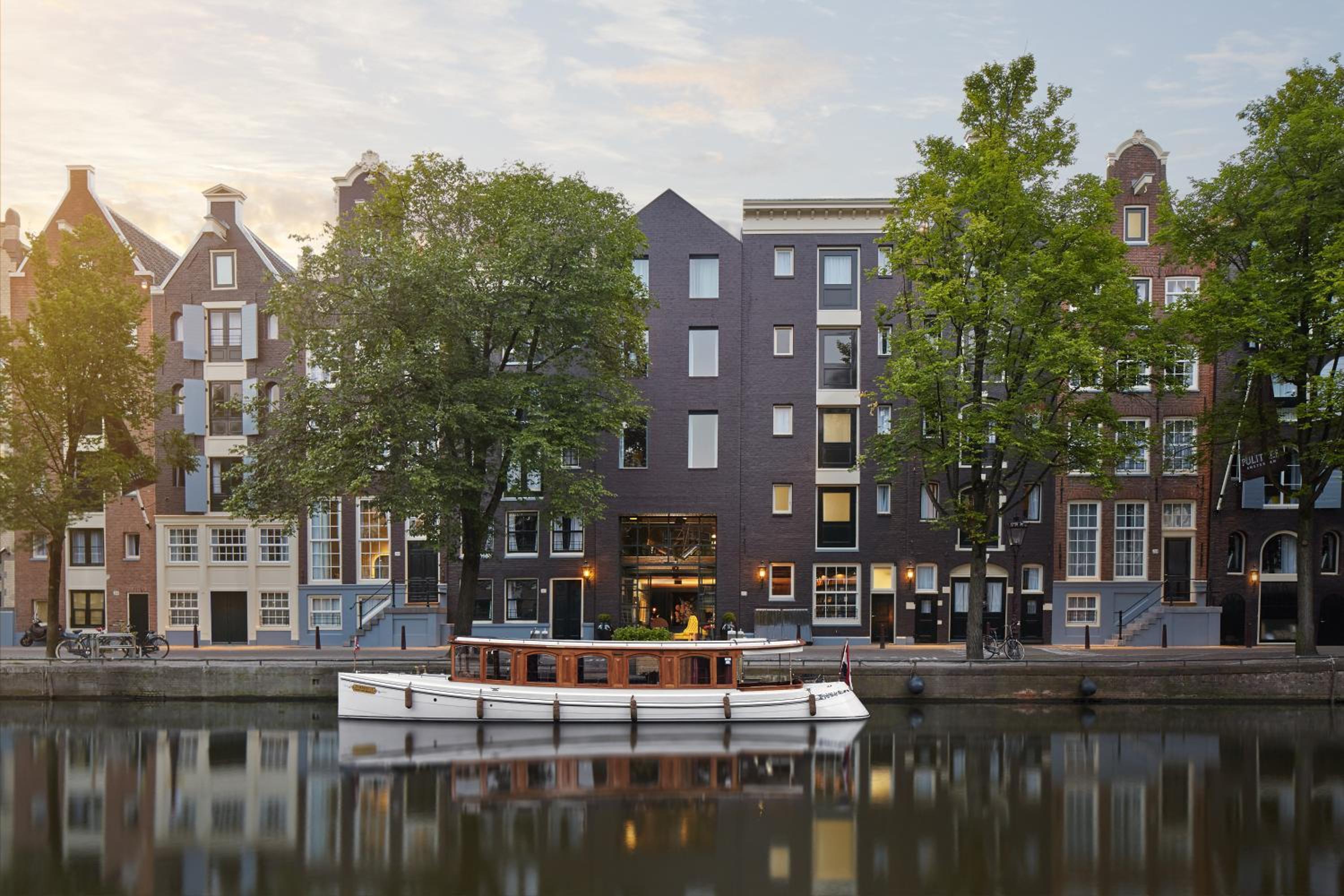
The city has banned new hotels outright and capped overnight stays, so the neighbourhood is chosen before the hotel: the Jordaan and the ring for the postcard, Oud West and De Pijp for the same city at a lower rate. Most travellers give Amsterdam 2 nights on Stippl, and the tourist tax is added at checkout rather than shown in the quote.
Jordaan
€170–320
Small canal-house hotels and guesthouses on the quiet canals, €150 to €350 a night.
Centrum and De Wallen
Hostels, chains and old hotels within a walk of Centraal, €40 to €250 a night.
Grachtengordel
€180–350
Canal-house hotels and boutique rooms on the ring, €180 to €450 a night.
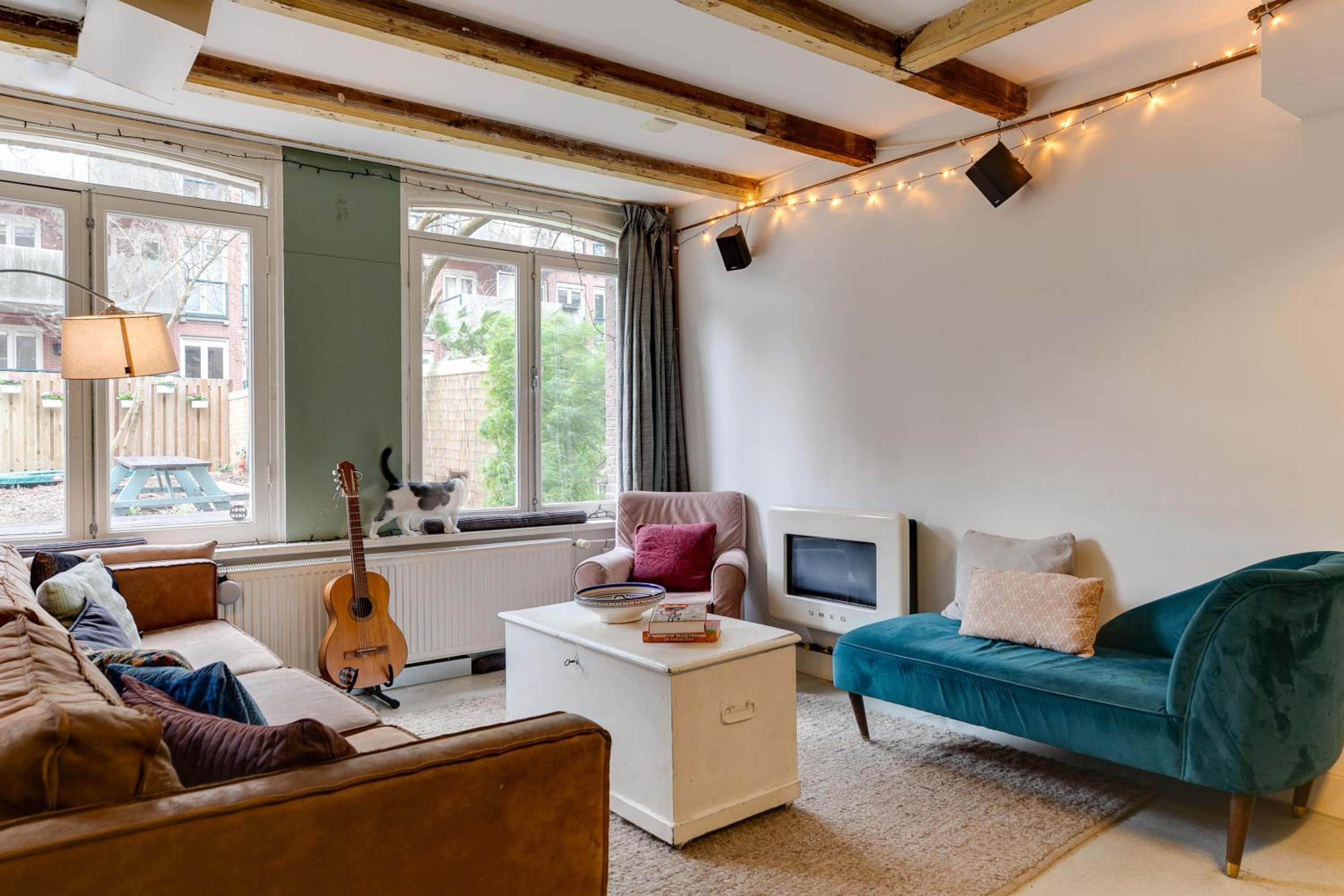
De Pijp
€130–240
Boutique hotels and apartments near the market, €120 to €260 a night.
Oud Zuid and the Museum Quarter
Grand hotels and design hotels by the museums, €200 to €500 a night.
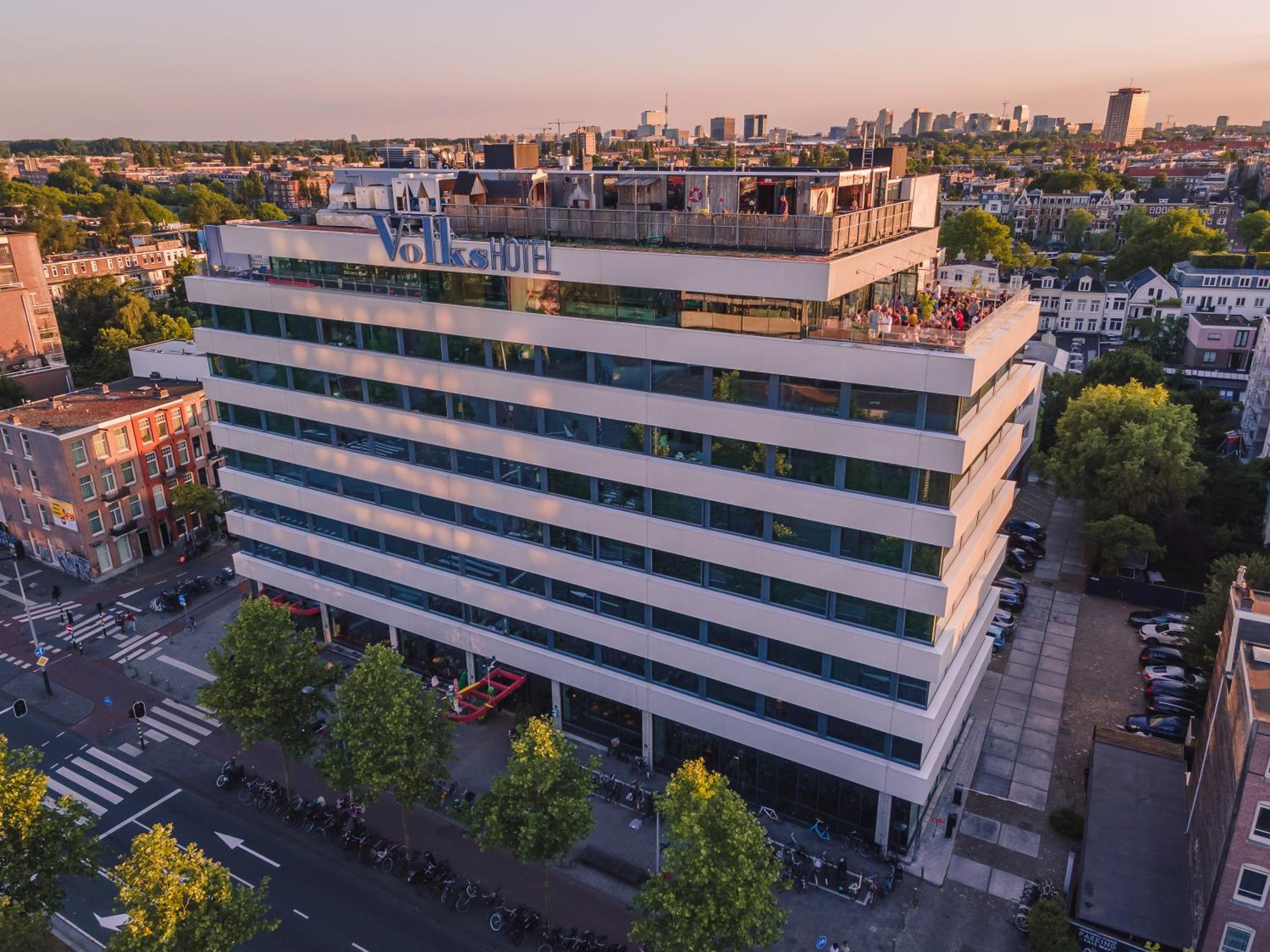
Oud West
€120–220
Design hostels and mid-range hotels by the park, €35 to €180 a night.


What to eat in Amsterdam
Raw cured herring with onion and pickle, eaten from a street stall
Two thin waffles with a caramel syrup layer, pressed to order
Small yeasted pancakes with butter and icing sugar
Crumbed, deep-fried beef ragout balls, eaten with mustard over a beer
An Indonesian rice table of fifteen to twenty-five small dishes
Tall, cinnamon-heavy, served with unsweetened whipped cream
Discover food spots in Stippl
Find restaurants and markets on the map, save them to your itinerary, works offline too.
Amsterdam customs and what not to do
Look before you step
Bike lanes and tram tracks are working infrastructure and the most likely way a visitor gets hurt here, so the map is read on the pavement.
Coffeeshop is not koffiehuis
One sells cannabis and the other sells coffee, and the confusion happens constantly; street smoking draws fines in the no-smoking zones of De Wallen.
Never photograph the windows
No photographs of the windows or the workers in De Wallen and no staring, because it is disrespectful and a reliable way to have a problem.
Every anchor has a time slot
The three big museums and increasingly everything else are booked with a slot, and none of the three sells tickets at the door.
Tap water is the drink
It is excellent, and buying bottled water is quietly frowned on in a city that has spent forty years on its canals.
Zaanse Schans is a village
The windmills twenty minutes north are a working residential village rather than an open-air museum set, and people live in the houses.
Do
- Look before you step; bike lanes and tram tracks are working infrastructure
- Drink the tap water; it is excellent and bottled water is frowned on
- Book everything with a time slot, starting with the three anchors
- Learn the difference between a coffeeshop and a koffiehuis before ordering
Don't
- Photograph the windows or the workers in De Wallen, or stare
- Buy drugs on the street; it is illegal and the content is unverifiable
- Smoke cannabis outdoors in De Wallen; the no-smoking zones are enforced
- Treat Zaanse Schans as a museum set; it is a working village
What an Amsterdam trip costs
Budget
€70–100
A hostel dorm, a tram day ticket, supermarket and street food and one museum.
Mid-range
€120–180
A modest double room shared, a sit-down meal a day and two paid attractions.
High-end
€250+
A canal-ring or Jordaan hotel, restaurant dinners and a private canal boat.
Track what you actually spend
Set a daily budget per country and log expenses in any currency while you travel.
Fun facts about Amsterdam
Amsterdam has more bicycles than people, over a million for about 900,000 residents. Which is why the bike lane is traffic and the warning about stepping into it is the most repeated in the city.
The canal houses are narrow because 17th-century property tax was levied on facade width. So owners built tall and deep instead, and the hoisting hooks on the gables are for getting furniture up.
Schiphol sits 4.5 metres below sea level. One of the lowest commercial airports in the world, on the bed of a lake that was drained in the eighteen-fifties.
Our Lord in the Attic is a church built inside a canal-house attic in 1663. It seats about 150 and is one of the best-preserved clandestine churches in the country.
The Begijnhof holds the oldest wooden house in Amsterdam, from 1425. In a courtyard that is still lived in, with parts of it reserved for women.
85.64% of the trips carrying Amsterdam on Stippl carry no other Dutch stop. The city is the whole country for most of the people who plan it.
Local tips for Amsterdam
Walk, tram and the ferry
Walking plus trams covers almost everything, the metro matters for Oost and Noord, and the free Noord ferry beats the metro anyway.
Cycling is traffic here
Locals move fast, the lanes are rule-bound, and it suits riders already comfortable in city traffic; for everyone else the trams are not a compromise.
Never read a map in a lane
Stepping into a bike lane or onto tram tracks without looking is the single most repeated warning about the city, and a map is read on the pavement.
Driving is impractical
Legal, but traffic restrictions, expensive parking and a centre built for bicycles make the park-and-ride at the edge the only sane version.
The canal is the night hazard
Falling in is a real and recurring way a night ends badly, particularly after drinking, and the quays have no railings.
Two nights, and the door
39.1% of the Stippl trips Amsterdam appears on start here and 35.5% of stops are a single night, because Schiphol is fifteen minutes away.
Amsterdam questions, answered
Three covers the anchors, the Jordaan and a canal cruise without rushing, and two is what most people give it: most travellers give Amsterdam 2 nights on Stippl, and 17.1% of stops run four or more, the share that gets to Noord and the back streets.
September into early October, when the city is the same and the crowds and the rates are not. July is the busiest month on Stippl, April and May buy the tulips at the highest prices, and winter is the cheapest and darkest.
Online only, never at the door: every Tuesday morning all tickets for a date six weeks later go on sale, and peak dates sell out within the hour. Put the release date into Stippl as a reminder, then ask people in subreddits like r/Amsterdam how fast their date went.
Only if you leave the city. Capped at five visits with the purchase museum counting as the first, it is close to a wash on the three anchors and pays off on a trip that adds Utrecht, Rotterdam or The Hague, where it covers the main museums too.
Yes, they are five minutes apart on Museumplein, but the two together are four hours of looking and most people split them across two mornings. Both are timed-entry and booked one to two weeks ahead in season, with lockers for large bags.
Amsterdam for a first visit and for the canals, the museums and the historic centre; Rotterdam for modern architecture, lower prices and fewer visitors, forty minutes away. 85.64% of Amsterdam trips on Stippl carry no other Dutch stop, so most people never make the choice.
Every guide is written by the Stippl editors and checked against the trips our travellers actually plan. Spotted something out of date? Let us know.

Plan Amsterdam in Stippl
Day-by-day planning, stays and budget in one app, with every place from this guide already on the map.
Download the app