

Maastricht
Maastricht is the oldest city in the Netherlands and the one that does not feel Dutch: Roman foundations, a Catholic south, Limburgish in the street and Liège closer than Utrecht. Two nights, a guided tour into the caves under the hill, a long terrace lunch on the Vrijthof, and a room booked months out if the visit falls in carnival, TEFAF or the July concerts.
Maastricht in a nutshell
Maastricht: what to expect
Our travellers have planned 124,000+ stops in the Netherlands on Stippl. That is where the numbers here come from.
Two nights is right for Maastricht, and the city is walked rather than ridden. The Sint-Pietersberg caves are a marl quarry worked since Roman times with tens of kilometres of tunnels under the hill, entered on guided tours only, Boekhandel Dominicanen is a bookshop inside a Gothic church, the Vrijthof is the main square with two great churches and terraces the length of it, and the Sint-Servaasbasiliek is the oldest church in the country. Most travellers give Maastricht 1 night on Stippl.
Maastricht is the Dutch city that belongs to three countries, and the one that opens and closes trips. Germany is on nearly half of the trips it appears on and Belgium on more than four in ten, of everyone who plans it on Stippl, the highest of any Dutch destination, 40.81% of those trips carry no other Dutch stop, because Liège and Aachen are closer than Amsterdam, and August is the busiest month, the one Dutch city where August outdraws July.
Book the cave tour rather than turning up, take a layer down because the tunnels sit at ten degrees whatever the month, sit down for the long lunch, and learn that this is Limburg first. Skip going into the caves alone or off a route, since people have been lost in them, and skip the city in carnival unless carnival is the reason, because for three days it does nothing else.
Plan Maastricht in Stippl
Day-by-day planning, stays and budget in one app, with every place from this guide already on the map.
Download the appWho Maastricht is for
Food travellers
The city calls itself Burgundian and the regional kitchen is genuinely distinct from Dutch national food, with zuurvlees and vlaai the two to order.
History-buffs
The oldest city in the country, the oldest church, the oldest city gate and Roman foundations under all of it, walked in a morning.
Three-country trippers
Liège is thirty minutes and Aachen just over an hour, and 40.81% of Stippl trips carrying Maastricht carry no other Dutch stop.
Couples
A compact old centre, terraces on the Vrijthof and no crowds outside TEFAF week and the July concerts.
Art buyers in March
TEFAF is one of the world's major art fairs, with over two hundred and sixty dealers filling the hotels across three countries for a week.
Walkers
The hills south of the city are the only real relief in the Netherlands, and the climb to the fort and the caves starts from the old town.
Maybe not for you: a day trip from Amsterdam, at two and a half hours each way; and anyone who does not want carnival, which takes the city over completely for three days in February or early March.
The best time to visit Maastricht
Carnival
February or early March
The biggest single event in the city's year and the whole of Limburg observes it, three days when the city does nothing else.
Spring
April to May
The hills come into leaf and the terraces open, with TEFAF sitting in March just before it and the prices with it.
Summer
June to August
The season, and the one Dutch city where August outdraws July, with 52.1% of Stippl starts between June and September and the Rieu concerts moving the July prices.
Autumn
September to October
The value months, and the only real autumn colour in the country, on the hills south of the city.
Winter
November to March
Wet, with the Vrijthof Christmas market in December as the exception and the caves at the same ten degrees as in July.
- Most travellers give Maastricht 1 night on Stippl, and 63.3% of stops are exactly that. Two is the right length, with the caves and the fort on one day and the old town and the long lunch on the other.
- August is the busiest month on Stippl, the one Dutch city where it outdraws July. The Rieu concerts fill July's beds at a premium, and August gets the same city at the normal rate.
- Carnival takes the city for three days. February or early March, and Limburg and Brabant observe it while the Randstad largely does not, so a room in the centre that week is either the point or a mistake.
- TEFAF runs 13 to 18 March 2027. With invitation-only previews on the two days before, over two hundred and sixty dealers, and hotels full across the region and into Belgium and Germany.
- Most travellers plan Maastricht about 47 days ahead on Stippl, and 23.4% inside a fortnight. The shortest lead of the Dutch cities, and the one where it hurts most in TEFAF week and July.
- The cave tour is capped and sells out. Access is guided only, a regular group is capped at fourteen people, and a summer slot goes, so the tour is booked before the train rather than after.
Add your Maastricht dates and we'll flag the weather
Stippl shows the season, crowds and prices for every stop on your route.
Describe your trip, get a Maastricht itinerary in seconds
Everything in this guide is already in Stippl. Tell the planner how long you have and what you like: it builds the route, the days and the travel times, and you edit whatever you want.
Things to do in Maastricht


The Sint-Pietersberg caves
A marl quarry worked since Roman times leaving tens of kilometres of tunnels under the hill, with two separate systems open on guided tours of about seventy minutes each.
Fort Sint Pieter
An eighteenth-century fort on the hill above the caves, with its own hour-long tour from the same operator and sold separately from the caves.
Boekhandel Dominicanen
A bookshop inside a thirteenth-century Gothic Dominican church, routinely called one of the most beautiful bookshops in the world, and free to walk into.
The Vrijthof
The city's main square with the Sint-Servaasbasiliek and the Sint-Janskerk side by side and terraces the length of it, where the long lunch happens.
The Sint-Servaasbasiliek
The oldest church in the Netherlands, with a treasury holding the relics of the saint who gave it its name.
The Bonnefanten
The city's art museum in an Aldo Rossi building with a rocket-shaped dome on the east bank, reached over the Sint-Servaasbrug.
The neighbourhoods of Maastricht
Binnenstad and Vrijthof
The old town core
The Vrijthof square, the two great churches, the terraces and the shopping streets between them and the river, all within ten minutes on foot. For first-timers.
Everything on foot and the terraces at the door, but the highest rates and the noise of the square.
Wyck
The east bank
Independent shops on Rechtstraat, the station a few minutes away and the walk over the Sint-Servaasbrug into the old town. For couples.
The station and the best small shops, and a bridge walk to the square, though quieter at night.
Jekerkwartier
The walls and the stream
The student quarter along the medieval walls and the Jeker stream, with small bars, the Helpoort gate and no crowds. For repeat visitors.
The walls and the small bars with nobody on them, but student noise on term-time nights.
Sphinxkwartier
The former ceramics works
Reused industrial buildings with a cinema, food and the Dominicanen bookshop nearby, north of the old town. For design travellers.
The reused factories and the food, and a short walk to the bookshop, though little else after dark.
Sint-Pietersberg
The hill south
The caves, the fort and the walk up out of the city, with the only real hills in the Netherlands and the views over the Meuse. For families.
The caves and the walk, but a climb from town and nowhere much to sleep.
See every Maastricht neighbourhood on one map
Save the areas you like and Stippl plots your days so you're not crossing the city twice.
Where to stay in Maastricht
Two price spikes dominate the year, TEFAF in March and the Rieu concerts in July, and both fill hotels across the region and into Belgium and Germany, so those weeks are booked months out; the rest of the year the old town and Wyck take a walk-in. Most travellers give Maastricht 1 night on Stippl, and two is the length the city rewards.
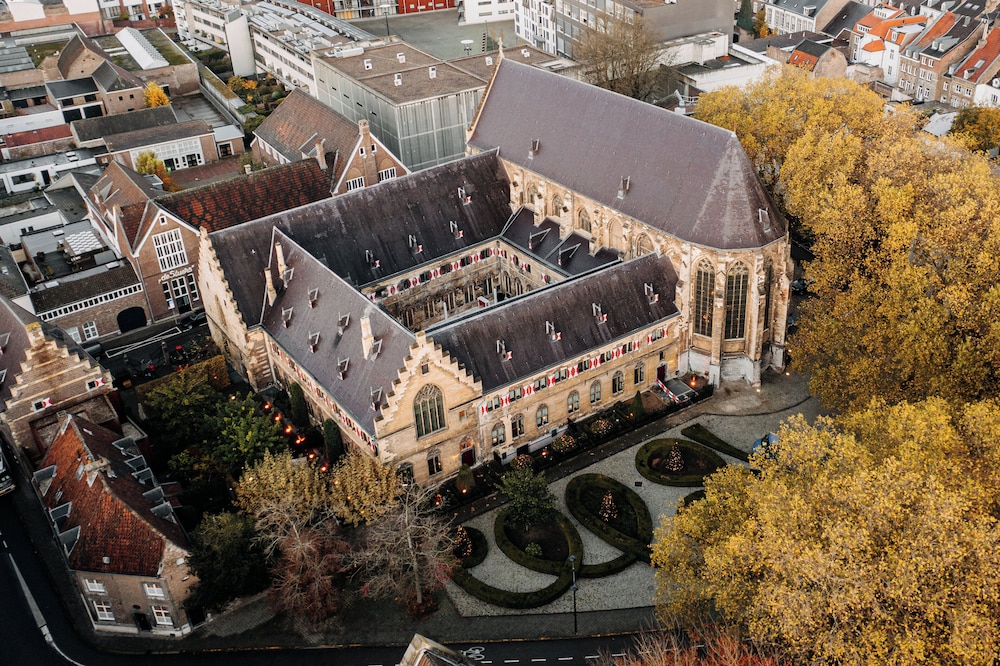
Binnenstad and Vrijthof
Boutique hotels and a grand one on the square, €100 to €280 a night.
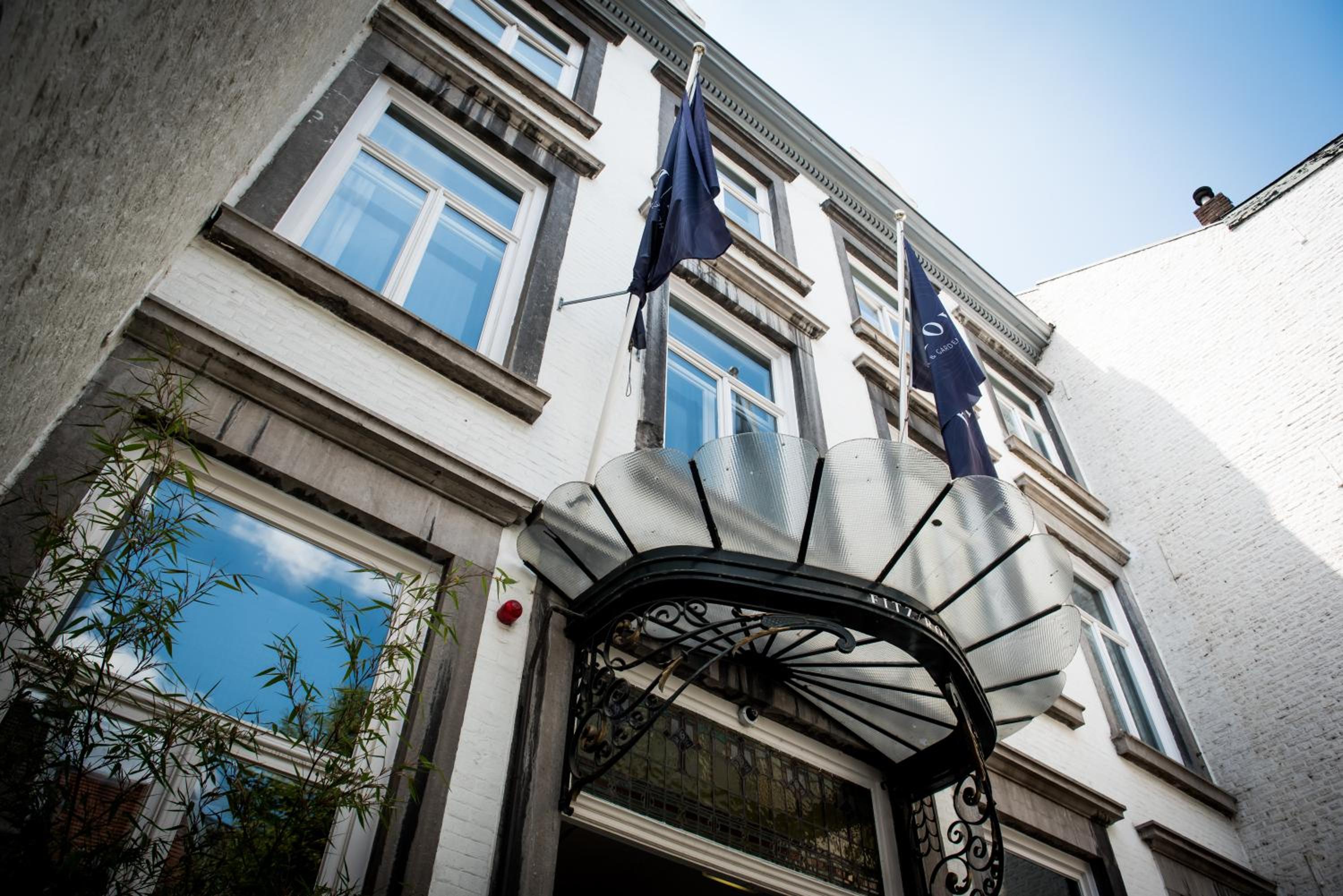
Wyck
€110–190
Design hotels and guesthouses by the station and the river, €80 to €200 a night.
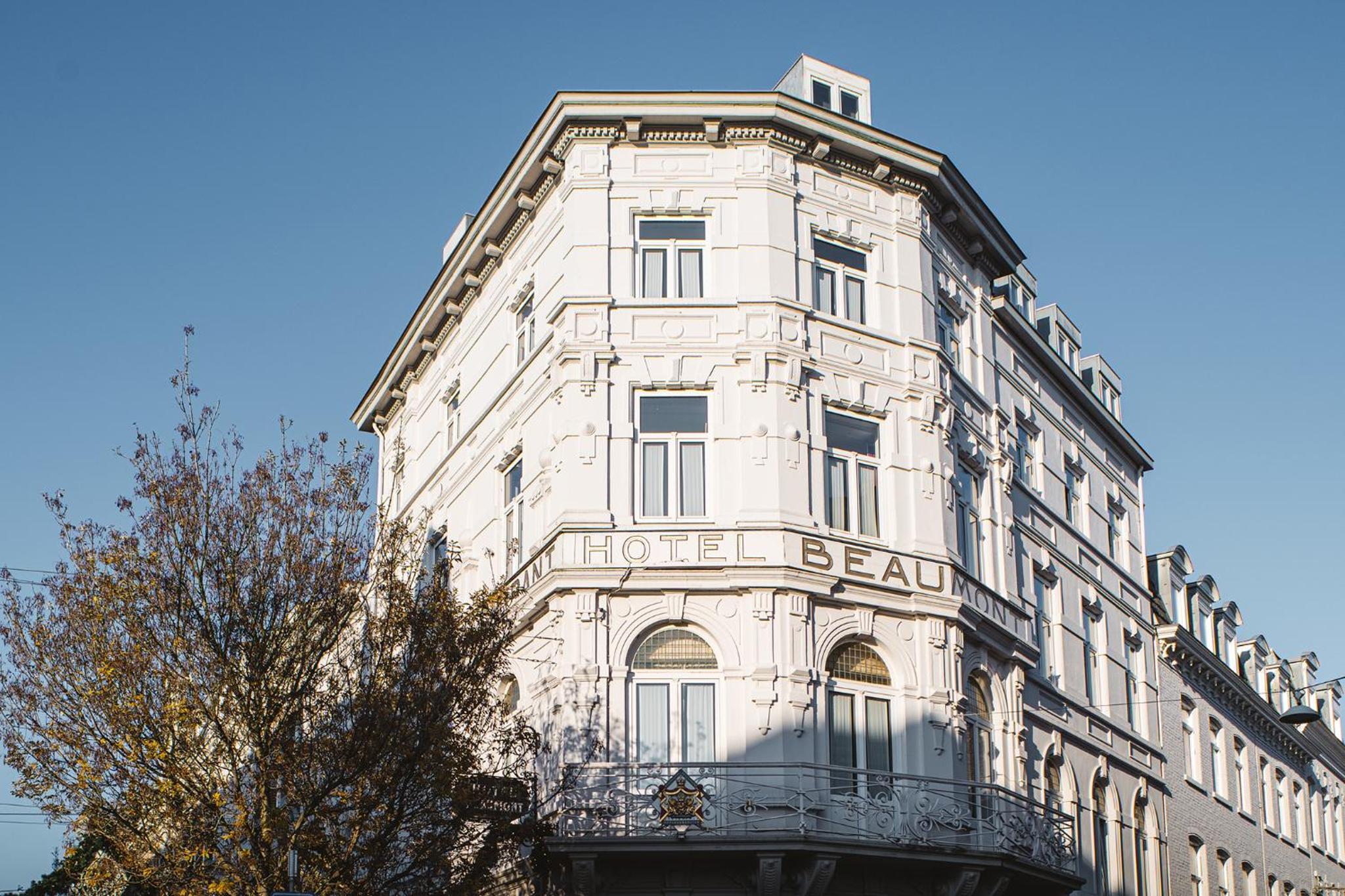
Jekerkwartier
€100–180
Small hotels and rooms along the walls, €70 to €160 a night.
Sphinxkwartier
€100–180
A converted-factory hotel and a hostel, €30 to €150 a night.
Sint-Pietersberg
€90–160
A country hotel or two on the hill, €90 to €180 a night.


What to eat in Maastricht
Beef braised long and slow in vinegar and gingerbread, sweet-sour
A wide flat open fruit tart, sold by the slice or the whole
Crumbed deep-fried beef ragout balls with mustard
A pungent Limburg soft cheese
Discover food spots in Stippl
Find restaurants and markets on the map, save them to your itinerary, works offline too.
Maastricht customs and what not to do
This is Limburg first
The dialect, the Catholicism and the carnival are not Randstad culture, and people here are quick to say so.
Limburgish is spoken
A recognised regional language and genuinely used in the street, which surprises Dutch visitors as much as foreign ones.
The long lunch is the practice
Sitting down for it is the local habit rather than a tourist affectation, and the terraces on the Vrijthof are built for it.
Carnival is total
For three days the city does nothing else, and a visitor who has not come for it is in the way.
Liège is closer than Utrecht
The nearest foreign cities are closer than the Dutch ones, and the city's prices and distances are not Amsterdam's.
Do
- Take a layer into the caves; they sit at about ten degrees whatever the month
- Book a cave tour rather than turning up; access is guided and groups are capped
- Sit down for lunch; the long terrace lunch is the local practice
- Learn that this is Limburg first
Don't
- Go into the caves alone or off a route; people have become lost in them
- Plan around carnival unless you want carnival
- Assume Amsterdam prices or Amsterdam distances; Liège is closer than Utrecht
What a Maastricht trip costs
Budget
€55–85
A hostel or a bed and breakfast, walking, market food and the caves.
Mid-range
€85–135
A modest double room shared, a proper lunch, one museum and a cave tour.
High-end
€180+
A centre hotel and the restaurant scene the city is known for.
Track what you actually spend
Set a daily budget per country and log expenses in any currency while you travel.
Fun facts about Maastricht
Maastricht is the oldest city in the Netherlands, on Roman foundations. The Romans bridged the Meuse here, and the name comes from their crossing.
The Maastricht Treaty was signed here in 1992 and gave the euro its name. In the provincial government building on the river, which can still be visited.
Boekhandel Dominicanen is a bookshop inside a 13th-century Gothic church. In the building since 2007, and routinely called one of the most beautiful bookshops in the world.
The Helpoort of 1229 is the oldest surviving city gate in the Netherlands. Still standing at the edge of the Jekerkwartier, with the medieval walls running off it.
The Sint-Pietersberg tunnels under Maastricht run for tens of kilometres. Cut by hand for marl since Roman times, and people have been lost in them for days.
40.81% of the trips carrying Maastricht on Stippl carry no other Dutch stop. The highest share outside Amsterdam, because Liège and Aachen are the neighbours rather than Utrecht.
Local tips for Maastricht
The neighbours are foreign
This is the one Dutch city where the nearest foreign cities are closer than the Dutch ones: Liège in half an hour, Aachen in just over one, Amsterdam in two and a half.
Walk from the station
The centre is entirely walkable and the station is a ten-minute walk from the Vrijthof, across the bridge from Wyck.
Nobody flies in
Maastricht Aachen Airport is small and mostly cargo and charter, and almost every visitor arrives by train from Amsterdam, Liège or Aachen.
The caves are the hazard
Tens of kilometres of repeating galleries with no natural light, which is why access is guided and going off a route is the one real danger here.
Ten degrees underground
The caves hold the same temperature year round and people underdress for them in summer, so the layer goes in the bag before the tour.
One night, decided late
63.3% of Stippl stops here are a single night and 23.4% are planned inside a fortnight, which hurts in TEFAF week and July.
Maastricht questions, answered
It is the oldest city in the country and the least Dutch-feeling one, with the best regional food identity outside the Randstad, so yes. Two nights is the right length, though most travellers give Maastricht 1 night on Stippl and 63.3% of stops are exactly that.
About two and a half hours direct, which is the less useful fact: Liège is thirty minutes and Aachen just over an hour. Put it into Stippl as the last Dutch night before Belgium or Germany, then ask people who did the same in subreddits like r/Netherlands which border they crossed next.
Yes, on guided tours only, with two separate systems open and booked separately, each about seventy minutes, and a regular group capped at fourteen people. The tunnels sit at about ten degrees whatever the month and run for tens of kilometres, which is why nobody goes in alone.
For a week in the middle of March, with previews on the two days before, when over two hundred and sixty dealers from some twenty countries fill the hotels across the region and into Belgium and Germany. The rooms go months ahead, and the rest of the year the city takes a walk-in.
Zuurvlees, beef braised long and slow in vinegar and gingerbread until it is sweet-sour, and Limburgse vlaai, the wide flat fruit tart sold by the slice, both regional rather than national. August is the busiest month on Stippl, when the terraces on the Vrijthof are at their fullest.
Not really. Two and a half hours each way leaves too little of the day and the city rewards an overnight, which is what most people give it: 40.81% of the trips carrying Maastricht carry no other Dutch stop, of everyone who plans it on Stippl, because they came from Belgium or Germany.
Every guide is written by the Stippl editors and checked against the trips our travellers actually plan. Spotted something out of date? Let us know.

Plan Maastricht in Stippl
Day-by-day planning, stays and budget in one app, with every place from this guide already on the map.
Download the app