

Kuala Lumpur
Kuala Lumpur is Malaysia's capital and front door, four cuisines at hawker prices under the tallest twin towers in the world, with a Hindu cave shrine on the commuter line and a rainforest canopy walk inside the city. Two or three nights, a transit card in the first hour, Jalan Alor after dark, and the air-quality index checked between June and October.
Kuala Lumpur in a nutshell
Kuala Lumpur: what to expect
This is what 51,000+ planned stops in Kuala Lumpur on Stippl say about the city.
Two nights in Kuala Lumpur is the norm and three is the consensus, and the food is why people stay the third. The Petronas skybridge on the forty-first floor and the deck on the eighty-sixth are the one ticket worth the money, Batu Caves is two hundred and seventy-two rainbow steps to a Hindu shrine forty-five minutes north on the commuter line, Jalan Alor after dark is the most concentrated version of what the city is for, and the Forest Eco Park is a canopy walk through rainforest inside the centre. Most travellers give Kuala Lumpur 2 nights on Stippl.
Kuala Lumpur is where Malaysia begins for most people, and most of them walk straight through it. The city holds 31.50% of every Malaysian stop planned on Stippl, two and a half times the second destination, it opens 19.48% of the trips it appears on and closes nearly as many, because the airport rail makes a fifty-kilometre airport workable, and 27.74% of stops run exactly three nights, the share that follows the guides rather than the flight times.
Buy a transit card on arrival, sleep in Bukit Bintang for the food or Chinatown for the cheapest beds, climb Batu Caves at eight before the heat, and eat where the queue is Malaysian. Skip renting a car for the city, since Grab and the rail are cheaper and faster, and skip planning it as a one-night layover if the itinerary allows, because the sights are spread across the city.
Plan Kuala Lumpur in Stippl
Day-by-day planning, stays and budget in one app, with every place from this guide already on the map.
Download the appWho Kuala Lumpur is for
Foodies above all
Four cuisines at hawker prices, and the reason people stay longer than planned, from Jalan Alor to the banana-leaf houses of Brickfields.
First-timers in Southeast Asia
Cheap, safe, English widely spoken and the best-connected air hub in the region, which is why the city holds 31.50% of Malaysian stops on Stippl.
Budget travellers
Among the cheapest capital cities in Southeast Asia, with a rail network that actually reaches the sights and a hawker meal for a couple of euros.
Stopover travellers
The airport express makes a layover genuinely usable, which is rare for a capital fifty kilometres from its runway.
City walkers
Colonial shophouses, a Malay village of timber houses and four hundred and fifty-two metres of steel within three kilometres of each other.
Digital nomads
Fast, cheap internet, a remote-work visa and Bangsar built for brunch and laptops, and the city that opens 19.48% of the Stippl trips it appears on.
Maybe not for you: anyone who came for nature or quiet, since the city is hot, humid, traffic-heavy and built around malls, and the rainforest and the islands are elsewhere in the country; this is the city you pass through to reach them.
The best time to visit Kuala Lumpur
The drier window
June to August
The least rain of the year, and the trade-off is air quality, because the burning season across the strait starts in the same months.
The clear window
December to February
Wetter on paper but the air is clean, and February is the pick: the second-driest month and before the fires.
The wet peak
October to November
The two months to avoid on rain alone, with afternoon storms most days and the streets flooding for an hour.
The haze season
June to October
Worst in August and September, driven by fires in Indonesia rather than Malaysian weather, so it varies enormously year to year.
- Most travellers give Kuala Lumpur 2 nights on Stippl, and 27.74% of stops run exactly three. Two covers the towers and the caves; three adds the food properly and a canopy walk.
- February is the best single month. The second-driest of the year and before the burning season, while June and July are drier still but the haze is starting.
- The haze is the real seasonal risk. Smoke from Sumatra and Kalimantan crosses into the peninsula most years between June and October, and the air-pollutant index above a hundred is unhealthy.
- Thaipusam overwhelms Batu Caves. Late January or early February, when devotees carrying kavadi fill the steps and the site for two days, so the caves are visited the week after unless the festival is the point.
- Ramadan brings a night market to Masjid India. The streets around it fill with bazaar stalls at dusk for the month, and the daytime restaurants close in the Malay districts.
- Only 3.82% of Kuala Lumpur stops on Stippl are no night at all. The airport express makes the layover usable, and even the stopover travellers give the city a bed.
Add your Kuala Lumpur dates and we'll flag the weather
Stippl shows the season, crowds and prices for every stop on your route.
Describe your trip, get a Kuala Lumpur itinerary in seconds
Everything in this guide is already in Stippl. Tell the planner how long you have and what you like: it builds the route, the days and the travel times, and you edit whatever you want.
Things to do in Kuala Lumpur

The Petronas skybridge and deck
The forty-first-floor bridge between the towers and the eighty-sixth-floor deck above it, the one ticket in the city worth the money, booked by time slot.
The rainbow steps at Batu Caves
A Hindu shrine in a limestone cave forty-five minutes north, free, with a gold Murugan statue at the foot and monkeys that go through an open bag.
Jalan Alor after dark
The night food street under Bukit Bintang, and the most concentrated version of what Kuala Lumpur is for, with the queue the guide to the stall.
The Chinatown temple walk
Sin Sze Si Ya, the city's oldest Chinese temple, and Sri Mahamariamman, among the oldest Hindu temples in the country, both free and two minutes apart.
The Forest Eco Park canopy walk
Hanging bridges through rainforest inside the city centre, which almost no capital can offer, below the communications tower.
Merdeka Square
The colonial core with the Sultan Abdul Samad building, the flagpole and the cricket pitch where independence was declared.
The neighbourhoods of Kuala Lumpur
Bukit Bintang
The food and nightlife belt
The shopping malls of Pavilion and Lot 10 with the Jalan Alor hawker alley underneath and the rooftop bars above, loud and rarely closed. For foodies.
Jalan Alor's hawker alley on the doorstep, but the noise never stops.
KLCC
The modern centre
The towers, the Suria mall, the seventeen-acre park with its fountain and the five-star hotels along Jalan Ampang, polished and expensive. For first-timers.
The Petronas Towers and the park at the door, though the priciest beds in the city.
Chinatown
The heritage core
Covered market stalls and clan houses along Jalan Petaling, the Sri Mahamariamman temple at one end and the mural alley of Kwai Chai Hong off it. For heritage and budgets.
The temples, the murals and the cheapest beds, but crowded stalls and a grubby edge.
Bangsar
The leafy brunch quarter
Low-rise and where the city goes for brunch and coffee, with independent restaurants and wine bars around Jalan Telawi rather than malls. For quiet and coffee.
The best independent restaurants and quiet streets, and a Grab to the sights.
Masjid India and Kampung Baru
The Malay village under the towers
The South Asian commercial strip and beside it the best-preserved Malay village in the city, timber houses gazetted in 1899 directly under the skyline. For food and the contrast.
Timber houses and the Ramadan bazaar, though nothing much to sleep in.
Brickfields
Little India
Banana-leaf restaurants, saree shops and a Hindu temple, a gurdwara and a Buddhist vihara within a few blocks, next to the main station. For eating and transit.
Banana-leaf rice and every train line at KL Sentral, but a traffic-choked few blocks.
See every Kuala Lumpur neighbourhood on one map
Save the areas you like and Stippl plots your days so you're not crossing the city twice.
Where to stay in Kuala Lumpur
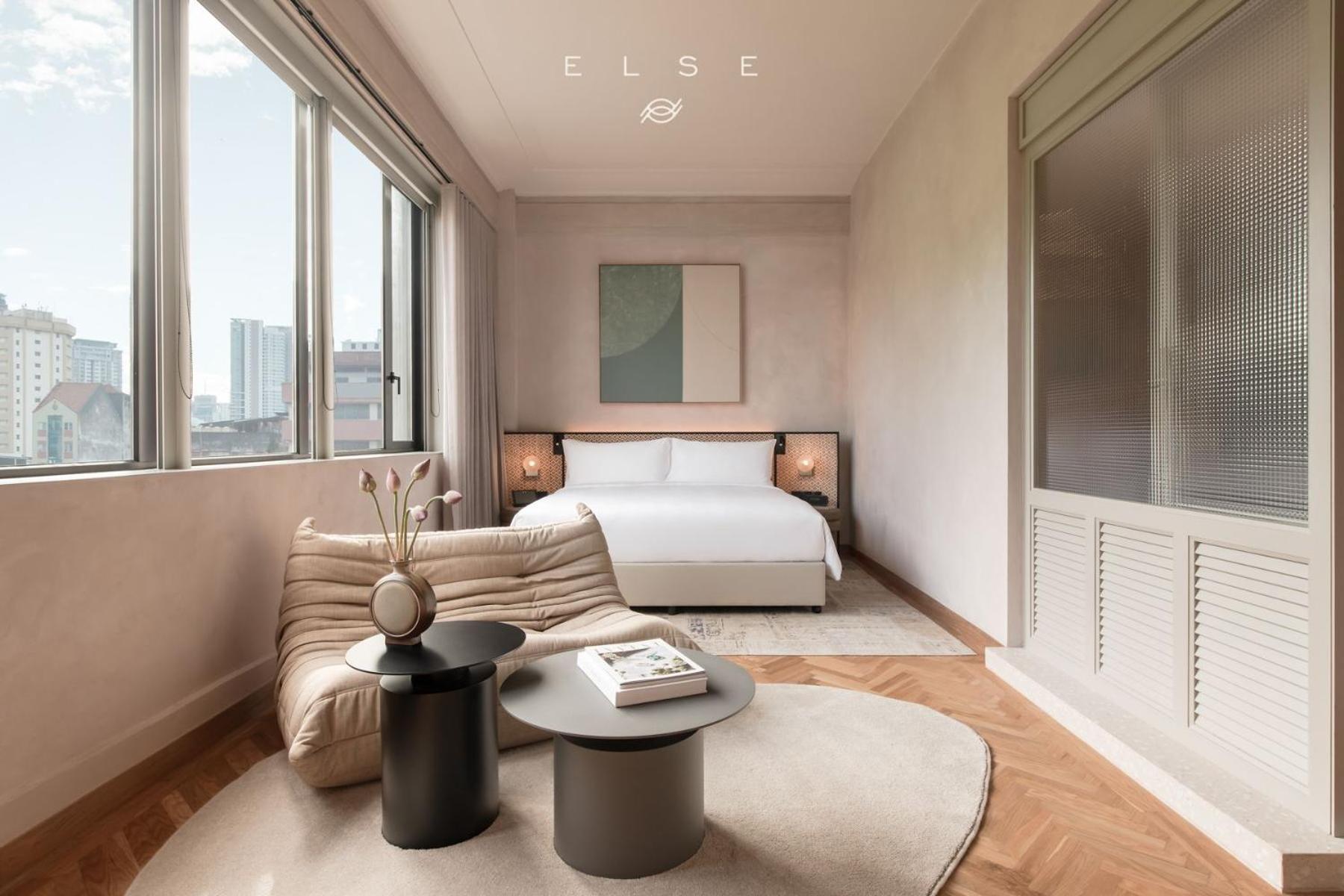
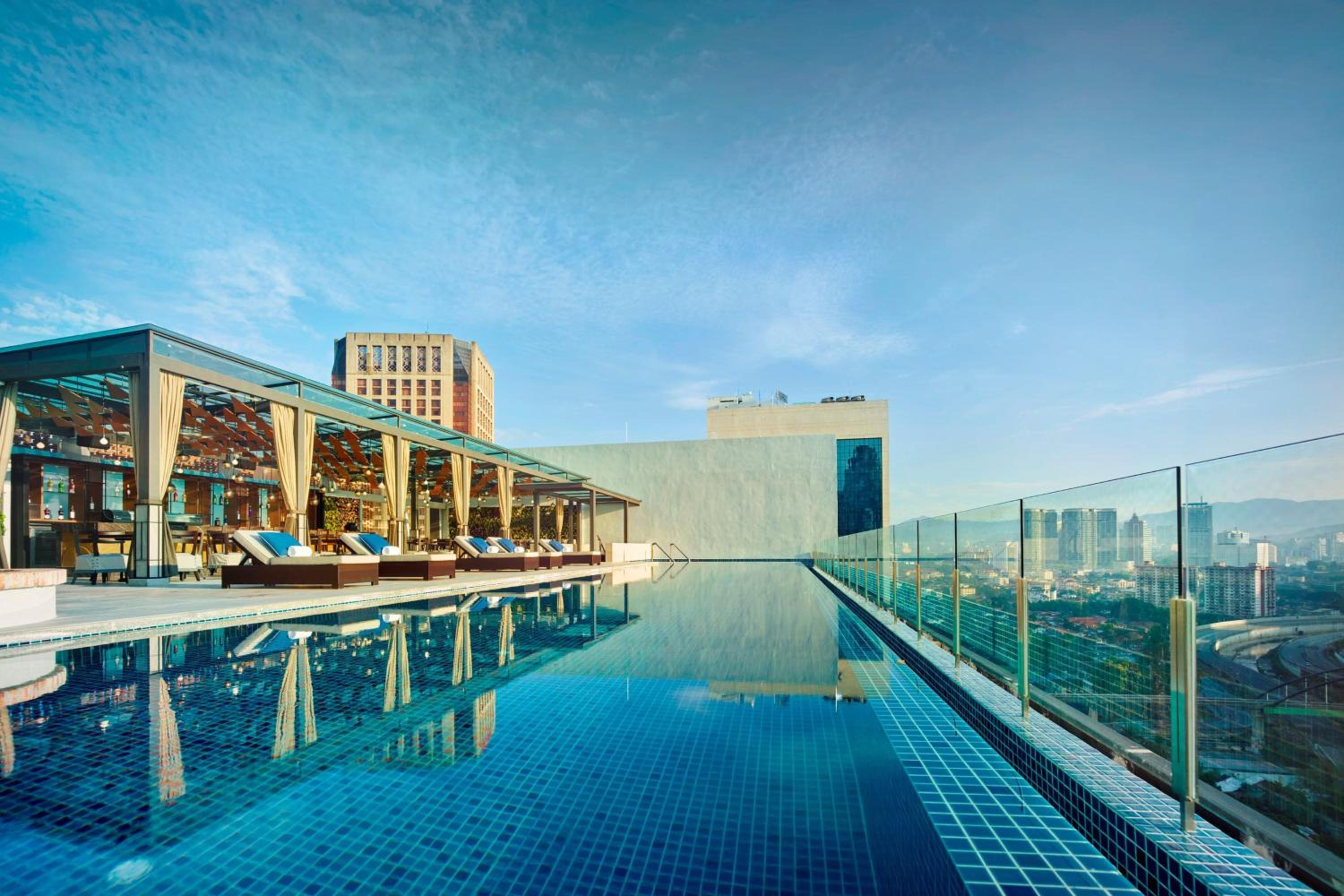
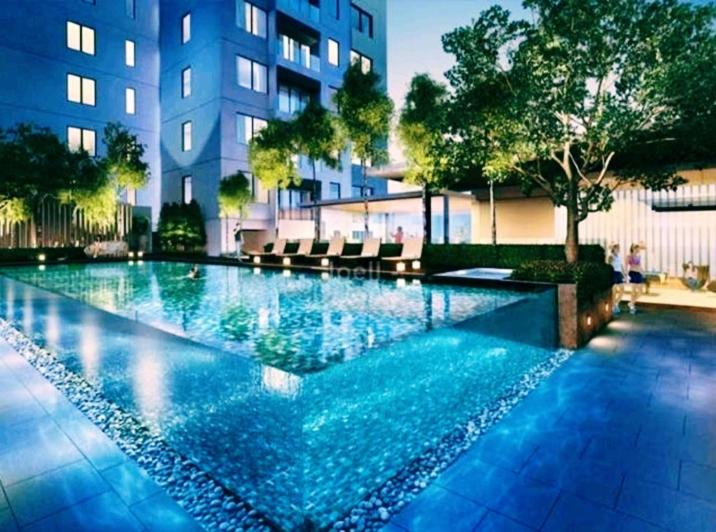
Where you stay decides what your Kuala Lumpur is: Bukit Bintang for food and nightlife, KLCC for the towers and the polish, Chinatown for heritage and the cheapest beds, Bangsar for quiet and coffee, and anywhere within a stop of KL Sentral for the trains. Most travellers give Kuala Lumpur 2 nights on Stippl, and a four-star with a pool costs less than a hostel in Europe.
Bukit Bintang
Hostels, mid-range hotels with pools and rooftop-bar towers, €10 to €120 a night.
KLCC
Five-star hotels and serviced apartments under the towers, €60 to €250 a night.
Chinatown
Hostels and budget hotels in the shophouses, €8 to €50 a night.
Bangsar
Boutique hotels and apartments in the leafy streets, €35 to €110 a night.
Masjid India and Kampung Baru
Budget hotels on the commercial strip, €15 to €45 a night.
Brickfields
Chains and budget hotels by KL Sentral, €20 to €90 a night.


What to eat in Kuala Lumpur
Coconut rice with sambal, anchovies, peanut and egg: the national dish, eaten at breakfast
Flat rice noodles seared hard with egg, prawn and Chinese sausage
South Indian rice with curries and vegetables served on a leaf, refills expected
Flaky flatbread pulled and griddled, eaten with dhal or curry
Noodle soup: coconut curry or the sour asam style, depending on the cook's heritage
Skewers grilled over charcoal with peanut sauce
Shaved ice with pandan noodles, coconut milk and palm sugar
Discover food spots in Stippl
Find restaurants and markets on the map, save them to your itinerary, works offline too.
Kuala Lumpur customs and what not to do
The most plural Malaysian city
Muslim-majority and Chinese, Indian and Malay on the same street, and what passes in Bukit Bintang does not pass in a mosque or at Batu Caves.
Shoulders and knees at shrines
The dress code at religious sites is enforced at Batu Caves with sarong rental at the foot of the steps, and the sites mean it.
Four calendars share the year
Chinese New Year, Thaipusam, Hari Raya and Deepavali are all public occasions, and the city visibly reorganises around each.
The right hand at the stall
Eating with the right hand is the Malay norm where there is no cutlery, and nobody will correct a visitor who forgets.
The macaques are practised
Batu Caves' monkeys will go through an open bag, and feeding them is what made them that way.
Do
- Cover shoulders and knees before climbing to the Temple Cave at Batu Caves
- Buy a transit card in the first hour and stop thinking about transport
- Eat where the queue is Malaysian; Imbi Market and the Lot 10 basement over Jalan Alor for the local version
- Check the air-quality index before planning an outdoor day between June and October
Don't
- Leave a bag open at Batu Caves; the macaques are practised
- Rent a car for the city; Grab and the rail are cheaper and faster
- Plan Kuala Lumpur as a one-night layover if you can help it; the sights are spread
What a Kuala Lumpur trip costs
Budget
€13–26
A Chinatown or Bukit Bintang hostel, hawker food, the transit card and free temples.
Mid-range
€26–53
A mid-range hotel with a pool, restaurant meals, Grab and the paid attractions.
High-end
€85+
A KLCC five-star, rooftop bars, private guiding and the Petronas skybridge.
Track what you actually spend
Set a daily budget per country and log expenses in any currency while you travel.
Fun facts about Kuala Lumpur
Kuala Lumpur means muddy estuary in Malay. For the confluence of the Klang and Gombak rivers where 87 Chinese tin miners settled in 1857 and the city began.
The Petronas Towers are still the tallest twin buildings in the world, 28 years on. They lost the outright height record long ago but have never lost that one.
Kampung Baru was gazetted as a Malay agricultural settlement in 1899. It survives as low timber houses directly under the skyline, and the towers are photographed from its lanes.
Sri Mahamariamman, founded in 1873, is among the oldest Hindu temples in Malaysia. It stands a two-minute walk from the city's oldest Chinese temple, Sin Sze Si Ya of 1864.
Jalan Petaling in Kuala Lumpur was named one of the world's coolest streets. By a magazine list, for the covered market and the mural alley off it rather than the counterfeit watches.
Kuala Lumpur holds 31.50% of every Malaysian stop planned on Stippl. Two and a half times the second destination, because the airport is the country's door.
Local tips for Kuala Lumpur
The airport is fifty km out
The rail link is what makes that workable, twenty-eight minutes non-stop to KL Sentral, with the bus the slow cheap version.
KL Sentral is the hub
Airport rail, intercity rail, the LRT, the MRT and the monorail all meet there, which is why so many itineraries base within a stop of it.
Buy a transit card on arrival
It works across the rail modes and the buses and removes the single most common friction for a short stay.
Grab fills every gap
It is the default for anything the rail misses and cheap enough that a rental car is a mistake for the city.
The haze is the seasonal risk
Smoke from Sumatra and Kalimantan crosses into the peninsula most years between June and October, and the pollutant index is checked before an outdoor day.
Two nights, and the door
19.48% of the Stippl trips Kuala Lumpur appears on start here and 17.56% end here, because the airport is the country's front door.
Kuala Lumpur questions, answered
Three by consensus, and two by habit: most travellers give Kuala Lumpur 2 nights on Stippl and 27.74% of stops run exactly three, which is the towers, the caves and a day of eating. One night is a layover with a view.
February, the second-driest month and before the burning season, with June and July drier still but the haze starting. October and November are the two months to avoid on rain alone, and the air-quality index is the number to check between June and October.
It might, between roughly June and October, and it varies a lot year to year because it depends on Indonesian fire seasons rather than Malaysian weather. The pollutant index above a hundred is unhealthy, and only 3.82% of stops here on Stippl are no night at all, so most people are outdoors for at least a day.
It is the one expensive attraction in a cheap city, and yes for the skybridge and the deck together, booked by time slot. Almost everything else worth doing, including Batu Caves and the temples, is free. 19.48% of the trips it appears on start here, of everyone who plans Kuala Lumpur on Stippl, and the towers are usually the first evening.
Bukit Bintang for food and nightlife, KLCC for the towers, Chinatown for heritage and the cheapest beds, Bangsar for quiet and coffee. Put the district into Stippl before the hotel, then ask people in subreddits like r/kualalumpur which rooftop pool they would book again.
Easily. The LRT, the MRT and the monorail cover the sights from KL Sentral, Grab fills the gaps for a few ringgit, and a rental car is a mistake; the airport express does the fifty kilometres in twenty-eight minutes, which is what makes even a layover a bed.
Every guide is written by the Stippl editors and checked against the trips our travellers actually plan. Spotted something out of date? Let us know.

Plan Kuala Lumpur in Stippl
Day-by-day planning, stays and budget in one app, with every place from this guide already on the map.
Download the app