 AsiaMalaysia
Malaysia
Malaysia is two halves a flight apart, a peninsula with a year-round west coast and an east coast that shuts for the monsoon, and Borneo with the orangutans. Two to three weeks for the peninsula, the food as the reason, ninety days visa-free, and the coast checked for its season before anything on it is booked.
MalaysiaMalaysia in a nutshell
Where to go in Malaysia


Turn these stops into a Malaysia route
Pick your favourites and Stippl orders them, adds travel times and builds the day-by-day.
Plan your adventure in Malaysia
Our travel routes through Malaysia
Malaysia is loved by culture seekers and backpackers alike. We recommend several routes through this country, here they are in full!
10 nights10 days: Malaysian Borneo, the standard loop
Kuching · Bako National Park · Gunung Mulu
Borneo's shoulder and peak season; Gunung Mulu, Kinabatangan, and Sandakan are driest and most accessible Apr–Aug.
10 nights10 days: west coast, first-timer
Kuala Lumpur · Cameron Highlands · George Town
Dry weather and clear skies across Langkawi, George Town, and Cameron Highlands; avoid west-coast rains Apr–Oct.
13 nights2 weeks, jungle and the east-coast islands (mid-March to mid-October)
Kuala Lumpur · Taman Negara · Pulau Perhentian Kecil
Taman Negara trails clear and Perhentian Islands fully operational; July's national dry peak suits both jungle and beach.
13 nights2 weeks: Sabah only, wildlife and diving
Kota Kinabalu · Gunung Kinabalu · Sandakan
Kinabatangan River wildlife viewing and Semporna diving best in Sabah's dry season; May offers lower prices.
14 nights2 weeks, the classic west-coast run
Kuala Lumpur · Melaka · Cameron Highlands
Peak season for Langkawi and the entire west-coast corridor from Melaka through George Town; minimal rain.
18 nights3 weeks: Singapore start, south to north
Johor Bahru · Melaka · Kuala Lumpur
Optimal conditions for the west-coast leg (Melaka, Kuala Lumpur, George Town, Langkawi) and Taman Negara's highland trails.
20 nights3 weeks, east-coast season only (mid-March to mid-October)
Kuala Lumpur · Cameron Highlands · George Town
Perhentian Islands at their driest and most open; July and August peak with calm waters for island travel.
22 nights3 weeks, Borneo in depth
Kuching · Bako National Park · Gunung Mulu
Extended timeframe suits Borneo's Apr–Aug window; Gunung Mulu, Mount Kinabalu, and Kinabatangan River conditions optimal.
Updated August 2026 · 14 min read · Written by the Stippl editorsWe looked at how travellers actually plan Malaysia on Stippl, across 214,000+ planned stops in Malaysia.
Malaysia is planned as a peninsula or as Borneo, rarely both, and most stops get 2 nights. Kuala Lumpur takes 33.07% of every Malaysian stop planned on Stippl, and the named things are the rainbow steps at Batu Caves, the Petronas Towers, street-art hunting in George Town, tea in the Cameron Highlands, the canopy walk in Taman Negara and snorkelling with turtles off the Perhentians. George Town, Melaka, Langkawi, Kota Kinabalu and the Cameron Highlands are the places behind the capital, and the food is the thread through all of them.
Malaysia sits inside a bigger Asian loop for most people, and it is a slow country once they are in it. Only 15.3% of trips carrying Malaysia on Stippl carry nothing else, with Thailand and Singapore the usual neighbours, but 4.8% of Malaysian stops are no night at all, the lowest pass-through share in the region, because the bus and the train are the transport and nobody crosses the country in a day. 23.5% of stops are a single night.
So pick one coast for its season, eat at the hawker stalls rather than the restaurants, take the buses and the trains between the cities, and treat Borneo as its own trip with its own flight. Skip the Perhentians between mid-October and mid-March, since the resorts close and the boats stop, and skip assuming one national best time, because the two coasts take turns.
Plan Malaysia in Stippl
Day-by-day planning, stays and budget in one app, with every place from this guide already on the map.
Download the appWho Malaysia is for
First-timers in Southeast Asia
English is usable everywhere, transport is reliable and signposted, the visa is generous and the cities are safe, the region's gentlest introduction.
Foodies
The Malay, Chinese and Indian fusion is the country's single strongest draw, and Penang is called the food capital of Southeast Asia.
Divers and snorkellers
Sipadan and Mabul in Sabah are world-class, and the Perhentians deliver turtles and reef sharks at backpacker prices.
Wildlife travellers
Malaysian Borneo is, with Sumatra, the last place orangutans live in the wild, with proboscis monkeys and hornbills on the river cruises.
Solo women
Repeatedly named among the safest countries in the region for solo travel, with Grab in every city and buses that run to time.
Multi-country loopers
Only 15.3% of Stippl trips carrying Malaysia carry nothing else, and Thailand and Singapore are the usual neighbours on the loop.
Slow travellers
4.8% of Malaysian stops on Stippl are no night at all, the lowest pass-through share in the region, because the buses set the pace.
Maybe not for you: party-first backpackers, since there is no Thai-style island circuit and alcohol is taxed to European prices; anyone who wants guaranteed big-mammal sightings, which Borneo does not promise; and anyone who cannot plan around a monsoon.
The best time to visit Malaysia
The north-east monsoon
November to February
The trip-breaking season on the east coast, when the resorts, restaurants and dive shops on the Perhentians, Redang and Tioman close and the boats stop, while the west coast is at its best.
The south-west monsoon
April to October
The pattern reverses: the west coast gets its wetter half of the year while the east coast is open and at its best, with July and August the peak.
The haze
June to October
Smoke from Indonesian forest fires drifts over the region in a bad year, a genuine consideration for asthma and other respiratory conditions.
Borneo's own pattern
April to September
Wettest from November to February, best from April to September, with October and March the shoulders that combine decent weather with few visitors.
- Most stops in Malaysia get 2 nights on Stippl, and 23.5% are a single night. Two weeks covers the west-coast highlights, three lets the islands or the jungle in, and Borneo needs its own week to ten days.
- There is no national best time. The west coast runs November to March, the east-coast islands mid-March to mid-October, Borneo April to September, and June to August is the only stretch that nearly everything shares.
- Ramadan moves every year. Many restaurants close during daylight and the evening venues are packed, so the dates are checked before the food-first itinerary is booked.
- The highlands are cool all year. Eighteen to twenty-five degrees in the Cameron Highlands and Fraser's Hill, with rain possible in any month and September and December the wettest.
- Only 15.3% of Stippl trips carrying Malaysia carry nothing else. Singapore is the better starting point if the fares work, travelling one way north to Langkawi and flying back without backtracking.
- The Perhentians are a broken itinerary in winter. From roughly mid-October to mid-March the island shuts, and a route that puts the Perhentians there is wrong rather than merely wet.
Add your Malaysia dates and we'll flag the weather per stop
Stippl shows the season, crowds and prices for every place on your route.
Festivals, and when to avoid them
Thaipusam
One of the biggest Tamil festivals, centred on the Batu Caves outside Kuala Lumpur, with devotees carrying kavadi and piercing their bodies and the site overwhelmed for two days. Go early with a guide, or visit the caves the week after.
Chinese New Year
Kek Lok Si temple in Penang is lit with thousands of lanterns for a month, family businesses close for days and prices rise nationally. Book George Town months ahead, or route around the week.
Ramadan
Many restaurants close during daylight, the bazaars open at dusk and the evening venues are packed, with Hari Raya at the end closing the country for two days. A different rhythm rather than a reason to avoid.
Pesta Kaamatan
Sabah's Kadazan-Dusun harvest festival, celebrated through May and peaking on the last two days in Kota Kinabalu with rice wine, dancing and a beauty pageant. Come for it with a room booked.
Gawai Dayak
Sarawak's indigenous harvest festival, when the longhouses open and visitors are fed a great deal, and Kuching's hotels fill for the long weekend. A reason to be in Borneo that week.
Rainforest World Music
Three days of world-fusion music at the Sarawak Cultural Village outside Kuching, international and heavily booked. Tickets and rooms months ahead, or Kuching the following week.
Deepavali
The big Malaysian Hindu festival, with Little India in Kuala Lumpur and Penang lit for a week and a public holiday on the day. Nothing to avoid; a week to be in the cities.
Describe your trip, get a Malaysia itinerary in seconds
Everything in this guide is already in Stippl. Tell the planner how long you have and what you like: it builds the route, the days and the travel times, and you edit whatever you want.
Things to do in Malaysia


The rainbow steps at Batu Caves
Two hundred and seventy-two steps to a Hindu shrine under limestone cliffs on Kuala Lumpur's commuter line, free to enter, with a golden Murugan statue and thieving macaques, at eight before the heat.
The Petronas Twin Towers
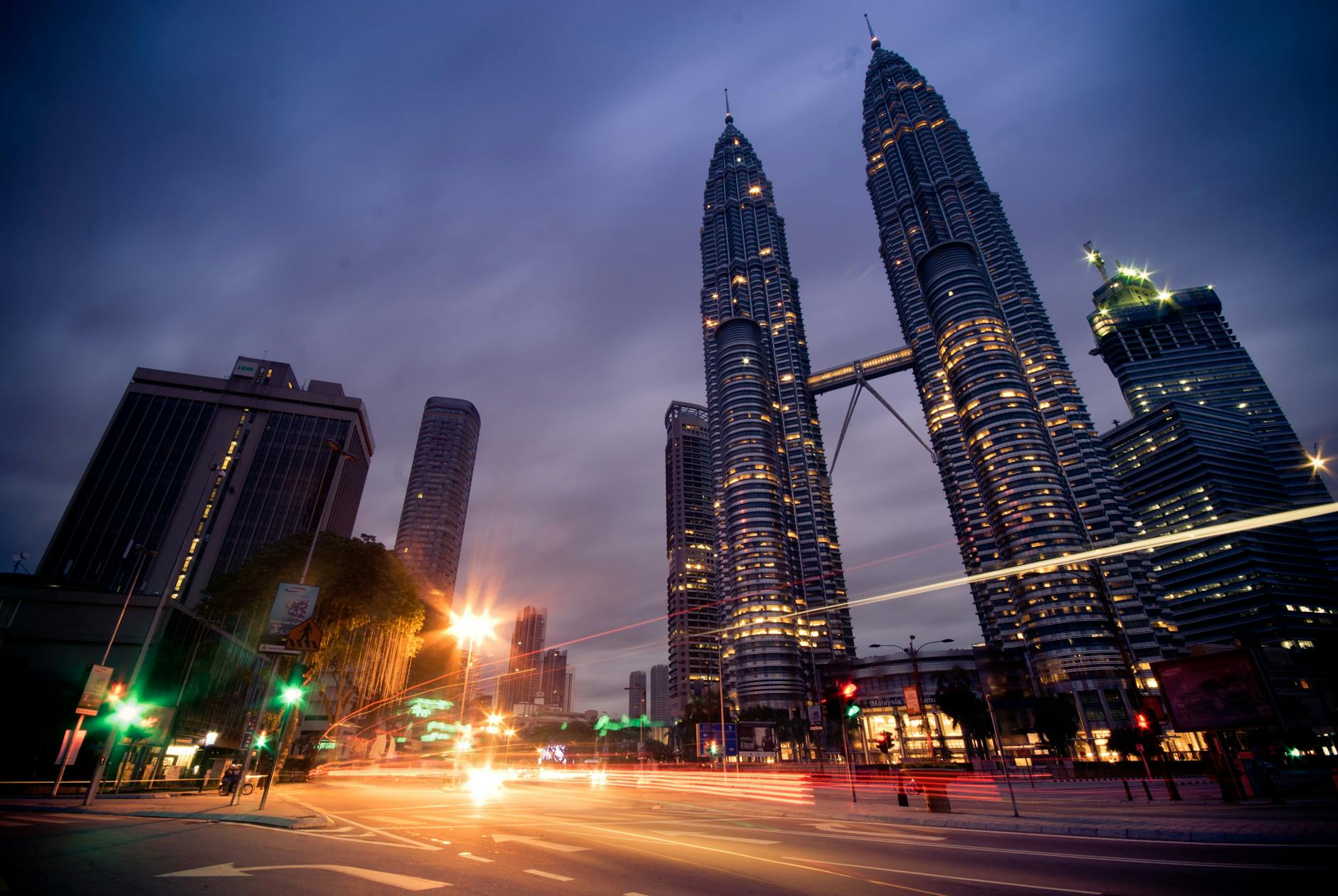
Four hundred and fifty-two metres and still the tallest twin towers in the world, with the ticket covering the skybridge and the observation deck and the better photograph from the park below.
Street-art hunting in George Town
Hundreds of murals and wrought-iron sculptures inside a small UNESCO radius, the famous ones by Ernest Zacharevic combining paint with a real bicycle or swing.
Tea in the Cameron Highlands
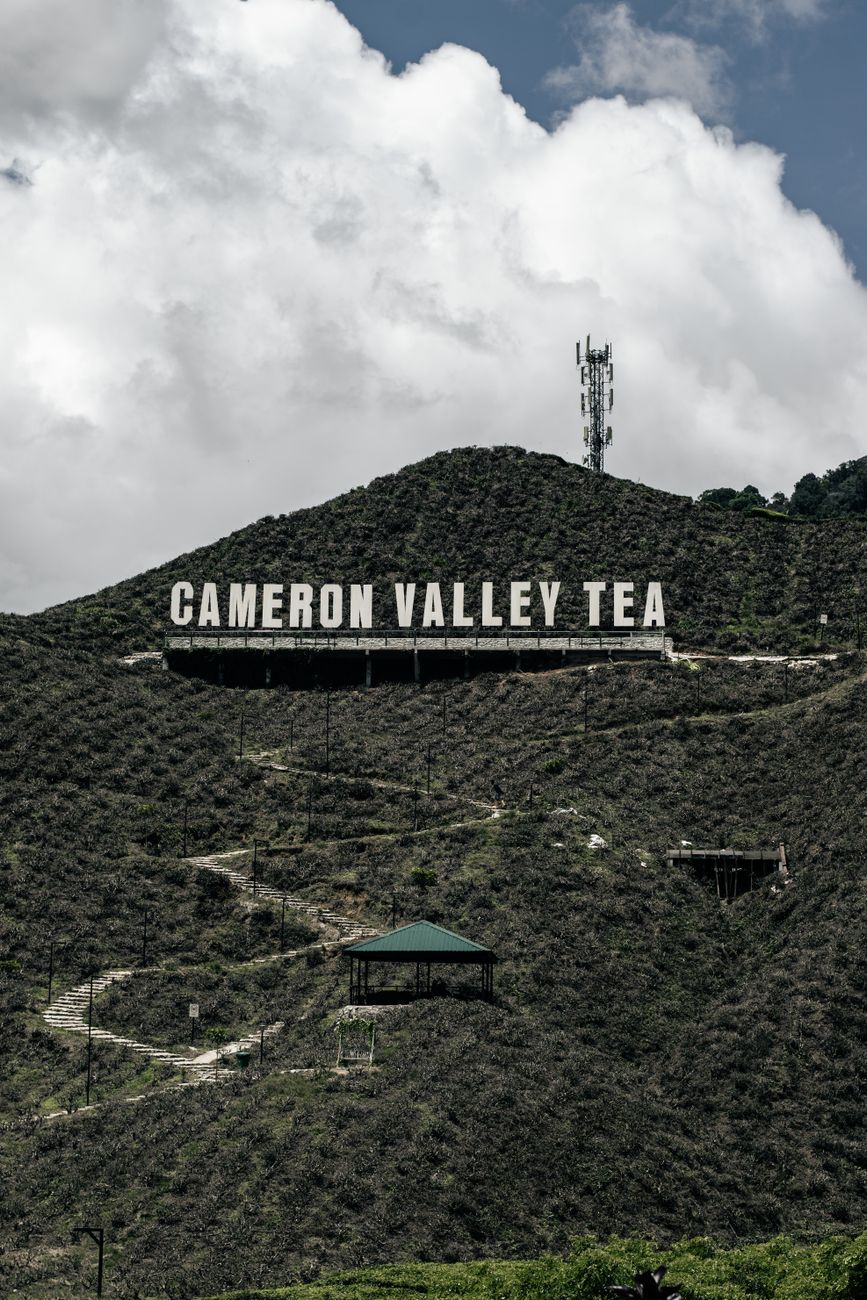
Walking into the hedges at the estates, then the Mossy Forest, a colonial afternoon tea with scones and a sunrise trip from the hills.
The Taman Negara canopy walk
A rope-bridge series through the crown of a rainforest billed as the world's oldest, followed by a guided night walk for scorpions and stick insects.
Snorkelling the Perhentians
Turtle Point, Shark Point and Coral Garden from a backpacker base with no roads and no cars, turtles and harmless reef sharks, and fire shows on Long Beach after dark.
What to eat in Malaysia
the unofficial national dish: coconut-milk rice with sambal, egg, crispy anchovies and peanuts
a noodle soup that changes completely by region: sour tamarind-fish in Penang, coconut-curry elsewhere
flat rice noodles wok-fried with bean sprouts, chives and dark soy
spicy curries ladled over rice, brought by Indian-Muslim traders
a flaky griddled flatbread torn into curry, eaten at any hour
Indian-Muslim fried yellow egg noodles
thick yellow noodles in dark soy with pork, squid and fish cake
charcoal-grilled skewers with peanut sauce
rice on a banana leaf with vegetables, curry, pickles and papadum
Hainanese chicken rice served as compressed rice balls
deep-fried fish sticks
shaved ice with green rice-flour jelly, coconut milk and palm sugar
shaved ice with beans, jellies, creamed corn and condensed milk
the whole category of bite-sized cakes and pastries, Peranakan in origin
palm-margarine-roasted coffee beans, sweet and pale
coconut-jam toast with a soft-boiled egg and very strong coffee
Discover food spots in Stippl
Find restaurants and markets on the map, save them to your itinerary, works offline too.
Malaysian customs and what not to do
Five faiths on one street
A Muslim-majority country with large Chinese and Indian minorities, where Islam, Buddhism, Hinduism, Taoism and Christianity are all visibly practised side by side.
The mosque lends you a robe
Visitors are not held to local dress norms in the cities and on the beaches, but shoulders and knees are covered at mosques and temples, and the robe is provided.
Take the cue from local women
Outside the cities and the tourist bubbles, jeans and a t-shirt, shorts or skirts to the knee, and a t-shirt over swimwear at pools and beaches.
Carry socks for hot tiles
Shoes come off entering a house, a shop, a temple or a mosque, the signs say so everywhere, and the tiles outside get scorching by mid-morning.
The drug laws are the harshest
Trafficking can carry the death penalty and possession a mandatory prison sentence with caning, and there is no leniency for foreigners.
Stay away from a crowd
It is illegal for foreigners to take part in protests, police have used tear gas, and same-sex public affection is strongly advised against.
Do
- Cover shoulders and knees before entering any mosque or temple, and carry socks for the hot tiles
- Eat with your right hand when eating by hand; the left is the toilet hand
- Take your shoes off where you see the sign, which is nearly everywhere indoors
- Plan around Ramadan before booking; the day's rhythm changes completely
- Check whether the coast you are heading for is in season before you book anything on it
Don't
- Assume one national best time applies to both coasts
- Buy the arrival card from a third-party site; the official one is free
- Take an unmetered taxi without agreeing the price first
- Feed or approach the monkeys at Batu Caves, on Langkawi or on the Perhentians
- Board an inter-island boat that is visibly overloaded
What a Malaysia trip costs
Budget
€10–34
A dorm or a simple guesthouse, hawker meals, buses, free temples and beaches.
Mid-range
€30–70
A private room or a boutique guesthouse, restaurant meals, domestic flights and a shared hire car.
High-end
€85+
Four- and five-star hotels that cost less than budget lodging in Europe, private guides and resorts.
Track what you actually spend
Set a daily budget per country and log expenses in any currency while you travel.
Visas, ringgit and getting around
Entry & visa
Ninety days, free
Most Western nationalities get ninety days visa-free on arrival, unusually generous for the region, plus a free digital arrival card filed on the official portal.
Money
Ringgit, bought in-country
Cards work in the cities and cash everywhere else, and ringgit is not bought at home because the in-country rates are much better, with ATMs in every town.
Connectivity
Fast enough to work on
Wifi is a national strength, with a hundred megabits common in Kuala Lumpur cafés and mobile data cheap on a local SIM or an eSIM.
Getting around
Bus, train and Grab
The intercity buses and the west-coast trains are cheap and reliable, Grab was founded here, and the peninsula and Borneo are joined by a flight rather than a road.
Health
Routine jabs, and the haze
No vaccination is compulsory unless arriving from a yellow-fever country; the standing recommendations are the routine jabs and hepatitis A, with the haze the consideration for asthma.
Water
Bottled or a purifier
Tap water is not recommended for drinking anywhere, and a purifier bottle matters most for jungle trekking in Sarawak and Taman Negara.
Tipping
Not expected
There is no tipping norm, a service charge appears on hotel and restaurant bills, and rounding up a Grab fare is the most anyone does.
Power & plugs
Type G, 240 volts
The British three-pin, so most of Europe, the US and Australia need an adapter and the UK and Ireland pack nothing.
Language
Bahasa Malaysia, and English
English is usable everywhere in the cities and on the tourist routes, and a few words of Bahasa Malaysia land well at the stalls and on the buses.
Bahasa Malaysia worth knowing
Nobody expects you to speak the language, which is exactly why a handful of words goes so far.
te-REE-ma KAH-see
Thank you · terima kasih
sa-ma sa-ma
You're welcome · sama-sama
se-LA-mat PA-gee
Good morning · selamat pagi
se-LA-mat MA-lam
Good evening, goodnight · selamat malam
a-pa KHA-bar
How are you? · apa khabar?
TO-long
Please, help · tolong
MA-af
Sorry, excuse me · maaf
be-RA-pa har-ga-nya
How much is this? · berapa harganya?
dee MA-na TAN-das
Where is the toilet? · di mana tandas?
se-DAP
Delicious · sedap
PE-das
Spicy · pedas
ti-DAK PE-das
Not spicy · tidak pedas
TOO-nai
Cash, the word on the cash-only toll lanes · tunai
TUM-pang
A lift, a ride · tumpang
Malaysia questions, answered
Two weeks covers the west-coast highlights, three lets you slow down and add islands or the jungle, and Malaysian Borneo needs its own week to ten days. Most stops in Malaysia get 2 nights on Stippl, and 23.5% are a single night, because the buses set the pace.
There is no national answer: the west coast runs November to March, the east-coast islands mid-March to mid-October, Borneo April to September, and June to August is the only stretch that works nearly everywhere. Put the coast into Stippl first and the dates second, then ask people in subreddits like r/malaysia which month they got right.
No. The north-east monsoon closes the resorts and stops the boats from roughly mid-October to mid-March, and an itinerary that puts the islands there is broken rather than merely wet. Langkawi on the west coast is the December island, and Tioman is on the same shut list as the Perhentians.
Both if there is time, but they are two trips with a flight in between rather than two halves of one loop. The peninsula is the easy food-and-cities trip; Borneo is the wildlife and jungle one, and 33.07% of Malaysian stops on Stippl are Kuala Lumpur, which opens the first.
Yes, with eastern Sabah the one real exception, where kidnap-for-ransom warnings apply to the coast and islands between Kudat and Tawau. Solo women name it among the safest countries in the region, the drug laws are the harshest in the world, and foreigners stay out of protests.
Yes, at backpacker level among the cheapest in the region, with a hawker plate a couple of euros and a dorm under twenty. Alcohol is the exception at European prices, and only 15.3% of trips carrying Malaysia on Stippl carry nothing else, so the budget usually runs across Thailand and Singapore too.
Every guide is written by the Stippl editors and checked against the trips our travellers actually plan. Spotted something out of date? Let us know.

Plan Malaysia in Stippl
Everything in this guide, ready to drop into your Malaysia route, with planning and bookings in one app.