

Melaka
Melaka is the trading port that made the Strait what it is, a sultanate then Portuguese, Dutch and British in turn, with all three still standing inside a few hundred metres of walkable old town and the Nyonya kitchen that came from it. Two nights, a bus from Kuala Lumpur, and the Friday-to-Sunday night market as the thing the visit is timed around.
Melaka in a nutshell
Melaka: what to expect
We read 214,000+ planned stops in Malaysia on Stippl to see how Melaka really gets planned.
Two nights in Melaka, and the whole draw is one small area. The Jonker Street night market runs Friday to Sunday from six to midnight and is the single thing most visits are timed around, Harmony Street has three faiths in one working block, St Paul's Hill is climbed through the old gate to a roofless church of 1521, the river is walked after dark past the murals, and satay celup is the one meal here that is an activity. Most travellers give Melaka 2 nights on Stippl.
Melaka is the shortest stay of any Malaysian city, and the one most often done from the capital. 33.05% of stops here are a single night, of everyone who plans it on Stippl, 5.57% are no night at all, more than three times the Perhentian figure, because the bus from Kuala Lumpur takes two to three hours, and 88.98% of stops fall between one and three nights.
Sleep next to Chinatown so the old town is on foot, arrive on a Friday for the market, climb St Paul's Hill at the end of the day, and eat the Nyonya dishes that exist nowhere else. Skip a Saturday if crowds are the problem, since the rates spike, and skip expecting nightlife beyond a handful of bars, because the town goes quiet once the stalls pack up.
Plan Melaka in Stippl
Day-by-day planning, stays and budget in one app, with every place from this guide already on the map.
Download the appWho Melaka is for
History travellers
Three colonial powers and a sultanate in one compact street plan, with the buildings still standing and mostly still in use.
Foodies
Nyonya cooking, chicken rice balls, satay celup and cendol, all of them Melaka dishes rather than national ones.
First-timers in Southeast Asia
Small, safe, walkable, English widely spoken and two hours from the capital, with 88.98% of Stippl stops here between one and three nights.
Weekenders from Kuala Lumpur
Melaka is what a weekend means to most Malaysians, and 5.57% of Stippl stops here are no night at all, the day-trip version.
Overland travellers
Melaka sits between Kuala Lumpur and Singapore on the bus route and costs almost nothing to add.
Peranakan-curious travellers
Melaka is where the Straits-Chinese culture came from, and the museum townhouse and the Nyonya kitchens are the way in.
Maybe not for you: anyone wanting nature or beaches, which are not here; anyone expecting nightlife beyond a handful of bars; and anyone who dislikes crowds and arrives on a Saturday, when the market and the room rates both spike.
The best time to visit Melaka
The dry window
January to March
The driest stretch of the year with February above all, and the old town walkable in the afternoon without the storm.
The shoulder
April to June
Rising afternoon rain, the heat building and the market unaffected, because it runs after the storms have passed.
The wet season
July to November
The wettest months on the strait, with the July and August school holidays bringing the domestic peak regardless.
The weekend
Friday to Sunday
The market only runs then, and so do the crowds and the room rates, which is the real season here.
- Most travellers give Melaka 2 nights on Stippl, and 33.05% of stops are a single night. Two nights covers the old town and the market; a third adds the Portuguese Settlement and Bukit China and not much else.
- The night market runs Friday, Saturday and Sunday. From about six to midnight along Jonker Street, and most visits are timed around it, so a midweek arrival misses the town's main event.
- July and August are the domestic peak. The school holidays bring the biggest crowds of the year to the old town, against the quiet of the dry January and February window when the weather is better.
- Chinese New Year fills Chinatown. In late January or February the shophouses close for days, the temples fill and the rooms in the heritage core go weeks ahead.
- The bus is the way in and out. Express buses from Kuala Lumpur run all day for a few euros and take two to three hours, arriving at a terminal several kilometres north of the old town.
- Saturday is the crowd. The market, the day-trippers and the room rates all spike, so a Friday night gets the market with half the people.
Add your Melaka dates and we'll flag the weather
Stippl shows the season, crowds and prices for every stop on your route.
Describe your trip, get a Melaka itinerary in seconds
Everything in this guide is already in Stippl. Tell the planner how long you have and what you like: it builds the route, the days and the travel times, and you edit whatever you want.
Things to do in Melaka
 Photo by Joylynn Goh via Unsplash
 Photo by Shu Takes Photo via Pexels
 Photo by Fitria Nunik via Pexels
The Jonker Street night market
Friday to Sunday from about six to midnight, free, with the food stalls, the karaoke stage and the antique shops, and the single thing most visits are timed around.
Harmony Street on foot
The mosque, the Chinese temple and the Hindu temple in one block, all working, one lane west of Jonker Street.
St Paul's Hill at the end of the day
Through the old Portuguese gate to the roofless church of 1521 and the view over the red roofs to the strait at sunset.
The river after dark
By boat or on the free riverside walkway, past the murals and the lit facades, from the old town out towards Kampung Morten.
The Baba and Nyonya Heritage Museum
A Peranakan family townhouse still owned by the family, shown on a guided walk-through of the furniture, the porcelain and the kitchen.
Satay celup at a shared pot
A pot of boiling peanut sauce at the table and a fridge of raw skewers cooked in it, charged by the stick, the one meal here that is an activity.
The neighbourhoods of Melaka
Chinatown and Jonker Street
The heritage core
Shophouses, the Peranakan museums, the night market and most of the good food, with everything else in the old town within a few hundred metres on foot. For a first stay.
Everything on foot and the market at the door, but noisy from Friday to Sunday.
Dutch Square
The postcard
The red colonial buildings, the Stadthuys, the museums and the trishaw rank, touristy and unmissable, at the foot of St Paul's Hill. For the view from the window.
The postcard on the doorstep, though the trishaws and the tour groups from nine.
Harmony Street
The three temples
One lane west of Jonker with the mosque, the Chinese temple and the Hindu temple in one working block, visited rather than slept in. For the walk.
Three living faiths in a hundred metres, and nothing to stay in.
Melaka Raya
The modern district
The hotel and restaurant district about a kilometre south, with cheaper and bigger rooms, halal Nyonya kitchens and the rooftop bars. For bigger rooms for less.
A bigger room for less and the rooftop bars, but a walk or a Grab to the old town.
The Portuguese Settlement
Cristang dinners
The Eurasian community east of the centre with seafood on the waterfront square and devil curry, gone to for dinner rather than to stay. For the food.
Cristang seafood on the square, though a Grab each way and nothing else there.
Kampung Morten
The Malay village
A surviving Malay stilt village on the riverbank ten minutes north on foot, with a few homestays and the river walkway to it. For the old town without the old town.
A village that survived inside the city, but a walk from the market and quiet by nine.
See every Melaka neighbourhood on one map
Save the areas you like and Stippl plots your days so you're not crossing the city twice.
Where to stay in Melaka
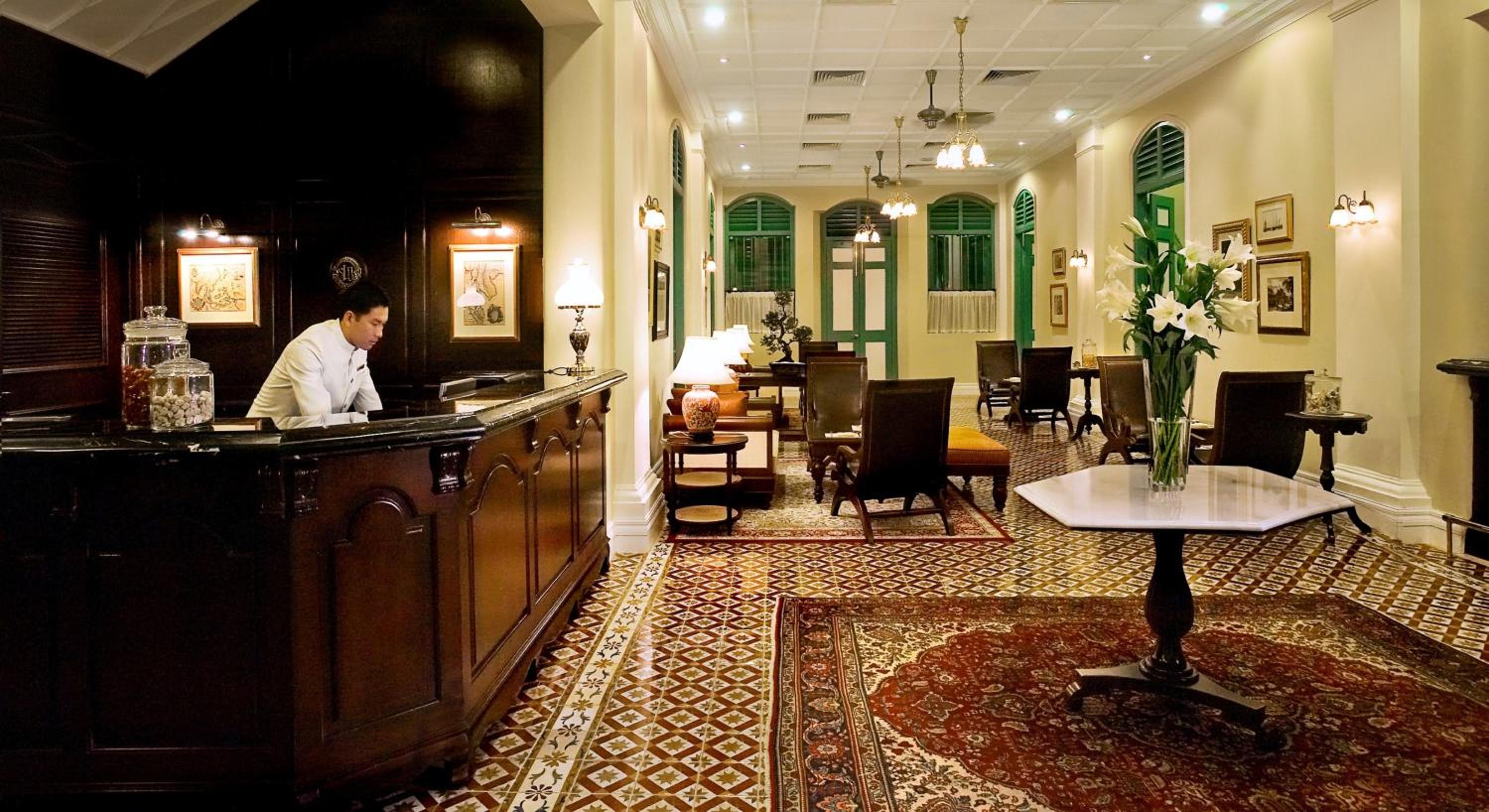
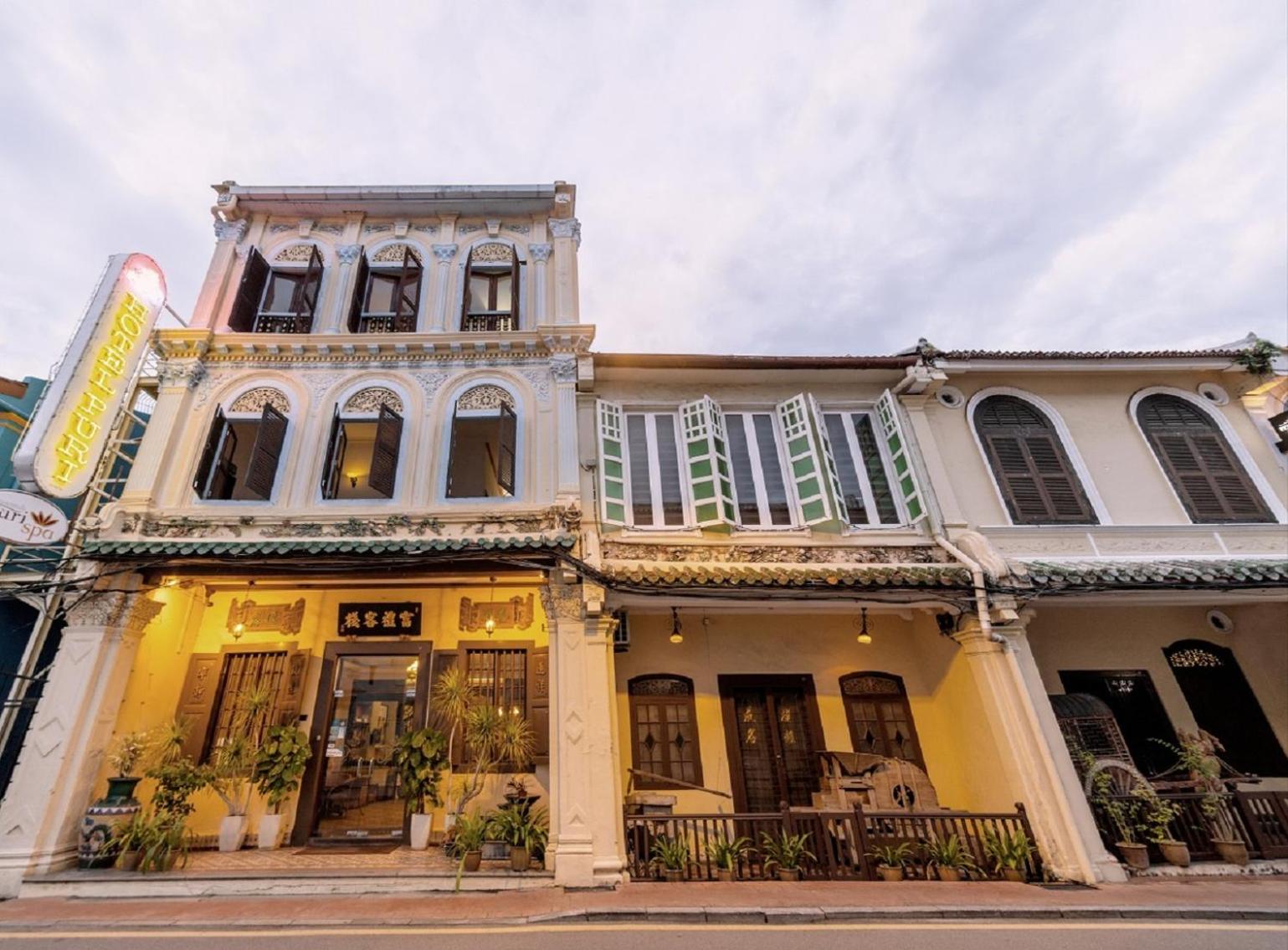
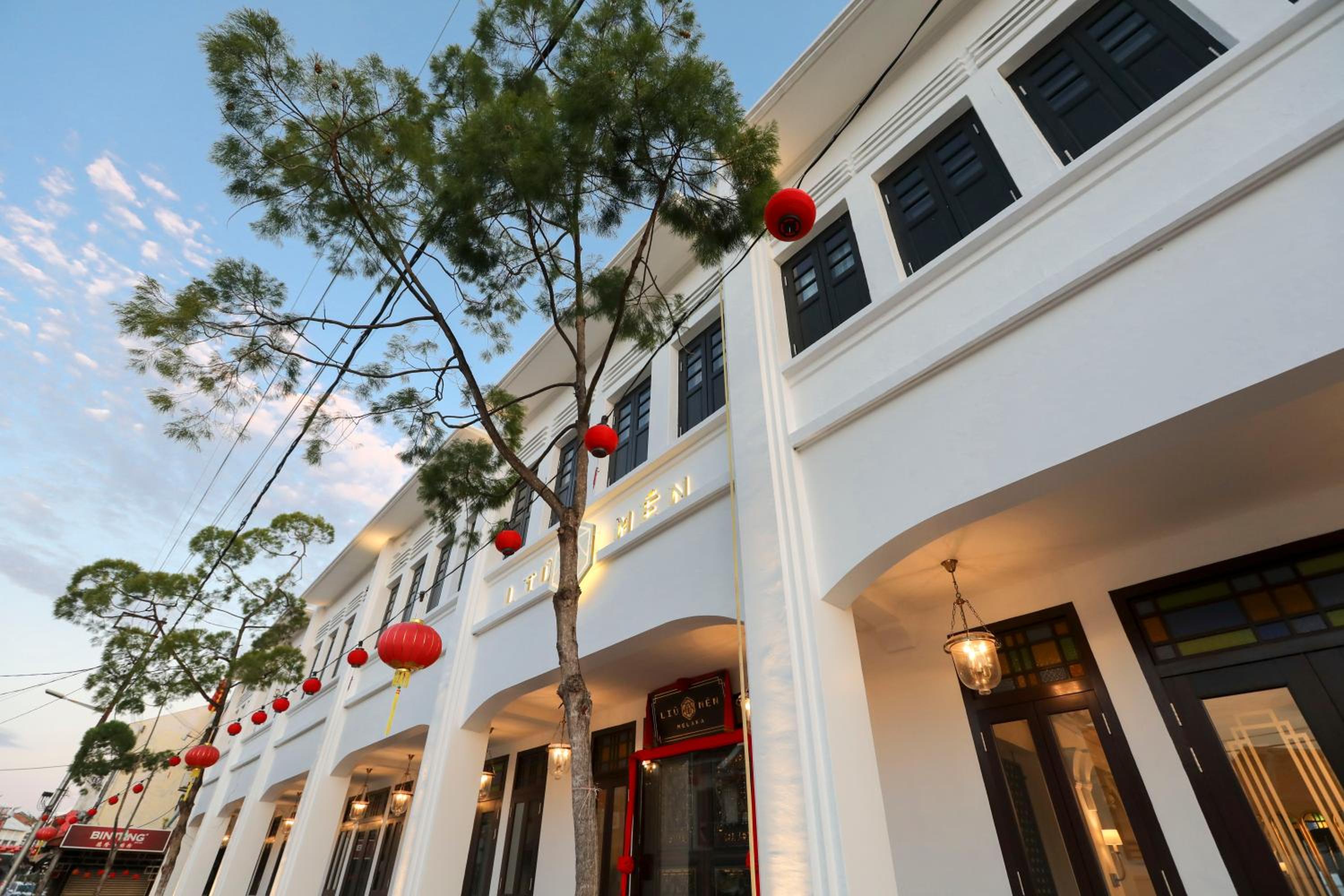
Stay in or next to Chinatown so the whole old town is on foot, in one of the converted shophouses if the budget allows, and take Melaka Raya a kilometre south for a bigger room at a lower rate. Most travellers give Melaka 2 nights on Stippl, and the weekend rooms in the heritage core cost materially more than the weekday ones.
Chinatown and Jonker Street
Shophouse guesthouses, hostels and Peranakan boutique hotels, €12 to €130 a night.
Dutch Square
A few hotels at the foot of the hill, €30 to €90 a night.
Harmony Street
A couple of shophouse guesthouses on the temple lane, €25 to €60 a night.
Melaka Raya
Chain hotels and bigger rooms for less, €20 to €70 a night.
The Portuguese Settlement
A homestay or two in the community, €20 to €40 a night.
Kampung Morten
Homestays in the stilt houses, €15 to €40 a night.


What to eat in Melaka
Peranakan cooking, Chinese technique with Malay spices: ayam pongteh, ayam buah keluak, assam pedas, kerabu salads
Hainanese chicken rice with the rice pressed into balls, served nowhere else in Malaysia this way
A pot of boiling peanut sauce at the table and a fridge of raw skewers you cook in it, charged by the stick
Shaved ice with coconut milk, palm sugar and green rice-flour jelly
Eurasian food, above all devil curry and baked fish in banana leaf
Discover food spots in Stippl
Find restaurants and markets on the map, save them to your itinerary, works offline too.
Melaka customs and what not to do
Three faiths in one block
Shoes off at the Hindu and Chinese temples, shoulders and knees covered everywhere, and robes lent at the mosques.
No photographs at prayer
Easy to forget in temples this photogenic, and the rule holds in all three on Harmony Street.
The mosques close for prayer
To visitors during the five daily prayers and around midday on Friday, so the walk is timed between them.
Beachwear is not street wear
The state is more relaxed than the east coast, and the old town is still a place where shoulders are covered.
The trishaws are a loop
A short decorated ride rather than transport, with the price agreed before sitting down and the music part of the deal.
Do
- Sleep in or next to Chinatown so the whole old town is on foot
- Arrive on a Friday or Saturday for the night market
- Climb St Paul's Hill at the end of the day, for the light and the temperature
- Order the Nyonya dishes; they exist here and almost nowhere else
Don't
- Photograph people at prayer in the temples
- Expect the market on a weekday; it runs Friday to Sunday only
- Arrive at Melaka Sentral and expect the old town; it is several kilometres north
What a Melaka trip costs
Budget
€17–34
A weekday old-town room, shophouse or market-stall meals and the free heritage sights.
Mid-range
€39–75
A weekend room in or near Chinatown, a Nyonya restaurant meal, the tower and the river cruise.
High-end
€130+
One of the city's converted Peranakan shophouse or mansion hotels.
Track what you actually spend
Set a daily budget per country and log expenses in any currency while you travel.
Fun facts about Melaka
Chicken rice balls exist in Melaka and effectively nowhere else in Malaysia. The same Hainanese dish, with the rice pressed into balls so the porters could carry it.
Satay celup is a Melaka invention and does not travel. A communal pot of peanut gravy, skewers cooked at the table and the bill counted by the stick.
St Paul's Church in Melaka, built in 1521, is the oldest church in Southeast Asia. Francis Xavier was buried in it briefly before his body went to Goa.
The Stadthuys in Melaka, begun in 1650, is the oldest Dutch building in Southeast Asia. Painted red in the nineteenth century, and the museums are inside it.
Cheng Hoon Teng of 1645 is the oldest functioning Chinese temple in Malaysia. And Sri Poyyatha Vinayagar Moorthi of 1781 the oldest Hindu one, a few doors down the same street.
5.57% of stops in Melaka on Stippl are no night at all. More than three times the Perhentian figure, because the bus from the capital makes it a Malaysian day out.
Local tips for Melaka
Melaka is a bus city
The express buses from Kuala Lumpur run all day and cost a few euros, and the Singapore buses come the other way along the same coast.
The bus station is not the town
Melaka Sentral is the intercity bus station several kilometres north, and a town bus or a Grab covers the last stretch.
Inside the old town you walk
The sights are within a few hundred metres of each other, and the trishaws are a decorated loop rather than transport.
Traffic is the hazard
The old lanes are narrow, two-way and shared with trishaws and scooters, and the market crowd spills into them on weekend nights.
Friday beats Saturday
The market runs both nights, and Friday gets it with half the day-trippers and the room rate a notch lower.
A night or two from the capital
33.05% of Stippl stops here are a single night and only 3.31% of trips start here, because it is added from Kuala Lumpur.
Melaka questions, answered
Two, and the mode is firm: most travellers give Melaka 2 nights on Stippl and 88.98% of stops fall between one and three, with a third night adding the Portuguese Settlement and Bukit China and not much else. It is the shortest stay of any Malaysian city.
Yes, and many do it: two to three hours each way by express bus, and 5.57% of Melaka stops on Stippl are no night at all, more than three times the Perhentian figure. The day trip misses the market unless it runs late on a Friday or Saturday.
It depends what you came for, and the town is split down the middle: the market only runs Friday to Sunday, and the crowds and the room rates only spike then too. Put a Friday night into Stippl for the market with half the people, then ask people in subreddits like r/malaysia whether the Saturday was worth it.
Friday, Saturday and Sunday evenings, from about six to midnight, along Jonker Street in the heritage core, with the food stalls at one end and the antique shops and the karaoke stage further down. Nothing runs on a weekday, and the street is ordinary shophouses by day.
They are the two Straits trading cities under one UNESCO listing and they tell a similar story, and travellers who plan one are no more likely to plan the other. Melaka is the Peranakan original and the smaller, flatter, more compact town; George Town is the food capital with the murals. Two nights here does not repeat three nights there.
Nyonya food, chicken rice balls, satay celup and cendol, all four Melaka rather than Malaysian, with the Cristang devil curry at the Portuguese Settlement the fifth. 33.05% of stops here on Stippl are a single night, and the dinner is the reason for the second.
Every guide is written by the Stippl editors and checked against the trips our travellers actually plan. Spotted something out of date? Let us know.

Plan Melaka in Stippl
Day-by-day planning, stays and budget in one app, with every place from this guide already on the map.
Download the app