 South AmericaBrazil
Brazil
Brazil is half a continent that happens to share one language. Carnaval in three different forms depending on the city, jaguars from a boat at the end of the Transpantaneira, Iguaçu from both sides, and a dune field that fills with turquoise lagoons months after the rain. One trip does not get near it.
BrazilBrazil in a nutshell
Where to go in Brazil


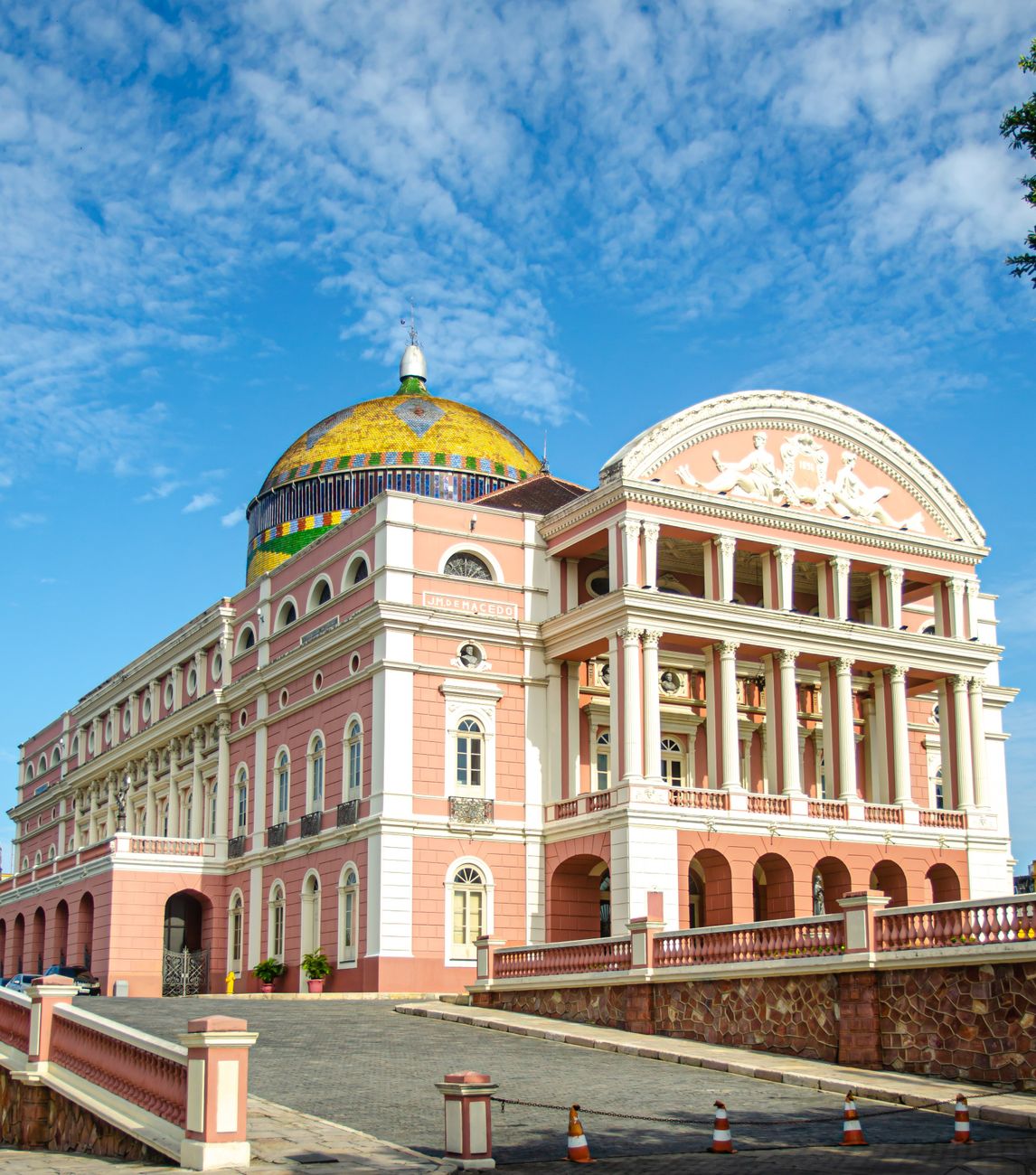
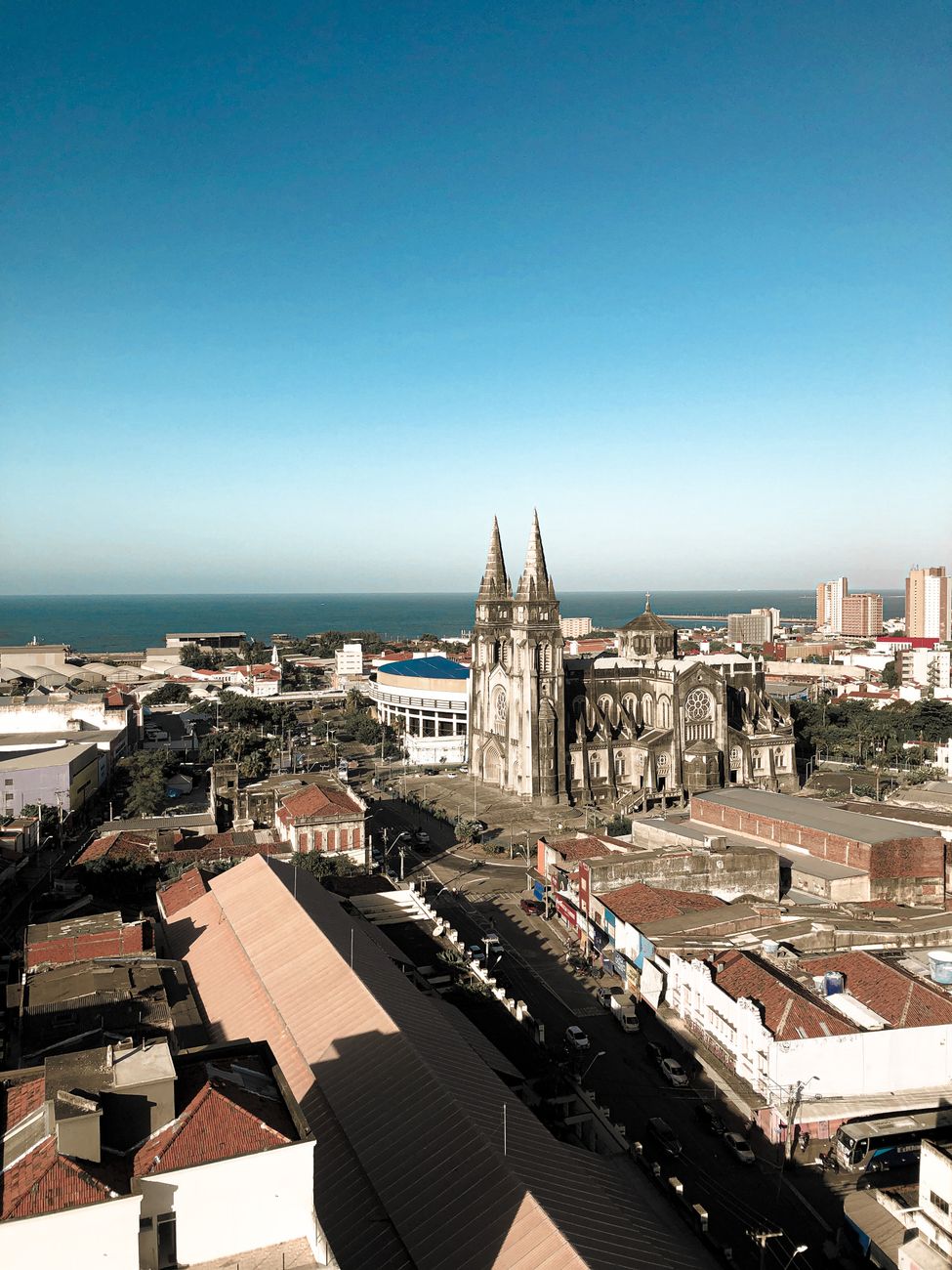


Turn these stops into a Brazil route
Pick your favourites and Stippl orders them, adds travel times and builds the day-by-day.
Routes that work
Brazil itineraries, one week to three
Brazil is loved by culture seekers and backpackers alike. We recommend several routes through this country, here they are in full!
7 nights1 week, the northern Pantanal by 4x4
Cuiabá · Pantanal · Chapada dos Guimarães
Dry season (Jun–Sep) opens the Transpantaneira; jaguar season peaks in August; Cuiabá heat stays extreme.
7 nights6 days, Fernando de Noronha from the northeast
Recife · Fernando de Noronha
Northeast's driest months align with Fernando de Noronha's calmest seas and best visibility.
10 nights10 days: Carnaval in Rio, then a wind-down
Rio de Janeiro · Paraty
Carnaval peaks 5–10 Feb in Rio; Paraty provides a quieter, warmer escape immediately after.
10 nights10 days: Rio and the Costa Verde, the classic first trip
Rio de Janeiro · Paraty · Ilha Grande
Rio's dry season suits coastal hiking; Paraty and Ilha Grande offer calm seas and clear water for diving.
10 nights10 days, the Amazon by air and river
Rio de Janeiro · Manaus · Belem
Manaus and Belém peak water levels June–July; low water by October opens river beaches and improves wildlife spotting.
10 nights9 days, the Minas Gerais gold towns
Rio de Janeiro · Ouro Preto · Tiradentes
Ouro Preto, Tiradentes and Diamantina enjoy Minas' best window; April–May and August–September avoid rain and peak prices.
12 nights12 days, Bahia's southern beaches
Salvador · Itacare · Trancoso
Southern Bahia coast (Itacaré, Trancoso, Arraial d'Ajuda) escapes the northeast rains that drench Salvador May–Aug.
12 nights12 days, the south beyond Iguaçu
Iguazu Falls · Curitiba · Ilha do Mel
Iguaçu Falls strong through October; Curitiba and southern coast (Ilha do Mel, Florianópolis) align in spring as rains ease.
14 nights2 weeks: Bahia: Salvador, the islands and the Chapada
Rio de Janeiro · Salvador · Morro de Sao Paulo
Avoids Salvador's May wet peak; Morro de São Paulo and Chapada Diamantina both favour the drier window.
14 nights2 weeks: São Paulo, the coast road, Rio and Iguaçu
Sao Paulo · Paraty · Ilha Grande
Southeast dries in April; Iguaçu Falls run strong through October before Amazon low water shrinks them.
14 nights2 weeks: the Northeast coast, Recife to the Lençóis
Recife · Natal · Fortaleza
Avoids Recife's summer wetness; Fernando de Noronha and Lençóis Maranhenses share the dry-season window.
15 nights12 days: Brasília, the cerrado and the southern Pantanal
Brasilia · Chapada dos Veadeiros · Campo Grande
Centre-West and Pantanal align in the dry season; jaguar density peaks; Chapada dos Veadeiros offers cool altitude.
25 nights4 weeks: the complete circuit, self-drive then fly
Sao Paulo · Paraty · Ilha Grande
Only window spanning Southeast (dry), Minas, Pantanal (peak dryness and jaguars), and Iguaçu with sufficient river flow.
Updated August 2026 · 14 min read · Written by the Stippl editorsWe looked at how travellers actually plan Brazil on Stippl, across 71,000+ planned stops in the country.
Brazil is a country you take one region at a time, and most travellers give a stop 3 nights. Rio carries 21.3% of every Brazilian stop planned here, and the short list around it is Christ the Redeemer by the Corcovado cog train, Sugarloaf in two cable-car stages at sunset, and a match at the Maracanã. Further out sit the Iguaçu falls from the Brazilian side, the rainwater lagoons of the Lençóis Maranhenses, and the escarpments of Chapada Diamantina.
The Brazil people actually plan is one stretch of coast. Five of the six destinations clearing two thousand planned stops sit within 300 km of each other, between Rio and Paraty. The Amazon, the Pantanal and the whole north-east barely register, and they are three separate world-class wildlife systems that peak in different months.
So plan it early and plan it narrow. Brazil is booked further ahead than anywhere else we measure, with 28.9% of trips created more than six months out, and a typical trip runs 25 days. Skip Brazil if you are short on time: the distances force ten-hour overland legs or domestic flights, English is barely spoken outside tourism jobs, and the country is expensive by South American standards.
Plan Brazil in Stippl
Day-by-day planning, stays and budget in one app, with every place from this guide already on the map.
Download the appWho Brazil is for
Wildlife travellers
The Pantanal in the dry season delivers jaguar sightings as a realistic target rather than a lottery: two unrelated parties each reported three jaguars in a single day, one in August and one in October.
First-timers to South America
Rio packs beach, jungle, a world-famous skyline and a national park into one city, both gateways have direct long-haul flights, and 25 days is the typical trip.
Beach and island travellers
The northeast coast runs on near-permanent sun, Ilha Grande has no cars or paved roads at all, and Fernando de Noronha is a marine national park you pay to enter.
Festival and music travellers
Carnaval is three completely different festivals in Rio, Salvador and Olinda, and the live scene runs all year: samba in Lapa, bossa nova in Ipanema, funk carioca in the favelas, hip-hop in São Paulo.
Hikers and park travellers
Chapada Diamantina, Chapada dos Veadeiros, Aparados da Serra, Serra dos Órgãos and Itatiaia are all multi-day trekking country, and none of them is crowded by Andean standards.
Foodies
Regional cuisine is genuinely regional: dendê and coconut in Bahia, river fish in the Amazon, pork and beans in Minas, churrasco in the south, and São Paulo has the restaurant scene.
Families
A four-week circuit works with a child, and the workarounds are practical: a water taxi instead of the hard half of a jungle hike, a hotel with a water park as a rest day.
Maybe not for you: travellers on a tight schedule, since distances force ten-hour overland legs or domestic flights and a fortnight covers one region; travellers who need English, which is barely spoken outside tourism jobs; and anyone assuming Brazil is cheap.
The best time to visit Brazil
Brazilian summer
December to March
Hot and humid nearly everywhere south of the Amazon, and the wettest stretch in Rio, São Paulo, Foz and the Pantanal. It is also the domestic peak, so prices are highest exactly when the weather is most oppressive.
Brazilian winter
June to August
Rio's driest stretch with comfortable afternoons, and the south genuinely cool. At the same time the wettest part of the year in Salvador; the northeast runs on the opposite cycle.
The under-rated window
September to November
Rio warming and still dry, Salvador in its dry stretch, the Pantanal at the end of the dry season and Iguaçu in strong flow. The catch is heat in the interior.
Pantanal dry season
June to October
The flood pulse drains, the animals concentrate at the water and the Transpantaneira is drivable. Wildlife peaks July to September.
- Carnaval moves with Easter and lands in February or early March, and the beds run out long before the tickets. Rio's hotels ran above ninety per cent full citywide for the 2026 edition, and Ipanema and Copacabana were effectively sold out.
- January is the month most travellers plan Brazil for on Stippl, about 87 days ahead. 19.0% of Brazil plans are made inside a fortnight, which does not work for Carnaval or New Year and works fine for the rest of the year.
- New Year's Eve on Copacabana is the second nationwide price spike. Réveillon books out like Carnaval, and the peak runs from December through April before prices fall sharply at the end of it.
- The dune lagoons of Lençóis Maranhenses are fullest from June to September, months after the rain that fills them. The January to June rainy season is the wrong time to go, however green it looks.
- In the Amazon the river lags the rain by two to three months. Manaus is wettest in March and April and the Rio Negro peaks in June, so date a flooded-forest trip off the river level, not the rain.
Add your Brazil dates and we'll flag the weather per stop
Stippl shows the season, crowds and prices for every place on your route.
Festivals, and when to avoid them
Carnaval in Rio
The Sambadrome parades run three nights, the street blocos start in mid January and the hotels run above ninety per cent full citywide, with Ipanema and Copacabana sold out. Book by the previous autumn or watch from another city.
Carnaval in the Northeast
Salvador is the largest street carnival in the world, on trio elétrico circuits along the seafront; Olinda and Recife run frevo, giant puppets and the Galo da Madrugada, mostly free. Rooms in the Pelourinho and on Olinda's hill go months ahead.
Réveillon
Two million people in white on Copacabana, and the second nationwide price spike alongside Carnaval. Seafront rooms are sold by the multi-night package from the autumn, and the metro runs all night for once.
Virada Cultural
Twenty-four hours of free music and open museums across the centre of São Paulo, from Saturday noon to Sunday noon. The city's hotels are normal; the centre is not, so plan the Sunday morning around it.
São João
The Northeast's second carnival: bonfires, forró and the biggest festivals in the country at Caruaru and Campina Grande for the whole month. Buses and rooms inland from Recife fill on the weekend of the 24th.
Boi-Bumbá in Parintins
Every boat and flight from Manaus is booked for the three nights and the river town has no spare bed. It is the one event on the Amazon worth planning a year around.
São Paulo Pride
The largest Pride parade in the world takes the Avenida Paulista for the day, and the hotels along it for the weekend. Come for it or stay off the Paulista that weekend.
Oktoberfest Blumenau
A German-settled town in Santa Catarina runs the second-largest Oktoberfest in the world; Blumenau's rooms go months ahead and Florianópolis takes the overflow.
Brazilian Grand Prix
Interlagos fills São Paulo's hotels and doubles the rates for four days. The one week in the year to book the city far ahead or avoid it.
Describe your trip, get a Brazil itinerary in seconds
Everything in this guide is already in Stippl. Tell the planner how long you have and what you like: it builds the route, the days and the travel times, and you edit whatever you want.
Things to do in Brazil
 Photo by Douglas Lopez via Unsplash
Christ the Redeemer by cog train
Ride the rack railway from Cosme Velho up through the Tijuca rainforest to the statue, about €15 with the timed ticket, and the ascent is half the point. Check the cloud on the summit before you commit; a grey Corcovado is a wasted morning.
Sugarloaf at sunset
Take the cable car in two stages, Praia Vermelha to Morro da Urca and on to the 396-metre summit, about €30, going up ninety minutes before dark and down after the city lights. The single thing not to miss in Rio.
A jaguar safari at Porto Jofre
Take a boat on the Cuiabá river at the end of the Transpantaneira from July to October, with jaguars as the explicit target and a good chance of several in a day, from about €200 a day with the lodge. The one wildlife trip in South America with those odds.
Iguaçu from both sides
Walk the Brazilian side's frontal panorama and the Devil's Throat platform in two hours, then the Argentine circuits on top of the falls the next day; about €20 a park. Allow a day per side and expect to be soaked.
An Amazon river journey
Spend three to seven days out of Manaus in a floating or forest lodge, with pink river dolphins at dusk, caimans by torchlight and canoe trips into the flooded forest, from about €120 a night. Book off the river level, not the rain.
The Lençóis Maranhenses lagoons
Swim in the rainwater lagoons among 1,500 square kilometres of white dunes, fullest from June to September, on a four-wheel-drive day from Barreirinhas for about €30. Lagoa Azul and Lagoa Bonita are the named ones.
What to eat in Brazil
Black-bean stew with pork cuts, the national Saturday dish
Fish or seafood stew with coconut milk and dendê palm oil
Black-eyed-pea fritter deep-fried in dendê and split open for fillings, sold by baianas in white lace
Creamy paste of bread, shrimp, nuts and coconut milk, usually the filling inside acarajé
Teardrop of shredded chicken and cream cheese in cassava dough, breadcrumbed and fried
Deep-fried pastry with a filling-free rim to hold, drunk with sugarcane juice
Chewy cheese-bread balls made with cassava starch
Beans with farofa, egg, sausage and greens, muleteers' food
Rump cap, the signature cut at a churrascaria
Grilled meats carved at your table until you flip the card
Amazonian palm fruit, served frozen and sorbet-thick with granola and banana
Amazonian soup of tucupi broth, jambu leaf and dried shrimp, drunk from a gourd
Sugarcane spirit, distilled and tasted around Paraty
Cachaça, lime and sugar over ice, the national cocktail
Discover food spots in Stippl
Find restaurants and markets on the map, save them to your itinerary, works offline too.
Brazilian customs and what not to do
Loud means interested
People are physically close and quick to turn strangers into acquaintances; personal space is loose, and animated, loud conversation signals engagement rather than rudeness.
There is no single Brazil
Regional identity is fierce: Afro-Brazilian Bahia, Germanic Santa Catarina and gaúcho Rio Grande do Sul contradict each other on purpose, and a compliment to one is not a compliment to all.
Obrigado agrees with you
Say obrigado if you are male and obrigada if female; the word agrees with the speaker, not the listener, and a few words of Portuguese are functionally necessary outside tourism.
Two subjects to tread lightly
The 1964 to 1985 dictatorship is memorialised nationally and a sensitive conversation; so, differently, is corruption, which is a running national theme best left to Brazilians to raise.
You will out-drink the room
Drinking is less central than in much of the West, which is why visiting backpackers out-drink the room and make themselves conspicuous; the comanda card records your own tab.
Everything runs on WhatsApp
It is the default business channel for hotels, guides, drivers and tour operators; save the numbers before you travel, and expect an answer there rather than by email.
Do
- Learn a few words of Portuguese; in many places they are functionally necessary
- Expect a kiss on the cheek on introduction, including with people you have just met
- Settle your own comanda on the way out of a bar; nobody is buying rounds
- Ask hostel staff or locals about a neighbourhood before going, and take that over anything written months ago
- Wear something colourful or glittered at Carnaval; it is how you blend in
Don't
- Assume Brazil speaks Spanish; it visibly annoys people
- Walk into a favela or an unfamiliar neighbourhood without local guidance
- Resist a robbery
- Eat standing up in the street in São Paulo; eating on the move is poor form there
- Treat Rio as the only Carnaval; Salvador, Olinda, Recife and São Paulo run different ones
What a Brazil trip costs
Budget
€39
Hostel dorm, prato feito or marmitex set plates, city buses and the occasional overnight coach, free beaches and free blocos.
Mid-range
€105
A pousada double with breakfast and air conditioning, restaurant meals, Ubers, one or two domestic flights, paid attractions.
High-end
€340
Beachfront hotels, private guides, a Pantanal lodge with full board and boat safaris, Noronha, camarote seats at Carnaval.
Track what you actually spend
Set a daily budget per country and log expenses in any currency while you travel.
Visas, SIM cards and getting around
Entry & visa
EU and UK walk in
EU and UK passports enter visa-free for 90 days with six months' validity. Australians, Canadians and Americans need a €70 e-visa, applied for online about ten working days ahead.
Money
Reais, mostly on a card
The real is the currency and cards work almost everywhere in the cities. Pix, the app Brazil pays with, needs a Brazilian tax number, so it stays closed to visitors.
Connectivity
Buy an eSIM before you fly
A physical SIM needs a CPF, the local tax number, which a visitor does not have. An eSIM bought at home skips the shop; coverage thins outside the big cities.
Getting around
Fly far, coach the rest
Brazil has no intercity rail, so long legs are domestic flights and medium ones are coaches, bought direct from the carrier or at the station with your passport as ID.
Health
Yellow fever, by region
No jab is required for entry, but yellow fever is recommended for the Amazon, the Pantanal and the interior. Carry the certificate for the next country too.
Water
Filter it or buy it
Brazilians filter their own tap water or buy bottled, and so should you. Ice and salads in established city restaurants are fine.
Tipping
Already on the bill
A 10% service charge sits on most restaurant bills and the law sends it to the staff, so pay it. Round up a taxi fare and leave it there.
Power & plugs
Check the voltage every time
Plugs are type N and C. Rio and São Paulo run 127 V, Brasília and much of the northeast 220 V, so a universal adapter is the right call.
Language
Portuguese, not Spanish
Spanish gives you a head start on the signs and almost none on the conversation. English is thin outside tourist-facing jobs, so download offline translation first.
Portuguese worth knowing
Nobody expects you to speak the language, which is exactly why a handful of words goes so far.
oh-LAH / oy
Hello / Hi (informal) · Olá / Oi
TOO-doo beng
How are you? / Everything good? · Tudo bem?
oh-bree-GAH-doo / oh-bree-GAH-dah
Thank you (male / female speaker) · Obrigado / Obrigada
ON-jee FEE-kah oo bahn-YAY-roo
Where is the bathroom? · Onde fica o banheiro?
ah KON-tah por fah-VOR
The bill, please · A conta, por favor
saw-DAH-jee
A bittersweet longing for something absent · Saudade
Brazil questions, answered
By picking one or two regions, because the country is a continent. A Brazil trip runs 25 days on Stippl and ten days covers one region well. Lay the internal flights into Stippl first, since they decide everything else, then show the route to people who have done it in the Brazil subreddits.
Rio de Janeiro and Florianopolis get four; Ilha Grande, Paraty, Salvador and Manaus three; Sao Paulo, Iguazu, Recife and Fortaleza two. That is across the 71,000+ stops planned in Brazil on Stippl, and it shows a country planned as a few deep stays rather than a moving circuit.
Most people do. Only 27.6% of the Brazil trips planned on Stippl stay inside Brazil, and the obvious additions are Argentina, which shares Iguazu, and the rest of South America. Even then, Brazil is big enough that adding a neighbour usually means giving up a Brazilian region.
The Pantanal, by a distance, if seeing animals is the goal. It is open wetland, the dry season concentrates everything at the water, and jaguars are a realistic target between July and September. The Amazon is a river and forest experience: extraordinary, and reliably disappointing to anyone who went for animals.
Fly anything over about eight hours, which is most of it. Rio de Janeiro to Sao Paulo is a genuine choice, an overnight sleeper bus against an hour in the air. Rio to Salvador is over thirty hours by road and Rio to Iguazu close to that, and no view justifies either of those.
Not to enter, and no certificate is checked at the border. It is recommended across most of the country though, including Rio de Janeiro, Sao Paulo and the coastal islands, so the widely repeated line about it being an Amazon-only thing is wrong. The next country you fly to may ask to see it.
Every guide is written by the Stippl editors and checked against the trips our travellers actually plan. Spotted something out of date? Let us know.

Plan Brazil in Stippl
Everything in this guide, ready to drop into your Brazil route, with planning and bookings in one app.