

São Paulo
São Paulo has Latin America's first two three-star kitchens, the largest Japanese community outside Japan, and the biggest Pride parade in the world. Its main avenue closes to cars on Sundays.
São Paulo in a nutshell
São Paulo: what to expect
Every number below comes from 71,000+ planned stops in Brazil on Stippl.
São Paulo sits inland on a plateau rather than on the coast, and you come here to eat and to go out. Avenida Paulista is the spine, 2.8 kilometres of it, closed to traffic every Sunday with the museums open along it. MASP hangs in a glass box from four red beams above it, the Mercado Municipal serves the mortadella sandwich under stained glass, and Ibirapuera holds Niemeyer's pavilions. Beco do Batman in Vila Madalena has been repainted continuously since the 1980s.
São Paulo is what gets added once a Brazilian itinerary is already long. Trips that carry it hold more Brazilian stops than any other destination's, and Brazil is still entered through Rio rather than here despite São Paulo holding the international gateway. It is also the only place in the country with no neighbourhood layer in the plans at all, where Rio has a substantial one: a sub-area gets written down when the sub-area is itself a destination.
The plans give São Paulo 2 nights against Rio's four. Baixo Augusta and Vila Madalena run on a different clock from anywhere else in the country, so the nights are the point rather than the days. Both of Brazil's three-star kitchens are here. Skip São Paulo on a beach trip, because the coast is ninety minutes away over the Serra do Mar, and skip it with children, because the city is planned around work.
Plan São Paulo in Stippl
Day-by-day planning, stays and budget in one app, with every place from this guide already on the map.
Download the appWho São Paulo is for
Anyone who came to eat
Two three-star kitchens, thirteen one-stars, and a Bib Gourmand list the same length as Rio's whole selection.
People who go out late
Baixo Augusta and Vila Madalena run on a different clock from anywhere else in Brazil.
Museums and architecture people
MASP, the Pinacoteca, the Ibirapuera pavilions and the modernist skyline fill a long weekend.
Second-time visitors to Brazil
São Paulo is what gets added once a Brazil itinerary is already long: the 2nd most-planned stop, and rarely the first.
Maybe not for you: anyone planning a week, since the typical stay is two nights and only one stop in eight goes past four; and beach trips or children, because the coast is ninety minutes over the mountains and the city is dense, loud and built around work.
The best time to visit Sao Paulo
Wet summer
December to March
Hot, humid and wet, with the locals gone to the coast for January and the city quieter than it looks. Carnaval happens here too, in the small version.
Autumn
April and May
Drying out, mild and the city back at work, with the Virada Cultural taking over the centre for a weekend in May. Good months for the food and the galleries.
Dry winter
June to September
Clear skies, cool nights and the cheapest beds of the year. The best time to be here, with the Pride parade in June the one weekend that fills the hotels on the Paulista.
Spring
October and November
Warming and wetter by November, with the Grand Prix at Interlagos in November the last big event before the summer.
- January is the month most travellers plan Brazil for on Stippl, and São Paulo is planned about 93 days ahead. 15.6% of São Paulo plans are made inside a fortnight, and for a city with this much hotel stock that is fine outside the Grand Prix week.
- São Paulo is a city people leave in January. The Paulistanos go to the coast, the traffic thins and the restaurants that stay open are the ones worth the trip; a January stay is the quiet version of the city.
- The Grand Prix at Interlagos in November fills the hotels and doubles the rates. The race weekend is the one week to book far ahead or to avoid; the rest of November is normal.
- A summer afternoon storm can stop the city. The flooding is on the marginals and the metro keeps working; plan the crossings between neighbourhoods for the morning from December to March.
Add your São Paulo dates and we'll flag the weather
Stippl shows the season, crowds and prices for every stop on your route.
Describe your trip, get a São Paulo itinerary in seconds
Everything in this guide is already in Stippl. Tell the planner how long you have and what you like: it builds the route, the days and the travel times, and you edit whatever you want.
Things to do in Sao Paulo
 Photo by DAVIDSON L U N A via Unsplash
 Photo by fabianoshow4 via Pexels
MASP
Stand under Lina Bo Bardi's glass box suspended from four red beams over Avenida Paulista and see the collection shown on freestanding glass easels, about €12. Free on Tuesdays, and the antiques fair runs underneath on Sundays.
The Mercado Municipal
Eat the mortadella sandwich and the pastel de bacalhau in the stained-glass hall, about €10 for both. Mornings, when the market is working and the mezzanine bars are not yet full.
Beco do Batman
Walk the alley in Vila Madalena repainted continuously since a Batman mural appeared there in the 1980s, free. Then the bars of Vila Madalena, which are the neighbourhood's real point.
Ibirapuera Park
Spend a morning in the park with Niemeyer's pavilions, the Museu Afro Brasil, MAM and the Japanese pavilion inside it, free to enter and a few euros for the museums. Sunday mornings are the city at its best.
Avenida Paulista on a Sunday
Walk the avenue when it closes to cars and the museums, the buskers and the street food fill it, free. MASP, the Japan House and the Casa das Rosas are all on it.
The Pinacoteca
Spend an afternoon in Brazil's oldest art museum, next to Luz station, with the Brazilian collection and the Ramos de Azevedo building itself, about €5. Free on Saturdays.
The neighbourhoods of São Paulo
Paulista and Bela Vista
The spine, museums, metro
The city's spine and its museum row, hotels the length of it and the metro under it, closed to traffic on Sundays. For first visits and museums, and for the transport at the door.
Everything on the metro and MASP on foot, and an avenue rather than a neighbourhood.
Vila Madalena
Street art, studios, bars
Farmland, then middle class, then bohemian: street art, studios, bars and the Beco do Batman, with the hostels where budget travellers actually stay. For nightlife and budget stays.
The bars and the murals, and a metro change to the centre.
Pinheiros and Jardins
New restaurants, luxury hotels
Pinheiros for the new restaurants, Jardins for the luxury hotels and Rua Oscar Freire next door, the city's food centre of gravity. For foodies and for a splurge.
The best eating in the country, and the prices of Oscar Freire.
Moema
Grid-planned, residential, the park
Grid-planned and residential, up against Ibirapuera Park with Niemeyer's pavilions on the doorstep, and apartment hotels. For families and for calm.
The park and the quiet, and a taxi to the nightlife.
Centro
Five centuries, the market, thin nights
Five centuries of building in one district: the cathedral, the Theatro Municipal, the Mercadão and the early skyscrapers, with budget hotels. For first visits and culture by day; thin after dark.
The history and the cheapest beds, and a taxi after dark.
Baixo Augusta
The latest nights, LGBT+ centre
The stretch of Rua Augusta between Paulista and Centro: the most concentrated nightlife in the city and its LGBT+ centre, with hostels above the bars. For nightlife and for people who sleep late.
The city's latest nights, and no quiet before four.
See every São Paulo neighbourhood on one map
Save the areas you like and Stippl plots your days so you're not crossing the city twice.
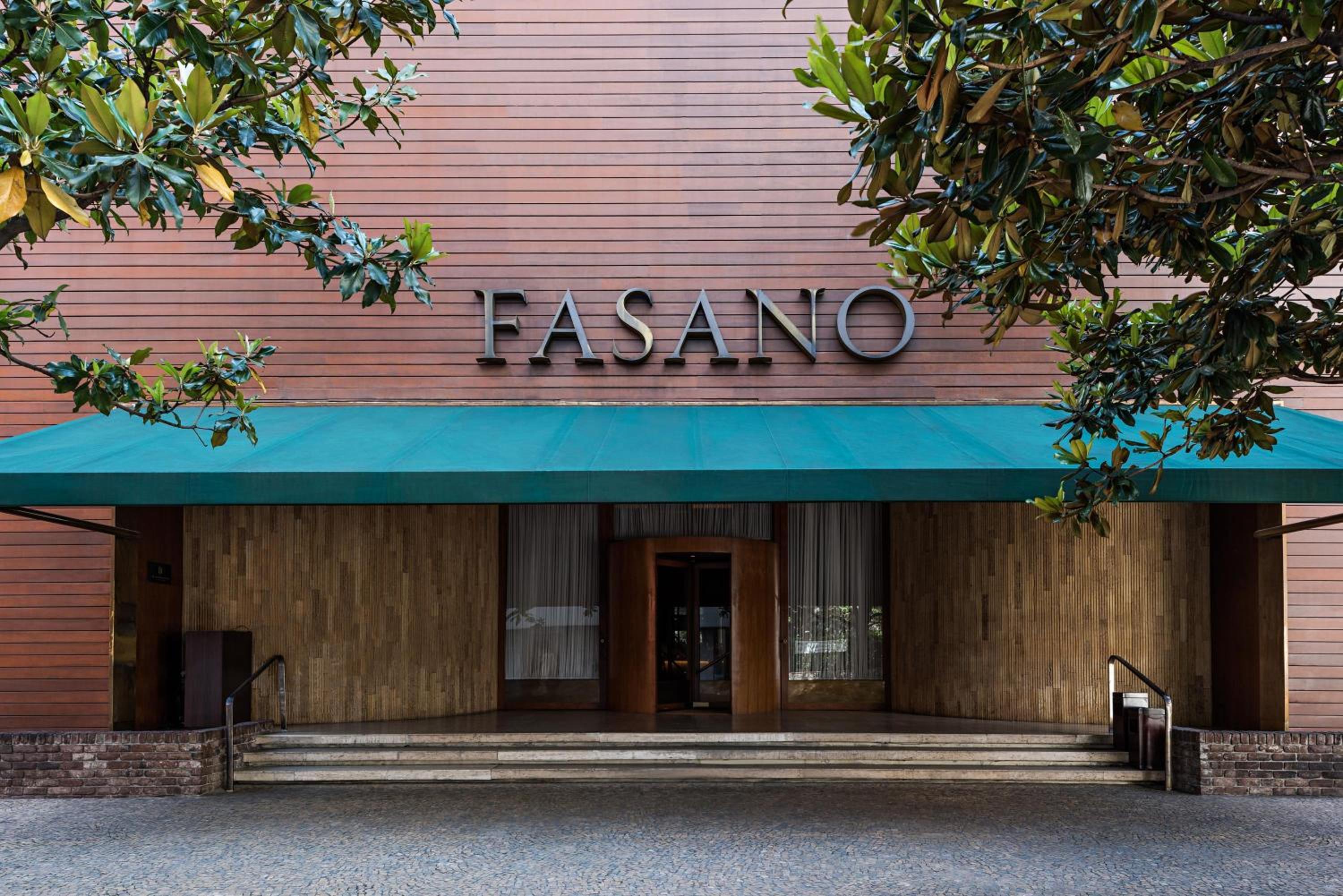
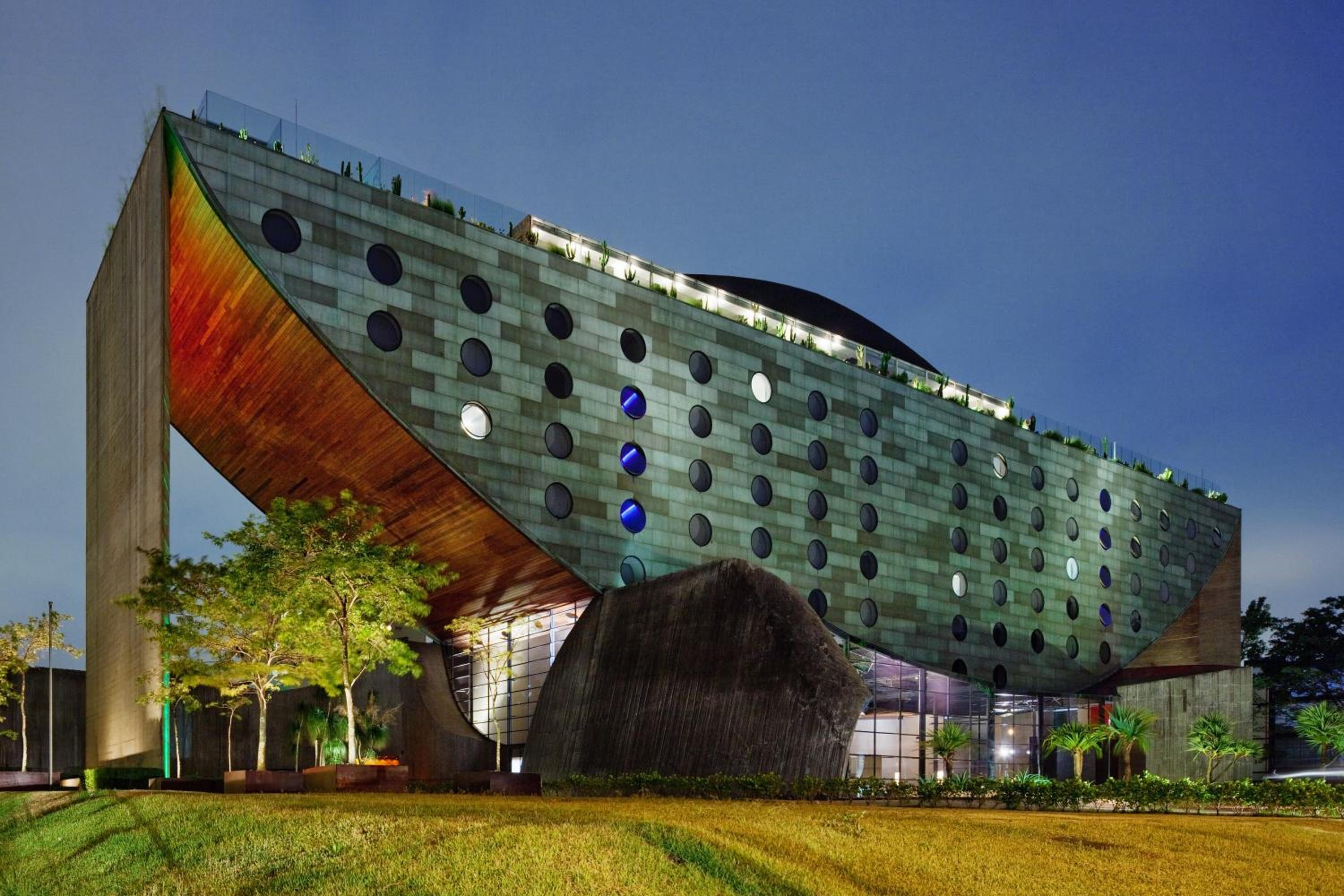
Where to stay in São Paulo
Stay on or near Avenida Paulista for a first visit: the museum row, the hotels and the metro are all on it, and it closes to traffic on Sundays. Jardins next door is the hotel district proper. Most people give Sao Paulo 2 nights on Stippl and want a third. Centro is for the daytime; it thins out after dark and is on the official theft list.
Paulista and Bela Vista
Business and mid-range hotels the length of the avenue, €50 to €130, above the metro.
Vila Madalena
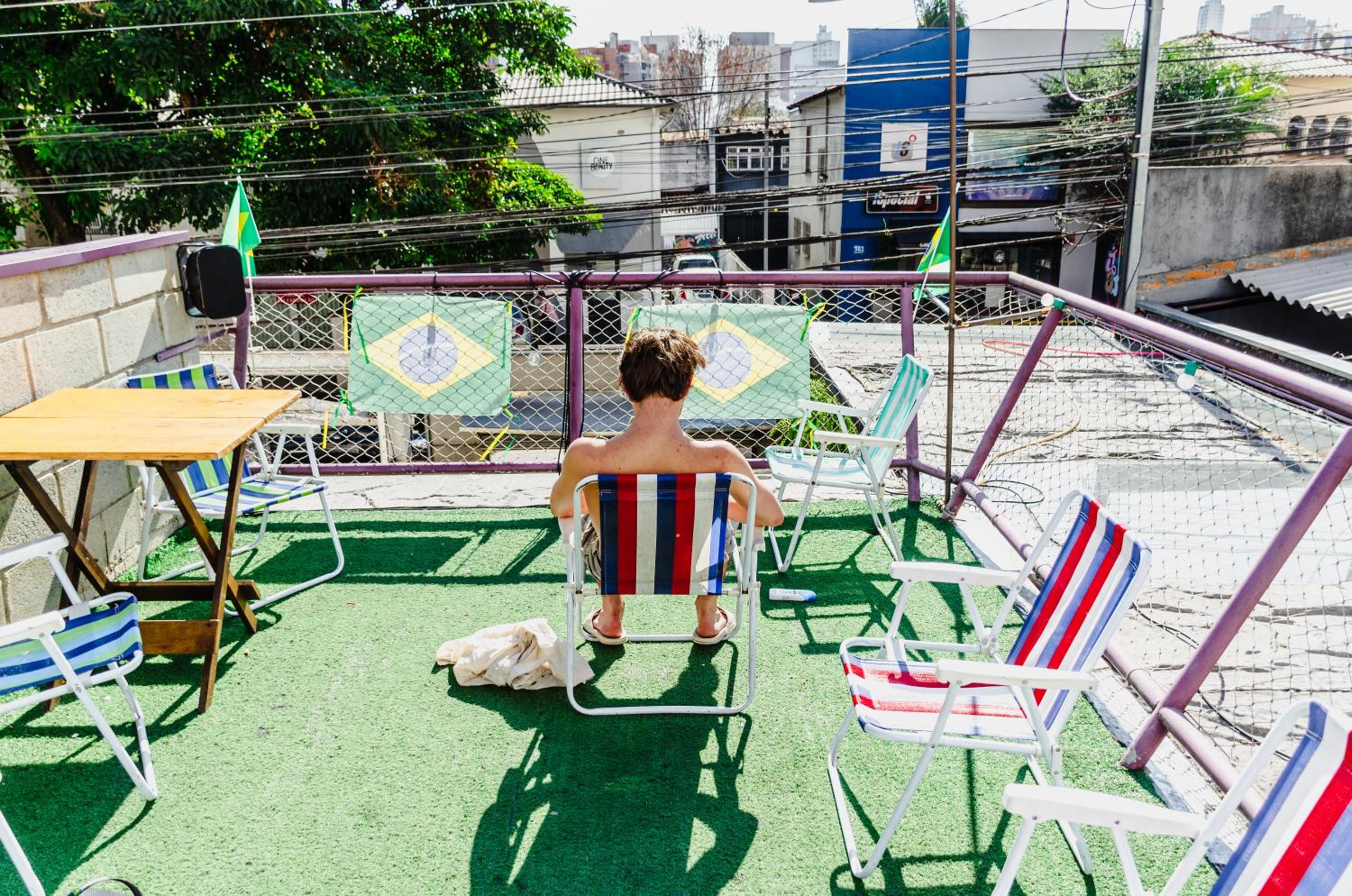
Hostels above the bars from €12 a bed and apartment rentals, €40 to €90; hotels are scarce.
Pinheiros and Jardins
The international luxury hotels from €200, and boutique places off Oscar Freire, €90 to €180.
Moema
Apartment hotels on the grid by Ibirapuera Park, €50 to €110, calm and residential.
Centro
Budget hotels among the early skyscrapers, €25 to €60, for the day and not the evening.
Baixo Augusta
Hostels above the bars from €12 a bed and small hotels, €35 to €80, loud until late.


What to eat in São Paulo
Thick-cut mortadella piled into a bread roll
Deep-fried pastry filled with salt cod (bacalhau)
Japanese ramen counters in the city's Japanese food quarter
Discover food spots in Stippl
Find restaurants and markets on the map, save them to your itinerary, works offline too.
Sao Paulo customs and what not to do
São Paulo dresses
The contrast with Rio's beachwear default shows most at night; a restaurant on Paulista expects shoes and a shirt, and flip-flops mark you out.
An immigrant city, openly
The Japanese quarter in Liberdade, the Italian inheritance in the food, and a Lebanese and Portuguese layer under both; the Sunday fair in Liberdade is the visible version.
Nobody eats walking
Eating on the move is poor form here whatever the cart suggests; the pastel at the Sunday feira is eaten standing at the stall, with the caldo de cana.
Virada Cultural runs 24 hours
The May weekend when museums and stages stay open through the night is the city's own festival, and the Pride parade on Paulista in June is the biggest on earth.
Do
- Eat in Liberdade on a Sunday
- Take the metro; it is the fastest thing in the city
- Book the top restaurants weeks ahead
- Dress for dinner
Don't
- Eat while walking
- Drive in the centre; the traffic is the city's defining fact
- Expect English outside the hotel and museum layer
- Walk the centre after dark alone
What a Sao Paulo trip costs
Budget
€39
Hostel dorm, prato feito or marmitex set plates, city buses and the occasional overnight coach, free beaches and free blocos.
Mid-range
€105
A pousada double with breakfast and air conditioning, restaurant meals, Ubers, one or two domestic flights, paid attractions.
High-end
€340
Beachfront hotels, private guides, a Pantanal lodge with full board and boat safaris, Noronha, camarote seats at Carnaval.
Track what you actually spend
Set a daily budget per country and log expenses in any currency while you travel.
Fun facts about São Paulo
Latin America's first two three-star Michelin restaurants are both in São Paulo. Evvai and Tuju were awarded in 2026, and the city holds 13 of the 19 one-star restaurants in Brazil as well.
São Paulo has the largest Japanese community outside Japan. Liberdade is entered under a nine-metre torii, and the immigration began with the Kasato Maru in 1908.
Latin America's first skyscraper is here. The Edifício Martinelli was finished in 1929, and the Copan and the Edifício Itália followed in the decades after.
São Paulo hosts the largest Pride parade in the world. It runs along Avenida Paulista every June, and the avenue closes to traffic for it as it does every Sunday.
São Paulo is the most populous city in the southern hemisphere. The metropolitan area holds more than 20 million people, the largest Portuguese-speaking population of any city on earth.
One São Paulo stop in eight is planned with no night at all. On Stippl it has the largest zero-night share of any Brazilian destination, against a tiny one for Rio.
The city sits inland on a plateau, an hour from the sea. The Atlantic is over the Serra do Mar, which is why the climate is subtropical rather than tropical and why it rains in the afternoon.
Local tips for São Paulo
One flat fare
The metro and the suburban trains are about €1 a ride whatever the distance, on a Bilhete Único or a bank card, and the bus the same. The network covers everything a visitor wants.
Take the train from the airport
Guarulhos is twenty-five kilometres out and the traffic is the variable, not the distance. The train is the only option whose journey time does not move; Congonhas is the in-city airport for the Rio shuttle.
Do not rent a car
Every guide says the same and the official advice adds roadside robbery in standstill traffic. The four hundred kilometres of cycle path are the safe way to cycle, never the main roads.
How long to stay
Most people give São Paulo 2 nights on Stippl, and a third stay one. Two gets MASP, the market and Vila Madalena; the food is the reason for a third.
Theft, not violence
The risk profile is theft, and the official list for the city is entirely thefts and scams. Cracolândia sits beside Luz station, the metro stop for the Pinacoteca; arrive by the museum's own entrance.
Do not walk districts at night
A third of the districts are safe, a third are not, and the boundaries are not obvious. Use the metro while it runs and ride-hail after; the police number is 190.
Sao Paulo questions, answered
As the arrival airport and the food stop. Sao Paulo carries 17.0% of everything planned in Brazil on Stippl, second only to Rio de Janeiro, and most long-haul flights land here. Put two nights into Stippl at the start rather than treating it as a connection you sleep through.
Two nights, three if Ibirapuera is going in alongside the centre. Across the Sao Paulo stops planned on Stippl the usual is 2 nights. The city is enormous and flat and grey, and what you come for is the eating, the museums and the nights.
Roughly 36.3% of the Sao Paulo stops on Stippl stop at one night, and that is the jet-lagged arrival night rather than a visit. One night gets you dinner. Two gets you Avenida Paulista, MASP, a market lunch and a proper evening in Vila Madalena.
Rio for beaches, scenery and a first Brazil trip; Sao Paulo for food, museums and nightlife. Most people who plan one end up planning both, because they sit an hour apart by air and six by road, and in temperament they are genuinely different countries.
By the Michelin count, yes: both of Latin America's three-star restaurants are here. That is only part of it, though. The immigration that built the city means the best Japanese food outside Japan, Levantine bakeries and Italian cantinas, all a few metro stops apart.
No, and driving is the worst way to get around it. The metro is the largest in Latin America, it is clean and it is fast, and rideshare covers what it does not reach. The traffic here is a famous problem, and a car turns every crossing of the city into an hour.
Every guide is written by the Stippl editors and checked against the trips our travellers actually plan. Spotted something out of date? Let us know.

Plan São Paulo in Stippl
Day-by-day planning, stays and budget in one app, with every place from this guide already on the map.
Download the app