

Recife
Recife runs the biggest carnival parade in the world and a street carnival unlike Rio's, with a UNESCO town next door and the oldest synagogue in the Americas. It is the hinge of the north-east coast.
Recife in a nutshell
Recife: what to expect
The figures here sit on 71,000+ planned stops across Brazil on Stippl.
Recife sits across islands and peninsulas where two rivers meet the sea, which is why it gets called the Brazilian Venice. Recife was the capital of Dutch Brazil from 1630 to 1654, and Recife Antigo, the old city on its own island, still holds Marco Zero, Rua do Bom Jesus and the Kahal Zur Israel synagogue, the oldest in the Americas. Olinda is six kilometres north, a hillside colonial town on the World Heritage list since 1982, and the Galo da Madrugada is the largest carnival parade in the world.
Rio actually falls below parity on a Recife trip, which is true of nowhere else in Brazil. A trip that carries Recife is less likely to contain Rio than an ordinary Brazilian trip is, which is true of nowhere else in the country. What it does carry is the rest of the north-east, with Fortaleza and São Luís lifting sharply, and its itineraries are the deepest in Brazil.
Take two nights, and get the season right, because you will not get a second run at it. Recife is the country's only fourth-quarter destination, and May is the deepest single-month trough anywhere we cover, so the calendar here runs against the southern coast. Porto de Galinhas and its natural pools are down the coast, reached by jangada at low tide. Do not book this as a beach holiday whatever the hotels suggest, because the city beach is not swimmable.
Plan Recife in Stippl
Day-by-day planning, stays and budget in one app, with every place from this guide already on the map.
Download the appWho Recife is for
History travellers
A Dutch colonial capital, a UNESCO town next door and the oldest synagogue in the Americas is an unusual concentration for one afternoon.
Carnival travellers
Recife and Olinda run a street carnival with the world's largest single parade, and it is a different animal from Rio's.
Anyone crossing the north-east
Recife is the hinge of the north-east coast, with Fortaleza and São Luís both reached from here, and most people give it 2 nights.
Beach people with a day spare
Porto de Galinhas and its natural pools, reached by jangada at low tide, are the standard beach day out of Recife.
Maybe not for you: beach holidays, whatever the hotels suggest, since the city beach is not swimmable and the swimming is at Porto de Galinhas an hour south.
The best time to visit Recife
Dry and busy
September to February
Warm, dry and the season, with the beach at Boa Viagem at its best. Carnaval in February or early March is the one week the city is genuinely full, and Olinda's rooms are booked months out for it.
Wet
March to July
Long rainy days, especially May and June, and the streets of Olinda slick. The São João festivals in June are the reason to come anyway, in Recife and inland at Caruaru.
- January is the month most travellers plan Brazil for on Stippl, and Recife is planned about 86 days ahead. Recife's own calendar peaks in October and at Carnaval; May is the quietest month here of any we cover in Brazil.
- The Galo da Madrugada on Carnaval Saturday is the largest single bloco in the world. Recife's centre is closed to cars from dawn and the crowd is measured in millions; Olinda's hill is the place to be the rest of the week.
- São João in June is the Northeast's second carnival. Caruaru, two hours inland, runs the biggest festival in the country for the month; the buses from Recife fill on the weekend of the 24th.
- Boa Viagem has a shark warning that is not a formality. The signs along the beach are there for a reason; swim inside the reef pools at low tide and stay out of the water beyond them.
Add your Recife dates and we'll flag the weather
Stippl shows the season, crowds and prices for every stop on your route.
Describe your trip, get a Recife itinerary in seconds
Everything in this guide is already in Stippl. Tell the planner how long you have and what you like: it builds the route, the days and the travel times, and you edit whatever you want.
Things to do in Recife
 Photo by Victor Cayke via Pexels
 Photo by thiago japyassu via Pexels
 Photo by Juliana Polizel via Pexels
Olinda's historic centre
Walk the hilltop churches, the multi-storey colonial houses and the street plan moulded to the slope, inscribed by UNESCO in 1982, free. The Alto da Sé at sunset has the view back to Recife and the tapioca stalls.
Recife Antigo
Walk Marco Zero, the Rua do Bom Jesus and the Kahal Zur Israel synagogue, the oldest in the Americas, from the Dutch period, about €2 for the synagogue. Sundays close the streets to traffic.
The Instituto Ricardo Brennand
Spend two hours in the neo-Gothic castle housing arms, armour and one of the largest collections of Frans Post paintings, about €6, and the Oficina Brennand ceramics workshop nearby. Closed Mondays; a taxi from the centre.
The Paço do Frevo
Spend an hour in the museum of the music and the dance in Recife Antigo, about €2, with the afternoon frevo classes open to anyone. The way to understand the carnival before or after it.
Porto de Galinhas
Take the bus an hour south to the natural pools on the reef, reached by jangada raft at low tide for about €5, and snorkel among the fish in a metre of water. Check the tide table; at high water there are no pools.
Boa Viagem at low tide
Swim inside the reef pools on the city beach at low tide, where the water is calm and the shark warning does not apply. The signs along the beach are serious; stay inside the reef.
The neighbourhoods of Recife
Boa Viagem
Beach district, high-rises
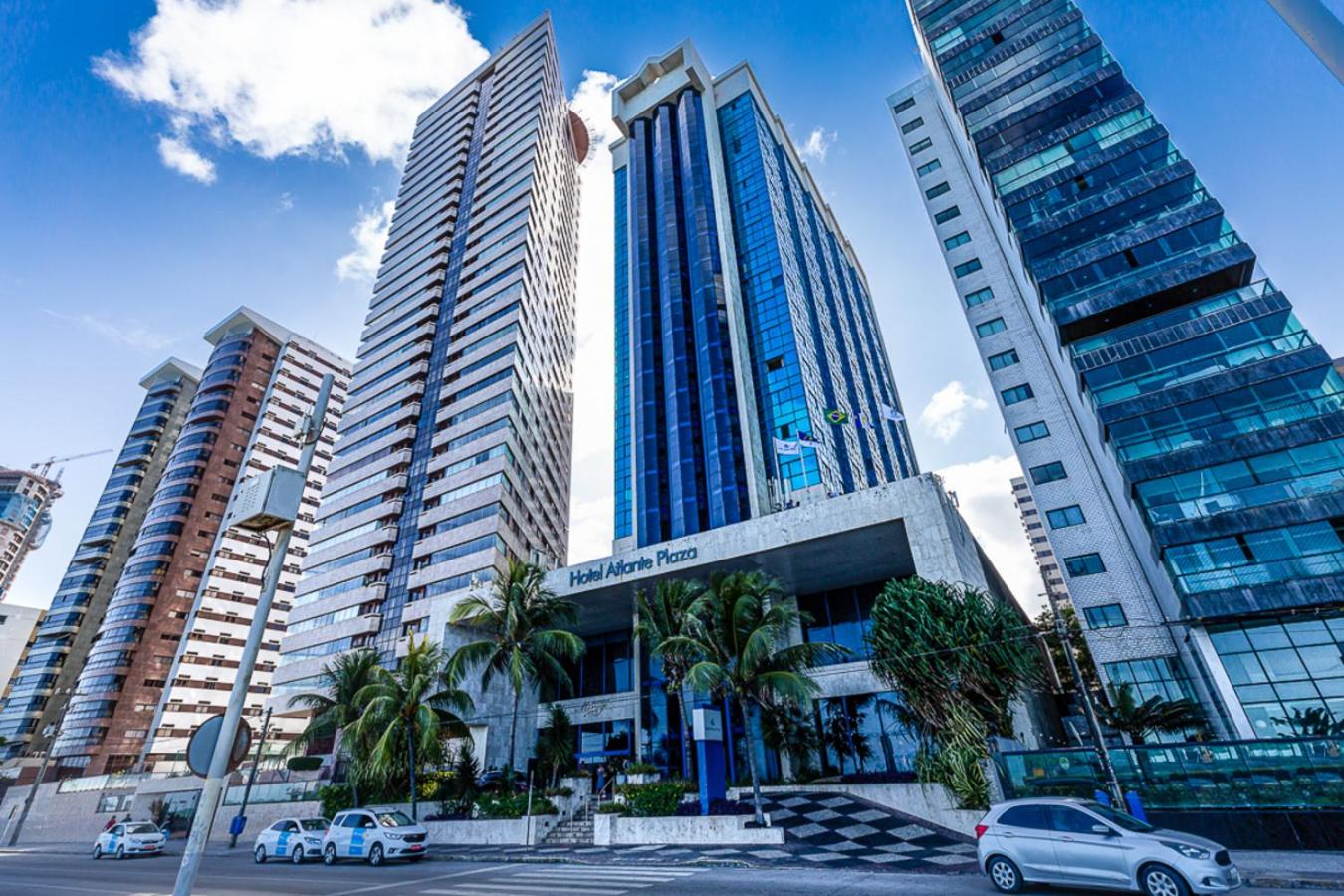
The beach district where almost all visitors sleep: high-rises, restaurants and a long seafront, and the beach with the shark warnings. For first visits and for the front; not for swimming.
The hotels and the front, and a sea that is closed.
Recife Antigo
Old island, Marco Zero, nightlife
The old city on its island: Marco Zero, Rua do Bom Jesus, the synagogue and the Paço do Frevo, with a few boutique hotels. For culture and nightlife; it empties by day outside weekends.
The history and the weekend nights, and dead streets on a weekday.
Olinda
UNESCO hill town, pousadas
The separate UNESCO town six kilometres north, where much of what visitors come for actually is, with pousadas in the colonial houses. For the hill town at dawn and for carnival.
The best streets in the region, and a taxi to Recife for everything else.
Santo Antônio
Markets, churches, daytime
The central commercial district: the churches and the Mercado de São José of 1875, with a few plain hotels. For the markets by day; not a place to walk at night.
The markets on foot, and a taxi after dark.
See every Recife neighbourhood on one map
Save the areas you like and Stippl plots your days so you're not crossing the city twice.
Where to stay in Recife
Stay in Boa Viagem for a first visit: almost every hotel is on that seafront, and the rest of the city is a taxi ride. Olinda, six kilometres north, is the alternative base, with pousadas in the colonial houses and most of what you came to see. Most people give Recife 2 nights on Stippl. Carnival is a separate market; book months ahead.
Boa Viagem
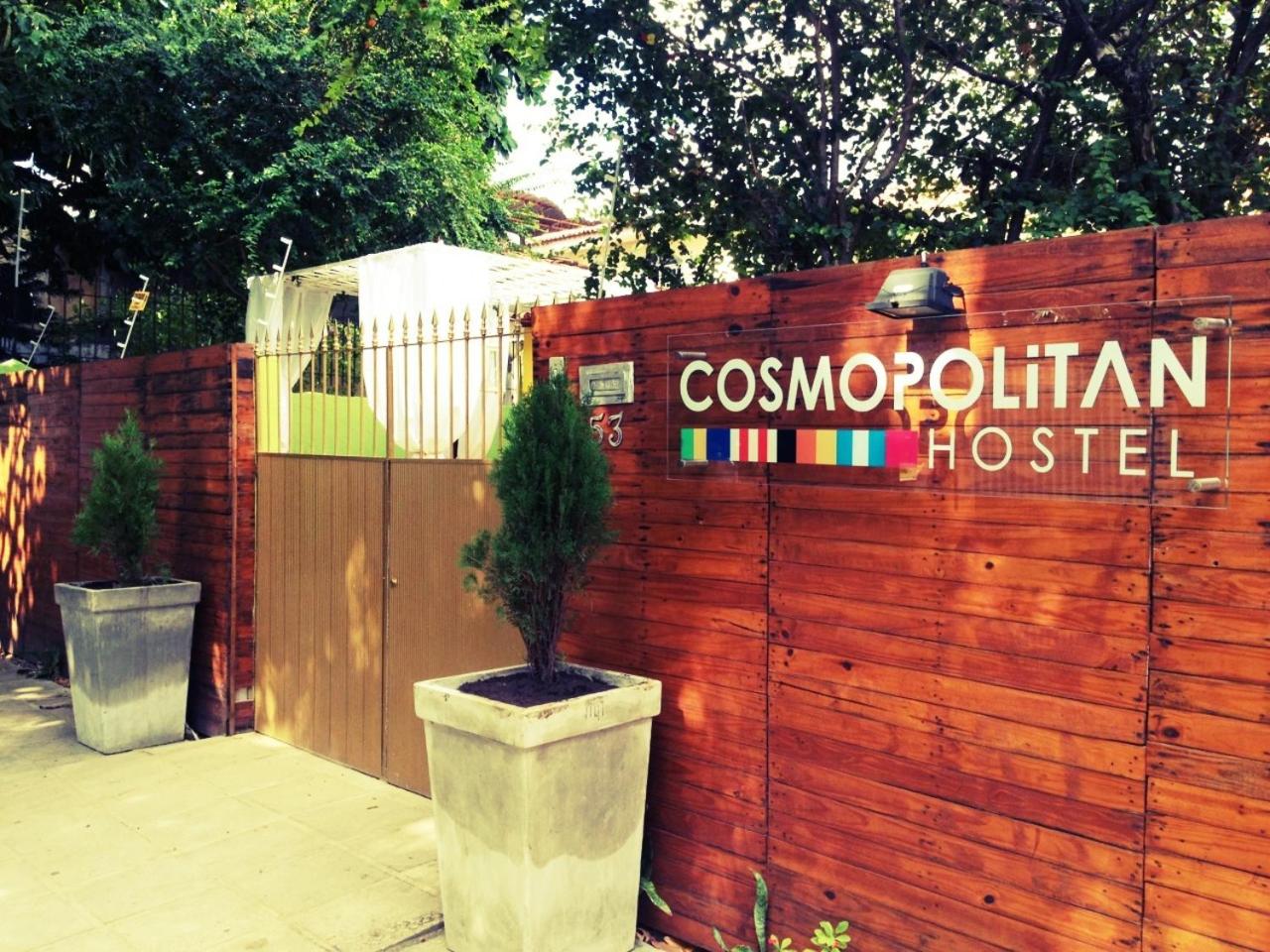
High-rise hotels and apartment towers along the seafront, €40 to €120, with hostels from €10 a bed.
Recife Antigo
A few boutique hotels in the old buildings, €60 to €130, with the nightlife on the doorstep.
Olinda
Pousadas in colonial houses on the hill, €40 to €110, and hostels from €12 a bed.
Santo Antônio
A few plain business hotels near the churches, €30 to €60, quiet and empty after dark.



What to eat in Recife
Paper-thin layers of sponge rolled with goiabada guava paste, sliced thin and eaten with coffee
Crepe made from cassava starch, filled sweet or savoury
Whole crab, eaten slowly
Discover food spots in Stippl
Find restaurants and markets on the map, save them to your itinerary, works offline too.
Recife customs and what not to do
Frevo and maracatu are local
Frevo is the fast, umbrella-twirling dance of Recife's carnival and maracatu the Afro-Brazilian drum procession; the distinction matters and the Paço do Frevo teaches it.
Carnival here is a street one
Not a stadium parade: you are in it rather than watching it, Saturday's Galo da Madrugada is the largest street bloco in the world, and Olinda's hills are the second half.
Less English than Rio
Portuguese helps everywhere outside the hotels; the Recife Antigo bars and the Olinda ateliers work on goodwill and a translation app.
The sea is closed
Boa Viagem has had shark attacks since the 1990s and the signs are serious; the beach is for walking and the reef pools at low tide, not for swimming.
Do
- Learn a frevo step at the Paço do Frevo before carnival
- Walk Olinda in the morning and Recife Antigo in the evening
- Book carnival rooms a year ahead
- Carry a translation app
Don't
- Swim at Boa Viagem; the shark signs are serious
- Expect the carnival to have seats
- Walk Recife Antigo alone late at night
- Confuse frevo and maracatu to a local
What a Recife trip costs
Budget
€39
Hostel dorm, prato feito or marmitex set plates, city buses and the occasional overnight coach, free beaches and free blocos.
Mid-range
€105
A pousada double with breakfast and air conditioning, restaurant meals, Ubers, one or two domestic flights, paid attractions.
High-end
€340
Beachfront hotels, private guides, a Pantanal lodge with full board and boat safaris, Noronha, camarote seats at Carnaval.
Track what you actually spend
Set a daily budget per country and log expenses in any currency while you travel.
Fun facts about Recife
Recife was the capital of a Dutch colony for 24 years. It was called Mauritsstad from 1630 to 1654, and Johan Maurits van Nassau gave it canals, bridges and an observatory.
The oldest synagogue in the Americas is in Recife Antigo. Kahal Zur Israel dates from the Dutch period, and its congregation left for New Amsterdam, later New York, when the Portuguese returned.
Olinda is a World Heritage city 6 km from Recife's edge. It was inscribed in 1982, founded in 1535 on hillsides above the sea, and the two heritage cities effectively touch.
The Galo da Madrugada is the largest carnival parade in the world. Guinness lists it by participants, 2.5 million people in 2013, and it has opened Recife's carnival every Saturday morning since 1978.
Boa Viagem is a city beach you cannot swim at. The hotel towers and the shark warning signs line it in equal measure, and the pools at low tide are as far as anyone goes.
Recife is the only Brazilian stop where Rio is a negative signal. On Stippl a Recife trip is less likely to carry Rio than an average Brazilian trip, because the north-east travels with itself.
Local tips for Recife
The metro from the airport
Recife is one of the few Brazilian cities with a rail link from the airport, about €1 a journey, twenty minutes to the centre. Boa Viagem is a short taxi from the line.
Porto de Galinhas is a stay
Sixty kilometres south and sold as a day trip, and people sleep there instead: it holds about as many nights as Recife itself. The bus is about €3 and the jangada about €5.
How long to stay
Most people give Recife 2 nights on Stippl: Olinda one day, Recife Antigo and the Brennand the next. Carnaval week is the exception and needs the room months out.
Sharks at Boa Viagem
The metropolitan coast has one of the highest shark-attack fatality rates in the world, and warning signs stand every two hundred metres along the beach. Swim inside the reef pools at low tide only.
Phone theft peaks at dusk
Robbery is common, phone theft peaks between four and nine in the evening, and the advice is not to resist. Boa Viagem and Recife Antigo are the policed visitor areas.
Recife Antigo is for the night
It is not residential, and it empties between the bars and the morning. Take a ride-hail back to Boa Viagem rather than walking, and avoid the city beaches after dark.
Recife questions, answered
As one stop with two halves. Recife carries 1.4% of everything planned in Brazil on Stippl, and Olinda, the colonial hill town, is half an hour away and a completely different place. Put two nights into Stippl for Recife and a full day for Olinda alongside them.
Two, plus a day for Olinda. On Stippl the Recife stops run to 2 nights. The old town at Recife Antigo, the Ricardo Brennand museum and an evening on Rua da Moeda is what that covers, at an unhurried pace.
Usually. 47.1% of the trips that include Recife stay inside Brazil on Stippl, well above the national rate, because the northeast sits a long way from any land border and the people who get here are doing Brazil properly rather than a continental loop.
No. The beach carries official shark warnings and one of the highest attack rates anywhere in the world, and the signs are not decorative. What people use are the shallow natural pools inside the reef at low tide, close in to the sand. Past the reef line is genuinely dangerous.
Both work, and travellers treat them as separate places. Olinda is a steep colonial hill town of painted houses, churches and artists' workshops, half an hour away. A day covers it; a night gets you the evening, which is when the hill is best and everyone else has gone back.
It is a different thing altogether. Recife and Olinda do street carnival rather than a stadium parade: giant puppets, frevo bands and the Galo da Madrugada, which is listed as the largest parade in the world. It is free, it is chaotic, and there is nowhere at all to sit down.
Every guide is written by the Stippl editors and checked against the trips our travellers actually plan. Spotted something out of date? Let us know.

Plan Recife in Stippl
Day-by-day planning, stays and budget in one app, with every place from this guide already on the map.
Download the app