

Salvador
Salvador was Brazil's capital for two centuries and is where the country's African inheritance is loudest. Capoeira circles form in the squares, and the railings at Bonfim vanish under wish-ribbons.
Salvador in a nutshell
Salvador: what to expect
We read 71,000+ planned stops in Brazil on Stippl to see how Salvador really gets planned.
Salvador is Brazil's first capital and the centre of its Afro-Brazilian culture. The historic centre has been a UNESCO World Heritage Site since 1985, built on an escarpment that splits the city into an upper and a lower town, and over 80% of Salvador identifies as Afro-descendant. The Pelourinho is the square to walk, and its name records the whipping post of the slave market that stood there. São Francisco's interior is covered in gold leaf, Bonfim's railings are tied with thousands of coloured ribbons, and capoeira is taught by the hour in the squares. Most travellers give Salvador 3 nights.
Salvador travels with the north-east and with nothing else. Recife, Jericoacoara and São Luís all sit well above their expected share on Salvador trips while Rio sits far below its own, and 47.1% of Salvador trips stay inside Brazil. This is the stop that marks a Brazil trip rather than a South America one.
The calendar decides Salvador, not the weather. Salvador holds between 24 and 27 degrees all year, so there is no cold season, only a wet one, and demand follows neither the rain nor the temperature. It follows the two peaks five months apart, February and August, and the six days of the largest street carnival in the world. Come for carnival and you are coming for that and nothing else; come outside it and the city is a great deal calmer than its reputation.
Plan Salvador in Stippl
Day-by-day planning, stays and budget in one app, with every place from this guide already on the map.
Download the appWho Salvador is for
Culture people, not coast
Rio is for the setting and Salvador for what people do in it, and most give it 3 nights.
Music and dance travellers
Capoeira in the squares, Candomblé terreiros, axé, forró and samba-reggae, all live and all here.
Food travellers
Bahian cooking is a distinct cuisine rather than a regional variation, and this is its capital.
History travellers
Salvador was Portuguese Brazil's first capital until 1763, and the historic centre, UNESCO-listed since 1985, splits into an upper and a lower town on the escarpment.
Maybe not for you: anyone on a nervous first trip to Brazil, since the safety picture is real and the places that recommend Salvador hardest also give the most instructions.
The best time to visit Salvador
The dry half
September to March
Warm, mostly dry and the season to come, with October and November the quietest months of it and February the loudest. Carnaval here is the biggest street party in Brazil.
The wet half
April to July
Wetter, with long rainy days in May and June, and the temperature barely moving. The Festa de São João in June turns the wet season into a party anyway.
- January is the month most travellers plan Brazil for on Stippl, and Salvador is planned about 98 days ahead. Salvador's own peaks are calendar events, Carnaval in February and the August holidays, and neither has much to do with the weather.
- Salvador's Carnaval is the largest street carnival in the world and it sells the city out. The trio elétrico circuits in Barra and Campo Grande run for six days; a room in the Pelourinho or Barra is booked by the previous autumn.
- The Festa de Iemanjá on 2 February fills Rio Vermelho for a day. Boats of flowers go out to sea from the fishermen's colony from dawn; it is the best single day of the year here and needs no ticket.
- Salvador's temperature moves less than three degrees over the year. The only question is rain, and even the wet months are wet in afternoons rather than in weeks; a June trip works with a plan that starts early.
Add your Salvador dates and we'll flag the weather
Stippl shows the season, crowds and prices for every stop on your route.
Describe your trip, get a Salvador itinerary in seconds
Everything in this guide is already in Stippl. Tell the planner how long you have and what you like: it builds the route, the days and the travel times, and you edit whatever you want.
Things to do in Salvador
 Photo by Mario Pais Cie via Pexels
 Photo by Raoul Muniz via Pexels
Walking the Pelourinho
Walk the Largo do Pelourinho, Terreiro de Jesus and the Praça da Sé, the pastel houses and the artists' studios, free. The square's name records what happened there: it was the whipping post for the enslaved, and the plaque says so.
Igreja de São Francisco
Enter the church whose interior is covered in gold leaf, about €2, and the cloister with its blue Portuguese tiles. Twenty minutes, and the Tuesday evening mass is the one with the crowd.
Igreja do Bonfim
Take the bus to the Itapagipe peninsula to the church whose railings are covered in coloured fitas tied with three wishes, free. Buy the ribbon from the sellers outside and tie it yourself; the wish comes true when it falls off.
Capoeira
Watch a roda in the squares or on the beach, or take an hour's lesson at one of the academies in the Pelourinho for about €10. The circle was inscribed by UNESCO in 2014; the Mestre Bimba academy is the historic one.
A Candomblé ceremony
Attend a service at a terreiro through a guide who has the relationship, about €25, dressed in white and with no camera. This is a religious service and not a show; the guide will say when to leave.
The Elevador Lacerda
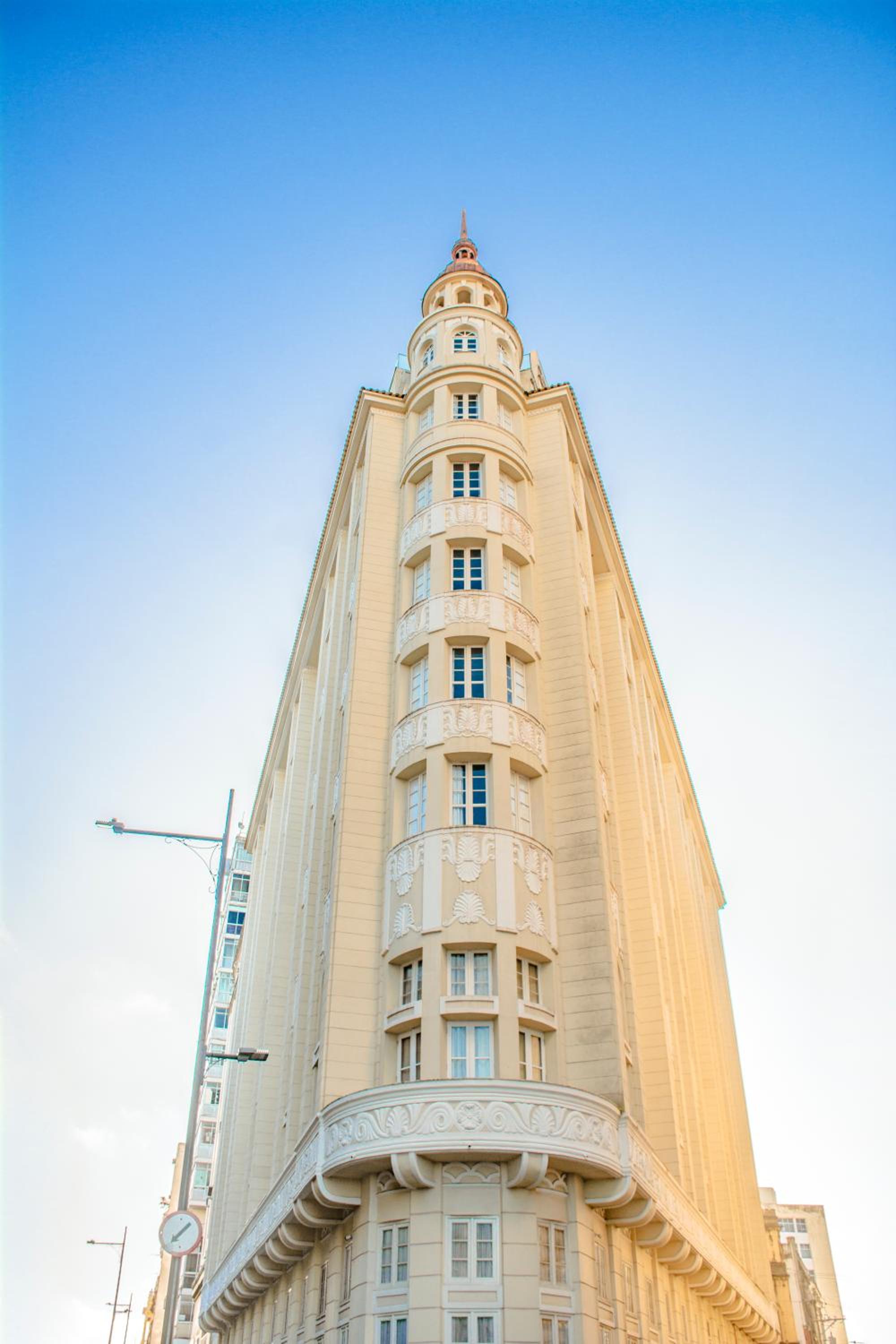
Ride the art-deco lift between the upper and lower city for a few cents and walk the Mercado Modelo below it for the craft stalls and the view of the bay. The sunset from the top is the free show.
The neighbourhoods of Salvador
Pelourinho
UNESCO centre, cobbles, drums
The historic centre in the upper city: cobbles, pastel colonial houses, churches and the squares where the drums play, with pousadas in the old houses. For first visits and for the Tuesday night.
The old city at the door, and side streets to avoid after dark.
Santo Antônio
Quieter end, small pousadas
The quieter end of the historic centre immediately north of Pelourinho, where the small pousadas in colonial houses are. For couples and for the old city without the squares' noise.
The character and the quiet, and a walk into the Pelourinho for everything.
Barra
Lighthouse, calm beach, the safest base
The southern headland where the bay meets the Atlantic: the lighthouse, Porto da Barra beach, a mall and the neighbourhood most often named as the safest base. For families and first visits.
The calm beach and the safety, and a bus to the old city.
Rio Vermelho
Nightlife, acarajé stalls
The nightlife and restaurant district where the acarajé stalls people travel for are, with mid-range hotels and pousadas. For eating and for the evening.
The best food and nights, and a taxi to the centre.
Ondina
Ocean road, hotels, carnival route
On the ocean road between Barra and Rio Vermelho: hotels rather than character, and on the carnival circuit. For carnival and for a hotel with a pool.
A pool and the parade route, and nothing to walk to otherwise.
See every Salvador neighbourhood on one map
Save the areas you like and Stippl plots your days so you're not crossing the city twice.
Where to stay in Salvador
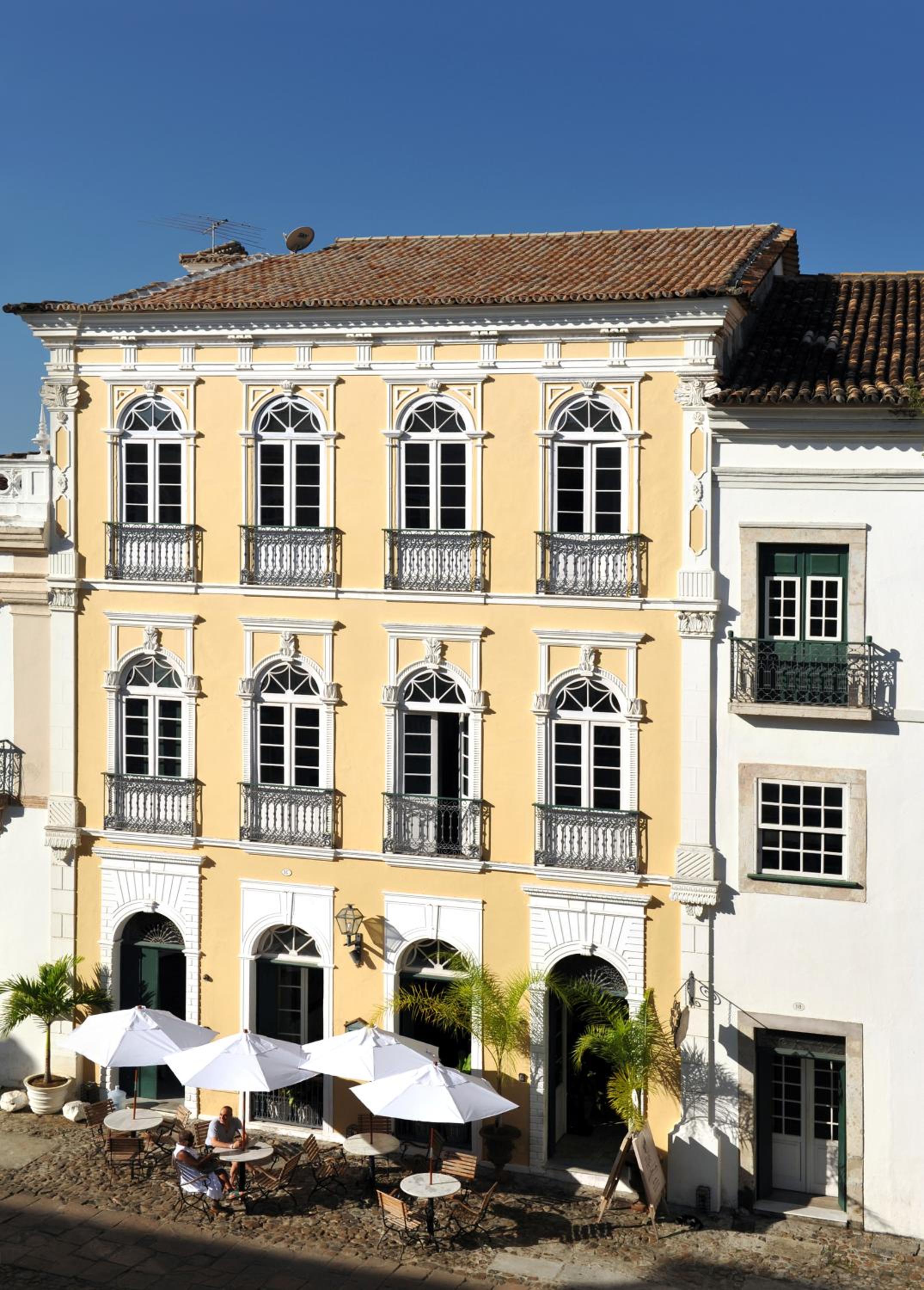
Stay in Barra for a first visit, within a walk of Porto da Barra beach: it is the neighbourhood most often named as the safe one, and Pelourinho is a short ride. For the old city itself, the small pousadas in colonial houses in Santo Antonio are the characteristic stay. Most people give Salvador 3 nights on Stippl. Carnival is its own market; book months ahead.
Pelourinho
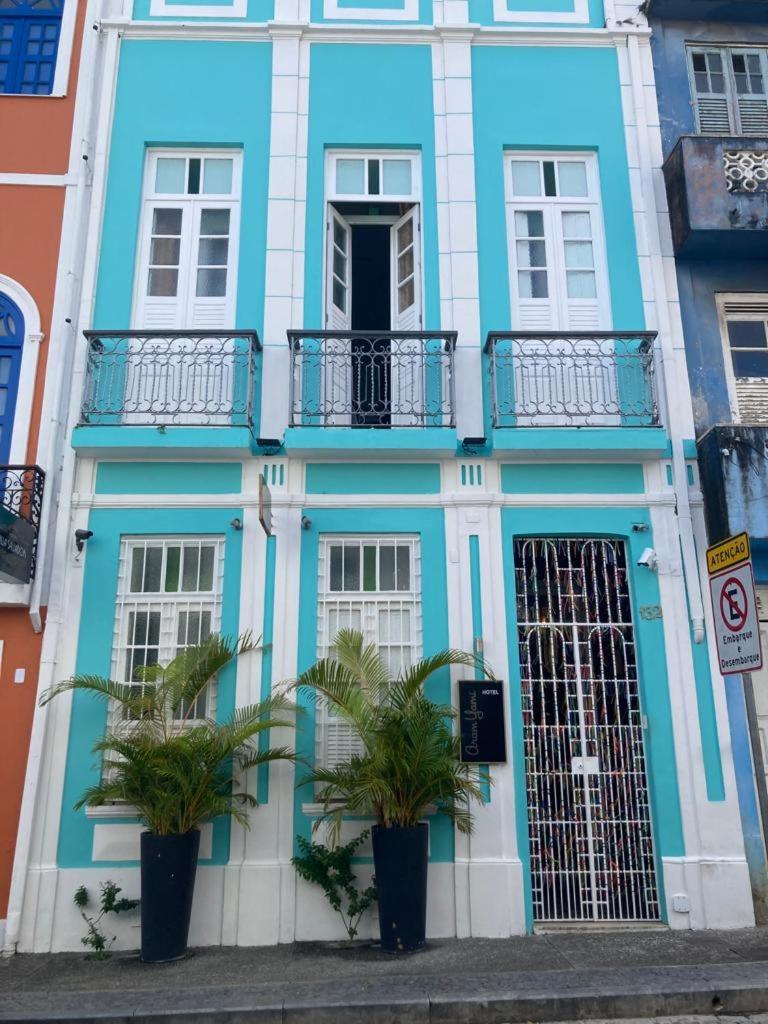
Pousadas and hostels in the pastel colonial houses, €12 a bed to €90 a room, with the drums outside.
Santo Antônio
Small pousadas in restored colonial houses, €50 to €130, at the quiet end of the old city.
Barra
Hostels near the beach from €12 a bed and mid-range hotels, €40 to €110, by the lighthouse.
Rio Vermelho
Mid-range hotels and pousadas among the restaurants, €40 to €100, with the acarajé stalls below.
Ondina
Hotels with pools on the ocean road, €50 to €130, on the carnival circuit.


What to eat in Salvador
Ball of black-eyed-pea dough deep-fried in dendê and split open, filled with vatapá, caruru, dried shrimp and chilli
Creamy paste of bread, shrimp, nuts and coconut milk, one of the acarajé fillings
Another of the fillings served with acarajé
Seafood stew of coconut milk, tomato, coriander, peppers and dendê, cooked and served in a clay pot
Discover food spots in Stippl
Find restaurants and markets on the map, save them to your itinerary, works offline too.
Salvador customs and what not to do
Candomblé is a living religion
Terreiros that admit visitors set conditions: no revealing clothing, white or light preferred, silence during the ritual and no photography without permission; go with an introduction.
The two faiths coexist
Catholicism and Candomblé openly, and Bonfim church is where it is most visible; the ribbons on the railings are prayers, tied by others, and not for taking.
Baiana photos are paid for
The women in white in Pelourinho pose for a living; agree the price first, a few reais, and the acarajé from their tray is the reason to stop anyway.
Square capoeira may want pay
A roda in the Pelourinho square is a performance for the hat rather than a spontaneous event; watch, pay, and take a class if you want to join.
Do
- Visit Bonfim on a Friday, dressed in white
- Agree the price before photographing a baiana
- Eat acarajé from a tray, not a restaurant
- Go with a guide to a terreiro if you are invited
Don't
- Photograph inside a terreiro
- Take a ribbon off the Bonfim railings
- Walk the Pelourinho side streets alone at night
- Wear black to a Candomblé ceremony
What a Salvador trip costs
Budget
€39
Hostel dorm, prato feito or marmitex set plates, city buses and the occasional overnight coach, free beaches and free blocos.
Mid-range
€105
A pousada double with breakfast and air conditioning, restaurant meals, Ubers, one or two domestic flights, paid attractions.
High-end
€340
Beachfront hotels, private guides, a Pantanal lodge with full board and boat safaris, Noronha, camarote seats at Carnaval.
Track what you actually spend
Set a daily budget per country and log expenses in any currency while you travel.
Fun facts about Salvador
The Largo do Pelourinho is named after a whipping post. The pillory of the slave market stood on the square, and the name records what the pastel colonial buildings around it were for.
The historic centre lost two thirds of its residents while being restored. About 1,350 properties were restored in the 1990s, and the resident population fell from 9,853 in 1980 to 3,235 in 2000.
A ride on the Elevador Lacerda costs about three cents. The 72-metre lift between the upper and lower towns carried over 33,000 people a day in 2019, and it is genuinely just the bus.
A Bonfim ribbon is 47 cm long and tied with three knots. One knot for each wish, on the wrist or the church railings, and the wishes come true when the ribbon falls off on its own.
Salvador was the first capital of Brazil. Founded on 29 March 1549, it remained the capital of Portuguese Brazil until 1763, as the entrepôt of the sugar trade.
Over 80% of Salvador's population is Afro-descendant. That is why it is routinely called the largest Black city outside Africa, and why the capoeira roda here is on UNESCO's intangible heritage list.
Local tips for Salvador
The Elevador is transport
The art-deco lift between the upper and lower city costs a few cents and is public transport, not an attraction: worth having crossed, not worth queuing for. The top has the free view.
Take an Uber between districts
The local rule every guide repeats: ride-hail rather than walk between neighbourhoods, and avoid empty streets. Barra, Ondina and Rio Vermelho are the safer bases; the Pelourinho is policed by day and evening.
The Morro de São Paulo boat
The catamaran crosses open sea and is cancelled or rough in bad weather; sailings cluster around nine, half past ten and half past two. Book the morning one and take the tablets.
How long to stay
Most people give Salvador 3 nights on Stippl: the Pelourinho, Bonfim and a capoeira roda, and a day for Itaparica or the beaches north. Carnaval is booked by the previous autumn.
Phone theft peaks at dusk
Robbery is common and phone theft peaks between four and nine in the evening; do not resist. Nothing on show, and the passport in the safe.
Beaches after dark are off
Do not go onto the city beaches at night, and the group snatch raids called arrastões happen in daylight on crowded ones. Porto da Barra inside the bay is the calm-water swim.
Salvador questions, answered
In the northeast, as its own leg. Salvador carries 6.3% of everything planned in Brazil on Stippl, and it is a two-hour flight from Rio de Janeiro, so it is a decision rather than a detour. Put three nights into Stippl and the northeast coast after it if the days allow.
Three nights. The Salvador stops planned on Stippl run to 3 nights, and it is what the itineraries suggest as well. Pelourinho, the Bonfim church, a capoeira roda and one long evening in Rio Vermelho is roughly what it holds.
Usually. 47.1% of the trips that include Salvador stay inside Brazil on Stippl, well above the national figure, because the northeast is a long way from any border and the people who come this far are here for Brazil rather than for South America.
They are different events rather than better and worse. Rio is a ticketed stadium parade with street parties around it. Salvador is entirely street, on three circuits, built around trios eletricos, and it is described as the largest street party in the world. Rio to watch, Salvador to be in.
It needs more care than Rio de Janeiro's tourist strip, and the advice is consistent on the specifics: no city beaches after dark, no walking between districts at night, use rideshare instead. Pelourinho is patrolled and busy in the evening, and the streets around it empty out fast.
April to July, with something like seventeen wet days a month at the peak of it. It does not empty the city: July is still one of the busier months, because the rain arrives in bursts rather than settling in for the day. Bring something waterproof and plan indoor mornings.
Every guide is written by the Stippl editors and checked against the trips our travellers actually plan. Spotted something out of date? Let us know.

Plan Salvador in Stippl
Day-by-day planning, stays and budget in one app, with every place from this guide already on the map.
Download the app