

Salvador
Salvador fue la capital de Brasil durante dos siglos y es donde la herencia africana del país es más fuerte. Los círculos de capoeira se forman en las plazas, y las barandillas en Bonfim desaparecen bajo cintas de deseos.
Salvador en pocas palabras
Salvador: qué esperar
Leemos 71.000+ paradas planeadas en Brasil en Stippl para ver cómo Salvador se planea realmente.
Salvador es la primera capital de Brasil y el centro de su cultura afrobrasilera. El centro histórico ha sido Patrimonio de la Humanidad de la UNESCO desde 1985, construido en una escarpa que divide la ciudad en una ciudad superior e inferior, y más del 80% de Salvador se identifica como afrodescendiente. El Pelourinho es la plaza para caminar, y su nombre registra el poste de azotes del mercado de esclavos que estaba allí. El interior de São Francisco está cubierto en pan de oro, las barandillas de Bonfim están atadas con miles de cintas de colores y la capoeira se enseña por horas en las plazas. La mayoría de viajeros dan a Salvador 3 noches.
Salvador viaja con el nordeste y con nada más. Recife, Jericoacoara y São Luís se encuentran bien por encima de su cuota esperada en viajes a Salvador mientras que Río está muy por debajo de la suya, y el 47,1% de viajes a Salvador permanecen dentro de Brasil. Esta es la parada que marca un viaje a Brasil en lugar de uno a América del Sur.
El calendario decide Salvador, no el clima. Salvador se mantiene entre 24 y 27 grados todo el año, por lo que no hay estación fría, solo una lluviosa, y la demanda no sigue ni la lluvia ni la temperatura. Sigue los dos picos cinco meses aparte, febrero y agosto, y los seis días del carnaval callejero más grande del mundo. Ven para el carnaval y vienes para eso y nada más; ven fuera de él y la ciudad es mucho más tranquila que su reputación.
Planifica Salvador en Stippl
Planificación día a día, alojamientos y presupuesto en una sola app, con cada lugar de esta guía ya en el mapa.
Descargar la appPara quién es Salvador
Gente de cultura, no de costa
Río es por el escenario y Salvador por lo que la gente hace en él, y la mayoría le dan 3 noches.
Viajeros de música y danza
Capoeira en las plazas, terreiros de Candomblé, axé, forró y samba-reggae, todo en vivo y todo aquí.
Viajeros de comida
La cocina bahiana es una cocina distinta en lugar de una variación regional, y esta es su capital.
Viajeros de historia
Salvador fue la primera capital de Brasil portugués hasta 1763, y el centro histórico, inscrito en la UNESCO desde 1985, se divide en una ciudad alta y una baja en la escarpadura.
Puede que no sea para ti: cualquiera en un primer viaje nervioso a Brasil, ya que la imagen de seguridad es real y los lugares que recomiendan Salvador más fuertemente también dan las instrucciones más detalladas.
El mejor momento para visitar Salvador
La mitad seca
September to March
Cálido, mayormente seco y la temporada a que venir, con octubre y noviembre los meses más tranquilos de ella y febrero el más ruidoso. El Carnaval aquí es la mayor fiesta callejera de Brasil.
La mitad húmeda
April to July
Más húmedo, con largos días lluviosos en mayo y junio, y la temperatura apenas moviéndose. La Festa de São João en junio convierte la temporada húmeda en una fiesta de todas formas.
- Enero es el mes en que más viajeros planifican Brasil en Stippl, y Salvador se planifica alrededor de 98 días de anticipación. Los propios picos de Salvador son eventos de calendario, Carnaval en febrero y las vacaciones de agosto, y ninguno tiene mucho que ver con el clima.
- El Carnaval de Salvador es el carnaval callejero más grande del mundo y agota la ciudad. Los circuitos de trio elétrico en Barra y Campo Grande duran seis días; una habitación en Pelourinho o Barra se reserva en el otoño anterior.
- La Festa de Iemanjá el 2 de febrero llena Rio Vermelho por un día. Los barcos de flores salen hacia el mar desde la colonia de pescadores desde el amanecer; es el mejor día singular del año aquí y no necesita entrada.
- La temperatura de Salvador cambia menos de tres grados durante el año. La única pregunta es la lluvia, y incluso los meses húmedos son húmedos por las tardes más que por semanas; un viaje en junio funciona con un plan que comienza temprano.
Añade tus fechas para Salvador y te avisamos del tiempo
Stippl muestra la temporada, la afluencia y los precios de cada parada de tu ruta.
Describe tu viaje y obtén un itinerario de Salvador en segundos
Todo lo de esta guía ya está en Stippl. Dile al planificador cuánto tiempo tienes y qué te gusta: construye la ruta, los días y los tiempos de viaje, y tú editas lo que quieras.
Cosas que hacer en Salvador
 Photo by Mario Pais Cie via Pexels
 Photo by Raoul Muniz via Pexels
Caminar por el Pelourinho
Camina por el Largo do Pelourinho, Terreiro de Jesus y la Praça da Sé, las casas de colores pastel y los estudios de artistas, gratis. El nombre de la plaza registra lo que sucedió allí: fue la picota para los esclavizados, y la placa lo dice.
Igreja de São Francisco
Entra en la iglesia cuyo interior está cubierto de pan de oro, alrededor de €2, y el claustro con sus azulejos portugueses azules. Veinte minutos, y la misa del martes por la noche es la que tiene multitud.
Igreja do Bonfim
Toma el autobús a la península de Itapagipe a la iglesia cuyas barandillas están cubiertas de fitas de colores atadas con tres deseos, gratis. Compra la cinta de los vendedores afuera y átala tú mismo; el deseo se hace realidad cuando se cae.
Capoeira
Mira una roda en las plazas o en la playa, o toma una lección de una hora en una de las academias en Pelourinho por alrededor de €10. El círculo fue inscrito por la UNESCO en 2014; la academia Mestre Bimba es la histórica.
Una ceremonia de Candomblé
Asiste a un servicio en un terreiro a través de una guía que tiene la relación, alrededor de €25, vestido de blanco y sin cámara. Este es un servicio religioso y no un espectáculo; la guía dirá cuándo marcharse.
El Elevador Lacerda
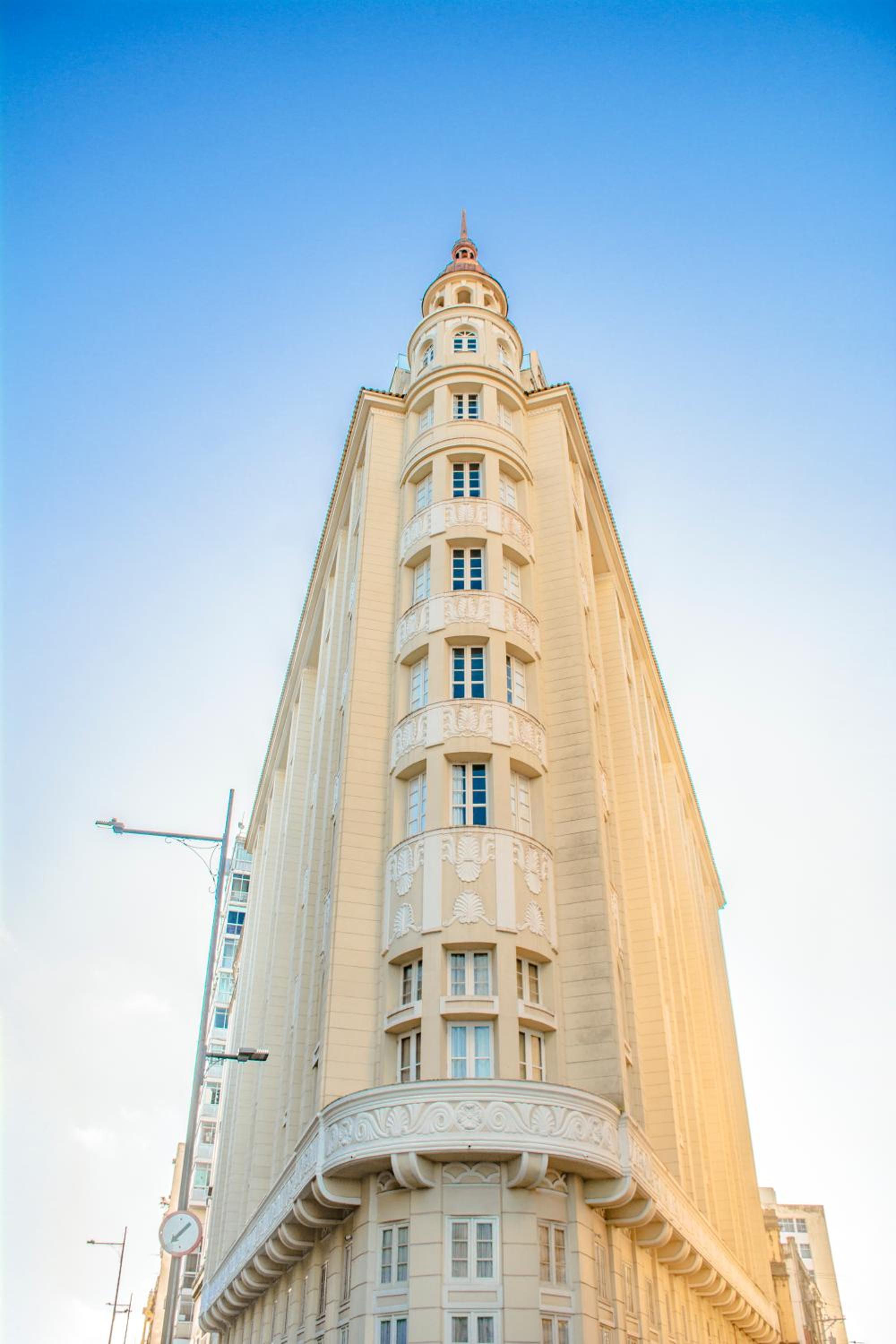
Viaja en el ascensor art déco entre la ciudad alta y baja por unos centavos y camina por el Mercado Modelo debajo de él por los puestos de artesanía y la vista de la bahía. La puesta de sol desde la cima es el espectáculo gratuito.
Los barrios de Salvador
Pelourinho
Centro UNESCO, adoquines, tambores
El centro histórico en la ciudad alta: adoquines, casas coloniales de colores pastel, iglesias y las plazas donde suenan los tambores, con posadas en las casas antiguas. Para las primeras visitas y para el martes por la noche.
La ciudad antigua a la puerta, y calles laterales a evitar después del anochecer.
Santo Antônio
Extremo más tranquilo, pequeñas posadas
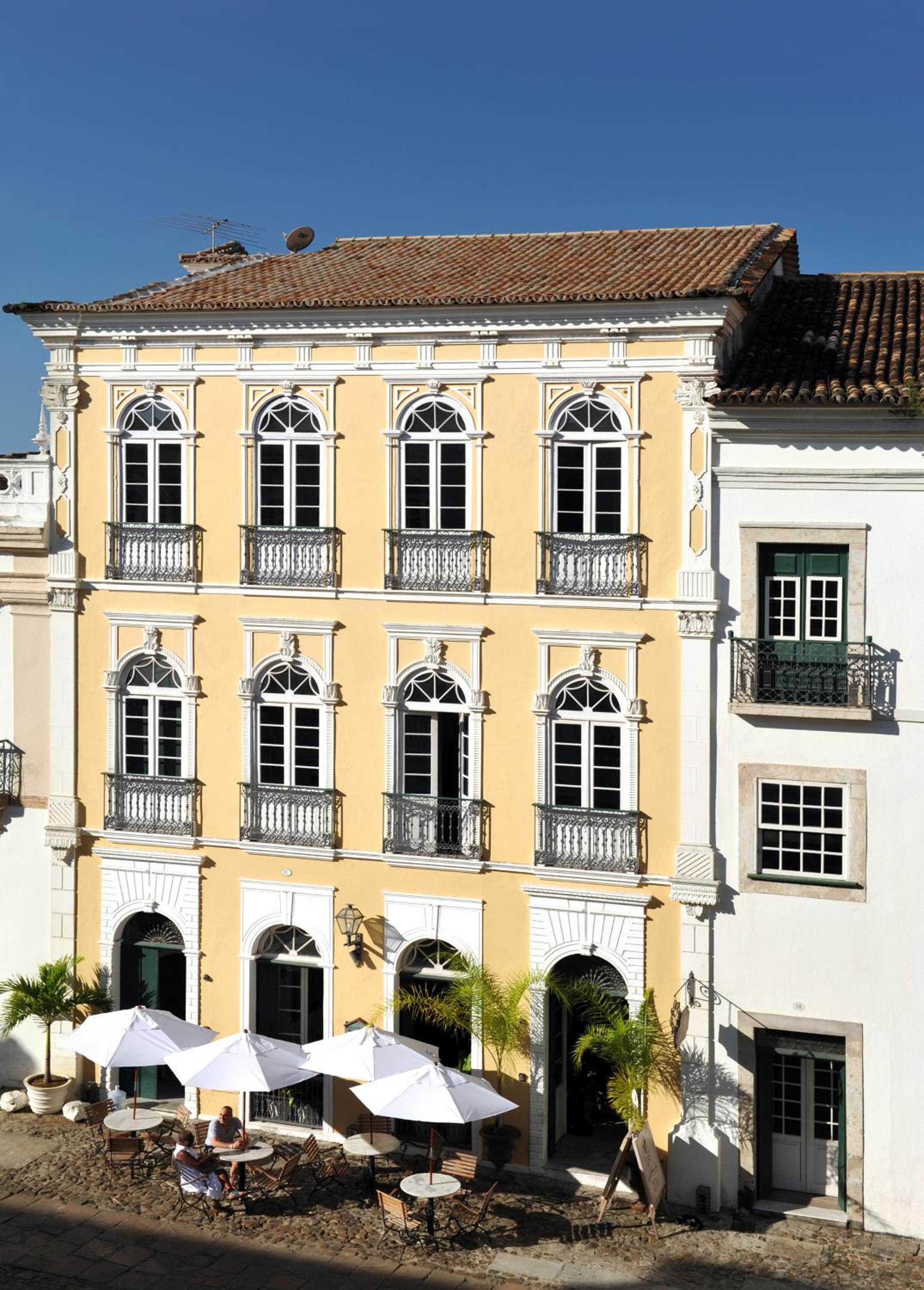
El extremo más tranquilo del centro histórico inmediatamente al norte de Pelourinho, donde están las pequeñas posadas en casas coloniales. Para parejas y para la ciudad antigua sin el ruido de las plazas.
El carácter y la tranquilidad, y un paseo al Pelourinho por todo.
Barra
Faro, playa tranquila, la base más segura
El promontorio del sur donde la bahía se encuentra con el Atlántico: el faro, la playa de Porto da Barra, un centro comercial y el barrio nombrado más frecuentemente como la base más segura. Para familias y primeras visitas.
La playa tranquila y la seguridad, y un autobús a la ciudad antigua.
Rio Vermelho
Vida nocturna, puestos de acarajé
El distrito de vida nocturna y restaurantes donde están los puestos de acarajé por los que viajan las personas, con hoteles y posadas de gama media. Para comer y para la noche.
Las mejores comidas y noches, y un taxi al centro.
Ondina
Camino al océano, hoteles, ruta del carnaval
En el camino al océano entre Barra y Rio Vermelho: hoteles más que carácter, y en el circuito del carnaval. Para el carnaval y para un hotel con piscina.
Una piscina y la ruta del desfile, y nada más para caminar de lo contrario.
Consulta todos los barrios de Salvador en un solo mapa
Guarda las zonas que te gusten y Stippl organiza tus días para que no cruces la ciudad dos veces.
Dónde alojarse en Salvador
Quédate en Barra para una primera visita, dentro de un paseo de la playa de Porto da Barra: es el barrio nombrado más frecuentemente como seguro, y Pelourinho está a un viaje corto. Para la ciudad antigua en sí, las pequeñas posadas en casas coloniales en Santo Antonio son la estancia característica. La mayoría de la gente da a Salvador 3 noches en Stippl. El Carnaval es su propio mercado; reserva con meses de anticipación.
Pelourinho
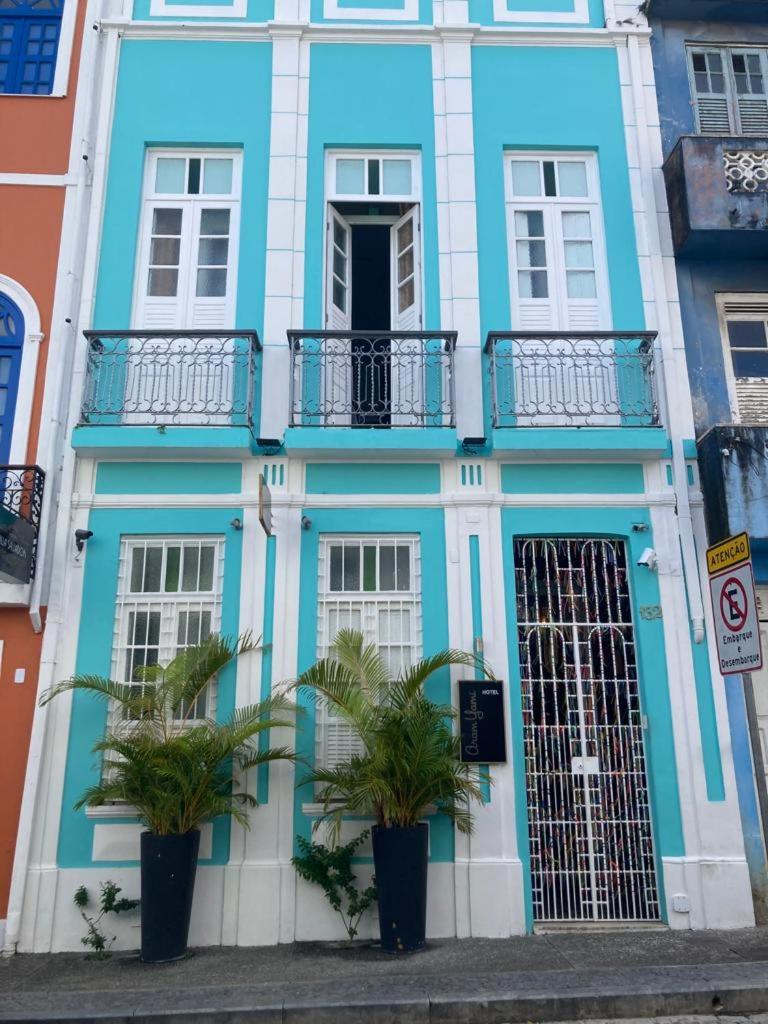
Posadas y albergues en las casas coloniales de colores pastel, €12 una cama a €90 una habitación, con los tambores afuera.
Santo Antônio
Pequeñas posadas en casas coloniales restauradas, €50 a €130, en el extremo tranquilo de la ciudad antigua.
Barra
Albergues cerca de la playa desde €12 una cama y hoteles de gama media, €40 a €110, junto al faro.
Rio Vermelho
Hoteles y posadas de gama media entre los restaurantes, €40 a €100, con los puestos de acarajé debajo.
Ondina
Hoteles con piscinas en el camino al océano, €50 a €130, en el circuito del carnaval.


Qué comer en Salvador
Bola de masa de caraota frita en dendê y abierta, rellena de vatapá, caruru, camarones secos y chile
Pasta cremosa de pan, camarones, nueces y leche de coco, uno de los rellenos del acarajé
Otro de los rellenos servidos con acarajé
Guiso de mariscos con leche de coco, tomate, cilantro, pimientos y dendê, cocinado y servido en una olla de barro
Descubre sitios para comer en Stippl
Encuentra restaurantes y mercados en el mapa, guárdalos en tu itinerario, también funciona sin conexión.
Costumbres de Salvador y qué no hacer
Candomblé es una religión viviente
Los terreiros que admiten visitantes establecen condiciones: sin ropa reveladora, blanco o claro preferido, silencio durante el ritual y sin fotografía sin permiso; ir con una introducción.
Las dos fe coexisten
Catolicismo y Candomblé abiertamente, y la iglesia de Bonfim es donde es más visible; las cintas en las barandillas son oraciones, atadas por otros, y no para llevar.
Las fotos de baiana se pagan
Las mujeres vestidas de blanco en Pelourinho posan para vivir; acepta el precio primero, unos pocos reales, y el acarajé de su bandeja es la razón para parar de todas formas.
La capoeira cuadrada puede querer pago
Una roda en la plaza de Pelourinho es una actuación por el sombrero más que un evento espontáneo; mira, paga, y toma una clase si quieres unirte.
Sí
- Visita Bonfim un viernes, vestido de blanco
- Acepta el precio antes de fotografiar a una baiana
- Come acarajé de una bandeja, no de un restaurante
- Ve con una guía a un terreiro si eres invitado
No
- Fotografía dentro de un terreiro
- Quita una cinta de las barandillas de Bonfim
- Camina por las calles laterales de Pelourinho solo por la noche
- Usa negro a una ceremonia de Candomblé
Cuánto cuesta un viaje a Salvador
Presupuesto
€39
Dormitorio compartido de albergue, platos prato feito o marmitex, autobuses de la ciudad y el ocasional entrenador nocturno, playas gratuitas y blocos gratuitos.
Gama media
€105
Una habitación doble en posada con desayuno y aire acondicionado, comidas de restaurante, Ubers, uno o dos vuelos nacionales, atracciones pagadas.
Premium
€340
Hoteles frente a la playa, guías privadas, un lodge del Pantanal con alojamiento completo y safaris en bote, Noronha, asientos de camarote en el Carnaval.
Controla lo que gastas de verdad
Fija un presupuesto diario por país y registra gastos en cualquier moneda mientras viajas.
Curiosidades sobre Salvador
El Largo do Pelourinho lleva el nombre de una picota. La picota del mercado de esclavos se encontraba en la plaza, y el nombre registra para qué eran las casas coloniales de colores pastel que la rodeaban.
El centro histórico perdió dos tercios de sus residentes mientras se restauraba. Alrededor de 1.350 propiedades fueron restauradas en los años 90, y la población residente cayó de 9.853 en 1980 a 3.235 en 2000.
Un viaje en el Elevador Lacerda cuesta alrededor de tres centavos. El ascensor de 72 metros entre las ciudades alta y baja transportaba a más de 33.000 personas al día en 2019, y genuinamente es solo el autobús.
Una cinta Bonfim mide 47 cm de largo y se ata con tres nudos. Un nudo por cada deseo, en la muñeca o en las barandillas de la iglesia, y los deseos se hacen realidad cuando la cinta se cae por sí sola.
Salvador fue la primera capital de Brasil. Fundada el 29 de marzo de 1549, fue la capital de Brasil portugués hasta 1763, como el emporio del comercio del azúcar.
Más del 80% de la población de Salvador es afrodescendiente. Por eso se la llama rutinariamente la ciudad negra más grande fuera de África, y por qué la roda de capoeira aquí está en la lista del patrimonio intangible de la UNESCO.
Consejos locales para Salvador
El Elevador es transporte
El ascensor art déco entre la ciudad alta y baja cuesta unos centavos y es transporte público, no una atracción: vale haber cruzado, no vale hacer cola. La parte superior tiene la vista gratuita.
Toma un Uber entre distritos
La regla local que todo guía repite: viaja en transporte de pasajeros en lugar de caminar entre barrios, y evita calles vacías. Barra, Ondina y Rio Vermelho son las bases más seguras; Pelourinho está policiada de día y de noche.
El barco de Morro de São Paulo
El catamarán cruza el mar abierto y se cancela o es áspero en mal tiempo; los viajes se agrupan alrededor de las nueve, las diez y media y las dos y media. Reserva el de la mañana y toma las tabletas.
Cuánto tiempo quedarse
La mayoría de la gente da a Salvador 3 noches en Stippl: Pelourinho, Bonfim y una roda de capoeira, y un día para Itaparica o las playas del norte. El Carnaval se reserva en el otoño anterior.
El robo de teléfonos alcanza su pico al anochecer
El robo es común y el robo de teléfonos alcanza su pico entre las cuatro y las nueve de la noche; no resistas. Nada visible, y el pasaporte en la caja fuerte.
Las playas después del anochecer están prohibidas
No vayas a las playas de la ciudad por la noche, y los ataques de atraco grupal llamados arrastões suceden durante el día en las concurridas. Porto da Barra dentro de la bahía es el baño en agua tranquila.
Preguntas sobre Salvador, respondidas
En el nordeste, como su propio tramo. Salvador representa el 6,3% de todo lo planeado en Brasil en Stippl, y está a dos horas de vuelo de Río de Janeiro, así que es una decisión más que un desvío. Dedica tres noches a Stippl y a la costa del nordeste después si los días lo permiten.
Tres noches. Las paradas de Salvador planeadas en Stippl llegan a 3 noches, y es lo que las itinerarios también sugieren. Pelourinho, la iglesia de Bonfim, una roda de capoeira y una larga noche en Rio Vermelho es aproximadamente lo que ocupa.
Usualmente. El 47,1% de los viajes que incluyen Salvador se quedan dentro de Brasil en Stippl, muy por encima de la cifra nacional, porque el nordeste está muy lejos de cualquier frontera y la gente que llega tan lejos está aquí por Brasil y no por América del Sur.
Son eventos diferentes en lugar de mejores o peores. Río es un desfile de estadio con entrada pagada y fiestas callejeras alrededor. Salvador es completamente callejero, en tres circuitos, construido alrededor de trios eletricos, y se describe como la fiesta callejera más grande del mundo. Río para ver, Salvador para estar dentro.
Requiere más cuidado que la franja turística de Río de Janeiro, y el consejo es consistente en los detalles específicos: sin playas de la ciudad después del anochecer, sin caminar entre distritos por la noche, usar rideshare en su lugar. Pelourinho está patrullado y concurrido por la noche, y las calles alrededor se vacían rápidamente.
Abril a julio, con algo como diecisiete días lluviosos al mes en su apogeo. No vacía la ciudad: julio sigue siendo uno de los meses más concurridos, porque la lluvia llega en ráfagas en lugar de instalarse todo el día. Trae algo impermeable y planifica mañanas en interiores.
Cada guía la escribe la redacción de Stippl y se contrasta con los viajes que nuestros viajeros planean de verdad. ¿Has visto algo desactualizado? Cuéntanoslo.

Planifica Salvador en Stippl
Planificación día a día, alojamientos y presupuesto en una sola app, con cada lugar de esta guía ya en el mapa.
Descargar la app