

Florianopolis
Florianópolis has forty-two beaches on one island, and Brazil's first UNESCO gastronomy listing to eat your way along them. Four of the best beaches can only be walked to.
Florianopolis in a nutshell
Florianopolis: what to expect
71,000+ stops in Brazil are planned on Stippl, and this is the shape they make.
Florianópolis is a city on a 54-kilometre island with 42 beaches on it, and the coasts are two different holidays. Joaquina and Campeche take the swell on the exposed east side, Praia Mole is where people learn, and the sheltered west-coast bays at Ribeirão da Ilha farm most of Brazil's oysters. Lagoinha do Leste is ninety minutes on foot each way to a beach with nothing on it, and Ilha do Campeche caps its visitors and sits forty minutes offshore.
No other Brazilian destination has an off-season the way Florianópolis does. Its first quarter runs almost twice its third, the sharpest seasonality we measure anywhere, and it is the one place in the country booked later than the country itself: a hard season gets decided about when it arrives, while a flat one gets slotted into a circuit months ahead. It is also the destination that lifts on every other Brazilian trip.
Plan on 4 nights, which is second only to Rio, and treat this as a holiday rather than a stop. Four of the best beaches here are reachable only on foot, between twenty-five minutes and an hour and a half each way. You will want a car, because the island is long and the buses are slow. Skip Floripa in winter unless the sea is not the reason you came, since July averages sixteen degrees and the bookings collapse with it.
Plan Florianopolis in Stippl
Day-by-day planning, stays and budget in one app, with every place from this guide already on the map.
Download the appWho Florianopolis is for
Surfers, beginners included
Joaquina and Campeche have the consistent swell, and Praia Mole is where people learn.
Anyone who came to eat
A UNESCO gastronomy designation, the country's oysters, and an Azorean seafood tradition that predates the tourism.
People taking a proper holiday
The typical stay is 4 nights, second only to Rio in Brazil, and people settle in rather than pass through.
Walkers
Four of the best beaches are reachable only on foot, from 25 minutes to an hour and a half each way.
Nightlife travellers
Lagoa da Conceição in summer, and Jurerê's beach clubs if that is the register you want.
Maybe not for you: anyone coming in winter for the sea, since July averages 16 °C and the island empties; and anyone without a car, because it is 54 km long and the good beaches are spread across all of it.
The best time to visit Florianopolis
High summer
December to February
Hot, the wettest stretch and the island genuinely full, with Argentine and Paulista holidaymakers filling the northern beaches and prices at their highest.
Autumn
March and April
Warm sea, the driest weeks of the warm half and the crowds gone after Carnaval. The best time to come.
Winter
June to August
Cool, dry and too cold for most to swim, with the surf at Joaquina and Praia Mole working best and the beach towns half asleep.
Spring
September to November
Warming, the sea still cool and the island waking up for the season. Good weeks for the dune walks and the Lagoa before the holidays.
- January is the month most travellers plan Brazil for on Stippl, and Florianópolis is planned about 82 days ahead. 17.7% of Florianópolis plans are made inside a fortnight; in January that share stays in the city and not on the beach.
- January belongs to the Argentines and the Paulistas. The northern beaches, Jurerê and Canasvieiras, fill with families from across the border; the south of the island and the Lagoa stay calmer.
- Florianópolis has a winter, and the sea shows it. From June to August the water is cold enough that only the surfers go in; a winter trip is for the trails, the oysters and the surf, not the beach.
- The island's roads jam on summer weekends. One bridge connects Florianópolis to the mainland and the beach roads are single lanes; a Saturday drive to the south in January is an afternoon.
Add your Florianopolis dates and we'll flag the weather
Stippl shows the season, crowds and prices for every stop on your route.
Describe your trip, get a Florianopolis itinerary in seconds
Everything in this guide is already in Stippl. Tell the planner how long you have and what you like: it builds the route, the days and the travel times, and you edit whatever you want.
Things to do in Florianopolis
Surfing at Joaquina or Praia Mole
Learn at the beginner breaks at Mole, about €25 a lesson, or watch the real waves at Joaquina and Campeche, where the championships are held. Mornings before the wind.
Sandboarding the Joaquina dunes
Hire a board from the hut at the bottom of the dunes for about €5 an hour and climb; the run is thirty seconds and the climb five minutes. Late afternoon, when the sand cools.
Ilha do Campeche
Take the boat forty minutes to the car-free island with a daily visitor cap and clear water, about €30 with the landing fee. Book the boat the day before in summer; the cap fills.
The hike to Lagoinha do Leste
Walk an hour and a half each way to the beach with nothing on it, from Pântano do Sul, the one walk here that wants a guide, about €25. Carry water; there is none at the end.
Oysters at Ribeirão da Ilha
Eat the island's oysters at a table on the water at sunset in the Azorean village on the south bay, about €10 a dozen. Santo Antônio de Lisboa is the other village and the other sunset.
Paddleboarding the Lagoa
Paddle the flat, warm, sheltered lagoon at Lagoa da Conceição, about €10 an hour from the rental huts on the shore. The bars along the lagoon are the evening.
The neighbourhoods of Florianopolis
Lagoa da Conceição
Lagoon, hostels, the nightlife
The island's second centre around a saltwater lagoon: hostels, bars, paddleboards and the nightlife everyone means, with pousadas on the hill above. For nightlife and budget stays that want the middle of the island.
The bars and the middle of everything, and no beach at the door.
Campeche and Praia Mole
East coast surf, small pousadas
The east-coast surf strip: small pousadas and eco-hostels, consistent swell and the surf schools, with the dunes behind. For surfers and for the ocean side.
The best waves and the quiet, and a bus or a car for the Lagoa's evenings.
Jurerê Internacional
Beach clubs, resorts, money
The north-west: beach clubs, resorts and money, a different holiday from the rest of the island, with villas and the calmest water. For luxury and nightlife with a wallet to match.
The clubs and the calm sea, and the highest prices in the south.
Canasvieiras and Ingleses
North coast, sheltered, families
The north coast: sheltered water, family hotels and the Argentine summer crowd, with apartments along the sand. For families and for calm swimming.
Calm beaches for children, and a Spanish-speaking crowd in January.
Santo Antônio de Lisboa
Azorean villages, oysters
The old Azorean villages on the sheltered west shore at Santo Antônio and Ribeirão da Ilha, where the oysters are eaten at tables on the water, with a few pousadas. For foodies and couples.
The oysters and the sunset, and a car for every beach.
Centro
The working capital, the bridge
The working capital on the west side: the Mercado Público, the bus terminal, the bridge and the cheapest beds, with no beach. For first nights and budget travellers by the buses.
The market and the buses, and a bus to every beach.
See every Florianopolis neighbourhood on one map
Save the areas you like and Stippl plots your days so you're not crossing the city twice.
Where to stay in Florianopolis
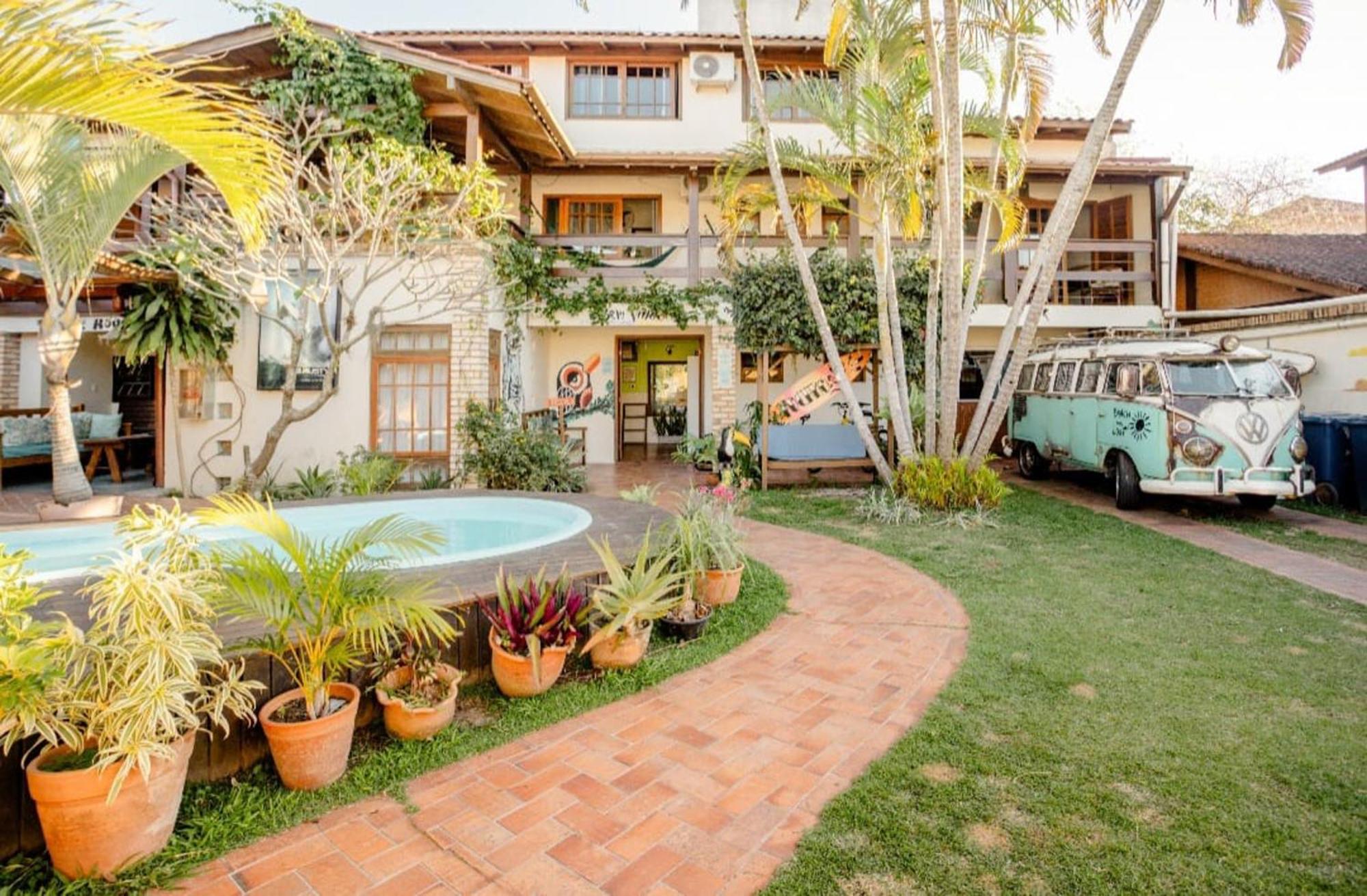
Stay at Lagoa da Conceição for a first visit: it is the island's second centre, with the hostels, the bars and the paddleboards on the lagoon, and both coasts are a short bus ride. Most people give Florianopolis 4 nights on Stippl, the second-longest stay in Brazil after Rio. Book far ahead for January and February; the rest of the year is available late.
Lagoa da Conceição
Hostels with dorms €12 to €20 and pousadas on the hill above the lagoon, €50 to €110.
Campeche and Praia Mole
Small pousadas, eco-hostels and surf camps behind the dunes, €15 a bed to €90 a room.
Jurerê Internacional
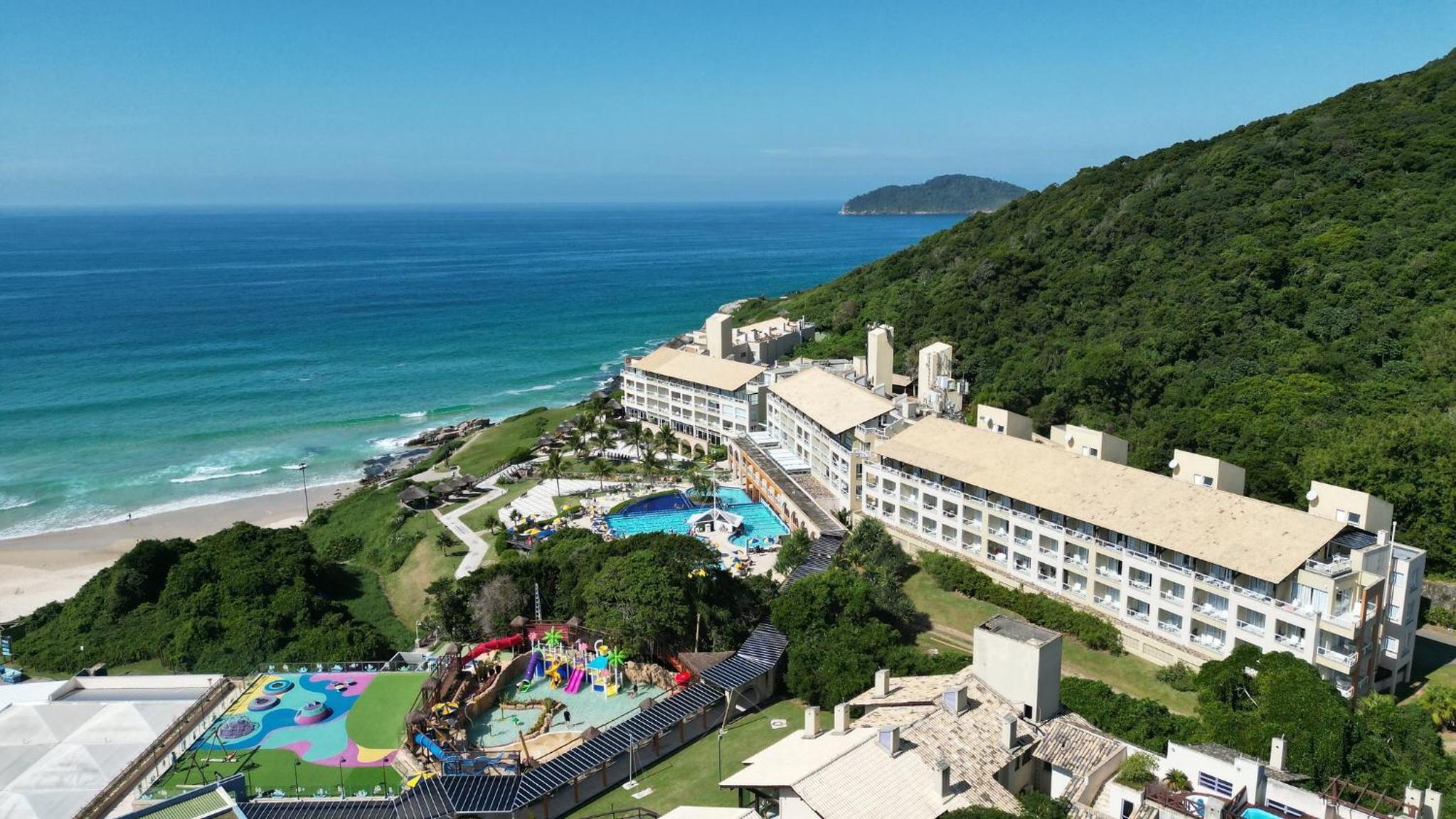
Beach resorts and rented villas with the calmest water, from €150 in season.
Canasvieiras and Ingleses
Family hotels and apartments along the sand, €50 to €120, busy with the Argentine summer crowd.
Santo Antônio de Lisboa
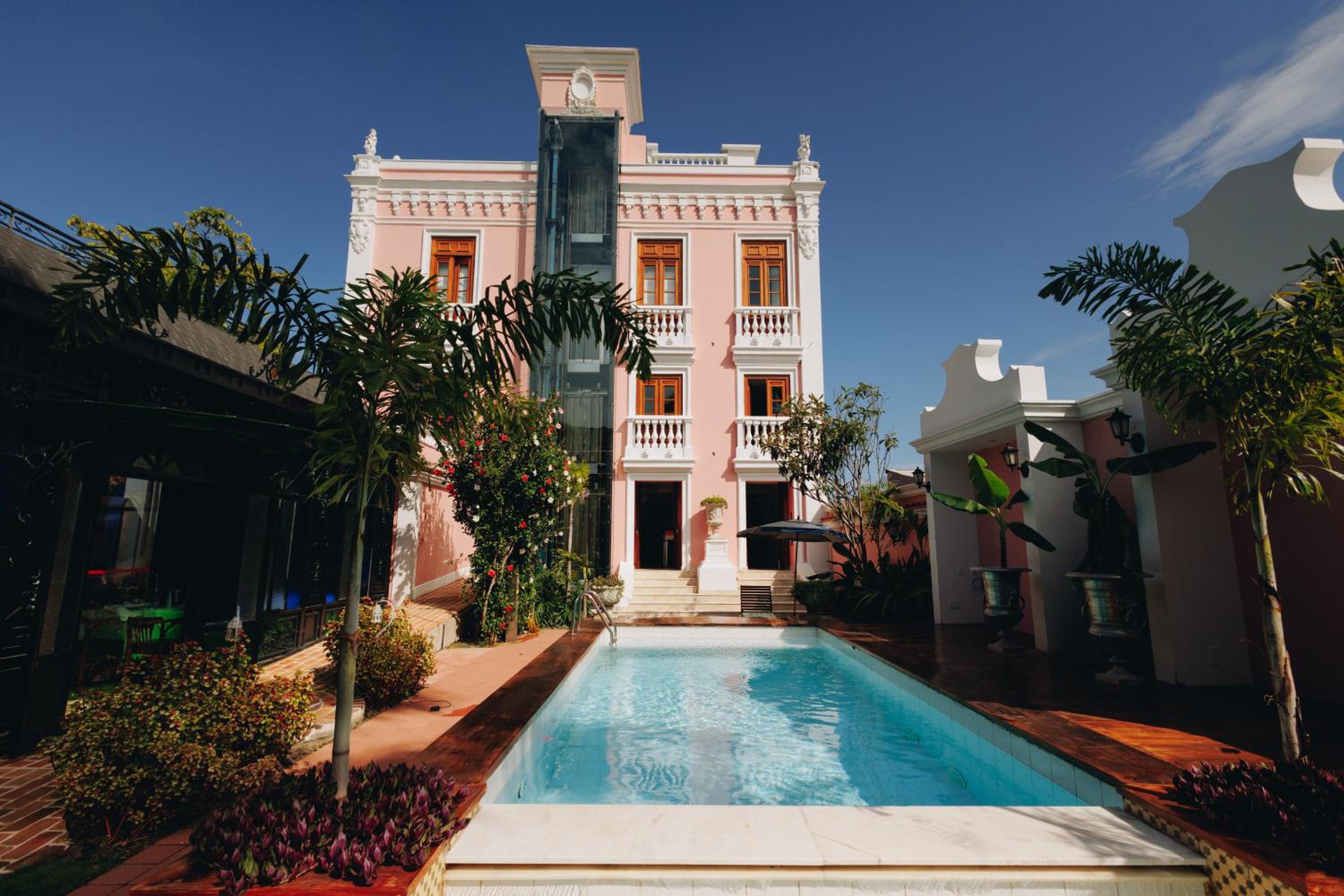
A few pousadas in the old Azorean villages, €60 to €130, with oysters at the water's edge.
Centro
The cheapest conventional hotels near the bus terminal, €30 to €70, with no beach.


What to eat in Florianopolis
Farmed oysters from the sheltered west-coast bays, eaten right where they're farmed
Discover food spots in Stippl
Find restaurants and markets on the map, save them to your itinerary, works offline too.
Florianopolis customs and what not to do
The Azorean layer is the point
The crown shipped families here from 1748 and the west-shore villages, the church squares and the seafood are the result; Santo Antônio de Lisboa is where to see it.
Floripa, not Florianópolis
In speech, always; the full name is for documents, and the locals call themselves manezinhos, which is a compliment when they say it.
Argentines fill the summer
Especially on the north coast, and Spanish is widely heard in January; the south of the island stays Brazilian and quieter, and the prices follow the crowd.
The Lagoa is the evening
Lagoa da Conceição is where the island eats and drinks, and the front fills from nine; the beach towns are quiet after dark, and the buses stop early.
Do
- Rent a car; the island is forty beaches and the buses stop early
- Eat oysters at Ribeirão da Ilha; it is where they are farmed
- Book January months ahead
- Swim at the flags; the east-coast beaches have rips
Don't
- Expect English outside the hostels
- Swim at Joaquina or Mole outside the flags
- Plan the south of the island by bus
- Call it Florianópolis to a local
What a Florianopolis trip costs
Budget
€39
Hostel dorm, prato feito or marmitex set plates, city buses and the occasional overnight coach, free beaches and free blocos.
Mid-range
€105
A pousada double with breakfast and air conditioning, restaurant meals, Ubers, one or two domestic flights, paid attractions.
High-end
€340
Beachfront hotels, private guides, a Pantanal lodge with full board and boat safaris, Noronha, camarote seats at Carnaval.
Track what you actually spend
Set a daily budget per country and log expenses in any currency while you travel.
Fun facts about Florianopolis
Florianópolis was Brazil's first UNESCO Creative City of Gastronomy. It was designated in December 2014, one of the first three in the category worldwide and eleven years before Paraty joined.
Florianópolis is the oyster capital of Brazil. The sheltered bays at Ribeirão da Ilha and Santo Antônio de Lisboa on the island's west shore farm the great majority of the country's oysters.
The island has 42 beaches along its 54 kilometres. From surf breaks on the exposed east coast to sheltered bays in the north, all on the Ilha de Santa Catarina, which everyone calls Floripa.
The island has been Azorean since 1748. The Portuguese crown sent families from the Azores, and the fishing villages, the church squares and the food are still theirs.
The Hercílio Luz bridge spent 28 years shut. It opened in 1926 as the longest suspension bridge in South America, closed in 1991, and reopened on 30 December 2019 as the city's symbol.
Florianópolis has the sharpest seasons of any Brazilian stop on Stippl. Summer trips outnumber winter ones nearly two to one, which no other destination in the country comes close to.
Local tips for Florianopolis
Connect via São Paulo
The airport takes international flights only from South America; from Europe you connect through São Paulo or Rio. The bus from either is eleven to twelve hours at a third of the flight price.
Fifty-four kilometres of island
The island is fifty-four kilometres long and a hire car is the answer in every guide; Uber works but the wait is long outside the centre. A Lagoa base reaches most beaches quickly.
Book Ilha do Campeche
The boat has a daily cap; book through a hotel or an operator, or queue at Praia da Armação, and take the first departure around seven. The cap fills in summer.
How long to stay
Most people give Florianópolis 4 nights on Stippl, the longest in the south: a surf beach, the dunes, the lagoon and the oysters. It is the one Brazilian place people plan late.
Among Brazil's safest cities
The guides that warn about Rio and São Paulo describe Florianópolis as among the safest in the country, and the government names no location here. The ordinary care still applies at night.
Turn on the ride-hail PIN
Uber's PIN verification is standard practice across Brazil and worth enabling before the first ride. The taxis at the airport are the expensive version of the same trip.
Florianopolis questions, answered
By choosing a beach and staying on it. Florianopolis carries 3.5% of everything planned in Brazil on Stippl, and the island runs fifty-odd kilometres end to end with the beaches spread the whole length. Put four nights into Stippl and a hire car alongside them.
Four nights. Most people give Florianopolis 4 nights in the plans they build on Stippl, second only to Rio de Janeiro, because the island is big enough that crossing between its coasts is a day in itself. Fewer than three and you will see one beach.
A stay, and a long one. Barely any: 20.5% of Florianopolis stops planned on Stippl run to a single night, because nobody flies an hour from Sao Paulo to look at one beach. The island is a holiday in its own right rather than a stage on a Brazilian route.
Effectively yes. The island is around fifty kilometres long with the beaches spread over all of it, and the buses are slow and indirect. Without a car you are committed to whichever coast you booked. With one, the east, the north and the lagoon are all half an hour apart.
East for surf, at Campeche or Mole, where the swell is real and the water is cold. North for calm water and families, at Canasvieiras or Ingleses. Lagoa da Conceicao, in the middle, for nightlife and lower prices, and it is the easiest base if you cannot make up your mind.
Oysters, on the sheltered west shore where the farms are. This is Brazil's oyster capital by a distance and the island is a UNESCO city of gastronomy on the strength of it. Eat them at a table over the water at Ribeirao da Ilha, which is what people cross the island for.
Every guide is written by the Stippl editors and checked against the trips our travellers actually plan. Spotted something out of date? Let us know.

Plan Florianopolis in Stippl
Day-by-day planning, stays and budget in one app, with every place from this guide already on the map.
Download the app