

Florianopolis
Florianópolis has forty-two beaches on one island, and Brazil's first UNESCO gastronomy listing to eat your way along them. Four of the best beaches can only be walked to.
Florianopolis in a nutshell
Florianopolis: what to expect
71,000+ stops in Brazil are planned on Stippl, and this is the shape they make.
Florianópolis is a city on a 54-kilometre island with 42 beaches on it, and the coasts are two different holidays. Joaquina and Campeche take the swell on the exposed east side, Praia Mole is where people learn, and the sheltered west-coast bays at Ribeirão da Ilha farm most of Brazil's oysters. Lagoinha do Leste is ninety minutes on foot each way to a beach with nothing on it, and Ilha do Campeche caps its visitors and sits forty minutes offshore.
No other Brazilian destination has an off-season the way Florianópolis does. Its first quarter runs almost twice its third, the sharpest seasonality we measure anywhere, and it is the one place in the country booked later than the country itself: a hard season gets decided about when it arrives, while a flat one gets slotted into a circuit months ahead. It is also the destination that lifts on every other Brazilian trip.
Plan on 4 nights, which is second only to Rio, and treat this as a holiday rather than a stop. Four of the best beaches here are reachable only on foot, between twenty-five minutes and an hour and a half each way. You will want a car, because the island is long and the buses are slow. Skip Floripa in winter unless the sea is not the reason you came, since July averages sixteen degrees and the bookings collapse with it.
Für wen sich Florianopolis eignet
Surfers, beginners included
Joaquina and Campeche have the consistent swell, and Praia Mole is where people learn
Anyone who came to eat.
A UNESCO gastronomy designation, the country's oysters, and an Azorean seafood tradition
A holiday, not a stop
Typically Four nights, second only to Rio
Walkers.
Four of the best beaches are reachable only on foot, from 25 minutes to 1.5 hours each way
Nightlife.
Lagoa da Conceição in summer, and Jurerê's beach clubs if that is the register
Wann du nach Florianopolis reist
High summer
December–February
23–25 °C, wettest, most expensive, and the island genuinely full. Our peak, at 1.32.
The shoulder
March–April
22–24 °C, driest stretch of the warm half, sea still warm. The best time to come.
Winter
June–August
16–17 °C, dry, cold for swimming. Our trough, at 0.70.
- The booking peak (Q1): 39.8% of trip starts against a national 30.2%
Add your Florianopolis dates and we'll flag the weather
Stippl shows the season, crowds and prices for every stop on your route.
Beschreibe deine Reise und erhalte in Sekunden eine Route für Florianopolis
Alles in diesem Reiseführer ist bereits in Stippl. Sag dem Planer, wie viel Zeit du hast und was dir gefällt: Er baut die Route, die Tage und die Reisezeiten, und du änderst, was du willst.
Was du in Florianopolis nicht verpassen solltest
Surfing at Joaquina, Campeche or Praia Mole
with schools at all three and beginner breaks at Mole
Sandboarding on the Dunas da Joaquina
hired from a hut at the bottom of the dunes
Ilha do Campeche
a car-free island 40 minutes offshore with a daily visitor cap and clear water
The hike to Lagoinha do Leste
1.5 hours each way to a beach with nothing on it, and the one walk here that wants a guide
Oysters at Ribeirão da Ilha or Santo Antônio de Lisboa
at a table on the water at sunset
Stand-up paddle on Lagoa da Conceição
which is flat, warm and sheltered
Die Viertel von Florianopolis
Centro
first-timers, budget
The working capital on the west side: the Mercado Público, the bus terminal, the bridge and the cheapest beds. Not a beach
The Mercado Público, the Hercílio Luz bridge and the cheapest beds on the island.
Lagoa da Conceição
nightlife, budget
The island's second centre, around a saltwater lagoon: hostels, bars, stand-up paddle, and the nightlife everyone means
A saltwater lagoon for paddleboarding, ringed by the island's bars.
Campeche & Praia Mole
adventure, surfers
The east-coast surf strip: small pousadas and eco-hostels, consistent swell, and the surf schools
Consistent east-coast swell, with surf schools and beginner breaks at Mole.
Jurerê Internacional
luxury, nightlife
The north-west: beach clubs, resorts and money. A different holiday from the rest of the island
Beach clubs on the north-west shore, a different holiday from the rest.
Canasvieiras & Ingleses
families
The north coast: sheltered water, family hotels, and the Argentine summer crowd
Sheltered north-coast water, the calm swimming beaches on the island.
Santo Antônio de Lisboa & Ribeirão da Ilha
foodies, couples
The old Azorean villages on the sheltered west shore, and where the oysters are eaten
Oysters at a table on the water, in the old Azorean villages.
See every Florianopolis neighbourhood on one map
Save the areas you like and Stippl plots your days so you're not crossing the city twice.
Wo man in Florianopolis übernachtet
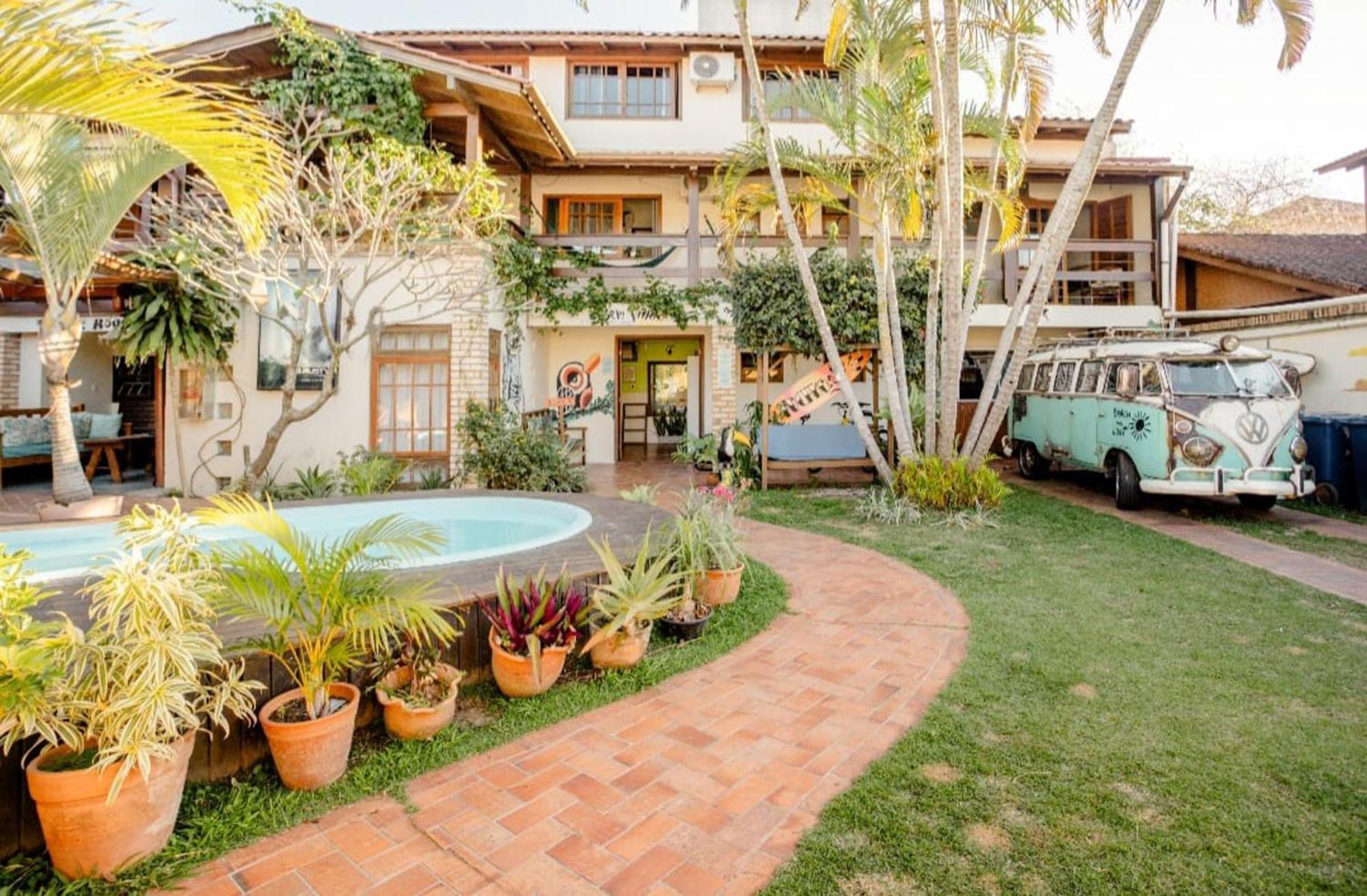
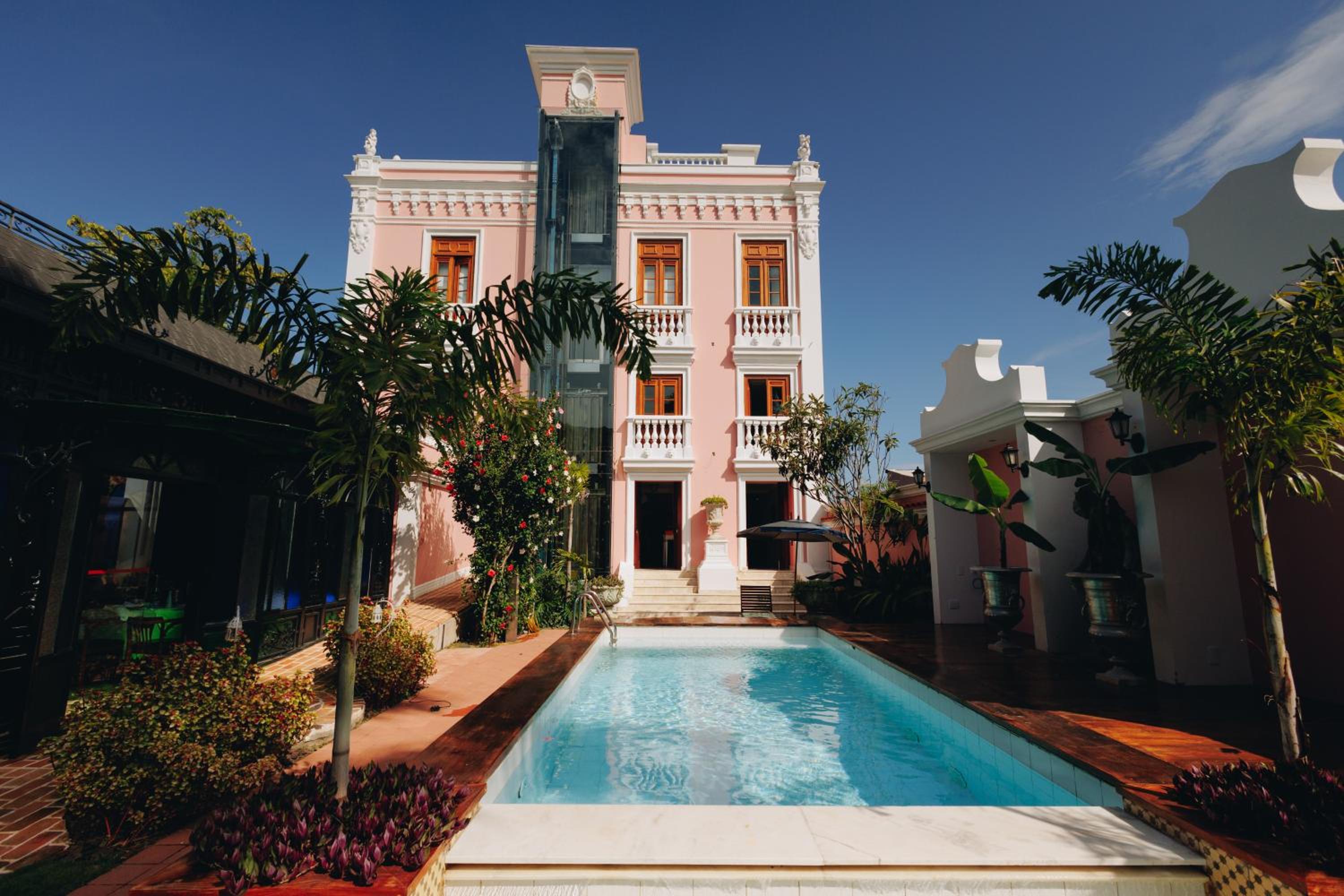
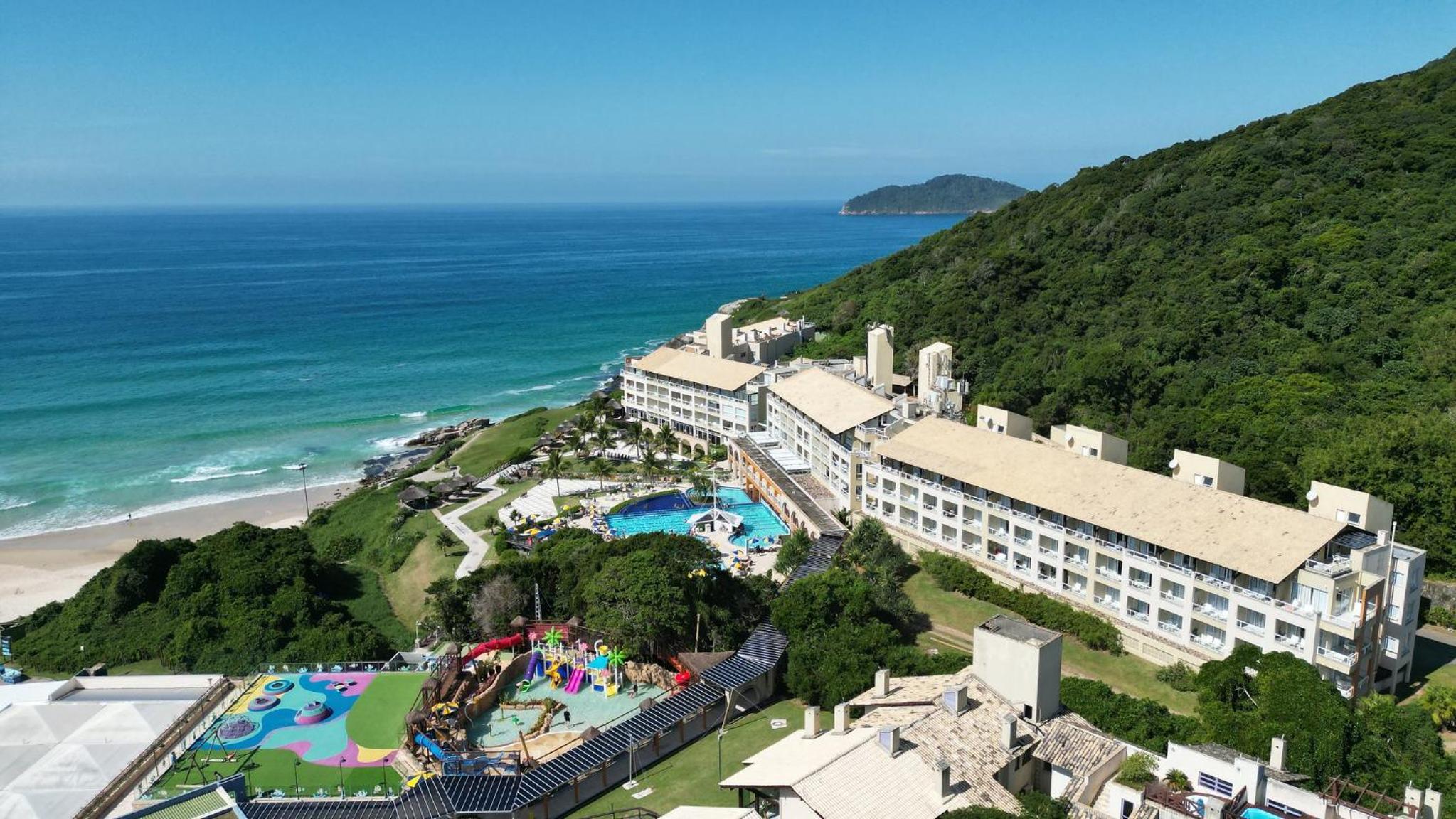
Pick the coast before the hotel. East for surf, north for calm and families, west for the city and the villages, Jurerê for beach clubs
Centro
The working capital on the west side: the Mercado Público, the bus terminal, the bridge and the cheapest beds. Not a beach
Lagoa da Conceição
The island's second centre, around a saltwater lagoon: hostels, bars, stand-up paddle, and the nightlife everyone means
Campeche & Praia Mole
The east-coast surf strip: small pousadas and eco-hostels, consistent swell, and the surf schools
Jurerê Internacional
The north-west: beach clubs, resorts and money. A different holiday from the rest of the island
Canasvieiras & Ingleses
The north coast: sheltered water, family hotels, and the Argentine summer crowd
Santo Antônio de Lisboa & Ribeirão da Ilha
The old Azorean villages on the sheltered west shore, and where the oysters are eaten


Was du in Florianopolis essen solltest
Farmed oysters from the sheltered west-coast bays, eaten right where they're farmed
Discover food spots in Stippl
Find restaurants and markets on the map, save them to your itinerary, works offline too.
Florianopolis customs and what not to do
The Azorean layer is the point
not a footnote: the crown shipped families here from 1748, and the west-shore villages, the church squares and the seafood are the result
The bridge is the emblem
and its restoration was a civic event; the illuminated bridge is on everything
Argentines fill the summer
especially on the north coast, and Spanish is widely heard in January
Floripa, not Florianópolis
in speech
Tagesbudget für Florianopolis
Budget
€39 · ≈ €45 (R$265)
Hostel dorm, prato feito or marmitex set plates, city buses and the occasional overnight coach, free beaches and free blocos
Mid-range
€105 · ≈ €118 (R$700)
A pousada double with breakfast and air conditioning, restaurant meals, Ubers, one or two domestic flights, paid attractions
High-end
€340 · ≈ €393 (R$2,340)
Beachfront hotels, private guides, a Pantanal lodge with full board and boat safaris, Noronha, camarote seats at Carnaval
Track what you actually spend
Set a daily budget per country and log expenses in any currency while you travel.
Wissenswertes über Florianopolis
Brazil's first UNESCO Creative City of Gastronomy, designated in 2014, eleven years before Paraty
The oyster capital of Brazil, farmed in the sheltered bays of the island's west shore
42 beaches on one 54 km island
Azorean since 1748, and the villages still look it
A 1926 suspension bridge that spent 28 years shut and reopened in December 2019
The sharpest seasonality measured anywhere in this knowledge base. Q1 at 1.32 and Q3 at 0.70, a 1.9-fold ratio
Lokale Tipps für Florianopolis
Connect via São Paulo
The airport takes international flights only from South America. From Europe or North America you connect through São Paulo, Rio or Recife
The island is 54 km
The island is 54 km long and that is the whole transport problem. Car hire is the recommended answer in every source; Uber works but waits are longer in the south
A third of the flight
The bus from São Paulo or Rio is 11–12 hours and about a third of the flight price
Ilha do Campeche cap
Ilha do Campeche has a daily boat cap. Book through a hotel or operator, or queue at Praia da Armação, and take the 07:00–08:00 departure to be sure of a place
No location named
The UK government names no location in Florianópolis in its Brazil advice; the country-level guidance applies
Among Brazil's safest
Sources and live sources both describe it as among the safest cities in Brazil, which is not what the same publishers say about Rio or São Paulo
Florianopolis questions, answered
By choosing a beach and staying on it. Florianopolis carries 3.5% of everything planned in Brazil on Stippl, and the island runs fifty-odd kilometres end to end with the beaches spread the whole length. Put four nights into Stippl and a hire car alongside them.
Four nights. Most people give Florianopolis 4 nights in the plans they build on Stippl, second only to Rio de Janeiro, because the island is big enough that crossing between its coasts is a day in itself. Fewer than three and you will see one beach.
A stay, and a long one. Barely any: 20.5% of Florianopolis stops planned on Stippl run to a single night, because nobody flies an hour from Sao Paulo to look at one beach. The island is a holiday in its own right rather than a stage on a Brazilian route.
Effectively yes. The island is around fifty kilometres long with the beaches spread over all of it, and the buses are slow and indirect. Without a car you are committed to whichever coast you booked. With one, the east, the north and the lagoon are all half an hour apart.
East for surf, at Campeche or Mole, where the swell is real and the water is cold. North for calm water and families, at Canasvieiras or Ingleses. Lagoa da Conceicao, in the middle, for nightlife and lower prices, and it is the easiest base if you cannot make up your mind.
Oysters, on the sheltered west shore where the farms are. This is Brazil's oyster capital by a distance and the island is a UNESCO city of gastronomy on the strength of it. Eat them at a table over the water at Ribeirao da Ilha, which is what people cross the island for.
Every guide is written by the Stippl editors and checked against the trips our travellers actually plan. Spotted something out of date? Let us know.

Plan Florianopolis
in Stippl
Day-by-day planning, stays and budget in one app, with every place from this guide already on the map.
Download the app