

Durban
Durban is South Africa's warmest city and its Indian culinary heartland, on a subtropical coast where the winter is the dry season and the sea stays warm all year. One night for most, a bunny chow on Grey Street, the six-kilometre promenade, and the KwaZulu-Natal loop starting from here.
Durban in a nutshell
Durban: what to expect
Every figure here is drawn from 54,000+ stops planned in South Africa on Stippl.
One night is the Durban norm, and the food is the reason to make it two. The bunny chow is eaten at a Grey Street counter rather than a restaurant version of one, the Golden Mile runs six kilometres of promenade from Addington to Blue Lagoon past the surf breaks and the rickshaws, uShaka Marine World is an aquarium built inside a mocked-up shipwreck with a water park attached, and the Moses Mabhida arch goes by cable car or five hundred steps. Most travellers give Durban 1 night on Stippl.
Durban is the start of a KwaZulu-Natal loop rather than a city break, and the most passed-through stop in the country. 26.6% of stops here are no night at all, of everyone who plans it on Stippl, 49.5% of Durban trips carry Saint Lucia, the Drakensberg or Hluhluwe-iMfolozi, and the city is planned 129 days ahead, the longest lead of any South African stop, because it is the far end of a long loop rather than an add-on.
Umhlanga is the first-visit bed and the Golden Mile the beach one, eat the bunny chow on Grey Street, move by ride app and the People Mover, and use the city as the door to the game reserves and the mountains. Skip the city centre on foot after dark, since every source says it plainly, and skip the assumption that the shark nets are a barrier, because the Sharks Board says so itself.
Plan Durban in Stippl
Day-by-day planning, stays and budget in one app, with every place from this guide already on the map.
Download the appWho Durban is for
Food travellers
The strongest food case in the country: a distinct regional cuisine with its own dishes, its own heat and its own institutions, most of them cheap.
Families
A warm sea all year, a six-kilometre flat promenade, the largest aquarium in the southern hemisphere and a water park attached to it.
Surfers
New Pier and North Beach on the Golden Mile, Cave Rock on the Bluff, and a swell that works all year round.
KwaZulu-Natal loop starters
49.5% of Durban trips on Stippl carry Saint Lucia, the Drakensberg or Hluhluwe-iMfolozi, all two to three hours out.
Winter-warmth travellers
The one South African city where June and July are the pleasant months, with the days at twenty-one degrees and the sea still warm.
One-night arrivals
26.6% of Stippl stops here are no night at all, the airport and the road north, and 1 night is the norm for the rest.
Maybe not for you: anyone expecting to walk the city centre freely after dark, which is not advised; anyone who wants a quiet beach, because the Golden Mile is the opposite; and anyone whose plan depends on a dry summer, since the humid months are the wet ones here.
The best time to visit Durban
The dry winter
May to August
Days at twenty-one or twenty-two degrees, the sea still swimmable and the skies clear, the one South African city whose winter beats its summer, with 25.1% of starts on Stippl.
Spring
September and October
Warming, still mostly dry, the whales passing offshore and October the peak month on Stippl as the KwaZulu-Natal loops begin.
The humid summer
November to March
Hot, wet and sticky, with afternoon storms and the domestic holiday filling the beachfront from mid-December, at 24.9% of starts.
Autumn
April
The humidity breaking, the water at its warmest and the crowds gone, before the winter dries the city out.
- Most travellers give Durban 1 night on Stippl, and 26.6% of stops are no night at all. The most passed-through stop in the country, the airport and the road north to the reserves.
- A typical Durban plan on Stippl is made 129 days ahead, the longest lead in South Africa. The city is the far end of a long loop rather than an add-on, and only 8.1% of plans are made inside a fortnight.
- October is the peak month on Stippl and May is the trough. The loops start in spring, and the winter that suits the city is when the fewest people come.
- The Comrades Marathon runs in June. Eighty-nine kilometres between Durban and Pietermaritzburg, alternating direction each year, and the city's rooms go for the weekend as the runners and their families arrive.
- The Durban July fills the first Saturday of July. A horse race that is really a fashion parade, with the hotels and the flights full for the long weekend.
- The beaches are netted and monitored, and closed by the water tests. The municipality shuts individual beaches for the bacteria counts and publishes the results fortnightly, so the swim is checked against that morning's report.
Add your Durban dates and we'll flag the weather
Stippl shows the season, crowds and prices for every stop on your route.
Describe your trip, get a Durban itinerary in seconds
Everything in this guide is already in Stippl. Tell the planner how long you have and what you like: it builds the route, the days and the travel times, and you edit whatever you want.
Things to do in Durban
A bunny chow where it was invented
At a Grey Street counter rather than a restaurant version, bean or mutton, with a quarter loaf as the normal portion.
The Golden Mile
Six kilometres of promenade from Addington to Blue Lagoon, walked or cycled past the surf breaks, the piers and the rickshaws.
uShaka Marine World
An aquarium built inside a mocked-up shipwreck with a water park attached, and the operator calls it the largest aquarium in the southern hemisphere.
The Moses Mabhida arch
Up the stadium's arch by cable car or on foot up about five hundred steps, for the city and the ocean from above.
The Warwick and Victoria Street markets
Guided, because the market itself is secure and the streets outside it are not, for the spices, the muti and the Indian quarter.
The surf, or watching it
New Pier and North Beach on the Golden Mile for everyone, and Cave Rock on the Bluff as a serious wave rather than a beginner one.
The areas of Durban
Umhlanga Ridge
Corporate
Inland from the beach around the Gateway mall, with the shopping, the chain hotels and the restaurants, a base with a car. For a car-based stay.
The shopping and the chain hotels, but a mall district rather than a place.
Morningside
Leafy and quiet
Residential Berea beside Florida Road, with guesthouses within walking distance of the restaurant strip and the Botanic Gardens a few streets away. For a guesthouse stay.
The restaurants on foot, though a ride to the beach.
Glenwood
Student and creative
South of Berea near the university, with the coffee, the small galleries and the Botanic Gardens nearby. For the cafes.
The coffee and the gardens, and nothing for the beach.
The Golden Mile and the beachfront
Busy and central
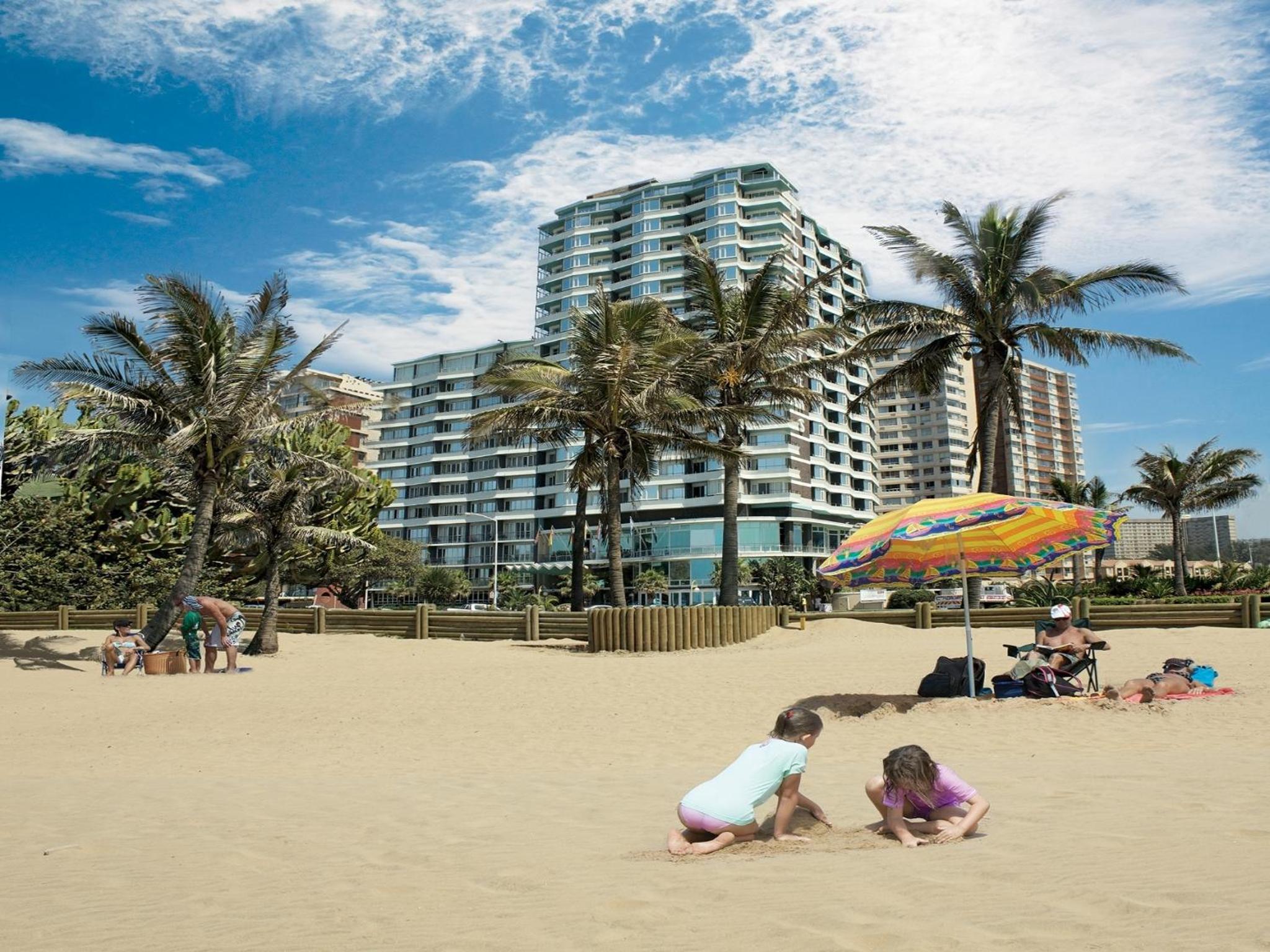
The six-kilometre promenade and the hotels behind it, with the swimming, the surfing, uShaka and the rickshaws on the doorstep. For the beach.
The beach and the promenade at the door, but the busiest strip in the city.
The Point and uShaka
Redeveloped and mixed
The southern end of the beachfront by the harbour mouth, with the aquarium, the pier and the harbour entrance. For families.
uShaka and the pier, though the redevelopment is uneven.
Umhlanga Rocks
Polished and calm
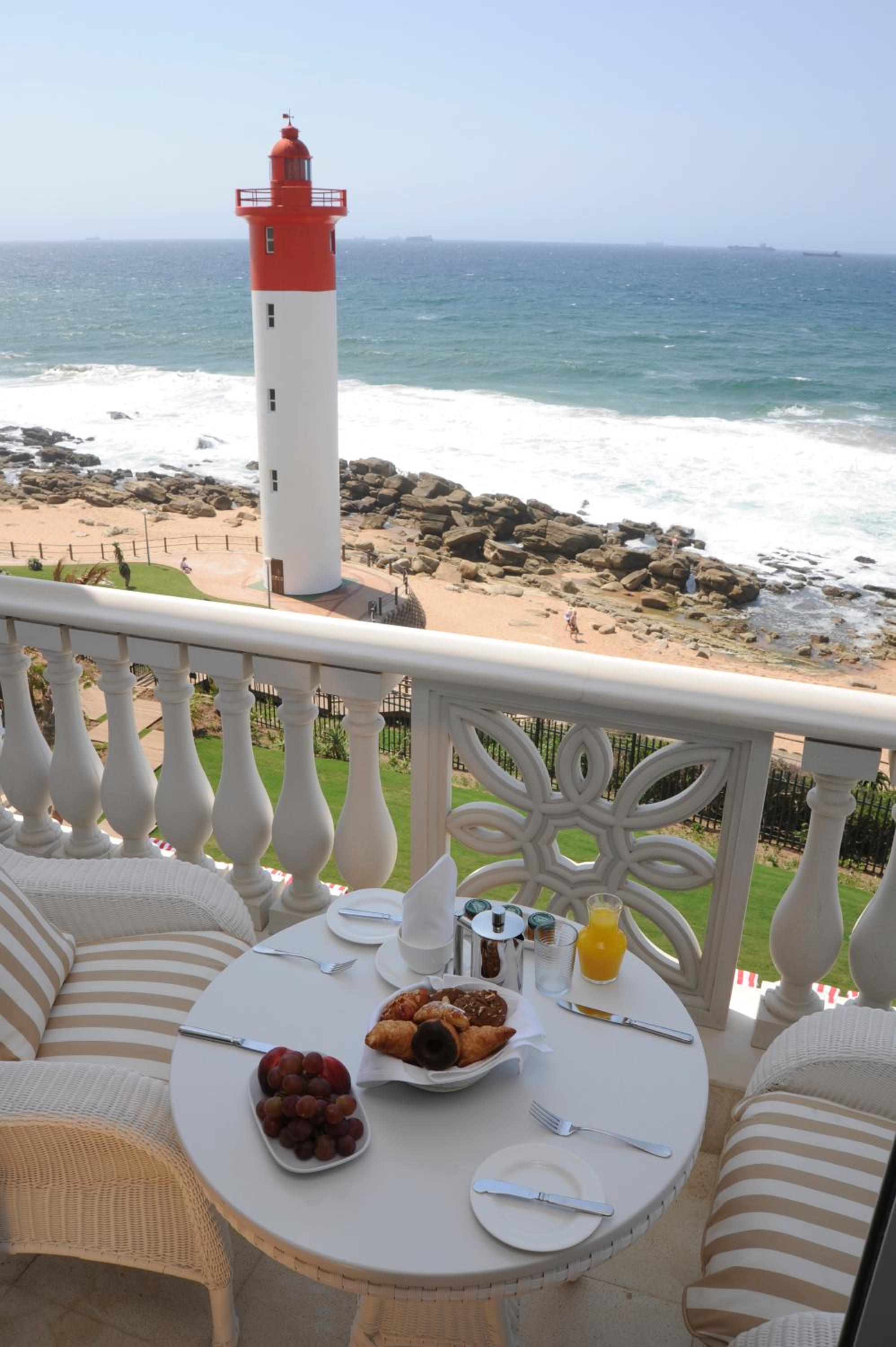
An upmarket beach town fifteen minutes north with a Blue Flag beach, the lighthouse, a three-kilometre promenade and the best hotels. For a first visit.
The best hotels and the calm promenade, and fifteen minutes from the city's food.
See every Durban neighbourhood on one map
Save the areas you like and Stippl plots your days so you're not crossing the city twice.
Where to stay in Durban
Umhlanga holds the best hotels and is the default for a visitor who is not counting rand, with a Blue Flag beach, a promenade and a short airport run, and the Golden Mile is the beachfront answer for anyone who came for the surf. Most travellers give Durban 1 night on Stippl, and it is usually the one before the reserves.
Umhlanga Ridge
Chain hotels and apartments by the mall, €60 to €150 a night.
Morningside
Guesthouses in the Berea houses near Florida Road, €40 to €110 a night.
Glenwood
Backpackers and guesthouses near the university, €15 to €70 a night.
The Golden Mile and the beachfront
Beachfront hotels of every age and tier, €40 to €160 a night.
The Point and uShaka
Apartments and a hotel or two by the harbour mouth, €50 to €140 a night.
Umhlanga Rocks
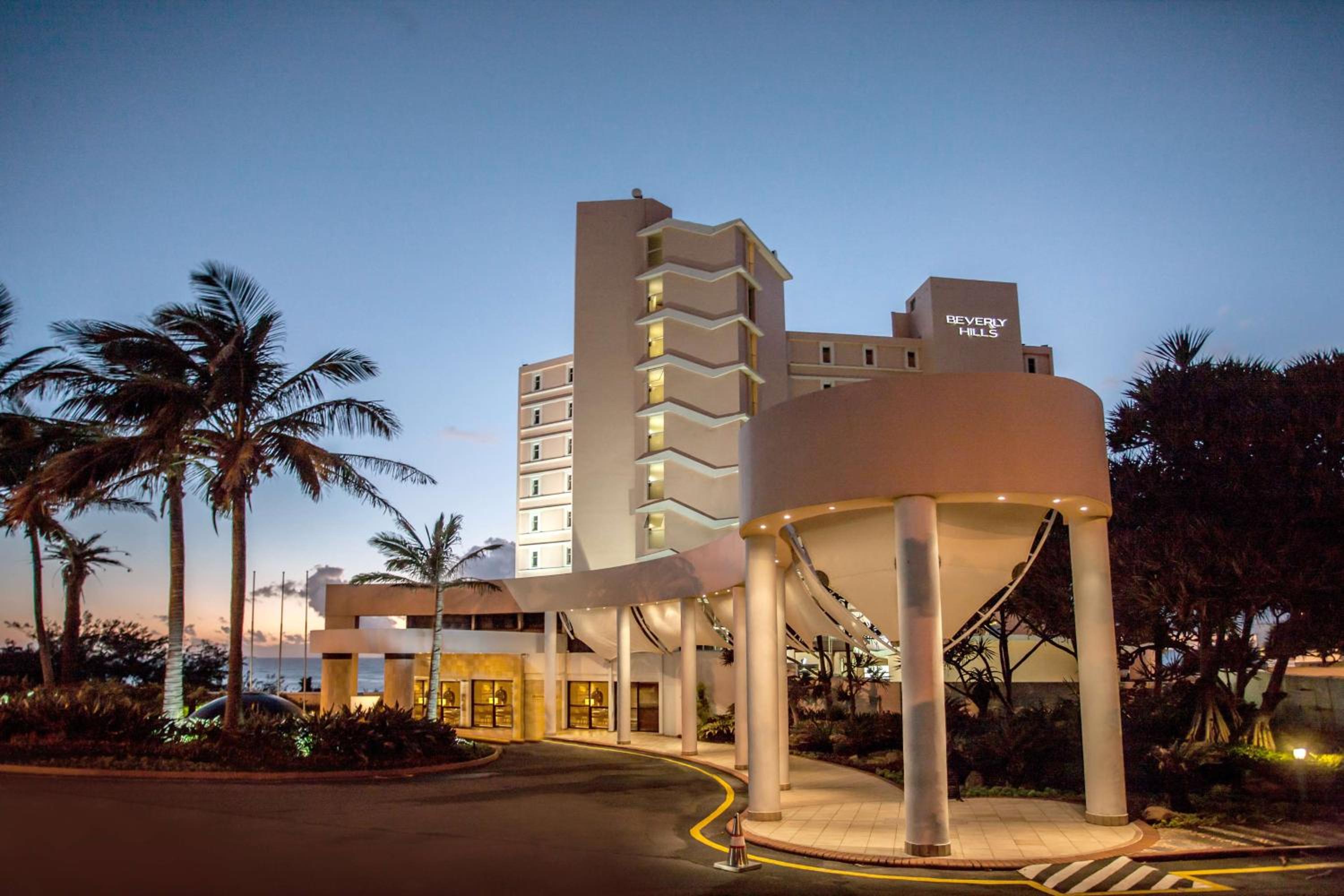
Sea-facing hotels and the resort strip, €120 to €350 a night.


What to eat in Durban
a hollowed quarter, half or full loaf filled with curry; bean, chicken, mutton or prawn, and bean is the original
hotter and more tomato-forward than subcontinental cooking, developed in the city since the 1860s
the blended spice these curries are built on, sold loose by weight
Discover food spots in Stippl
Find restaurants and markets on the map, save them to your itinerary, works offline too.
Durban customs and what not to do
Three cultures in one city
Zulu, Indian and colonial British, and the food, the architecture and the street names all show it, which is how the city reads rather than decoration.
Tipping runs to fifteen
Ten to fifteen percent in restaurants, and the car guards expect a coin or two as everywhere in the country.
Bargain only at the market
Expected at the Victoria Street Market and nowhere else in the city.
The rickshaws are work
The pullers are working rather than performing, so the price is agreed before you get in and paid as agreed.
Ask before photographing
At the markets above all, where the traders are working and the muti stalls are not a display.
The curry is its own thing
Hotter and more tomato-forward than the subcontinent's, developed here since the 1860s, and the masala is sold loose by weight.
Do
- Eat the bunny chow at a Grey Street counter
- Walk the Golden Mile in the morning
- Take the markets with a guide
- Check the beach water report before swimming
- Move by ride app and the People Mover
Don't
- Walk the city centre after dark
- Treat the shark nets as a barrier
- Bargain outside the market
- Get into a rickshaw without agreeing the price
- Plan the beach for the humid summer if the weather matters
What a Durban trip costs
Backpacker
€50
A backpacker bed in Berea or on the beachfront, a bunny chow and the free promenade.
Mid-range
€70–100
A hotel on the Golden Mile or in Umhlanga for two, Florida Road restaurants and uShaka.
High-end
€150+
An Umhlanga sea-facing hotel and the newer restaurant clusters north of the city.
Track what you actually spend
Set a daily budget per country and log expenses in any currency while you travel.
Fun facts about Durban
The bunny chow was invented in Durban. By Indian cafe owners, and the standard account is that it was a portable meal for workers barred from eating inside restaurants.
The Comrades Marathon runs 89 kilometres between Durban and Pietermaritzburg. First run in 1921, alternating uphill and downhill each year, with the hundredth running in June 2027.
The Durban July at Greyville is as much a fashion event as a horse race. Run on the first Saturday of July, and the city's hotels fill for the weekend.
uShaka's aquarium in Durban is called the largest in the southern hemisphere. By its operator, built inside a mocked-up shipwreck on the Point.
The Zulu rickshaw pullers on Durban's beachfront are a century-old trade. The beadwork and the horned headdresses are part of the job rather than a costume for visitors.
26.6% of stops in Durban on Stippl are no night at all. The most passed-through stop in South Africa, because the city is the door to the KwaZulu-Natal reserves.
Local tips for Durban
King Shaka is north of the city
Thirty-two to thirty-five kilometres up the highway, about half an hour, closer to Umhlanga than to the centre, and the practical entry to the province.
Ride apps after dark
Both work well and are the recommended way to move, and the metered street taxis are not the same thing.
The People Mover is usable
Two routes linking the beachfront to the centre as far as the Victoria Street Market, every fifteen minutes, with cameras and staff on board.
The centre is not for wandering
Least of all after dark, and every source says it, including the city's own tourism material by implication.
The visitor areas are patrolled
The promenade, uShaka, Umhlanga and Florida Road have visible security, and they are the parts of the city visitors actually use.
One night, then the loop
1 night is the norm on Stippl and 49.5% of Durban trips carry the reserves or the mountains, so the city is the door rather than the stay.
Durban questions, answered
The parts visitors use are patrolled and the city centre is not a place to walk, particularly after dark. Move between areas by car or ride app, stay in Umhlanga or on the beachfront, and take the markets with a guide; within those rules the city is used every day by the 10.4% of South Africa trips on Stippl that pass through it.
Usually. The sea is warm all year, the main beaches are netted and lifeguarded, and the municipality closes individual beaches for the bacteria counts and publishes the results fortnightly, so the morning's report is checked first. The nets reduce shark numbers rather than form a barrier, and the Sharks Board says so itself.
One or two nights, and it is the most passed-through stop in the country: most travellers give Durban 1 night on Stippl and 26.6% of stops are no night at all. Put it in as the night before the reserves, then ask people who did the loop in subreddits like r/southafrica which way round they drove it.
May to August. This is the one South African city whose winter beats its summer, with dry days at twenty-one degrees and the sea still warm, while the summer is humid and wet. October is the peak month on Stippl because the KwaZulu-Natal loops start then, and 25.1% of starts fall in the winter.
A bunny chow, bean or mutton, at a Grey Street counter rather than a restaurant version, with a quarter loaf as the normal portion and the curry hotter and more tomato-forward than anything on the subcontinent. The masala is sold loose by weight in the market, and the guide is the way in.
Umhlanga for a first visit unless the Golden Mile is the point: it is fifteen minutes north, calmer, safer to walk at night and closer to the airport, with the best hotels and a Blue Flag beach. A typical Durban plan on Stippl is made 129 days ahead, so the Umhlanga room is booked with the loop.
Every guide is written by the Stippl editors and checked against the trips our travellers actually plan. Spotted something out of date? Let us know.

Plan Durban in Stippl
Day-by-day planning, stays and budget in one app, with every place from this guide already on the map.
Download the app