

Addo Elephant Park
Addo Elephant Park is the only Big Five park in South Africa with no malaria, forty-five minutes north of Gqeberha at the Garden Route's eastern end, founded for eleven elephants and holding more than six hundred. Two nights, a sedan on the tarred routes, and the underground hide at the main camp at dawn and dusk.
Addo Elephant Park in a nutshell
Addo Elephant Park: what to expect
What follows sits on 54,000+ stops planned in South Africa on Stippl.
Addo Elephant Park is two nights, and malaria-free is the whole argument. The underground waterhole hide at the main camp puts you at eye level with drinking elephants through glass for free, the self-drive routes are sedan-friendly with the waterholes marked on the map handed out at the gate, a ranger drive puts a trained pair of eyes on the problem, the night drive is the only legal way to be in the park after the gates close, and the Zuurberg section above it is mountain hiking in a landscape that looks nothing like the elephant country below. Most travellers give Addo Elephant Park 2 nights on Stippl.
Addo is the Garden Route's answer to Kruger, and the numbers say two nights and no more. 94.3% of stops here run one to three nights, of everyone who plans it on Stippl, 89.9% of Addo trips carry Cape Town, the drive arriving at its far end, and only 8.7% of plans are made inside a fortnight, because the chalets inside the fence go months ahead.
Sleep inside the fence at the main camp for the hide at dawn and dusk, drive the waterhole routes slowly and wait rather than keep moving, book a ranger drive or a night drive at reception, and give the dung beetles the road. Skip the park if a private vehicle and a ranger is your picture of safari, since that is the reserves next door, and skip Kruger's expectation of predators, because the elephants are the point here.
Plan Addo Elephant Park in Stippl
Day-by-day planning, stays and budget in one app, with every place from this guide already on the map.
Download the appWho Addo Elephant Park is for
Families with young children
No malaria, self-drive at your own pace and a hide where the elephants come to you, on 14.6% of Stippl trips to the country.
Anyone off the tablets
The same argument, and the reason Addo exists on itineraries at all as the only malaria-free Big Five park in the country.
Garden Route drivers
The eastern end of the road, forty-five minutes off it, and 89.9% of Addo trips on Stippl carry Cape Town.
Self-drive travellers
A sedan does the main routes and the map at the gate marks the waterholes, so the park needs no four-by-four and no guide.
Birders
Two hundred thousand seabirds on Bird Island in the marine section and a park spanning five biomes from coast to mountain.
Two-night planners
94.3% of Stippl stops here run one to three nights, and the modal stay is exactly two.
Maybe not for you: anyone whose picture of a safari is a private vehicle and a ranger, which is the private reserves next door rather than this; anyone hoping for Kruger's scale of predator sightings; and anyone with a single night, which covers the hide but not the park.
The best time to visit Addo Elephant Park
The dry winter
May to September
The bush thinner, the animals at the waterholes and the game viewing at its best, with cool mornings in the hide and 13.4% of starts on Stippl.
Spring
October and November
The peak month on Stippl in October, the calving beginning, the flowers on the Zuurberg and the Garden Route's own calendar arriving at its end.
The hot summer
December to March
Hot days, the bush thick and green, the birds at their best and the calves everywhere, with 28.9% of starts and the chalets booked by the school holidays.
Autumn
April
The heat breaking, the bush beginning to thin and the crowds gone, before the winter draws the herds to the water.
- Most travellers give Addo Elephant Park 2 nights on Stippl, and 94.3% of stops run one to three. One full day on the waterhole routes, the hide at dawn and dusk, and a night drive between the two.
- Only 8.7% of Addo plans on Stippl are made inside a fortnight. The chalets inside the fence go months ahead in the school holidays, and the guest farms at Colchester take the overflow.
- October is the peak month on Stippl and June is the trough. The park follows the Garden Route's calendar rather than its own, and the quiet winter is the better game viewing.
- The gates open at sunrise and close at sunset. The times move through the year, and being late back to the camp is a fine rather than a nuisance.
- The northern camp closes for renovation. Nyathi is shut from September 2026 to the end of March 2027, so the quieter half's chalets are off the plan for that season.
- The hide keeps daylight hours. The underground waterhole hide is best in the first and last two hours of light, which is the argument for sleeping inside the fence.
Add your Addo Elephant Park dates and we'll flag the weather
Stippl shows the season, crowds and prices for every stop on your route.
Describe your trip, get a Addo Elephant Park itinerary in seconds
Everything in this guide is already in Stippl. Tell the planner how long you have and what you like: it builds the route, the days and the travel times, and you edit whatever you want.
Things to do in Addo Elephant Park
 Photo by Marcus Löfvenberg via Unsplash
The underground waterhole hide
Free, at the main camp, at eye level with drinking elephants through glass, and best in the first and last two hours of daylight.
Self-drive game viewing
The park's own map marks the waterholes, and the strategy everyone repeats is to park at one and wait rather than keep driving.
A guided drive with a ranger
In your own vehicle or the park's, which puts a trained pair of eyes and a radio network on the problem for two hours.
A night drive
The only legal way to be in the park after gate closing, and the way to see the predators and the porcupines.
The Spekboom trail
A five-kilometre walk inside a fenced enclosure, the only self-guided walking in the game area.
The Zuurberg mountain section
Hiking in a landscape that looks nothing like the elephant country below it, with the trails from the mountain gate.
The areas of Addo Elephant Park
Addo main camp
Inside the fence
The park's original camp around the waterhole, with the underground hide, the restaurant, the shop and the pool, and the gates locked at night with you in. For the hide at dawn.
The hide and the restaurant inside the fence, but the chalets go months ahead.
Matyholweni
Quiet and small
The southern gate camp near Colchester at the Gqeberha end of the park, with chalets half an hour from the main camp. For the southern entry.
Chalets at the Gqeberha end, though half an hour from the hide.
Nyathi rest camp
Remote
The northern section across the river with chalets in the quieter half, closed for renovation from September 2026 to March 2027. For the empty side.
The quieter half of the park, and closed this season.
Spekboom and Narina
Basic and enclosed
The tented camp and the bush camp, small, fenced and closer to how the park felt before the tar. For the bush feel.
The bush feel and the price, but basic and self-catered.
Zuurberg
Hiking rather than game
The mountain section north of the main park, with the trails and a different vegetation entirely, reached by its own gate. For walkers.
Mountain trails and a lodge, and no elephants up there.
Colchester and the Sundays River
Outside the fence
The village and the valley at the southern gate, with guest farms and lodges cheaper than inside and ten minutes from Matyholweni. For the overflow.
Cheaper beds and restaurant meals, at the cost of the hide at dawn.
See every Addo Elephant Park neighbourhood on one map
Save the areas you like and Stippl plots your days so you're not crossing the city twice.
Where to stay in Addo Elephant Park
The park runs seven camps of its own, from the main camp's chalets around the waterhole to the tented and bush camps and the huts in the coastal section, and the guest farms at Colchester outside the southern gate are the cheaper fallback. Most travellers give Addo Elephant Park 2 nights on Stippl, and the main camp is the one to book first.
Addo main camp
Chalets, cottages and the campsite around the waterhole, €20 to €140 a night.
Matyholweni
Self-catering chalets at the southern gate, €80 to €130 a night.
Nyathi rest camp
Chalets across the river in the quiet half, €90 to €150 a night when open.
Spekboom and Narina
Tented and bush camp beds, €40 to €80 a night.
Zuurberg
The mountain lodge and a few cottages, €80 to €180 a night.
Colchester and the Sundays River
Guest farms and lodges outside the fence, €50 to €150 a night.
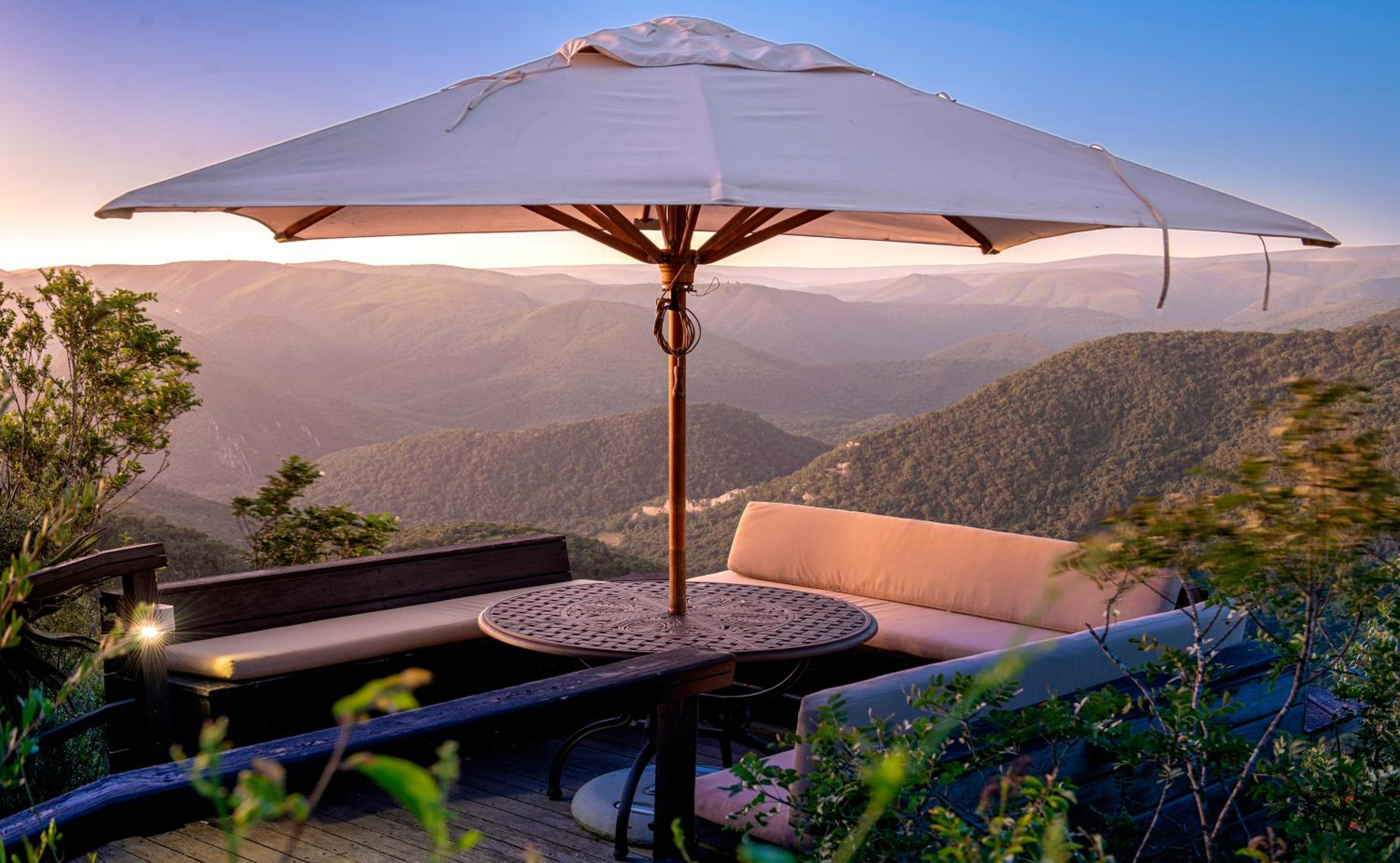
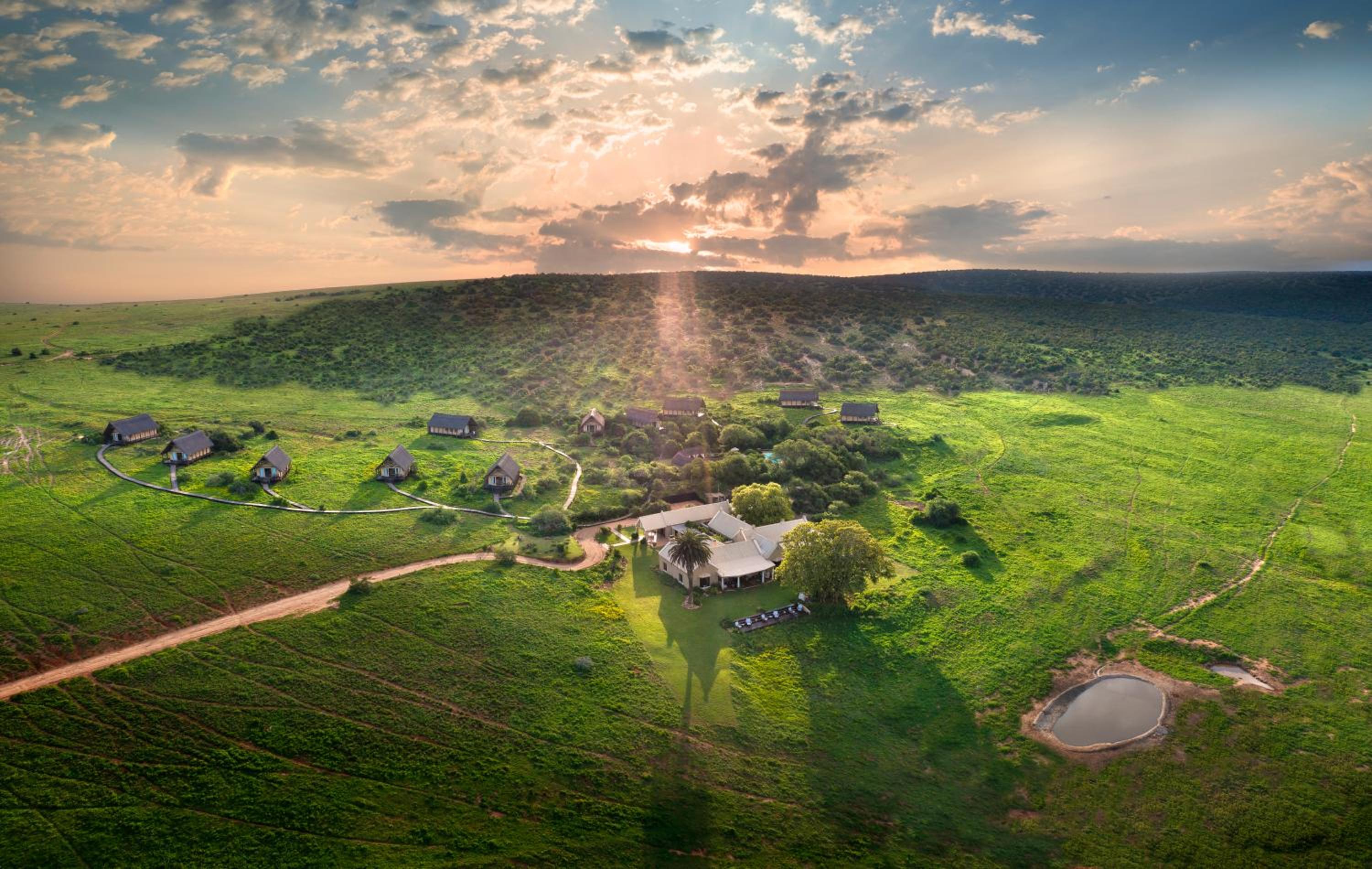


What to eat in Addo Elephant Park
cooking in a camp kitchen, the normal way to eat inside the fence
restaurant meals at guest farms outside the fence, the alternative to camp catering
Discover food spots in Stippl
Find restaurants and markets on the map, save them to your itinerary, works offline too.
Addo Elephant Park rules and what not to do
The dung beetle rule is real
Flightless dung beetles cross the roads and have right of way, and the park asks drivers not to drive over dung on the road because the beetles are in it.
Stay in the vehicle
Except at the designated picnic sites and hides, because this is a Big Five park and the elephants are habituated rather than tame.
Give the elephants the road
A breeding herd crossing is a wait rather than an overtaking opportunity, and the park's own guidance is to switch off and let them pass.
Feed nothing
And keep the windows up where the baboons are working the picnic sites, which is most of them.
Gate times are absolute
Sunrise to sunset, moving through the year, and being late incurs a penalty rather than a frown.
Self-catering is the norm
Cooking in a camp kitchen is the normal way to eat inside the fence, and the main camp's restaurant is the exception.
Do
- Sleep inside the fence for the hide at dawn and dusk
- Park at a waterhole and wait
- Book a ranger drive or a night drive at reception
- Stop for the dung beetles
- Switch off and let the herd cross
Don't
- Drive over dung on the road
- Get out of the car outside the picnic sites and the hides
- Overtake a crossing herd
- Feed the baboons, or leave a window down at the picnic site
- Come back to the gate after sunset
What an Addo Elephant Park trip costs
Backpacker
€50
Camping at the park site, self-catering and your own drive.
Mid-range
€70–100
A family chalet at the main camp or a guest farm at Colchester, self-catering or the guest-farm restaurant.
High-end
€150+
A private lodge inside the fence or a guesthouse in Addo village, with restaurant dining.
Track what you actually spend
Set a daily budget per country and log expenses in any currency while you travel.
Fun facts about Addo Elephant Park
Addo Elephant Park was founded in 1931 for the last eleven Eastern Cape elephants. Farm pressure had reduced the population to that number, and there are more than six hundred now.
The flightless dung beetle of Addo Elephant Park is endemic to the Eastern Cape. It has right of way on the park's roads, and the signs say so.
Addo Elephant Park is a Big Seven park. The Big Five plus the southern right whale and the great white shark, through its marine section in Algoa Bay.
Bird Island in Algoa Bay is inside Addo Elephant Park. It carries around 202,000 seabirds, including the largest gannet colony in the world.
Addo Elephant Park is South Africa's third-largest national park. It has grown from about 9,000 hectares to roughly 180,000, absorbing mountain, coastal and marine sections.
Only 3.1% of stops in Addo Elephant Park on Stippl are no night at all. Almost everyone sleeps, because the hide at dawn and dusk is the point of the park.
Local tips for Addo Elephant Park
A car, and self-drive is normal
The main routes are sedan-friendly and a map marking the waterholes is handed out at the gate, so the park needs no four-by-four.
Gqeberha is the airport
Its airport is the practical arrival point for a fly-in, and the car hire and the last supermarket are there.
Two gates, forty minutes apart
The main gate at Addo village in the north and Matyholweni near Colchester in the south, joined inside the park by the game routes.
The gates move with the sun
Open at sunrise and closed at sunset, with the times shifting through the year, and being late back is a fine.
Malaria-free, all year
The whole park, with no prophylaxis and no vaccination requirement, which is the whole reason it sits on family plans.
The animals are the risk
Elephants, lion, buffalo and rhino are all present, nobody walks in the game area outside the fenced trail, and 94.3% of Stippl stops here stay one to three nights inside that rule.
Addo Elephant Park questions, answered
It does, and most travellers give Addo Elephant Park 2 nights on Stippl, the modal stay is exactly that and 94.3% of stops run one to three, which is one full day on the waterhole routes, the hide at dawn and dusk, and a night drive between.
Yes, the whole park, all year, with no prophylaxis and no vaccination requirement, and it is the only Big Five park in South Africa of which that is true. That is the whole argument for the Eastern Cape over Kruger for a first safari with children or for anyone who cannot take the tablets.
Yes, and most people do. A sedan handles the main routes, the gate hands out a map with the waterholes marked, and the strategy is to park at one and wait rather than keep driving. Put the park into Stippl as two nights at the main camp, then ask people who have driven it in subreddits like r/southafrica which waterhole delivered.
The park's own claim is that sightings are near-certain at that density, more than six hundred animals in a compact park, and every visitor repeats it; the underground hide at the main camp puts them at eye level through glass at dawn and dusk without the drive. Only 3.1% of stops here on Stippl are a pass-through.
Addo if malaria matters, if you are already on the Garden Route or if two nights is what you have; Kruger for scale and for predators. 89.9% of Addo trips on Stippl carry Cape Town, which is the drive arriving at its end, and at equal trip length people treat the two parks as alternatives rather than a pair.
In the park if dawn and dusk matter, because the hide and the waterholes work in the first and last two hours of light and the gates lock with you inside. Only 8.7% of Addo plans on Stippl are made inside a fortnight, and the main camp's chalets are why.
Every guide is written by the Stippl editors and checked against the trips our travellers actually plan. Spotted something out of date? Let us know.

Plan Addo Elephant Park in Stippl
Day-by-day planning, stays and budget in one app, with every place from this guide already on the map.
Download the app