

Johannesburg
Johannesburg is the long-haul door to South Africa and the place the country's history is kept, a gold city on the highveld at 1,750 metres with no river, lake or coast. One night for most, two for the Apartheid Museum and Soweto with a guide, and the Gautrain from the airport to Sandton.
Johannesburg in a nutshell
Johannesburg: what to expect
54,000+ stops in South Africa have been planned on Stippl. Here is what they say about Johannesburg.
Johannesburg is one night for most people, and two if understanding the country is the point. The Apartheid Museum begins by issuing a ticket that segregates you at the door, Vilakazi Street in Soweto is the only street in the world that housed two Nobel Peace laureates, the Hector Pieterson Memorial stands where the 1976 uprising was put down, Mandela House is the Orlando West home he returned to, Constitution Hill turned the old fort and prison into the Constitutional Court, and Maboneng runs its market on a Sunday. Most travellers give Johannesburg 1 night on Stippl.
Johannesburg is the door rather than the destination, and the numbers are blunt about it. 70.9% of stops here are one night or none, of everyone who plans it on Stippl, 20.6% are no night at all, the airport transfer to the east, and the city appears on 43.6% of South Africa trips, because the long-haul flights land here and the Panorama Route and Kruger start from here.
Sleep in Sandton for the Gautrain and the security question, move by ride app for every trip, take Soweto with a guide and give the Apartheid Museum three hours. Skip walking in the central business district, since every source that raises it says the same thing, and skip the assumption that one night covers the museum and Soweto, because two is the honest minimum.
Plan Johannesburg in Stippl
Day-by-day planning, stays and budget in one app, with every place from this guide already on the map.
Download the appWho Johannesburg is for
People who want to understand
The Apartheid Museum, Constitution Hill and Soweto do more in two days than a fortnight of landscape will.
History travellers
Johannesburg is where the anti-apartheid struggle was fought and where its institutions are now housed, on one street in Soweto and one hill in town.
Art buyers and gallery-goers
Rosebank's Jan Smuts Avenue and the Maboneng studios are the strongest contemporary art concentration in the country.
Travellers heading east
Johannesburg appears on 43.6% of South Africa trips on Stippl, and the Panorama Route and Kruger start from here.
Market-goers
A different market runs almost every weekend: Neighbourgoods in Braamfontein, the Rosebank rooftop and Market on Main in Maboneng.
One-night arrivals
50.3% of Stippl stops here are a single night, the landing night before the drive or the flight on.
Maybe not for you: anyone wanting to walk a city, since the central business district is off limits on foot; anyone who will not use a ride app for every movement; and travellers looking for scenery, which is not what this city is for.
The best time to visit Johannesburg
The dry winter
April to September
Clear, dry days and cold nights at 1,750 metres, the best months for the city and the game parks to the east, with 24.2% of starts on Stippl.
The jacaranda spring
September and October
The purple trees over the northern suburbs, the busiest months on Stippl, and the last dry weeks before the storms.
The wet summer
December to February
Afternoon thunderstorms most days, hot and green, and the domestic holiday emptying the city while the coast fills.
Autumn
March to May
Mild, the storms ending, the highveld gold and the flattest prices of the year in the Sandton hotels.
- Most travellers give Johannesburg 1 night on Stippl, and 70.9% of stops are one night or none. The landing night, the Gautrain to Sandton, and the road or the flight east in the morning.
- A typical Johannesburg plan on Stippl is made 109 days ahead, the longest lead in the country. The long-haul flight sets it, and the Kruger camps that follow need months.
- September is the peak month on Stippl, and 34.1% of starts fall in the busiest quarter. The jacarandas are out, the winter is ending and Kruger to the east is still dry.
- Two nights is the honest minimum for the museum and Soweto. The Apartheid Museum takes three hours and Soweto a guided day, and one night covers neither.
- The Gautrain runs to the airport. The first train from Sandton leaves early and the last around nine in the evening, and it is the one piece of public transport a visitor will use.
- The nights are cold in winter. At 1,750 metres the June and July nights drop toward freezing while the days are clear, so the jacket is packed for the evening.
Add your Johannesburg dates and we'll flag the weather
Stippl shows the season, crowds and prices for every stop on your route.
Describe your trip, get a Johannesburg itinerary in seconds
Everything in this guide is already in Stippl. Tell the planner how long you have and what you like: it builds the route, the days and the travel times, and you edit whatever you want.
Things to do in Johannesburg
 Photo by Michael Schofield via Unsplash
 Photo by Giorgio Scavalli via Unsplash
 Photo by Kwena Mashale via Unsplash
The Apartheid Museum
Which begins by issuing you a ticket that segregates you at the door, two to three hours, and the place the whole country's story is told in one building.
Soweto and Vilakazi Street
The only street in the world that was home to two Nobel Peace laureates, Mandela and Tutu, walked with a guide as the norm.
The Hector Pieterson Memorial
On the ground where the 1976 student uprising was put down, with the photograph that went round the world at its centre.
Mandela House
The Orlando West home Mandela returned to in 1990, kept as it was, on the same street as the archbishop's.
Constitution Hill
The old fort and prison that now houses the Constitutional Court, with the cells and the court in one precinct.
Maboneng on a Sunday
When Market on Main runs and the arts precinct is at its busiest, inside the only inner-city block designed to be walked.
The areas of Johannesburg
Sandton
Polished and secure
Africa's richest square mile: corporate towers, malls and hotels, the Mandela statue on the square and a Gautrain station to the airport. For a first visit.
The Gautrain and the security question resolved, but a business district with no character of its own.
Maboneng
Regenerated and walkable
Converted warehouses turned arts precinct with galleries, studios and the Sunday market, the only inner-city block designed to be walked. For the art and the weekend.
Walkable inside its boundaries with its own security, though the streets around it are not.
Melville
Scruffy and independent
Bohemian, student and almost chain-free, with 7th Street's owner-run restaurants, dive bars and second-hand bookshops. For budgets and the evening.
The independent scene and the cheap beds, and a ride to everything else.
Rosebank
Green and mid-range
Galleries and malls between the centre and Sandton, with Art Gallery Row on Jan Smuts Avenue and the rooftop Sunday market. For gallery-goers.
The galleries and the Sunday market on a Gautrain stop, though the malls set the tone.
Soweto
Historic and lived-in
A township of over a million and a destination, with Vilakazi Street, the museum and the guesthouses that take visitors overnight. For the history, with a guide.
The country's history on one street, and a guide is the norm rather than an option.
Braamfontein
Young and student-led
The university district north of the centre with the Neighbourgoods Market on Saturdays and the Constitution Hill precinct nearby. For a Saturday.
The market and the hill, but a student district with the centre's rules after dark.
See every Johannesburg neighbourhood on one map
Save the areas you like and Stippl plots your days so you're not crossing the city twice.
Where to stay in Johannesburg
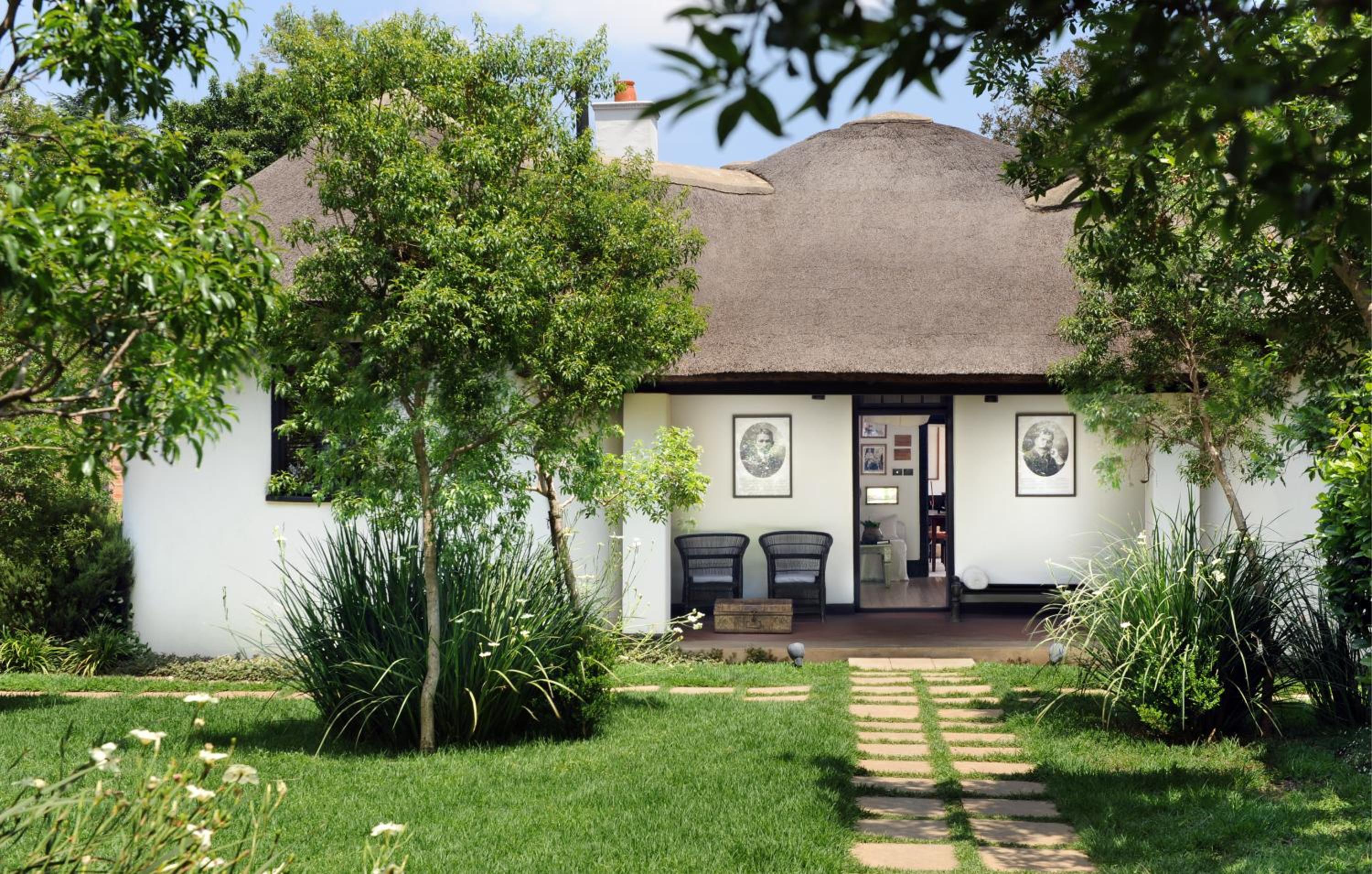
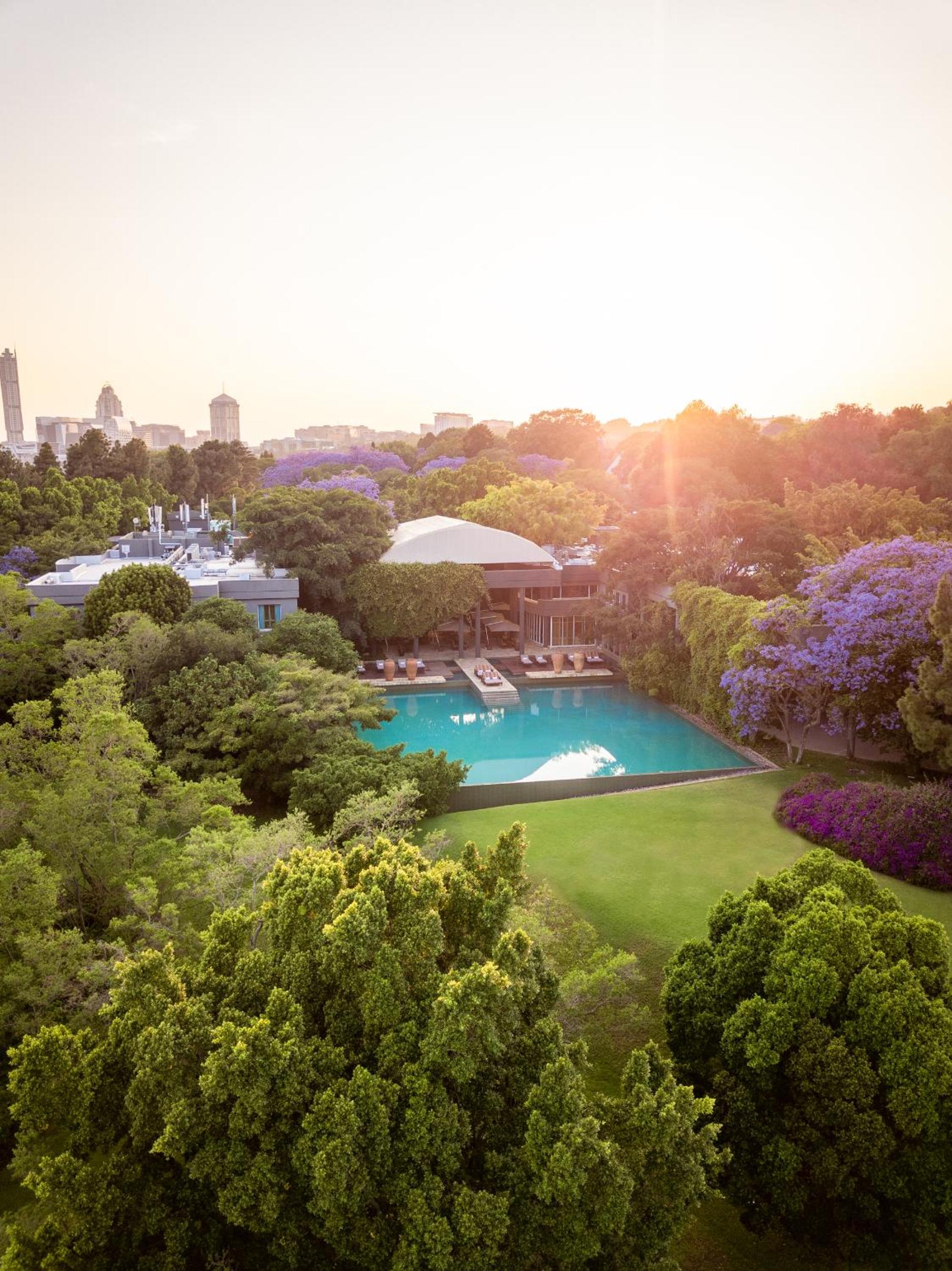
Sandton is the default first-visit base, for the Gautrain link to the airport and because the security question resolves itself there, with Melville and Rosebank as the independent and the mid-range alternatives for a second night. Most travellers give Johannesburg 1 night on Stippl, and it is usually the landing night.
Sandton
The country's best-connected hotels and the chains, €80 to €300 a night.
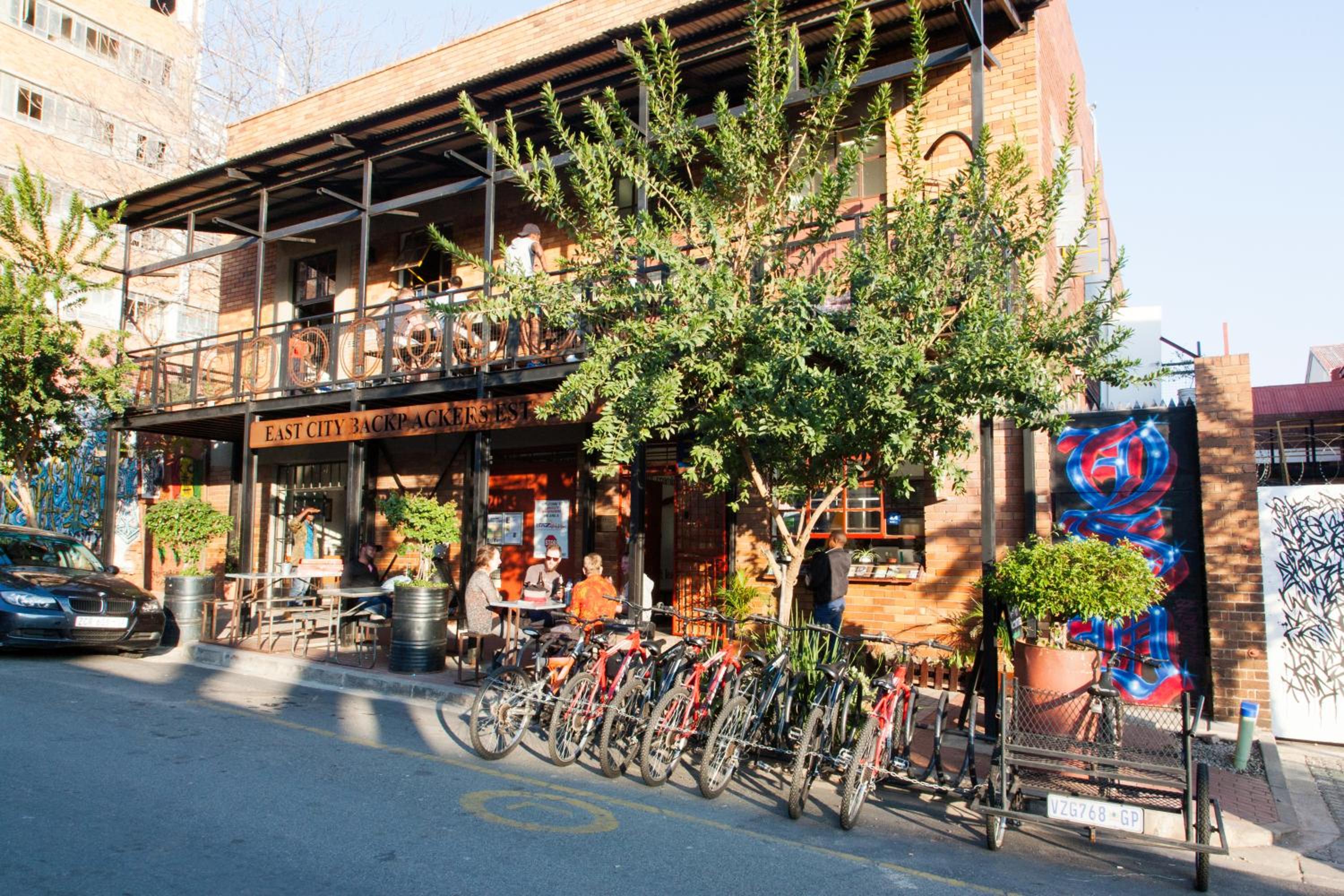
Maboneng
A hostel and a few loft apartments in the precinct, €15 to €90 a night.
Melville
Guesthouses and a backpackers in the old houses, €20 to €80 a night.
Rosebank
Mid-range hotels and guesthouses by the galleries, €60 to €150 a night.
Soweto
Guesthouses and a backpackers on and near Vilakazi Street, €20 to €70 a night.
Braamfontein
Student-district hotels and apartments near the university, €40 to €100 a night.


What to eat in Johannesburg
open-fire barbecue, the default social meal here as everywhere in the country
the township grill, Johannesburg's own form of braai
Discover food spots in Stippl
Find restaurants and markets on the map, save them to your itinerary, works offline too.
Johannesburg customs and what not to do
Greetings come first
As everywhere in the country, and here specifically the greeting is an acknowledgement of the other person rather than a formality, at every counter and every pickup.
Tipping is the wage
Ten percent in restaurants written on the bill yourself, and the car guards and the petrol attendants as everywhere in South Africa.
The past is recent and personal
It ended in 1994 and the people showing you Soweto lived it, so the visitor listens rather than leads.
The city has three names
Jozi and Joburg to the people who live there, and Egoli, the Zulu name, means place of gold.
Soweto is a home
A township of over a million people rather than an exhibit, and the guided walk is the way into it that keeps that straight.
The braai is the meal
Open fire as everywhere, and the shisa nyama, the township grill, is the city's own version of it.
Do
- Take the Gautrain from the airport to Sandton
- Give the Apartheid Museum three hours
- Take Soweto with a guide
- Move by ride app for every trip and check the plate
- Go to Maboneng on a Sunday
Don't
- Walk in the central business district
- Walk anywhere after dark
- Use the main railway station or its surroundings
- Leave anything visible in a parked car
- Try to fit the museum and Soweto into one night
What a Johannesburg trip costs
Backpacker
€50
A hostel bed in Maboneng or Melville, the weekend markets and 7th Street eats, a ride app for every trip.
Mid-range
€70–100
A guesthouse in Melville or Rosebank for two, mixed markets and restaurants, rides everywhere.
High-end
€150+
A hotel in Sandton with the fine dining attached to the hotels and the malls.
Track what you actually spend
Set a daily budget per country and log expenses in any currency while you travel.
Fun facts about Johannesburg
Johannesburg exists because of the gold found in 1886, and nothing else. Founded in 1886 after the Witwatersrand reef was discovered, it went from open veld to a city of a hundred thousand in ten years.
Johannesburg is the world's largest city with no river, lake or coast, at 1,750 metres. Its water is piped from the Vaal Dam about eighty kilometres away.
Johannesburg is the largest city in sub-Saharan Africa. The economic capital of the country, and the reason most long-haul flights land here rather than in Cape Town.
Vilakazi Street in Johannesburg's Soweto housed two Nobel Peace laureates. Mandela and Tutu lived on the same street, and no other street in the world can say it.
70.9% of stops in Johannesburg on Stippl are one night or none. The door to the country rather than the destination, and the Gautrain is why.
Johannesburg sits at 1,750 metres on the highveld. High enough to be malaria-free and for the winter nights to touch freezing while the days are clear.
Local tips for Johannesburg
Ride apps are the transport
Both apps are widely used and cheap by visitor standards, and street taxis are not recommended anywhere in the city.
The Gautrain is the exception
It links the airport to Sandton directly, the one piece of public transport a visitor will actually use, with the first train early and the last around nine.
Do not walk in the CBD
Every source that raises the subject says the same thing, and the main railway station and its surroundings are named specifically in the national advisories.
Maboneng is the walkable block
The precinct runs its own security and is walkable inside its boundaries, particularly at the weekend.
The advice is specific
This is the most serious safety picture in the country, and the rules are short: no walking in the centre, no walking after dark, a ride for everything, a guide for Soweto.
One night, at the door
50.3% of Stippl stops here are a single night and only 13.4% of plans are made inside a fortnight, because the flight lands here and the loop begins.
Johannesburg questions, answered
Most travellers give Johannesburg 1 night on Stippl, and 70.9% of stops are one night or none. Two nights is the honest minimum if you want the Apartheid Museum and Soweto rather than the airport hotel, and the third is the galleries and the markets.
Stricter than anywhere else in the country, and specific rather than general: no walking in the central business district, no walking after dark, a ride app for every movement and a guide for Soweto. Within those rules the city is visited every day by people who describe it as ordinary, and the Gautrain and Sandton resolve most of it.
Yes, and the better reason is not safety but understanding: a guide is what turns Vilakazi Street from looking into knowing, because the people showing it lived the history. The guided day is the second of the two nights that the museum and Soweto together need, and the tour picks up from Sandton and the inner-city hostels alike.
April to September for the dry winter, with clear days and cold nights on the highveld, and September and October add the jacarandas; September is the peak month on Stippl and 24.2% of starts fall in the winter. The summer brings afternoon storms and the coast takes the domestic holiday.
No, not in the city and not in Pilanesberg two hours north, because the highveld at 1,750 metres sits above it. The tablets start when the road drops into the lowveld toward Kruger, which is the usual next stop for the 43.6% of South Africa trips on Stippl that pass through here.
If you want to understand the country rather than photograph it, this is where that happens, and the museum and Soweto do more in two days than a fortnight of landscape. 20.6% of stops here on Stippl are no night at all; put two nights in instead, then ask people who stayed in subreddits like r/southafrica whether they regretted the second.
Every guide is written by the Stippl editors and checked against the trips our travellers actually plan. Spotted something out of date? Let us know.

Plan Johannesburg in Stippl
Day-by-day planning, stays and budget in one app, with every place from this guide already on the map.
Download the app