
Plan France in Stippl
Day-by-day planning, stays and budget in one app, with every place from this guide already on the map.
Download the appThe route at a glance
| Duration | 14 days, 13 nights |
| Route | Nice (5 nights) → Cannes (4 nights) → Marseille (4 nights) |
| Day trips | Villefranche-sur-Mer, Èze, Monaco, Menton, Antibes, Îles de Lérins, the Calanques, Cassis |
| Budget per day | €40-80 budget · €90-150 mid-range · €160+ high-end, per person, excluding flights |
| Best time | May, June and September. Warm sea, everything open, and none of the August wall |
| Book ahead | Summer accommodation in Nice, months out. It is the tightest season on this coast |
| Open jaw | Fly into Nice, out of Marseille. You never backtrack |
| Stippl tip | Nice and Marseille are the strongest pairing we measure anywhere in France, from both directions |
Budget
€40–80
hostel dorm or campsite pitch, supermarket picnics and the set lunch menu, trains booked months out, free and low-cost sights
Mid-range
€90–150
two- to three-star hotel, gîte or chambre d'hôtes, a restaurant dinner, hire car, paid museums and a wine tour
High-end
€160+
boutique and château hotels, serious restaurants, guided tastings, private transfers, peak-season coast
Why three bases and not eleven
The Riviera tempts you into a new town every night, and it is the wrong instinct. Nice is a trip's only stop just 3.6 per cent of the time for travellers who plan with Stippl, and that is the point: almost nobody comes here for one place. They come for a base and the coast around it.
The coastal TER railway is what makes this work. It is a regional line, so fares are fixed, no reservation is needed, and you turn up and get on. From Nice, Villefranche is seven minutes away, Monaco twenty, Antibes twenty, Cannes a little over half an hour, and Menton thirty-five minutes. Every one of those is a day trip, and every one of them is cheaper and faster than a coach tour selling the same towns.
So the route below moves three times in fourteen days. Everything else happens on a train ticket you buy that morning.
Nice

Nice Côte d'Azur is France's third-busiest airport, 15.23 million passengers came through it in 2025, and it sits seven kilometres from the old town with Tram 2 running in from both terminals. That is an unusually soft landing for a city this small, and it is the reason to start here.
Sleep: Vieux Nice is the default first stay, because everything is walkable from it and the food is at the door. Gambetta, running from the station down to the sea, is where central and affordable overlap. Le Port is the quiet upgrade, with boutique hotels, easier parking and quayside restaurants that price like a neighbourhood rather than like a promenade. Cimiez, ten minutes uphill by tram, suits families and anyone here for the museums. One thing to avoid: do not book far west along the Promenade past Magnan unless you have an early flight, because the seafront turns residential and the walk into town stops being a walk. A hostel dorm runs €30-55 and a three-star double €110-200, checked August 2026.

Getting around: a single tram or bus ticket is €1.70 and covers unlimited transfers in the same direction for 74 minutes. The rechargeable card costs €2, and buying from the driver adds €0.40. The airport is the exception: those journeys need a separate €10 round-trip ticket, and it is worth checking that against two singles before you buy.
Day 1Arrive and walk the Promenade
Land, drop the bags, and do nothing ambitious. The Promenade des Anglais runs about seven kilometres along the Baie des Anges and is named for the English winter visitors who paid for the first path in the 1820s. Walk a stretch of it in the late afternoon, when the light goes gold and the blue chairs fill up.
Two things worth knowing before you get excited about a swim. The beaches are pebble, all of them, the whole seven kilometres. Bring water shoes or buy a pair on day one, because entering the water barefoot is genuinely difficult and it is the commonest small injury here. And the Promenade is a working street rather than a resort boardwalk, so the cycle lane is separate from the walkway and cyclists use it at speed.
Evening: eat socca. It is a wood-fired chickpea-flour pancake, crisp at the edge and soft in the middle, sold around the Cours Saleya and the old town for €3-5, and it has to be eaten hot from the pan. Reheated socca is the tourist version.
Editor's tip: Nice's food is Ligurian, not Provençal. The city was Nizza until 1860, and socca, pissaladière, pan bagnat and Nice's own ravioli all come from the Italian side of a border that moved. Order from that half of the menu and you are eating what the city actually eats.
Day 2Vieux Nice and Colline du Château
Morning: the Cours Saleya market. It is produce and flowers Tuesday to Sunday and antiques on Monday, which catches out everyone who plans the food market for their first morning. Then wander Vieux Nice properly: baroque, ochre and terracotta, narrow sun-trapped alleys, a restaurant at every doorway.
Afternoon: climb Colline du Château. There is no castle, it was destroyed centuries ago, and there is the best view of the Baie des Anges in the city, and it costs nothing. If the climb does not appeal, a lift runs up from the eastern end of the Promenade.
Evening: the quayside at Port Lympia. The 1749 harbour has pointu fishing boats moored beside yachts, and the restaurants around Place de l'Île de Beauté eat better and cheaper than the Promenade does. A lunch menu across Nice runs €18-25.
Day 3Villefranche-sur-Mer and Èze
Morning: Villefranche is seven minutes east by TER and costs about €2. It is a deep-water bay with an ochre old town stacked above it, and it is the corpus favourite for a half day for good reason.
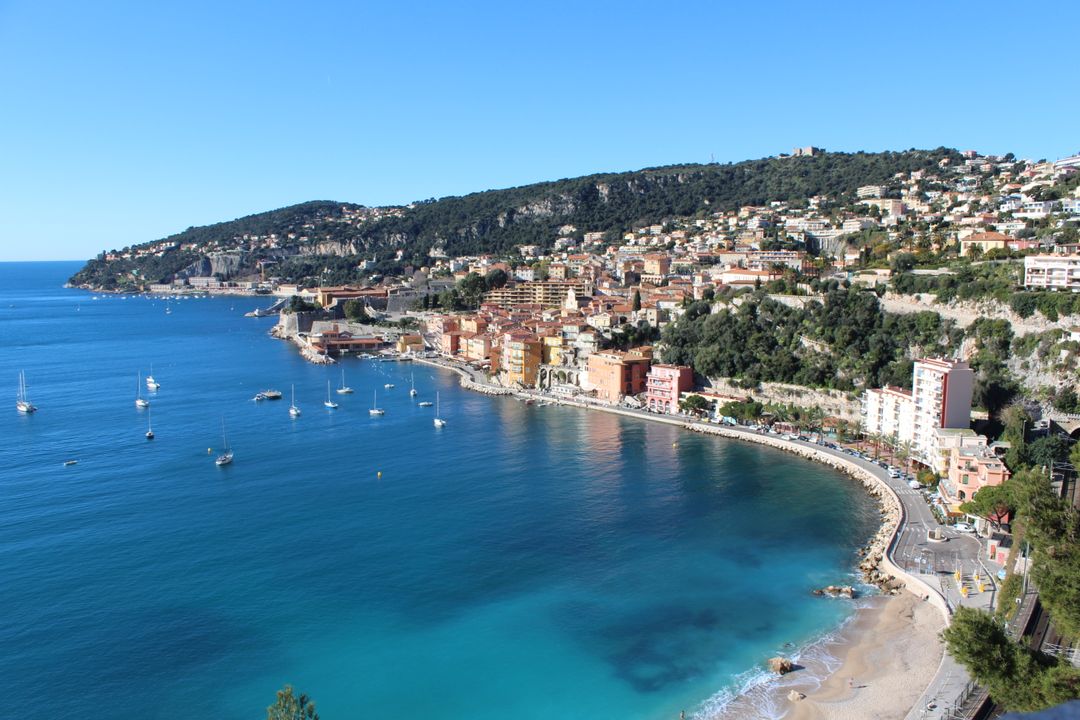
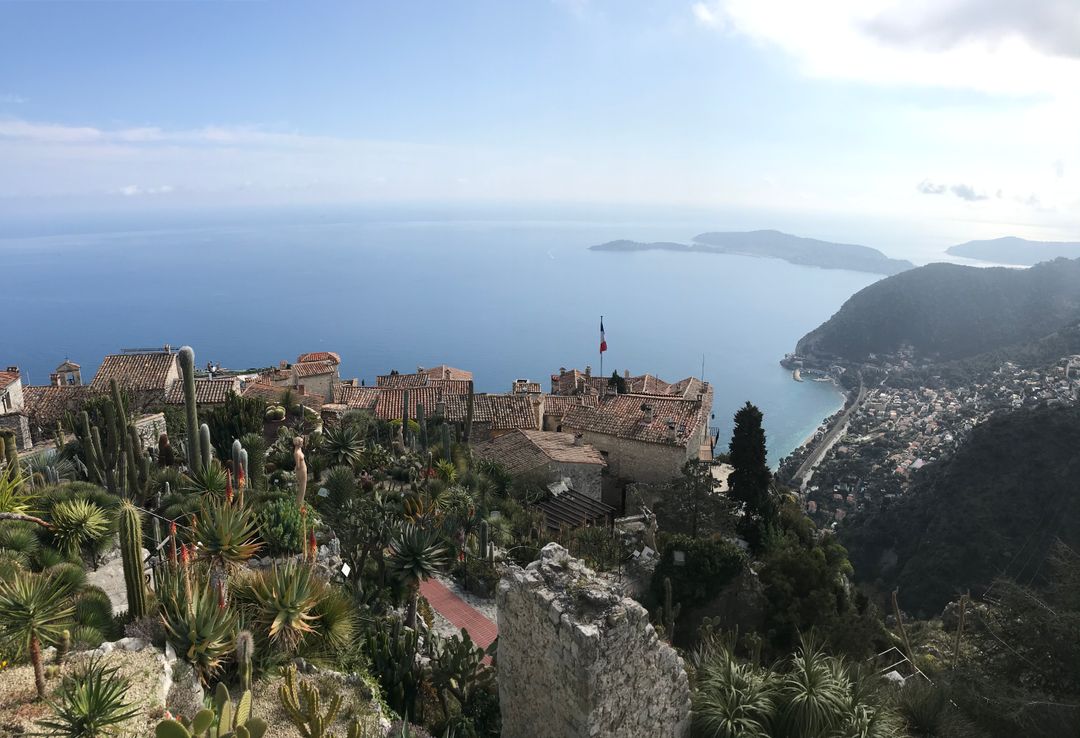
Afternoon: Èze, and this is the one that catches people out. The medieval village sits 400 metres above the coast road, and Èze-sur-Mer station is at sea level, not in the village. Take bus 82 or 112 from Nice instead, about 25 minutes, and you arrive where you meant to. There is a cactus garden on the summit.
Day 4Monaco
Twenty minutes on the TER, running every 20 to 30 minutes, which makes Monaco the easiest day trip on this coast. Go early, come back for dinner in Nice, and treat it as a half day if the casinos and the superyachts are not your thing.
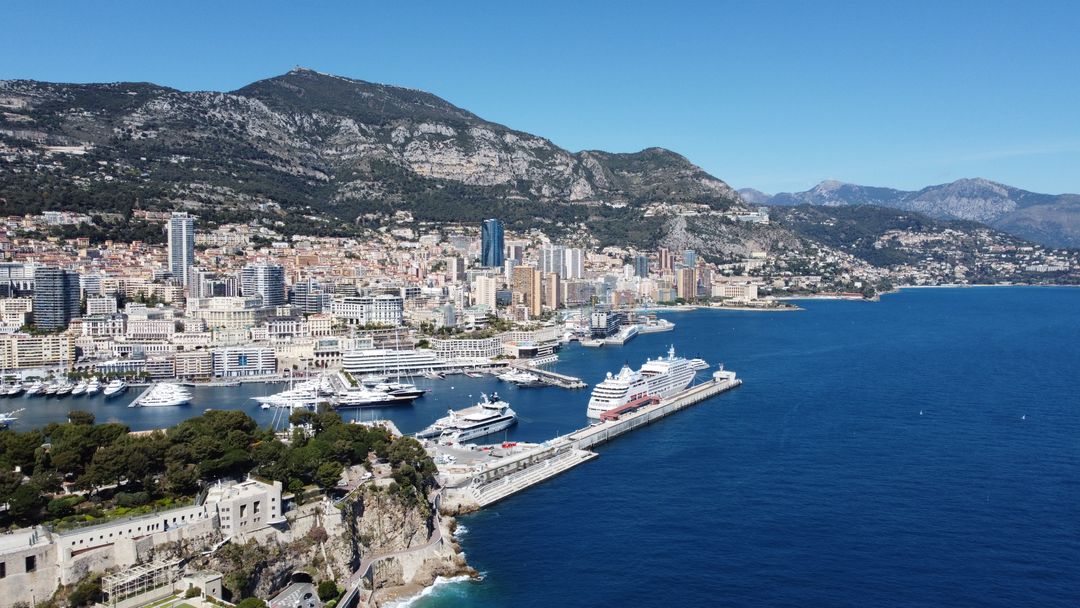
Worth flagging honestly: Monaco is a sovereign state and sits outside our own France data, so nothing in this article about what to do once you are there is verified the way the Nice and Marseille sections are. Take the train, have a look, form your own view.
Day 5Menton and the Italian border
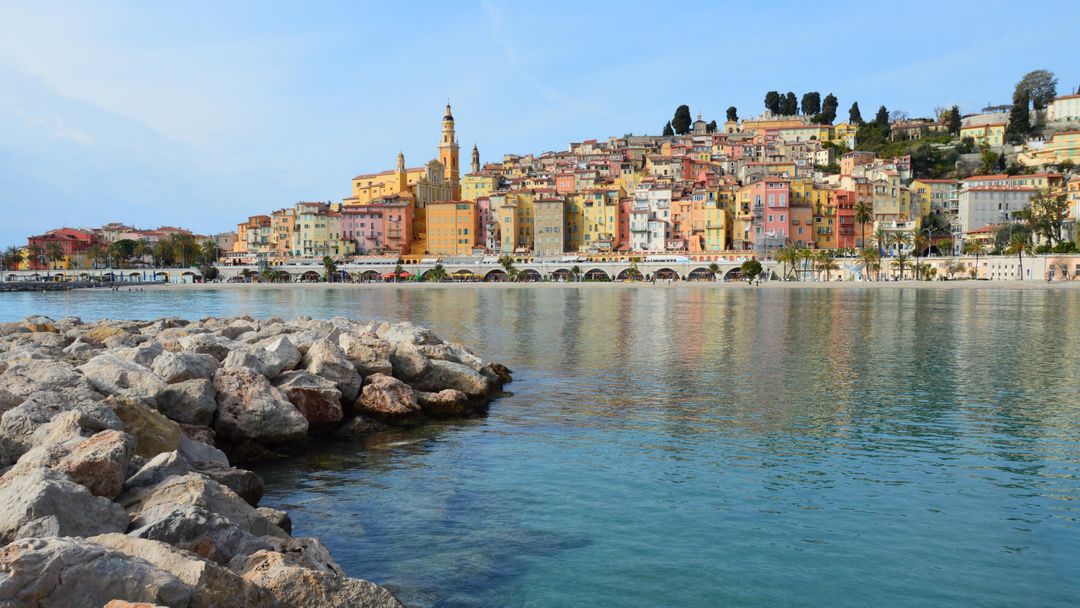
Thirty-five minutes east and you are at the last French town before Italy, all lemon groves and gardens. Push another hour and you reach Ventimiglia and its Friday market, which is a genuinely different country for the price of a regional fare.
If gardens are not the plan, Antibes is twenty minutes the other way and continues to Cannes.
Read more: things to do in Nice
Cannes
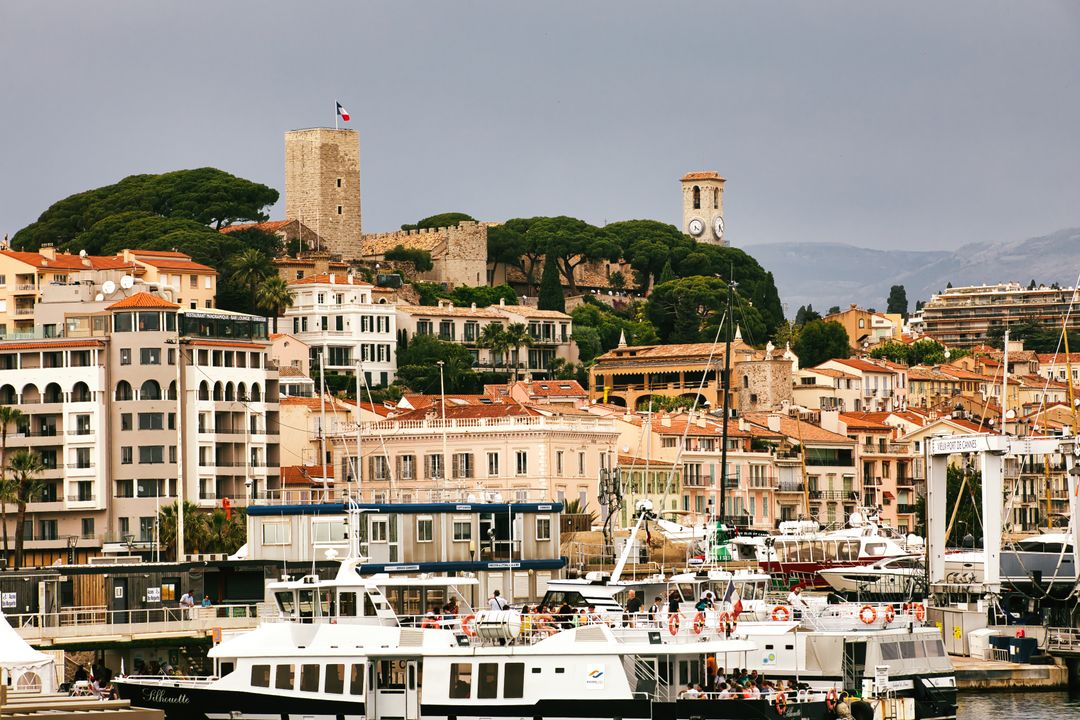
Cannes is a little over half an hour west of Nice on the same coastal line, and it is where the Riviera stops being a city and starts being a resort. Four nights is enough for the town, its old quarter, the islands offshore and Antibes next door.
Be straight with yourself about one thing first. If you want the full ten things to do in the Riviera's two headline towns, our guide to the 10 best things to do in Nice and Cannes covers both in more detail than a day-by-day has room for.
Sleep: Le Suquet, the old fortified quarter above the harbour, is the atmospheric base, and the flat streets behind the seafront are the practical one. We do not hold a fact dossier for Cannes yet, so unlike Nice and Marseille there are no neighbourhood price bands here that we can stand behind. Book on your own reading of a map rather than on ours.
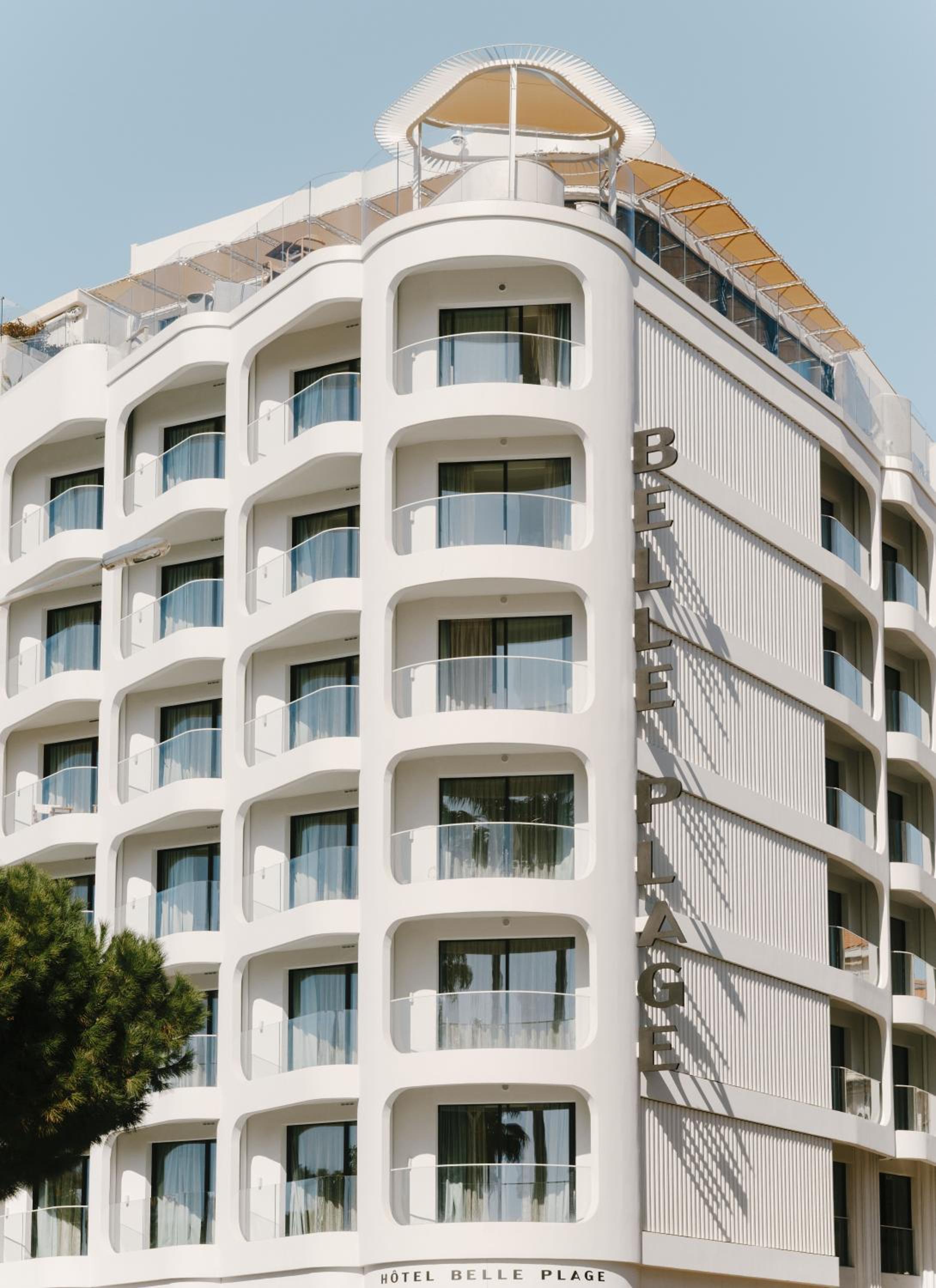
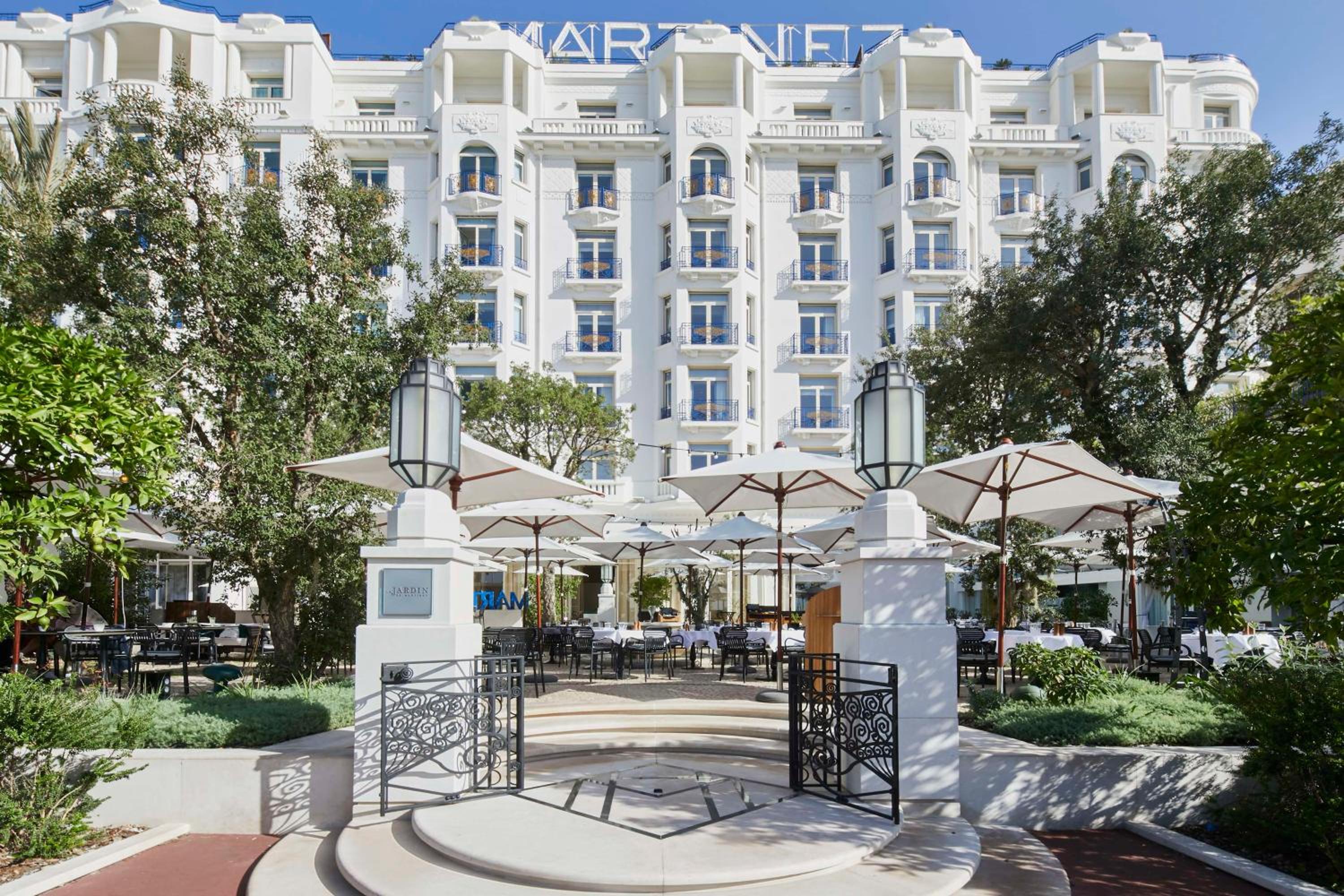

Day 6Train to Cannes and Le Suquet
Take a morning TER west, check in, then climb Le Suquet. It is the oldest quarter, cobbled and pastel, and it was a fishing village long before the film festival arrived. The views over the harbour from the top are the reason to go up in the late afternoon rather than at midday.
Day 7Îles de Lérins
Boats run out to the Lérins islands from the old port. Île Sainte-Marguerite is the larger one, pine forest and rocky inlets, and Île Saint-Honorat is smaller and still home to a working monastery. Pack water and food for Sainte-Marguerite, because options on the island are thin.
Day 8Antibes
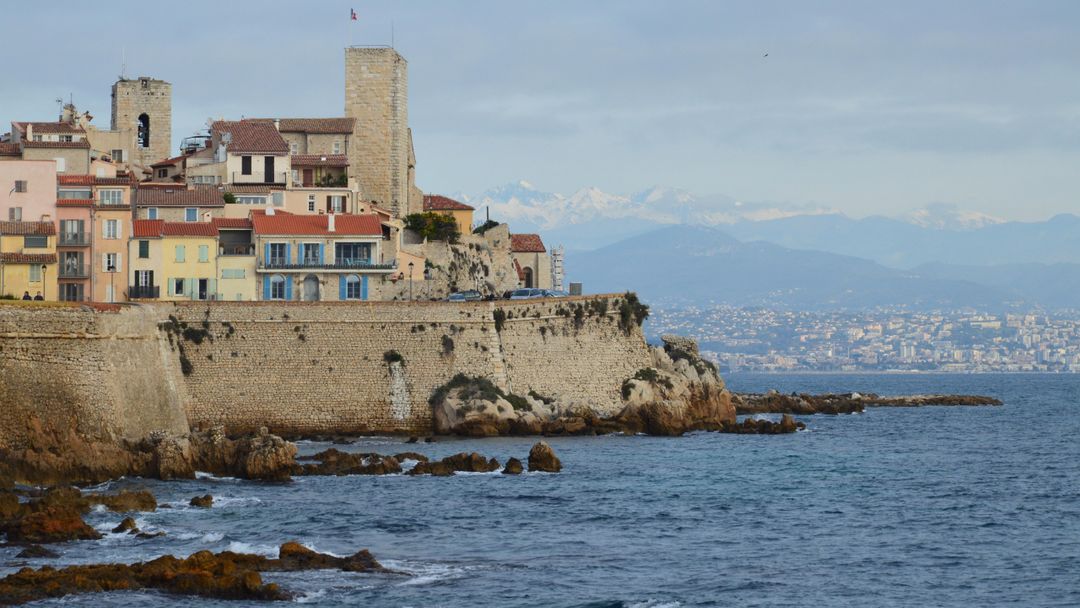
Twenty minutes back east on the TER. The Picasso Museum sits in the Château Grimaldi, the Marché Provençal runs in the mornings, and the coastal path around Cap d'Antibes is the walk. Juan-les-Pins, on the far side, is the beach and the nightlife.
Day 9Cannes at its own pace
La Croisette, the Marché Forville in the morning, and the Palais des Festivals if film is your thing. This is also the natural rest day of the fortnight, and a fortnight needs one.
Track what you actually spend
Set a daily budget per country and log expenses in any currency while you travel.
Marseille and the Calanques

Here is the part most Riviera itineraries leave out, and the part our own numbers argue hardest for. Nice and Marseille are the strongest pairing we measure anywhere in France, and unusually the figure reproduces from both sides independently. Travellers who plan this coast with Stippl put these two cities together more than any other French pair, and once you have done it the logic is obvious: they are opposites, two and a half hours apart, on one line.
Marseille is France's oldest city, founded around 600 BC by Greek sailors, and its second-largest. It is a working port, not a resort, and it does not tidy itself up for visitors. That is exactly why people who like it, like it.
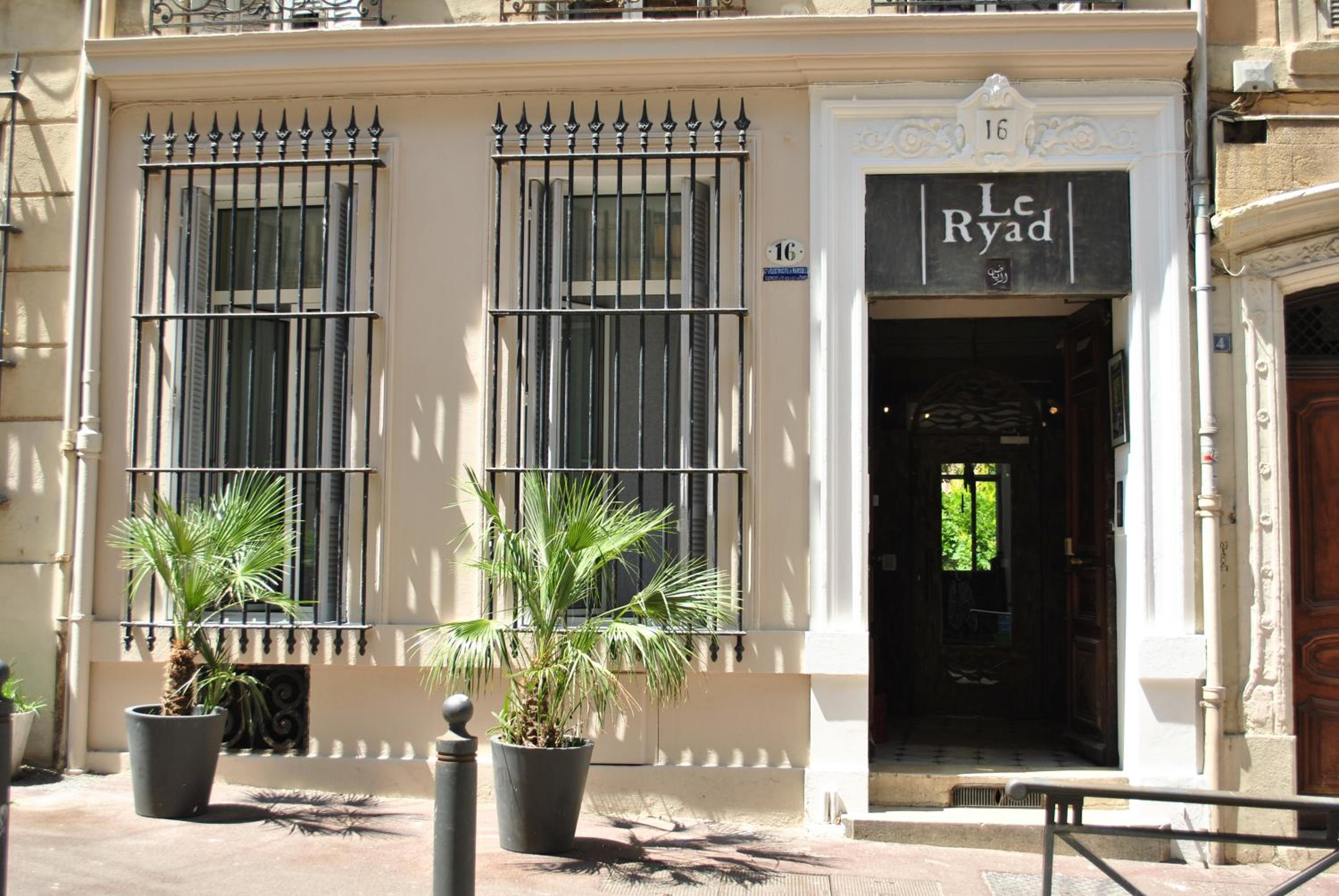
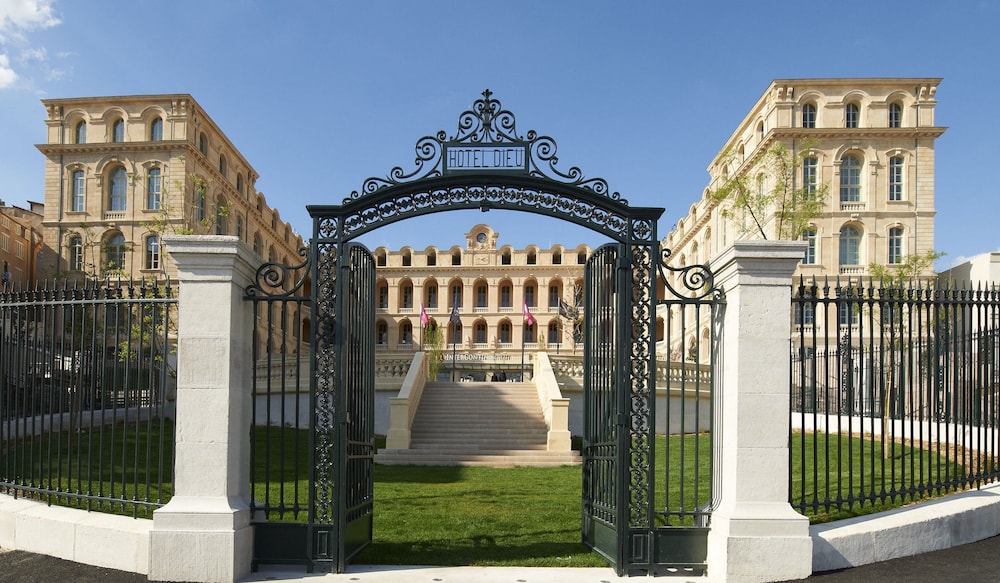
Sleep: Vieux-Port or Opéra for a first visit, because every major sight and the metro sit inside one walk. Le Panier, the hillside maze of painted lanes above the port, is the atmospheric choice. Cours Julien is the loud one, all graffiti, vintage shops and terraces. Saint-Victor is the budget answer that stays central. A hostel dorm runs €25-45 and a three-star double €70-130, checked August 2026, which is roughly half what the same room costs in Nice. One caution the city's own sources repeat: avoid the streets immediately around Saint-Charles station at night.
Getting around: an RTM single is €1.70, a 24-hour pass €5.20 and a 72-hour pass €10.80. Travel has been free for under-11s and over-65s since 1 September 2025. Unlike Nice, this city is too big to walk end to end, so the metro and tram are not optional.
Day 10Coast train west, then the Vieux-Port
Nice to Marseille is about two hours 35 minutes by TER or TGV. Cannes to Marseille runs on the same coast, but no source we trust carries a journey time for that exact leg, so check it on SNCF Connect the day before rather than trusting a number off a blog. If you are booking a TGV, note that tickets go on sale roughly four months ahead and the fare climbs as departure approaches.
Spend the afternoon on the Vieux-Port. The fish are still landed and sold on the quay in the morning, the forts either side of the harbour mouth are seventeenth century, and this is where the city has begun for 2,600 years.
Day 11Notre-Dame de la Garde and Le Panier
Morning: the walk up to Notre-Dame de la Garde is steep and entry is free, and the view is the whole city and the sea. It is the building every Marseillais navigates by.
Afternoon: Le Panier, the oldest quarter, for street art and the only genuinely medieval street plan in the city. Then La Joliette for the MuCEM, €11 full and €7.50 reduced, though the J4 esplanade and Fort Saint-Jean outside it are free and are most of the architecture anyway.
Evening: if you are going to eat bouillabaisse, eat the real thing. A restaurant that signed the 1980 charter serves it in two courses for €65-90 a head. Anything advertised around €20 is fish soup under another name, which is a fine dinner but is not the dish.
Day 12The Calanques

The Calanques National Park starts at the city's eastern edge, and it was Europe's first national park to cover land and sea together. White limestone fingers, water the colour of a swimming pool, and a walk in.
Two rules that catch people out, and both are the reason to plan this day rather than improvise it.
First, from 1 June to 30 September, access to the massif is decided daily by prefectural order based on fire risk, and on a red day it is simply shut. Check the morning you go.
Second, Sugiton needs a free timed reservation on the busiest 2026 dates: 20 and 21 June, every day from 27 June to 30 August, and 5 and 6 plus 12 and 13 September, capped at 2,500 people a day. Getting there is metro line 2 to Rond-Point du Prado, bus 21 to Luminy, then about an hour on foot.
If the walk or the paperwork does not appeal, boat trips from the Vieux-Port reach En-Vau and Sormiou without either.
Day 13Cassis
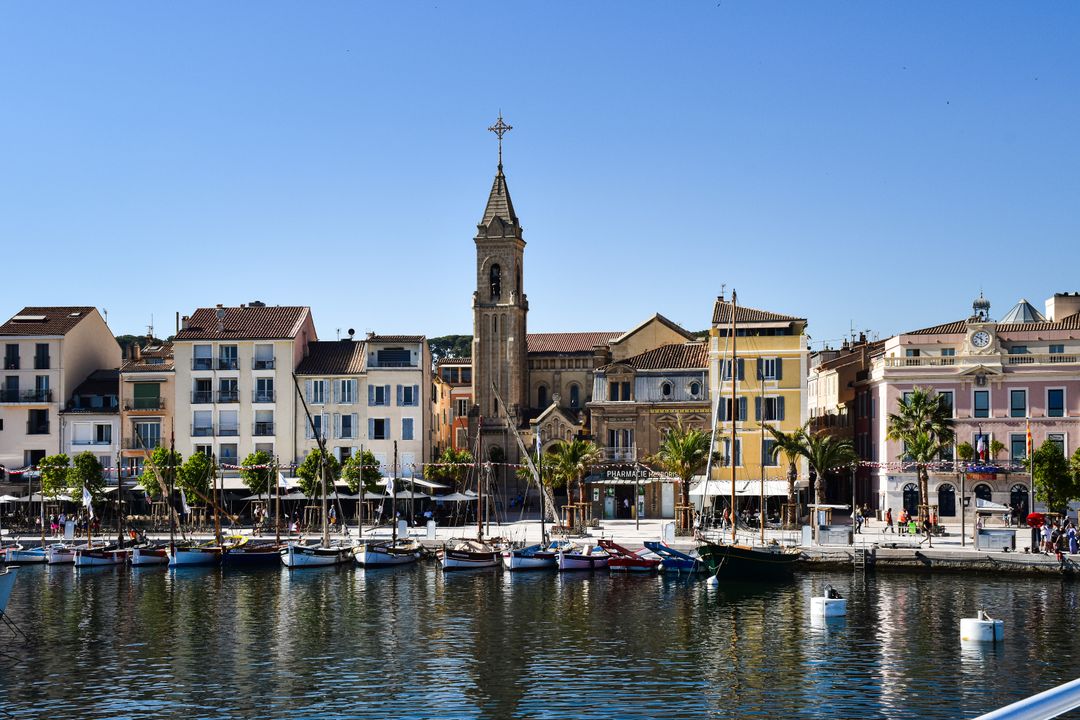
Twenty-five minutes east by TER, and worth knowing in advance that the station sits three kilometres above the town with a shuttle covering the gap. Cassis is the pretty end of the Calanques coast and the easiest way to see them from the water.
If you would rather stay in the city, the Frioul If Express runs out to Château d'If from the Vieux-Port instead: €8.30 return to one island, with the château's own entry a further €7.
Day 14MuCEM, the market, and out
Marseille Provence airport is 25 to 35 minutes from Saint-Charles station on the 101 shuttle, running every 10 to 15 minutes from about 4:10 am to just after midnight. If you are heading north instead, the TGV to Paris takes about three and a half hours, and there are more than twenty a day.
Read more: things to do in Marseille
Getting between the stops
Three moves in fourteen days, plus the day trips. Fares on the TER are fixed and need no reservation, which is what makes this route work on a turn-up basis.
| From | To | Best option | Time |
|---|---|---|---|
| Nice airport | Nice centre | Tram 2, from both terminals | 25-30 min |
| Nice | Villefranche-sur-Mer | TER, or bus 15 | about 7 min |
| Nice | Èze village | Bus 82 or 112, not the train | about 25 min |
| Nice | Monaco | TER, every 20-30 min | about 20 min |
| Nice | Antibes | TER, continues to Cannes | about 20 min |
| Nice | Cannes | TER, every 30 min | a little over 30 min |
| Nice | Menton | TER towards Italy | 35-40 min |
| Cannes | Marseille | Coastal line, check SNCF Connect | not published |
| Nice | Marseille | TER or TGV | about 2h35 |
| Marseille | Cassis | TER, shuttle from the station | about 25 min |
| Marseille | Paris | TGV inOui, direct | 3h20-3h40 |
Turn these stops into a route
Pick your favourites and Stippl orders them, adds travel times and builds the day-by-day.
What two weeks on the Riviera costs
France as a whole runs €40-80 a day on a budget, €90-150 mid-range and €160+ at the top, per person and excluding flights. This coast splits sharply within that.
Nice is the expensive half: €65-100 budget, €150-240 mid-range, €350+ high-end. Marseille is the cheaper half: €55-90, €120-190 and €300+. Hotel rooms in Nice run at roughly three times Marseille's, and a lunch menu is €18-25 against €12-18. Cannes we cannot price, because no dossier covers it, so plan it closer to Nice than to Marseille and check as you book.
The three levers that actually move the number here: take the set lunch instead of dinner prices, use the public pebble beaches rather than a private club at €25-40 for a lounger, and eat socca and market food at least half the time.
Five practical tips for this route
Book Nice for July and August months ahead. Sixty per cent of the Nice arrivals we see start in June, July or August, and a quarter of Nice trips are created six months or more in advance. It is the tightest season of any French destination we hold.
Go in May, June or September if you can choose. May is the best month here on every measure except sea temperature, June gives you warm water before the August wall, and September gives you both a warm sea and thinner crowds.
Skip the car. Central Nice is pedestrian, parking is the reason every "easier parking" recommendation points at Le Port, and every day trip on this route except Èze village is on the train. Marseille is too big to walk but has a metro.
Pack water shoes. The pebble beaches need them, not sandals, and the city's own advice says so. In warm still spells, jellyfish arrive and the beach posts fly a purple flag.
Check the Calanques on the morning, not the night before. Summer access is decided daily on fire risk, and a red day closes the massif outright.
Describe your trip, get a the French Riviera itinerary in seconds
Everything in this guide is already in Stippl. Tell the planner how long you have and what you like: it builds the route, the days and the travel times, and you edit whatever you want.
Frequently asked questions about France
Ten to fourteen. Four or five nights in Nice covers the city plus Monaco, Èze, Villefranche and Menton as day trips, which is the bulk of what people come for. Fourteen days lets you add Cannes and carry on west to Marseille without rushing any of it.
East to west, and open jaw. Fly into Nice, spend five nights there, take the coastal train to Cannes for four, then carry on to Marseille for four and fly or take the TGV out from there. You never retrace a leg and you finish at a second airport.
No, and in central Nice it is a liability. The coastal TER reaches Villefranche, Antibes, Cannes, Menton and Monaco, all in under forty minutes and all at fixed turn-up fares. The one exception is Èze village, which is on a bus rather than the train.
Pebble, along all seven kilometres. The water is clearer for it, which is the compensation, but you want water shoes and the city itself says so. Some guides still describe white sand here and they are wrong.
May, June and September. May is the strongest month on everything but sea temperature, June gives you a warm sea before the August peak, and September gives you the warm sea with far fewer people. July and August are hot, full and the most expensive.
Ready to build this one properly? Drop all fourteen days into a Stippl trip, reorder the stops until the route suits you, and share it with whoever you are going with. If the budget is the part that worries you, the budget planner will track what you actually spend once you are on the coast, in euros, day by day.