
Ho Chi Minh City
Saigon is where the south eats, in a register different from everything the north is famous for, and three of its four headline sights are about the war. Around €20 a day, with dorm beds from €4.50.
Ho Chi Minh City in a nutshell
Ho Chi Minh City: what to expect
Vietnam's largest city and its commercial engine, on the Saigon River about 50 km from the Mekong delta. Called Saigon until 1976, and still called Saigon by most people who live there, the airport code is SGN and the river never changed its name
The 1 July 2025 administrative reform abolished the district system. The 22 districts were replaced by 168 commune-level units, 102 of them inside the old city; Bình Dương and Bà Rịa–Vũng Tàu provinces were merged in, roughly tripling the area and taking the population from 9.9 million to over 14 million. Neighbourhood names survive intact: Thảo Điền is still Thảo Điền, and old district numbers remain in everyday speech, but the frame around them changed
Every source leads with the traffic, and it is the honest framing rather than a flourish: roughly seven million registered motorbikes, crossing the road described as a game of Frogger, and bikes riding on the pavements
Plan Ho Chi Minh City in Stippl
Day-by-day planning, stays and budget in one app, with every place from this guide already on the map.
Download the appWho Ho Chi Minh City is for
Food travellers
Southern Vietnamese cooking is a different register from the northern dishes the country is famous for, and this is where to eat it.
Anyone interested in the war
Three of the city's four headline sights are about it, and it is the reason most first-time visitors come.
Budget travellers
Around €17 to 22 a day, with dorm beds from about €4.50.
Digital nomads and long-stayers
The nomad districts are established, though prices there have risen faster than local ones.
First-timers from the south
Saigon is the natural entry point for anyone flying into the country's biggest airport, and it is on 70.8% of Vietnam trips on Stippl.
Maybe not for you: anyone who wants a compact historic centre, since Saigon lacks one and most people leave after two days; and anyone who wants quiet or wants to walk, because the city is loud and it sprawls.
The best time to visit Ho Chi Minh City
Dry season
December to April
The answer: December to February the most comfortable, February the driest month of the year with a single rain day, and April the hottest at thirty-five by day.
Rainy season
May to November
Short heavy downpours rather than all-day rain, on most afternoons, with September the wettest month. November is the shoulder that works.
- Tet falls in late January or February and closes much of the city for several days. The date moves with the lunar calendar; the flights and trains out book solid the week before, and Saigon is the country's main airport.
- January is the month most travellers plan Saigon for on Stippl, about 69 days ahead. 20.8% of plans are made inside a fortnight, which works here in every month.
- The rain sets the day's shape from May to November, not the trip's. The downpour lands mid-afternoon and clears within an hour; the Cu Chi tunnels and the museums go in the morning, the food tours after dark.
Add your Ho Chi Minh City dates and we'll flag the weather
Stippl shows the season, crowds and prices for every stop on your route.
Describe your trip, get a Ho Chi Minh City itinerary in seconds
Everything in this guide is already in Stippl. Tell the planner how long you have and what you like: it builds the route, the days and the travel times, and you edit whatever you want.
Things to do in Ho Chi Minh City
 Photo by Thuong Do via Unsplash
 Photo by CreateTravel.tv via Unsplash
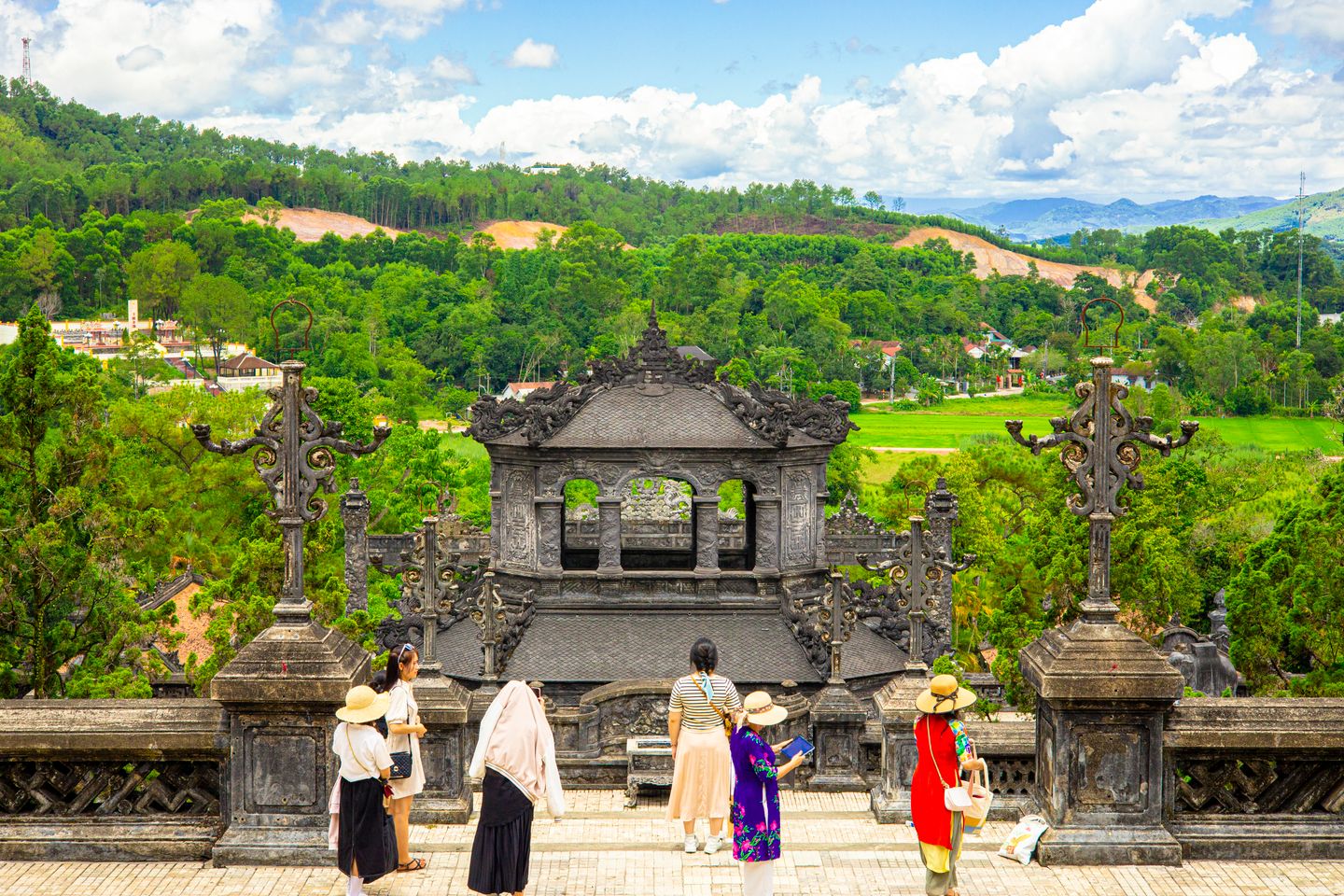 Photo by DUYTRG TRUONG via Pexels
The Cu Chi Tunnels
Take the half-day tour an hour and a half out to the tunnel network the Viet Cong lived in, crawl through a widened section and see the trap exhibits, about €15 with the bus. Go in the morning; the afternoon groups queue for the tunnel.
The War Remnants Museum
Give ninety minutes to three floors that are graphic and openly one-sided, with the yard of captured American aircraft free to walk around. About €1.50, and it is heavy; do it early in the trip, not last.
Reunification Palace
Walk the South Vietnamese seat of government left as it was in 1975, with the tank that broke the gate on the lawn and the command bunker underneath, about €2.50. The free guided tours run on the hour.
The hems
Get lost in the alley networks behind the main roads, where the traffic noise stops and the city becomes a series of front rooms. Free, and the alleys off Bui Vien and around District 3 are the place to start.
Cho Lon
Take a taxi to District 5 for Binh Tay Market, the Thien Hau and Quan Am temples and the best Chinese food in Vietnam, in a quarter almost no first-time visitor reaches. A morning, and lunch at the market.
A night motorbike food tour
Ride pillion through the evening traffic between stalls in four districts with a student driver, about €40 with everything eaten. The best first night in the city, because it settles how to cross the road and how to order.
The neighbourhoods of Ho Chi Minh City
District 1
The core, the sights, the noise
The commercial and historic core: Reunification Palace, the War Remnants Museum, the cathedral, Ben Thanh market and every hotel tier, with Bui Vien the backpacker street at its edge. For first stays and anyone who wants the sights on foot.
Everything walkable, and the traffic and the touts that come with the centre.
District 3
Villas, pagodas, where the city eats
Immediately inland from District 1: residential and commercial rather than touristic, the Jade Emperor pagoda, the pink Tan Dinh church and the streets where the city eats. For eating and for a base ten minutes from the sights.
The best food and a quieter street, and a Grab to the museums.
Cho Lon
Chinatown, temples, big market
Vietnam's Chinatown, settled since 1778: Binh Tay market, the Thien Hau and Quan Am temples and the best Chinese food in the country, with a few plain hotels. For food and for a morning that no tour bus reaches.
The temples and the market on foot, and half an hour from the centre.
Binh Thanh
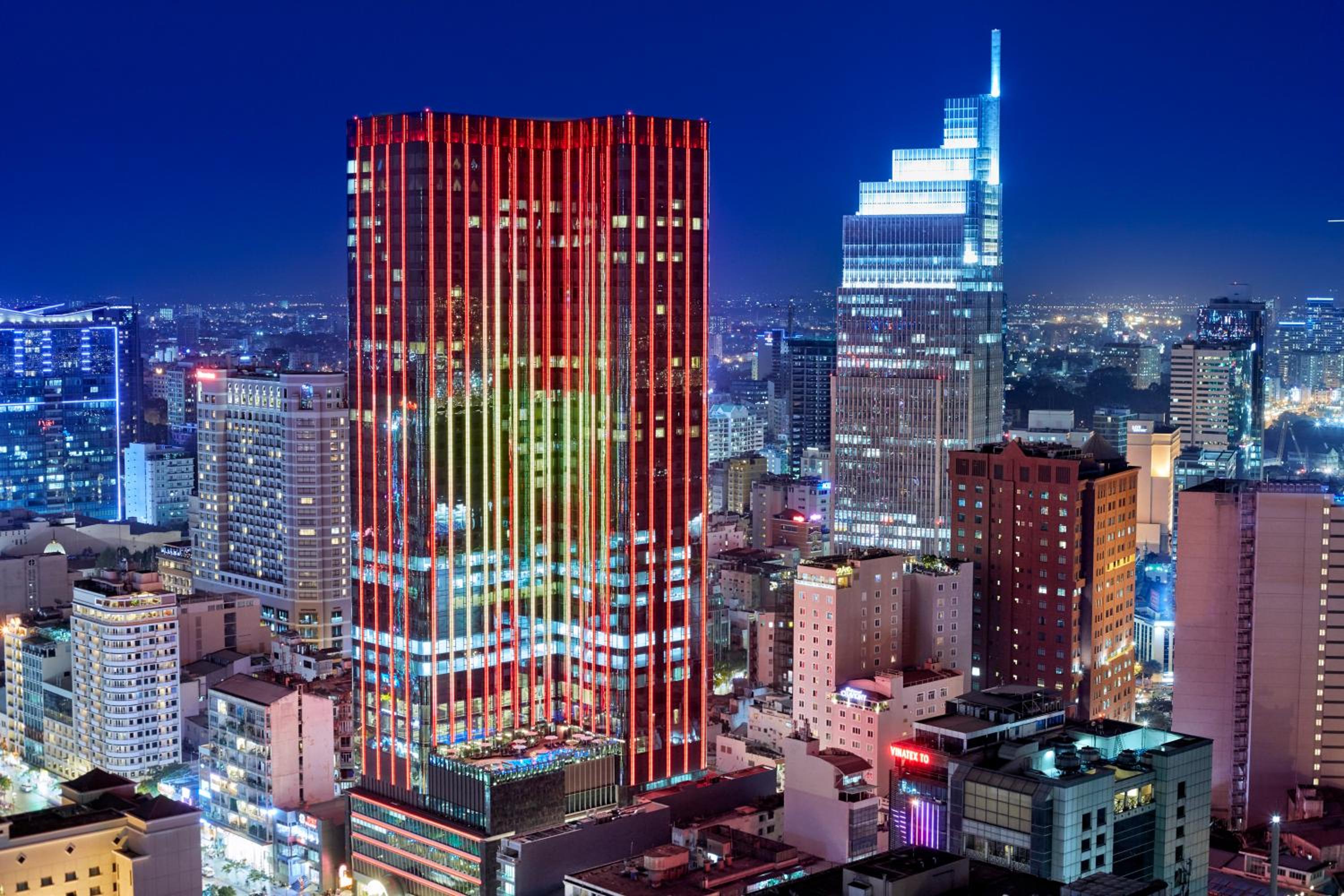
Between centre and river, Landmark 81
Between District 1 and the river: mixed residential with Landmark 81, the Van Thanh park and its pool, and the Thanh Da peninsula where rice paddies survive inside the city. For longer stays that want an apartment.
Apartment prices and a pool, and a ride to everything.
District 7
Planned new town, wide streets
A planned Korean- and Taiwanese-influenced new town south of the centre: wide streets, international schools and the expat nightlife alternative to the backpacker street. For families and for a modern apartment.
Order and space, and a city that could be anywhere.
Phu Nhuan
Restaurant strip, alleys, no tourists
The northern inner city: the Phan Xich Long strip of restaurants and cafés and one of the densest alley networks in the city, with almost no tourists. For foodies and long stays who want a local district.
The best local eating, and a taxi to every sight.
See every Ho Chi Minh City neighbourhood on one map
Save the areas you like and Stippl plots your days so you're not crossing the city twice.
Where to stay in Ho Chi Minh City
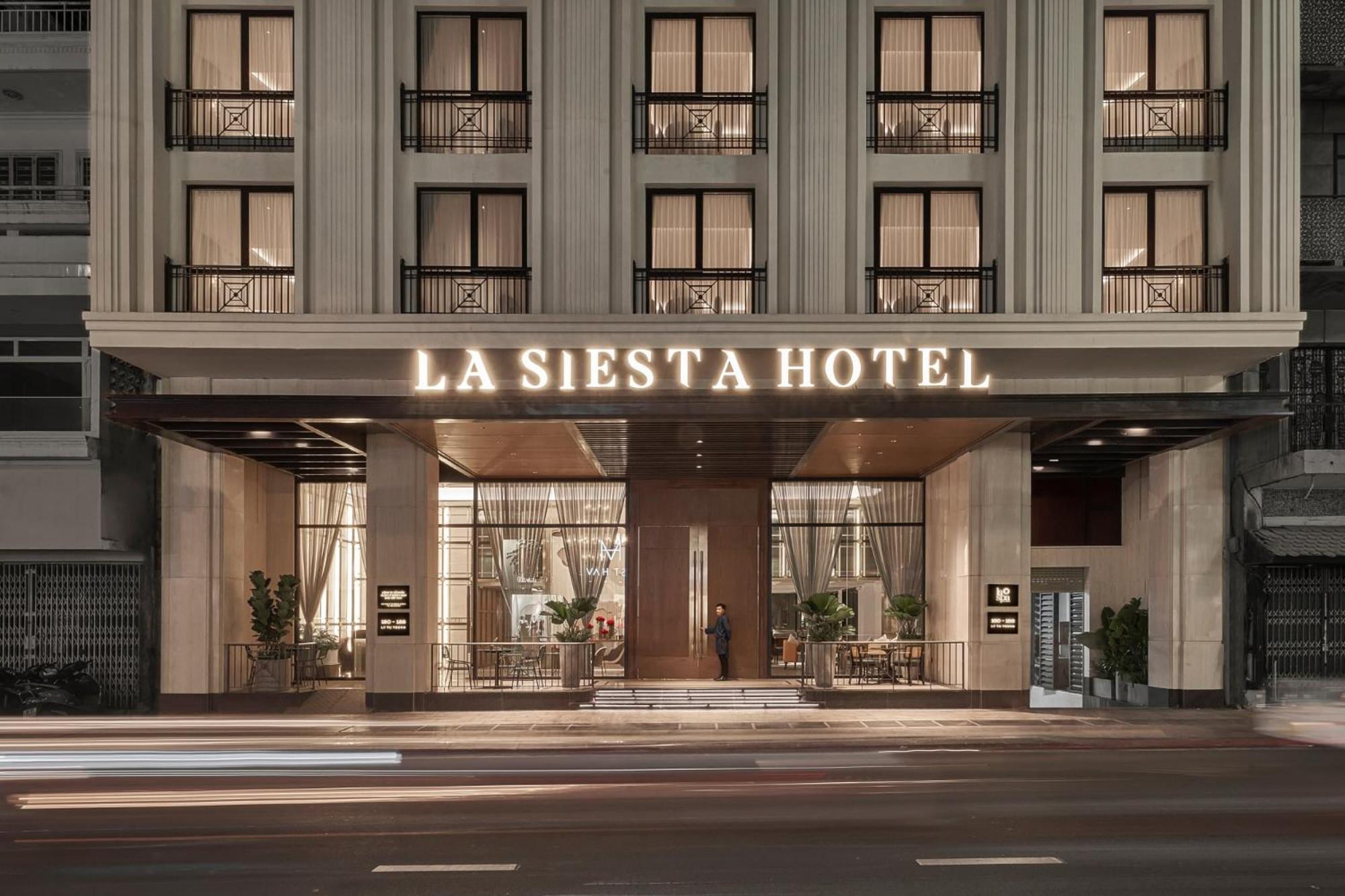
Stay in District 1, and pick the street with care: Dong Khoi is the historic, quiet, expensive end, and Bui Vien is cheap, loud until two at weekends and full of hostels, ten minutes apart. Most people give Ho Chi Minh City 3 nights on Stippl. Comfortable hotels stay well under €85 here, so the mid-range is the sweet spot.
District 1
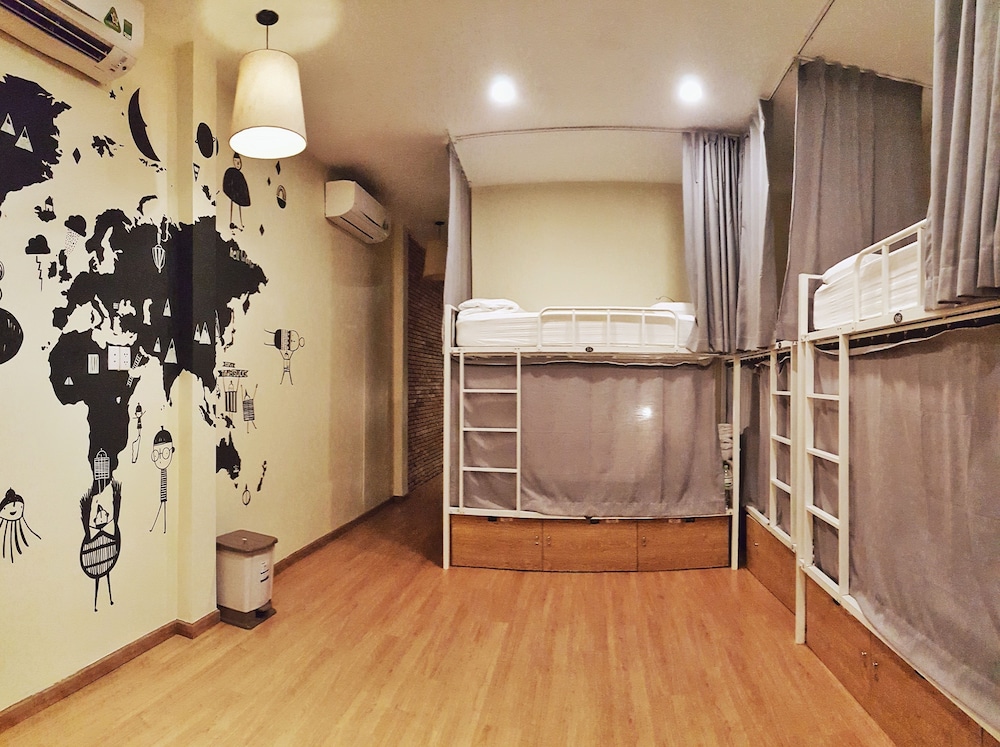
Dorms from €4.50 on Bui Vien, private rooms from €13, and the old grand hotels on Dong Khoi from €150.
District 3
Mid-range hotels and serviced apartments in the residential grid, €30 to €70, a short ride from the centre.
Cho Lon
A few plain hotels and almost no hostels, €15 to €40; hostel travellers stay in District 1 and ride over.
Binh Thanh
Apartment rentals in the new towers and family guesthouses, €20 to €60, between the centre and the river.
District 7
International hotels and serviced apartments priced closer to Western rates, €60 to €150.
Phu Nhuan
Local hotels and homestays in the alleys, €15 to €40, with the Phan Xich Long restaurant strip outside.


What to eat in Ho Chi Minh City
Fractured rice grains with grilled pork chop, shredded pork skin, a steamed egg-and-pork cake and pickles. Sold to labourers in the 1920s because broken grains were the cheap ones; now the city's signature plate and a breakfast dish
The French baguette rebuilt as a Vietnamese sandwich: pâté, cold cuts, pickled carrot and daikon, coriander, chilli
Clear pork broth, thin chewy noodles, prawn, liver and minced pork: Cambodian-Chinese by origin and a Saigon lunch staple, eaten dry or in soup
Robusta dripped through a phin onto condensed milk, then ice
Condensed milk with a little coffee rather than the other way round: created by Chinese residents of Chợ Lớn in the early 20th century, and the city's own drink
Sea snails and shellfish grilled or stir-fried with chilli, lemongrass and butter, eaten in the evening with beer
Discover food spots in Stippl
Find restaurants and markets on the map, save them to your itinerary, works offline too.
Ho Chi Minh City customs and what not to do
Say Saigon
Locals do, and Ho Chi Minh on its own is heard as the man rather than the city; the airport code and the train station keep the old name too.
The stool is the restaurant
Grandmothers running a noodle stall are visibly pleased when a foreigner sits down, and the bowl is about €2; the tissue box on the table is for your hands, not your face.
The toast has a script
Một, hai, ba, vô means one, two, three, drink; trăm phần trăm means you intend to empty the glass, and it will be taken literally.
The notes look alike
The 500,000 and 20,000 dong notes are both blue and swapping them is a standard scam; count out visibly and keep the money in sight until the change is in hand.
Do
- Cross the road at a slow, steady walk without stopping
- Say Saigon
- Sit down at the plastic stools
- Cover shoulders and knees at the pagodas, including the Jade Emperor and the Chợ Lớn temples
Don't
- Use your phone at the kerbside; snatching from a passing motorbike is the specific risk here
- Let money out of your sight; the 500,000 and 20,000 notes look alike
- Rent a motorbike as your first riding experience
- Drink the tap water
What a Ho Chi Minh City trip costs
Budget
€17–22
Hostel dorm, street food and markets, public transport, the free and cheap sights.
Mid
€30–34
Double room, a rented motorbike, restaurant meals, paid tours.
Comfortable
€60+
Đồng Khởi or Thảo Điền hotel, rooftop bars, private guides.
Track what you actually spend
Set a daily budget per country and log expenses in any currency while you travel.
Fun facts about Ho Chi Minh City
The Central Post Office was not designed by Gustave Eiffel. It is the work of Marie-Alfred Foulhoux, chief architect of the colony, built between 1886 and 1891; the Eiffel attribution is repeated everywhere and is wrong.
Com tam exists because broken rice was the cheap rice. Fractured grains were sold to labourers in the 1920s because they could not be sold whole, and the dish built on them is now the city's signature.
Bac xiu was invented in Cho Lon for people who did not drink coffee. The quarter's Chinese community made it in the early twentieth century: condensed milk with a little coffee stirred through.
Dong Khoi street has been renamed twice for regime change. Rue Catinat under the French, Tu Do, meaning Freedom, under South Vietnam, and Dong Khoi, Total Revolution, after 1975.
Metro Line 1 opened in December 2024, twelve years late. It is Vietnam's first urban railway, from Ben Thanh market to Suoi Tien, and it took longer to build than the Channel Tunnel.
Cao Dai, the religion that fuses five faiths, was founded near here in 1926. Its Tay Ninh temple keeps statues of Muhammad, Julius Caesar, Jesus and Buddha under one roof, and pairs with the Cu Chi day trip.
Most people who live in Ho Chi Minh City still call it Saigon. The city was renamed in 1976, but the airport code is SGN, the river never changed its name, and District 1 is Saigon on every menu.
Local tips for Ho Chi Minh City
The metro is new and it works
Line 1 opened in December 2024 from Ben Thanh out to Suoi Tien, the way to the eastern districts for a few cents. It does not reach the airport; the 109 bus and Grab do.
Terminal 3 is domestic
Tan Son Nhat's newest terminal opened in 2025 for domestic flights, with a free shuttle between the three terminals. Allow for the shuttle on a tight connection.
Red or green taxis, or Grab
Vinasun is red and Mai Linh green; check the logo against the fakes and make sure the meter starts at zero. Grab removes the question entirely.
How long to stay
Most people give Saigon 3 nights on Stippl: the war sites on one day, Cu Chi or the Mekong on the next, and the food and the hems in between.
Bag-snatching is the crime
From passing motorbikes; serious crime against visitors is rare. No bag on the outside arm on a pillion or in a cyclo, no strap across the neck; Bui Vien after dark is the pickpocket spot.
Experienced riders only
The traffic is the densest in the country and everyone who has ridden it says so unprompted. Ride pillion on a Grab or a food tour instead, with a local driving.
Ho Chi Minh City questions, answered
With which end of the country you are entering from. Saigon opens or closes most routes, so lay the whole trip out in Stippl first and give the city three nights at whichever end it lands. Then show the route to people who have been, in subreddits like r/VietnamTravel, and say whether you want the war history or the food.
Three. Most people give Saigon 3 nights on Stippl, and 21.3% of stops run to four or more. One day for the centre and the museums, one for the Cu Chi tunnels, one for the districts where the food is; leaving after two is the common regret.
70.8% of Vietnam trips planned on Stippl include Ho Chi Minh City, and it opens about a fifth of them and closes about a fifth; Hanoi is the more common opener. With about 96,000+ planned stops it is the most-planned stop in the country after Hanoi.
Worth it, and for a different reason than Hanoi. Hanoi is the old quarter and the lake; Saigon is the energy, the rooftop bars and the food in Districts 3 and 4, and what makes it worth staying for is outside the tourist quarter. People who leave after a night have usually only seen Pham Ngu Lao.
Old District 1: Dong Khoi if you want quiet and history, Pham Ngu Lao if you want cheap and loud. The district system was abolished and replaced by wards, but in speech everyone still says District 1, and every hotel listing does too.
Yes, one line from Ben Thanh to Suoi Tien, air-conditioned and under a euro a ride, and guides published since it opened still say there is not. January is the busiest month for Saigon starts planned on Stippl, when the airport queues are longest; take the public bus for under a euro, or Grab, never a street taxi.
Every guide is written by the Stippl editors and checked against the trips our travellers actually plan. Spotted something out of date? Let us know.

Plan Ho Chi Minh City in Stippl
Day-by-day planning, stays and budget in one app, with every place from this guide already on the map.
Download the app