

Wroclaw
Wroclaw is German Breslau until 1945 and Poland's most cheerful city since, a Silesian river town of 300 bridges, 130,000 students and over a thousand bronze dwarfs hidden in its streets, with one of the largest medieval squares in Europe and gas lamps lit by hand on Cathedral Island. Two nights, the city people add rather than come for, and the easiest Polish city to reach from Berlin.
Highlights
Don't miss these
When to go
May–August (14–26°C) — outdoor markets, river festivals, and café terraces at their liveliest; April–May offers mild weather with fewer crowds and lower hotel prices
Neighbourhoods
6 areas
Where to stay
Best areas & hotels
What to eat
Eat like a local
Local tips
Save time & money
Wroclaw in a nutshell
Wroclaw: what to expect
The numbers below come from 46,000+ planned stops in Poland on Stippl, and the rest from the guides we cross-check.
Two nights in Wroclaw, the dwarfs found by accident and the square argued over. The dwarf hunt is over a thousand bronze figures across the city, begun as a memorial to the absurdist protests against the Communist authorities, the Rynek is one of the largest medieval squares in Europe, Ostrów Tumski at dusk is when the gas lamps are lit by hand, the Panorama of Racławice is a 114-metre battle painting in a rotunda, the Centennial Hall is the concrete dome that UNESCO listed, and Hydropolis is a water museum in a Victorian reservoir. Most travellers give Wroclaw 2 nights on Stippl.
Wroclaw is the city people add, and the door from Germany. Only 28.3% of Wroclaw trips on Stippl carry no other Polish place, 47.0% of its stops are a single night, the highest of the four cities, and Jelenia Góra appears 7.31 times as often as expected on the trips that carry it, because the Sudetes are the day trip and Berlin is four and a half hours by direct train.
So sleep in the Old Town or on Cathedral Island, pick up the free dwarf map at the tourist office, buy the Panorama ticket because it covers three other museums, and be on Ostrów Tumski at dusk for the lamplighter. Skip a first Polish trip of three days here, since Kraków is that, skip January and February, and skip treating the German past as a sensitivity, because the city says it openly.
Plan Wroclaw in Stippl
Day-by-day planning, stays and budget in one app, with every place from this guide already on the map.
Download the appWho Wroclaw is for
Second-city travellers
The Polish city people add rather than come for: only 28.3% of Wroclaw trips on Stippl carry no other Polish place.
Families
The dwarf hunt is a genuine children's activity with a free map, and Hydropolis and the zoo are both first-rank.
Architecture people
Five sovereignties left five layers, and the Centennial Hall is a UNESCO site for being the first great reinforced-concrete dome.
Students and night owls
A hundred and thirty thousand students in a compact centre, and the bars are on the square rather than hidden.
Budget travellers
Cheaper than Kraków for the same kind of weekend, with the trains from Berlin and Prague direct.
Sudetes day-trippers
Jelenia Góra appears 7.31 times as often as expected on Wroclaw trips on Stippl, and Karpacz and Szklarska Poręba follow.
Maybe not for you: a first Polish trip of three days, because Kraków is that and Wroclaw is the second visit; and January or February, the two weakest months here, when the square is cold and the river is grey.
The best time to visit Wroclaw
Spring
March to May
The earliest spring in Poland, the square's terraces out by April and the Oder boats starting, at the year's lowest prices.
Summer
June to August
Warm, the students gone in July and the festivals filling the gap, with August level with July as the peak month here.
Early autumn
September and early October
Golden and dry, the students back and the bars full, and the Sudetes at their best for a day trip.
Winter
November to February
Cold and grey, with the Christmas market on the Rynek from late November and the two weakest months either side of the new year.
- Most travellers give Wroclaw 2 nights on Stippl, and 47.0% of stops are a single night. The highest one-night share of the four cities, because it is the stop between Berlin and Kraków.
- Wroclaw is planned about 59 days, the shortest of the four days ahead on Stippl, the shortest lead of the four. The city is added late to a trip already planned, and nothing here needs booking but the room.
- The Christmas market fills the Rynek from late November. One of the prettiest in Poland, with the stalls under the town hall, and the weekends book the Old Town rooms early.
- Wratislavia Cantans fills the churches in September. A fortnight of oratorio and early music in the cathedral and the halls, and the reason the September rooms go early.
- The gas lamps are lit at dusk, every day. The lamplighter's round on Ostrów Tumski starts as the light goes, so the time moves with the season and the walk is planned around it.
- The Sudetes are a day trip. Jelenia Góra appears 7.31 times as often as expected on Wroclaw trips on Stippl, and Karpacz is under two hours by car.
Add your Wroclaw dates and we'll flag the weather
Stippl shows the season, crowds and prices for every stop on your route.
Describe your trip, get a Wroclaw itinerary in seconds
Everything in this guide is already in Stippl. Tell the planner how long you have and what you like: it builds the route, the days and the travel times, and you edit whatever you want.
Things to do in Wroclaw


The dwarf hunt
Over a thousand bronze figures across the city, begun as a memorial to the Orange Alternative's absurdist protests against the Communist authorities, with a free map from the tourist office.
The Rynek
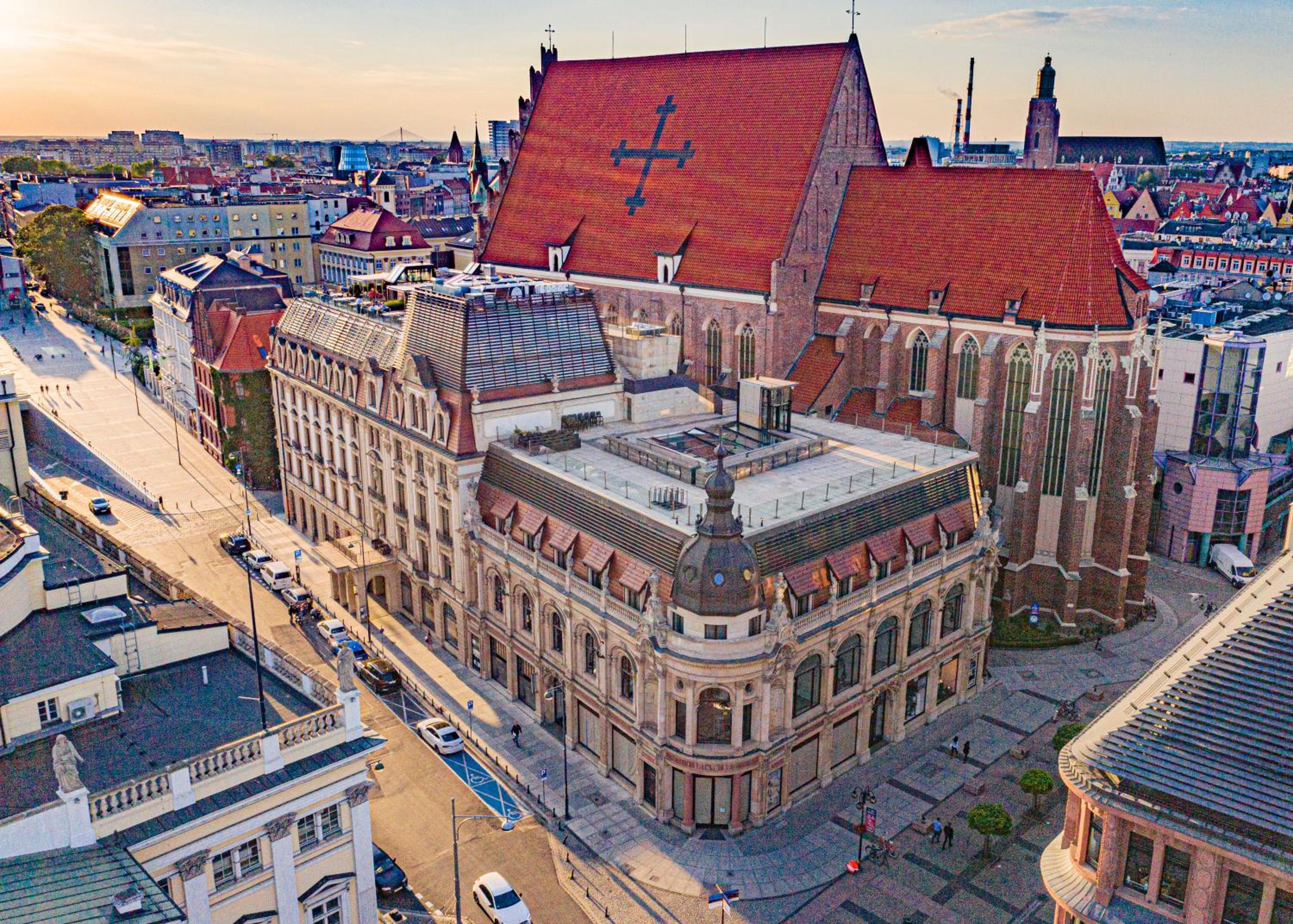
One of Europe's largest medieval squares, with the Gothic town hall in the middle of it and the bars around the edge rather than hidden.
Ostrów Tumski at dusk
Cathedral Island when the gas lamps are lit by hand, one of the last places in Europe where that still happens, and the padlocked Tumski bridge on the way.
The Panorama of Racławice
A 114-metre, 360-degree battle painting from 1894, housed in a purpose-built rotunda, and the ticket that also covers three other museums.
The Centennial Hall
The 1913 reinforced-concrete dome, a UNESCO site and the largest of its kind when built, with the Japanese Garden and the fountain beside it.
Hydropolis
A science museum about water in a Victorian underground reservoir, and the best wet-afternoon plan in the city with children.
The neighbourhoods of Wroclaw
Old Town
Ornate and walkable
The Rynek and around, one of Europe's largest medieval squares ringed with Gothic townhouses, and most of the dwarfs within a few streets. For a first visit.
Everything at the door and most of the dwarfs, at the highest prices in the city.
Ostrów Tumski
Quiet and ceremonial
Cathedral Island with the Gothic spires, the cobbles, the padlocked Tumski bridge and the gas lamps lit by hand at dusk. For atmosphere.
The most beautiful corner of the city, and the quietest after dark.
Nadodrze
Reinvented and scruffy
The creative quarter north across the river, with decorated inner courtyards, ceramic street art, galleries and espresso bars in Art Nouveau blocks. For the local version.
The city's most interesting quarter, and ten minutes from the square.
Śródmieście
Practical
The wider centre with the opera, the National Museum, the Panorama, the parks and most of the hotels. For convenience.
The museums and the hotels, in a district that is useful rather than pretty.
Szczytniki
Green and spacious
The park district with the UNESCO Centennial Hall, the Japanese Garden, the fountain and the zoo, all together. For a day with children.
The hall, the garden and the zoo in one place, and a tram from the centre.
Krzyki
Suburban and practical
The residential south with Hydropolis in its Victorian reservoir, the aquapark, the supermarkets and quiet streets for pushchairs. For families staying longer.
Quiet and family-shaped, and a tram from anything a visitor came for.
See every Wroclaw neighbourhood on one map
Save the areas you like and Stippl plots your days so you're not crossing the city twice.
Where to stay in Wroclaw
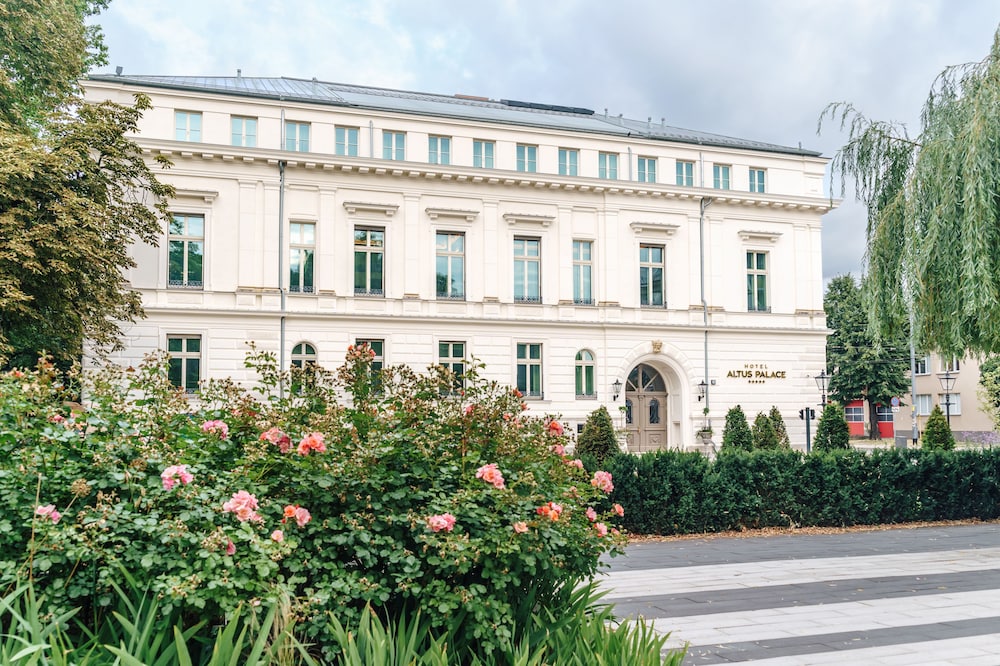
Old Town or Cathedral Island for atmosphere, and the centre is compact enough that everything else is a walk or a short tram. Most travellers give Wroclaw 2 nights on Stippl, and the station is ten minutes on foot from the square.
Old Town
Hotels and apartments on and around the Rynek, €45 to €150 a night.
Ostrów Tumski
A few guesthouses and a hotel on the island, €50 to €120 a night.
Nadodrze
Apartments in the Art Nouveau blocks, €30 to €70 a night.
Śródmieście
Chain hotels and hostels around the centre, €20 to €110 a night.
Szczytniki
Apartments and small hotels by the park, €40 to €90 a night.
Krzyki
Family apartments in the south, €30 to €70 a night.


What to eat in Wroclaw
Round potato dumplings with a dimple, served with meat and gravy
As everywhere in Poland
Beef roulade rolled around bacon and pickle, the Silesian Sunday dish
A 1908 iron-framed market hall with producers and cheap kitchens
A student city with a large brewing scene
Discover food spots in Stippl
Find restaurants and markets on the map, save them to your itinerary, works offline too.
Wroclaw customs and what not to do
The dwarfs are a monument
The first went up to commemorate the Orange Alternative, which used absurdist street theatre against the Communist authorities, and the dwarf was its symbol.
The German past is a fact
Wroclaw was Breslau until 1945 and its Polish population largely arrived from Lwów, and the city says so openly rather than treating it as a sensitivity.
Poland's etiquette holds
Shoes off indoors, hospitality as a duty and care with the twentieth century in conversation with older people.
The square is a local sport
Wroclaw will tell you its Rynek beats Kraków's, Kraków's is bigger, and the argument is one to enjoy rather than settle.
The lamplighter is watched
The gas lamps on Cathedral Island are lit by hand at dusk, and the crowd that gathers stays quiet and keeps off the bridge.
Do
- Pick up the free dwarf map at the tourist office and let the children lead
- Buy the Panorama ticket; it covers three other museums
- Be on Ostrów Tumski at dusk for the lamplighter
- Take the direct train from Berlin; it is the easy way in
Don't
- Treat the German past as a subject to avoid; the city does not
- Argue that Kraków's square is bigger; it is, and nobody wants to hear it
- Give the city its first three-day Polish trip; that is Kraków's
What a Wroclaw trip costs
Budget
€40–45
A hostel bed, milk bars and the market hall, the trams and the dwarf hunt.
Mid-range
€90–110
An Old Town apartment, restaurant dinners and two museums a day.
High-end
€250+
A Rynek-front hotel, the serious kitchens and a car for the Sudetes.
Track what you actually spend
Set a daily budget per country and log expenses in any currency while you travel.
Fun facts about Wroclaw
Wroclaw has over 300 bridges across the Oder and its channels. Which puts it in the same list as Venice, Amsterdam and Hamburg.
The dwarfs of Wroclaw began in 2005 as a memorial to the Orange Alternative. The absurdist anti-communist movement that used a dwarf as its symbol, and there are over a thousand now.
The gas lamps on Cathedral Island in Wroclaw are lit by hand every evening. One of the last such rounds in Europe, by a lamplighter in a cape.
The Centennial Hall's dome was the largest reinforced-concrete span in the world in 1913. Max Berg's building, UNESCO-listed for it, and still hosting concerts under the dome.
Piwnica Świdnicka in Wroclaw claims continuous operation since 1273. It has closed and reopened since, so the claim is a lineage rather than an unbroken run.
47.0% of Wroclaw stops on Stippl are a single night. The highest of the four Polish cities, because it is the overnight between Berlin and Kraków.
Local tips for Wroclaw
The centre is compact
Walkable from the station to the square in ten minutes and across the Old Town in twenty, with the trams covering Szczytniki and Krzyki.
The station is worth a look
Wroclaw Główny is an 1856 neo-Gothic building restored for the football, one of Poland's handsomest, and ten minutes on foot from the square.
The Oder is navigable
Electric boats run through the city in season, and the ride past Cathedral Island is the cheap alternative to a tour.
Berlin is four and a half hours
By direct train, which makes this the easiest Polish city to reach from Germany and the reason it is the door in for so many.
Pockets go on the Rynek
In season, as in every Polish square, and standard urban awareness is the whole of the safety advice.
Two nights, and one for most
Most travellers give Wroclaw 2 nights on Stippl, and 16.9% of stops are no night at all, which is the change of trains.
Wroclaw questions, answered
Over a thousand on the official count, not the 600 or 800 most guides repeat, and the number rises every year. The free map from the tourist office covers the centre, and the hunt is a children's activity that adults do anyway.
Two is the number, and one is common: 47.0% of Wroclaw stops on Stippl are a single night, the highest of the four cities, and the typical stay is two. Two full days cover the square, the island, the Panorama and one museum.
Kraków's is bigger and Wroclaw's is arguably prettier, and the argument is a local sport worth having on the terrace rather than settling. Put both squares into Stippl, then ask people in subreddits like r/wroclaw which one they would defend.
The Panorama of Racławice, because it also covers three other museums including the National Museum, so the one ticket fills two days of wet afternoons. Most travellers give Wroclaw 2 nights on Stippl, which is exactly the number the ticket is built for.
Nadodrze, ten minutes north across the river, with the decorated courtyards, the galleries and the espresso bars in the Art Nouveau blocks, and the iron-framed market hall for lunch, where the producers sell and the cheap kitchens cook.
Yes: Berlin is four and a half hours by direct train, only 28.3% of Wroclaw trips on Stippl carry no other Polish place, and the Sudetes are a day trip, so it is the door in on a Berlin to Kraków run.
Every guide is written by the Stippl editors and checked against the trips our travellers actually plan. Spotted something out of date? Let us know.

Plan Wroclaw in Stippl
Day-by-day planning, stays and budget in one app, with every place from this guide already on the map.
Download the app