

Krakow
Krakow is the Polish city that survived the war, a royal capital for five centuries with the largest medieval square in Europe, Wawel on its hill above the Vistula and Kazimierz as memorial and bar district at once, with Auschwitz and the salt mine within an hour. Two nights for most, three nearly as often, and one of the three day trips chosen before the flight.
Highlights
Don't miss these
When to go
May–June (15–22°C) — spring blooms fill the Planty Park gardens, crowds are lighter than summer, and long daylight hours suit sightseeing; September–October is a close second with golden autumn foliage
Neighbourhoods
5 areas
Where to stay
Best areas & hotels
What to eat
Eat like a local
Local tips
Save time & money
Krakow in a nutshell
Krakow: what to expect
This is what 46,000+ planned stops in Poland on Stippl say about Krakow.
Two nights in Krakow, three with a day trip, and the square is the centre of everything. Rynek Główny is 200 metres a side with the bugle call breaking off from St Mary's tower every hour, Wawel is the castle on the hill sold as separate routes, Auschwitz-Birkenau is 70 kilometres west and free with a timed reservation, Kazimierz is the Jewish quarter that is a memorial and the best bar district at once, Schindler's Factory is a museum about the occupation rather than the film, and the Rynek Underground is the medieval market four metres below the square. Most travellers give Krakow 2 nights on Stippl.
Krakow is Poland for most people, and the mountains are its second act. The city is on 54.6% of the Polish trips planned on Stippl and 54.1% of those trips carry no other Polish place, while Zakopane appears 7.24 times as often as expected on Krakow trips and Wieliczka six times, because the salt mine and the Tatras are the day trips the city is built around.
So stay in the Old Town for the square or Kazimierz for the evenings, reserve Auschwitz weeks ahead and go with an educator, choose one of Auschwitz, Wieliczka or Zakopane for the third day, and ride the tram to Nowa Huta for the other twentieth century. Skip expecting one ticket at Wawel, skip the unmarked taxis outside the station, and skip a January visit if lungs are a concern, because the coal smog is real.
Plan Krakow in Stippl
Day-by-day planning, stays and budget in one app, with every place from this guide already on the map.
Download the appWho Krakow is for
First-timers to Central Europe
One compact, walkable, intact medieval centre with everything else reachable in half a day, on 54.6% of Polish trips planned on Stippl.
History travellers
Auschwitz, Schindler's Factory, the ghetto and Nowa Huta are four different twentieth centuries inside one city.
Weekenders on a budget
The flights are cheap, the city is small, the food is not expensive and 29.4% of Stippl stops here are a single night.
Jewish heritage travellers
Kazimierz is one of Central Europe's most significant surviving Jewish quarters, with the Galicia museum for context.
Bar and street-food people
Plac Nowy's zapiekanka hatches and the Kazimierz bars are what people actually remember.
Mountain day-trippers
Zakopane is two hours by bus, and it appears 7.24 times as often as expected on Krakow trips on Stippl.
Maybe not for you: anyone wanting capital-city scale, since Warsaw is the bigger, newer, richer one; and anyone visiting for the weather in January or February, when the days are short and the coal smog sits over the city.
The best time to visit Krakow
Late spring
May and June
Warm, the square full of tables, the Tatra trails open and the students still in town, at the best prices of the year.
Summer
July and August
Warm to hot, the busiest weeks on the square and at Auschwitz, and the reservation the thing that decides the trip.
Early autumn
September and early October
Golden and dry, with the crowds gone and the terraces still out, and the second window every guide names.
Winter
November to March
Cold and grey, with the Christmas market on the square from late November as the reason to come, and the coal smog as the reason not to.
- Most travellers give Krakow 2 nights on Stippl, and 29.4% of stops are a single night. Two covers the Old Town and Kazimierz, and three lets you add one of Auschwitz, Wieliczka or Zakopane.
- Krakow is planned about 85 days days ahead on Stippl, and 13.7% inside a fortnight. A long lead for a city break, and the Auschwitz reservation is why.
- Auschwitz is free with a timed reservation. The slots go weeks ahead in summer, and the tour with a museum educator is the version worth the money.
- The Christmas market runs from late November. Stalls on the square through December, with the nativity-scene competition in early December and the rooms booked early for the market weekends.
- The Wianki midsummer festival fills the riverbank in late June. Wreaths on the Vistula below Wawel on the shortest night, with concerts and fireworks and every hostel full.
- Krakow opens 49.0% of the Polish legs it appears on, of everyone who plans it on Stippl. The airport train takes twenty minutes to the main station, and the city is the door in as often as the door out.
Add your Krakow dates and we'll flag the weather
Stippl shows the season, crowds and prices for every stop on your route.
Describe your trip, get a Krakow itinerary in seconds
Everything in this guide is already in Stippl. Tell the planner how long you have and what you like: it builds the route, the days and the travel times, and you edit whatever you want.
Things to do in Krakow
 Photo by Aimable Mugabo via Unsplash
 Photo by Bianca Fazacas via Unsplash
 Photo by Jeffrey Zhang via Unsplash
Rynek Główny
Two hundred metres a side, the largest medieval market square in Europe, with the Cloth Hall down the middle and St Mary's bugle call from the tower every hour.
Wawel Castle and Cathedral
On the limestone hill above the Vistula, sold as separate routes rather than one ticket, with the State Rooms and the cathedral the two to take.
Auschwitz-Birkenau
Seventy kilometres west, free to enter with a timed reservation, best done with a museum educator, and a memorial rather than an attraction.
Kazimierz
A memorial district and the city's best bar neighbourhood at once, with the synagogues and the Remuh cemetery on the same streets as the craft-beer bars.
Schindler's Factory
In Podgórze across the river, a museum about the German occupation of the city rather than about the film, and the ghetto site around it.
The Rynek Underground
An excavated museum of the medieval market four metres below the square, with the trade routes and the burials of the city before the square.
The neighbourhoods of Krakow
Old Town
The UNESCO core
The largest medieval square in Europe, St Mary's, the Cloth Hall and Wawel at the southern edge, inside the Planty ring, grand and busy. For a first visit.
Everything at the door, at the highest prices and the densest crowds.
Kazimierz
Layered and alive
The Jewish quarter turned nightlife district, with the synagogues and the Remuh cemetery on the same streets as the bars and the best restaurants in the city. For the evenings.
The bars and the food, and the noise until late on the weekend.
Podgórze
Sombre and reviving
Across the river on the ghetto site, with Schindler's Factory, Ghetto Heroes Square and its empty-chair memorial, and the galleries and cafés arriving. For a quieter base.
Quiet and cheaper, a tram or a bridge from everything.
Nowa Huta
Planned and monumental
The Stalinist model steel town in the east, one of the most intact examples of socialist urban planning anywhere, with the Aviation Museum on the way. For the other twentieth century.
The most striking half-day in the city, and no reason to sleep there.
Zwierzyniec
The green west
The Błonia meadows, the Kościuszko Mound for the best panorama and the Las Wolski forest behind it, unhurried and residential. For a long stay.
Green and calm, though a tram from the square and the nights.
See every Krakow neighbourhood on one map
Save the areas you like and Stippl plots your days so you're not crossing the city twice.
Where to stay in Krakow
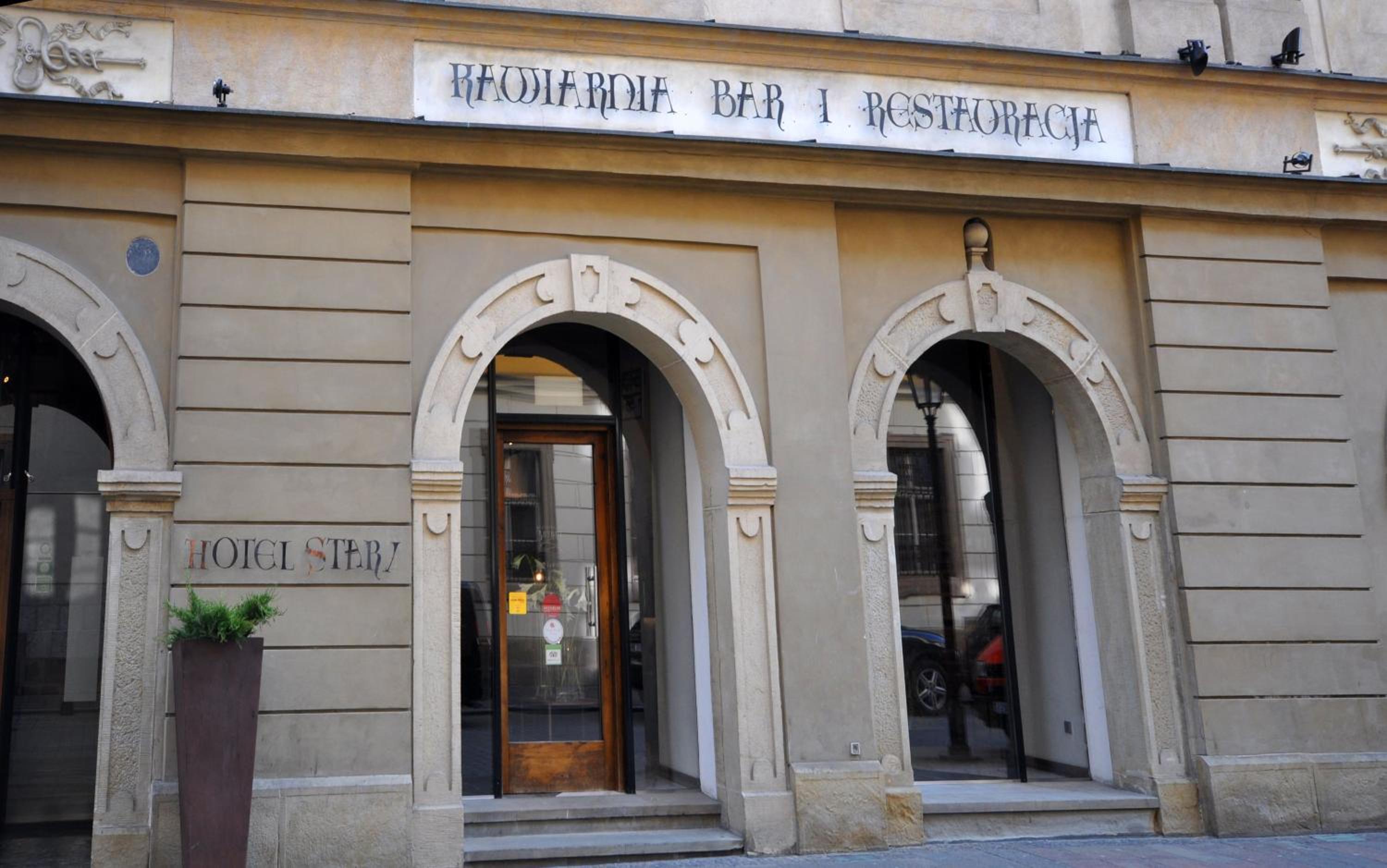
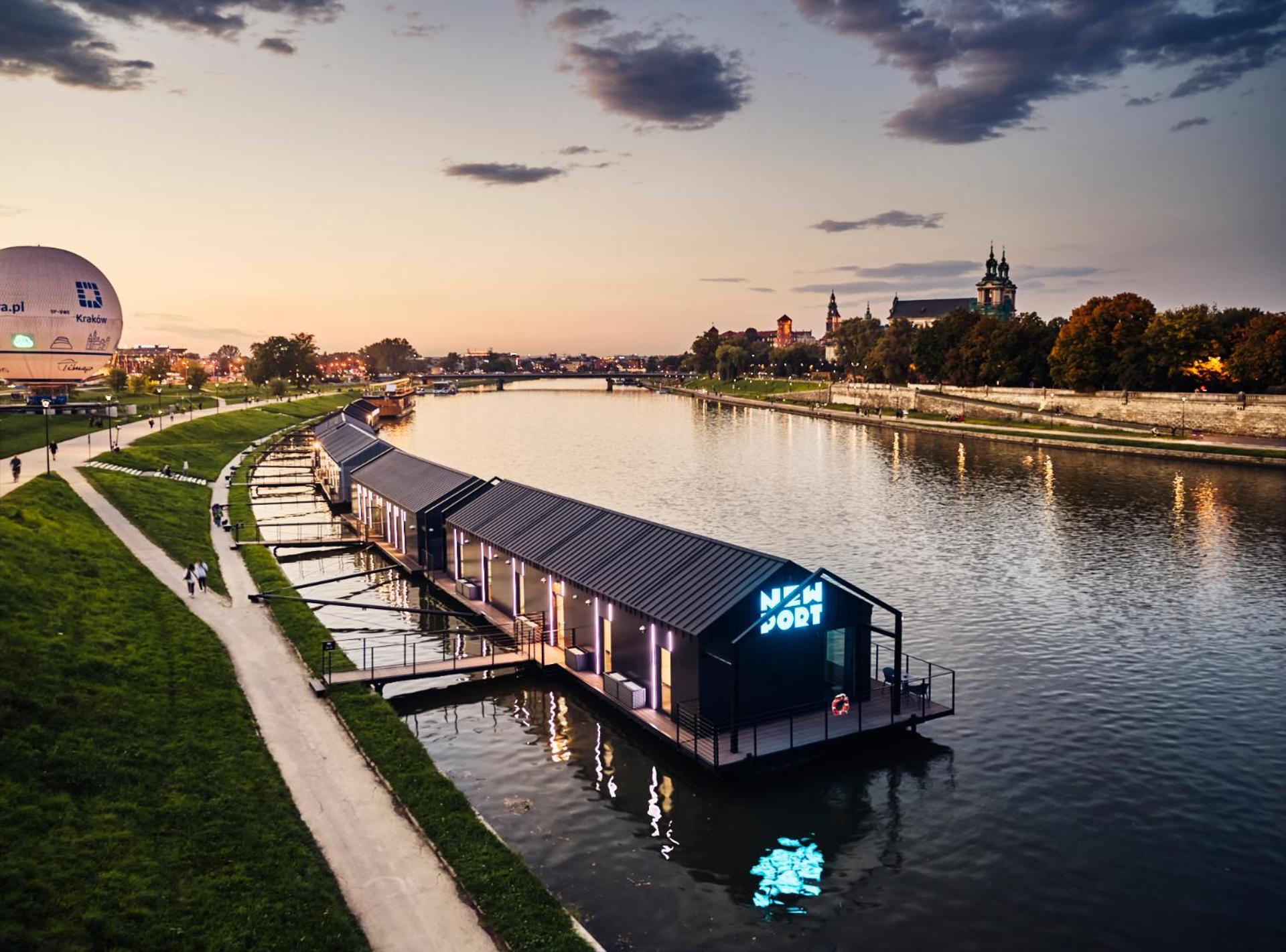
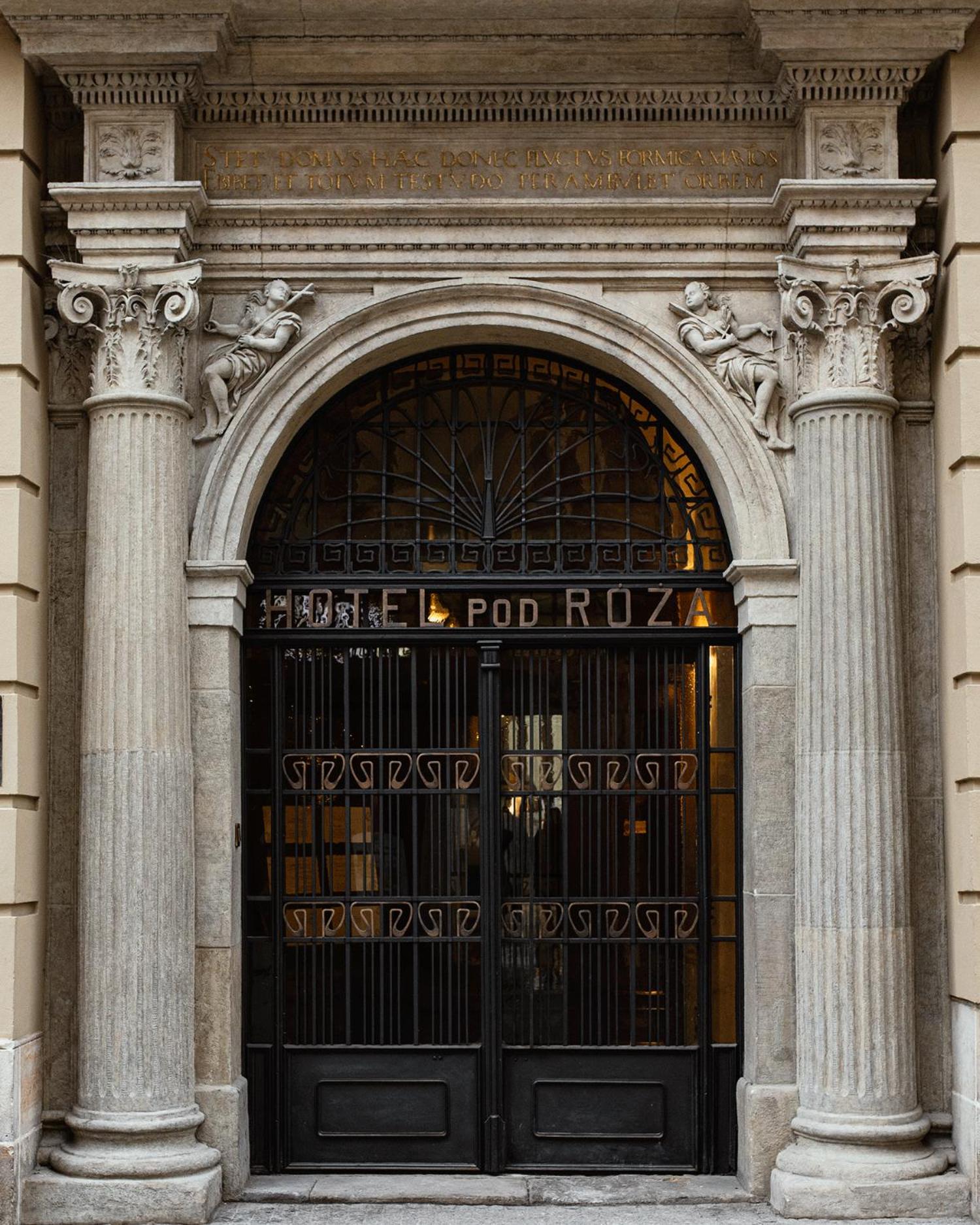
Old Town or Kazimierz for atmosphere and Podgórze for a quieter base, and the choice is between the square at the door and the bars at the door. Most travellers give Krakow 2 nights on Stippl, and the whole centre is twenty minutes on foot.
Old Town
Hotels on and around the square, €50 to €200 a night.
Kazimierz
Apartments, hostels and boutique hotels in the quarter, €25 to €130 a night.
Podgórze
Apartments and small hotels across the river, €30 to €90 a night.
Nowa Huta
A few budget hotels in the planned town, €25 to €60 a night.
Zwierzyniec
Guesthouses and apartments by the meadows, €40 to €100 a night.


What to eat in Krakow
An open-face baguette with mushrooms, cheese and sauce, grilled and eaten standing
Dumplings, boiled or fried, in a dozen fillings
A braided ring bread with a protected designation, sold from blue street carts
Slow-braised pork in a roll dipped in its own gravy, a Kraków street dish
Sour rye soup with egg and white sausage
Grilled highland sheep's cheese with cranberry, brought up from the Tatras
Discover food spots in Stippl
Find restaurants and markets on the map, save them to your itinerary, works offline too.
Krakow customs and what not to do
Auschwitz is a memorial
Dress and behave as you would at a cemetery, and the Memorial publishes its own visiting rules and enforces them.
Poland's etiquette holds here
Shoes off indoors, hospitality as a duty, and care with the twentieth century in conversation with older people.
Kazimierz is two things at once
A living Jewish quarter and a nightlife district, and the synagogues and the Remuh cemetery are places of worship and burial, not a backdrop.
The bugle stops mid-note
The hejnał is played hourly from St Mary's tower and breaks off, in memory of a trumpeter said to have been shot mid-call.
Cover up in the churches
St Mary's and the cathedral on Wawel are working churches, and the shoulders and knees are covered inside.
Do
- Reserve Auschwitz weeks ahead and go with a museum educator
- Be on the square on the hour for the bugle call
- Eat a zapiekanka at the Plac Nowy hatches at midnight
- Take the tram to Nowa Huta for the other twentieth century
Don't
- Photograph inside the synagogues or the Remuh cemetery without asking
- Expect one Wawel ticket; the routes are sold separately
- Take an unmarked taxi from the station or the square
What a Krakow trip costs
Budget
€40–45
A hostel dorm, milk bars and zapiekanka, the trams, the free walking tour and the churches.
Mid-range
€90–110
An Old Town or Kazimierz apartment, restaurant dinners, Wawel and one museum a day.
High-end
€250+
A hotel on the square, the serious Kazimierz kitchens, private guides and a car to Auschwitz.
Track what you actually spend
Set a daily budget per country and log expenses in any currency while you travel.
Fun facts about Krakow
Krakow's Old Town was on the very first UNESCO World Heritage List in 1978. Alongside the Wieliczka mine, in the first batch of twelve sites anywhere in the world.
The obwarzanek krakowski ring bread has been EU-protected since 2010. So the ring bread on the blue street carts is legally a Krakow product, like champagne.
St Mary's bugle call in Krakow breaks off mid-note every hour. And has done so as a matter of ritual for centuries, in memory of a trumpeter said to have been shot mid-call.
Krakow was the royal capital for five centuries and lost the court in 1596. Which is why it has the castles and Warsaw has the ministries.
The Wawel dragon statue in Krakow breathes real fire on a gas nozzle. Every few minutes, and a text message to the dragon's number makes it breathe on demand.
Zakopane appears 7.24 times as often as expected on Krakow trips on Stippl. Wieliczka appears six times as often, because the mountains and the mine are the city's two day trips.
Local tips for Krakow
The Planty is the walk around
The Old Town is walkable and the park ring on the line of the demolished walls is the loop around it, twenty minutes end to end.
Trams cover the rest
Kazimierz, Podgórze and Nowa Huta are all on the tram, and the tickets are bought from the machine on board.
Twenty minutes from the airport
To the main station, which is unusually good for a European regional airport, and the taxi is the mistake.
Bolt and Uber both work
The unmarked taxis outside the station and on the square are the thing to avoid, and the app car costs a third.
Pockets go on the square
The Main Square and the crowded trams are the two places every guide names, and standard urban awareness is the whole of the safety advice.
Two nights, and the door in
Most travellers give Krakow 2 nights on Stippl, and the city opens 49.0% of the Polish legs it appears on, so the airport train is the first thing most people ride.
Krakow questions, answered
Two is typical and three is nearly as common: most travellers give Krakow 2 nights on Stippl, and the third day is one of Auschwitz, Wieliczka or Zakopane, since none of them fits in a half day.
Yes, to the grounds, with a timed reservation that goes weeks ahead in summer. The tour with a museum educator is the version to take, and the Memorial's own visiting rules apply from the car park onwards.
Krakow, and most people who choose it do not add the other: only 29.6% of Krakow trips on Stippl also carry Warsaw. Warsaw is the capital-scale city with the Rising Museum, and Krakow is the one that survived.
Old Town for a first visit, Kazimierz for the evenings and Podgórze for quiet, and the three are twenty minutes apart on foot. Put the square and the quarter into Stippl as two mornings, then ask people in subreddits like r/krakow which Plac Nowy hatch they swear by.
No. The castle sells its routes separately, so the State Rooms, the Treasury and the Dragon's Den are three tickets and the cathedral is a fourth, and two of them fill a morning, with the State Rooms and the cathedral the pair to take.
Yes, and it is planned that way: Zakopane appears 7.24 times as often as expected on Krakow trips, of everyone who plans them on Stippl, and Wieliczka and Auschwitz follow. Each is a full day, so the third night is what makes one of them possible.
Every guide is written by the Stippl editors and checked against the trips our travellers actually plan. Spotted something out of date? Let us know.

Plan Krakow in Stippl
Day-by-day planning, stays and budget in one app, with every place from this guide already on the map.
Download the app