

Warsaw
Warsaw is the capital that was rebuilt from paintings, a city of 1.8 million on the Vistula that lost 85 percent of itself by the end of the war and put the Old Town back deliberately, with the Rising Museum, POLIN and the pre-war right bank of Praga as the reasons to stay. Two nights, the centre for convenience and Praga for the interesting version, and the trams rather than the feet.
Warsaw in a nutshell
Warsaw: what to expect
46,000+ stops in Poland have been planned on Stippl. Here is what they say about Warsaw.
Two nights in Warsaw, and the subject is the rebuilding. The Rising Museum is the most-visited museum in Poland, POLIN is a thousand years of Polish Jews on the site of the ghetto, the Old Town was rebuilt in the fifties from eighteenth-century paintings and is a monument to rebuilding as much as to what was rebuilt, Łazienki has free Chopin on summer Sundays, Praga is the right bank the war did not level, and the Palace of Culture's terrace gives the one view of Warsaw without the Palace in it. Most travellers give Warsaw 2 nights on Stippl.
Warsaw is the door into Poland more often than the destination. The city opens 53.3% of the Polish legs it appears on, of everyone who plans it on Stippl, because the airport and the rail hub are here, 45.2% of its stops are a single night, and 45.1% of Warsaw trips carry no other Polish place.
So sleep in Śródmieście for the trams or the Old Town for the square, take the Rising Museum and POLIN on separate days, walk the Vistula boulevards in the evening, and cross to Praga for the neon and the vodka. Skip calling the Old Town fake, since it was rebuilt as an act of refusal, skip confusing the two uprisings in conversation, and skip walking it end to end, because the city is flat and long.
Plan Warsaw in Stippl
Day-by-day planning, stays and budget in one app, with every place from this guide already on the map.
Download the appWho Warsaw is for
History travellers
The Uprising, the ghetto, the reconstruction and the Communist decades are four separate subjects with a serious museum each.
Museum people
POLIN and the Rising Museum are both first-rank, and the Rising Museum is the most visited in the country.
Second-time Poland travellers
Most people pick one Polish city and it is usually Kraków, so this is the argument for the other, and 45.1% of Warsaw trips on Stippl stand alone.
Design and nightlife travellers
Praga's factory conversions and the Vistula boulevards are what Warsaw does that Kraków does not.
Remote workers
A capital with the infrastructure, the coffee and the flats, and the rest of Poland on the Pendolino.
Arrivals and departures
Warsaw opens 53.3% of the Polish legs it appears on, of everyone who plans it on Stippl, because the airport and the rail hub are here.
Maybe not for you: travellers wanting an intact old town, since Kraków is that and Warsaw is honest about not being; and a first Polish trip of three days, when Kraków fills the time and this is the second visit.
The best time to visit Warsaw
Late spring
May and June
Warm and long-dayed, the Chopin concerts starting in Łazienki and the boulevards filling, at the best prices of the year.
Summer
July and August
Warm, the river beaches open, the Vistula boulevards the city's living room, and the lightest tourist crowds of any Polish city.
Early autumn
September and early October
Golden and dry, the terraces still out and the museums quiet, and the second window every guide names.
Winter
November to March
Cold, grey and short, with the Old Town Christmas market from late November and the museums as the day's plan.
- Most travellers give Warsaw 2 nights on Stippl, and 45.2% of stops are a single night. The overnight before a train or a flight, and the version that sees the Old Town and nothing else.
- Warsaw takes the months Kraków does not. January runs above the Polish average here, because the museums do not need the weather and the capital's flights are year-round.
- Warsaw is planned about 77 days days ahead on Stippl, and 15.1% inside a fortnight. The Pendolino seats and the POLIN weekend slots are the two things the lead buys.
- At five on 1 August the whole city stops. Sirens sound for the anniversary of the Uprising and traffic halts where it stands, and it is the moment to be on a street rather than in a museum.
- The Rising Museum is free on Thursdays. Which is why Thursday is the day to go early, and the audio guide is the version that makes the building make sense.
- Chopin plays free in Łazienki on summer Sundays. Two concerts under the monument from May to September, the lawn fills an hour before, and the park is the afternoon around it.
Add your Warsaw dates and we'll flag the weather
Stippl shows the season, crowds and prices for every stop on your route.
Describe your trip, get a Warsaw itinerary in seconds
Everything in this guide is already in Stippl. Tell the planner how long you have and what you like: it builds the route, the days and the travel times, and you edit whatever you want.
Things to do in Warsaw
 Photo by Lāsma Artmane via Unsplash
The Warsaw Rising Museum
The most-visited museum in Poland, on the 1944 uprising and its aftermath, in a converted tram power station in Wola.
POLIN
The Museum of the History of Polish Jews, built on the site of the ghetto and covering a thousand years rather than only the destruction.
The rebuilt Old Town
Castle Square, the market square and the Barbican, rebuilt in the fifties from eighteenth-century paintings, and a monument to rebuilding as much as to what was rebuilt.
Łazienki and the Palace on the Water
The royal park with the palace on its island, the peacocks, and free Chopin concerts under the monument on summer Sundays.
Praga
The right bank the war did not flatten, with the Neon Museum in the Soho Factory and the Koneser vodka works.
The Palace of Culture's terrace
The thirtieth floor of Stalin's gift, for the one view of Warsaw that has the Palace of Culture out of it.
The neighbourhoods of Warsaw
Old Town
Reconstructed and dense
The rebuilt medieval core with the Royal Castle, the market square and the Barbican, all from paintings, and a walk round the walls in an hour. For atmosphere.
The square at the door, and the prices and the tour groups that come with it.
Śródmieście
Broad and modern
The working downtown with the Palace of Culture, the cafés on Nowy Świat, the National Museum and almost all the hotels. For convenience.
Every tram and train, in a district that is more useful than beautiful.
Praga
Gritty and turning
The pre-war right bank the war did not flatten, with Art Nouveau tenements still holding bullet holes, the Koneser vodka works and the Neon Museum. For the interesting version.
The city's most interesting corner, and a tram from the sights.
Powiśle
Leafy and fashionable
The riverbank strip with the Vistula boulevards the whole city comes down to in summer and the restored power station. For evenings.
The best summer evenings in the city, and few rooms to sleep in.
Mokotów
Residential and calm
The leafy south with the embassy villas, the Pole Mokotowskie park and Wilanów Palace ten kilometres further out. For a long stay.
Green and calm, and a metro ride from everything a visitor wants.
See every Warsaw neighbourhood on one map
Save the areas you like and Stippl plots your days so you're not crossing the city twice.
Where to stay in Warsaw
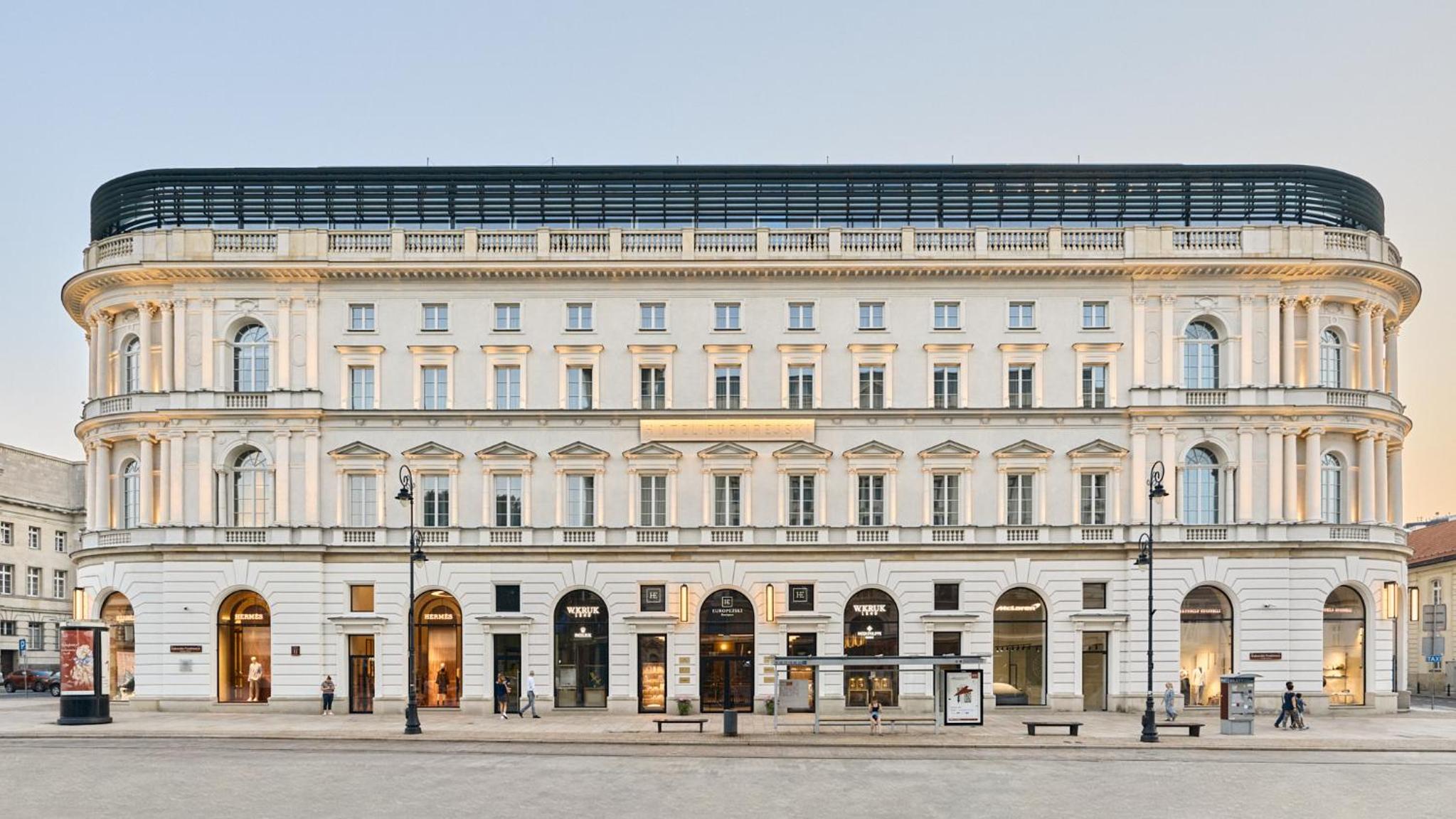
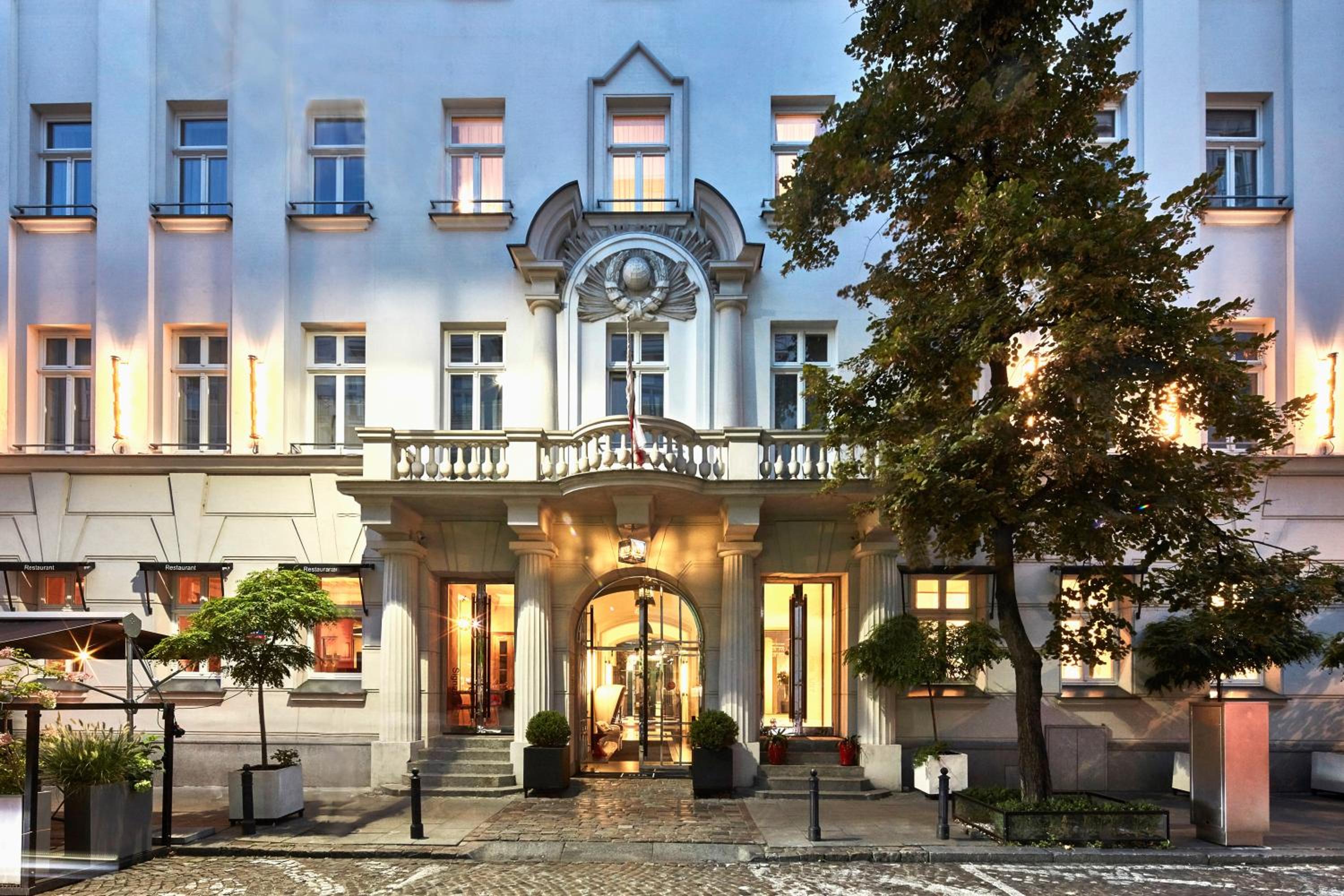
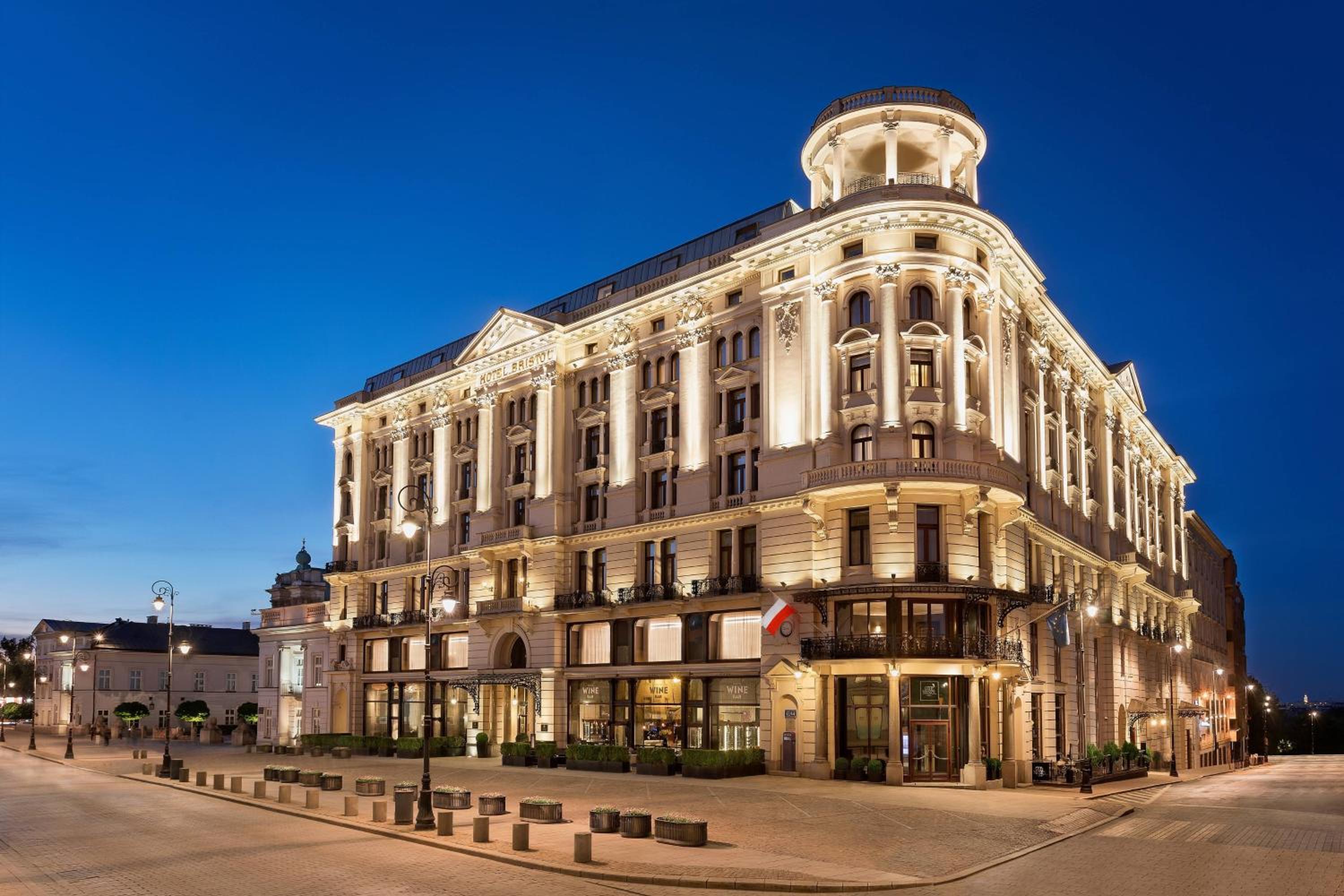
Śródmieście for convenience, the Old Town for atmosphere and Praga for the interesting version, and the city is flat and long enough that the tram stop matters more than the district. Most travellers give Warsaw 2 nights on Stippl, and almost all the hotels are in the centre.
Old Town
Boutique hotels and apartments inside the walls, €60 to €180 a night.
Śródmieście
Chain hotels, hostels and apartments across the centre, €25 to €160 a night.
Praga
Hostels and design hotels in the factory conversions, €25 to €110 a night.
Powiśle
A few apartments and hotels by the river, €60 to €150 a night.
Mokotów
Apartments and quiet hotels in the south, €40 to €100 a night.


What to eat in Warsaw
Dumplings, boiled or fried, a dozen fillings
Sour rye soup with egg and white sausage
A filled doughnut, rose jam in the classic version, eaten by the million on Fat Thursday
A Warsaw chocolate cream cake, named after the W-Z route built in 1949
Hunter's stew of sauerkraut, cabbage and meat, cooked down for days
The national spirit, and Praga's Koneser works is the place it was made
Discover food spots in Stippl
Find restaurants and markets on the map, save them to your itinerary, works offline too.
Warsaw customs and what not to do
The rebuilding is the subject
Calling the Old Town fake misses what it is for: it was rebuilt deliberately, as an act of refusal, and the UNESCO listing says so.
Poland's etiquette holds
Shoes off indoors, hospitality as an obligation and care with the twentieth century in conversation with older people.
Two uprisings, not one
The Rising of 1944 and the Ghetto Uprising of 1943 are different events with different museums, and confusing them is the local equivalent of a factual insult.
The city stops on 1 August
Sirens at five in the afternoon for the anniversary of the Rising, and the traffic halts where it stands for a minute.
Vodka is drunk with food
Neat, cold, in small glasses and with herring or pickles beside it, and never sipped over an evening.
Do
- Take the Rising Museum and POLIN on separate days
- Walk the Vistula boulevards on a summer evening
- Cross the river to Praga for the neon and the vodka works
- Ride the trams; the city is not walkable end to end
Don't
- Call the Old Town fake in front of anyone from Warsaw
- Mix up the 1943 and 1944 uprisings
- Expect Kraków's scale of old town; this is a different city
What a Warsaw trip costs
Budget
€40–45
A hostel dorm, milk bars, one transport ticket and the free museum day.
Mid-range
€90–110
A Śródmieście hotel or apartment, restaurant dinners and two paid museums a day.
High-end
€250+
A river-view or Old Town hotel, the serious kitchens and private guides.
Track what you actually spend
Set a daily budget per country and log expenses in any currency while you travel.
Fun facts about Warsaw
Warsaw's Old Town is the only UNESCO site inscribed specifically for reconstruction. Listed in 1980 for the act of rebuilding rather than for original fabric.
Before the war Warsaw held the largest Jewish community in Europe. At its 1941 peak the ghetto held around 460,000 people in 3.4 square kilometres.
The Keret House in Warsaw is between 92 and 152 centimetres wide. Officially the narrowest house in the world, wedged between two buildings in Wola.
Wuzetka cake is named after the W-Z road built through Warsaw in 1949. A chocolate cream cake sold in every café on the route it is named for.
Forty percent of Warsaw is green space. High for a European capital of this size, with Łazienki and the Vistula banks the two largest pieces of it.
Warsaw opens and closes 22.3% of the Polish legs it appears on. Of everyone who plans it on Stippl, because the airport and the rail hub make it the door in and the door out.
Local tips for Warsaw
Centralna is under the Palace
The rail hub sits beneath the Palace of Culture in the middle of the centre, so the Pendolino from Kraków lands you at the door of almost every hotel.
One ticket covers everything
The metro, the trams and the buses share a ticket, and a day pass covers everything a visitor needs.
Bike paths run both banks
The Vistula paths are genuinely good in summer, the city bikes are cheap, and the ride to Wilanów is the afternoon.
Flat, long and not walkable
Unlike Kraków, Warsaw is not done end to end on foot, so the trams and the two metro lines are the plan.
Pockets go in the Old Town
The Old Town and the busy trams are the two places every guide names, and standard urban awareness is the whole of the safety advice.
Two nights, and the door in
Most travellers give Warsaw 2 nights on Stippl, and 19.6% of stops are no night at all, which is the change of trains.
Warsaw questions, answered
It is a reconstruction, rebuilt in the fifties from eighteenth-century paintings after 85 percent of the city was destroyed, and UNESCO listed it for exactly that. It is the only World Heritage site inscribed for rebuilding, and the point of visiting is the act rather than the fabric.
Kraków wins, and the other rarely gets added: 45.1% of Warsaw trips on Stippl carry no other Polish place, and the same is true in reverse. Warsaw is the capital-scale city with the serious museums, and the one that rewards a second visit.
It is, and the plans agree: most travellers give Warsaw 2 nights on Stippl, and 45.2% of stops are a single night, which is the overnight before a flight. Two full days cover the Old Town, the two museums and an evening in Praga.
The Rising Museum is the most visited in the country and the more visceral, and POLIN covers more ground and more centuries. Put both into Stippl on separate mornings, then ask people in subreddits like r/warsaw which they would keep if forced.
Praga, across the river, which the war did not destroy, for the bars in the factory conversions and the vodka works, and the Vistula boulevards in summer, where the whole city comes down to the water in the evening and the river beaches open.
For most people, yes: the city opens 53.3% of the Polish legs it appears on, of everyone who plans it on Stippl, because the airport and the rail hub are here, and the Pendolino reaches Kraków in under three hours.
Every guide is written by the Stippl editors and checked against the trips our travellers actually plan. Spotted something out of date? Let us know.

Plan Warsaw in Stippl
Day-by-day planning, stays and budget in one app, with every place from this guide already on the map.
Download the app