
These are quiet holiday destinations in Europe that stay calm even in July: a Greek island with a marine park, a Slovenian wine valley, a Spanish mountain range, an Austrian cheese region and a string of Arctic islands. For each you'll find what to do, what to eat and what a day costs, and further down, the calmest beaches and the quietest weeks of the summer.
Plan it in Stippl
Day-by-day planning, stays and budget in one app, with every place from this guide already on the map.
Download the appQuiet holiday destinations in Europe at a glance
| Place | Best for | Daily budget | Quietest summer weeks |
|---|---|---|---|
| Alonissos, Greece | Clear water, walking, a marine park | €80-120 | June and September |
| Vipava Valley, Slovenia | Wine, cycling, country food | €90-130 | June and September |
| Picos de Europa, Spain | Mountain hiking | €110-160 | June and early September |
| Bregenzerwald, Austria | Alpine meadows, cheese, architecture | €110-170 | June and September |
| Lofoten, Norway | Midnight sun, big walks, sea kayaking | €150-230 | Late May and early June |
1. Alonissos, Greece: the quiet Sporades island
Alonissos sits in the Sporades, a group of islands that runs on its own ferries and its own rhythm, far from the Santorini and Mykonos crowds. It's home to Greece's first national marine park, set up in 1992 to protect the Mediterranean monk seal, a restored stone village on the hill, and some of the clearest water in the Aegean.
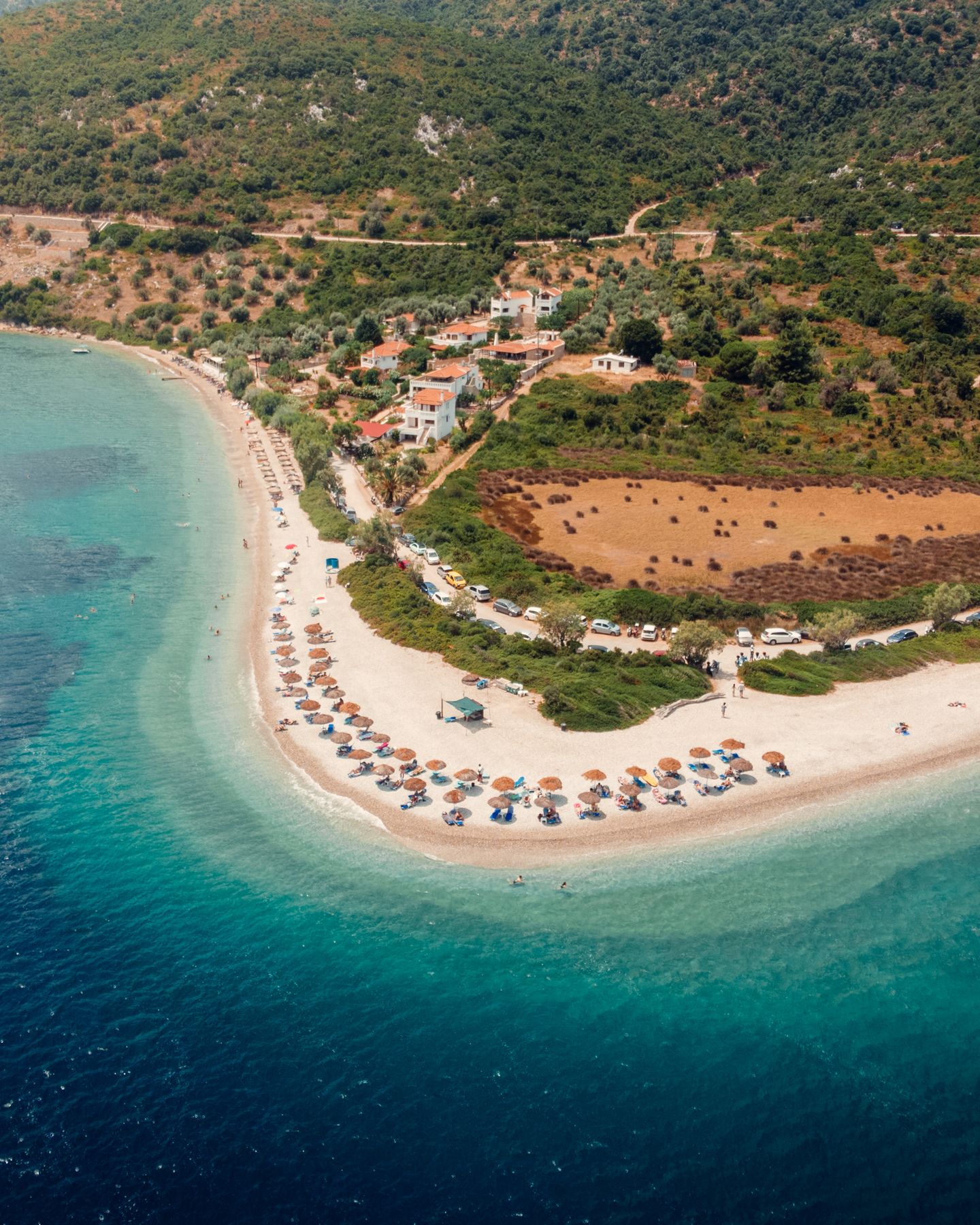
Getting there takes a little effort, which is part of why it stays calm: the Sporades sail from Volos and from Mantoudi and Kymi on Evia, not from Athens. Mantoudi and Kymi are about two hours' drive from Athens, Volos about three and a half. The boat from Volos takes three to five hours and starts at about €38 one way; from Skiathos, which has an airport, it's one to two hours.
- Things to do: walk some of the island's 35-plus trails between the Old Village and the coves, swim and snorkel off the pebble beaches, and watch the sunset from the Old Village (Chora), emptied by the 1965 earthquake and restored since. The big day out is a boat trip into the marine park from Patitiri, about €50-65 per person, which usually puts in at the island's own Blue Cave on the north-east coast. Landing on the outer islands of the park costs a €5.50 ticket per person per day.
- What to eat: kakavia, the fisherman's soup, and the coiled Alonissos cheese pie of handmade fyllo and local feta. Look for lobster pasta at the fish tavernas and take a jar of local tuna in olive oil home. In Patitiri a taverna main runs about €10-14 and a litre of house wine about €14.
- What it costs: €50-100 a night for a room or studio for two (more in August), €30-45 a day for meals out, and €80-120 a day in all when you share a room. A boat day and a hire car push it higher.
For the rest of the country's islands and how the ferry groups work, see our Greece guide.
2. Vipava Valley, Slovenia: wine country without the queues
About an hour's drive from Ljubljana (60-65 km), the Vipava Valley is vineyards, medieval hill villages and views up to the mountains. Slovenia is quiet in summer anyway: outside Bled, Piran and the Postojna car park, the country stays calm even in August, and Vipava is a long way from all three.
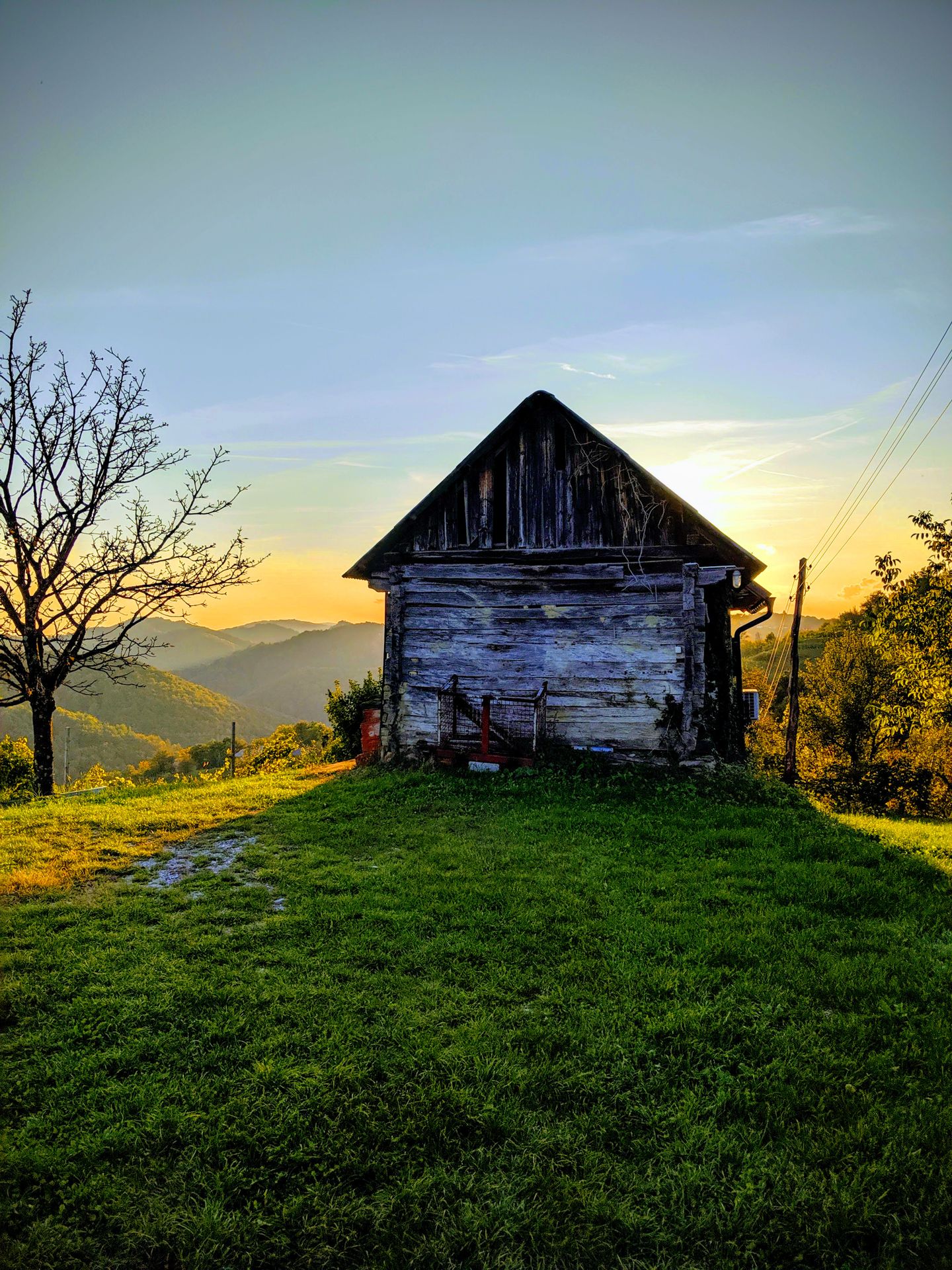
- Things to do: taste zelèn and pinela, two of the valley's eight native grapes, at family-run wineries; cycle between villages like Goče, a protected stone village with about 60 vaulted wine cellars, and Vipavski Križ; or paraglide from the Lijak launch site, where a tandem flight costs about €190. Predjama Castle, built into a 123 m cliff, is a 45-minute drive away, and Štanjel is a Karst village on the ridge above the valley.
- What to eat: frtalja, the valley's herb omelette, and jota, a bean and potato soup that here is often made with turnip soured in grape pomace rather than sauerkraut. For one special dinner, Gostilna Podfarovž sits by one of the springs in Vipava town; three courses were about €33 before wine on the last menu we could check, so budget €40 or more.
- What it costs: €60-90 a night for a B&B or a tourist farm (turistična kmetija), and €90-130 a day in all.
Come in mid-June for the Zelèn wine festival in the castle courtyard at Vipavski Križ, or in mid-September for the grape harvest festival in Vipava.
Travelling as a couple? Ljubljana and Lake Bled both feature in our affordable romantic getaways in Europe, and the Slovenia guide has the rest of the country.
3. Picos de Europa, Spain: green mountains while the coast fills up

While Spain's beaches fill up in July, the Picos de Europa stay green and far cooler than the south. The national park is shared by Asturias, Cantabria and León, and it's one of Spain's great walking regions.
Be honest with yourself about "uncrowded", though: this is the third most visited national park in Spain, with 1.57 million visitors in 2025, and the famous corners feel it. The Covadonga lakes are closed to private cars from 1 June to 18 October, with a shuttle bus instead (€9 return), and the record day in August 2026 carried 6,040 people up. The León side stays quiet, and June and early September are the calm weeks everywhere.
- Things to do: walk the Ruta del Cares through its gorge, about 12 km each way from Poncebos to Caín, so allow 7 to 8 hours there and back on a cliff path with no railing and no water along it. Take the bus up to the lakes of Covadonga, stay a night in Sotres, the highest village in the park, and try canyoning from Arriondas or Cangas de Onís from about €50.
- What to eat: Cabrales, the protected blue cheese ripened at least two months in mountain caves, and on the Cantabrian side cocido lebaniego, a chickpea and cabbage stew that Casa Cayo in Potes serves daily for about €17.50 a plate. A menú del día runs about €20.
- What it costs: €30-45 a day for food, €60-100 a night for a double in a rural hotel or casa rural, and €110-160 a day per person once you add the Fuente Dé cable car or the lakes bus.
The Spain guide covers the mainland's other hiking regions and when each one is at its best.
4. Bregenzerwald, Austria: slow travel in the far west
The Bregenzerwald is Vorarlberg's valley of wooden houses, flower meadows and small villages known for contemporary timber architecture. It's the Alps without the big-name resorts, which is exactly the point.

Stay three nights or more between May and October and your host hands you the Gäste-Card, which is free and covers seven mountain lifts, seven outdoor pools and, new for 2026, every regular bus and train in Vorarlberg. It changes how the valley works: you can leave the car parked.
- Things to do: ride the Diedamskopf gondola up from Schoppernau, or the Seilbahn Bezau to the Niedere. Take the Wälderbähnle, the surviving 5 km of the old Bregenzerwaldbahn between Bezau and Schwarzenberg, which runs weekends from 16 May to 17 October at €16.30 return behind the steam engine. Look at the timber architecture in Andelsbuch, where Peter Zumthor built the Werkraum Haus, and at Krumbach, a village of a thousand people where seven international architects built seven bus shelters. For music, the Schubertiade brings chamber concerts and lieder recitals to Schwarzenberg's timber Angelika-Kauffmann-Saal, from 19 to 24 June and 21 to 26 August 2026.
- What to eat: Bregenzerwälder Bergkäse and Alpkäse, both protected raw-milk cheeses, and Käsknöpfle, the local cousin of Käsespätzle: soft noodles under melted cheese and crisp onion, about €18.50-21.50 a plate. The KäseStrasse is not a road but a network of dairies, farms and inns set up in 1998, and its members are where to eat it. Hotel Gasthof Hirschen in Schwarzenberg serves an Easy Lunch from Tuesday to Saturday, but it doesn't publish the price.
- What it costs: €65-90 a day at the simple end, €110-170 for half board in a village hotel with a railway or museum ticket and a sit-down dinner, and €300 and up if you want a design hotel room in Schwarzenberg. Half board in Mellau runs €97-138 per person a night; a room at the Hirschen is €280-560.
5. Lofoten Islands, Norway: the midnight sun, and room to breathe
Peaks straight out of the sea, white beaches and red fishing cabins: Lofoten is the one part of Norway where people actually stay put. Travellers who plan Lofoten with Stippl give it nearly three nights on average, against about two for Oslo.
The reason to come in early summer is the light. The midnight sun runs in Lofoten from 28 May to 14 July, and walking a ridge at 1 am in full golden light is what the season is for.
- Things to do: climb Reinebringen, about 1,600 stone steps straight up to 448 m over Reine; kayak between the islands; visit the fishing village of Nusfjord; and take a sea-eagle boat trip to Trollfjord from Svolvær.
- What to eat: stockfish, the cod air-dried on wooden racks, and whatever is fresh at the harbour. Børsen Spiseri in Svolvær is about €40 per person. Restaurants book out in summer, so reserve a day ahead.
- What it costs: €30-50 a day for meals, €100-180 a night for a guesthouse or cabin, €150-230 a day in all.
- Getting there: fly to Svolvær or Leknes via Oslo or Bodø, or take the car ferry from Bodø to Moskenes, about 3 hours 15 minutes.
One caveat: Lofoten is quiet compared with the Mediterranean, not empty. Rorbuer (the traditional fishermen's cabins) and summer hotels go six months ahead, and weather cancels flights often enough that a buffer day before an international connection is sensible. More in the Norway guide.
Track what you actually spend
Set a daily budget per country and log expenses in any currency while you travel.
Quiet beach holidays in Europe
The five places above are mostly about mountains and villages. If what you want is a calm beach, these are the quiet ones worth knowing, all within the same countries:
- Alonissos, Greece: the marine park's coves are the calmest water on this list, and the Sporades see a fraction of the Cyclades' crowds.
- Menorca, Spain: the deliberately under-developed Balearic island. Beaches and archaeology, few crowds, and none of Ibiza's club scene.
- Lake Bohinj, Slovenia: Slovenia's largest natural lake, quieter and wilder than Bled, 30 minutes away. A lake beach rather than a sea one.
- Ankaran, Slovenia: the last town before the Italian border, and the quiet family end of the Slovenian coast, away from Piran's crowds.
- Vesterålen, Norway: the Stave and Bleik coast, just north of Lofoten and quieter still. The beaches are white, but the sea stays around 6-8°C all year, so this is a beach for walking, not swimming.
When Europe is quietest in summer
Even a quiet place has a busy fortnight. The timing trick is the same almost everywhere: go in June or in the first half of September.
- June: long days, warm water in the south, and the school holidays in most of Europe haven't started. In Lofoten, early June is midnight sun without the July peak.
- July and August: the Mediterranean is at its hottest and dearest. In Greece, accommodation can cost up to four times the shoulder-season price, and the meltemi wind is at its strongest in the Aegean.
- September: the heat breaks and the sea is still warm. Spain, Greece and Slovenia all rate it among their best months.
Looking further ahead? Our 10 warm fall destinations in Europe pick up where summer ends, with the beaches that are still warm in October.
Find your peaceful slice of Europe
You don't have to jostle through packed piazzas or wait hours for a table to enjoy summer in Europe. These quiet places offer real culture, big landscapes and space to breathe, often for less than the famous names.
A few things make every one of them easier:
- Book rural stays early. They're limited, and the good ones go first.
- Rent a car where it actually helps. The Picos and Lofoten are much easier with one, though you still take the shuttle bus up to the Covadonga lakes in summer. In the Bregenzerwald the Gäste-Card covers the buses and lifts, so a car is optional.
- Stay connected in remote valleys with a Stippl eSIM.
- Learn a few local words. It goes a long way in small villages.
Frequently asked questions about 5 Quiet Places to Spend Summer in Europe: A Small Guide
Alonissos in the Greek Sporades, the Vipava Valley in Slovenia, the Picos de Europa in northern Spain, the Bregenzerwald in western Austria and the Lofoten Islands in Norway. All five stay calm in summer because they take a little effort to reach and have no big resorts.
Alonissos and Menorca are the calmest warm-water options, both far quieter than their famous neighbours. For something cooler, Lake Bohinj in Slovenia has a lake beach, and Vesterålen in Norway has white beaches with very few people and a sea that stays around 6-8°C.
June and the first half of September. Most European school holidays fall in July and August, and that's when prices and crowds peak, especially on the Mediterranean.
Quieter than the Mediterranean, not empty. It's the busiest time of year for Lofoten itself, so book rorbuer and summer hotels about six months ahead. Late May and early June give you the midnight sun with fewer people.
The Vipava Valley and the Bregenzerwald both suit a slow couple's trip: small inns, good food and wine, and short drives between villages. Alonissos works if you want the sea.
Ready to skip the crowds? Plan your quiet summer in Stippl: put the ferry to Alonissos, the Vipava wineries or a Lofoten cabin into one day-by-day plan, and see how long each leg really takes.
Describe your trip, get a a quiet summer in Europe itinerary in seconds
Everything in this guide is already in Stippl. Tell the planner how long you have and what you like: it builds the route, the days and the travel times, and you edit whatever you want.