

Pakse
Pakse is the hub of southern Laos at the Mekong confluence, a base rather than a destination, with the Bolaven Plateau loop on one side, the pre-Angkor temple of Wat Phou on the other and the road to the Four Thousand Islands running south. One or two nights either side of the loop, the bike checked before the ride, and the falls trails left alone in the wet.
Pakse in a nutshell
Pakse: what to expect
Our travellers have planned 102,000+ stops in Laos on Stippl. That is where the numbers here come from.
Two nights in Pakse either side of the loop, and the loop is the reason. The Bolaven Plateau is two to four days by motorbike through coffee plantations, waterfalls and hill villages above a thousand metres, Wat Phou is a pre-Angkor Khmer temple climbing a hillside to a spring fifty kilometres south and UNESCO-listed, Dao Heuang is one of the largest markets in the country, Tad Fane and Tad Yuang are the two most-visited falls a short ride out, and the confluence where the Xe Don meets the Mekong is the sunset. Most travellers give Pakse 2 nights on Stippl.
Pakse is the southern door, and it closes far more trips than it opens. The town ends 24.47% of the multi-stop trips it appears on, of everyone who plans it on Stippl, the highest closing share of any Lao destination, against opening 8.89%, because the airport and the road to Cambodia are here, 33.3% of stops are a single night, and the pairing with Don Det is the strongest this platform has measured in any country.
Sleep by the river, hire the bike in town and check it before riding, start Wat Phou at sunrise on a weekday because the hillside has no shade, and carry small notes for the waterfall fees. Skip the falls trails between June and October, since they turn dangerously slippery exactly when the falls are biggest, and skip expecting the town to entertain you, because the region deserves the week.
Plan Pakse in Stippl
Day-by-day planning, stays and budget in one app, with every place from this guide already on the map.
Download the appWho Pakse is for
Bolaven loop riders
Pakse exists for the loop, with three to four days the usual shape and the rental shops filling the centre.
History travellers
Wat Phou is a pre-Angkor Khmer mountain temple fifty kilometres south, UNESCO-listed and underrated against Angkor.
Budget travellers
The south is the cheapest part of a cheap country, and the market feeds a rider for a couple of euros.
Island-bound travellers
The pairing with Don Det is the strongest measured on Stippl in any country, and the minivan to the ferry leaves every morning.
Trip-enders
Pakse closes 24.47% of the multi-stop Stippl trips it appears on, the highest in Laos, because the airport and the Cambodian road are here.
Late deciders
21.4% of Stippl stops here are planned inside a fortnight, because the south is added once the north is done.
Maybe not for you: anyone expecting the town to be the destination, since it is a bed between the plateau and the islands; non-riders, because the loop only works on a bike; and wet-season visitors, when the river floods the islands and the falls trails turn dangerous.
The best time to visit Pakse
The cool dry season
November to February
The window, with the roads to the plateau and the islands fully open and the peak month here on Stippl at January 22.5% of plans.
The hot season
March to May
The hottest weeks of the year in the lowlands, with the plateau above a thousand metres the escape and the burning haze thinner than in the north.
The wet season
June to October
The river floods the islands and the waterfall trails turn dangerously slippery, with the falls biggest exactly when they are hardest to reach.
The festival
February full moon
The Wat Phou Festival, three days of Buddhist ceremony at the temple, and the biggest event in the south.
- Most travellers give Pakse 2 nights on Stippl, and 33.3% of stops are a single night. A night before the loop and a night after, with the town itself a market and a sunset.
- The peak month here on Stippl is January 22.5% of plans, and June and July are the trough. The south is less seasonal than the north, and still extreme by any other country's standards.
- The Wat Phou Festival lands on the February full moon. Three days at the temple with the ceremonies, the markets and the crowds, and the Champasak guesthouses full for the week.
- The plateau is cold at night. Over a thousand metres, and a jacket is genuinely needed on the loop in the cool season, which surprises people arriving from the islands.
- Most travellers plan Pakse about 70 days ahead on Stippl, and 21.4% inside a fortnight. The bike and the bed are walk-in, and the flight out is the one thing booked early.
- The falls have a wet-season warning. June to October the trails turn dangerous and the guides say so directly, so the loop is a dry-season ride.
Add your Pakse dates and we'll flag the weather
Stippl shows the season, crowds and prices for every stop on your route.
Describe your trip, get a Pakse itinerary in seconds
Everything in this guide is already in Stippl. Tell the planner how long you have and what you like: it builds the route, the days and the travel times, and you edit whatever you want.
Things to do in Pakse
 Photo by Khamkeo Phengsavad via Pexels
 Photo by Teodor Kuduschiev via Unsplash
The Bolaven loop by bike
Two to four days through coffee plantations, waterfalls and hill villages above a thousand metres, and the reason Pakse exists on an itinerary.
Wat Phou at Champasak
A pre-Angkor Khmer temple climbing a hillside to a spring, UNESCO-listed, fifty kilometres south, and started at sunrise because the hillside has no shade.
Dao Heuang market
One of the largest markets in Laos, two kilometres out on the highway, and the only thing in the town itself that everyone agrees on.
Tad Fane and Tad Yuang
The two most-visited falls on the plateau, both a short ride from town and the first stops on any version of the loop.
The coffee plantations
The loop passes several, most will show the process, and the arabica and robusta grown above the town are the south's export.
The confluence at sunset
Where the Xe Don meets the Mekong, watched from a hotel terrace on the riverfront with a Beerlao.
The areas of Pakse
The riverfront and the centre
The colonial blocks
The guesthouses, the confluence view and the buses, in the colonial blocks between the two rivers where everything is walkable. For first visits.
Everything on foot and the buses leaving from here, though the town itself is a night.
The Chinese quarter
The old commercial town
Shophouses, noodle shops and provisions in the streets behind the river, still working and still the place the town eats. For history.
The old commercial town still working, and the best noodles, but no view.
Dao Heuang and the south-east
The market side
The big market two kilometres out on the highway, with the minivan stands and the road to the islands. For the market.
The market is the reason and nothing else is, and a tuk-tuk back to the river.
Champasak
The temple village
The riverside village fifty kilometres south with Wat Phou behind it, guesthouses along the Mekong and a slower night than the town. For the temple at sunrise.
Wat Phou at dawn from the door, but a ferry or a long ride to anything else.
See every Pakse neighbourhood on one map
Save the areas you like and Stippl plots your days so you're not crossing the city twice.
Where to stay in Pakse
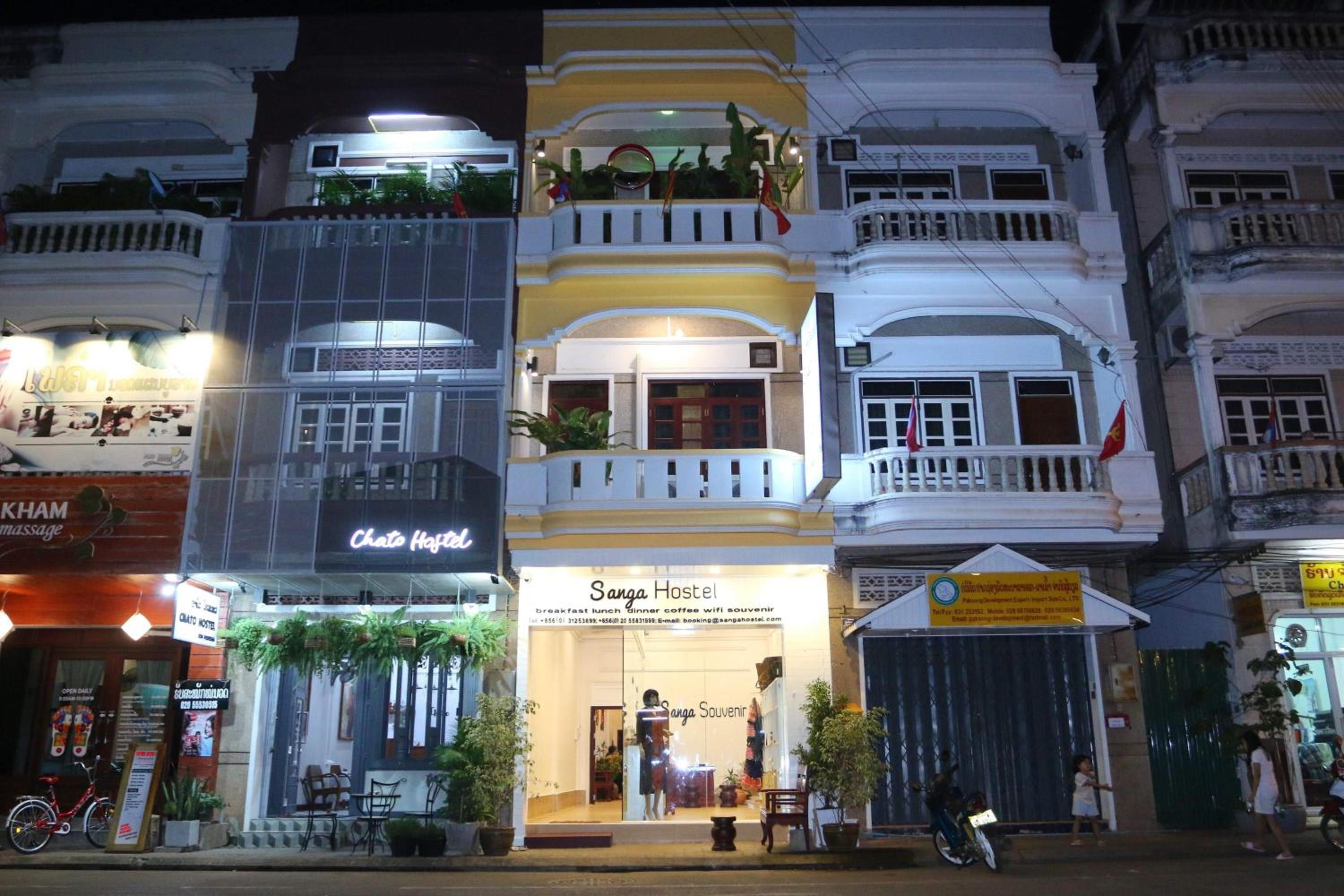
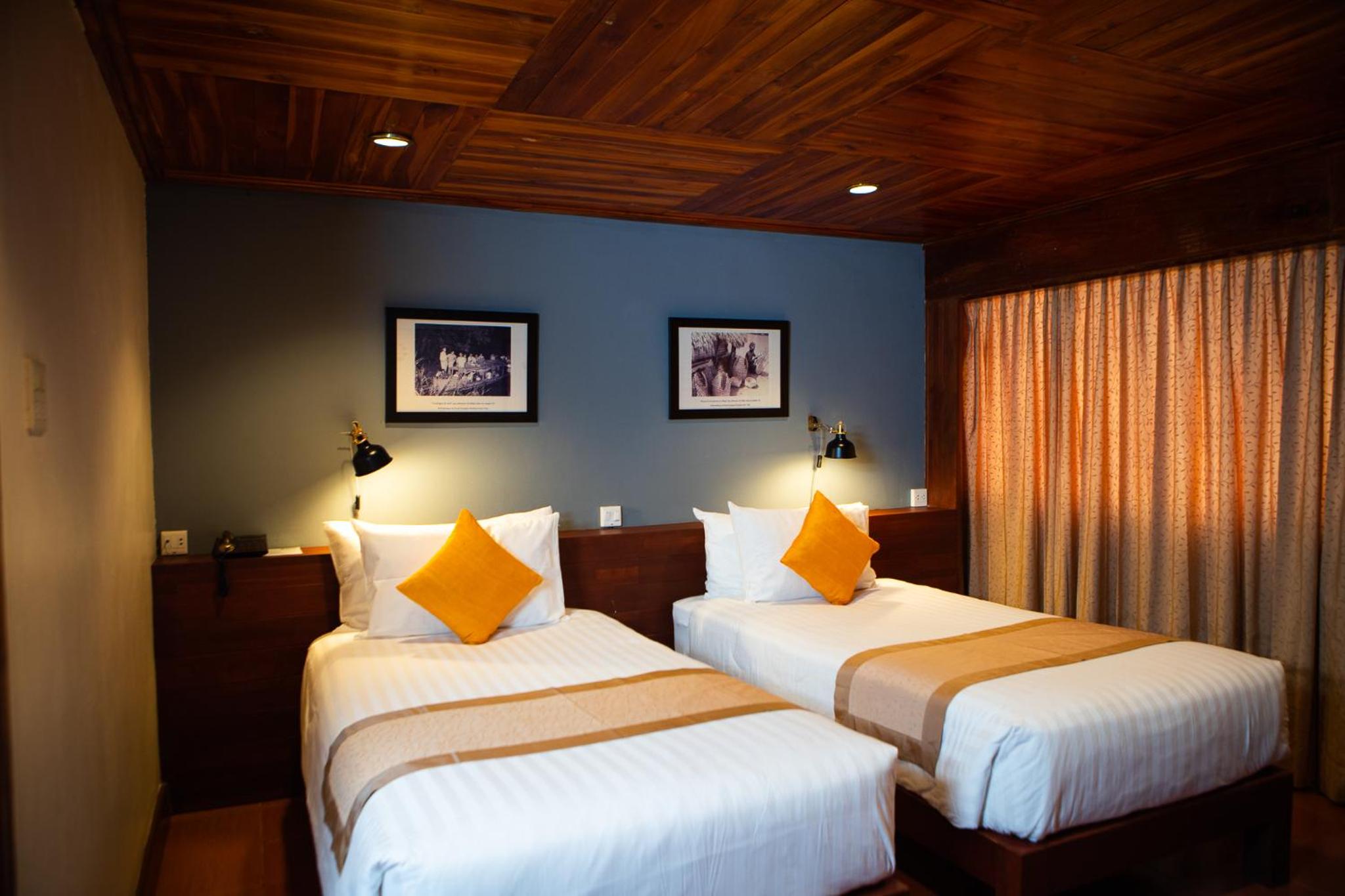
Stay by the river, and everything else is a compromise on walking distance, with the guesthouses in the colonial blocks a walk from the buses and the rental shops; Champasak is the alternative for a sunrise at the temple. Most travellers give Pakse 2 nights on Stippl, and the rooms are among the cheapest in the country.
The riverfront and the centre
Guesthouses, a hostel and Mekong-view hotels, €6 to €60 a night.
The Chinese quarter
Budget hotels and guesthouses in the shophouses, €8 to €30 a night.
Dao Heuang and the south-east
A few hotels by the market and the highway, €10 to €35 a night.
Champasak
Riverside guesthouses and a boutique lodge, €10 to €120 a night.


What to eat in Pakse
Minced meat or fish with herbs, lime, chilli and toasted rice
Fresh rice noodles in broth, the Lao breakfast
Whole Mekong fish grilled over charcoal with lemongrass
Arabica and robusta grown on the plateau above the town
The Lao take on pho, from the Vietnamese influence
Mushrooms, herbs and river fish that appear nowhere else
Discover food spots in Stippl
Find restaurants and markets on the map, save them to your itinerary, works offline too.
Pakse customs and what not to do
Wat Phou is a working site
An active religious site as well as a ruin, so shoulders and knees are covered on the climb and the shrine at the top is prayed at.
Small notes for the falls
Every waterfall on the plateau charges its own small fee at its own gate, and nobody has change for a large note.
The plateau villages are homes
The loop passes through hill villages that farm the coffee, and a photograph is asked for rather than taken.
Shoulders and knees at the wats
As everywhere in Laos, and the town's temples are small working ones.
The border town habit
Thailand is three hours away and Cambodia a morning's drive, and the town reads as a crossing rather than a stop.
Do
- Cover up at Wat Phou; it is an active religious site
- Carry small notes; every waterfall charges its own fee
- Start Wat Phou early, at sunrise on a weekday if you can
- Check the bike before you ride; it is the one thing that ruins the trip
Don't
- Ride the falls trails in the wet; they turn dangerous from June to October
- Expect the town to entertain you
- Drink spirits of unknown origin; the country-wide warning applies
What a Pakse trip costs
Budget
€15–25
A bed in the centre, the market and a tuk-tuk.
Mid-range
€35–60
The motorbike, fuel, the waterfall fees and guesthouses on the plateau.
High-end
€70+
A Mekong-view room, a guided Wat Phou day and transfers.
Track what you actually spend
Set a daily budget per country and log expenses in any currency while you travel.
Fun facts about Pakse
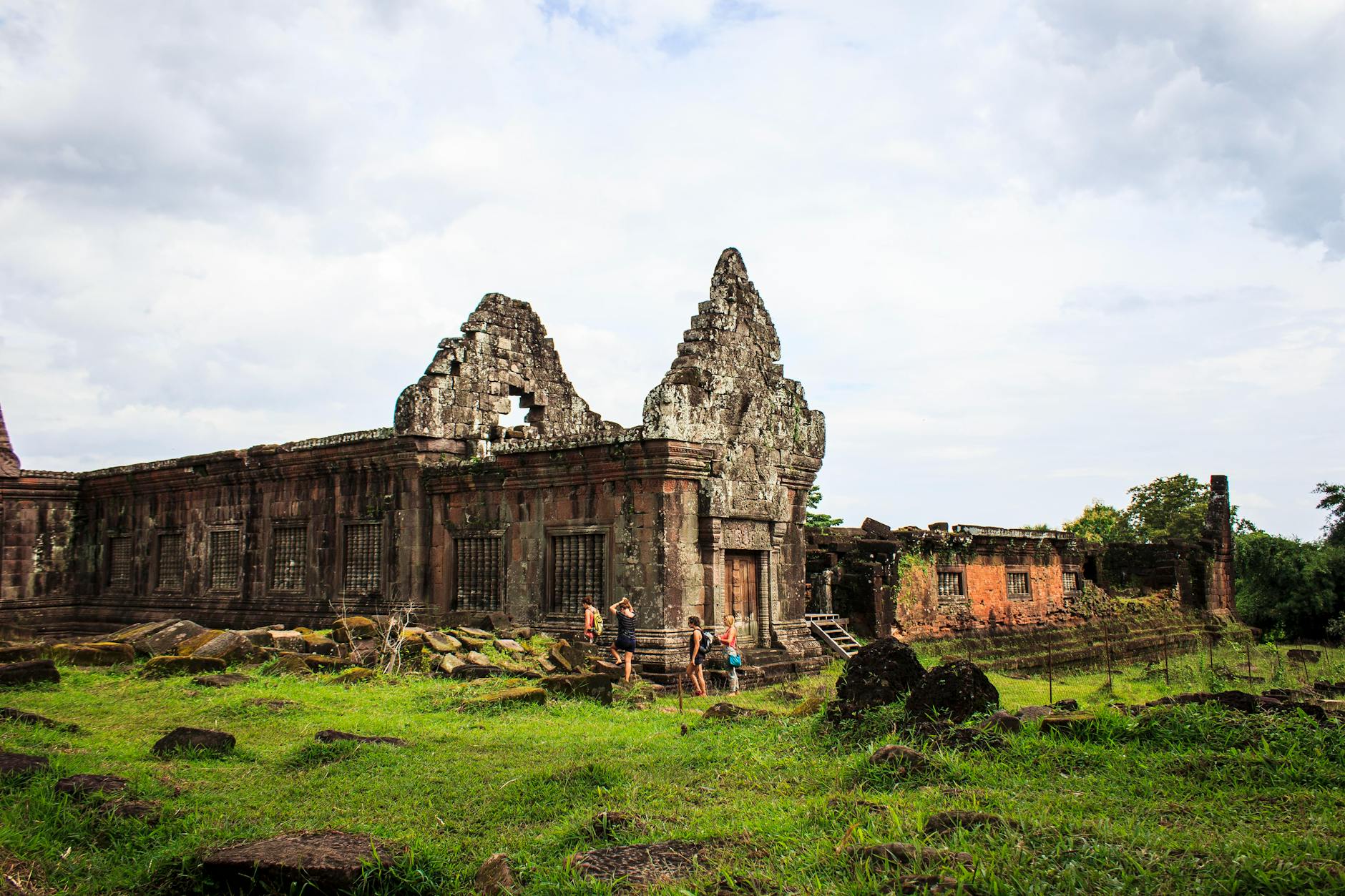
Wat Phou, 50 kilometres south of Pakse, is a pre-Angkor Khmer temple. A UNESCO World Heritage Site older than Angkor itself, climbing a hillside to a sacred spring.
The Bolaven Plateau above Pakse sits above 1,000 metres. Which makes it one of the few places in Laos where a jacket is needed at night, and where the coffee grows.
Dao Heuang in Pakse is one of the largest markets in Laos. And arguably the best in the south, two kilometres out on the highway from early morning.
Si Phan Don south of Pakse means Four Thousand Islands. And most of that number are seasonal sandbars that appear only in the dry season.
Pakse and Don Det are the strongest pairing measured on Stippl in any country. The island reads nearly four times its expected rate on Pakse trips, because the minivan and the ferry are one ticket.
Pakse closes 24.47% of the multi-stop Stippl trips it appears on. The highest closing share of any Lao destination, because the airport and the Cambodian road are here.
Local tips for Pakse
Minivan, then a ferry
The islands are about three hours away with morning departures, and the ticket includes the boat from the mainland landing.
Hire the bike in Pakse
Two to four days depending on which loop, and the town is full of rental shops, with the bike checked before the deposit is paid.
A border town in practice
Ubon Ratchathani in Thailand is about three hours by minivan, and the Cambodian crossing is a morning south of the islands.
The motorbike is the risk
Unfamiliar bikes, mountain roads, rain and a loop most people ride without much experience, so the helmet is worn and the wet is avoided.
The trails turn dangerous wet
The falls turn slippery from June to October, and the guides say so directly rather than in passing.
Two nights, at the exit
24.47% of the multi-stop Stippl trips Pakse appears on end here and 33.3% of stops are a single night, because the loop and the islands take the time.
Pakse questions, answered
One or two nights, and the region a week: most travellers give Pakse 2 nights on Stippl and 33.3% of stops are a single night, because the town is the bed before the loop and the bed after it, with the market and the sunset in between.
The Bolaven Plateau loop, Wat Phou and the road to the Four Thousand Islands, in that order of time spent. Put the loop into Stippl as three days with the town on either side, then ask people in subreddits like r/laos which version of the loop they rode and whether the bike held.
A minivan to the mainland landing at Nakasong, about three hours, then a longtail ferry, on one ticket with morning departures. The pairing is the strongest measured on Stippl in any country, and 24.47% of the multi-stop trips carrying Pakse end here after the islands.
Two to four days by motorbike, hired in Pakse for about nine euros a day, with the short loop doing the two big falls and the coffee in two days and the long one adding the far villages and the plateau's cold nights. The bike is checked before the ride, because a bad one is the thing that ruins the trip.
November to February, when the roads to the plateau and the islands are fully open and the peak month here on Stippl is January 22.5% of plans. June and July are the trough, when the falls are biggest and the trails to them are dangerous.
Yes, and it is underrated against Angkor: a pre-Angkor Khmer temple climbing a hillside to a spring, UNESCO-listed and fifty kilometres south, started at sunrise on a weekday because the hillside has no shade. A night in Champasak makes the dawn easy.
Every guide is written by the Stippl editors and checked against the trips our travellers actually plan. Spotted something out of date? Let us know.
Plan Pakse in Stippl
Day-by-day planning, stays and budget in one app, with every place from this guide already on the map.
Download the app