
Husavik
Husavik is the whale-watching capital of Europe, a wooden harbour town on Skjálfandi bay an hour from Akureyri where the oak fishing schooners now carry binoculars. A morning sailing made from a Mývatn bed, the museum before it, Geosea's cliff baths after, and a night if the harbour at dusk is the point.
Husavik in a nutshell
Husavik: what to expect
The figures here sit on 72,000+ planned stops across Iceland on Stippl.
Husavik is an appointment more than a stay, and the appointment is the boat. The classic oak schooner sails Skjálfandi bay from May to September with humpbacks at spitting distance on a good day and children free on the main operator, Geosea's geothermal seawater baths sit on the cliff with the bay and sometimes its whales in view, the whale museum holds real skeletons and the whaling-to-watching story, the 1907 timber church is the town's sweetest building, and Ásbyrgi and Dettifoss sit an hour out each on the Diamond Circle. Most travellers give Husavik 1 night on Stippl.
Husavik belongs to the maximal loop, and it is planned further ahead than anywhere in Iceland. 35.59% of stops here are no night at all, of everyone who plans it on Stippl, the morning sailing made from a Mývatn or Akureyri bed, a typical Husavik plan is made 104 days ahead, the longest lead in the country, and 30.2% of plans are made half a year out, because the people who reach the north coast are doing all of it and the boats cap their seats.
Sail on the first departure of the morning for the calmest bay, dress for Arctic water rather than the forecast, take the museum before the boat and Geosea after, and sleep at Mývatn or here. Skip the winter sailing plan, since the whales move to Eyjafjörður and the boats with them, and skip the RIB with children under eight, because the age and height limits exist for a reason.
Plan Husavik in Stippl
Day-by-day planning, stays and budget in one app, with every place from this guide already on the map.
Download the appWho Husavik is for
Whale watchers
In season it is the best call in the country: better odds and more boats than Reykjavík, and calmer water than the open coast.
Families
Children sail free or cheap on the classic schooners, the museum lands and the harbour is walkable end to end.
Maximal-loop drivers
The plans carrying Husavik on Stippl run about twenty-six stops each, the longest in Iceland, between Mývatn and the east.
Morning-appointment planners
35.59% of Stippl stops here are no night at all, the sailing made from a bed an hour away.
Early bookers
A typical Husavik plan on Stippl is made 104 days ahead, the longest lead in the country, because the boats cap their seats.
Soakers
Geosea's seawater tubs on the cliff edge are the after-sailing soak, with the bay below and the whales sometimes in it.
Maybe not for you: winter visitors, because the whales shift to Eyjafjörður and the sailings with them, and December is a sliver of Husavik plans; and anyone allergic to a town built around one product, since the waterfront's restaurants, museum and baths all face the boats.
The best time to visit Husavik
Whale season
May to September
Near-guaranteed sightings on Skjálfandi, humpbacks all season and blues passing in early summer, with August the busiest month on Stippl by a distance.
May
The connoisseur's opener
The first sailings of the year, the bay calm, the blues passing and the town quiet before the summer, and the planning data agrees.
Autumn
October
The last sailings, the aurora over the harbour and the baths at their best in the cold, before the fleet ties up.
Winter
November to April
The whales move to Eyjafjörður and the boats with them, the harbour goes quiet, and the town is reached on the maintained tunnel road from Akureyri.
- Most travellers give Husavik 1 night on Stippl, and 35.59% of stops are no night at all. The sailing is made from a Mývatn or Akureyri bed, and the night here is for the harbour at dusk and the first boat.
- A typical Husavik plan on Stippl is made 104 days ahead, the longest lead in Iceland. The schooners cap their seats and the summer sailings sell out, so the boat is booked with the beds.
- August is the busiest month on Stippl, and it is not close. The bay is full of boats and the harbour of people, so May and September hold the same whales with more room on deck.
- The first departure gets the calmest bay. Sailing at half past eight or half past nine leaves the day whole, and every routing guide converges on it.
- The RIB has limits. A minimum age of eight and a minimum height, while the classic boats take everyone, so the family picks the schooner by default.
- The whales keep to the season. April or May through September or October, blues early and humpbacks all season, and the winter option is Eyjafjörður from Akureyri.
Add your Husavik dates and we'll flag the weather
Stippl shows the season, crowds and prices for every stop on your route.
Describe your trip, get a Husavik itinerary in seconds
Everything in this guide is already in Stippl. Tell the planner how long you have and what you like: it builds the route, the days and the travel times, and you edit whatever you want.
Things to do in Husavik
 Photo by Einar H. Reynis via Unsplash
 Photo by Bernd 📷 Dittrich via Unsplash
The whale sailing
The classic oak schooner with children free, or the RIB safari that adds the puffin island, and humpbacks at spitting distance on a good day.
Geosea
Geothermal seawater baths on the cliff north of the harbour, with the bay and sometimes its whales in view from the water.
The whale museum
Real skeletons, the whaling-to-watching story told without flinching, and the primer to take before the boat.
Húsavíkurkirkja
The 1907 timber church above the harbour, the town's sweetest building and its postcard.
Ásbyrgi and Dettifoss
The Diamond Circle's horseshoe canyon and its cataract, an hour out each, from the same base.
The Eurovision pilgrimage
The Fire Saga corners of the harbour, taken with exactly the right amount of seriousness.
The areas of Husavik
The harbour front
The whole product
The boats, the ticket huts and the fish restaurants on three hundred metres of quay, where the sailings leave and the town eats. For everyone.
The whole product in three hundred metres, but the summer crowd at the huts.
The church and the main street
The postcard
The 1907 timber church, the cafes and the whale museum between the sailings, the town's story on one slope. For the hours between boats.
The postcard and the story, though a short street once the boat has gone.
The Geosea cliff
The soak
The headland baths north of the harbour with seawater tubs over the bay, the after-sailing hour with the whales sometimes below. For soakers.
Seawater tubs over the bay, and a booking needed in season.
Above the town
The quiet beds
Guesthouses on the slope with bay views, a few minutes' walk down to the harbour and away from the quay's evening. For sleepers.
Quiet beds with bay views, and a walk down to dinner.
See every Husavik neighbourhood on one map
Save the areas you like and Stippl plots your days so you're not crossing the city twice.
Where to stay in Husavik
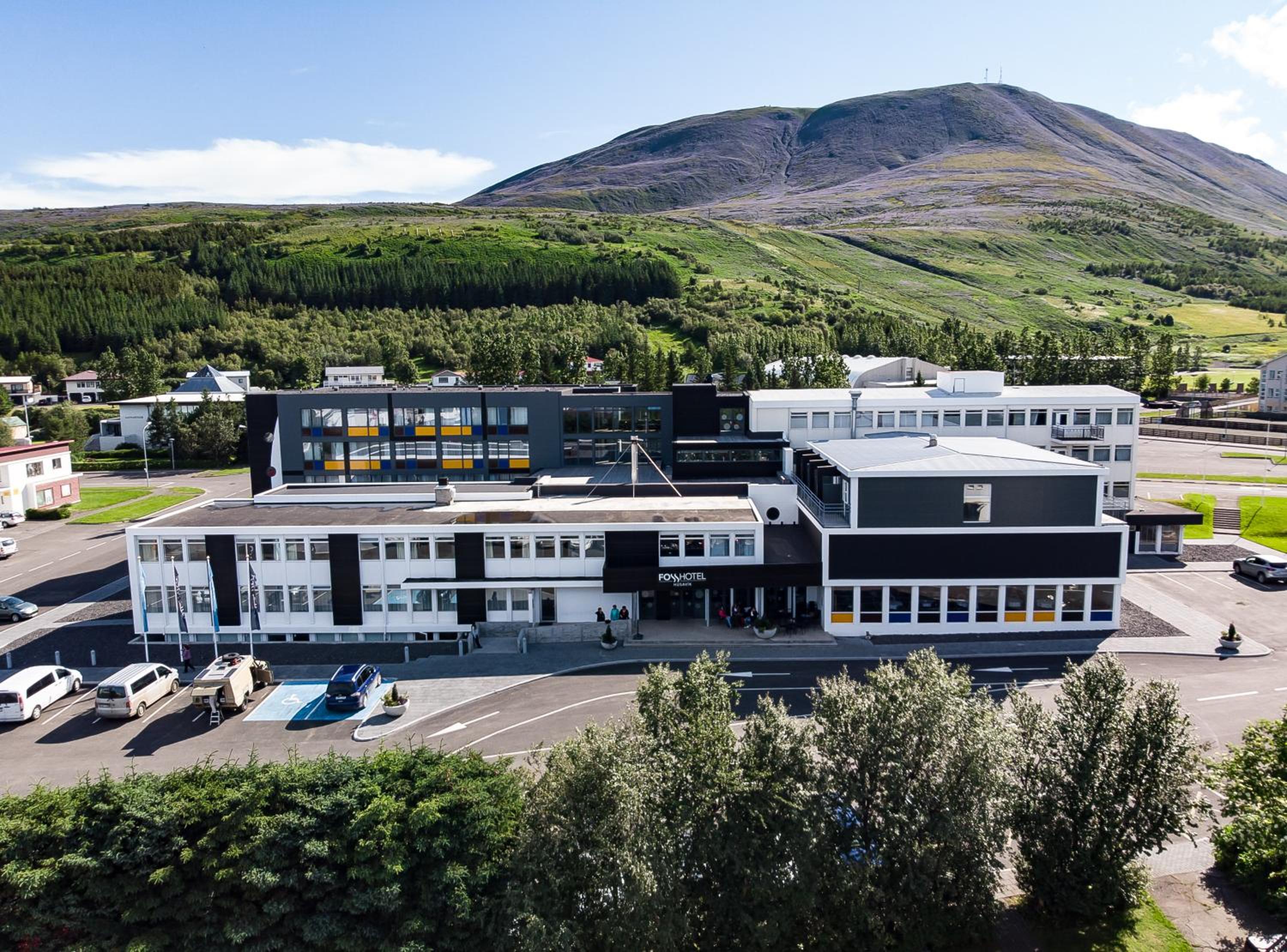
The big hotel on the harbour is the full-service anchor, walkable to everything, the guesthouses on the slope above are the quiet beds with the bay views, and most people sleep at Mývatn an hour away and come for the morning boat. Most travellers give Husavik 1 night on Stippl, and the night is for the harbour at dusk.
The harbour front
The big hotel and a hostel on the quay, €40 to €220 a night.
The church and the main street
Guesthouses and apartments in the old houses, €100 to €200 a night.
The Geosea cliff
No beds at the baths; the town's rooms are five minutes below, €100 to €220 a night.
Above the town
Guesthouses on the slope with bay views, €90 to €190 a night.


What to eat in Husavik
Whatever Skjálfandi landed
The post-sailing warm-up
Fish stew, harbour-grade
The quayside classic
Dessert as ever
Discover food spots in Stippl
Find restaurants and markets on the map, save them to your itinerary, works offline too.
Husavik customs and what not to do
Whale watching runs on a code
Engines idle at distance, no chasing and sonar banned; the operators wrote the rules and take them seriously, and the compliant boats are all of them.
The schooners are heritage
Restored oak fishing boats rather than props, so the crews are treated as sailors rather than staff.
The town switched sides
It survived whaling by turning to watching, the museum tells it without flinching, and the boats now shoot cameras.
The bay is Arctic water
Skjálfandi is cold in August, the overalls on the boat help and the layers under them are the difference.
The pool rule holds
The naked pre-soak shower with soap applies at Geosea and the town pool as everywhere in Iceland.
The film is a joke told well
The Eurovision movie made the town a song, the town sings it back at festivals, and the corners are pointed out with a straight face.
Do
- Book the first sailing of the morning
- Take the museum before the boat and Geosea after
- Dress for the bay rather than the forecast
- Choose the schooner with children
- Take the seasickness pill before, not after
Don't
- Plan a whale sailing in winter
- Put a child under eight on the RIB
- Turn up at the huts in August without a booking
- Treat the schooner crew as staff
- Skip the pre-soak shower at Geosea
What a Husavik trip costs
Camping and the classic sailing
€105–145
The campsite, the schooner ticket and harbour fish.
Guesthouse and sailing
€220–300
A slope double, the boat and Geosea after.
The full show
€340+
The RIB safari, the museum, the baths and a langoustine dinner.
Track what you actually spend
Set a daily budget per country and log expenses in any currency while you travel.
Fun facts about Husavik
Skjálfandi, the bay at Husavik, means trembling bay. Named for its earthquakes, and the whales feed in it because the shallow shelf keeps the food close.
The whale-watching fleet at Husavik includes restored oak herring schooners. Heritage working twice, with the crews sailors first and the binoculars where the nets used to be.
Husavik claims the first house ever built in Iceland. Garðar's winter camp on the bay predates Reykjavík's settlement, and the town's name means house bay.
The Eurovision film made Husavik a song. The town sings it back at its festivals, and the film's corners are pointed out on the harbour with a straight face.
Geosea's tubs at Husavik are seawater rather than spring water. Warmed geothermally on the cliff, so the soak is in the whale bay itself.
A typical Husavik plan on Stippl is made 104 days ahead. The longest lead of any Icelandic stop, because the boats cap their seats and the north is the far side of the loop.
Local tips for Husavik
Sail on the first departure
Sleep at Mývatn or here and sail at half past eight or half past nine, because the first boats get the calmest bay and leave the day whole.
Dress for the bay
Skjálfandi is Arctic water, the overalls on the boat help, and the layers under them are the difference between a good sailing and a cold one.
Seasickness is real
The schooners roll gently and the RIBs slap, so the pill is taken before rather than after.
The RIB has limits
A minimum age of eight and a minimum height, for a reason, and the classic boats take everyone.
Winter driving applies
Road.is in the mornings, and the tunnel road from Akureyri is the maintained one when the coast road is not.
A morning, planned early
35.59% of Stippl stops here are no night at all and 30.2% of plans are made half a year out, because the boat is booked with the north.
Husavik questions, answered
In season, near-certainly: Skjálfandi is a feeding bay and the summer sighting rates run close to sure, with the operators offering retry tickets for the rare blank. A typical Husavik plan on Stippl is made 104 days ahead, the longest lead in Iceland, because the boats cap their seats.
In season, Husavik: more whales, more boats and a calmer bay than the open coast off the capital. In winter, Eyjafjörður from Akureyri is the running option, and Reykjavík is the convenient one rather than the best. Put the sailing into Stippl as the morning after Mývatn, then ask people in subreddits like r/VisitingIceland which boat they took.
The schooner is the atmosphere and the family boat, restored oak with children free; the RIB gets closer faster and adds the puffin island, with a minimum age of eight and a height limit. Most families take the schooner by default, and the pill goes in before either.
It is worth its morning to everyone, and the night suits those who want the harbour at dusk and the first boat. Most travellers give Husavik 1 night on Stippl but 35.59% of stops are no night at all, the sailing made from a Mývatn or Akureyri bed an hour away.
Geosea's cliff baths, the whale museum, the timber church and the Diamond Circle around it, with Ásbyrgi's canyon one way and Dettifoss the other, an hour out each. The plans carrying Husavik on Stippl run about twenty-six stops, the longest in Iceland, because the people who come this far do all of it.
April or May through September or October: blues in early summer, humpbacks all season, and the fleet ties up for winter when they move to Eyjafjörður. May sailings are the connoisseur's opener, and 30.2% of Husavik plans on Stippl are made half a year out, so the boat is booked before the beds.
Every guide is written by the Stippl editors and checked against the trips our travellers actually plan. Spotted something out of date? Let us know.

Plan Husavik in Stippl
Day-by-day planning, stays and budget in one app, with every place from this guide already on the map.
Download the app