
Akureyri
Akureyri is Iceland's second city at village scale, at the head of the longest fjord a hundred kilometres south of the Arctic Circle, and the service capital of the north. One or two nights as the base: Goðafoss half an hour out, the Mývatn circuit an hour, Húsavík's whales an hour the other way.
Akureyri in a nutshell
Akureyri: what to expect
The numbers below come from 72,000+ planned stops in Iceland on Stippl, and the rest from the guides we cross-check.
A night or two in Akureyri is the north's base, and the region is the point. The Mývatn circuit strings pseudocraters, the Dimmuborgir lava castles, Hverfjall's rim and Hverir's boiling mud on one paved loop an hour east, Húsavík runs the European capital of whale watching from May to September, Goðafoss drops the conversion legend's idols right off Route 1, Dettifoss is Europe's most powerful waterfall, and the Earth Lagoon at Mývatn is the Blue Lagoon's milky blue at half the crowd. Most travellers give Akureyri 1 night on Stippl.
Akureyri is where the whole loop shows its hand, and where the north provisions. The strongest lift in the Icelandic layer on Stippl points from here to Egilsstaðir, so the people who reach the north are doing all of it, 30.2% of stops here run two nights, the highest two-night share in the country, and only 1.0% of the trips it appears on start here, of everyone who plans it on Stippl, because the drive is the rule.
Sleep in the centre under the twin-towered church, provision at the region's only real supermarkets, and split the two nights between here and Mývatn if the circuit is the point. Skip the toll tunnel in summer if ten minutes matter less than the fee, and skip independent winter driving here without ice experience, because the north's closures are routine and the rentals default to four-wheel drive for a reason.
Plan Akureyri in Stippl
Day-by-day planning, stays and budget in one app, with every place from this guide already on the map.
Download the appWho Akureyri is for
Ring completers
The strongest lift in the Icelandic layer on Stippl points from here to Egilsstaðir, so the people who reach Akureyri are doing the whole loop.
Whale watchers
Húsavík in season is the European capital of it, and Eyjafjörður runs all year from the town's own harbour as the winter option.
Crowd-averse volcano lovers
Mývatn's craters, lava fields and steam are the Golden Circle's drama at a fraction of its traffic, an hour east.
Two-night planners
30.2% of Stippl stops here run two nights, the highest share in the country, usually one here and one at the lake.
Families
The free town buses, the botanical garden, the pool with its slides and the heart-shaped traffic lights make the north's gentlest stop.
Iceland-only loopers
75.2% of Akureyri trips on Stippl stay inside Iceland, because nobody gets this far north on a multi-country trip.
Maybe not for you: short-trip winter aurora hunters without a package, because December is a sliver of Akureyri plans and the loudest winter coverage is charter advertising; independent winter here means real winter driving, with closures routine and the rentals defaulting to four-wheel drive.
The best time to visit Akureyri
Summer
June to August
The whale season at Húsavík, the midnight sun over the fjord, the Mývatn circuit fully open and August the busiest month on Stippl, with the town's rooms booked ahead.
September
The shoulder
The second busiest month, with the aurora back over the fjord, the whales still running and the Dettifoss roads still open before the closures.
Winter
October to April
The ski season on Hlíðarfjall, the aurora and the year-round whale boats on Eyjafjörður, with the roads to Mývatn and Dettifoss closing routinely in storms.
Midge season
July and August
Mývatn's harmless clouds at their worst, so the head net goes in the bag for the lake day and September is the midge-free answer.
- Most travellers give Akureyri 1 night on Stippl, and 30.2% of stops run two. One for the town and the whales, one for the Mývatn circuit, or one here and one at the lake.
- Only 10.0% of Akureyri plans on Stippl are made inside a fortnight, and 26.3% half a year out. The north is reached on the loop, and the loop is booked as a chain.
- August is the busiest month on Stippl, and September is a close second. The whales and the circuit run in both, and the second month adds the aurora and drops the midges.
- The Dettifoss roads close in winter. The west road shuts from January to March and the east road for half the year, so the winter route to the falls is a super-jeep tour from Mývatn.
- The toll tunnel is the north's one paywall. Vaðlaheiðargöng east of town is paid online within twenty-four hours, and the old mountain road over the top is the free summer alternative at ten to fifteen minutes' cost.
- Húsavík's whales keep to the season. May to September from the harbour there, with children free on the main operator, and Eyjafjörður from Akureyri's own quay is the year-round option.
Add your Akureyri dates and we'll flag the weather
Stippl shows the season, crowds and prices for every stop on your route.
Describe your trip, get a Akureyri itinerary in seconds
Everything in this guide is already in Stippl. Tell the planner how long you have and what you like: it builds the route, the days and the travel times, and you edit whatever you want.
Things to do in Akureyri
The Mývatn circuit
Skútustaðagígar's pseudocraters, Dimmuborgir's lava castles, Hverfjall's rim, Grjótagjá's hot cave for looking only, Hverir's boiling mud and Krafla's Víti crater, on one paved 36-kilometre loop an hour east.
Whales from Húsavík
May to September, the European capital of it, an hour north, with humpbacks the headline and Eyjafjörður sailing all year from Akureyri's own harbour.
Goðafoss
The waterfall of the gods, where the year-1000 lawspeaker threw his pagan idols after the conversion, right off Route 1 half an hour east.
Dettifoss and Selfoss
Europe's most powerful waterfall and its horseshoe neighbour a ten-minute walk upstream, with the seasonal roads to mind.
The Earth Lagoon at Mývatn
The renamed and rebuilt nature baths, the Blue Lagoon's milky blue at half the crowd, above the lake's east shore.
Geosea at Húsavík
Geothermal seawater in cliff-edge pools above the bay, with the whales sometimes in view from the water.
The areas of Akureyri
Miðbær, the centre
The pedestrian strip
Hafnarstræti under the twin-towered church, with the cafes, the two museums and every tour desk within a few blocks, where nearly everyone sleeps. For everyone.
The cafes and every tour desk on foot, but the rooms go early in summer.
The harbour and Hof
The waterfront
The cultural hall and the quay where the whale boats leave, with the fjord light and the cruise ships on their days. For walkers and boat days.
The fjord light and the boats, though the cruise days crowd the strip.
The botanical garden slope
The old timber streets
The 1912 Lystigarður, one of the world's northernmost gardens and free, with the old wooden houses on the streets around it. For slow afternoons.
A subarctic garden for free and the prettiest streets, and a climb from the harbour.
The Eyjafjörður fringe
Across the water
The Forest Lagoon in the trees on the far shore and the airport spit at the fjord's head, for the soak and the forty-five-minute hop to Reykjavík. For soakers and flyers.
The new lagoon and the airport, but a drive from the town's cafes.
See every Akureyri neighbourhood on one map
Save the areas you like and Stippl plots your days so you're not crossing the city twice.
Where to stay in Akureyri
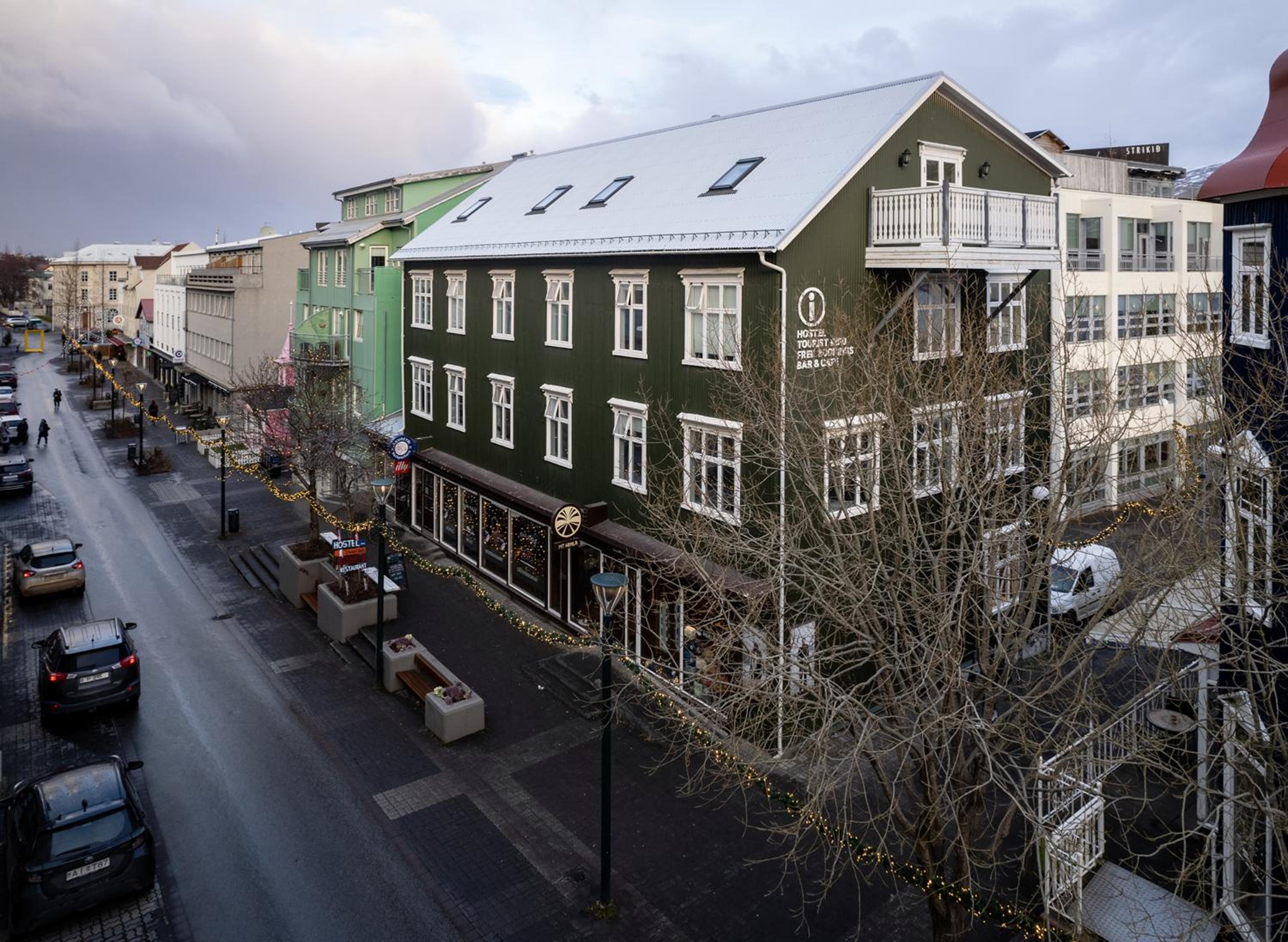
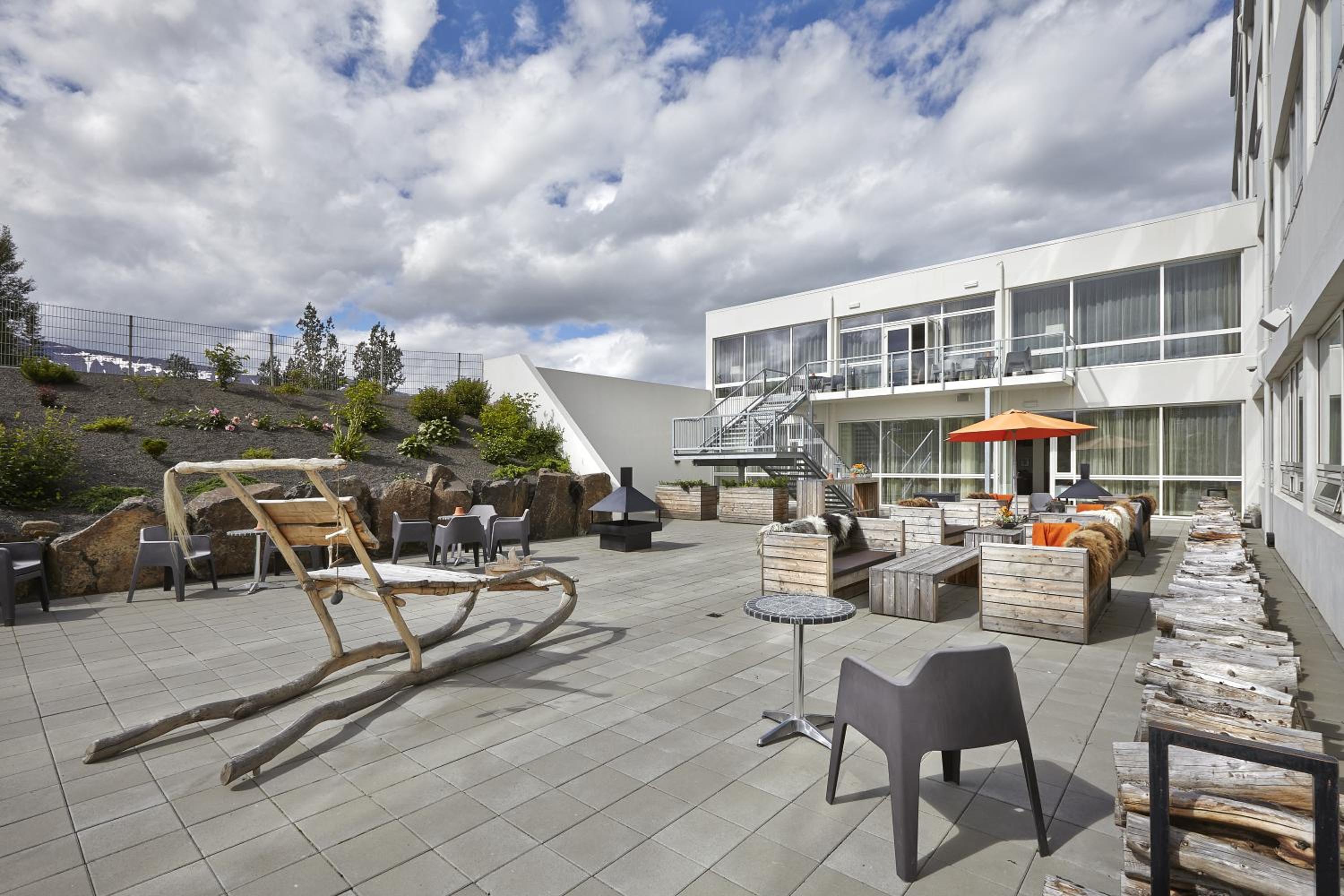
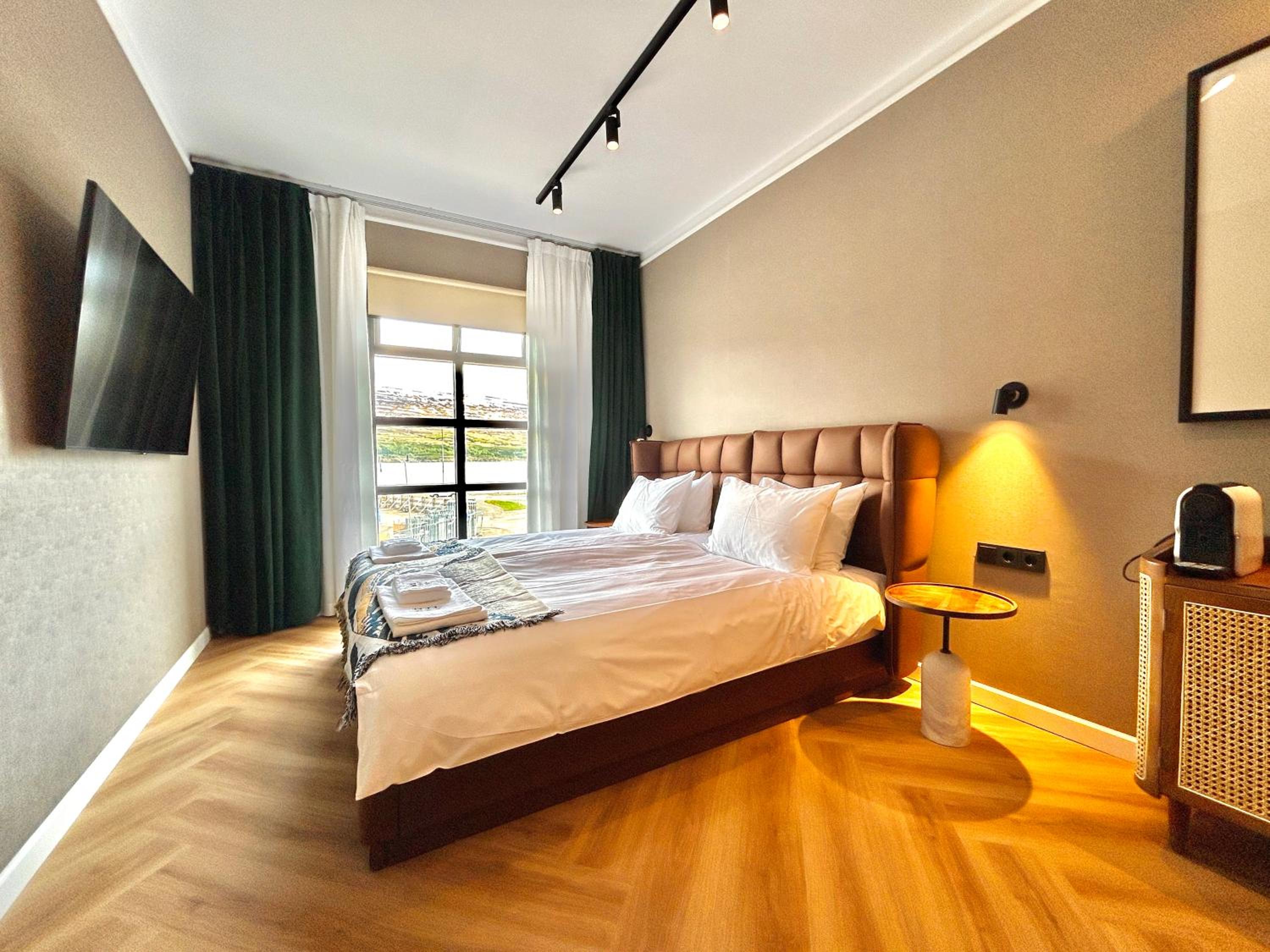
Sleep in the centre under the church, where the town's supply is real by northern standards, with hotels, a backpackers' hostel and apartments within a few blocks, and split the nights with Mývatn if the circuit is the point. Most travellers give Akureyri 1 night on Stippl, and the second is usually the lake's.
Miðbær, the centre
Hotels, the backpackers' hostel and apartments on the strip, €40 to €220 a night.
The harbour and Hof
A few waterfront hotels and suites with hot tubs, €120 to €260 a night.
The botanical garden slope
Guesthouses in the old timber houses, €90 to €200 a night.
The Eyjafjörður fringe
The campsite and a couple of lodges across the fjord, €15 to €180 a night.


What to eat in Akureyri
Smoked arctic trout from the lake
The north's dairy belt at the source
Slow lamb, the inland standard
Einstök, the local brewery's exports at home
Fjord-fresh fish
Discover food spots in Stippl
Find restaurants and markets on the map, save them to your itinerary, works offline too.
Akureyri customs and what not to do
The heart lights are civic care
The red traffic lights are hearts, installed to lift spirits after the 2008 crash and kept as the town's trademark.
The pool rule is national law
The naked pre-soak shower with soap is enforced here as everywhere, and the north's baths are calmer about everything else.
Mývatn is a working wetland
Protected, with living farms and nesting shores, so the paths are kept to and the midge net is local costume rather than comedy.
Beer is brewed here
Einstök, on shelves worldwide, comes from the town, and up the fjord the beer spa lets you bathe in it.
The garden is a point of pride
The Lystigarður has grown subarctic plants since 1912 at 65.7 degrees north, free, and the locals walk it in every season.
The north runs quieter
The tour desks, the pools and the restaurants run at a gentler pace than the capital's, and the welcome is warmer for it.
Do
- Provision here before Mývatn and the east
- Take the whale boat from Húsavík in season, or from the harbour here in winter
- Split the nights between the town and the lake
- Walk the botanical garden and the old timber streets
- Pay the tunnel toll online within a day
Don't
- Bathe in Grjótagjá; the cave water scalds
- Step off the boardwalks at Hverir
- Rely on the Dettifoss roads in winter
- Drive here in winter without ice experience
- Skip the midge net for the lake in July
What an Akureyri trip costs
Camping
€50–85
A campsite pitch, kitchen cooking and the free Mývatn circuit.
Guesthouse
€155–240
A town double, one lagoon and the fuel for the loops.
Tour day
€260+
Whales plus a bath plus dinner, or a winter super-jeep to the falls.
Track what you actually spend
Set a daily budget per country and log expenses in any currency while you travel.
Fun facts about Akureyri
The red traffic lights in Akureyri are hearts. A financial-crisis morale measure from 2008 that became the town's trademark, and the town has kept them ever since.
The botanical garden in Akureyri has been open since 1912. Among the world's northernmost, a subarctic garden at 65.7 degrees north, and free to walk.
Goðafoss near Akureyri carries the conversion legend. The year-1000 lawspeaker threw his pagan idols over the falls after Iceland chose Christianity, and the name means waterfall of the gods.
Eyjafjörður at Akureyri is Iceland's longest fjord. One of its most reliable whale larders too, which is why the boats sail all year from the town's harbour.
Einstök beer is brewed in Akureyri. It sits on shelves worldwide, and up the fjord the beer spa lets you bathe in it.
30.2% of stops in Akureyri run two nights on Stippl. The highest two-night share of any Icelandic stop, and most of them mean one night here and one at Mývatn.
Local tips for Akureyri
The toll tunnel is the paywall
Vaðlaheiðargöng east of town is paid online within twenty-four hours, and the old mountain road over is the free summer alternative at ten to fifteen minutes' cost.
The town buses are free
A circular city line at no charge, with the scooter apps filling the gaps, so the car stays parked for the town day.
Geothermal ground is the trap
Hverir and Leirhnjúkur's crusts are thin and scalding, and the ropes and the boardwalks are the boundary of safe.
Grjótagjá is for looking
The cave water runs above fifty degrees since the Krafla fires, and bathing is forbidden.
Winter driving is real here
Closures are routine, the airport rentals default to four-wheel drive, and road.is is the morning liturgy; storms reroute itineraries and locals treat that as normal.
A night or two, mid-loop
Most travellers give Akureyri 1 night on Stippl and only 1.0% of trips start here, so the town is reached by the ring rather than the flight.
Akureyri questions, answered
Akureyri for supply, restaurants and price; Mývatn for waking up inside the circuit. 30.2% of stops here run two nights on Stippl, the highest share in the country, and most of those mean one of each, with the town first for the shopping and the lake second for the dawn.
In season, May to September, Húsavík: the capital of it, an hour north, with children free on the main operator. In winter, Eyjafjörður from Akureyri's own harbour is the running option, and the humpbacks are in the fjord more often than the brochures admit.
Usually not by hire car: the west road closes from January to March and the east road for half the year, so the winter route is a super-jeep tour from Mývatn. Only 10.0% of Akureyri plans on Stippl are made inside a fortnight, and the seasonal roads are part of why the north is planned early.
The people who come this far are doing the whole loop, with the strongest lift in the Icelandic layer on Stippl pointing from here to Egilsstaðir, and pairing the north with the east. With less than a week the south usually wins; lay the loop out in Stippl and ask people who have driven it in subreddits like r/VisitingIceland whether the north fits.
The name means midge lake, and the high-summer swarms are harmless and maddening, crawling into ears and lenses rather than biting. The head net wins, the locals wear them, and September is midge-free with the aurora back, which is why the shoulder is the second busiest month here.
Three of them: the Earth Lagoon at Mývatn, the renamed nature baths at half the Blue Lagoon's price and a fraction of its crowd, Geosea's cliff-edge sea baths at Húsavík, and the Forest Lagoon across the fjord for the town itself. Most travellers give Akureyri 1 night on Stippl, which is enough for one of them.
Every guide is written by the Stippl editors and checked against the trips our travellers actually plan. Spotted something out of date? Let us know.

Plan Akureyri in Stippl
Day-by-day planning, stays and budget in one app, with every place from this guide already on the map.
Download the app