

Guatemala City
Guatemala City is the largest city in Central America and the country's only real international gateway, a highland valley at 1,500 metres ringed by volcanoes and organised by numbered zones, which almost every visitor passes through and few stay in. One night for an awkward flight or the finest Maya collection anywhere, Uber rather than a street taxi, and the shuttle to Antigua in an hour.
Guatemala City in a nutshell
Guatemala City: what to expect
The numbers below come from 52,000+ planned stops in Guatemala on Stippl, and the rest from the guides we cross-check.
One night in Guatemala City, or none, and the museum is the honest reason to give it a day. The MUNAE holds the finest Maya collection in Central America, better than anything at the sites themselves, the Palacio Nacional's murals are seen on a guided tour, Zona 4 is the one genuinely interesting neighbourhood with its galleries, street art and craft breweries, the Mercado Central runs beneath the cathedral, the Mapa en Relieve is an open-air relief map of the whole country, and Pacaya is a half-day trip that most people do from Antigua instead. Most travellers give Guatemala City 1 night on Stippl.
Guatemala City is passed through, and the plans say so plainly. The capital is on 44.8% of the trips planned through the country on Stippl, 24.90% of its stops are no night at all and 51.6% are a single night, the highest shares of both in the country, because the airport shuttle to Antigua takes an hour and that is what most people do.
So take the shuttle straight to Antigua on arrival, come back for a night in Zona 10 or 13 if the flight is early, give the MUNAE a morning on the way to the airport, and move by Uber. Skip a street taxi from the airport, since express kidnappings are tied to exactly that, skip Zona 1 after dark, and skip looking like a tourist, because that is the thing the safety advice is about.
Plan Guatemala City in Stippl
Day-by-day planning, stays and budget in one app, with every place from this guide already on the map.
Download the appWho Guatemala City is for
Maya archaeology travellers
The MUNAE collection is better than anything at the sites themselves and is the honest reason to give the city a day.
Awkward-flight travellers
A night in Zona 10 or 13 beats a pre-dawn shuttle from Antigua, and 51.6% of Stippl stops here are exactly that night.
Art and city people
Zona 4 is the one genuinely interesting neighbourhood, with the galleries, the street art and the breweries, and it is small.
Flores-bound travellers
The Flores flight leaves from here and turns a ten-hour road day into an hour, so the airport is the reason to pass through twice.
Maybe not for you: nearly everyone else, and honesty is better than pretending otherwise: 24.90% of the city's stops on Stippl involve no night at all, the guides are thin on it because travellers skip it, and the airport shuttle to Antigua takes an hour.
The best time to visit Guatemala City
The dry season
November to April
Clear skies, cool nights at 1,500 metres and the volcanoes visible from the airport road, and the whole visitor year for the country around it.
The wet season
May to October
Afternoon rain most days and clear mornings, the city greener and the traffic worse, and no difference to a one-night stay.
The canícula
Late July to early August
A short dry spell inside the wet season, and the weeks the Guatemalan diaspora flies home through this airport.
Christmas and New Year
Mid-December to early January
The airport at its busiest, the shuttles booked ahead, and the Quema del Diablo on 7 December filling the streets with smoke.
- Most travellers give Guatemala City 1 night on Stippl, and 24.90% of stops are no night at all. The highest pass-through share in the country, and the shape the airport gives the city.
- The airport shuttle to Antigua takes an hour. Arranged before landing through any Antigua hotel, and the reason the capital's typical stay is measured in hours.
- The MUNAE is in Zona 13, beside the airport. A morning there on the way to a flight is the way most people who see it see it, and Monday is the closed day.
- The Flores flight leaves early. The morning departures make Tikal a same-day sunrise the next morning, so the night before is the one night here that earns itself.
- The Palacio Nacional is toured, not wandered. The interior and the murals are seen on a guided tour on the hour, and the plaza outside is a daytime visit.
- The burning of the devil fills the streets with smoke on 7 December. Effigies burned at six in the evening across the city, an hour of fire and firecrackers, and the smoke as the reason to stand back.
Add your Guatemala City dates and we'll flag the weather
Stippl shows the season, crowds and prices for every stop on your route.
Describe your trip, get a Guatemala City itinerary in seconds
Everything in this guide is already in Stippl. Tell the planner how long you have and what you like: it builds the route, the days and the travel times, and you edit whatever you want.
Things to do in Guatemala City
The MUNAE
The National Museum of Archaeology and Ethnology, with the finest Maya collection in Central America and the stelae the sites no longer have.
The Palacio Nacional
The murals and the state rooms on a guided tour of the interior, on the plaza in Zona 1 by day.
Zona 4
The galleries, the street art and the craft breweries of the post-industrial arts district, the only part of the city with a scene of its own.
The Mercado Central
The market beneath the cathedral, with the comedores for enchiladas, revolcado and rellenitos at market prices.
The Mapa en Relieve
A 1905 open-air relief map of the whole country at scale in Zona 2, with the volcanoes exaggerated and the coasts flat.
Pacaya as a half day
The easy active volcano, with the lava fields and the marshmallows, done from here on the way to Antigua or from Antigua instead.
The zones of Guatemala City
Zona 1
The colonial core
The plaza, the cathedral and the National Palace, with the Palacio's murals and the Mercado Central beneath the cathedral, and a district to be in by day. For day visitors with a museum plan.
The plaza and the market by day, and a district to leave before dark.
Zona 4
The arts district
Post-industrial galleries, craft beer and street art in the blocks called Cuatro Grados Norte, the most alive part of the city and the only part with a scene. For anyone actually staying a night.
The one neighbourhood with a scene, and it is small.
Zona Viva
The business district
Zonas 9 and 10, the restaurant and business district where the international hotels are, safe, dull and convenient. For airport nights and business trips.
Safe and convenient, and as dull as an airport night needs.
Zona 13
The airport zone
The MUNAE, the zoo and the airport in one zone, for anyone with a few hours before a flight and nowhere else to be. For a museum morning.
The museum and the airport together, and nothing to do at night.
Zona 2
The relief map
Residential streets north of the centre with the 1905 Mapa en Relieve and Minerva Park, a curiosity rather than a base. For a curious hour.
A single sight in a quiet district, and a taxi each way.
See every Guatemala City neighbourhood on one map
Save the areas you like and Stippl plots your days so you're not crossing the city twice.
Where to stay in Guatemala City
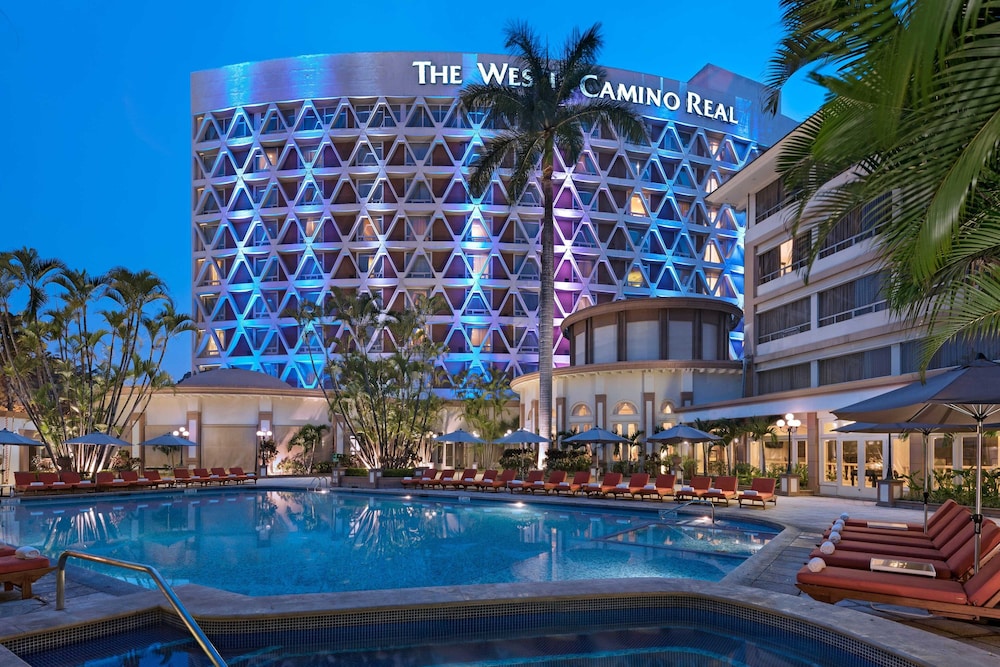
Zona 10 or 13 for an airport night, which is what most stays here are for, and Zona 4 for the one night that is meant to see the city. Most travellers give Guatemala City 1 night on Stippl, and the international hotels are all in the Zona Viva.
Zona 1
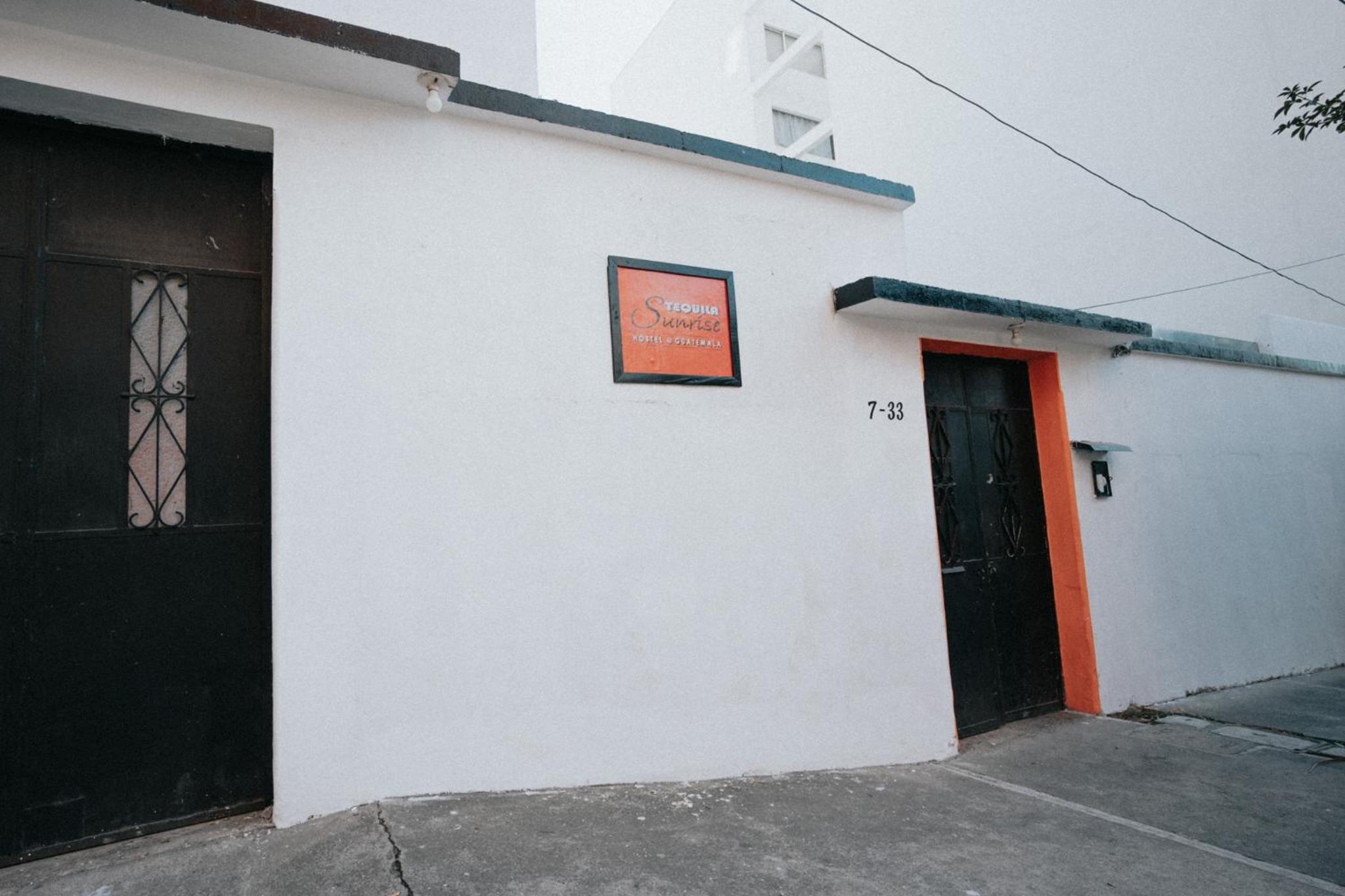
Old hotels and hostels around the plaza, €10 to €40 a night.
Zona 4
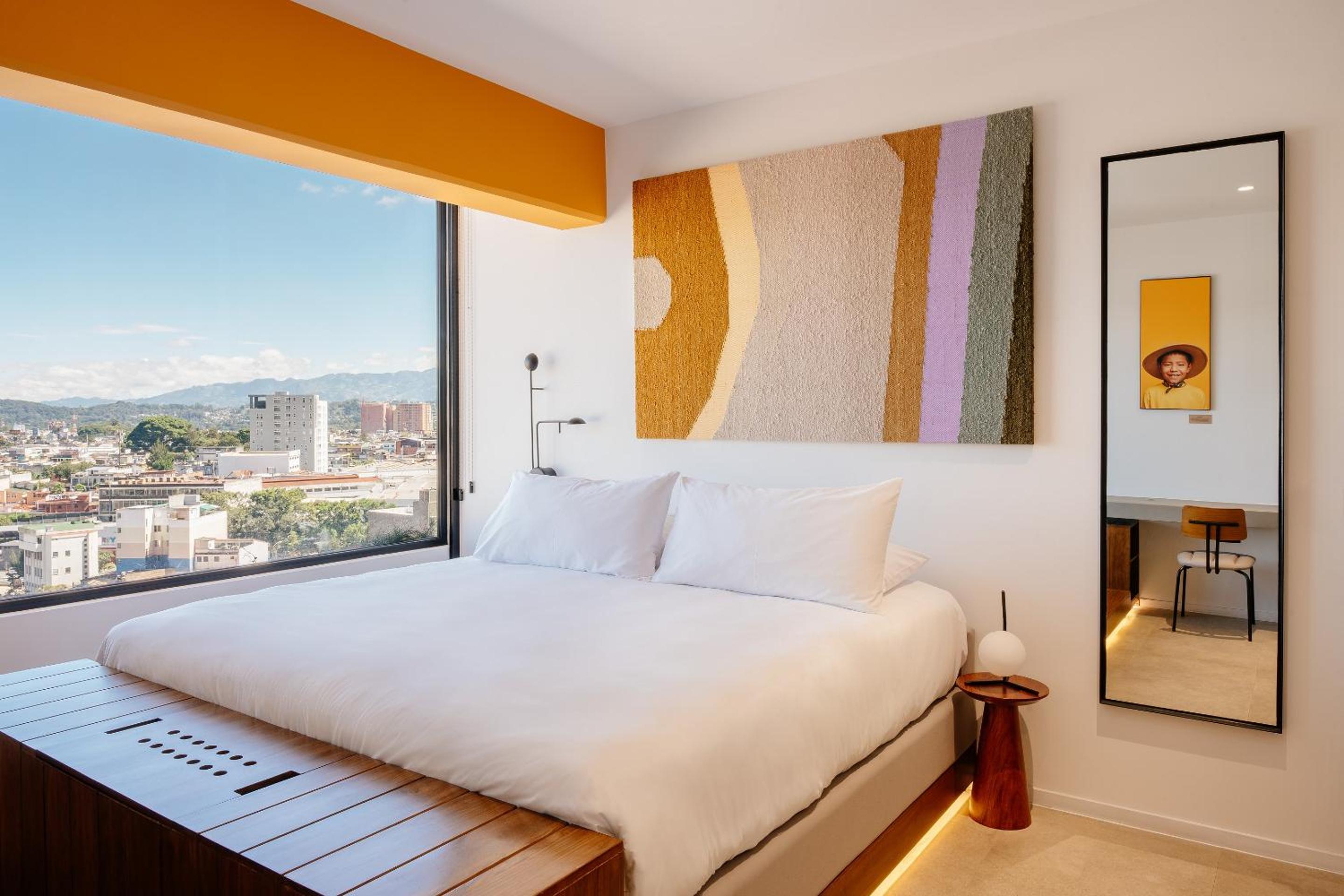
Design hostels and boutique rooms in the arts district, €15 to €70 a night.
Zona Viva
The international chains and business hotels, €70 to €200 a night.
Zona 13
Airport hotels and guesthouses with a shuttle, €30 to €120 a night.
Zona 2
$
A few guesthouses in the residential streets, €20 to €50 a night.


What to eat in Guatemala City
The national stew, cooked properly rather than for visitors
The Q'eqchi' turkey soup, one of the country's defining dishes
Enchiladas, revolcado and rellenitos at market prices
The new wave, built on the country's own producers
The only kitchens of that rank in Guatemala
Discover food spots in Stippl
Find restaurants and markets on the map, save them to your itinerary, works offline too.
Guatemala City customs and what not to do
The zone number is the address
Locals ask which zona before anything else, and every address, taxi and warning in the city is given by its number.
Ask before photographing
As everywhere in Guatemala, and in the Mercado Central as much as in a highland village.
Dress down
This is not Antigua, and looking like a tourist is the thing the safety advice is about, so the camera and the watch stay in the bag.
Buenas is the greeting
The same word used everywhere in the country, on entering a shop, a lift or a comedor.
Business runs on time
Relaxed socially and expected in business, and this is the country's business city, so the meetings run on time and the dinners do not.
Do
- Move by Uber, from the airport especially
- Give the MUNAE a morning on the way to a flight
- Sleep in Zona 10 or 13 for an early flight, Zona 4 to see the city
- Take the shuttle to Antigua on arrival
Don't
- Take a street taxi from the airport
- Walk in Zona 1 after dark
- Carry valuables on foot anywhere in the city
What a Guatemala City trip costs
Budget
€22–35
A dorm bed, comedor meals and the Uber to the museum.
Mid-range
€52–86
A Zona 4 or Zona 10 room, a restaurant dinner and the tour of the Palacio.
High-end
€130+
A Zona Viva hotel, a tasting menu and a private transfer to Antigua.
Track what you actually spend
Set a daily budget per country and log expenses in any currency while you travel.
Fun facts about Guatemala City
Guatemala City is the largest city in Central America. About three million in the metropolitan area, in a highland valley at 1,500 metres ringed by volcanoes.
Guatemala City's Mapa en Relieve is a 1905 open-air map of the whole country. Built at a distorted vertical scale, so the volcanoes tower and the coasts lie flat.
The MUNAE in Guatemala City holds a better Maya collection than the sites themselves. The finest stelae and jade in Central America, moved here from Tikal and the Petén for safekeeping.
Guatemala City became the capital in 1776 after the earthquake at Antigua. The third capital of the country, after Ciudad Vieja was buried and Antigua was shaken down.
Guatemala City is addressed by 25 numbered zones laid out in a spiral. Zona 1 at the centre, and the numbers winding outwards, so the zone is the address before the street.
24.90% of Guatemala City stops on Stippl are no night at all. The highest pass-through share in the country, and the airport is why.
Local tips for Guatemala City
Uber is the way to move
Every guide says the same thing in the same order, and the street taxis from the airport are the one thing to refuse without discussion.
The airport is inside the city
La Aurora sits in Zona 13 among the museums, so the hour to Antigua is the default rather than a compromise, and the airport hotels exist for the early flights.
The Flores flight starts here
Turning a ten-hour road day into an hour, and the morning departures are the reason for the one night that earns itself.
The buses are not for visitors
The TransMetro exists and no guide recommends it, so the Uber is the transport and the fare is a few euros.
The risk concentrates here
Uber rather than street taxis, not Zona 1 after dark, and no valuables on foot, and express kidnapping from the airport taxis is the named danger.
One night, or none
Most travellers give Guatemala City 1 night on Stippl, and 51.6% of stops are a single night, the airport night before a flight.
Guatemala City questions, answered
Most people do not: 24.90% of Guatemala City stops on Stippl involve no night at all, and the typical stay is one. A night makes sense for an awkward flight or for the MUNAE, and otherwise the shuttle to Antigua is the answer.
It needs more care than anywhere else on the circuit. Uber rather than street taxis, not Zona 1 after dark, no valuables on foot, and express kidnapping is tied specifically to street taxis from the airport, so the app car is booked before the doors open.
The Zona Viva or the airport zone for an airport night, the arts district to actually see the city, and the colonial core by day only for the plaza and the market. 51.6% of Guatemala City stops on Stippl are a single night, and almost all of them are beside the airport.
The MUNAE, and then the arts district. The museum holds a better Maya collection than the sites themselves, and the arts district is the one neighbourhood with a scene. Put the museum into Stippl for the morning of the flight, then ask people in subreddits like r/guatemala which brewery they went back to.
The shuttle from the airport, about an hour, and it is what nearly everyone does, arranged through the Antigua hotel before landing so the driver is at arrivals with a name board. An Uber costs about three times the shuttle and takes the same hour, and the chicken bus is the version nobody with luggage takes.
Yes, an hour against eight to ten by road, and it is the flight worth paying for in this country. The morning departures put you in Flores for the pre-dawn Tikal shuttle the next day, which is why the capital is on 44.8% of Guatemalan trips planned on Stippl.
Every guide is written by the Stippl editors and checked against the trips our travellers actually plan. Spotted something out of date? Let us know.

Plan Guatemala City in Stippl
Day-by-day planning, stays and budget in one app, with every place from this guide already on the map.
Download the app