

Shanghai
Shanghai is the softest landing China offers: 1920s banking halls on one bank of the river, a skyline that did not exist in 1990 on the other, and plane-tree lanes in between. Three nights, the French Concession for the stay, and the Bund for the view both ways.
Shanghai in a nutshell
Shanghai: what to expect
We read 113,000+ planned stops in China on Stippl to see how Shanghai really gets planned.
Shanghai is three nights, and the easiest major Chinese city for a first-time visitor. The Bund's mile of 1920s banking halls faces the Lujiazui skyline across the river, and you look at one from the other; the former French Concession is the neighbourhood people fall for, with plane trees, lane houses and cafés, and around them sit the Shanghai Tower's 118th floor, Tianzifang's shikumen alleys, Yu Garden inside the old walled city and Xintiandi's polished lanes. Most travellers give Shanghai 3 nights on Stippl.
A China trip turns on Shanghai, the one Chinese city people visit on its own. The city opens 25.0% of the trips it appears on and closes about as many, of everyone who plans it on Stippl, 58.22% of Shanghai stops run to three nights or more, and it is the Chinese city most often the whole trip, for a business visit or a stopover with the airport at hand.
Sleep in the French Concession unless the Bund view is the point, take the metro rather than the maglev into town, and book the Shanghai Museum's free slot ahead. The signage, the metro and the international infrastructure are all a step ahead of the rest of the country. Skip June's plum rains and the typhoon weeks of August, and skip the maglev as transport, because it lands at Longyang Road rather than in town.
Plan Shanghai in Stippl
Day-by-day planning, stays and budget in one app, with every place from this guide already on the map.
Download the appWho Shanghai is for
First-time China travellers
The softest landing the country offers, with the signage, the metro and the international infrastructure a step ahead of everywhere else.
Architecture travellers
The 1920s Bund, the shikumen lanes and the tallest building in China within a few kilometres of each other, on foot and one metro line.
Food travellers
Soup dumplings, pan-fried shengjianbao for breakfast, hairy crab in autumn and one of Asia's serious restaurant cities at every price.
Short-trip travellers
Shanghai is the Chinese city most often visited on its own, and 58.22% of its stops on Stippl run to three nights or more.
Shoppers
The fabric market and the tailoring are a genuine reason to come, with a suit measured on day one and collected on day three.
Early planners
Most travellers plan Shanghai about 93 days ahead on Stippl, longer than China as a whole, because the flights are the international ones.
Maybe not for you: anyone looking for old China, since Shanghai is 180 years of it and the imperial country is north and west; and anyone here in June, when the plum rains sit over the city for the month.
The best time to visit Shanghai
Spring
March to May
The best window with October: mild, dry enough, the plane trees in leaf on the Concession streets and the Bund walkable at any hour, with Labour Day week the crowd to dodge.
Plum rains
June
A named local season of persistent drizzle and humidity that sits over the city for the month, and the one month to avoid outright.
Summer
July and August
Hot, humid and typhoon-prone, with the tower's observation deck the air-conditioned answer and the Bund at dusk the only outdoor hour that works.
Autumn
September to November
The best of the year, with the hairy-crab season from October, clear skies over the skyline and Golden Week in the first week of October the fortnight to avoid.
- Most travellers give Shanghai 3 nights on Stippl, and 22.38% of stops are a single night. Three covers the Bund, the Concession and the tower; the day trips to Suzhou or Hangzhou take the fourth.
- Most travellers plan Shanghai about 93 days ahead on Stippl, and 27.88% book half a year out. The international flights land here, so the trip is fixed around them and the city's own tickets are booked days ahead.
- Golden Week in the first week of October fills the Bund, Yu Garden and every train out. The rest of October is the best month of the year, so the trip moves a week rather than a month.
- Chinese New Year empties the city of migrants and fills it with families. Many small restaurants close for the fortnight, the Bund lights stay on, and the Yu Garden lantern festival is the reason to be here.
- The hairy-crab season runs from October to December. A serious local event with the crabs sold by weight and sex, and the restaurants that specialise book out at weekends.
- The Shanghai Museum is free and cannot be walked into. A timed booking with the passport is compulsory, and the new east building in Pudong has the bronzes.
Add your Shanghai dates and we'll flag the weather
Stippl shows the season, crowds and prices for every stop on your route.
Describe your trip, get a Shanghai itinerary in seconds
Everything in this guide is already in Stippl. Tell the planner how long you have and what you like: it builds the route, the days and the travel times, and you edit whatever you want.
Things to do in Shanghai
 Photo by Iewek Gnos via Unsplash
 Photo by Sean Lim via Unsplash
 Photo by Max van den Oetelaar via Unsplash
The Bund at dusk
The banking halls lit on one side and Lujiazui on the other, walked from the Peace Hotel to the Waibaidu bridge as the lights come on, then the ferry across for the view back.
A French Concession walk
Wukang Road, Yongkang Lu and the lane houses between them under the plane trees, with the cafés and boutiques in the villas and the Propaganda Poster museum in a basement.
The Shanghai Tower's 118th floor
The highest public viewpoint in China, in the fastest lifts in the world, best on a clear morning when the river and the Bund's roofs are all below.
Tianzifang
Shikumen alleys of studios, galleries and courtyard bars in a maze of lanes, the working-artist version of Xintiandi and the better one for wandering.
Yu Garden and the old city bazaar
Four centuries of classical garden inside the old walled city, with the zigzag bridge, the teahouse and the crowd that comes with them, best at opening.
Xintiandi
The polished counterpart, restored shikumen turned restaurants and showrooms, with the hall of the first Communist Party congress preserved inside it.
The neighbourhoods of Shanghai
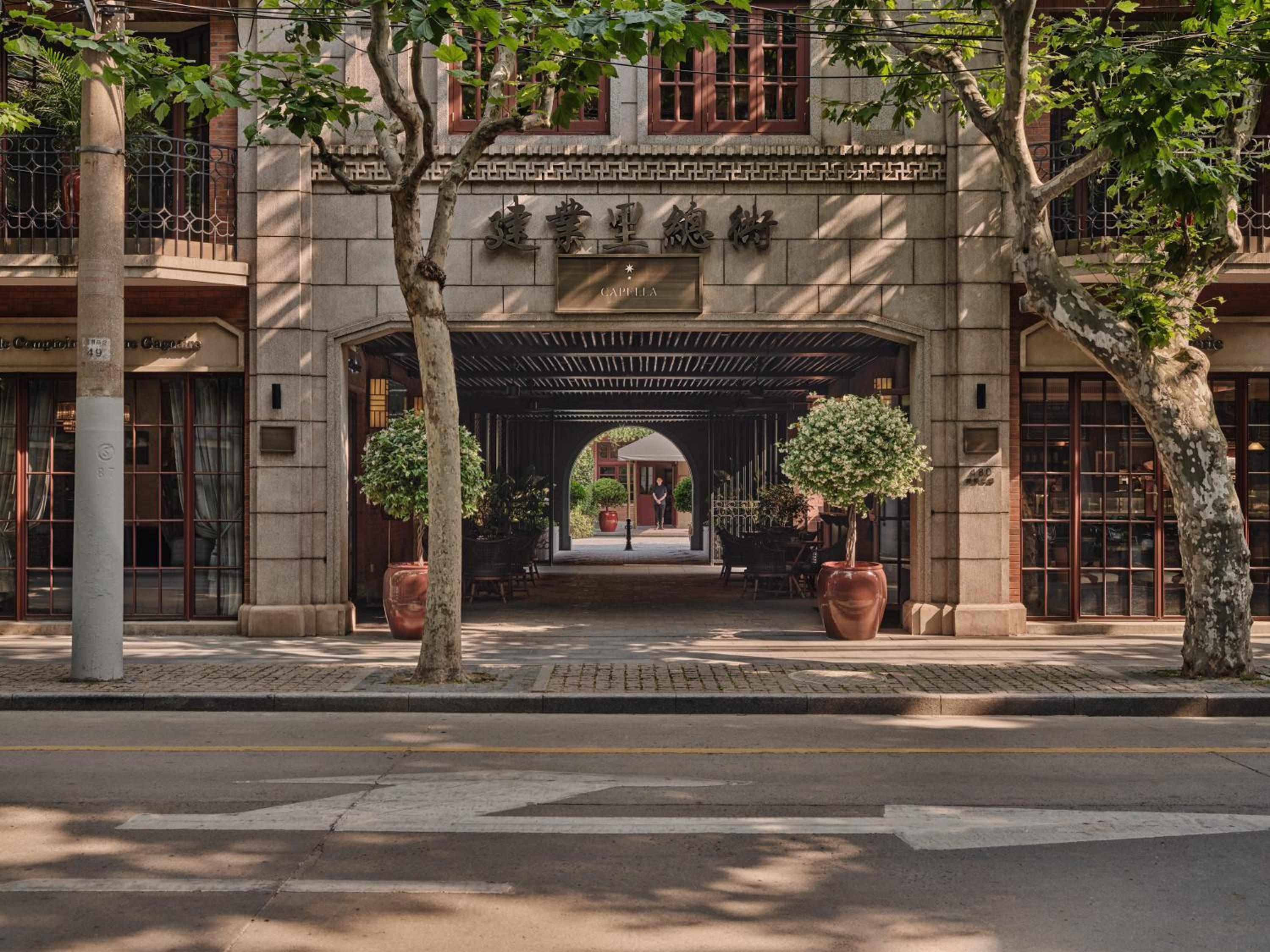
French Concession
Plane trees and lane houses
The most walkable and the most charming part of Shanghai, with 1920s villas turned boutiques, small cafés and the bars of Yongkang Lu, across Xuhui and part of Huangpu. For almost everyone.
The best streets and the best evenings, at a metro ride from the Bund and the tower.
The Bund
The postcard
The colonial waterfront, the banking halls, the rooftop bars and the river, with the grandest hotels in the city and the view both ways. For the splurge.
The view from the room, at the highest prices and on the busiest pavement in China.
Lujiazui
Height and modernity
The financial district across the river with the Shanghai Tower, Jin Mao and the World Financial Centre, the skyline seen from inside it. For the towers.
The highest viewpoint and the newest hotels, in a district that empties after the offices.
Xintiandi
Polished evenings
Restored shikumen turned bars, showrooms and restaurants, immaculate and international, with the Party's first congress hall inside it. For polished nights.
Immaculate restoration and the best restaurants, at prices to match.
Tianzifang
Unhurried browsing
A bohemian shikumen maze of studios, galleries and rooftop cafés, lived in as well as visited, on the southern edge of the Concession. For wandering.
The working-artist lanes and cheap cafés, with few beds and a crowd on weekend afternoons.
See every Shanghai neighbourhood on one map
Save the areas you like and Stippl plots your days so you're not crossing the city twice.
Where to stay in Shanghai
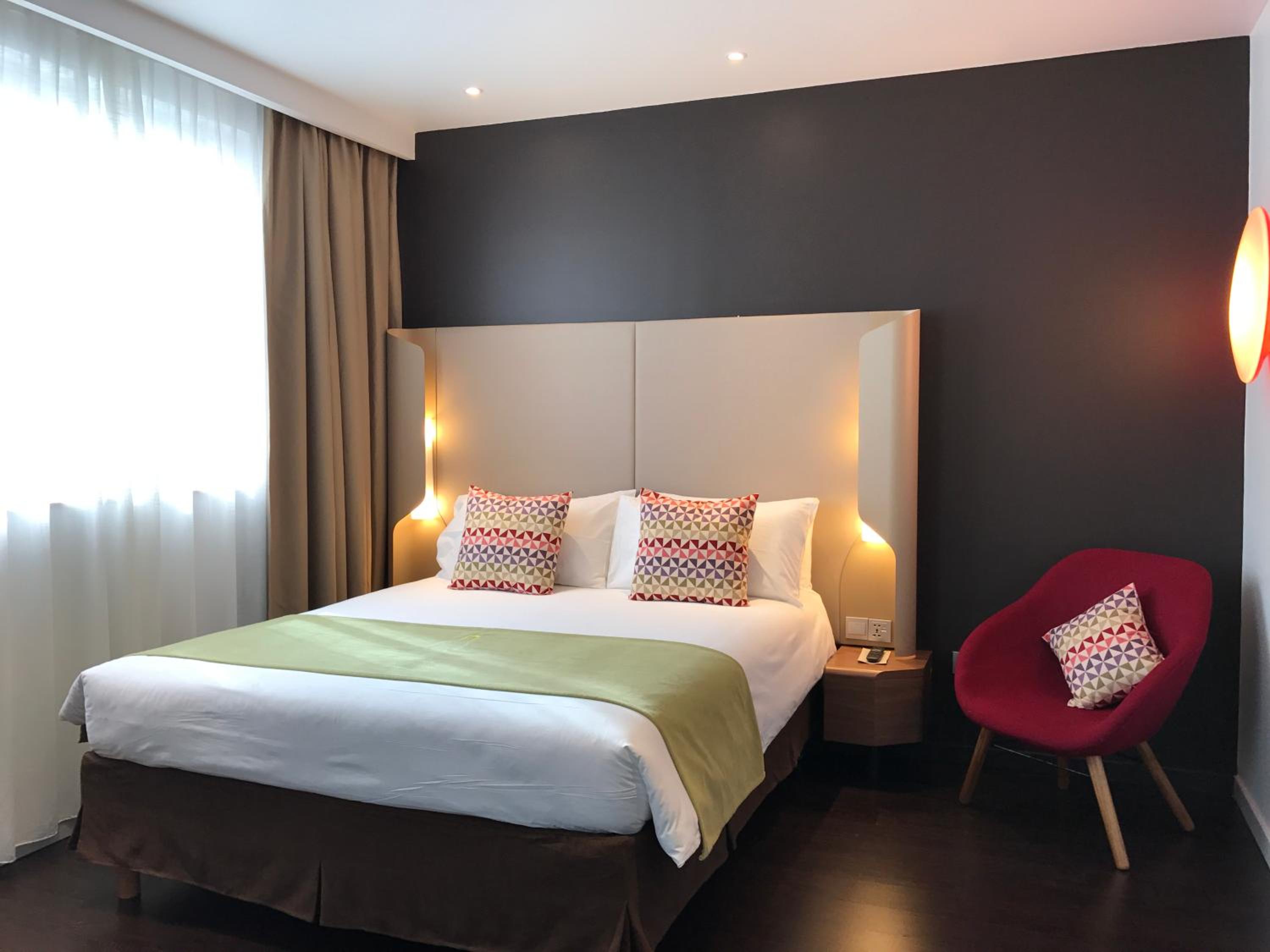
Sleep in the French Concession for the stay and the Bund for the splurge, with Jing'an between them as the practical compromise on the metro. Most travellers give Shanghai 3 nights on Stippl, 58.22% of stops run to three or more, and the international chains price the Bund view at a multiple of a Concession lane house.
French Concession
€50–200
Boutique hotels in villas and lane-house guesthouses, €50 to €160 a night.
The Bund
The heritage grand hotels and the river-view towers, €150 to €500 a night.
Lujiazui
The skyline hotels inside the towers, €120 to €400 a night.
Xintiandi
€70–250
Design hotels and serviced apartments among the restaurants, €90 to €250 a night.
Tianzifang
€40–140
A few small hotels and hostels around the lanes, €30 to €100 a night.


What to eat in Shanghai
Soup dumplings, the city's own, eaten with vinegar and ginger
Pan-fried pork buns with a crisp base, a Shanghai breakfast
Red-braised pork belly, sweet and dark, the local braise
Cong you ban mian: noodles, scallion oil, nothing else
A short autumn season, and a serious local event
The city's international restaurant scene, at international prices
Discover food spots in Stippl
Find restaurants and markets on the map, save them to your itinerary, works offline too.
Shanghai customs and what not to do
Used to foreigners
Shanghai is more used to visitors than anywhere else in China and behaves like it, with English on the metro and in the Concession's cafés.
Proud of being modern
The city's self-image is the skyline rather than the dynasties, the opposite of Beijing's, and the old city is a small walled quarter rather than the point.
Queues are closer to European
Escalator and queue conventions are nearer Europe's than elsewhere in the country, and pushing at the metro gate is noticed here.
Payment is the apps
Alipay or WeChat Pay with a foreign card linked before arrival; the metro, the taxis and the dumpling counters all run on them.
The tea-house invite is a scam
The friendly students on Nanjing Road inviting you to a tea ceremony or an art show are the standard nuisance, as in Beijing.
Tipping is not done
Neither expected nor encouraged, at the Bund's grand hotels as much as at a noodle counter.
Do
- Take the metro into town from Pudong; the maglev lands short
- Walk the Bund at dusk, then take the ferry across for the view back
- Book the Shanghai Museum's free slot with the passport
- Eat shengjianbao standing at a counter for breakfast
- Take the train to Suzhou or Hangzhou for a day; both are under an hour
Don't
- Ride the maglev as transport; ride it once as a novelty
- Follow a tea-ceremony invitation on Nanjing Road
- Come in June expecting to walk anywhere dry
- Expect old China here; it is north and west
- Photograph the police or the government buildings on the Bund
What a Shanghai trip costs
Budget
€25–45
A hostel bed in Huangpu or Jing'an, street food and canteen meals, the metro, the free half of the city.
Mid-range
€45–100
A private room in the French Concession, mixed street and restaurant meals, the Shanghai Tower and a museum or two.
High-end
€180+
A Bund or Concession heritage hotel, rooftop bars, a tasting menu, taxis instead of the metro.
Track what you actually spend
Set a daily budget per country and log expenses in any currency while you travel.
Fun facts about Shanghai
The Shanghai Tower's 118th-floor deck is the highest public viewpoint in China. At 546 metres, reached by lifts that were the fastest in the world when they opened.
The Bund's banking halls date from the 1920s and 1930s. When Shanghai was the financial capital of East Asia, and the Hongkong and Shanghai Bank's dome still stands over them.
Xintiandi is built around the first congress hall of the Chinese Communist Party. The 1921 meeting house is preserved inside the restored lanes of bars and showrooms.
The Shanghai maglev runs at 430 kilometres an hour. It covers thirty kilometres in seven to eight minutes and then leaves you at a suburban metro station.
Yu Garden in Shanghai is over 400 years old. A Ming-dynasty classical garden inside the old walled city, with a zigzag bridge built to confuse evil spirits.
Shanghai is the Chinese city most often visited on its own. 3.71% of its stops on Stippl are the whole trip, a share no other Chinese city reaches.
Local tips for Shanghai
The metro covers everything
About €0.40 to €1.80 by distance, bilingual, and it reaches the Bund, the Concession, the tower and both airports; a contactless card or the app opens the gate.
The maglev is a novelty
Genuinely fast at 430 kilometres an hour, but it lands at Longyang Road rather than in town, so ride it once for the speed and take the metro for the transport.
Two airports, far apart
Pudong for international flights and Hongqiao mostly for domestic, on opposite sides of the city, so the onward flight's airport decides the last night's hotel.
Very safe for visitors
Essentially nothing is recorded against travellers, and the ordinary rules are the only ones; the Nanjing Road tea-house approaches are the standard nuisance.
Suzhou and Hangzhou by train
Both under an hour by high-speed rail, and both the city's strongest partners on Stippl, for the gardens and the West Lake.
Three nights is the norm
Most travellers give Shanghai 3 nights on Stippl and 58.22% of stops run to three or more, so the day trip fits inside the stay.
Shanghai questions, answered
Three is the measured norm: most travellers give Shanghai 3 nights on Stippl and 58.22% of stops run to three or more. One day for the Bund and the tower, one for the Concession and the lanes, and the third for Yu Garden and a day trip to Suzhou or Hangzhou.
As a novelty, yes: 430 kilometres an hour for seven minutes. As transport, no, because it lands at Longyang Road rather than in town and the metro from the same airport goes all the way in for a fraction of the price. Ride it out to the airport on the last morning if the speed appeals.
Most trips carry both, and Shanghai is the one people visit alone: it opens 25.0% of the trips it appears on, of everyone who plans it on Stippl, and the high-speed train links the two in four and a half hours. Put Shanghai in Stippl as the arrival or the departure, then ask people who have done both, in subreddits like r/chinatravel, which end to fly into.
The French Concession, unless the Bund view is the point: the plane-tree streets and lane houses are the most walkable and charming part of the city, on the metro to everything else, and the Bund's grand hotels charge a multiple for the river. Jing'an is the practical compromise between the two.
Suzhou for the classical gardens and the canals, or Hangzhou for the West Lake, both under an hour by high-speed rail and both the city's strongest partners on Stippl. Book the train thirty days out when the tickets release, and take the passport, because it is the ticket.
October, then April and May: clear skies over the skyline, mild days on the Concession streets and the hairy-crab season from October. Avoid June's plum rains, the typhoon weeks of August and Golden Week in the first week of October, and most travellers plan Shanghai about 93 days ahead on Stippl with the flights.
Every guide is written by the Stippl editors and checked against the trips our travellers actually plan. Spotted something out of date? Let us know.

Plan Shanghai in Stippl
Day-by-day planning, stays and budget in one app, with every place from this guide already on the map.
Download the app