
Beijing
Beijing is five centuries of imperial capital in a plan you can still read on the ground, with the Wall a day trip away and a metro that reaches all of it. Three nights, the Forbidden City booked days ahead, and the VPN installed before the flight.
Beijing in a nutshell
Beijing: what to expect
This is what 113,000+ planned stops in China on Stippl say about Beijing.
Beijing takes three nights, and it is the most-planned place in China. The Forbidden City, the largest palace complex in the world, sits at the centre of the imperial axis with Tiananmen Square immediately south, the Temple of Heaven and the Summer Palace at either end of it, the hutongs around Houhai and the Drum Tower in between, 798's art district in a Bauhaus factory to the north-east, and the Great Wall at Mutianyu about ninety minutes out. Most travellers give Beijing 3 nights on Stippl.
Beijing is the capital of the trip as well as the country, and its stays are the longest in China. The city takes 16.1% of every Chinese stop planned on Stippl, level with Shanghai, and only 21.4% of Beijing stops are a single night, because the Wall is a day of its own and the palace, the temple and the hutongs are three more.
Sleep in Dongcheng to walk to the sights or a hutong guesthouse for character, book the Forbidden City days ahead, and take the Wall at Mutianyu rather than Badaling. The metro is extensive, cheap and bilingual, and the passport goes everywhere. Skip Beijing in deep winter and the dust weeks of spring unless the price is the point, and skip arriving without a VPN and a payment app, because neither can be set up after landing.
Plan Beijing in Stippl
Day-by-day planning, stays and budget in one app, with every place from this guide already on the map.
Download the appWho Beijing is for
History travellers
Five centuries of imperial capital in a plan you can still read on the ground, the Forbidden City at its centre and the Wall on the doorstep.
First-time China travellers
The country's most legible city for a visitor, with the headline sights concentrated on one axis and the metro extensive and bilingual.
Architecture and city people
The imperial axis, the hutongs and the CCTV building are three different cities in one, with 798's Bauhaus factory as a fourth.
Food travellers with patience
Peking duck is the obvious draw and the hutong noodle shops are the better story, with jianbing from a cart for breakfast.
Three-night stayers
Most travellers give Beijing 3 nights on Stippl, the longest stay in China, and only 21.4% of stops are a single night.
Wall walkers
Mutianyu by cable car and toboggan, or the wild sections at Jinshanling and Jiankou, all a day trip from the city and empty compared with Badaling.
Maybe not for you: anyone unwilling to install a VPN and a payment app before arriving; anyone expecting English signage or English-speaking staff outside the hotels; and anyone visiting in deep winter, which is bitterly cold, or in the dust weeks of spring.
The best time to visit Beijing
Spring
April and May
Warm, dry and clear once the dust storms of March have passed, with the blossom in the parks and Labour Day week in early May the one crowd to dodge.
Summer
June to August
Hot, humid and thick with domestic visitors at the palace and the Wall; the mornings before nine and the hutongs after dark are the day.
Autumn
September and October
The consensus favourite, with clear air, cool days and the ginkgo yellow along the old streets, and Golden Week in the first week of October the one fortnight to avoid.
Winter
November to March
Bitterly cold and often smoggy, the cheapest season and the emptiest Forbidden City of the year, with the lakes at Houhai frozen for skating in January.
- Most travellers give Beijing 3 nights on Stippl, and only 21.4% of stops are a single night. The Wall takes a day, the palace and the temple another, and the third is the hutongs and 798.
- Only 13.1% of Beijing plans on Stippl are made inside a fortnight. The Forbidden City sells its daily quota days ahead on a passport-linked ticket, so the late plan is a plan without the palace.
- Golden Week in the first week of October fills the palace, the Wall and every train. The rest of October is the best month of the year, so the trip is shifted a week rather than a season.
- Chinese New Year in late January or February empties the city of workers and fills it with families. Many restaurants close for the fortnight and the temple fairs are the reason to be here.
- Air quality is the variable worth checking daily. Worst in winter, it can grey out the Wall for days, so the Mutianyu day is planned with a spare day behind it.
- Tiananmen Square needs a booking too. Entry to the square is on a reservation with the passport, checked at the gates, and the flag-raising at dawn draws a queue from before five.
Add your Beijing dates and we'll flag the weather
Stippl shows the season, crowds and prices for every stop on your route.
Describe your trip, get a Beijing itinerary in seconds
Everything in this guide is already in Stippl. Tell the planner how long you have and what you like: it builds the route, the days and the travel times, and you edit whatever you want.
Things to do in Beijing
The Forbidden City
The largest palace complex in the world, booked days ahead on a passport-linked ticket and entered at opening from Tiananmen, walked south to north and out through Jingshan Park for the view back.
The Great Wall at Mutianyu
About ninety minutes out, by cable car up and toboggan down, restored but far less crowded than Badaling; the wild sections at Jinshanling and Jiankou are the next step.
The Temple of Heaven
The Ming altar where the emperors prayed for harvests, and the morning crowd of locals exercising, dancing and playing cards in its park, which is the better half of the visit.
The Summer Palace
The finest surviving Chinese landscape garden, with Kunming Lake, the Long Corridor and the marble boat, in the north-west of the city on the metro.
Cycling the hutongs
The alleys around Houhai and the Drum Tower on a shared bike, with the courtyard compounds, the lakeside bars and the noodle shops that are the real city.
The 798 Art District
Galleries, studios and cafés in a decommissioned Bauhaus-designed factory complex in the north-east, free to wander and the city's contemporary face.
The neighbourhoods of Beijing
Dongcheng
The imperial core
The densest concentration of imperial heritage in the country: the Forbidden City, Tiananmen, the Temple of Heaven, the Drum and Bell Towers and Wangfujing's shops, all walkable from a room here. For first visits.
Everything on foot, at the highest room rates and with security checks at every square.
Houhai and Shichahai
The lakes and the alleys
Three willow-lined lakes ringed by courtyard compounds, Prince Gong's mansion, lakeside bars and the best-preserved hutongs, cycled rather than walked. For character and evenings.
The prettiest alleys and the lakeside bars, and courtyard rooms with no lift.
Nanluoguxiang
The polished hutong
An 800-metre alley spine from the thirteenth century, now tea shops and courtyard boutiques, with the branching side lanes quieter after dark. For a first, easy taste of alley life.
Easy alley life and the metro at the end, and a crowd on the main spine by noon.
Sanlitun and Chaoyang
The international city
The embassies, the CBD skyline, Taikoo Li's rooftop bars and the 798 Art District in its Bauhaus factory, the city at full international wattage. For nightlife, design and contemporary art.
The best nights out and the galleries, at a long metro ride from the imperial sights.
Haidian
The Summer Palace and the universities
Imperial parkland next to Peking and Tsinghua universities, with student cafés and the Zhongguancun tech district. For second visits and anyone escaping the tourist run.
The palace gardens and student prices, in the far north-west of a very large city.
See every Beijing neighbourhood on one map
Save the areas you like and Stippl plots your days so you're not crossing the city twice.
Where to stay in Beijing
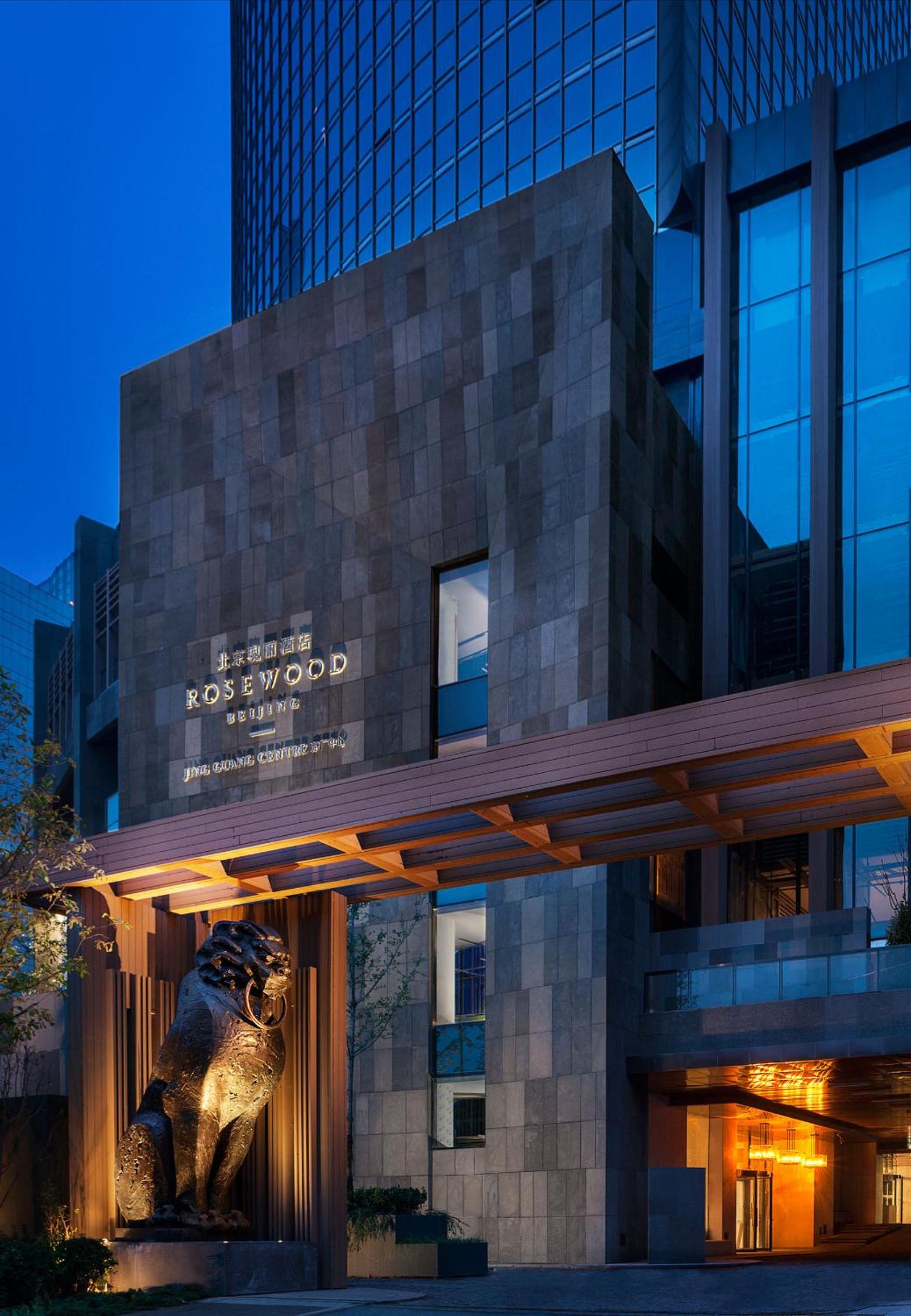
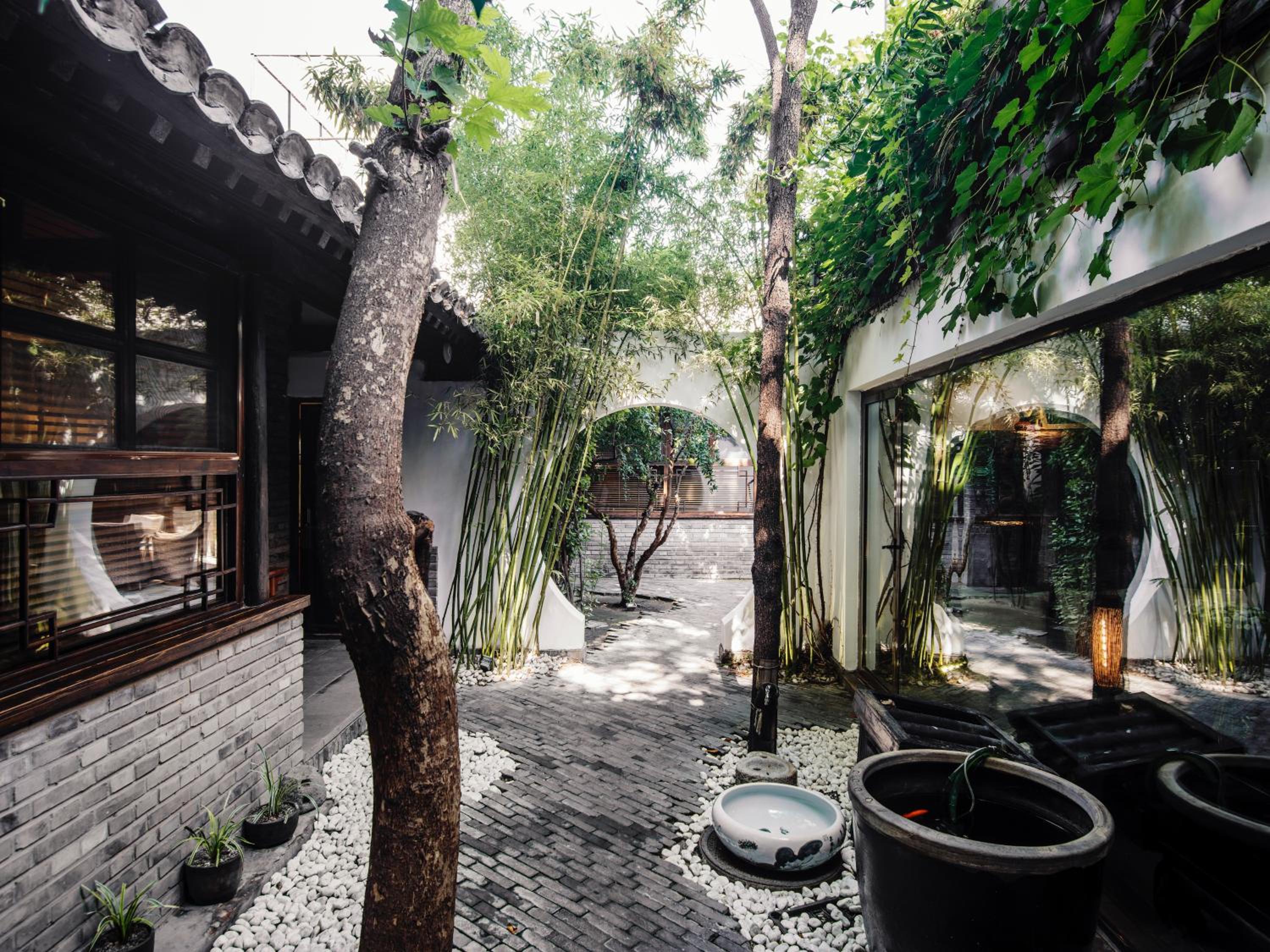
Sleep in Dongcheng near the Forbidden City to walk to the sights, in Sanlitun for the nights out, or in a hutong courtyard guesthouse for character, which is the room people remember. Most travellers give Beijing 3 nights on Stippl, every hotel registers the passport on check-in, and the courtyard rooms have no lift and thin walls.
Dongcheng
International hotels and hutong courtyard guesthouses near the palace, €50 to €200 a night.
Houhai and Shichahai
$
Courtyard guesthouses and boutique hotels by the lakes, €40 to €150 a night.
Nanluoguxiang
$
Small courtyard hotels and hostels off the alley, €30 to €120 a night.
Sanlitun and Chaoyang
$$
Design hotels and the international chains, €70 to €250 a night.
Haidian
University-district hotels and apartments near the Summer Palace, €35 to €110 a night.


What to eat in Beijing
The city's dish: lacquered skin, thin pancakes, scallion and sweet bean sauce
A savoury crêpe with egg, sauce and a crisp cracker, eaten walking
Thick wheat noodles under fermented soybean paste
Steamed buns and dumplings
A simmering pot at the table, a winter institution
Skewered fruit in hard sugar
Discover food spots in Stippl
Find restaurants and markets on the map, save them to your itinerary, works offline too.
Beijing customs and what not to do
The internet is restricted
Install a VPN and your maps, messaging and email before you arrive, because afterwards is too late; the firewall blocks the download pages.
Payment before arrival
Alipay or WeChat Pay linked to a foreign card before the flight, or the first day becomes difficult at every counter and turnstile.
Passport on you
Required for hotel check-in, train tickets, the Forbidden City and Tiananmen Square, and checked against the ticket at the gate.
Queueing is loose
Personal space is smaller and pushing at a ticket window is not aggression; hold your place and keep the passport ready.
Tipping is not customary
It is neither expected nor encouraged, and it mostly causes confusion at the table.
Politics stays unspoken
Tiananmen, Tibet and Taiwan are not raised, in person or online, and government buildings and police are not photographed.
Do
- Book the Forbidden City and Tiananmen Square days ahead, with the passport
- Take Mutianyu over Badaling for the Wall
- Set up DiDi before arrival rather than hailing a street taxi
- Cycle the hutongs on a shared bike in the early evening
- Check the air quality each morning and move the Wall day if it is grey
Don't
- Assume the VPN can be downloaded after you land
- Photograph government buildings, military sites or police
- Follow anyone inviting you to a tea ceremony or an art show; it is the standard scam
- Expect English outside the hotels; the translation app does the talking
- Arrive in Golden Week without every ticket booked
What a Beijing trip costs
Budget
€24–49
A hostel dorm or a hutong guesthouse, street food and noodle shops, the metro, the parks at dawn.
Mid-range
€53–95
A private room or a budget hotel, restaurant meals, a Mutianyu tour, second-class rail onward.
High-end
€116+
An international hotel in Dongcheng, guided access to the Wall's wild sections, Peking duck at the famous rooms.
Track what you actually spend
Set a daily budget per country and log expenses in any currency while you travel.
Fun facts about Beijing
The Forbidden City is said to have 9,999 rooms. One short of the mythical ten thousand reserved for heaven, and the largest palace complex in the world by area.
Beijing is the first city to have hosted both a Summer and a Winter Olympics. In 2008 and 2022, with the Bird's Nest stadium used for both opening ceremonies.
The city has been inhabited for around 3,000 years. It has been the imperial capital for over five hundred of them, under the Yuan, Ming and Qing dynasties.
The Temple of Heaven's park is where Beijing exercises. Tai chi, ballroom dancing, sword practice and card games fill it from dawn, and the locals outnumber the visitors before nine.
Beijing's hutongs were laid out by the Mongols in the thirteenth century. The word comes from the Mongolian for a well, and the surviving alleys follow the Yuan-dynasty grid.
The 798 Art District of Beijing was built by East German engineers. A Bauhaus-style munitions factory from the 1950s, decommissioned and taken over by artists in the early 2000s.
Local tips for Beijing
The metro is the way
Extensive, cheap and bilingual, it reaches every sight on this page, and a contactless card or the Alipay transport code opens the gates.
DiDi, not a street taxi
The ride app needs setting up before arrival with a foreign card, and it removes the language problem and the meter argument.
Mutianyu over Badaling
Better restored, far less crowded and about ninety minutes out by bus or tour; the wild sections at Jinshanling take a full day.
High-speed rail onward
Shanghai in four and a half hours and Xi'an in five, on tickets registered to the passport and released thirty days ahead.
Safe for street crime
Low violent crime and safe night-time transit; the tea-house and art-student invitations near Wangfujing are the standard scam.
Three nights is the shape
Most travellers give Beijing 3 nights on Stippl and only 21.4% of stops are a single night, so the Wall gets its own day.
Beijing questions, answered
Yes: most travellers give Beijing 3 nights on Stippl, the longest stay of any Chinese city, and only 21.4% of stops are a single night. One day for the palace and the temple, one for the Wall, one for the hutongs, the Summer Palace or the art district at Dashanzi.
Yes. Mutianyu is about ninety minutes out by bus or tour, with a cable car up and a toboggan down, and it is far less crowded than Badaling; the wild sections at Jinshanling and Jiankou take a full day with an early start. Nobody needs to sleep at the Wall to see it properly.
At the start, usually: the city takes 16.1% of every Chinese stop planned on Stippl, level with Shanghai, and the high-speed line runs on to Xi'an and Shanghai. Put Beijing first in Stippl with three nights, then ask people who have done the classic circuit, in subreddits like r/chinatravel, which direction to run it.
Yes, if you want Google, WhatsApp or Instagram, and it must be installed before you arrive, because the VPN sites are blocked from inside the country. An eSIM from home often routes around the firewall, and the payment and translation apps work without one.
Rarely at the counter. Set up Alipay or WeChat Pay with a foreign card before travelling; both accept a linked Visa or Mastercard without a Chinese bank account, and the metro, the taxis and the noodle shops all run on the apps. Carry a little cash as backup.
September and October for clear air and cool days, April and May for spring, and the first week of October never, because Golden Week fills the palace and the Wall. Only 13.1% of Beijing plans on Stippl are made inside a fortnight, and the Forbidden City's quota is why.
Every guide is written by the Stippl editors and checked against the trips our travellers actually plan. Spotted something out of date? Let us know.

Plan Beijing in Stippl
Day-by-day planning, stays and budget in one app, with every place from this guide already on the map.
Download the app