

Chengdu
Chengdu is the pandas people come for and the teahouses they stay longer for, the capital of one of the world's great cuisines and the staging post for Tibetan Sichuan. Three nights, the Panda Base booked for the half past seven gate, and no hurry after that.
Chengdu in a nutshell
Chengdu: what to expect
Our travellers have planned 113,000+ stops in China on Stippl. That is where the numbers here come from.
Chengdu takes three nights, and the pandas are why most people come while the city is why they stay longer than planned. The Panda Base opens at half past seven with the animals fed in the first hour, on a ticket booked online ahead, and the rest of the city is slower: an afternoon in a People's Park teahouse with tea, mahjong and ear-cleaning, Sichuan hotpot as the defining meal, the restored Qing lanes of Kuanzhai Alley, Jinli by lantern light with the face-changing opera and the Wuhou Shrine's cypress shade next door. Most travellers give Chengdu 3 nights on Stippl.
Chengdu is where a Chinese trip turns inland, and the stays here are long ones. 49.51% of Chengdu stops planned on Stippl run to three nights or more, only 19.68% are a single night, and the city sits on 25.07% of N of Chinese trips, with Chongqing, Xi'an and Zhangjiajie its strongest partners and every coastal city below the odds.
Sleep around Kuanzhai or Tianfu Square, book the Panda Base before the flight, and take the bus rather than a plane west into the mountains. The two airports are not interchangeable and Tianfu is the far one. Skip Chengdu in July if humidity bothers you, since the summer is hot, wet and busy, and skip the base after ten, because the pandas will be asleep.
Plan Chengdu in Stippl
Day-by-day planning, stays and budget in one app, with every place from this guide already on the map.
Download the appWho Chengdu is for
Food travellers
Chengdu is the capital of one of the world's great regional cuisines, from hotpot and mapo doufu to dan dan noodles and skewers paid for by the stick.
Families
The pandas, the parks and a flat, easy city with a metro, and the Panda Base's first hour as the one appointment of the trip.
Anyone going west
Chengdu is the staging post for Tibetan Sichuan and for Tibet proper, with Kangding, Litang and Danba reachable by bus without a permit.
Slow travellers
The teahouse culture is the destination rather than the backdrop, and 49.51% of Chengdu stops on Stippl run to three nights or more.
Inland-route builders
Chengdu sits on 25.07% of N of Chinese trips on Stippl, with Chongqing, Xi'an and Zhangjiajie its partners and the coast below the odds.
People who like a city to be in
Pleasant to simply be in rather than a monument, with the parks, the alleys and the long lunch as the day.
Maybe not for you: anyone chasing headline sights, since the pandas aside Chengdu's pleasures are ordinary and cumulative; and anyone here in July and August who wilts in humidity, because the summer is hot, wet and busy.
The best time to visit Chengdu
Spring
March to May
Active pandas and comfortable walking, the teahouse terraces open and the rapeseed yellow in the countryside, with Labour Day week in early May the crowd to dodge at the base.
Summer
June to August
Hot, wet and busy, with the pandas asleep by mid-morning and the hotpot somehow still the meal; the mountains west are the escape.
Autumn
September to November
The best of the year, with dry days, cool teahouse afternoons and the roads west open before the snow, and Golden Week in the first week of October the fortnight to avoid.
Winter
December to February
Grey, mild and very quiet, with the hotpot at its best, the pandas active in the cold and the teahouses open when almost nothing else is over New Year.
- Most travellers give Chengdu 3 nights on Stippl, and 49.51% of stops run to three or more. The base takes a morning, the teahouse an afternoon, and the third day is Leshan's giant Buddha or the alleys.
- Most travellers plan Chengdu about 104 days ahead on Stippl, and 29.82% book half a year out. The Panda Base ticket is bought online ahead and the trains release thirty days out, so the inland leg is fixed with the flights.
- Golden Week in the first week of October fills the base and every train. The rest of October is the best month, so the trip shifts a week rather than a season.
- Chinese New Year closes almost everything except the teahouses. The parks and the tea gardens stay open for the fortnight and the hotpot houses reopen first, which makes it an easier city for the holiday than most.
- The pandas are fed in the first hour after the half past seven opening. Arrive at the gate for opening or see sleeping animals; by afternoon the enclosures are quiet and the crowds are not.
- The roads west close with the snow. Kangding and Litang are a bus journey rather than a flight, spectacular and slow, and the passes are shut from late autumn.
Add your Chengdu dates and we'll flag the weather
Stippl shows the season, crowds and prices for every stop on your route.
Describe your trip, get a Chengdu itinerary in seconds
Everything in this guide is already in Stippl. Tell the planner how long you have and what you like: it builds the route, the days and the travel times, and you edit whatever you want.
Things to do in Chengdu


The Panda Base at opening
Booked ahead online, at the gate for half past seven, during the first-hour feeding when the animals are awake and the cubs are in the nursery; by ten they are asleep.
A People's Park teahouse
Gaiwan tea refilled all afternoon, mahjong at the next table, an ear-cleaner working the rows and no hurry at all, which is the city's self-description.
Sichuan hotpot
The defining meal, numbing and hot at once from the peppercorn and the chilli together, ordered with a divided pot if the spice is a problem.
Kuanzhai Alley
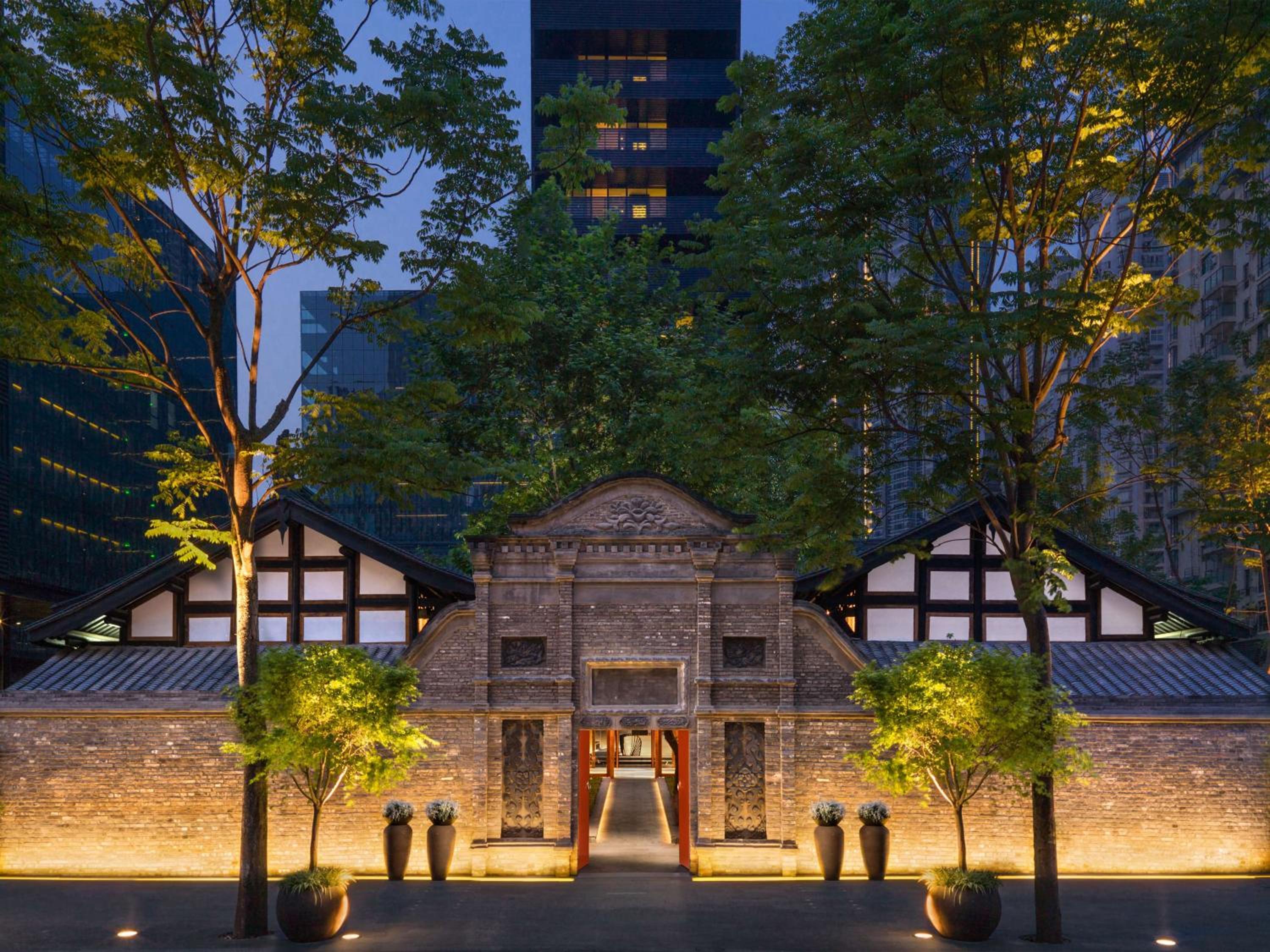
Wide, Narrow and Well alleys of restored Qing courtyard lanes, best in the hour before the evening crowd, with the teahouses in the courtyards.
Jinli by lantern light
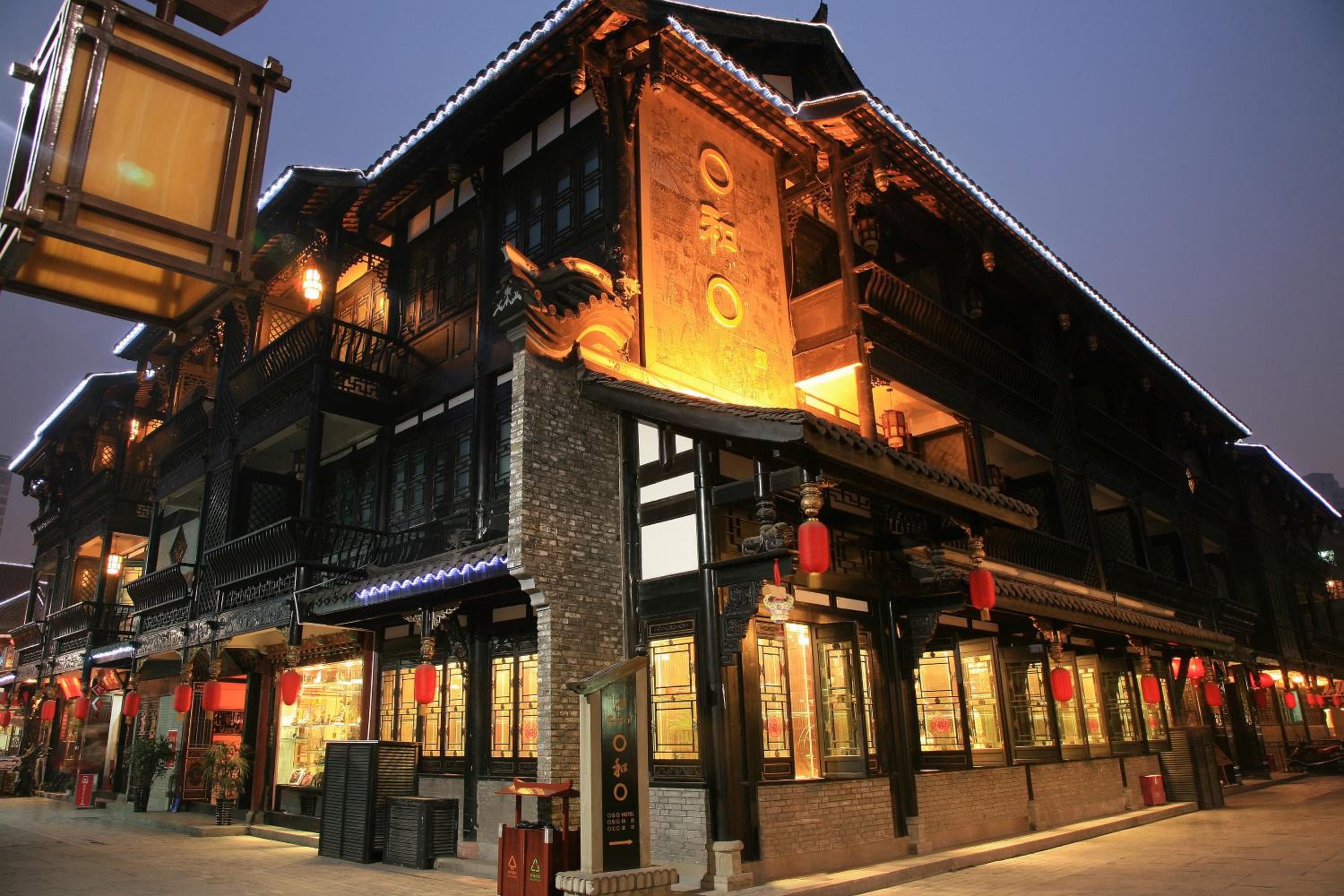
A recreated market lane beside the Wuhou Shrine, with the face-changing opera, spiced snacks and the shrine's cypress calm next door.
Leshan's giant Buddha
The 71-metre cliff-carved Buddha an hour south by train, seen from the boat below or the stairs beside its head, and the day trip most people take.
The neighbourhoods of Chengdu
Tianfu Square
The civic centre
The Sichuan Museum, the metro's hub and the Mao statue, with everything in the city one metro change away and the hotels priced for business. For arriving.
Everything one change away, but the least atmospheric part of the city to sleep in.
Kuanzhai Alley
Restored Qing lanes
Wide, Narrow and Well alleys of courtyard housing turned teahouses and restaurants, the clearest surviving picture of old Chengdu, in the Qingyang district. For a first stay.
The teahouses and the courtyards at the door, and a crowd on the main lanes by the evening.
Jinli and Wuhou
The lantern lane
A lantern-strung recreated market lane beside the Three Kingdoms shrine, with the face-changing opera and the spiced snacks, south-west of the centre. For an evening.
The opera and the snacks, in a lane built for visitors rather than lived in.
Chunxi Road and Taikoo Li
Modern Chengdu
The retail spine of flagships, bubble tea and the low-rise luxury complex around the Daci temple, with the city's fashionable dining. For shopping and late noodles.
The best restaurants and the metro, at the highest room rates in the city.
Panda Base area
The northern suburb
The hotels around the research base and not much else, ten kilometres north of the centre. For an early start without crossing the city.
At the gate for half past seven, and nothing to do after it.
See every Chengdu neighbourhood on one map
Save the areas you like and Stippl plots your days so you're not crossing the city twice.
Where to stay in Chengdu
Sleep around Kuanzhai for the teahouses or Tianfu Square for the metro, the two answers for a first stay, with Chunxi Road for the restaurants and the Panda Base suburb only if the dawn gate is the whole point. Most travellers give Chengdu 3 nights on Stippl, the hostels cluster in Qingyang, and the passport is registered at every check-in.
Tianfu Square
€30–100
Business hotels and the international chains, €40 to €150 a night.
Kuanzhai Alley
€35–130
Courtyard hotels and hostels in Qingyang, €20 to €110 a night.
Jinli and Wuhou
€30–110
Small hotels and guesthouses near the shrine, €25 to €90 a night.
Chunxi Road and Taikoo Li
€50–180
Design hotels and the luxury complex, €60 to €250 a night.
Panda Base area
€25–90
Plain hotels by the base for the early start, €25 to €70 a night.


What to eat in Chengdu
Numbing and hot at once, from the mala peppercorn and the chilli together
Thin noodles with minced pork, preserved vegetable and chilli oil
Tofu in a numbing chilli and fermented-bean sauce
Skewers cooked in a communal pot, paid for by the stick
Dumplings in a sweet, garlicky red-oil sauce
Lidded-bowl tea, refilled all afternoon
Discover food spots in Stippl
Find restaurants and markets on the map, save them to your itinerary, works offline too.
Chengdu customs and what not to do
Slowness is the value
The teahouse, the mahjong and the long lunch are the city's stated self-description, and hurrying through them reads as missing the point.
Spice is a friendly test
Tolerance is asked about rather than assumed, asking for less is normal, and the divided pot is an ordinary order rather than a loss of face.
The pandas are a symbol
Behaviour at the base is policed accordingly: no flash, no shouting, no tapping the glass, and the staff will say so.
Payment is the apps
Alipay or WeChat Pay with a foreign card linked before the flight, at the teahouse as much as at the base's gate.
Passport for the base
The ticket is bound to it and checked at the turnstile, as at the trains and the hotel.
Tipping is not done
Neither expected nor encouraged, and the teahouse charges by the pot with the refills free.
Do
- Book the Panda Base online before the flight and be at the gate for half past seven
- Spend an afternoon in a People's Park teahouse
- Order the divided hotpot if the spice is a worry
- Take the train to Leshan for the giant Buddha
- Read the altitude note before continuing west to Kangding or Litang
Don't
- Arrive at the base after ten; the pandas will be asleep
- Fly west into the mountains when the bus is the point
- Confuse the two airports; Tianfu is the far one
- Photograph the pandas with flash
- Expect a monument city; the pleasures here are cumulative
What a Chengdu trip costs
Budget
€18–30
A hostel bed in Qingyang, teahouse afternoons, street snacks, the metro, the free temples and parks.
Mid-range
€30–70
A private room near Chunxi Road, one hotpot dinner, the Panda Base and a Leshan day trip.
High-end
€130+
A Taikoo Li hotel, a private driver to Leshan, the smarter hotpot houses.
Track what you actually spend
Set a daily budget per country and log expenses in any currency while you travel.
Fun facts about Chengdu
The Chengdu Panda Base is a working research and breeding centre. Not a zoo: the animals are studied there, the cubs are raised in a nursery, and the first hour is when they eat.
The Sichuan pepper of Chengdu numbs rather than burns. The sensation has its own name, mala, and it is the peppercorn and the chilli together that make a Chengdu hotpot.
Du Fu moved to his thatched cottage in Chengdu in 759. The Tang poet wrote some of his best-known work here, and the park around the site survives.
Kuanzhai Xiangzi is three parallel lanes. Wide, Narrow and Well, of Qing courtyard housing built for Manchu soldiers, and now the clearest picture of old Chengdu.
Chengdu is the centre of Chinese hip-hop. The city's rap scene broke nationally in the late 2010s, and the clubs around Taikoo Li are where it plays.
Chengdu is where a Chinese trip turns inland. Every interior partner on Stippl clears its floor and every coastal one does not, with Chongqing, Xi'an and Zhangjiajie the strongest.
Local tips for Chengdu
Two airports, far apart
Shuangliu is the old one near the city and Tianfu is newer and much further out, so the flight number decides the transfer time.
West is a bus, not a flight
Western Sichuan's roads are slow, spectacular and weather-dependent, and the mountain towns are reached by coach rather than by air.
Safe and easy
Chengdu records nothing against travellers, and the ordinary rules are the only ones; the touts are at the base's gate rather than in the city.
Altitude begins west of town
Kangding sits at 2,500 metres and Litang at 4,000, so anyone continuing west reads the altitude note and takes a day at each step.
Summer heat is the hazard
Humid and over thirty degrees in July and August, with the teahouses and the metro the answer rather than the streets at noon.
Three nights is the shape
Most travellers give Chengdu 3 nights on Stippl and only 19.68% of stops are a single night, so the base, the teahouse and Leshan each get their day.
Chengdu questions, answered
Yes, and the data backs it: most travellers give Chengdu 3 nights on Stippl and 49.51% of stops run to three or more, the pandas one morning, the teahouses one afternoon and Leshan's Buddha the third day. It is also the staging post for a much longer trip west into Tibetan Sichuan.
Early morning, during the feeding in the first hour after the half past seven opening, and in cool weather rather than high summer. By ten the adults are asleep and the crowds are awake, so the base is the first appointment of the day, booked online ahead with the passport.
Where the trip turns inland: only 7.8% of Chengdu trips start here, of everyone who plans it on Stippl, with Xi'an before it on the high-speed line and Chongqing or the mountains after. Put it into Stippl as three nights after Xi'an, then ask people who have gone west, in subreddits like r/chinatravel, whether Kangding fits.
Chongqing invented it and Chengdu is where the cuisine is codified, and most long trips carry both, since the two are 75 minutes apart by high-speed rail. Chengdu's pot is oilier and the teahouse city around it slower; Chongqing's nine-grid pot is the proof of origin and the city is vertical.
Western Sichuan, yes: Kangding, Litang and Danba are Tibetan towns reached by bus without any permit, on slow mountain roads that close with the snow. Tibet proper, the autonomous region, needs a permit and a guided tour arranged ahead, and Chengdu is the usual place to fly from.
Yes, a safe and easy city with nothing recorded against travellers on Stippl or anywhere else, and the real hazards are the summer heat and the mountain roads west rather than crime. Most travellers plan Chengdu about 104 days ahead on Stippl, which is the base ticket and the trains rather than any worry.
Every guide is written by the Stippl editors and checked against the trips our travellers actually plan. Spotted something out of date? Let us know.

Plan Chengdu in Stippl
Day-by-day planning, stays and budget in one app, with every place from this guide already on the map.
Download the app