

Zhangjiajie
Zhangjiajie is three thousand sandstone pillars rising out of forest, the landscape the Avatar mountains were drawn from, split across three separately ticketed areas. Three nights: the Wulingyuan plateaus on foot and by lift, Tianmen's cable car and 999 steps, and the glass bridge if the nerves hold.
Zhangjiajie in a nutshell
Zhangjiajie: what to expect
Behind this are 113,000+ stops planned across China on Stippl.
Zhangjiajie takes three nights, split across three separately ticketed areas. Yuanjiajie holds the Southern Sky Column at eye level once the Bailong Elevator has climbed the cliff, Tianmen Mountain hangs its cliff plank paths and glass walkways above the city at the end of a cable car, the Grand Canyon's glass bridge crosses the gorge 300 metres up, Tianzi Mountain repeats the pillars with a fraction of the queues, and Golden Whip Stream walks the valley floor between them. Most travellers give Zhangjiajie 3 nights on Stippl.
Zhangjiajie is the most interior stop in a China trip, and it is planned earlier than almost anywhere else. 61.30% of stops here run three nights or more, of everyone who plans it on Stippl, a typical plan is made 104 days ahead against a national figure in the eighties, and it is the first or last stop on almost no trip at all, with Chongqing and Guilin the stops it is reached from.
Sleep in Wulingyuan town at the park's east gate, buy the four-day ticket with the eco-buses, and give Tianmen its own day from the city on the way in or out. Skip the first week of October, since National Day fills every lift queue in the park, and skip a plan that trusts the lifts, because the weather closes them without notice and the plateau is a long way down on foot.
Plan Zhangjiajie in Stippl
Day-by-day planning, stays and budget in one app, with every place from this guide already on the map.
Download the appWho Zhangjiajie is for
Landscape travellers
Nothing else in China looks like this, the photographs undersell it, and 61.30% of Stippl stops here run three nights or more.
Walkers
The plateaus connect by real trails and plank paths, and the alternative to walking is queueing for the lifts with everyone else.
Families with children
The lifts, the eco-buses and the paved walkways mean a child can do this park, which is not true of most Chinese mountain sites.
Photographers
Mist is the point rather than the problem, and the mornings on Yuanjiajie are when it drifts between the pillars.
Early planners
A typical Zhangjiajie plan on Stippl is made 104 days ahead, the longest lead of any Chinese stop we cover, and the lifts are why.
Deep-route builders
Zhangjiajie opens 0.6% of the trips it appears on, of everyone who plans it on Stippl, so it sits mid-loop after Chongqing or Guilin.
Maybe not for you: anyone who dislikes crowds or queues, because every visitor mentions both and October is the worst of it; and anyone on a short stop, since the three areas and the four-day ticket reward three nights and two is a compromise.
The best time to visit Zhangjiajie
Spring
April to June
Green and misty with the pillars drifting in and out of cloud, increasingly wet towards June, and the first of the two windows the guides agree on.
Summer
July and August
Hot, humid and stormy, full of domestic visitors on school holidays, with the lifts closing for thunderstorms and the plateau paths slick.
Autumn
September to November
The best of the year, with September the busiest month on Stippl and the National Day week in early October carved out of it entirely.
Winter
December to February
Cold, clear and empty, with snow on the pillars some weeks, some lifts shut for maintenance and the guesthouses heating one room at a time.
- Most travellers give Zhangjiajie 3 nights on Stippl, and 61.30% of stops run three or more. One day for Yuanjiajie and Tianzi, one for Golden Whip Stream and Tianzi again, and one for Tianmen from the city.
- National Day in the first week of October is the busiest week of the year in the park. The lift queues run to hours, so the trip either books everything or moves a fortnight later.
- Only 9.76% of Zhangjiajie plans on Stippl are made inside a fortnight, and 29.93% half a year out. The park ticket needs no booking, but the glass bridge and the good hotels at the gate do.
- The park ticket runs four consecutive days, and the eco-buses are included in the dearer one. Almost everybody wants that one, and the lifts and cable cars are extra on top.
- The lifts close in bad weather, and the plateau is a long walk down. A fogged-out afternoon means a night up there or a paid ride, so the descent is planned before the last bus.
- Spring Festival moves each year and closes parts of the region. The park stays open, but the buses thin out and the restaurants in Wulingyuan shut for the week.
Add your Zhangjiajie dates and we'll flag the weather
Stippl shows the season, crowds and prices for every stop on your route.
Describe your trip, get a Zhangjiajie itinerary in seconds
Everything in this guide is already in Stippl. Tell the planner how long you have and what you like: it builds the route, the days and the travel times, and you edit whatever you want.
Things to do in Zhangjiajie
 Photo by Guillaume Kremer via Pexels
 Photo by Tao Yuan via Unsplash
Yuanjiajie and the Avatar mountain
The Southern Sky Column, renamed after the film, at eye level from the plank paths on the plateau, reached by the Bailong Elevator and best in the morning mist.
The Bailong Elevator
330 metres up a cliff face in about two minutes, in a glass car bolted to the rock, the tallest outdoor lift in the world and the way onto Yuanjiajie.
Tianmen Mountain
The 7.4-kilometre cable car from the city, the cliff plank paths, the glass walkways and the 999 steps up to Heaven's Gate, a day of its own.
Tianzi Mountain
The northern plateau of the scenic area with the same pillars and a fraction of the people, reached by cable car or the trail from Yuanjiajie.
The Grand Canyon glass bridge
430 metres long and 300 metres up across a separate canyon south-east of the park, booked ahead and walked in shoe covers.
Golden Whip Stream
The valley-floor walk between the pillars, flat, shaded and the one most visitors skip, with the macaques and the stream for seven kilometres.
The areas of Zhangjiajie
Wulingyuan town
The base
The purpose-built town at the park's east gate with the hotels, the restaurants and the ticket hall, where almost everyone sleeps and where the four-day ticket pays off. For the park days.
The closest bed to the main gate, but a resort town with no character of its own.
Zhangjiajie City
The hub
The transport town thirty kilometres south with the trains, the small airport and the Tianmen cable car leaving from beside the station. For arriving and the Tianmen day.
Where you land and where Tianmen starts, though the park is an hour away.
Inside the park
The dawn option
A handful of guesthouses on the plateau near Yuanjiajie, basic and cold, for being on the pillars at first light without a pre-dawn bus. For one night at most.
The only way to see the mist at dawn, and the rooms are rough.
Yuanjiajie plateau
The photographs
The Avatar viewpoints reached by the Bailong Elevator or the cable car, with the plank walks along the cliff edge and the crowds in the middle of the day. For the first morning.
The Southern Sky Column at eye level, but every coach in the park arrives by ten.
Tianzi Mountain
The quiet plateau
The northern plateau of the scenic area, the same landscape with fewer people, the Helong Park viewpoints and the trail down to Golden Whip Stream. For the second day.
The same pillars with a fraction of the queues, and a longer way in.
Zhangjiajie Grand Canyon
The extra
A separate canyon south-east of the park with the glass bridge across it and a real walk along the canyon floor beneath. For a half day.
The longest glass-bottomed bridge on earth, though it needs its own ticket and its own bus.
See every Zhangjiajie neighbourhood on one map
Save the areas you like and Stippl plots your days so you're not crossing the city twice.
Where to stay in Zhangjiajie
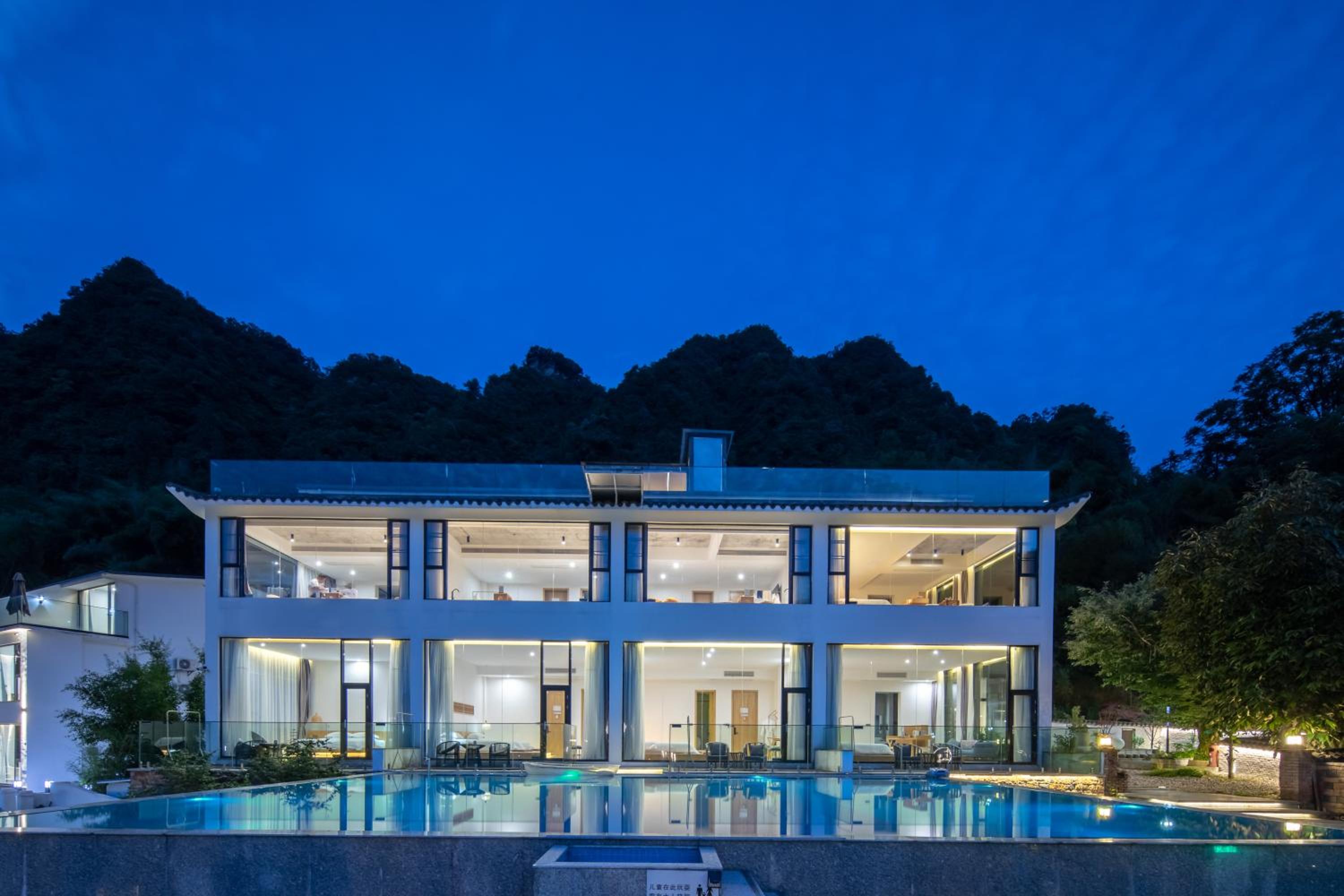
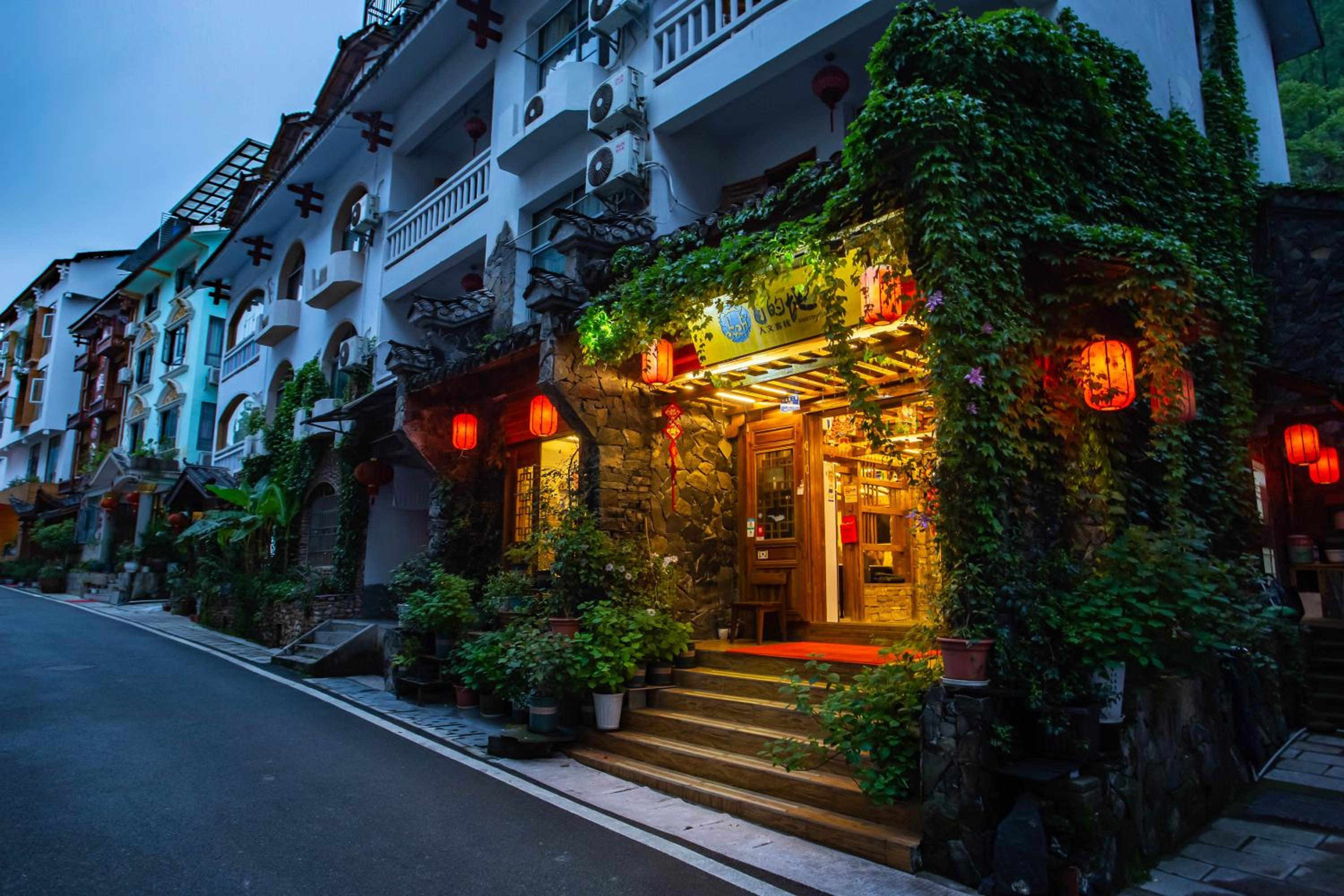
Sleep in Wulingyuan town for the park, where the four-day ticket makes three nights at the gate pay, and in Zhangjiajie City only for the arrival night and the Tianmen day. Most travellers give Zhangjiajie 3 nights on Stippl, and a night inside the park is the one to add if the dawn mist is the point.
Wulingyuan town
€25–90
Hotels and guesthouses of every tier by the east gate, €20 to €120 a night.
Zhangjiajie City
€20–70
Chain hotels near the station and the cable car, €25 to €90 a night.
Inside the park
€30–80
Basic plateau guesthouses near Yuanjiajie, €25 to €60 a night.
Yuanjiajie plateau
visit only
The same handful of plateau guesthouses, booked through the hotel, €25 to €60 a night.
Tianzi Mountain
visit only
One or two lodges near the cable car top, €30 to €70 a night.
Zhangjiajie Grand Canyon
visit only
A few small hotels by the canyon gate, €20 to €60 a night.


What to eat in Zhangjiajie
The local minority's three-cup dish of cured pork, tofu and vegetables
Hunan cooking: hotter and drier than Sichuan, and less numbing
Hung and smoked over a hearth, the Tujia staple
A hotpot-style iron pot cooked at the table
Cold, savoury and sold from street counters
Instant noodles, cucumbers and boiled corn at the viewpoints
Discover food spots in Stippl
Find restaurants and markets on the map, save them to your itinerary, works offline too.
Zhangjiajie customs and what not to do
Tujia and Miao country
The minority cultures are the region's own, not the Han heartland, and the villages around the park and the food in Wulingyuan are theirs.
Queues are not personal
Queue discipline at the lifts is different from home, and every visitor who mentions the elevator mentions this, so the answer is patience rather than a word.
The crying marriage is real
The Tujia bridal lament and the maogusi dance both long predate the evening shows that now perform them nightly, and the shows are a version rather than a fake.
Three parks, three tickets
Wulingyuan, Tianmen Mountain and the Grand Canyon are separate areas with separate gates and separate prices, and a plan that treats them as one runs out of days.
Lifts are extra
The Bailong Elevator and the cable cars sit on top of the park ticket rather than inside it, and this surprises people at the bottom of the queue.
Payment is the apps
Alipay or WeChat Pay with a foreign card linked before the flight, at the ticket hall and the noodle stall alike, and the passport is checked at the gate.
Do
- Buy the four-day park ticket with the eco-buses
- Start on Yuanjiajie before eight, when the mist is still there
- Walk Golden Whip Stream on the valley floor
- Give Tianmen its own day from the city
- Book the glass bridge ahead if it is on the plan
Don't
- Come in the first week of October
- Trust the lifts to run after a storm
- Treat the three areas as one park
- Miss the last eco-bus off the plateau
- Wear the wrong shoes on the plank paths in the wet
What a Zhangjiajie trip costs
Backpacker
€30–50
A guesthouse in Wulingyuan, the park ticket spread over its four days, the eco-buses and the steps instead of the lifts.
Mid-range
€55–95
A hotel at the park gate, the cable cars and the Bailong Elevator rather than the climbs, one evening show.
High-end
€150+
A resort at the gate, a private driver between the three ticketed areas, the glass bridge booked ahead.
Track what you actually spend
Set a daily budget per country and log expenses in any currency while you travel.
Fun facts about Zhangjiajie
Zhangjiajie was China's first national forest park, designated in 1982. The wider Wulingyuan area became a UNESCO World Heritage site ten years later, and the pillars are 380 million years old.
Over 3,000 quartzite sandstone pillars stand in Zhangjiajie, some about 200 metres tall. They rise vertically out of subtropical forest, and the mist between them is what the Avatar artists drew.
The Bailong Elevator at Zhangjiajie is the tallest outdoor lift on earth at 330 metres. It climbs the cliff in about two minutes in a glass car, and it carries most of the park's visitors onto Yuanjiajie.
The Tianmen cable car from Zhangjiajie city runs 7.4 kilometres. It is among the longest passenger cableways anywhere, and it starts beside the railway station.
Heaven's Gate at Tianmen is a natural arch 131 metres high, reached by 999 steps. Planes have been flown through it, and the steps are the part everyone remembers.
The Zhangjiajie glass bridge is 430 metres long and 300 metres up. It was the longest glass-bottomed bridge in the world when it opened, and it closed within a fortnight because too many people came.
Local tips for Zhangjiajie
The dearer ticket has the buses
The park ticket with the eco-buses is the one almost everybody wants, and the cheaper one leaves you walking the road between the gates.
Lifts are extra on top
The Bailong Elevator and the cable cars are paid separately from the park ticket, and the queue at the bottom is where people find out.
Changsha is the gateway
By high-speed rail, since the local airport is small, and Zhangjiajie West is the park's station; only 9.76% of plans on Stippl are made inside a fortnight, because the trains go first.
Weather and edges, not crime
Glass walkways, cliff paths and 1,400-metre drops in a place that can fog out in minutes, so the shoes and the forecast matter more than the wallet.
Lifts close and strand people
Bad weather shuts the elevator and the cable cars without notice, and one visitor was told to pay for the elevator or spend the night on the plateau.
Know the last bus
The scenic area is 264 square kilometres and the eco-buses stop in the evening, so the plateau is left with an hour in hand rather than at dusk.
Zhangjiajie questions, answered
Three, which is both the typical stay and the record's figure: most travellers give Zhangjiajie 3 nights on Stippl and 61.30% of stops run three or more, which is two days in Wulingyuan on the four-day ticket and one for Tianmen from the city, with the glass bridge folded into a half day if the nerves allow.
Three separately ticketed areas: Wulingyuan, which holds the national forest park and the Avatar pillars, Tianmen Mountain above the city, and the Grand Canyon with the glass bridge to the south-east. Each has its own gate, its own price and its own bus, and a plan that treats them as one runs out of days.
Four consecutive days, verified on this pass, and the version with the eco-buses is the one almost everybody wants because the gates are far apart. Only 9.76% of Zhangjiajie plans on Stippl are made inside a fortnight, and the four-day ticket is part of why the stay is planned rather than improvised.
No. There are stairs and a cable car onto Yuanjiajie, but the elevator climbs 330 metres of cliff in about two minutes against a long, steep walk, and it is worth the queue once. It is paid separately from the park ticket, and it closes in bad weather along with the cable cars.
Yes and no. The Southern Sky Column on Yuanjiajie was officially renamed after the film, and the floating mountains were drawn from photographs of these pillars, but the landscape predates the film by 380 million years and the mist is the part the film could not invent.
Deep in the middle, reached from Chongqing or Guilin: it opens 0.6% of the trips it appears on, of everyone who plans it on Stippl, and Fenghuang and Furong Town are the stops it lifts most. Put it into Stippl as three nights between the two, then ask people who have done Hunan in subreddits like r/chinatravel whether Fenghuang is worth the detour.
Every guide is written by the Stippl editors and checked against the trips our travellers actually plan. Spotted something out of date? Let us know.

Plan Zhangjiajie in Stippl
Day-by-day planning, stays and budget in one app, with every place from this guide already on the map.
Download the app