

Hong Kong
Hong Kong is a harbour city with its own currency, border and internet, denser than almost anywhere on earth in the core and 40% country park behind it. Three nights covers the ferry, the Peak, yum cha and a ridge walk that starts at an MTR station.
Hong Kong in a nutshell
Hong Kong: what to expect
What follows sits on 113,000+ stops planned in China on Stippl.
Hong Kong is three nights, and most of them are spent between the harbour and the hills. The Star Ferry crosses Victoria Harbour for the price of a coin, Victoria Peak holds the skyline by tram or on foot, yum cha is a morning meal rather than an occasion, Temple Street fills at night with fortune tellers and street food, the Dragon's Back trail starts a bus ride from Central, and the Big Buddha sits on Lantau at the end of a cable car. Most travellers give Hong Kong 3 nights on Stippl.
Hong Kong is a stay in its own right, not a stopover, and it is the whole of its territory. Only 6.24% of stops here are a pass-through, of everyone who plans it on Stippl, and 21.8% are a single night, while the city holds 85.9% of the stops planned in the territory, with Lantau and Macau the excursions rather than the rivals.
Sleep in Tsim Sha Tsui for the view and the trains, get an Octopus card at the airport, and give one full day to the country parks rather than a third day of malls. Skip July to September if you can, since the heat, the rain and the typhoon signals all peak then, and skip the mainland assumptions, because the visa, the currency and the internet are all different here.
Plan Hong Kong in Stippl
Day-by-day planning, stays and budget in one app, with every place from this guide already on the map.
Download the appWho Hong Kong is for
First-time Asia travellers
English is official, the MTR is the easiest metro in Asia to read, and the city is legible in the 3 nights most give it on Stippl.
Food travellers
Cantonese cooking at every price from a dai pai dong stool to the cheapest Michelin star in the world, and yum cha every morning.
Hikers, which nobody expects
Two fifths of the land is protected country park, with trails that start at an MTR station and end on a ridge above the sea.
Stopover travellers
A hub where a two-night break is a real city break, and 21.8% of Stippl stops here are a single night.
City photographers
The harbour skyline from both banks, the neon of Nathan Road, and a density that photographs like nowhere else.
Mainland-shy travellers
The same script and cooking, but an open internet, foreign cards that work and a separate visa regime that most passports skip.
Maybe not for you: budget travellers used to mainland prices, since a bed here costs what a room does across the border; anyone expecting mainland China, because the currency, the border and the internet all differ; and anyone here between July and September, when the typhoons peak.
The best time to visit Hong Kong
The clear season
October to December
Dry, mild and the clearest skies of the year, with the Peak visible and the trails at their best, and the window most of the guides agree on.
Winter
January and February
Cool and dry with the occasional grey week, Chinese New Year closing the small shops for days, and the parade and the harbour fireworks the reason to be here for it.
The humid spring
March to May
Warming fast with the fog on the harbour in March, the humidity climbing through April, and the rain beginning in earnest by May.
Typhoon season
June to September
Hot, wet and stormy, with a signal 8 closing the transport, the shops and the airport, and the humidity making the walks a chore.
- Most travellers give Hong Kong 3 nights on Stippl, and a quarter stay 4 or more. One day for the island and the Peak, one for Kowloon and the markets, and one for Lantau or a trail.
- Only 6.24% of stops here are a pass-through, of everyone who plans it on Stippl. The airport is the reason people assume otherwise, and the city holds them for the stay rather than the transfer.
- Chinese New Year moves between late January and mid February, and it closes the small businesses for days. The parade and the fireworks are the reward, and the hotels are priced for them.
- The typhoon signals run a fixed scale, and signal 8 stops the city. A summer trip means checking the Observatory each morning, and it is why the guides steer you towards autumn.
- Rugby Sevens in late March or early April fills the hotels and the bars of Wan Chai. The rooms double in price for the week, and the rest of spring is quieter.
- The ferries to Macau and the cable car to Lantau are both day trips, not nights. Lantau gets far fewer nights than the city on Stippl, and most people come back to the same bed.
Add your Hong Kong dates and we'll flag the weather
Stippl shows the season, crowds and prices for every stop on your route.
Describe your trip, get a Hong Kong itinerary in seconds
Everything in this guide is already in Stippl. Tell the planner how long you have and what you like: it builds the route, the days and the travel times, and you edit whatever you want.
Things to do in Hong Kong
The Star Ferry at dusk
Across Victoria Harbour between Central and Tsim Sha Tsui for the price of a coin, timed for the skyline lighting up, and on every list twice, once as transport and once as a sight.
Victoria Peak
By the funicular tram if you can face the queue, or on foot up the Hong Kong Trail, for the skyline from above; the Peak Circle Walk is the free version of the view.
Yum cha in the morning
Dim sum with tea in a proper hall, the daily Cantonese breakfast rather than a novelty, at Lin Heung or a neighbourhood tea house before ten.
Temple Street Night Market
Fortune tellers, Cantonese opera singers and the street-food stalls of Yau Ma Tei after dark, with clay-pot rice at the end of it.
The Dragon's Back
The ridge walk above Shek O, an hour and a half from a bus stop to a beach, with the South China Sea on both sides and Big Wave Bay for the swim.
The Big Buddha on Lantau
The 34-metre bronze at Po Lin Monastery, reached by the Ngong Ping cable car over the bay, with Tai O's stilt village on the far side of the island.
The areas of Hong Kong
Central
The hillside core
The financial district, the colonial remnants, Tai Kwun's restored police compound, the Mid-Levels escalator and the Michelin dining rooms, all stacked on a slope above the ferry piers. For a short stay with everything on foot.
Everything within walking distance, but the rooms are the dearest in the city.
Wan Chai
Street-level Hong Kong
Wet markets, tram lines, old tenements and a waterfront promenade, with the bars of Lockhart Road and the coffee of the side streets. For a local feel a stop from Central.
A neighbourhood rather than a district, though the nights on Lockhart Road are loud.
Tsim Sha Tsui
The Kowloon waterfront
The southern tip of Kowloon facing the skyline across the water, with the Avenue of Stars, the Clock Tower, Nathan Road's neon and the Star Ferry pier. For first-timers and the view.
The best view in the city and the trains, but the crowds on Nathan Road never thin.
Tai Hang
The hidden village
A village-scale enclave of low buildings behind Causeway Bay, with indie cafes, hidden bars and the Fire Dragon Dance at Mid-Autumn. For a quiet dinner and a quieter night.
Quiet and characterful, though the rooms are few and the sights are elsewhere.
Kennedy Town
The unhurried west end
The western end of the Island line, with harbour-view basketball courts, sunset promenades and a Victorian temple, ten minutes from Central. For long stays and remote work.
Seaside and calm, but a tram ride from anything a visitor came for.
Sheung Wan
The old trades
Dried-seafood shops and herbal medicine streets against new galleries, Hollywood Road antiques, Cat Street curios and Man Mo Temple. For second visits and anyone tired of malls.
The old city a lane from the new, and the hills make every walk a climb.
See every Hong Kong neighbourhood on one map
Save the areas you like and Stippl plots your days so you're not crossing the city twice.
Where to stay in Hong Kong
Sleep in Tsim Sha Tsui for the harbour view and the transport, in Wan Chai or Sheung Wan for a neighbourhood, and in Central only if the budget stretches and the stay is short. Most travellers give Hong Kong 3 nights on Stippl, and the rooms are small at every price, so the view is what the money buys.
Central
$$
International hotels and a few boutique rooms on the slope, €180 to €500 a night.
Wan Chai
$$
Mid-range hotels and serviced flats near the tram, €90 to €220 a night.
Tsim Sha Tsui
$$
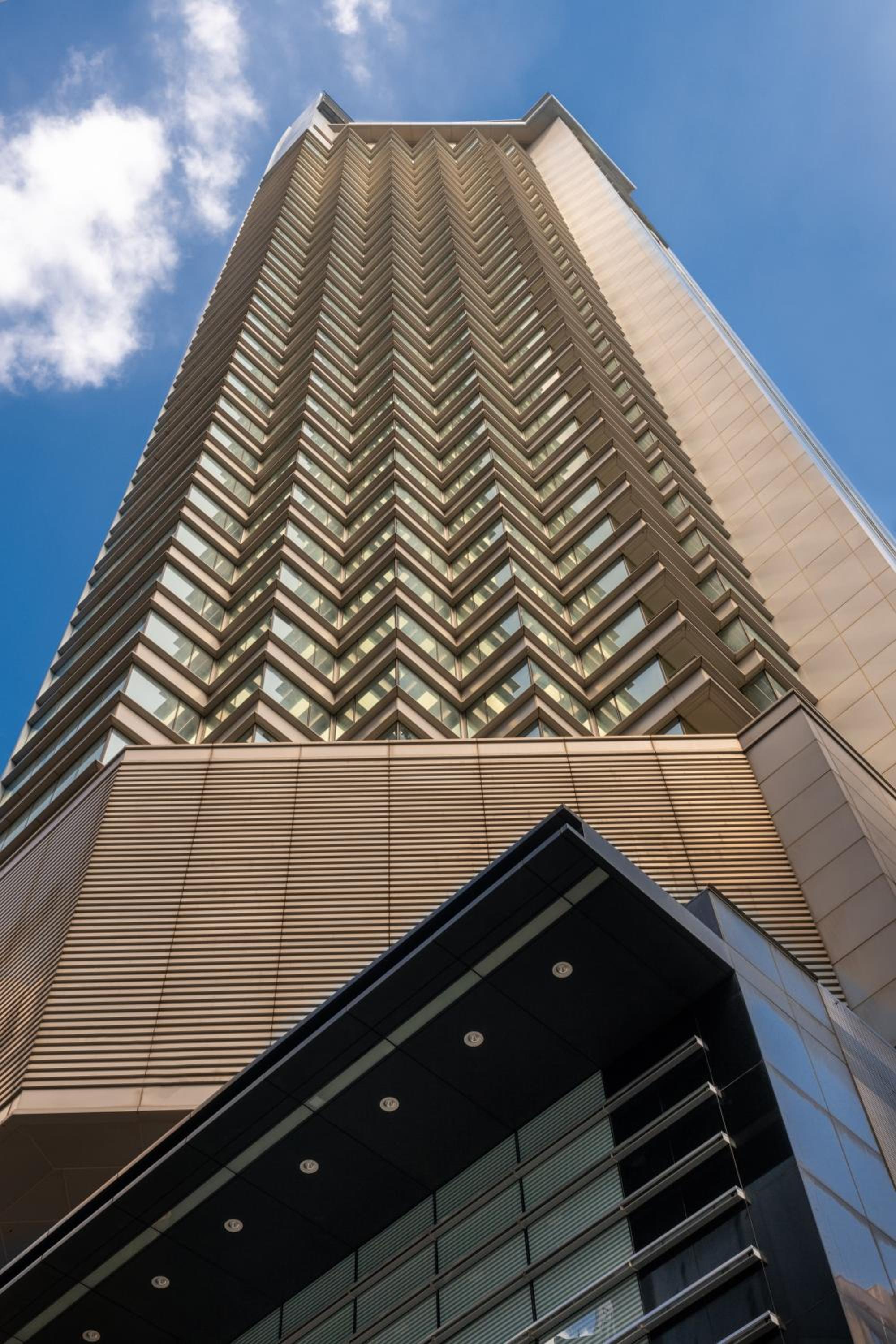
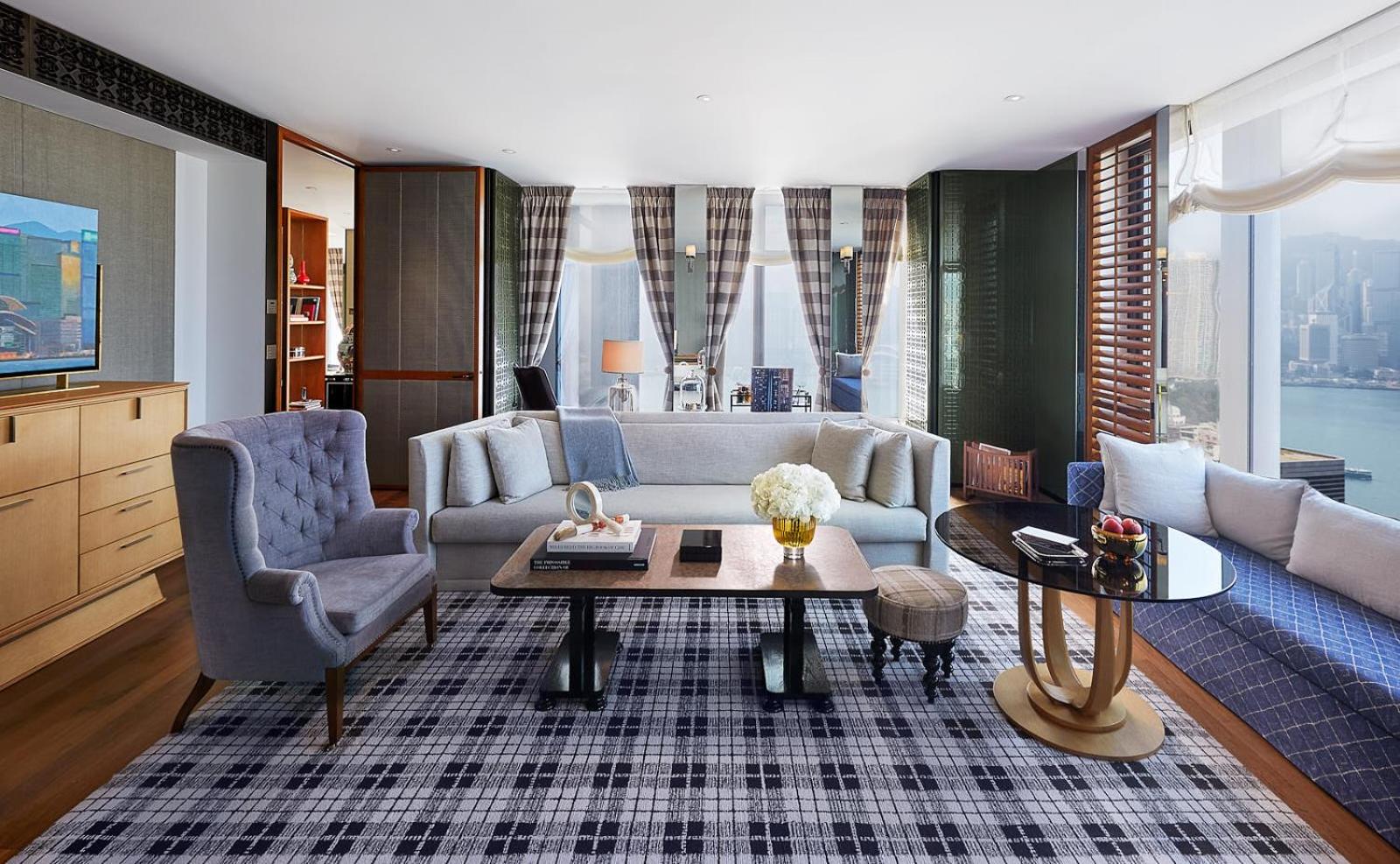
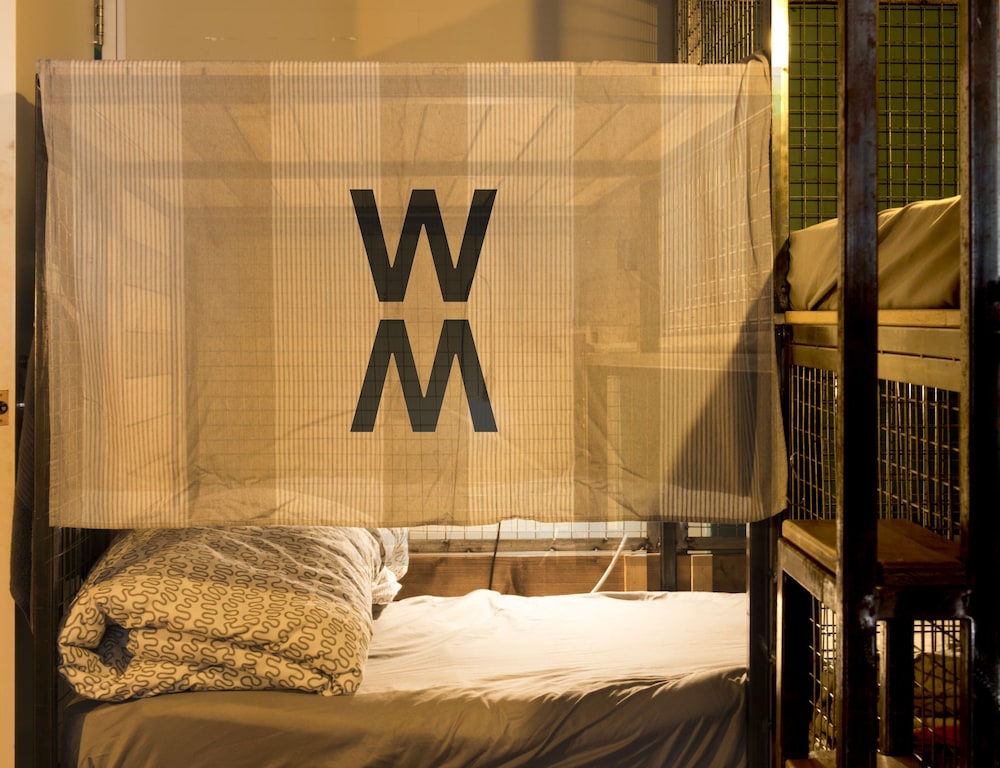
Every tier from hostels to the Peninsula, €60 to €600 a night.
Tai Hang
$
A handful of small hotels and rentals, €100 to €200 a night.
Kennedy Town
$
Serviced apartments and one or two hotels, €90 to €180 a night.
Sheung Wan
$$
Design hotels and older mid-range rooms, €100 to €250 a night.


What to eat in Hong Kong
Small steamed and fried plates eaten with tea, a daily meal and not a novelty
Barbecued pork, lacquered and sliced over rice
Thin egg noodles, prawn wontons, a clear broth
Custard in a flaky or shortcrust shell, a Portuguese inheritance via Macau
Strong black tea and evaporated milk, strained through cloth
Crisp-skinned, the dish the city argues about
Curry fish balls, egg waffles, stinky tofu
Discover food spots in Stippl
Find restaurants and markets on the map, save them to your itinerary, works offline too.
Hong Kong customs and what not to do
Two systems, and it shows
A separate currency, immigration regime, internet and legal system from the mainland, so a mainland visa does not admit you here and a Hong Kong stamp does not admit you there.
Tap for the tea
Two fingers tapped on the table when someone refills your cup is the thank-you at yum cha, and it saves interrupting the conversation.
Queue properly
Queuing is taken seriously, for the MTR, the Peak Tram and the minibuses, and pushing through is the fastest way to be told off.
Politics is not small talk
Recent history is contested and local people may not want to discuss it with a visitor, so the subject is theirs to open.
The escalator has a schedule
The Mid-Levels escalator runs downhill until ten in the morning and uphill after, and standing on the right is the rule everywhere.
Cash still has a place
The Octopus card pays for nearly everything, but the dai pai dong, the minibus and the market stall often want notes.
Do
- Get an Octopus card at the airport and load it once
- Eat yum cha before ten in a hall with trolleys
- Ride the tram along the north shore for the cheapest tour in the city
- Check the typhoon signal each morning in summer
- Give one full day to a country park
Don't
- Assume a mainland visa or a mainland SIM works here
- Stand on the left of an escalator
- Book the Peak Tram for sunset without a timed ticket
- Take a red minibus without knowing where it stops
- Treat Lantau as a night when it is a day
What a Hong Kong trip costs
Budget
€45–80
A hostel bed in Sham Shui Po or Mong Kok, dai pai dong plates, the ferry and the tram, the free trails.
Mid-range
€120–220
A small hotel room in Kowloon, restaurant dinners, the Peak Tram, the Lantau cable car.
High-end
€400+
A harbour-view room, the Michelin dining rooms, private transfers and a junk on the harbour.
Track what you actually spend
Set a daily budget per country and log expenses in any currency while you travel.
Fun facts about Hong Kong
Hong Kong has over 7,900 high-rise buildings, more than any other city. About 480 of them stand above 150 metres, and most of them are homes rather than offices.
Some 40% of Hong Kong's land is protected country park. The trails start at MTR stations and end on ridges above the sea, which is the fact that surprises every visitor.
The Hong Kong MTR runs at 99.9% on-time performance. It also turns a profit most years, which almost no metro in the world can say.
Tim Ho Wan in Sham Shui Po is called the cheapest Michelin-starred restaurant on earth. A plate of its baked pork buns costs less than a coffee in Central.
The Mid-Levels escalator in Hong Kong is the longest outdoor covered escalator on earth. It runs 800 metres uphill, and it reverses direction at ten each morning.
Hong Kong returned to China in 1997 with its own currency, courts and driving side. The cars still drive on the left, and the border with Shenzhen is a full immigration crossing.
Local tips for Hong Kong
Octopus pays for everything
The MTR, the buses, the ferries, the trams and the convenience stores all take it, so one card from the airport replaces the wallet for the stay.
The ferry is the sight
The Star Ferry costs almost nothing and crosses the best view in the city, so it goes on the plan as transport and as the evening's event.
Ride the tram end to end
The double-deckers along the Island's north shore are the cheapest tour in Hong Kong, and the front seat upstairs is the one to wait for.
The MTR keeps its promises
Reported at 99.9% on time, so a connection planned to the minute holds, and the last trains around one in the morning are the only limit.
Three nights, not a stopover
Most travellers give Hong Kong 3 nights on Stippl and only 6.24% of stops are a pass-through, so the airport hotel is the wrong plan.
Typhoons are the hazard
A signal 8 or above closes the transport, the shops and the airport, and a summer trip means knowing the scale before July.
Hong Kong questions, answered
No. Hong Kong runs its own immigration regime, so a mainland visa does not admit you here and a Hong Kong entry stamp does not admit you to the mainland; most European and North American passports enter Hong Kong visa-free, and the mainland needs its own paperwork or a transit exemption.
Three, and the data agrees: most travellers give Hong Kong 3 nights on Stippl, and a quarter stay 4 or more, which is one day for the island and the Peak, one for Kowloon and the markets, and one for Lantau or a ridge trail with a swim at the end.
Not in our data. Only 6.24% of stops here are a pass-through, of everyone who plans it on Stippl, and the city holds 85.9% of the stops planned across the territory, so people come for the city and treat Lantau and Macau as the excursions.
As the open door at either end: the internet, the cards and the language all work here, and the high-speed rail runs to Shenzhen and on to Guangzhou from West Kowloon. Put it into Stippl as three nights at the start or the finish, then ask people who have done both sides in subreddits like r/chinatravel which order suits.
Yes, at European levels or above for the rooms, which is a shock coming from the mainland, and the rooms are small at every price; 21.8% of stops here are a single night on Stippl, and the cost of a bed is part of why. The food is the exception: dai pai dong plates and yum cha are cheap, and Sham Shui Po is where the budget end lives.
October to December, when the skies are clearest and the trails are at their best, with January and February a cool second; June to September brings the heat, the rain and the typhoon signals, and a signal 8 closes the transport and the airport for the day.
Every guide is written by the Stippl editors and checked against the trips our travellers actually plan. Spotted something out of date? Let us know.

Plan Hong Kong in Stippl
Day-by-day planning, stays and budget in one app, with every place from this guide already on the map.
Download the app