

Paraty
Paraty ist das am besten erhaltene Kolonialgebiet an der brasilianischen Küste, eine UNESCO-Gastronomistadt mit Meeresfrüchten frisch aus der Bucht und einer Cachaça-Tradition, die älter ist als das Land selbst. Brasiliens einziger Fjord ist nur eine Bootsfahrt entfernt.
Paraty auf einen Blick
Paraty: was dich erwartet
Unsere Reisenden haben 71.000+ Stopps in Brasilien auf Stippl geplant. Daher stammen die Zahlen hier.
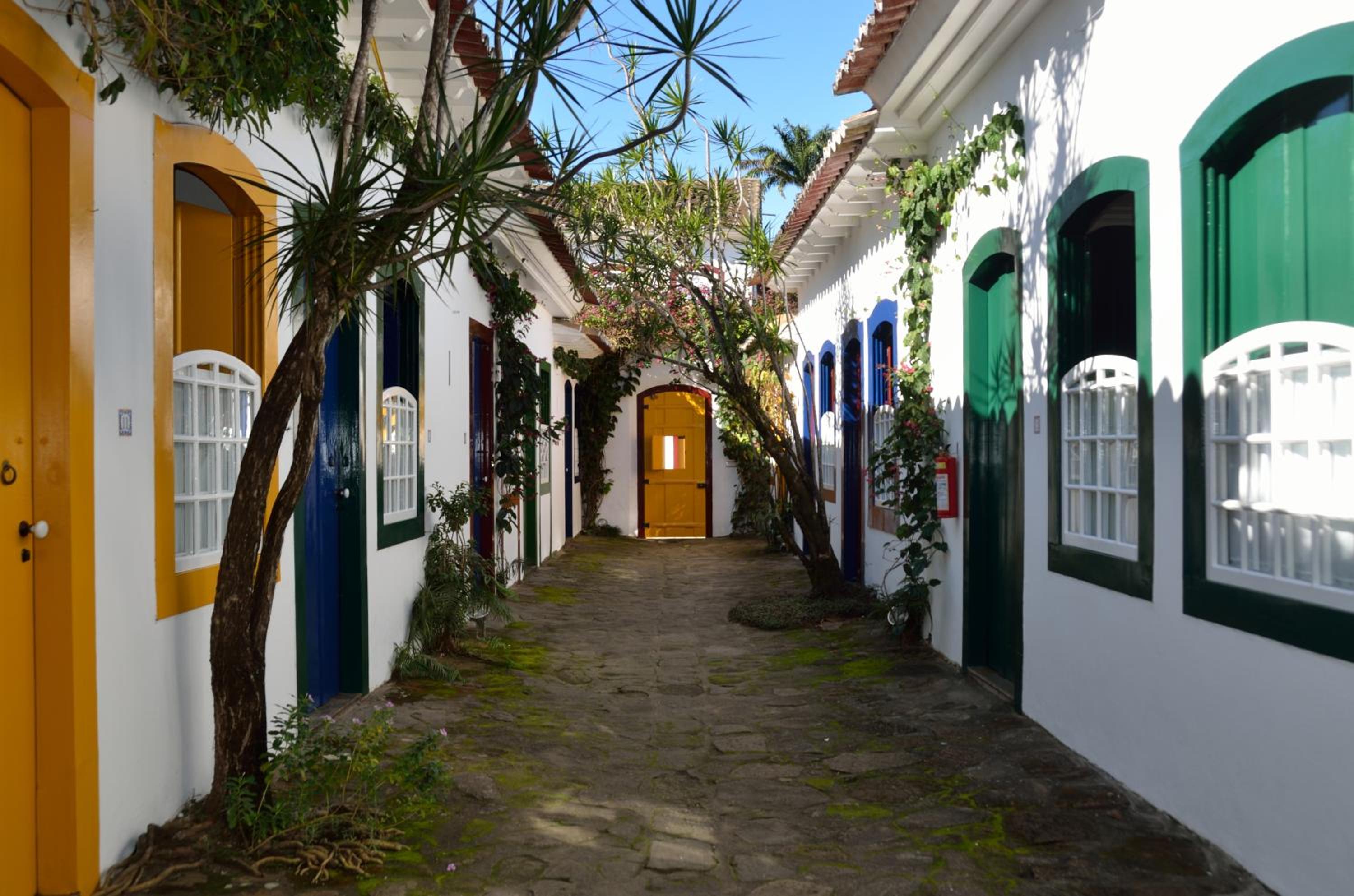
Paraty überlebte, weil es vergessen wurde. 1667 als Seeende der Goldroute aus Minas Gerais gegründet, wurde es aufgegeben, als sich der Hafen nach Rio verlagerte, und das Kolonialzentrum blieb genau wie es war. Die Straßen sind autofrei, mit großen runden Steinen gepflastert, und sie überfluten sich bei Springfluten absichtlich, damit das Meer sie sauber wäscht. Die Stadt baute vier Kirchen, eine jeweils für die Reichen, für Frauen, für freie farbige Menschen und für Versklavte, und Santa Rita stammt von 1722.
Die längsten brasilianischen Routen und die meisten inländischen Routen sind die gleichen Reisen, und Paraty steht auf beiden. Reisen mit Paraty haben fast doppelt so viele brasilianische Stopps wie das nationale Bild, und mehr davon bleiben im Land als bei vergleichbaren Zielen: Länge und Grenzüberschreitung stellen sich als separate Dinge heraus. Drei Viertel der Paraty-Reisen tragen auch Ilha Grande, was Sinn macht, da die beiden eine UNESCO-Liegenschaft sind.
3 Nächte ist das, was fast alle planen, und der Umfang beweget sich kaum. Zwei Drittel der Aufenthalte hier sind zwei oder drei Nächte und neunzehn von zwanzig sind vier oder weniger, die engste Verteilung, die wir irgendwo gemessen haben. Nehmen Sie den Schoner in die Bucht und das Jeep zu den Cachoeira do Tobogã und einen Alembic. Überspringen Sie Paraty, wenn unebenes Gelände ein Problem für Sie ist, da die Kopfsteinpflaster Felsbrocken sind und das Zentrum keine alternative Oberfläche bietet.
Plane Paraty in Stippl
Tagesplanung, Unterkünfte und Budget in einer App, mit jedem Ort aus diesem Reiseführer bereits auf der Karte.
App herunterladenFür wen sich Paraty eignet
Menschen des Kolonialzentrums
Das von Paraty ist das am besten erhaltene an der brasilianischen Küste und es ist der einzige Grund, warum die Stadt auf der Karte ist.
Esser
Eine UNESCO-Kreativstadt der Gastronomie, Meeresfrüchte direkt aus der Bucht und eine Cachaca-Tradition, die älter als das Land ist.
Jeder, der auch Ilha Grande macht
Drei Viertel der Paraty-Reisen tragen die Insel, und die meisten geben der Stadt 3 Nächte davor oder danach.
Fußgänger und Jeep-Tour-Teilnehmer
Die Goldroute, die Wasserfälle und Serra da Bocaina sind alle halbtägige Ausflüge von der Stadt.
Vielleicht nichts für dich: jeder, der eine Woche plant, da die Hälfte von allen zwei oder drei Nächte plant und fast niemand mehr als vier plant; jeder, der unebenes Gelände nicht bewältigen kann, da die Kopfsteinpflaster runde Felsbrocken sind; und Strandurlaube, da die Bucht und die Inseln das Wasser sind.
Die beste Zeit, um Paraty zu besuchen
Nasser Sommer
Dezember bis März
Heiß, feucht und sehr nass, mit der Stadt auf ihrem teuersten Stand und den Kopfsteinpflastern bei Springflut überschwemmt. Der lokale Karneval heißt Bloco da Lama, die Schlammparade.
Trockener Winter
Juni bis September
Kühler, klarer und nach lokalen Maßstäben trocken, mit offenen Wanderwegen zu den Stränden und FLIP, dem Literaturfestival, das die Stadt eine Woche lang im Juli erfüllt. Die beste Zeit, um hier zu sein.
- Januar ist der Monat, auf den die meisten Reisenden Brasilien auf Stippl planen, und Paraty wird etwa 94 Tage voraus geplant. 13,9% der Paraty-Pläne werden innerhalb von zwei Wochen gemacht, was außerhalb von FLIP und den Sommerferien funktioniert und nicht darin.
- FLIP im Juli füllt jede Pousada im historischen Zentrum. Das Literaturfestival läuft über ein langes Wochenende und die Stadt ist im Frühling ausgebucht; die Strände sind diese Woche immer noch leer, die Straßen nicht.
- Das historische Zentrum wird absichtlich bei Springfluten überflutet. Die Straßen wurden gebaut, um das Meer einzulassen und sie zu spülen; bei Vollmond-Hochwasser stehen die unteren Straßen eine Stunde lang unter Wasser, was ein Foto ist, nicht ein Problem.
- Die Bootsfahrten zu den Inseln und Stränden fahren das ganze Jahr und werden bei schlechtem Wetter eingestellt. Ein regnerischer Sommerrachmittag cancelt die Schaluppenfahrten; die Morgende sind die sichereren Buchungen in den nassen Monaten.
Füge deine Paraty-Termine hinzu, und wir warnen dich vor dem Wetter
Stippl zeigt Saison, Andrang und Preise für jeden Stopp auf deiner Route.
Beschreibe deine Reise und erhalte in Sekunden eine Route für Paraty
Alles in diesem Reiseführer ist bereits in Stippl. Sag dem Planer, wie viel Zeit du hast und was dir gefällt: Er baut die Route, die Tage und die Reisezeiten, und du änderst, was du willst.
Dinge, die man in Paraty unternehmen kann
Das Centro Histórico bei Hochwasser
Laufen Sie bei Springflut-Hochwasser durch die Kopfsteinpflasterstraßen, wenn das Meer nach Plan eindringt und sich die Gebäude im Wasser spiegeln. Kostenlos, und die Gezeitentabelle hängt an der Tür des Fremdenverkehrsamts.
Eine Schifffahrt mit der Schaluppe über die Bucht
Nehmen Sie die Schaluppe von Insel zu Insel mit Schwimm- und Schnorchel-Stopps und Lunch an Bord, etwa €20, vom Pier am Rande der Altstadt. Die Morgenabfahrten haben ruhiges Wasser.
Die Wasserfälle und der Cachaça
Nehmen Sie die Jeep-Tour zu Cachoeira do Tobogã, wo Sie die Felswand hinunterrutschen, und enden Sie bei einem Alambique mit einer Verkostung, etwa €30. Die Felswand wird im Sitzen bewältigt, unabhängig davon, was die Einheimischen tun.
Saco do Mamanguá
Nehmen Sie ein Boot zu Brasiliens einzigem Fjord und erklimmen Sie den Pico do Pão de Açúcar, 425 Meter darüber, für den Blick hinunter über die Bucht, etwa €40 mit dem Boot. Ein ganzer Tag, und ein Führer für die Besteigung.
Der Caminho do Ouro
Laufen Sie die steinerne, kopfsteingedeckte Kolonialstraße Caminho do Ouro in die Serra da Bocaina als Halbtagestour, etwa €15 mit Führer, oder als mehrtägiges Trekking. Die Straße, auf der das Gold hinunterkam und die Sklaven hinauf.
Kajak fahren durch die Mangrovensümpfe
Paddeln Sie die Bucht und die Mangrovenschluchten von Praia do Pontal aus, etwa €10 pro Stunde, am besten am Morgen vor dem Wind. Die Seite von Jabaquara ist das ruhige Wasser.
Die Viertel von Paraty
Centro Histórico
Autofreie Straßenraster, Kopfsteinpflaster, Kirchen
Das autofreie Kolonialstraßenraster: weiß getünchte Häuser mit farbigen Läden, vier Kirchen, der Pier und jedes Restaurant, das die Reise wert ist, mit Pousadas in den alten Häusern. Für Erstbesucher; es wird bei Springflut überschwemmt.
Die schönsten Straßen der Küste vor der Tür, und die Kopfsteinpflaster und die Gezeiten.
The edge of the centre
Gärten, Pools, einfachere Wanderwege
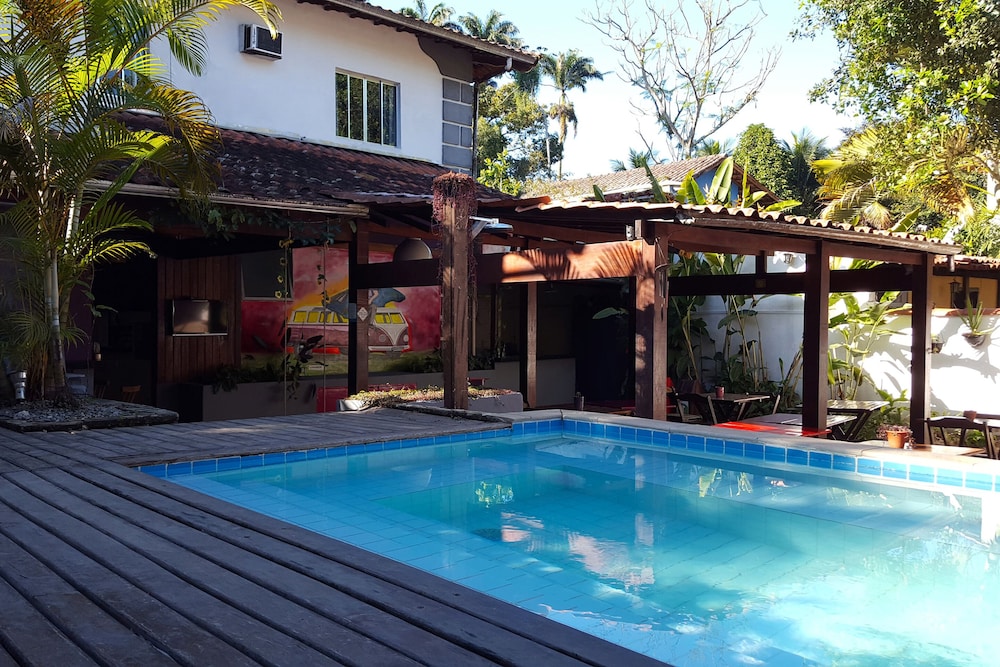
Ein paar Straßen zurück vom Kopfsteinpflaster: Pousadas mit Gärten, Pools und Parkplätzen, einfachere Wanderwege, fünf Minuten entfernt. Für Familien und diejenigen, die Komfort, ein Auto und einen Pool wünschen.
Ein Pool und Parkplatz, und ein Spaziergang in die Altstadt.
Praia do Pontal
Stadtstrand, Strandbars
Auf der anderen Seite des Flusses nördlich des Zentrums: der Stadtstrand mit Strandbars und Kajaks, und budgetfreundliche Pousadas dahinter. Für kostengünstige Übernachtungen und den Sonnenuntergang von der Bar aus.
Der Strand und die Bars, und eine Brücke zu überqueren zum Abendessen.
Jabaquara
Ruhig, seicht, zu Fuß erreichbar
Der zweite Strand nördlich, noch immer zu Fuß vom Zentrum erreichbar, ruhiger und seichter mit Familien-Pousadas. Für Familien, die das Wasser ohne Boot mögen.
Ruhiges Wasser für Kinder, und ein zwanzigminütiger Spaziergang zum Zentrum.
The bay pousadas
Mit dem Boot oder auf der Straße, ruhige Strände
Die Buchten südöstlich der Stadt, erreichbar per Auto oder Boot, wo die Strand-Pousadas in Paraty-Mirim und darüber hinaus liegen. Für Abgeschiedenheit und Strand vor der Tür.
Die Buchtstrände und die Ruhe, und ein Boot oder eine Fahrt in die Stadt.
Sieh jedes Viertel von Paraty auf einer Karte
Speichere die Viertel, die dir gefallen, und Stippl plant deine Tage, damit du die Stadt nicht zweimal durchquerst.
Wo man in Paraty übernachtet
Bleiben Sie bei Ihrem ersten Besuch in einer Pousada direkt außerhalb des Kopfsteinpflasters: ein Garten, ein Pool, Parkplatz und einfachere Wanderwege für fünf Minuten zusätzliche Entfernung, mit dem Kolonialzentrum und jedem Restaurant in Gehweite. Die meisten Menschen geben Paraty 3 Nächte auf Stippl auf. Buchen Sie weit im Voraus für die FLIP-Woche im Juli, für den Karneval und zum Neujahr.
Centro Histórico
Pousadas in Kolonialhäusern innerhalb des autofreien Gebiets, €70 bis €180, und eine echte Herbergsszene ab €15 pro Bett.
Am Rand des Zentrums
Pousadas mit Gärten, Pools und Parkplätzen, €60 bis €140, fünf Minuten zu Fuß entfernt.
Praia do Pontal
Budgetfreundliche Pousadas hinter dem Stadtstrand, €35 bis €80, mit dem Sonnenuntergang von der Bar aus.
Jabaquara
Familien-Pousadas am ruhigeren zweiten Strand, €50 bis €110, immer noch zu Fuß zum Zentrum erreichbar.
Die Bucht-Pousadas
Strand-Pousadas, erreichbar per Auto oder Boot, €80 bis €250, mit der Bucht vor der Tür.


Was du in Paraty essen solltest
Fischragout mit Kokosmilch
Zuckerrohrschnaps, destilliert in sechs funktionierenden handwerklichen Alembics
Entdecke Food-Spots in Stippl
Finde Restaurants und Märkte auf der Karte, speichere sie in deiner Route, funktioniert auch offline.
Paraty-Gewohnheiten und was man nicht tun sollte
Die Kirchen waren segregiert
Jede wurde für eine Klasse oder eine Farbe gebaut, und die Führer erzählen es auf diese Weise, ohne es zu beschönigen; Santa Rita war für freigelassene Menschen gemischter Abstammung, Rosário für die Versklavten.
Versklavte Menschen bauten die Straße
Die Steinstraße oberhalb der Stadt, der Caminho do Ouro, ist ihre Arbeit; der Spaziergang hinauf mit einem Führer ist die Geschichte, und der Wasserfall-Sprung ist die Postkarte.
Menschen leben innerhalb der Liegenschaft
Caiçara-, Quilombola- und indigene Gemeinschaften tun und sind Teil davon, warum es aufgelistet wurde; die Cachaça-Alambiques und die Guarani-Dorfbesuche sind nach ihren Bedingungen.
Niemand geht schnell in Paraty
Die Kopfsteinpflaster bestimmen das Tempo und die Gezeiten überfluten die Straßen bei Vollmond; Abende sind Live-Musik auf Terrassen, nicht in Clubs, und die Stadt ist um Mitternacht ruhig.
Tun
- Laufen Sie durch das historische Zentrum bei Hochwasser, um die überschwemmten Straßen zu sehen
- Nehmen Sie eine Schaluppe oder ein geführtes Kajak für die Bucht
- Besuchen Sie ein Alambique und kaufen Sie den Cachaça dort
- Tragen Sie flache Schuhe mit Grip; die Kopfsteinpflaster sind aus rundem Stein
Lassen
- Fahren Sie in das historische Zentrum; es ist für Autos gesperrt
- Fotografieren Sie das Innere der Kirchen während der Messe
- Erwarten Sie keinen Strand in der Stadt; die Strände sind mit dem Boot erreichbar
- Planen Sie keinen Montag rund um die Kirchen; die meisten sind geschlossen
Was eine Paraty-Reise kostet
Budget
€39
Herbergsschlafsaal, prato feito oder marmitex Teller, Stadtbusse und gelegentliche Übernachtungsbusse, freie Strände und freie Blocos.
Mittleres Preissegment
€105
Ein Pousada-Doppelzimmer mit Frühstück und Klimaanlage, Restaurant-Mahlzeiten, Ubers, ein oder zwei Inlandsflüge, bezahlte Attraktionen.
Oberklasse
€340
Strandhotels, private Führer, eine Pantanal-Lodge mit Vollpension und Bootstouren, Noronha, Kamarote-Plätze beim Karneval.
Behalte im Blick, was du wirklich ausgibst
Lege pro Land ein Tagesbudget fest und erfasse Ausgaben in jeder Währung, während du reist.
Wissenswertes über Paraty
Paraty hat zwei separate UNESCO-Auszeichnungen. Seit 2019 Weltkulturerbe, geteilt mit Ilha Grande, und Kreativstadt der Gastronomie für eine Stadt von etwa vierzigtausend Menschen.
Das historische Zentrum wurde gebaut, um überflutet zu werden. Es liegt unterhalb der Springflutlinie, so dass das Meer es bei jedem Vollmond und Neumond reinwäscht, und erhöhte Gehwegkanten sind die Art, wie Menschen über die Straßen gehen.
Parati war einmal brasilianische Kurzhand für guten Cachaça. Mehr als 250 Kolonialbrennereien stellten ihn hier her, und sechs handwerkliche Alembics arbeiten immer noch in den Hügeln hinter der Stadt.
Paraty bekommt 3.407 mm Regen pro Jahr, fast dreimal so viel wie Rio. Allein der Januar liefert 43% von Rios Jahrestotal, weshalb die Wasserfälle hinter der Stadt im Sommer das ganze Jahr über laufen.
Brasiliens einziger Fjord ist eine Bootsfahrt vom Pier entfernt. Saco do Mamanguá ist eine 8 km lange Bucht zwischen Bergen, mit einem Caiçara-Dorf an ihrem Kopf und ohne Straße dorthin.
Paraty überlebte, weil es verlassen wurde. Als die Goldroute ersetzt und der Hafen nach Rio verlegt wurde, wurde die Stadt vergessen, und das Kolonialzentrum blieb bis in die 1950er Jahre unberührt.
Die Kirchen waren nach Klasse und Farbe segregiert. Separate Kirchen wurden für die Wohlhabenden, für Frauen, für freie Menschen of Colour und für die Versklavten gebaut; Santa Rita, aus dem Jahr 1722, ist die älteste.
Lokale Tipps für Paraty
Die Küstenstraße ist der Punkt
Beide Anfahrtsrouten enden auf der Straße von Rio nach Santos durch den Atlantischen Regenwald, vier Stunden von jeder Stadt entfernt. Der Bus kostet etwa €15; ein Auto macht die Strände nördlich und südlich erreichbar.
Die Verbindung zwischen zwei Städten
Paraty liegt fast genau zwischen Rio und São Paulo, deshalb ist es auf so vielen Routen. Angra, neunzig Minuten entfernt, ist das Tor zu Ilha Grande; drei Viertel der Paraty-Reisenden fahren weiter.
Die Stadt braucht keinen Transport
Das Zentrum ist autofrei und beide Strände sind zu Fuß erreichbar; die Schaluppenan fahrten starten vom Pier am Rande der Altstadt. Lassen Sie das Auto bei der Gästehütte.
Wie lange man bleiben sollte
Die meisten Menschen geben Paraty 3 Nächte auf Stippl auf: die Altstadt, eine Schifffahrtstour und die Wasserfälle mit dem Cachaça. Buchen Sie drei Monate im Voraus; die Stadt ist klein.
Die Kopfsteinpflaster sind die Gefahr
Groß, rundlich, uneben und rutschig wenn nass, und die Straßen werden bei Springfluten absichtlich überflutet. Richtige Schuhe, keine Flip-Flops.
Benutzen Sie Geldautomaten in Gebäuden vor zehn Uhr
Die meisten stellen um zehn Uhr nachts das Abheben ein. Die Stadt ist bequem nach Einbruch der Dunkelheit zu Fuß erreichbar, was die gleichen Führer nicht über Rio oder São Paulo sagen.
Paraty-Fragen, beantwortet
Als Paar mit Ilha Grande, da es die meisten machen. Paraty trägt 6,9% von allem, was in Brasilien auf Stippl geplant wird, und Angra dos Reis, der Fährhafen für die Insel, ist neunzig Minuten die Straße hinauf. Geben Sie beide in Stippl als einen Costa Verde Block von Rio de Janeiro ein.
Drei Nächte. 3 Nächte ist der normale Aufenthalt in den Paraty-Stopps, die auf Stippl geplant sind, und die Streuung darum ist eng. Ein Tag für das historische Zentrum und die Cachaca-Destillerien, einer für einen Schoner um die Bucht, einer für einen Wasserfall oder einen Strand.
Ein Aufenthalt. Nur 17,7% der Paraty-Stopps auf Stippl dauern eine Nacht, da die Stadt vier Stunden von Rio de Janeiro entfernt ist und der beste Teil davon, die Bucht und ihre Inseln, einen eigenen Bootstag benötigen. Eine Nacht gibt Ihnen einen gepflasterten Abend und nichts mehr.
Ja, bei Vollmond und Neumond Hochwasser, und es ist absichtlich. Das Kolonialzentrum wurde so angelegt, dass das Meer die Straßen hinaufläuft und sie sauber wäscht, und es tut genau das noch heute. Überprüfen Sie einen Gezeitenplan, wenn Sie einen Koffer rollen müssen, und genießen Sie es, wenn Sie das nicht tun.
Nicht wirklich, und Leute kommen mit dieser Erwartung an. Die Stadtstrände sind gewöhnlich. Was Sie herlockt, ist die Bucht: eine Streuung von Inseln, Buchten und klarem Wasser, die mit einem Schoner oder einem kleinen Boot erreichbar sind, und jeder Strand, der die Reise wert ist, ist eine Überfahrt von der Stadt entfernt.
Meeresfrüchte, und vor allem Moqueca, ein Fischragout aus Kokosmilch, Palmöl und Koriander, serviert in einem Tontopf. Dann Cachaca, da die Stadt funktionierende Alembics hat, die Sie besuchen und verkosten können, und was sie herstellen, hat nichts mit dem Zeug in einem billigen Caipirinha zu tun.
Jeder Guide wird von der Stippl-Redaktion geschrieben und mit den Reisen abgeglichen, die unsere Reisenden tatsächlich planen. Etwas veraltet entdeckt? Sag uns Bescheid.

Plane Paraty in Stippl
Tagesplanung, Unterkünfte und Budget in einer App, mit jedem Ort aus diesem Reiseführer bereits auf der Karte.
App herunterladen