


Lower down is a fortnight you can open and copy: Phnom Penh, the boats to Koh Rong and Koh Rong Samloem, slow days in Kampot, and Angkor saved for the end, with the hours, the fares and where to book each leg.
Plan Cambodia in Stippl
Day-by-day planning, stays and budget in one app, with every place from this guide already on the map.
Download the appHow to plan a trip to Cambodia: the short version
First decide where Cambodia sits in your bigger trip, because it almost never stands alone, and which border or airport you use to get in and out. Then pick the dry months, November to February, when the temples, the cities and the islands all work at once. Plan Angkor as the anchor: how many temple days, which pass, and whether it comes first or last. Hang the rest on one spine of buses and boats: Phnom Penh, the coast and the islands. Last, budget in dollars, book what fills first, and download the trip so it opens on an island with no signal. For the apps that do the work on the ground, from tuk-tuk apps to paying by QR code, see our guide to the best apps for Cambodia.
| Step 1 | Pick your border in and out, and your visa to match |
| Step 2 | Pick your season: November to February works everywhere |
| Step 3 | Build the trip around Angkor: days, pass and place in the route |
| Step 4 | Add the spine: Phnom Penh, the coast and the islands by bus and boat |
| Step 5 | Budget in dollars, book, share and go offline |
Plan Cambodia around Angkor: five decisions with Stippl
In the Stippl itinerary planner, the first thing to add is not Angkor but the way in: the flight or the border you arrive by, and the one you leave by. With both ends fixed, the steps below fill in the middle.
Step 1: pick your border in and out, and your visa to match
Cambodia is almost never the whole trip. Only about one in 16 Cambodia trips planned with Stippl visits Cambodia alone, and a typical one crosses five countries. Thailand is on four Cambodia trips in five, Vietnam almost as often, and Laos on about half. So the first decision is not a town, it is a border.
From or to Vietnam. The Bavet and Moc Bai crossing connects Phnom Penh with Ho Chi Minh City and is nominally open from 8 am to 8 pm, and a Mekong boat crossing runs from Chau Doc. Our Vietnam and Cambodia itinerary plans the pair.
From or to Thailand. The land crossings have been shut or disrupted since the border conflict of mid 2025, and reports on their status still conflict, so plan this leg as a flight, from Siem Reap or Phnom Penh to Bangkok. Flying into Bangkok is often far cheaper than flying into Phnom Penh, which is why so many trips start there. If you want to try a land crossing anyway, check your government's travel advice in the days before you go.
From or to Laos. Trapeang Kriel is the crossing used in practice.
By air. Phnom Penh, Siem Reap and Sihanoukville have international airports.
Your entry point decides your visa. The tourist e-visa and the visa on arrival both cost €26 (US$30) for 30 days, but the e-visa commits you to the entry and exit points you name, which cannot be changed afterwards, and it is not valid at every land crossing. If your border plans are still loose, the visa on arrival keeps them open. In Stippl, add the border or the flight as the first and last leg of the Cambodia part, so the whole loop sits on one map.
Step 2: pick your season
Cambodia has one simple rule: November to February is the cool dry season, the only stretch when every region works at once. It is warm enough for the beach, mild enough for a full day at Angkor, and also peak season, with the highest room prices and the busiest temples. From March the heat builds fast, April is the hottest month and Khmer New Year stops the country for three days. The wet season, roughly June to October, usually means one heavy afternoon downpour rather than all day rain: green paddies and lower prices, against muddy dirt roads and island ferries that cancel in rough seas.
The islands run on a slightly different calendar: Koh Rong's best months are December to March, when the ferries are most reliable. One date to plan around in November: the Water Festival fills Phnom Penh completely for three days. Our guide to the best time to visit Cambodia goes month by month.
Step 3: build the trip around Angkor
Siem Reap, the town for Angkor, is on almost nine in ten Cambodia trips planned with Stippl, and it typically gets three nights, the longest city stay in the country. That makes Angkor the anchor: decide its days first and fit everything else around it.
The pass sets the rhythm. Angkor Enterprise sells one day for €32 (US$37), three days for €53 (US$62) and seven days for €62 (US$72). The three day pass is valid across ten days and the seven day across a month, so neither has to be used on consecutive days. That flexibility, more than the price per day, is the reason to buy longer: a temple day, a rest day by the pool, then the next temples. The ticket office opens at 5 am for sunrise, and you need shoulders and knees covered at every temple. Our guide to how many days in Siem Reap and Angkor Wat plans the temple days themselves.
Then place it. Angkor works as the finale, after the capital and the coast, or as the start if you fly into Siem Reap. In Stippl, put Siem Reap in first, give it its nights, and drag it to either end of the route: the dates of everything else move with it. Allow 60 to 80 minutes to the new airport, 45 to 50 km east of town.
Step 4: add the spine, Phnom Penh, the coast and the islands
The rest of Cambodia runs along one spine: Phnom Penh in the centre, and Kampot, Kep and the islands on the south coast. Phnom Penh is on more than three in four trips and typically gets two nights, Koh Rong is on nearly half and gets three, the one place in Cambodia where people stay put. A typical Cambodian stop gets two nights. One night, two nights and three nights each make up about a quarter of all stops, so most of the country is crossed in short hops rather than lingered in.
The legs are buses and boats. Siem Reap to Phnom Penh takes about 6 hours for €10 to €17 (US$12 to $20), and Giant Ibis is the operator most recommended for it; Phnom Penh to Sihanoukville about 4 hours. Large air conditioned coaches are the safer end of the market, and buses get oversold, so book a day ahead, two in high season, and arrive early. Fast ferries from Sihanoukville reach Koh Rong in 40 to 50 minutes, and rough seas cancel sailings outright, so never put an island night right before a flight.
Add each leg in Stippl with its departure time, so the whole spine sits on one timeline, including the night bus that saves you a room.
Step 5: budget in dollars, book, share and go offline
Cambodia runs on US dollars, with riel as small change: about 4,000 riel to the dollar, and change under a dollar comes back in riel. Budget in euros in Stippl, pay in dollars, and log each expense in the currency you paid. A budget day of dorm bed, local meals and buses runs €10 to €28 (US$12 to $33). Mid-range, with an air conditioned private room, restaurant meals and tuk-tuk day hires, runs €33 to €60 (US$38 to $70). Travellers who logged a dinner out in Cambodia paid about €8.10 (US$9.40) on a typical evening.
Cash matters more than in most of the region. Card acceptance is poor, ATMs charge about €4.30 (US$5) a withdrawal, and the islands have none, so withdraw large and keep clean notes: torn dollars get refused. In Stippl you set a daily budget, log costs at the stop where you paid them and see the total in your own currency. Sharing tuk-tuk days and island boats with others? Log each cost once in the budget planner, split it, and the sums are done when you leave.
Budget
€10–28
dorm bed, local meals, public buses, one big paid sight
Mid-range
€33–60
private room with air-con, restaurant meals, tuk-tuk day hires, tours
High-end
€65+
boutique and resort hotels, private transfers, guided temple days
Book what fills first: rooms in December and January, the island ferries in high season, and Phnom Penh around the Water Festival. Many nationalities also fill in an e-arrival card in the seven days before travel. Then invite your travel friends and open the trip in the app before you fly: wifi is fine in Phnom Penh and Siem Reap and unreliable almost everywhere else, and on the islands signal ranges from weak to none.
Sample route: two weeks with Angkor as the finale, as planned in Stippl
This is the classic backpacker loop, as a real trip in Stippl: the capital first, then the islands, Kampot on the way back, and Angkor as the finale, ready to fly on to Bangkok or Laos from Siem Reap. It works best from November to March, when the ferries run reliably. Fourteen nights, six stops, three bus legs and three boats.
| Stop and nights | Getting there | Time and price | Book with |
|---|---|---|---|
| Phnom Penh, 2 nights | Fly in, then taxi, PassApp or Grab | 30 to 45 min, €7.75 to €12.90 (US$9 to $15) | The taxi booth in arrivals, or the app |
| Sihanoukville, 1 night | Bus or minivan from Phnom Penh | 4 to 5 hours, €7.75 to €12.90 (US$9 to $15) | Your accommodation or 12Go |
| Koh Rong, 3 nights | Fast ferry to Koh Touch | 30 to 60 min, €12 (US$14) one way | The ferry operator, open return |
| Koh Rong Samloem, 2 nights | Speed ferry between the islands | 15 min to 1 hour | The ferry operator |
| Kampot, 3 nights | Ferry back, then a minivan | about 2 hours on the road, €4.30 (US$5) for that part | Your accommodation, as one transfer |
| Siem Reap, 3 nights | Night bus via Phnom Penh | overnight, with a 1 to 2 hour break in the capital | Your accommodation or 12Go |
Three of those legs are boats, which is why this loop only works when the sea is calm. Want ten days instead? Our Cambodia itinerary for 10 days does Siem Reap, Phnom Penh, Kampot and Koh Rong day by day.
Phnom Penh, 2 nights
Two nights in Phnom Penh is exactly what travellers plan most often, and enough for the Royal Palace, Tuol Sleng and the Killing Fields at Choeung Ek. Base yourself on the riverside along Sisowath Quay for a first visit. The Royal Palace takes cash only and closes from 11 am to 2 pm, so plan the morning around it.

Sihanoukville, 1 night
Sihanoukville is the ferry port for the islands, and travellers treat it that way: most stays are a single night. Sleep wherever is nearest your ferry and take the first boat out in the morning.
Koh Rong, 3 nights
The fast ferry lands at Koh Touch, the two kilometre strip with the guesthouses, the beach bars and the island's only real nightlife. Buy an open return and fix only the outbound. Three nights on Koh Rong is the longest typical stay of Cambodia's big three, and a quiet beach elsewhere on the island only makes sense if you plan to stay put.
Editor's tip: There is no ATM on Koh Rong or on Koh Rong Samloem, and cashback where it exists costs 8 to 10 percent. Draw dollars in Phnom Penh or Sihanoukville for every island night, the ferry onward and the transfer to Kampot, plus a margin for a cancelled boat.
Koh Rong Samloem, 2 nights
Koh Rong Samloem is the quieter island just south, with no sealed roads and effectively no vehicles: you walk between bays or take a boat. Base yourself at Saracen Bay for the pier and the choice, M'Pai Bay for the village and the price, or Sunset Beach for the quiet.

Kampot, 3 nights
Your accommodation books the ferry and the minivan to Kampot as one transfer. Stay in town if you want to walk to dinner, or on the riverfront north of town if you came to stop moving; they are not interchangeable. The town is famous for its pepper, the harvest runs from January to March, and Kep and its crab market are 25 to 30 km east for a day trip.

Siem Reap, 3 nights
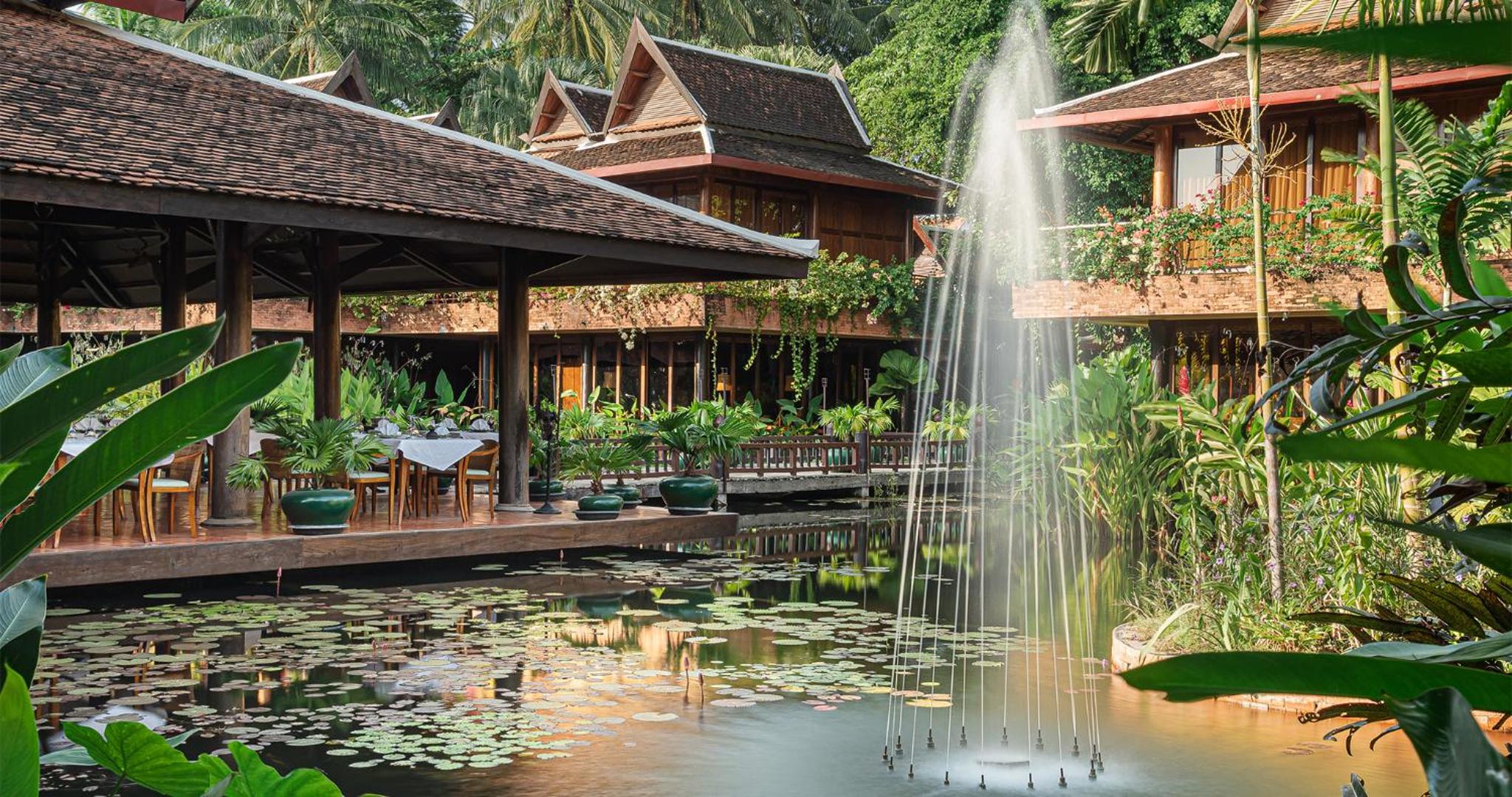
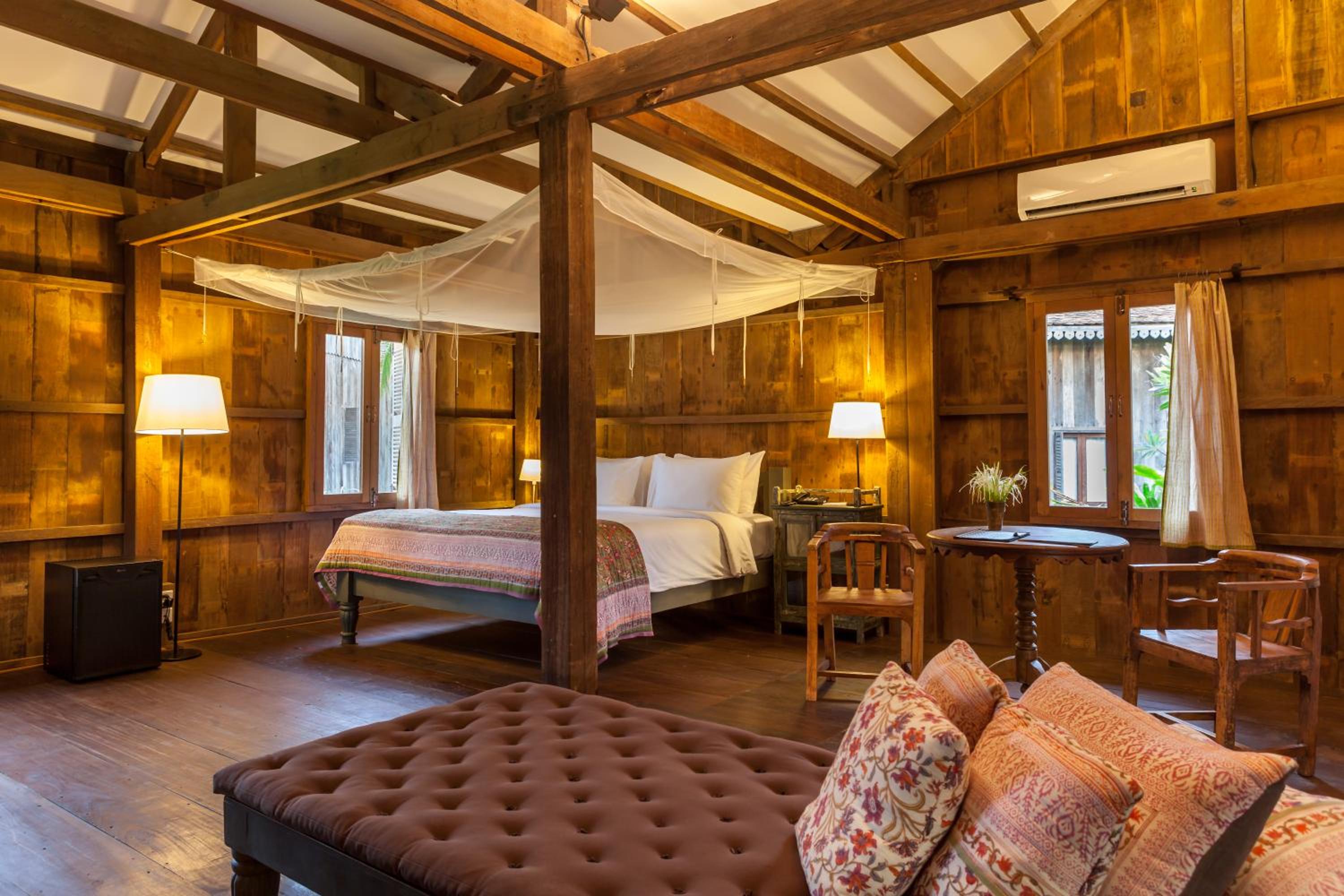
The night bus via Phnom Penh saves you a room, and Angkor comes last, as Step 3 planned it. Three nights is also the stay travellers plan most often here. With the three day pass, use two temple days and keep one free for the pool or a second sunrise. Base yourself around the Old Market, where everything is inside a twenty minute walk.



Prefer the countryside to a second island? Swap Koh Rong Samloem for two nights in Battambang, 3 to 4 hours by bus from Siem Reap.
Turn these stops into a route
Pick your favourites and Stippl orders them, adds travel times and builds the day-by-day.
Open the route, change the nights, reverse it if you fly into Siem Reap, and the legs and dates move with you.
How many days do you need for Cambodia?
Two weeks covers the classic loop, and three weeks adds the quiet west or the east. Here is what each length buys you.
Three or four days. Siem Reap and Angkor only: two or three temple days, early mornings and afternoons in the pool.
One week. The two city minimum: three nights in Siem Reap and three in Phnom Penh, which you can open as a one week trip in Stippl.
Ten to twelve days. Angkor, the capital, Kampot and one island.
Two weeks. The sample route above.
Three weeks. The loop plus Battambang and four nights in Siem Reap, ready to open as a three week trip in Stippl.
Describe your trip, get a Cambodia itinerary in seconds
Everything in this guide is already in Stippl. Tell the planner how long you have and what you like: it builds the route, the days and the travel times, and you edit whatever you want.
Cambodia travel tips for first timers
Four Cambodia traps, and the easy way round each.
Too many one night stops. Roughly a quarter of Cambodian stops are a single night, and with buses this slow those are travel days. Keep two nights as your floor everywhere except the ferry port.
Booking the e-visa before the route is fixed. It locks in your entry and exit points. Settle the borders in Step 1 first, or take the visa on arrival.
The temple dress code. Shoulders and knees covered, for men and women, at Angkor and at every other temple. Guards turn people away at the upper level of Angkor Wat.
Haggling the tuk-tuk after the ride. Agree the fare before you get in, check the real distance on your map first, or use PassApp or Grab and let the app set the price.
Read more: things to do in Cambodia
Know which border you are coming in by? Then Angkor's place in the route, first or last, is already half decided.
Frequently asked questions about Cambodia
Ten to fourteen days covers Angkor, Phnom Penh, Kampot and an island. Across almost 36,000 Cambodia trips planned with Stippl, a typical stop gets two nights, so two weeks means five or six stops.
November to February, the cool dry season, when the temples, the cities and the islands all work at once. For the islands alone, December to March is when the ferries are most reliable.
By bus between the cities, by fast ferry to the islands, and by flight in and out. Add each one as a leg in Stippl with its travel time.
Yes, and most travellers do: only about one in 16 Cambodia trips planned with Stippl visits Cambodia alone. Cross to Vietnam overland at Bavet and Moc Bai; for Thailand, plan to fly, because the land crossings have been shut or disrupted since mid 2025.
Angkor at the start or Angkor as the finale, the islands calm or rough: the loop bends to fit. Open the two week backpacker loop in Stippl, set your own border at each end, and invite whoever is sharing the tuk-tuk.