
Siem Reap
Siem Reap is Angkor, a site that takes days rather than a monument that takes a morning, and a compact, cheap town around it. Cycle the small circuit, then the grand one on day two, nearly alone.
Siem Reap in a nutshell
Siem Reap: what to expect
Our travellers have planned 164,000+ stops in Cambodia on Stippl. That is where the numbers here come from.
Siem Reap exists to reach Angkor, and three nights is what that takes. Angkor Wat is one temple. Angkor is the park around it, a few kilometres north of town, holding dozens of major temples and the remains of several hundred smaller ones. Sunrise over the northern moat pond is the image everyone comes for, Bayon's stone faces are the ones most people say they preferred, and Ta Prohm is the temple the strangler figs have half swallowed. 34.4% of stays here run exactly three nights.
Cambodia begins in Siem Reap more often than anywhere else. 46.1%. It is the country's default stop, and skipping it is the exception rather than an alternative route.
Temple fatigue is real, so plan the pass around it. The Angkor pass comes in one, three and seven day versions, sold by Angkor Enterprise alone, and the office opens at 05:00 for sunrise. The small circuit by bicycle covers Angkor Wat, Bayon and Ta Prohm in a day; the grand circuit on the second day is emptier and plenty of people prefer it. Power cuts are frequent and long, so book a room with a generator if the air conditioning matters. November to February is dry and cool enough to walk temples all day.
Plan Siem Reap in Stippl
Day-by-day planning, stays and budget in one app, with every place from this guide already on the map.
Download the appWho Siem Reap is for
History travellers, above all
Angkor is a multi-day site rather than a monument, and the whole trip organises itself around which circuit to do on which day.
First-time Asia backpackers
Compact, cheap, English widely spoken in the tourist core, an established hostel scene and one obvious thing to do.
Budget travellers
Dorms from about €4, private air-conditioned rooms from about €17, and beer on Pub Street for under 50 cents.
Families with children
The temples genuinely hold children's attention, the distances are short, and you can cycle the small circuit rather than sit in a van.
Slow travellers, remote workers
Cafés, co-working and long-stay guesthouses give it something of Chiang Mai's feel, and most people give it 3 nights at least.
Anyone wanting the trip to give
An unusual density of restaurants and shops run as social enterprises, training and employing locally.
Maybe not for you: anyone who needs air-conditioning to be reliable, since power cuts are frequent and can run for hours; anyone who dislikes being sold to on a bar street; and anyone hoping to cross overland to Thailand, because that border is shut.
The best time to visit Siem Reap
Cool dry season
November to February
The season the whole calendar is built around: dry, cooler, and the only months a full day on foot at Angkor is comfortable. Also the most expensive and the most crowded.
Hot dry season
March to May
Cloudless and punishing by mid morning, with Khmer New Year in mid April closing businesses and filling the town with Cambodian families. The five o'clock start stops being optional.
Wet season
June to October
Afternoon downpours, workable mornings, thin crowds and the jungle around Ta Prohm looking the way the photographs promise. The Tonlé Sap is at its largest from September, and the floating villages are worth the trip.
- January is the month most travellers plan Siem Reap for on Stippl, about 88 days ahead. Only 11.4% of Siem Reap plans are made inside a fortnight, and the good hotels near the river are the reason for the lead in the cool months.
- March to May is the trap. The guides that call it shoulder season with fewer crowds are right about the crowds and quiet about the heat; a temple day in April is done by ten or not at all.
- Khmer New Year in mid April is the biggest holiday of the year and Siem Reap is where the country comes for it. Three days: businesses close, prices rise and water gets thrown; plan the temple days either side of it.
- Pchum Ben in September or October empties the town of staff. Fifteen days of offerings at the pagodas, with Wat Bo busy from before dawn; the restaurants run short-handed and the tuk-tuk drivers go home to the provinces.
- The floating villages depend on the lake, not the calendar. From September to January the Tonlé Sap is at its largest and Kampong Phluk floats; at the end of the dry season the same villages stand on stilts over mud.
Add your Siem Reap dates and we'll flag the weather
Stippl shows the season, crowds and prices for every stop on your route.
Describe your trip, get a Siem Reap itinerary in seconds
Everything in this guide is already in Stippl. Tell the planner how long you have and what you like: it builds the route, the days and the travel times, and you edit whatever you want.
Things to do in Siem Reap
 Photo by Siborey Sean via Unsplash
Sunrise at Angkor Wat
Be at the ticket office at five and at the northern moat pond before six for the reflection everyone comes for, then leave the moment the sun clears the towers and take Angkor Wat itself in the afternoon. Cloud ruins it a third of the time.
The Bayon's faces
Walk among the 216 serene stone faces on the towers of Angkor Thom's central temple, the one most people say they preferred to Angkor Wat, between eight and nine before the coaches. Included in the pass.
Ta Prohm
See the temple left half-swallowed by strangler figs and silk-cotton roots, the one the Tomb Raider film made famous, early or it is a queue for one doorway. Enter from the east gate, which the tours do not.
Cycling the small circuit
Ride Angkor Wat, the Bayon, the Terrace of the Elephants, Ta Keo, Ta Prohm and Srah Srang at your own pace, about thirty-six kilometres on flat roads, on a bike for about €3 a day. Start at six and carry two litres of water.
The Tonlé Sap villages
Take a boat into Kompong Phluk or Kompong Khleang rather than Chong Kneas, the closest and most commercialised, about €20. Only worth it at high water from September to January; at low water the villages stand on mud.
The Landmine Museum and APOPO
Visit the museum founded by Aki Ra, a conscripted child soldier who laid mines and now clears them, about €5, and the APOPO centre where the giant rats that sniff out mines are shown at work, about €10. A morning on the road to Banteay Srei.
The neighbourhoods of Siem Reap
Old Market and Pub Street
Dense core, the party street
The commercial core: a working produce market that predates the tourism, wrapped in guesthouses, travel agents, massage shops and the loudest street in the country. For first visits and nightlife; everything is on foot.
Everything walkable and the country's one party street, and no sleep before two.
Kandal Village
Colonial villas, galleries, coffee
Colonial villas turned into galleries, bookshops, bakeries and small studios, one street back from the noise, leafy and uninterested in selling you a tour. For foodies and for decent coffee without the hustle.
The best coffee and the calm, and Pub Street two minutes away when you want it.
Wat Bo Road
East bank, guesthouses, resident prices
The east-bank corridor named after one of the city's oldest pagodas: guesthouses, laundries, pharmacies and neighbourhood restaurants, a street built around function. For budget travellers and for Khmer food priced for residents.
Cheap and local, and a walk across the river for the nightlife.
Wat Damnak
Calm pocket, minutes from the noise
A small calm pocket south of Wat Bo on the east bank, a few minutes from the night market and Pub Street without hearing either, with boutique hotels and pools. For sleeping quietly and for couples.
Quiet and a pool, and a ten-minute walk to the noise.
Taphul Village
Residential, cheaper, slow
A residential cluster of local homes and guesthouses west of the centre, cheaper than the riverfront and quieter than the market. For slow travel and for settling in for a week.
A week at local prices, and a tuk-tuk or a bicycle for the centre.
See every Siem Reap neighbourhood on one map
Save the areas you like and Stippl plots your days so you're not crossing the city twice.
Where to stay in Siem Reap
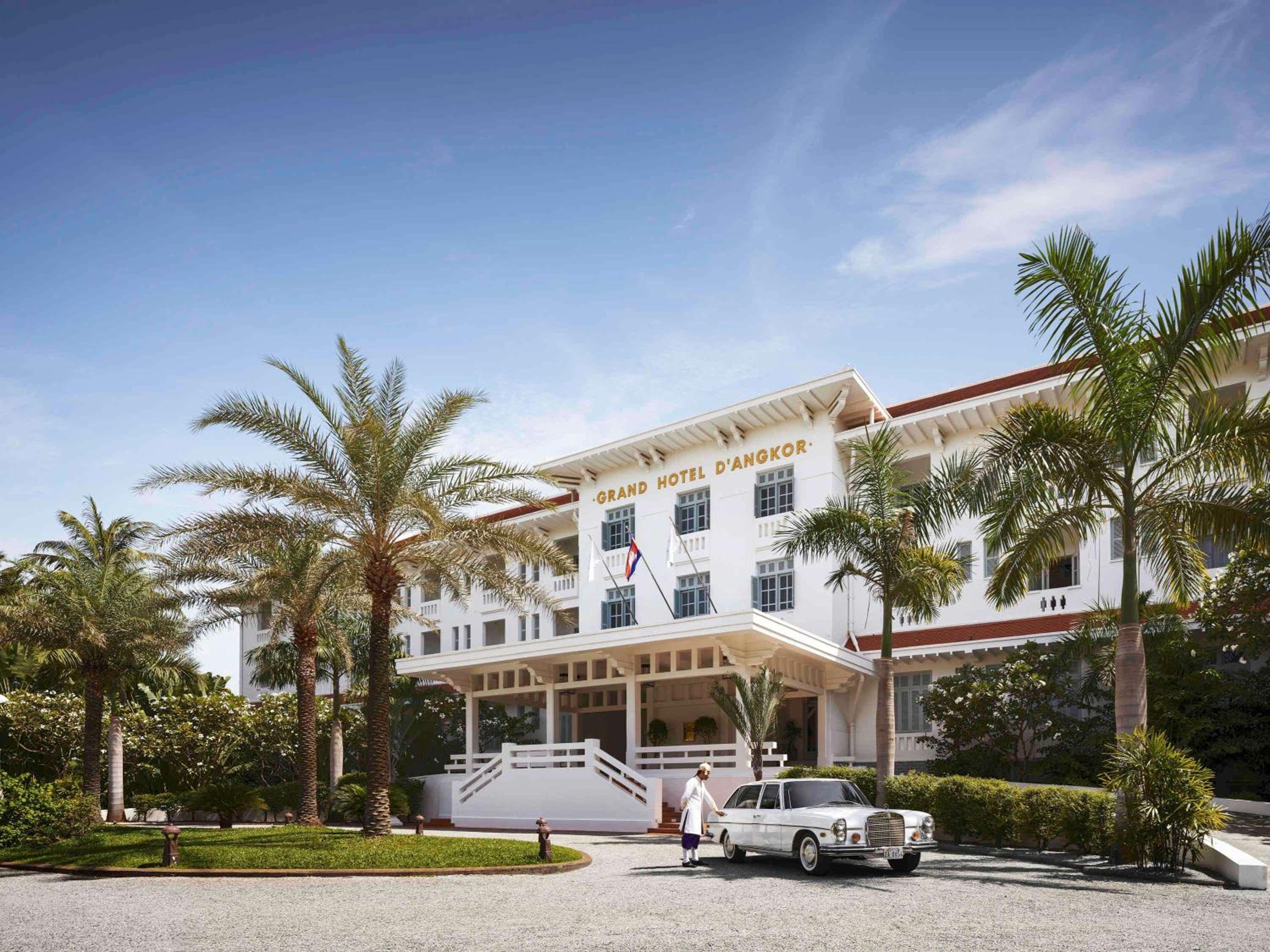
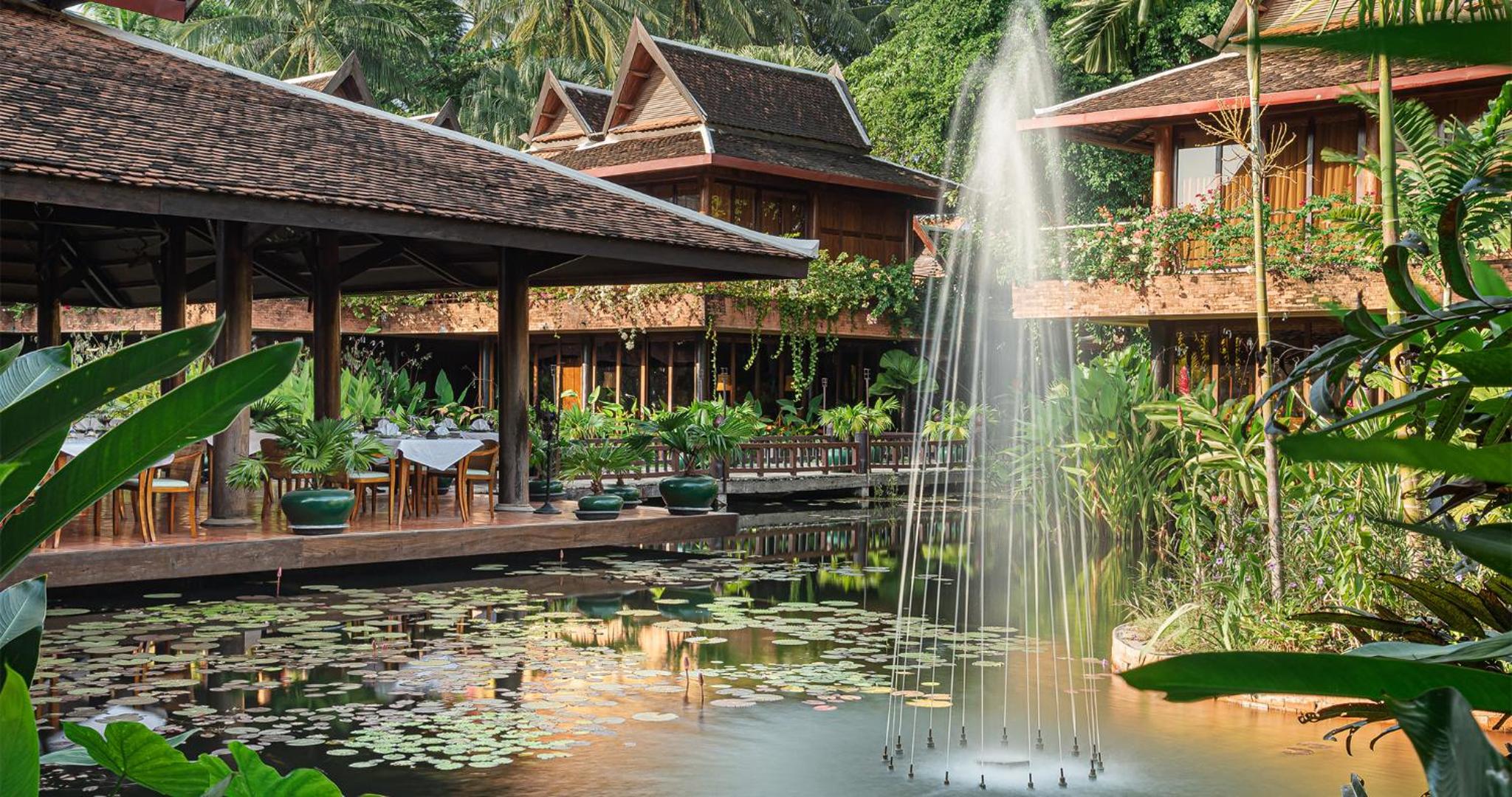
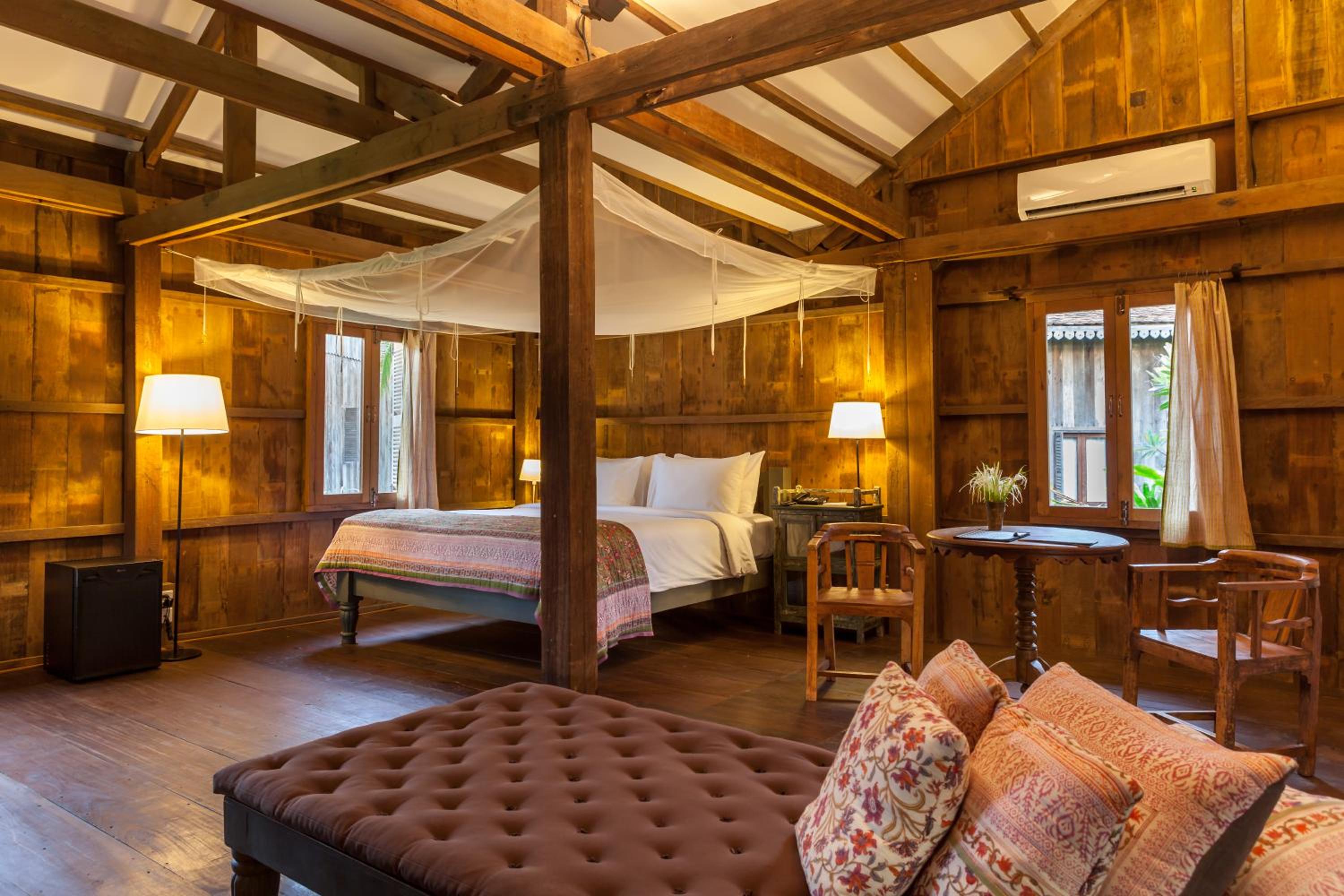
Stay in the Old Market core for two or three nights, and across the river on Wat Bo Road for a week. Book air conditioning, a pool and a generator, in that order: temples until eleven, pool until four, and the power goes out several times a week. Most people give Siem Reap 3 nights on Stippl. There is no accommodation inside the Angkor park; everyone commutes.
Old Market and Pub Street
Hostels with dorms from €4.50 and guesthouses with pools from €18, with the loudest street in earshot.
Kandal Village
Boutique hotels in the old villas, €50 to €130, one street back from the noise.
Wat Bo Road
€10–35
Guesthouses and mid-range hotels with pools, €20 to €60, built for a week rather than a night.
Wat Damnak
€15–45
Boutique hotels and small resorts in a calm pocket, €40 to €120, minutes from the night market.
Taphul Village
€8–25
Family guesthouses and homestays at the cheapest rates in town, €10 to €30.


What to eat in Siem Reap
Freshwater fish steamed in coconut milk, kroeung and egg until it sets like a custard, served in a banana-leaf cup. The national dish.
Fermented rice noodles under a green fish-and-lemongrass gravy, eaten with a plate of raw herbs. Breakfast, not dinner.
Marinated beef seared hard and served over lettuce and tomato with a lime-and-black-pepper dip and often a fried egg.
Green mango salad, tart and hot, with peanuts and dried fish or shrimp.
Grilled pork over broken rice with pickles and a bowl of broth. The standard Cambodian breakfast.
Kep crab stir-fried with green Kampot peppercorns still on the stalk. Southern, but on menus here.
Crickets, silkworms, and the whole fried tarantula that is now more dare than diet.
Discover food spots in Stippl
Find restaurants and markets on the map, save them to your itinerary, works offline too.
Siem Reap customs and what not to do
Angkor enforces the dress code
Shoulders and knees covered, and the guards turn people away at the upper level of Angkor Wat; a scarf and thin trousers are sold in the market for a couple of euros.
The temples are not ruins
They are active religious sites: monks use them, people pray in them, and the etiquette is that of a working wat, so no climbing on the carvings and no shouting across galleries.
Fake monks work the park
Men in robes on the outskirts bless you and then charge; real monks do not solicit, and the incense sellers at the shrines inside are the ones to give to.
Khmer is non-tonal
Which makes a handful of courtesy phrases far more learnable than Thai or Vietnamese; sua sdei and orkun, with the sampeah, change the whole exchange.
Do
- Start at five and stop at eleven on a temple day; the heat and the tour buses arrive together
- Carry your Angkor pass on you all day; it is checked repeatedly
- Take small notes; change under a dollar comes in riel
- Learn sua sdei and orkun
Don't
- Pay the monks who bless you on the outskirts of the park and then charge
- Buy an Angkor pass from anyone but Angkor Enterprise; anything else is void and the fines are heavy
- Give money to children selling postcards at the temples; the NGOs are the alternative
- Climb on the carvings for a photograph
What a Siem Reap trip costs
Budget
€17–26
A dorm bed, local meals, a shared tuk-tuk, beer on Pub Street. The Angkor pass is on top.
Mid-range
€30–43
A private air-conditioned room with a pool, restaurant meals, a tuk-tuk to yourself.
High-end
€69+
A boutique hotel or resort north of town, a private guide, the Phare circus and a spa.
Track what you actually spend
Set a daily budget per country and log expenses in any currency while you travel.
Fun facts about Siem Reap
Siem Reap means Defeat of Siam. The name commemorates a Khmer victory over the Kingdom of Siam, and the town has kept it while sharing a border region with modern Thailand.
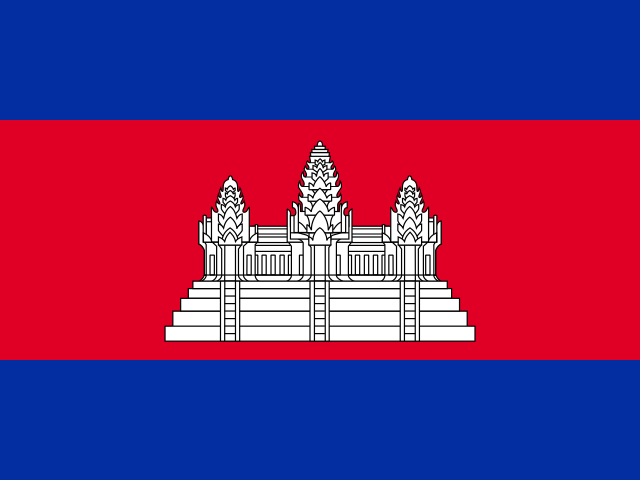
Angkor Wat holds the Guinness record as the largest religious monument on earth. It covers more than 400 acres and appears on the national flag, the only flag in the world to carry a building.
The temples are the only part of the Khmer capital that survived. Palaces, houses and the whole city of perhaps a million people were built in wood, so only the stone temples of the gods remain.
Wat Bo Village was named Asia's coolest neighbourhood by Time Out in 2022. The quarter of guesthouses, cafés and galleries east of the river is a ten-minute walk from Pub Street and nothing like it.
Beng Mealea, the jungle temple 60 km east, needs its own ticket. The Angkor pass does not cover it, so the admission of about €13 (US$15) is paid at the gate.
The town of Siem Reap has about 180,000 people. The wider municipality counted 245,494 in the 2019 census, and the difference is the rice fields that begin at the ring road.
Local tips for Siem Reap
The airport moved
Siem Reap-Angkor International is forty minutes east of the city and most of the internet has not caught up. The shuttle bus is about €7 and a taxi about €25; ask the guesthouse to collect.
One driver for the whole day
Hire one tuk-tuk driver for the temple day, not per hop: agree the circuit and the price at the start, about €20 for the small circuit and €25 for the grand. Book through the guesthouse.
Book buses through 12Go
Use 12Go or your accommodation, never a shopfront; shuttle quality varies enormously. No Cambodian journey needs an overnight bus; the longest are six to eight hours.
How long to stay
Most people give Siem Reap 3 nights on Stippl, which is the three-day temple pass and a day for the lake or the circus. The pass is about €58 and the better buy.
Phones go from the kerb
Snatching from passing motorbikes is the specific risk here, and the one thing every source and the State Department agree on. Bag on the inside, phone away at the roadside.
Heat is the injury
Maxima in the mid thirties from March to May and no shade on the causeways. Temples from opening until ten, the pool through the middle of the day, and agree the tuk-tuk price out loud.
Siem Reap questions, answered
Buy the three-day pass and spread it rather than running three days back to back. It is valid on any three days inside ten, so you can put a rest day in the middle and still use all of it. Lay the temple mornings and the recovery afternoons into Stippl, because heat is what actually limits the plan.
Three. 3 nights is the normal stay in the Siem Reap stops planned on Stippl, and it matches what the guidebooks say, which happens more rarely than you would think. One day covers the headline temples before they blur; the third buys Banteay Srei and the outer circuit.
Almost nobody tries it: only 14.9% of Siem Reap stops planned on Stippl are a single night, among the lowest shares in Cambodia. One night gives you a sunrise and a scramble to the airport. Angkor is a landscape rather than a monument, and landscapes need mornings, plural.
About three months. Travellers planning Siem Reap on Stippl start roughly 88 days out, the longest lead in Cambodia, because the guesthouses near the Old Market and the drivers who know the quiet circuits go early in the dry season.
Yes, from Angkor Enterprise, at the counter price. That is the only official channel, so anything sold at a markup by a hotel or an agent is a reseller, and a pass bought outside Angkor Enterprise altogether is void at the gate. Bring the code and a passport that matches the name on it.
Forty-five to fifty kilometres, and an hour or more by road. The new airport sits well east of the city and is nothing like the old one, which was fifteen minutes out, so any guide written before it opened is wrong about this. Allow for it on the arrival day and the departure day both.
Every guide is written by the Stippl editors and checked against the trips our travellers actually plan. Spotted something out of date? Let us know.

Plan Siem Reap in Stippl
Day-by-day planning, stays and budget in one app, with every place from this guide already on the map.
Download the app