

Siem Reap
Siem Reap, c'est Angkor, un site qui demande des jours plutôt qu'un monument qui se visite en une matinée, et une petite ville bon marché autour. Parcourez le petit circuit, puis le grand le deuxième jour, presque seul.
Siem Reap en bref
Siem Reap : à quoi s'attendre
Nos voyageurs ont planifié 164 000+ arrêts au Cambodge sur Stippl. C'est d'où proviennent les chiffres ici.
Siem Reap existe pour atteindre Angkor, et trois nuits est ce qu'il faut pour cela. Angkor Wat est un seul temple. Angkor est le parc autour de lui, à quelques kilomètres au nord de la ville, contenant des douzaines de temples majeurs et les restes de plusieurs centaines de plus petits. Le lever du soleil sur l'étang de douves nord est l'image que tout le monde vient chercher, les visages en pierre du Bayon sont ceux que la plupart des gens disent avoir préférés, et Ta Prohm est le temple que les figuiers étrangleurs ont à moitié engloutis. 34,4 % des séjours ici durent exactement trois nuits.
Le Cambodge commence à Siem Reap plus souvent que n'importe où ailleurs. 46,1 %. C'est l'arrêt par défaut du pays, et le sauter est l'exception plutôt qu'un itinéraire alternatif.
La fatigue des temples est réelle, alors planifiez le pass autour d'elle. Le pass Angkor se décline en versions d'un, trois et sept jours, vendus uniquement par Angkor Enterprise, et le bureau ouvre à 05h00 pour le lever du soleil. Le petit circuit à vélo couvre Angkor Wat, Bayon et Ta Prohm en une journée ; le grand circuit le deuxième jour est plus vide et beaucoup de gens le préfèrent. Les coupures de courant sont fréquentes et longues, alors réservez une chambre avec générateur si la climatisation est importante. De novembre à février, il fait sec et assez frais pour marcher parmi les temples toute la journée.
Planifiez Siem Reap dans Stippl
Planification jour par jour, hébergements et budget dans une seule application, avec chaque lieu de ce guide déjà sur la carte.
Télécharger l'applicationÀ qui Siem Reap s'adresse
Voyageurs en histoire, surtout
Angkor est un site multi-jour plutôt qu'un monument, et tout le voyage s'organise autour du circuit à faire quel jour.
Premiers routards en Asie
Compact, bon marché, l'anglais largement parlé dans le cœur touristique, une scène auberge établie et une chose évidente à faire.
Voyageurs au budget limité
Dortoirs à partir d'environ 4 €, chambres climatisées privées à partir d'environ 17 €, et bière sur Pub Street pour moins de 50 cents.
Familles avec enfants
Les temples attirent véritablement l'attention des enfants, les distances sont courtes, et vous pouvez faire à vélo le petit circuit plutôt que de rester assis dans un van.
Voyageurs lents, travailleurs distants
Cafés, coworking et auberges pour longs séjours donnent à cela quelque chose de la sensation de Chiang Mai, et la plupart des gens lui donnent 3 nuits au minimum.
Quiconque voulant que le voyage donne
Une densité inhabituelle de restaurants et de magasins gérés en tant qu'entreprises sociales, formant et employant localement.
Peut-être pas fait pour vous : quiconque a besoin que la climatisation soit fiable, car les coupures de courant sont fréquentes et peuvent durer des heures ; quiconque n'aime pas être vendu sur une bar street ; et quiconque espère traverser la frontière vers la Thaïlande, car cette frontière est fermée.
Le meilleur moment pour visiter Siem Reap
Saison fraîche et sèche
November to February
La saison autour de laquelle tourne tout le calendrier : sèche, plus fraîche, et les seuls mois où une journée complète à pied à Angkor est confortable. Aussi la plus chère et la plus fréquentée.
Saison sèche et chaude
March to May
Sans nuages et étouffante à partir de la fin de matinée, avec le Nouvel An khmer à la mi-avril qui ferme les commerces et remplit la ville de familles cambodgiennes. Le lever à cinq heures n'est plus facultatif.
Saison des pluies
June to October
Averses l'après-midi, matinées praticables, foules clairsemées et la jungle autour de Ta Prohm qui ressemble aux photos. Le Tonlé Sap est à son maximum à partir de septembre, et les villages flottants valent le détour.
- Janvier est le mois que la plupart des voyageurs planifient à Siem Reap sur Stippl, environ 88 jours à l'avance. Seulement 11,4 % des projets pour Siem Reap sont faits en moins de deux semaines, et les bons hôtels près du fleuve en sont la raison pendant les mois frais.
- Mars à mai est le piège. Les guides qui l'appellent saison intermédiaire avec moins de foules ont raison sur les foules et se taisent sur la chaleur ; une journée de temple en avril est finie à dix heures ou pas du tout.
- Le Nouvel An khmer à la mi-avril est la plus grande fête de l'année et Siem Reap est l'endroit où le pays vient le célébrer. Trois jours : les commerces ferment, les prix augmentent et l'eau se verse ; planifiez les journées de temple de chaque côté.
- Pchum Ben en septembre ou octobre vide la ville de son personnel. Quinze jours d'offrandes aux pagodes, avec Wat Bo occupé dès avant l'aube ; les restaurants fonctionnent en sous-effectif et les conducteurs de tuk-tuk rentrent dans les provinces.
- Les villages flottants dépendent du lac, non du calendrier. De septembre à janvier, le Tonlé Sap atteint sa plus grande taille et Kampong Phluk flotte ; à la fin de la saison sèche, les mêmes villages se dressent sur pilotis au-dessus de la boue.
Ajoutez vos dates pour Siem Reap et nous vous signalerons la météo
Stippl indique la saison, l'affluence et les prix pour chaque étape de votre itinéraire.
Décrivez votre voyage et obtenez un itinéraire pour Siem Reap en quelques secondes
Tout ce guide est déjà dans Stippl. Dites au planificateur combien de temps vous avez et ce que vous aimez : il construit l'itinéraire, les journées et les temps de trajet, et vous modifiez ce que vous voulez.
Choses à faire à Siem Reap
 Photo by Siborey Sean via Unsplash
Lever de soleil à Angkor Wat
Soyez au guichet à cinq heures et au étang de la douve nord avant six pour le reflet que tout le monde vient chercher, puis partez dès que le soleil éclaire les tours et visitez Angkor Wat elle-même l'après-midi. Les nuages la ruinent un tiers du temps.
Les visages du Bayon
Marchez parmi les 216 visages en pierre sereins sur les tours du temple central d'Angkor Thom, celui que la plupart disent avoir préféré à Angkor Wat, entre huit et neuf heures avant les autocars. Inclus dans le pass.
Ta Prohm
Voyez le temple à moitié englouti par les figuiers étrangleurs et les racines de fromagers, celui que le film Tomb Raider a rendu célèbre, tôt ou c'est une file pour une porte. Entrez par la porte est, que les visites guidées ne font pas.
Faire du vélo sur le petit circuit
Visitez Angkor Wat, le Bayon, la Terrasse des Éléphants, Ta Keo, Ta Prohm et Srah Srang à votre rythme, environ trente-six kilomètres sur routes plates, à vélo pour environ 3 € par jour. Commencez à six heures et apportez deux litres d'eau.
Les villages du Tonlé Sap
Prenez un bateau vers Kompong Phluk ou Kompong Khleang plutôt que Chong Kneas, le plus proche et le plus commercialisé, environ 20 €. Cela ne vaut vraiment la peine qu'à haut niveau d'eau de septembre à janvier ; à bas niveau les villages sont sur la boue.
Le Landmine Museum et APOPO
Visitez le musée fondé par Aki Ra, un enfant soldat enrôlé de force qui a posé des mines et maintenant les déminage, environ 5 €, et le centre APOPO où les géants rats qui flairent les mines sont montrés au travail, environ 10 €. Une matinée sur la route de Banteay Srei.
Les quartiers de Siem Reap
Old Market and Pub Street
Centre dense, rue de la fête
Le cœur commercial : un marché producteur actif qui précède le tourisme, entouré de petits hôtels, agences de voyage, salons de massage et la rue la plus bruyante du pays. Pour les premières visites et la vie nocturne ; tout est à pied.
Tout est accessible à pied et c'est la seule rue de fête du pays, sans dormir avant deux heures.
Kandal Village
Villas coloniales, galeries, café
Des villas coloniales converties en galeries, librairies, boulangeries et petits ateliers, une rue en retrait du bruit, boisée et désintéressée par la vente de visites. Pour les gourmands et pour un bon café sans l'agitation.
Le meilleur café et la tranquillité, et Pub Street à deux minutes quand vous le voulez.
Wat Bo Road
Rive est, petits hôtels, prix locaux
Le corridor de la rive est nommé d'après l'une des plus anciennes pagodes de la ville : petits hôtels, laveries, pharmacies et restaurants de quartier, une rue pensée pour la fonction. Pour les voyageurs au budget serré et pour la cuisine khmer à prix locaux.
Bon marché et local, et une traversée du fleuve pour la vie nocturne.
Wat Damnak
Coin calme, à quelques minutes du bruit
Un petit coin calme au sud de Wat Bo sur la rive est, à quelques minutes du marché de nuit et de Pub Street sans entendre l'un ou l'autre, avec hôtels de charme et piscines. Pour dormir tranquille et pour les couples.
Tranquille et une piscine, et dix minutes à pied du bruit.
Taphul Village
Résidentiel, moins cher, tranquille
Un quartier résidentiel de maisons locales et petits hôtels à l'ouest du centre, moins cher que les bords de fleuve et plus tranquille que le marché. Pour voyager lentement et pour passer une semaine.
Une semaine à prix locaux, et un tuk-tuk ou un vélo pour le centre.
Découvrez chaque quartier de Siem Reap sur une seule carte
Enregistrez les quartiers que vous aimez et Stippl organise vos journées pour éviter de traverser la ville deux fois.
Où loger à Siem Reap
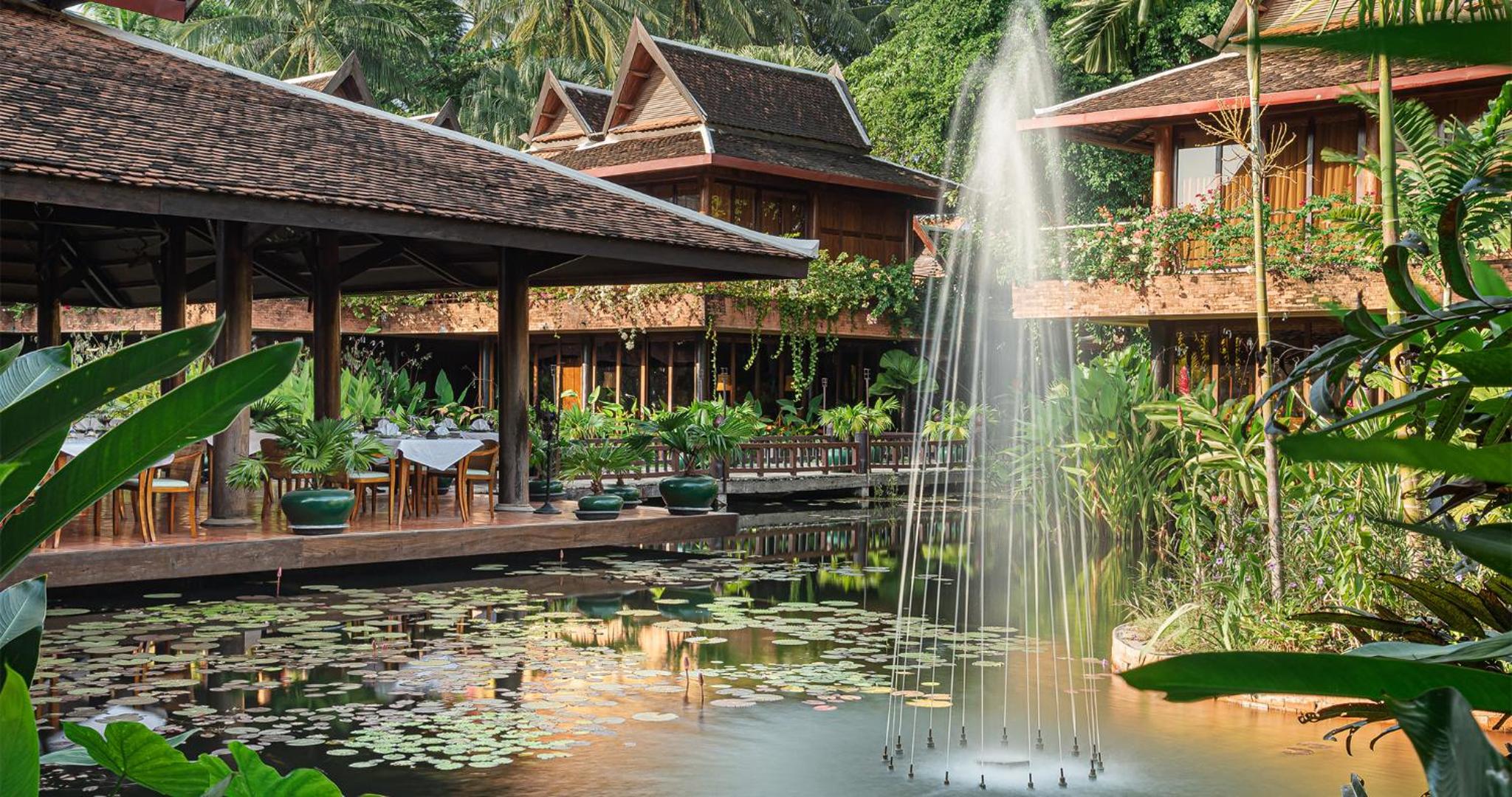
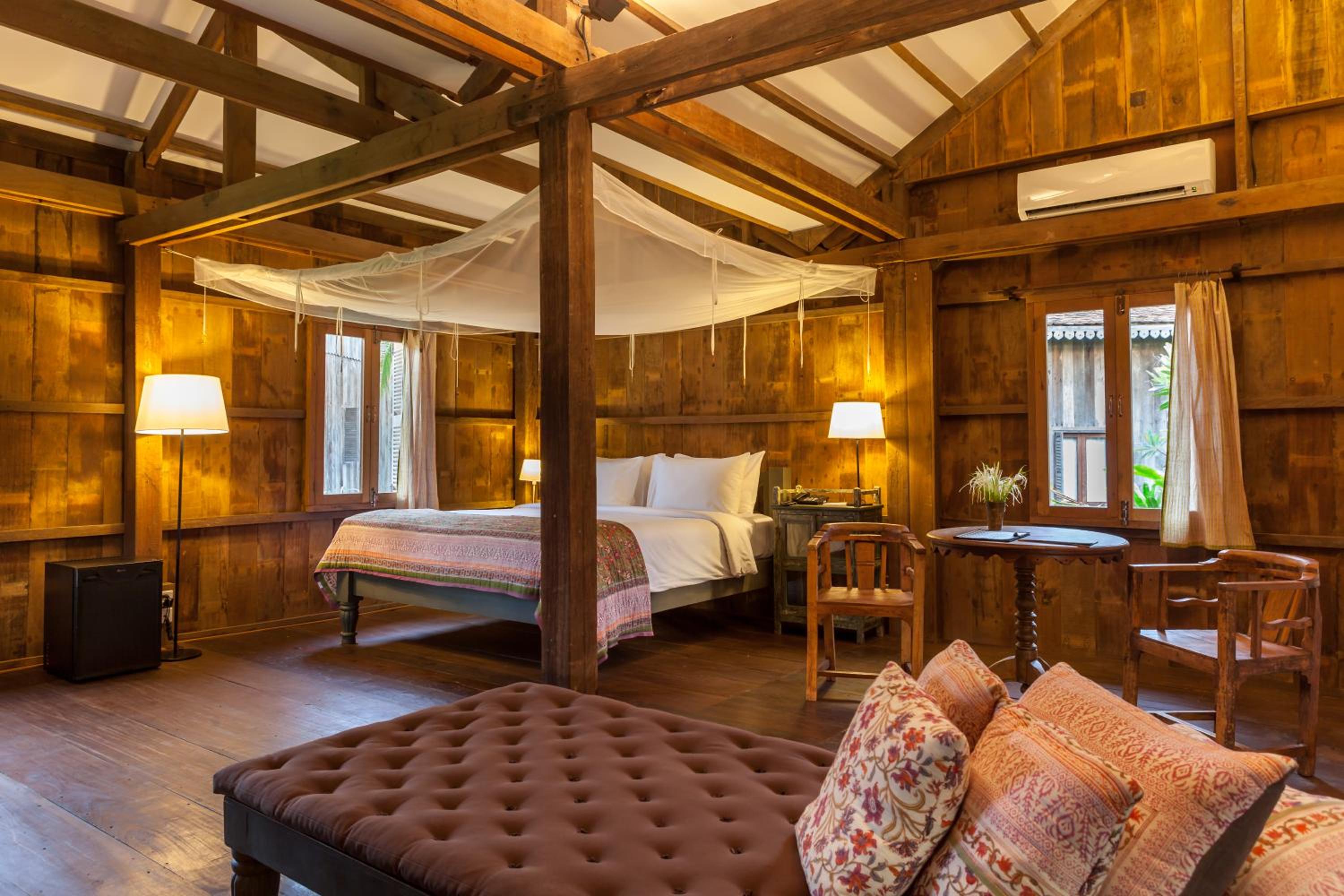
Restez dans le centre du Vieux Marché pendant deux ou trois nuits, et de l'autre côté du fleuve sur Wat Bo Road pour une semaine. Réservez la climatisation, une piscine et un générateur, dans cet ordre : temples jusqu'à onze heures, piscine jusqu'à seize heures, et l'électricité s'éteint plusieurs fois par semaine. La plupart des gens donnent à Siem Reap 3 nuits sur Stippl. Il n'y a pas d'hébergement à l'intérieur du parc Angkor ; tout le monde navette.
Vieux Marché et Pub Street
€10–35
Auberges avec dortoirs à partir de 4,50 € et petits hôtels avec piscines à partir de 18 €, avec la rue la plus bruyante à portée de voix.
Kandal Village
€8–25
Hôtels de charme dans les anciennes villas, €50 à €130, une rue en retrait du bruit.
Wat Bo Road
10–35 €
Guesthouses et hôtels de catégorie intermédiaire avec piscine, €20 à €60, conçus pour un séjour d'une semaine plutôt qu'une nuit.
Wat Damnak
15–45 €
Hôtels de charme et petits resorts dans un cadre tranquille, €40 à €120, à quelques minutes du marché nocturne.
Taphul Village
8–25 €
Gîtes familiaux et séjours chez l'habitant aux tarifs les moins chers de la ville, 10 € à 30 €.



Que manger à Siem Reap
Poisson d'eau douce cuit à la vapeur dans le lait de coco, kroeung et œuf jusqu'à ce qu'il se solidifie comme une crème anglaise, servi dans une tasse de feuille de bananier. Le plat national.
Nouilles de riz fermentées sous une sauce verte au poisson et à la citronnelle, mangées avec une assiette d'herbes fraîches. Petit-déjeuner, pas dîner.
Bœuf mariné sauté dur et servi sur de la laitue et de la tomate avec une sauce au citron vert et au poivre noir et souvent un œuf frit.
Salade de mangue verte, piquante et chaude, avec des arachides et du poisson ou des crevettes séchées.
Porc grillé sur du riz cassé avec des cornichons et un bol de bouillon. Le petit-déjeuner cambodgien standard.
Crabe de Kep sauté aux grains de poivre vert de Kampot encore sur la tige. Du sud, mais sur les menus ici.
Crickets, vers à soie, et l'araignée entière frite qui est désormais plus un défi qu'une alimentation.
Découvrez des adresses gourmandes dans Stippl
Trouvez restaurants et marchés sur la carte, enregistrez-les dans votre itinéraire, fonctionne aussi hors ligne.
Les coutumes de Siem Reap et ce qu'il ne faut pas faire
Angkor applique le code vestimentaire
Épaules et genoux couverts, et les gardes arrêtent les gens au niveau supérieur d'Angkor Wat ; un foulard et un pantalon fin sont vendus au marché pour quelques euros.
Les temples ne sont pas des ruines
Ce sont des sites religieux actifs : les moines les utilisent, les gens y prient, et l'étiquette est celle d'un wat actif, donc pas d'escalade sur les sculptures et pas de cris à travers les galeries.
Les faux moines travaillent le parc
Des hommes en robes à la périphérie vous bénissent puis demandent de l'argent ; les vrais moines ne sollicitent pas, et ce sont les vendeurs d'encens aux autels intérieurs qui méritent votre don.
Le khmer n'est pas tonal
Ce qui rend une poignée de formules de courtoisie bien plus faciles à apprendre que le thaï ou le vietnamien ; sua sdei et orkun, avec le sampeah, changent tout l'échange.
À faire
- Commencez à cinq heures et arrêtez-vous à onze pour une journée de temple ; la chaleur et les autocars de tourisme arrivent ensemble
- Portez votre pass Angkor toute la journée ; il est contrôlé répétitivement
- Prenez des petites coupures ; la monnaie de moins d'un dollar revient en riels
- Apprenez sua sdei et orkun
À éviter
- Donnez de l'argent aux moines qui vous bénissent à la périphérie du parc puis demandent de l'argent
- Achetez un pass Angkor auprès de n'importe qui sauf Angkor Enterprise ; tout le reste n'est pas valide et les amendes sont lourdes
- Donnez de l'argent aux enfants vendant des cartes postales aux temples ; les ONG en sont l'alternative
- Escaladez les sculptures pour une photo
Combien coûte un voyage à Siem Reap
Budget
€17–26
Un lit en dortoir, des repas locaux, un tuk-tuk partagé, une bière à Pub Street. Le pass Angkor s'ajoute.
Milieu de gamme
€30–43
Une chambre privée climatisée avec piscine, repas au restaurant, un tuk-tuk pour vous.
Haut de gamme
€69+
Un hôtel boutique ou un resort au nord de la ville, un guide privé, le cirque Phare et un spa.
Suivez ce que vous dépensez vraiment
Définissez un budget journalier par pays et enregistrez vos dépenses dans n'importe quelle devise pendant le voyage.
Anecdotes sur Siem Reap
Siem Reap signifie Défaite du Siam. Le nom commémore une victoire khmer sur le Royaume du Siam, et la ville l'a conservé en partageant une région frontalière avec la Thaïlande moderne.
Angkor Wat détient le record Guinness du plus grand monument religieux sur terre. Il couvre plus de 400 acres et figure sur le drapeau national, le seul drapeau au monde à porter un bâtiment.
Les temples sont la seule partie de la capitale khmer qui a survécu. Les palais, les maisons et toute la ville d'environ un million d'habitants ont été construits en bois, il ne reste donc que les temples en pierre des dieux.
Wat Bo Village a été nommé plus cool quartier d'Asie par Time Out en 2022. Le quartier des petits hôtels, cafés et galeries à l'est du fleuve est à dix minutes à pied de Pub Street et n'a rien à voir avec lui.
Beng Mealea, le temple jungle à 60 km à l'est, nécessite son propre billet. Le pass Angkor ne le couvre pas, donc l'admission d'environ 13 € (15 $ US) est payée à la porte.
La ville de Siem Reap compte environ 180 000 habitants. La municipalité plus large en comptait 245 494 au recensement de 2019, et la différence ce sont les rizières qui commencent à la rocade.
Conseils locaux pour Siem Reap
L'aéroport a déménagé
Siem Reap-Angkor International est à quarante minutes à l'est de la ville et la plupart d'internet n'a pas rattrapé. La navette est environ 7 € et un taxi environ 25 € ; demandez à la maison d'hôtes de vous chercher.
Un chauffeur pour la journée complète
Louez un chauffeur de tuk-tuk pour la journée de temple, pas à la course : conveniez du circuit et du prix au départ, environ 20 € pour le petit circuit et 25 € pour le grand. Réservez par la maison d'hôtes.
Réservez les bus via 12Go
Utilisez 12Go ou votre hébergement, jamais une boutique ; la qualité des navettes varie énormément. Aucun voyage cambodgien n'a besoin d'un bus de nuit ; les plus longs font six à huit heures.
Combien de temps rester
La plupart des gens donnent à Siem Reap 3 nuits sur Stippl, ce qui est le pass de trois jours du temple et un jour pour le lac ou le cirque. Le pass est environ 58 € et le meilleur achat.
Les téléphones se vendent au bord de la route
L'arrachage des motards qui passent est le risque spécifique ici, et la seule chose sur laquelle chaque source et le Département d'État s'accordent. Sac à l'intérieur, téléphone rangé au bord de la route.
La chaleur est la blessure
Maxima au milieu des années 30 de mars à mai et pas d'ombre sur les chaussées. Temples à partir de l'ouverture jusqu'à dix heures, la piscine pendant le milieu de la journée, et conveniez du prix du tuk-tuk à haute voix.
Questions sur Siem Reap, réponses
Achetez le pass trois jours et étalez-le plutôt que de courir trois jours d'affilée. Il est valable pendant trois jours quelconques sur dix, ce qui vous permet d'ajouter un jour de repos au milieu et d'utiliser quand même tout. Programmez les matins aux temples et les après-midi de récupération dans Stippl, car la chaleur est ce qui limite réellement le programme.
Trois. 3 nuits est le séjour normal aux arrêts de Siem Reap prévus sur Stippl, et cela correspond à ce que disent les guides de voyage, ce qui arrive plus rarement que vous ne le penseriez. Un jour couvre les temples phares avant qu'ils ne se brouillent ; le troisième vous permet de visiter Banteay Srei et le circuit extérieur.
Presque personne ne l'essaie : seulement 14,9 % des arrêts de Siem Reap prévus sur Stippl sont d'une seule nuit, parmi les parts les plus basses du Cambodge. Une nuit vous donne un lever de soleil et une bousculade jusqu'à l'aéroport. Angkor est un paysage plutôt qu'un monument, et les paysages ont besoin de matins, au pluriel.
Environ trois mois. Les voyageurs qui planifient Siem Reap sur Stippl commencent à peu près 88 jours à l'avance, le plus long délai du Cambodge, car les auberges près du Marché Ancien et les conducteurs qui connaissent les circuits tranquilles réservent tôt en saison sèche.
Oui, auprès d'Angkor Enterprise, au prix guichet. C'est le seul canal officiel, donc tout ce qui est vendu avec une majoration par un hôtel ou un agent est une revente, et un pass acheté en dehors d'Angkor Enterprise est invalide à l'entrée. Apportez le code et un passeport qui correspond au nom inscrit dessus.
Quarante-cinq à cinquante kilomètres, et plus d'une heure en voiture. Le nouvel aéroport se trouve bien à l'est de la ville et n'a rien à voir avec l'ancien, qui était à quinze minutes, donc tout guide écrit avant son ouverture se trompe à ce sujet. Prévoyez-le le jour d'arrivée et le jour de départ.
Chaque guide est écrit par la rédaction Stippl et vérifié avec les voyages que nos voyageurs planifient réellement. Vous avez repéré une information dépassée ? Dites-le-nous.

Planifiez Siem Reap dans Stippl
Planification jour par jour, hébergements et budget dans une seule application, avec chaque lieu de ce guide déjà sur la carte.
Télécharger l'application